33RD EDITION
33th EDITION
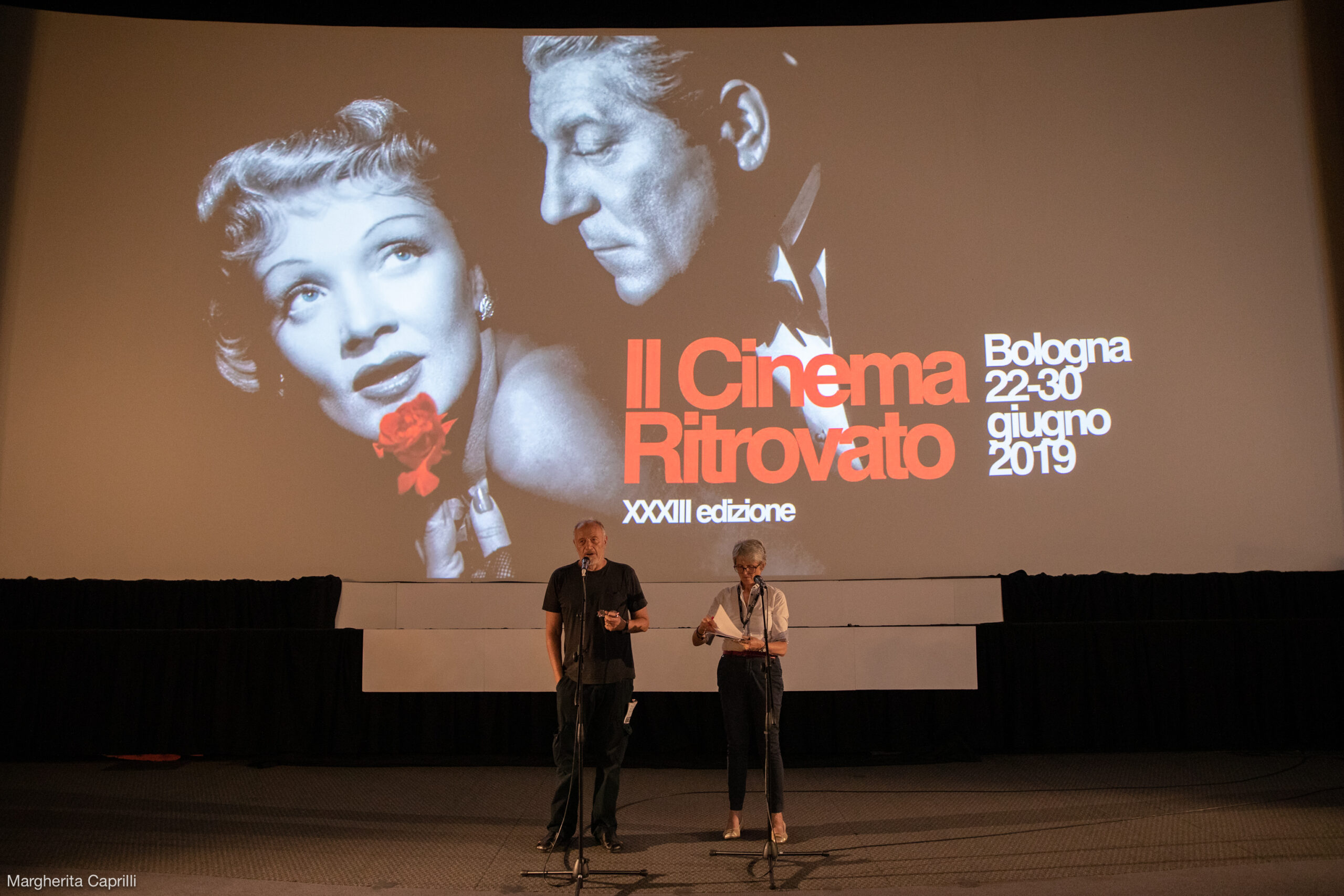
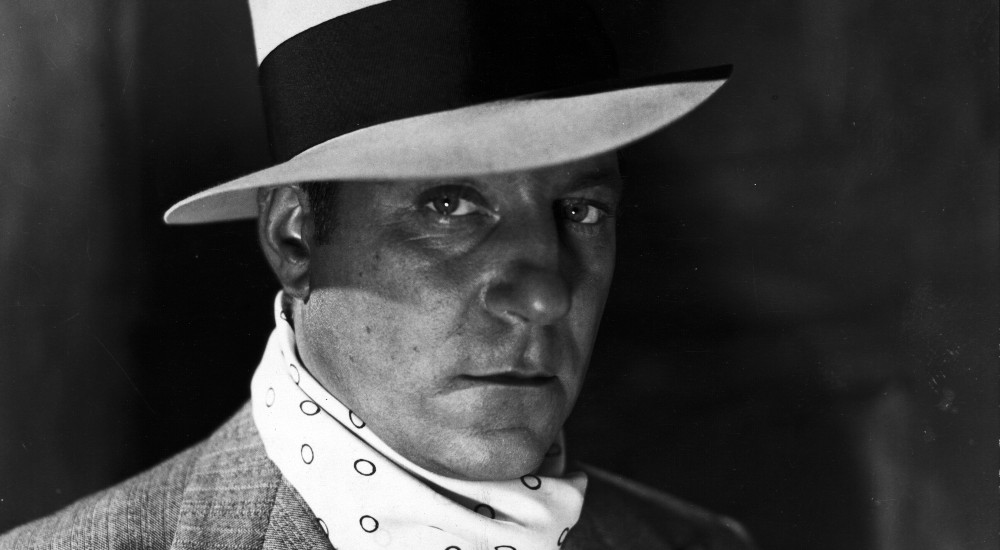
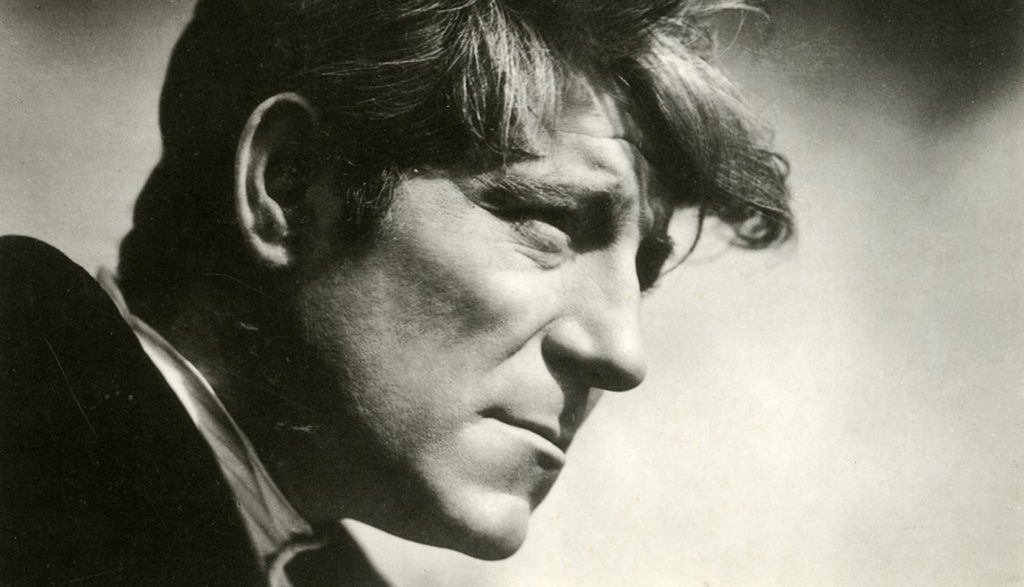
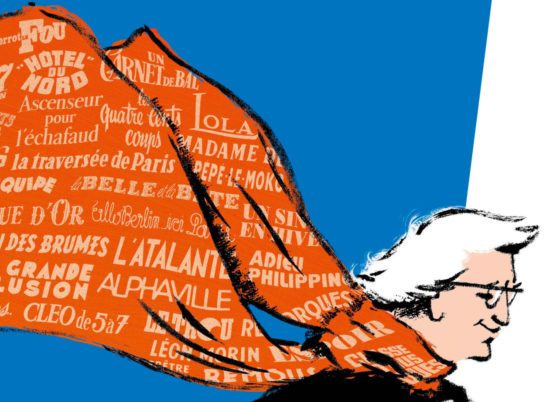
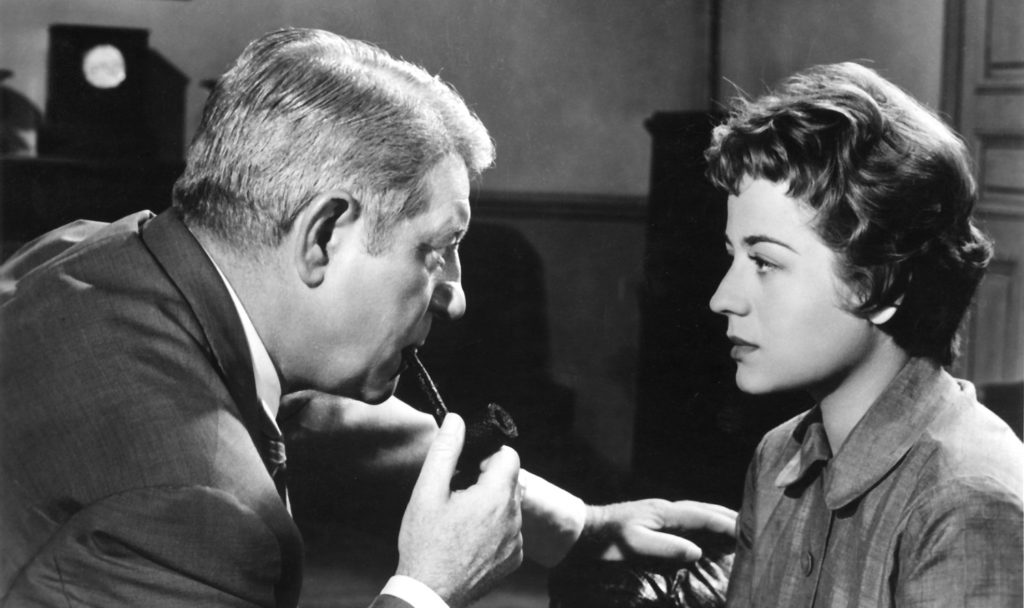
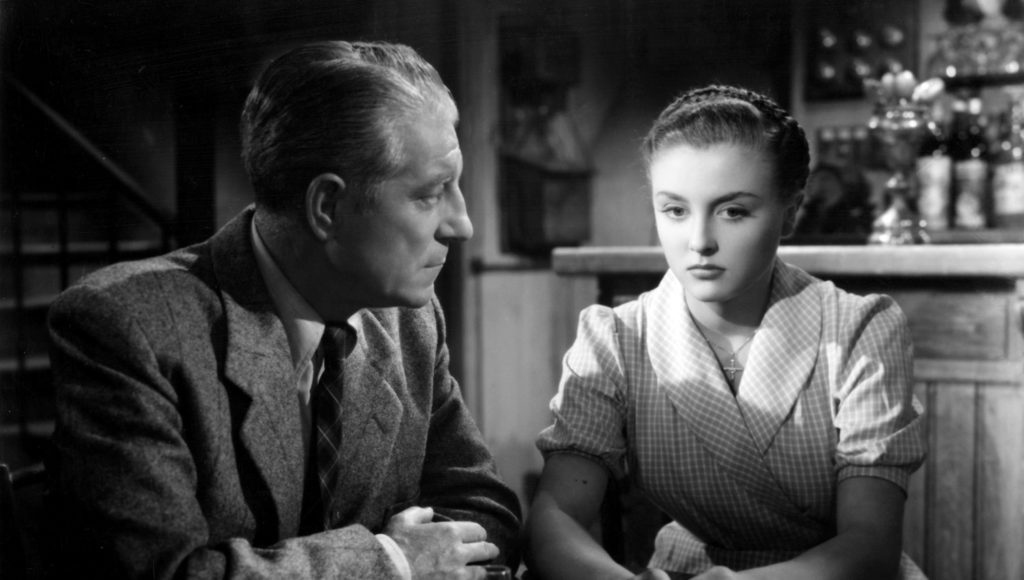
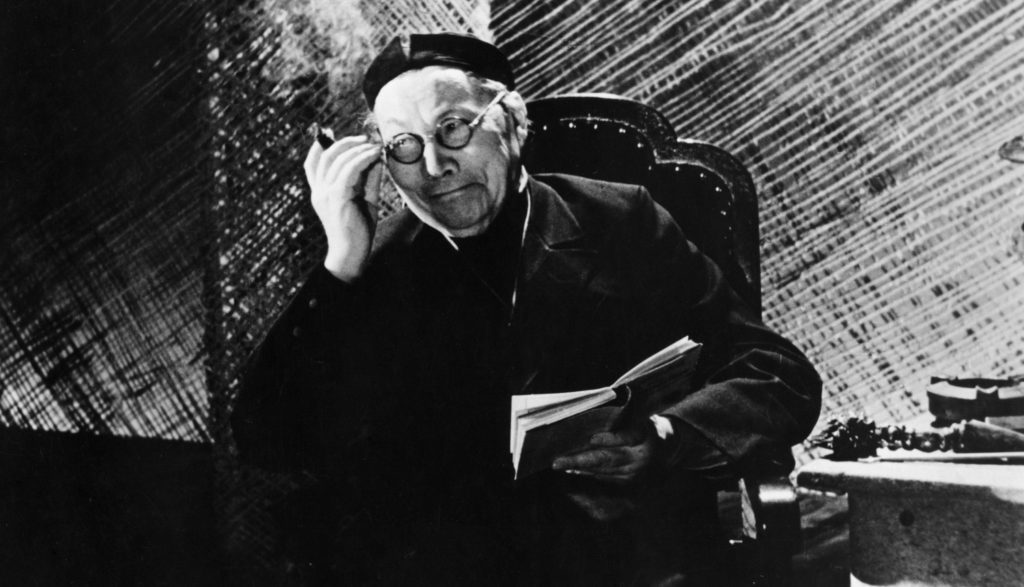
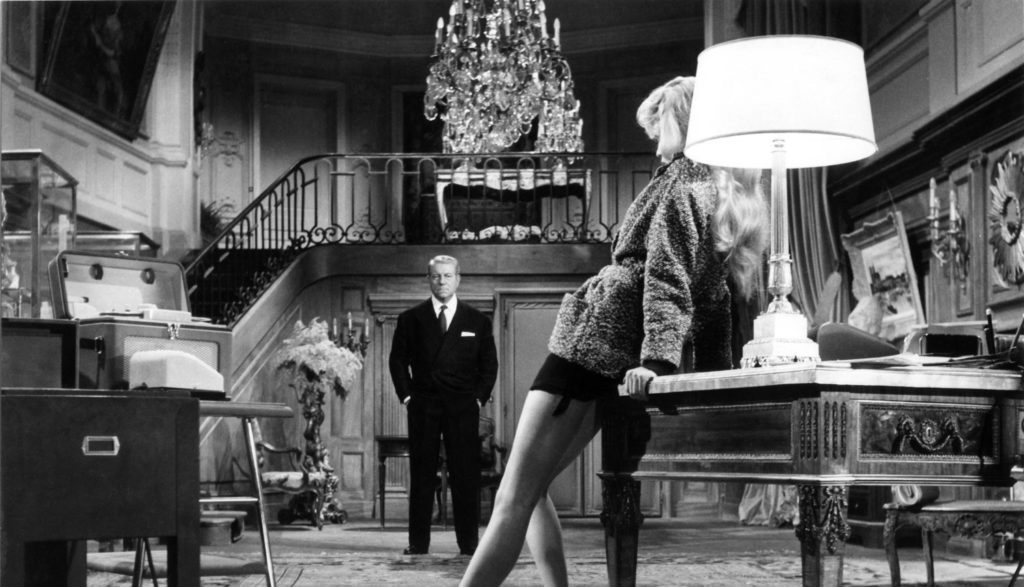
An unexpected and almost unreal image, but it was not due to special effects. Will we ever be able to forget seeing Notre-Dame in flames? A part of human culture went up in smoke right before our eyes. The eternal, monotonous and malleable present of the selfie era vanished; there was a glimmer of truth in this catastrophe. All of a sudden reality, with its tragic and unforeseen turn of events, reappeared. The past is not polished like the eternal present; instead it is a web of constant changes. It will do us good to see Georges Franju’s Notre-Dame, cathédrale de Paris, which Bernard Eisenschitz opened our eyes to. In 1957, before a number of restoration projects, the great cathedral of Paris looked a lot different from how we have come to know it in recent decades. A fragile, human art that also risks disappearing, cinema from the past shows us that time does not stop and that nothing is forever – not even stones. Films from the past are always at the ready to surprise us and contradict our convictions. For example, Jean Gabin can aspire to being eternal. The face, body and smile of France’s Popular Front, of a Europe that hoped for a better world but instead was rewarded with bloody wars. Like a handful of other actors, Gabin became part of history at a very young age and reappeared after the war; he was changed, not young any more, with white hair and in love with Marlene Dietrich, who, even if she had run away from Hitler, would always still be German. Gabin’s losses were the foundation of his loner legend, which in the 1950s went obstinately in the opposite direction of his times. He found refuge in the countryside (what star of the postwar era left the city to be a farmer?) and in his acting roles. He became unpopular to those who wanted everything to change at that time and he was adored by anyone who wanted everything to stay the same. Today we can watch his films and be moved by his fragile, unique (and unrepeatable?) art.
Francis Ford Coppola; Jane Campion; Nicolas Winding Refn; Bertrand Tavernier; Vincenzo Mollica; Clare Peploe; Kim Soo-yong; Souleymane Cissé; Jean-Pierre Dikongué Pipa; Thierry Frémaux; Marco Bellocchio; Chema Prado; Jacopo Quadri; Alba Rorhwacher; Alina Marazzi; John Bailey; Alvaro Vitali; Angela Allen; Emi De Sica; Catherine Wyler; Alexandra Stewart; Cecilia Mangini; James Thierrée
INGMAR BERGMAN’S CINEMA (Svezia, 1946-2003) – Criterion Collection (blu-ray)
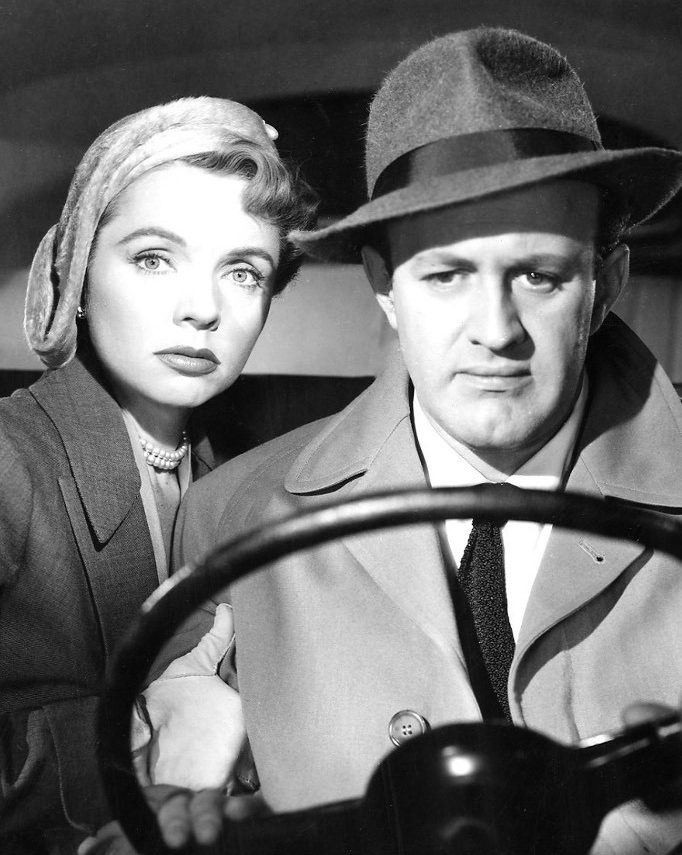
GIORNATA NERA PER L’ARIETE (IT, 1971) di Luigi Bazzoni – Arrow Films (blu-ray); LA DONNA DEL LAGO (IT, 1965) di Luigi Bazzoni, Franco Rossellini – Arrow Films (blu-ray); THE MAN WHO CHEATED HIMSELF (USA, 1950) di Felix E. Feist – Flicker Alley/Film Noir Foundation/UCLA (blu-ray + dvd)
PIONEERS: FIRST WOMEN FILMMAKERS (USA, 1911-1929) – Kino Lorber (blu-ray)
DÉMANTY NOCI / DIAMONDS OF THE NIGHT (Czechoslovakia, 1964) di Jan Němec – Second Run (blu-ray); VIDA EN SOMBRAS (Spagna, 1948-1953) di Llorenç Llobet Gràcia – Filmoteca de Catalunya/Intermedio (dvd)
NON CONTATE SU DI NOI (IT, 1978) di Sergio Nuti – Penny Video/Cineteca Nazionale/Cineploit (blu-ray + dvd)
Shivendra Singh Dungapur
ČERNÝ PETR (Czechoslovakia, 1963) di Miloš Forman – Národní filmový archiv (blu-ray); PRÍPAD BARNABÁŠ KOS (Czechoslovakia, 1964) di Peter Solan – Slovenský filmový ústav (blu-ray)
The Cinephiles’ Heaven
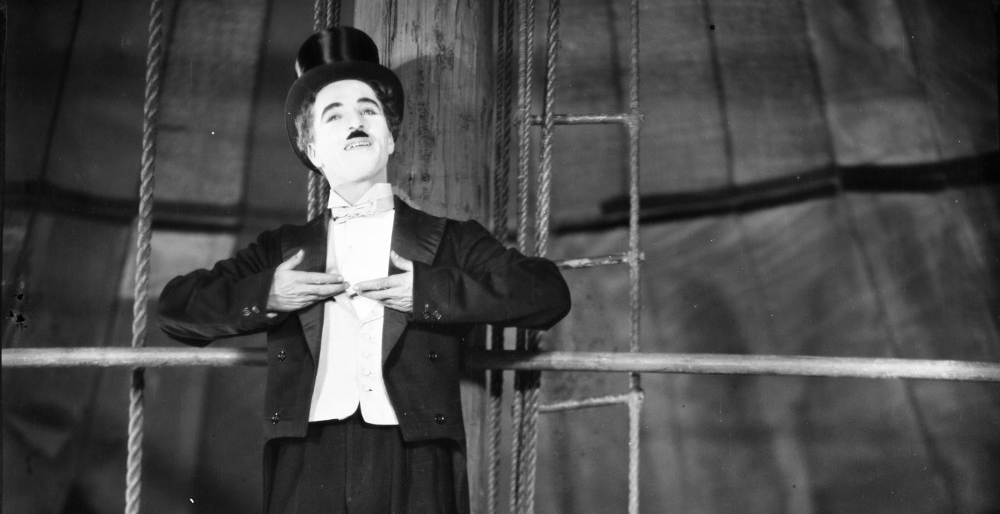
The Cinephiles’ Heaven
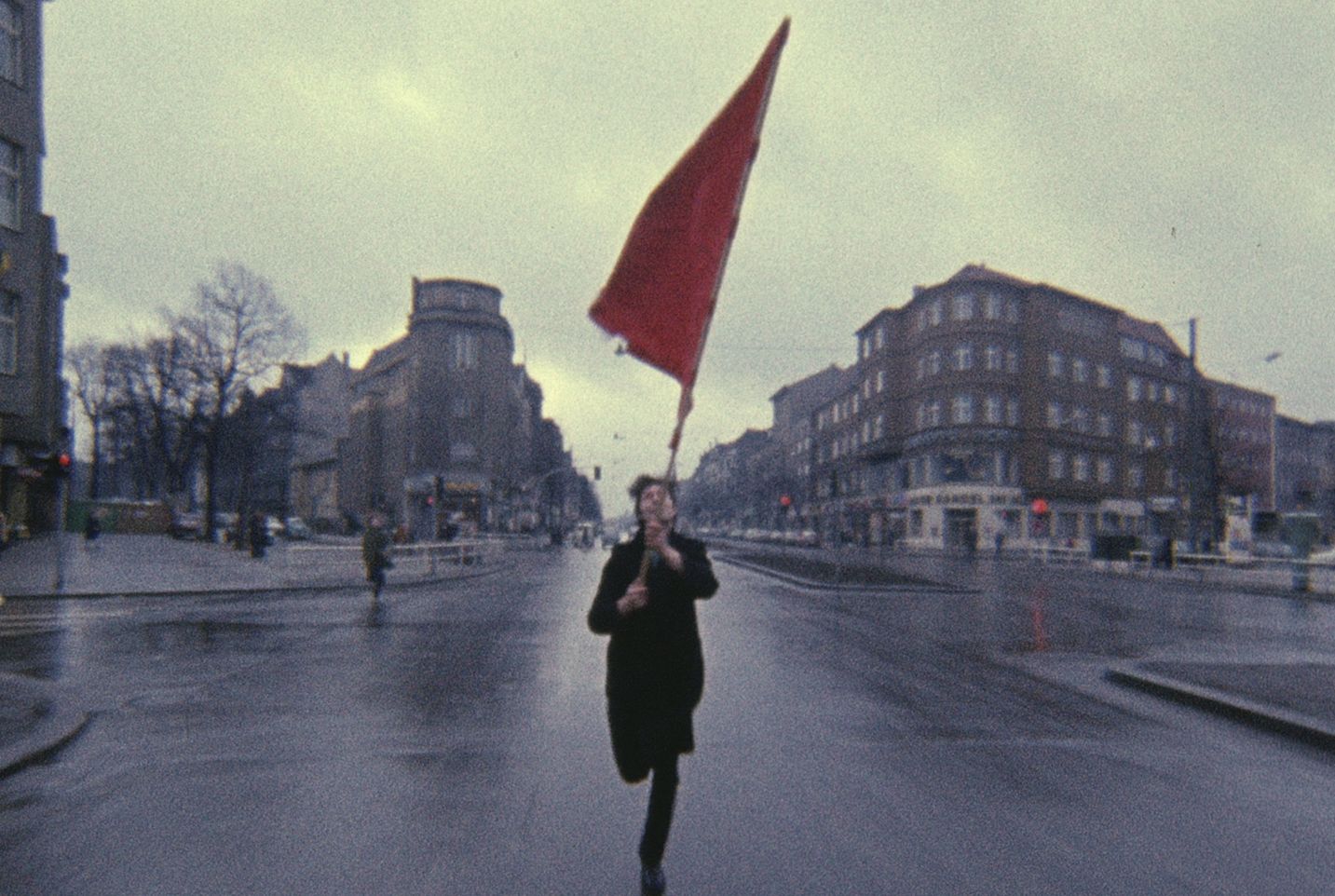
The Cinephiles’ Heaven
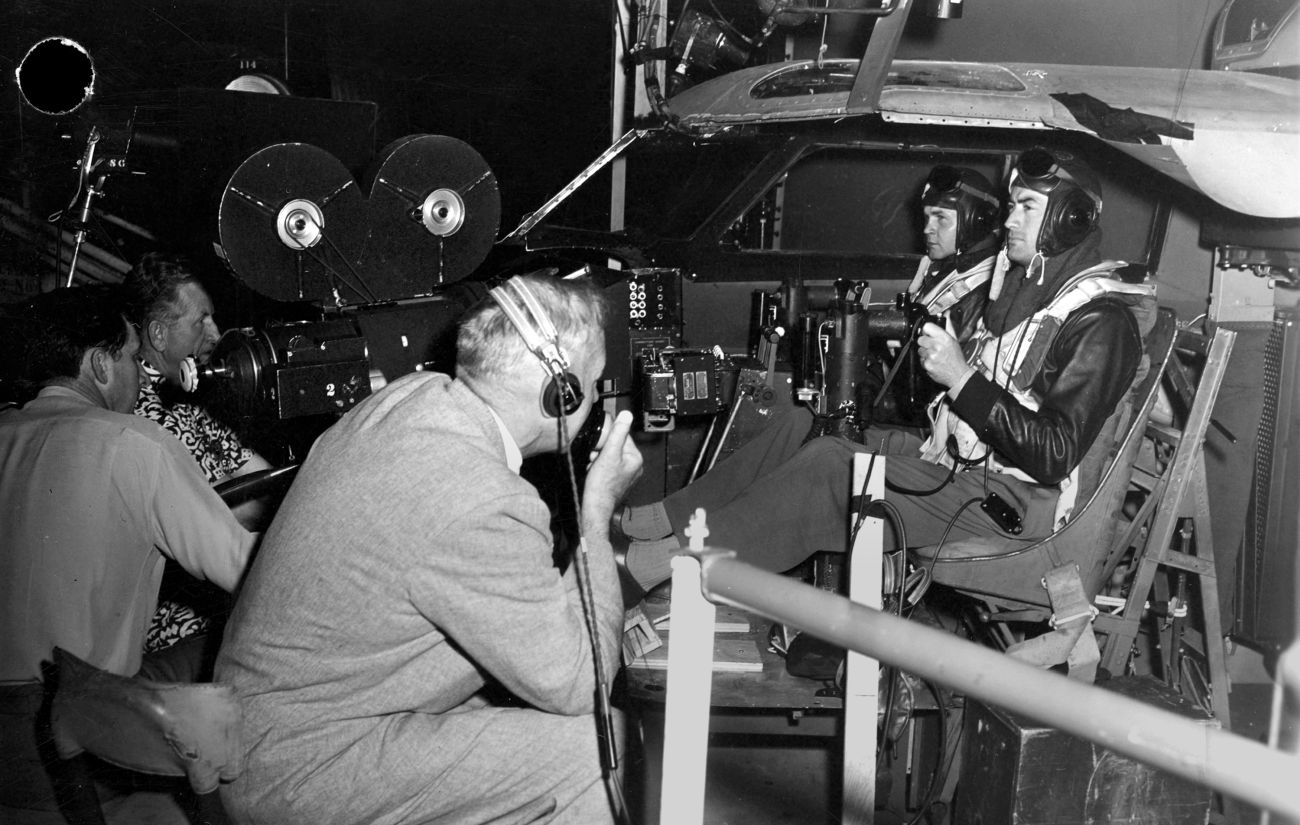
The Cinephiles’ Heaven
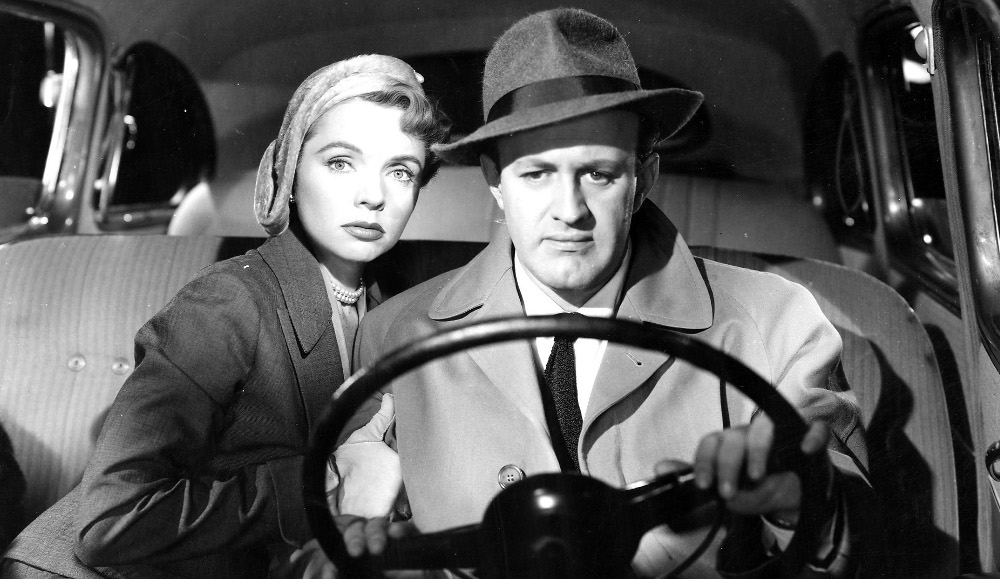
The Cinephiles’ Heaven
The Cinephiles’ Heaven
The Cinephiles’ Heaven

The Cinephiles’ Heaven
The Cinephiles’ Heaven
The Cinephiles’ Heaven
The Cinephiles’ Heaven

The Cinephiles’ Heaven
monday 10 june
Salaborsa (piazza coperta)
tuesday 18 june
Grand Hotel Majestic
Alliance française Bologne
Section: Jean Gabin, the Man with Blue Eyes
thursday 20 june

Cinema Lumiere – Sala Officinema/Mastroianni
Introduced by
Mariann Lewinsky
Section: Documents and Documentaries - “Rendez-nous Musidora!”
Cinema Lumiere – Sala Officinema/Mastroianni
Introduced by
Ehsan Khoshbakht
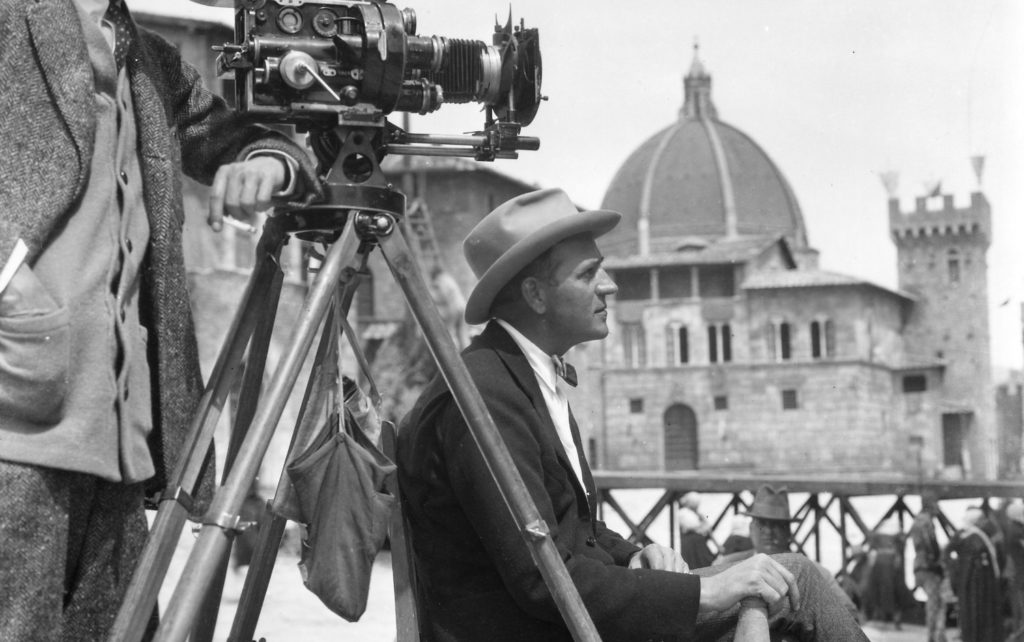
Section: Documents and Documentaries - Soul and Craft: A Portrait of Henry King
Piazza Maggiore
Supported by LegaCoop
(In case of rain, the screening will be moved to Cinema Lumière)
friday 21 june
Biblioteca Renzo Renzi
Cinema Lumiere – Sala Scorsese
Introduced by
Raffaele Rago e Daniela Masciale
Section: Documents and Documentaries
Cinema Lumiere – Sala Scorsese
Introduced by
Yves Jeuland and François Aymé
Section: Documents and Documentaries - Jean Gabin, the Man with Blue Eyes
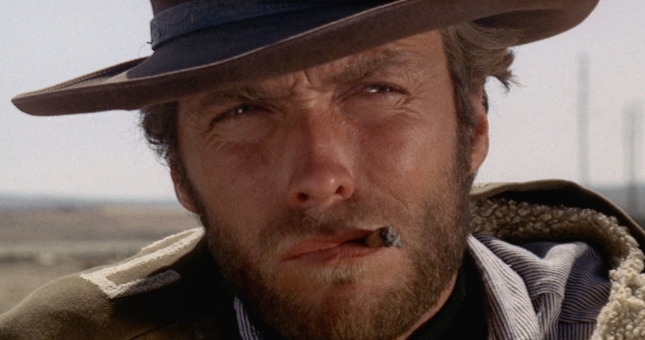
Arlecchino Cinema
(In case of rain, the screening will be moved to Cinema Jolly)
Section: Recovered & Restored
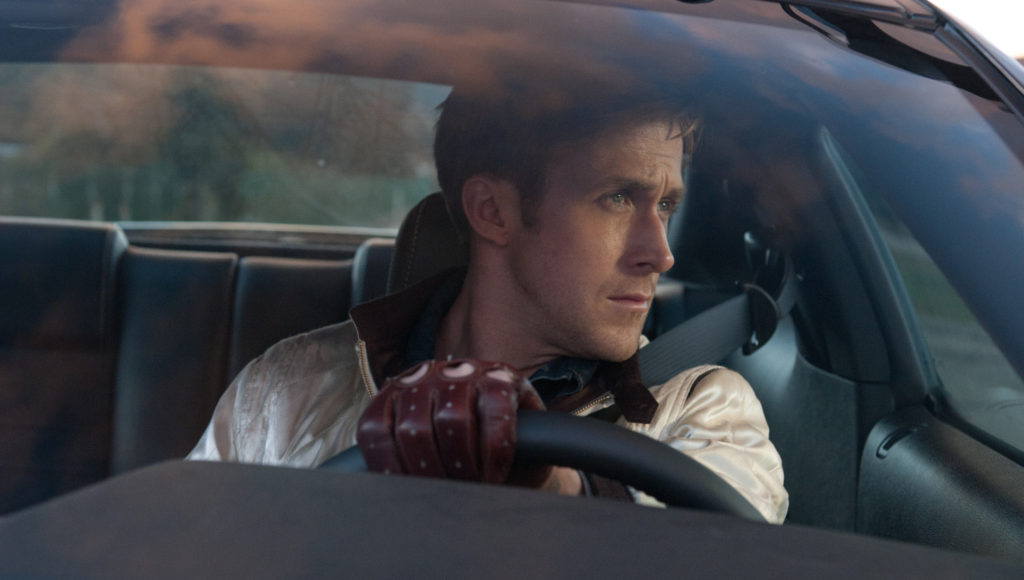
Piazza Maggiore
Introduced by
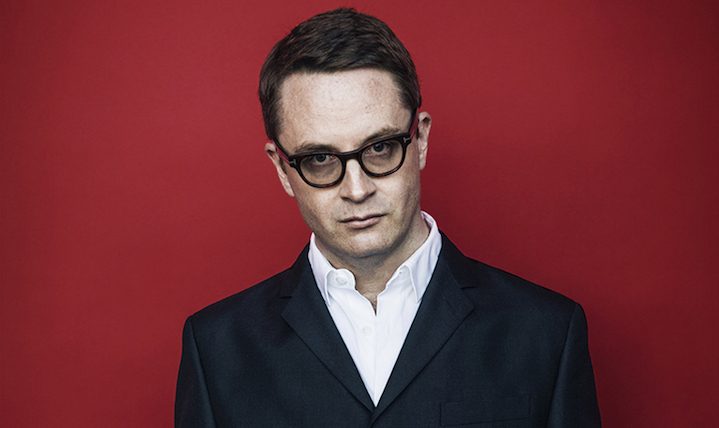
Nicolas Winding Refn
(In case of rain, the screening will be moved to Cinema Arlecchino)
saturday 22 june
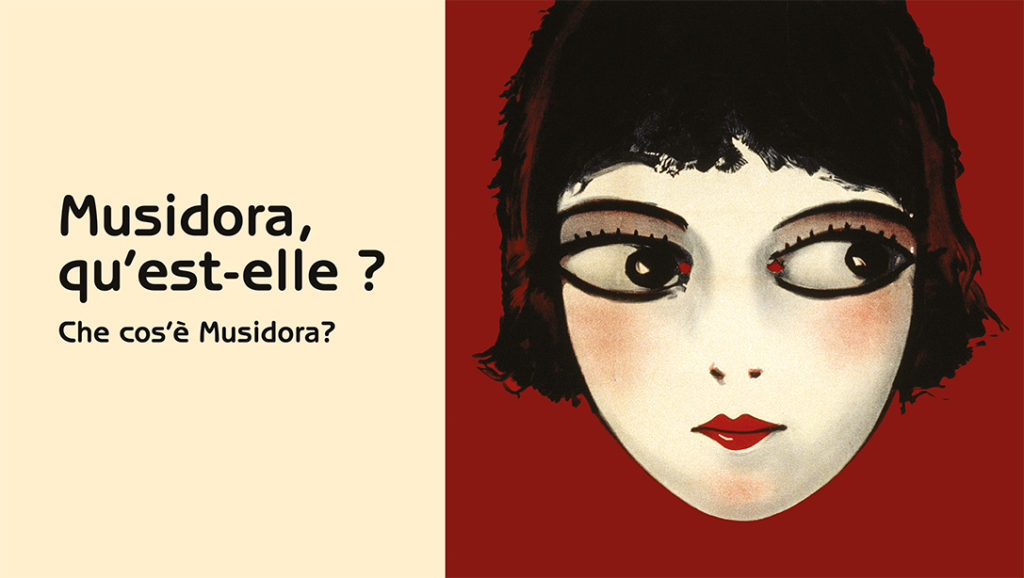
Cinema Lumière
Section: “Rendez-nous Musidora!”
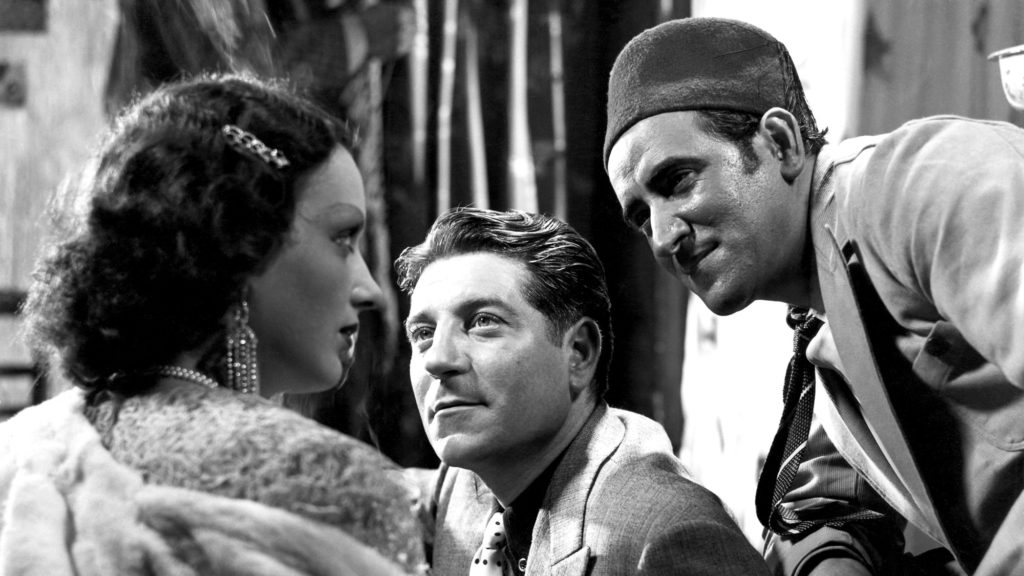
Arlecchino Cinema
Section: Jean Gabin, the Man with Blue Eyes
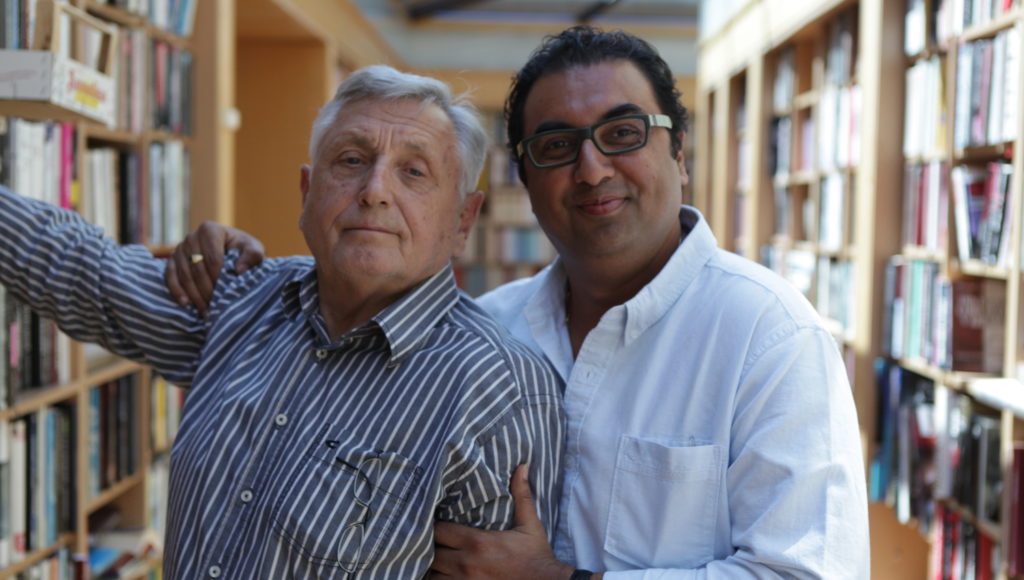
Introduced by
Shivendra Singh Dungarpur
PART 1 running time: 100 minutes
Section: Documents and Documentaries
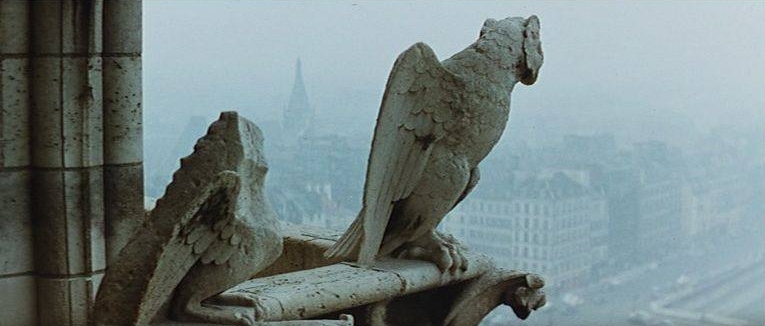
Cinema Modernissimo
Introduced by
Cecilia Cenciarelli, Mariann Lewinsky, Ehsan Khoshbakht e Gian Luca Farinelli
Section: Georges Franju: Beyond Reality
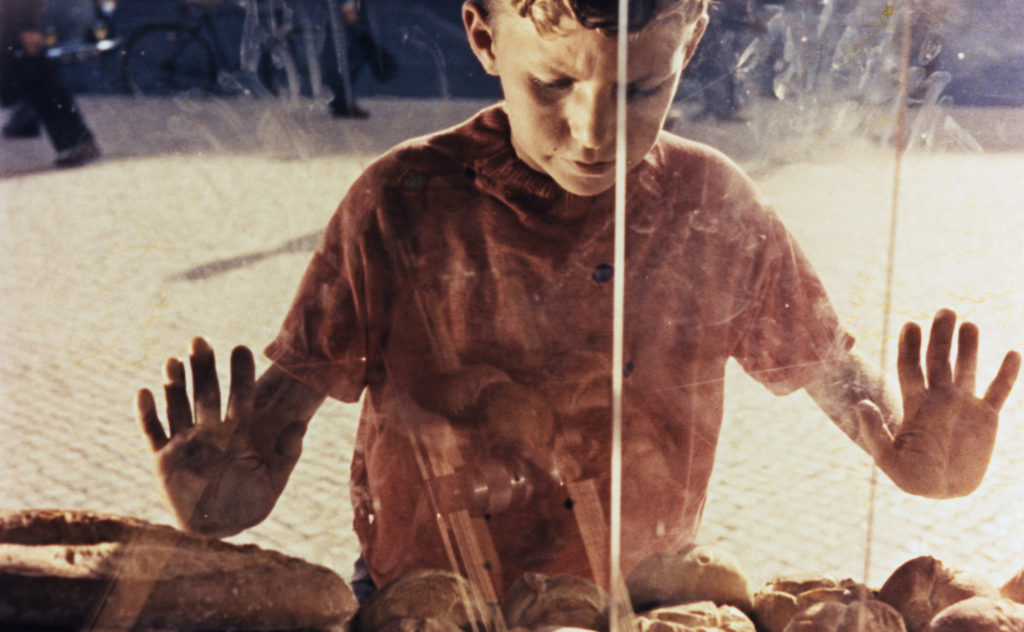
Arlecchino Cinema
Section: Recovered & Restored - Documents and Documentaries
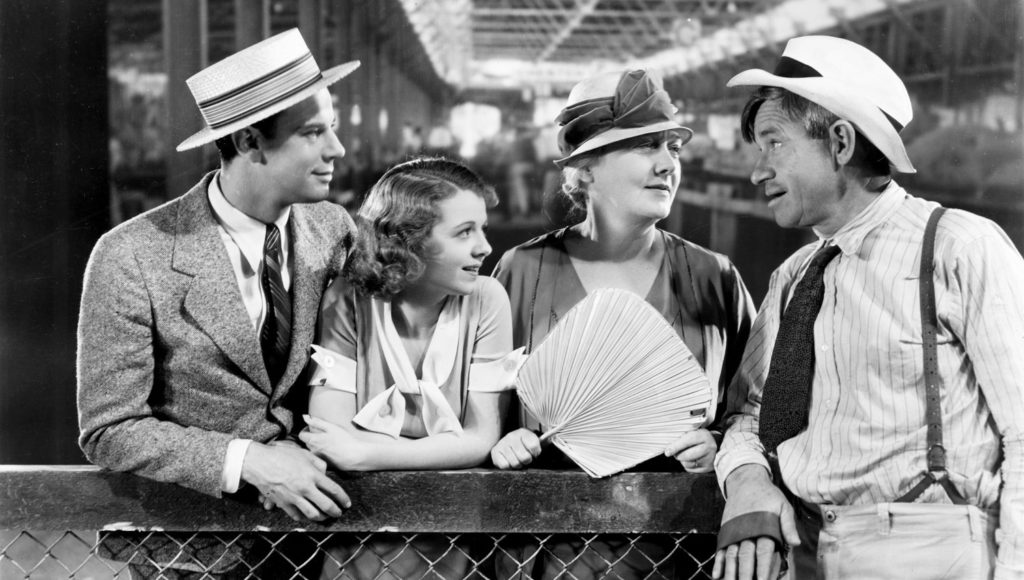
Jolly Cinema
Introduced by
Ehsan Khoshbakht
Section: Soul and Craft: A Portrait of Henry King
PART 2 running time: 112 minutes
Section: Documents and Documentaries
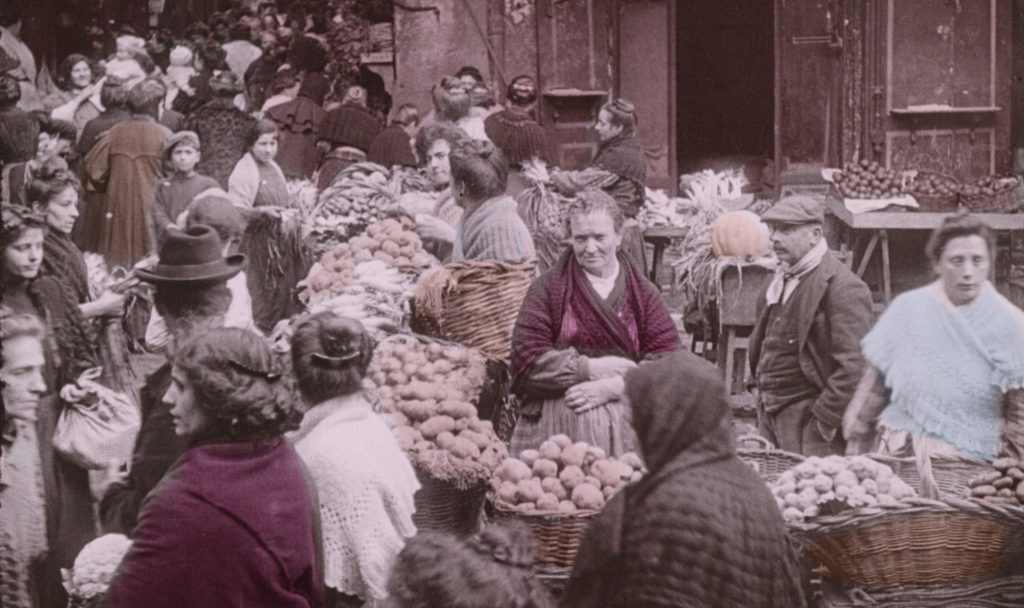
Cinema Lumiere – Sala Officinema/Mastroianni
Introduced by
Mariann Lewinsky and Andrea Meneghelli
Piano accompaniment by
Stephen Horne
Section: Recovered & Restored - In Search of Colour
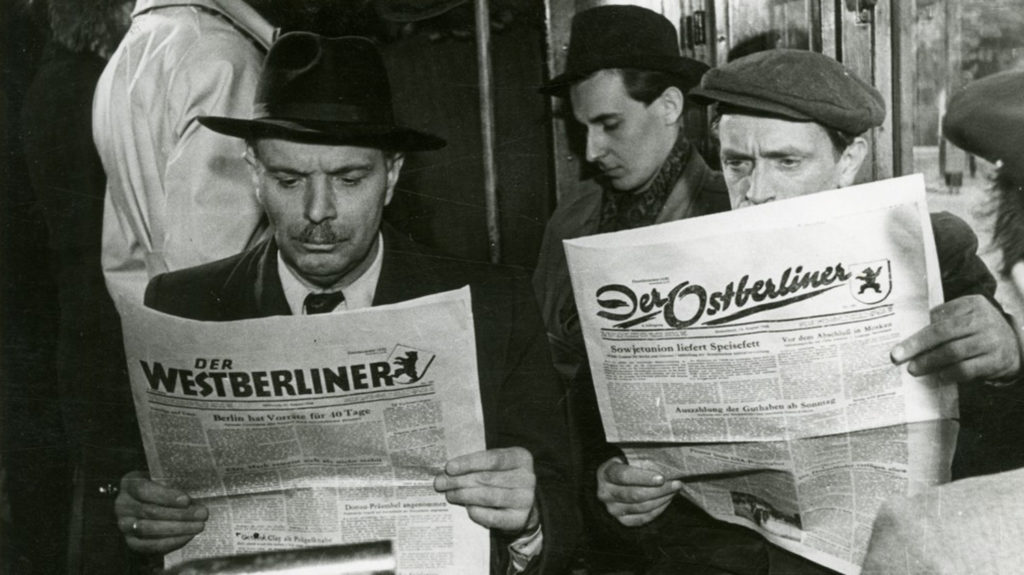
Cinema Lumiere – Sala Scorsese
Introduced by
Christine Danziger (Günter-Neumann-Stiftung)
Section: Recovered & Restored - “We Are the Natives of Trizonia”: Inventing West German Cinema, 1945-49

Sala Cervi
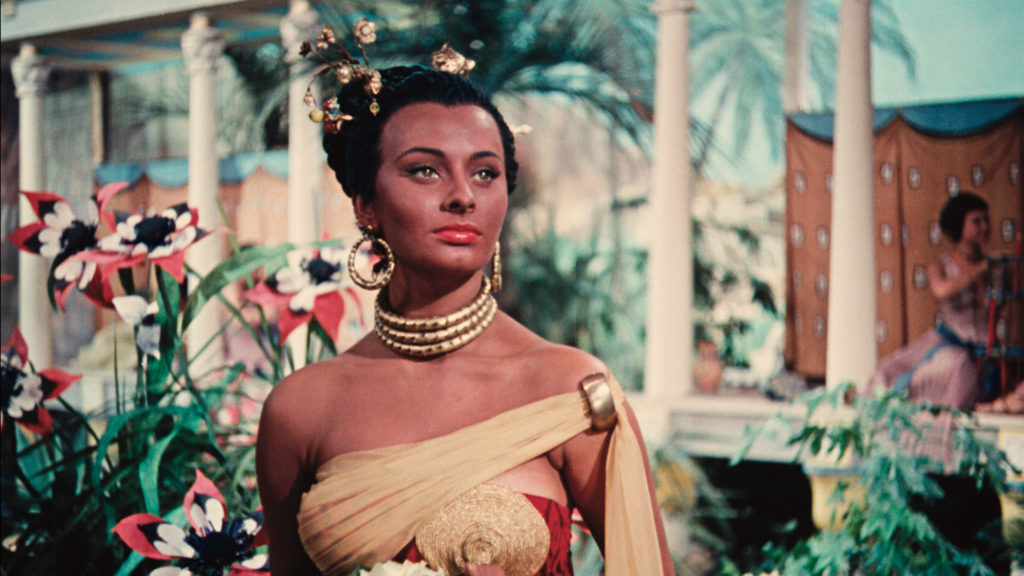
Arlecchino Cinema
Introduced by
Gian Luca Farinelli
Section: Recovered & Restored
Cinema Lumiere – Sala Officinema/Mastroianni
Piano accompaniment by
Maud Nelissen
Section: Recovered & Restored
Cinema Lumiere – Sala Scorsese
Introduced by
Octavi Martí I Coll (Filmoteca de Catalunya) and Léa Morin
Section: Recovered & Restored - Cinemalibero
Section: Documents and Documentaries

Jolly Cinema
Section: William Fox Presents: Rediscoveries from the Fox Film Corporation – Part II
Cinema Lumiere – Sala Officinema/Mastroianni
Introduced by
Bryony Dixon (BFI National Archive), Béatrice De Pâstre (CNC) and Mariann Lewinsky
Piano accompaniment by
Stephen Horne
Section: 1899: Year Four of Cinema - Recovered & Restored

Arlecchino Cinema
To follow: Angela Allen talks with Nick Varley
Section: Recovered & Restored
Cinnoteca
Section: Il Cinema Ritrovato Kids & Young
Jolly Cinema
Introduced by
Emiliano Morreale
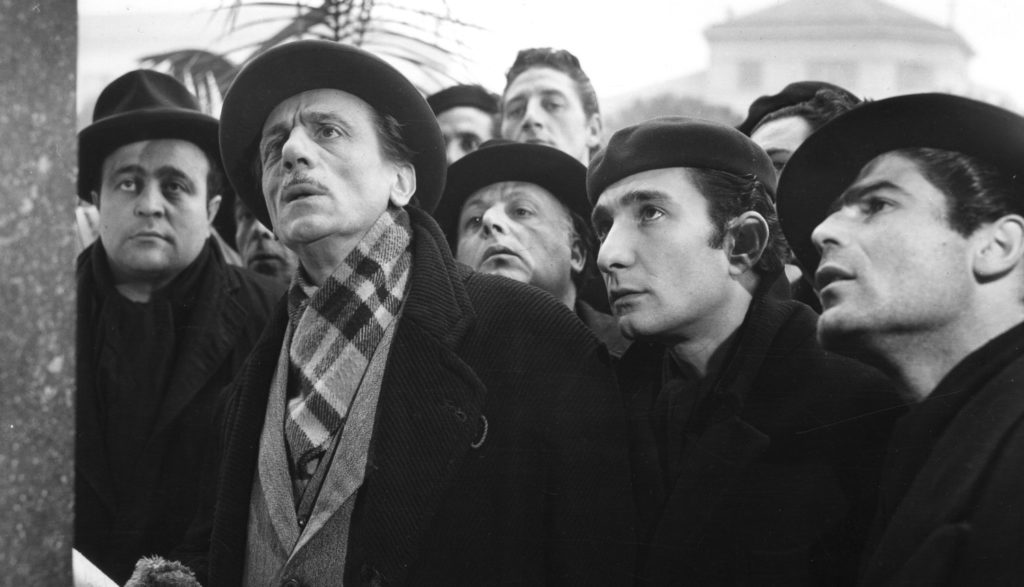
Section: A Neapolitan at Cinecittà, Eduardo De Filippo the Filmmaker
![THE RED LANTERN / [Screentest Nazimova]](https://ilcinemaritrovato.it/wp-content/uploads/2019/06/red_lantern-1024x576.jpg)
Cinema Lumiere – Sala Officinema/Mastroianni
Piano accompaniment by
Antonio Coppola
Section: One hundred years ago: 1926
Cinema Lumiere – Sala Scorsese
Introduced by
Olaf Möller
Piano accompaniment by
Daniele Furlati
Section: “We Are the Natives of Trizonia”: Inventing West German Cinema, 1945-49
Cinema Modernissimo
Piano accompaniment by
Donald Sosin
Section: One hundred years ago: 1926
PART 3 running time: 82 minutes
Section: Documents and Documentaries
Piazzetta Pier Paolo Pasolini
Arlecchino Cinema
Introduced by
Nicolas Winding Refn e Peter Conheim
Section: Recovered & Restored
Cinema Lumiere – Sala Scorsese
PART 4 running time: 113 minutes
Section: Documents and Documentaries
Jolly Cinema
Section: Brutal, Nasty, and Short: The Noir of Felix E. Feist
Piazza Maggiore
Introduced by
Emi De Sica, Bryony Dixon (BFI – National Archive)
Piano accompaniment by
John Sweeney
Preceding: a selection of wide-gauge film by Mutoscope & Biograph
Supported by Volvo
(In case of rain the projection will be moved to Pop up Cinema Medica Palace)
Section: Recovered & Restored
sunday 23 june
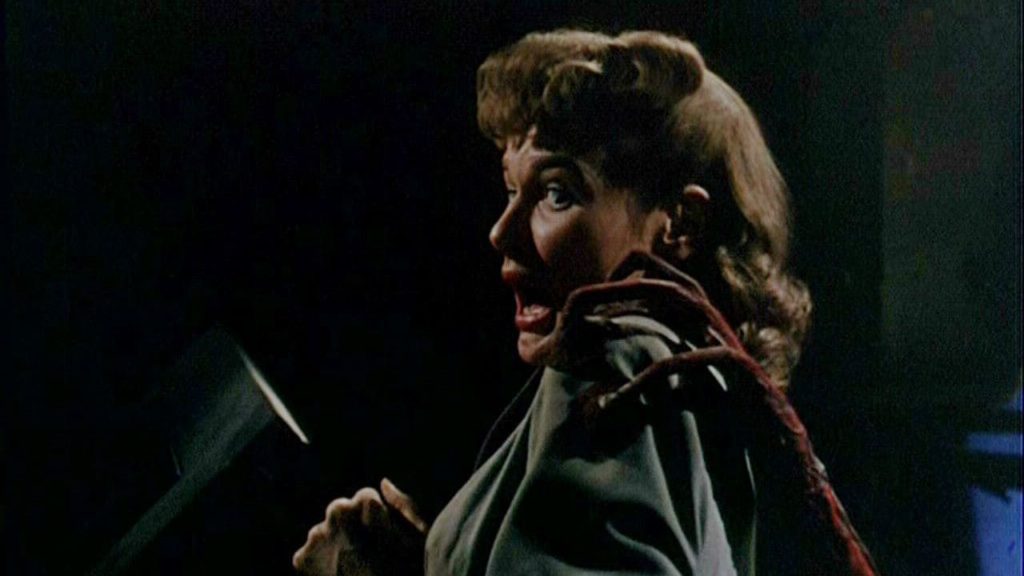
Arlecchino Cinema
Section: Recovered & Restored
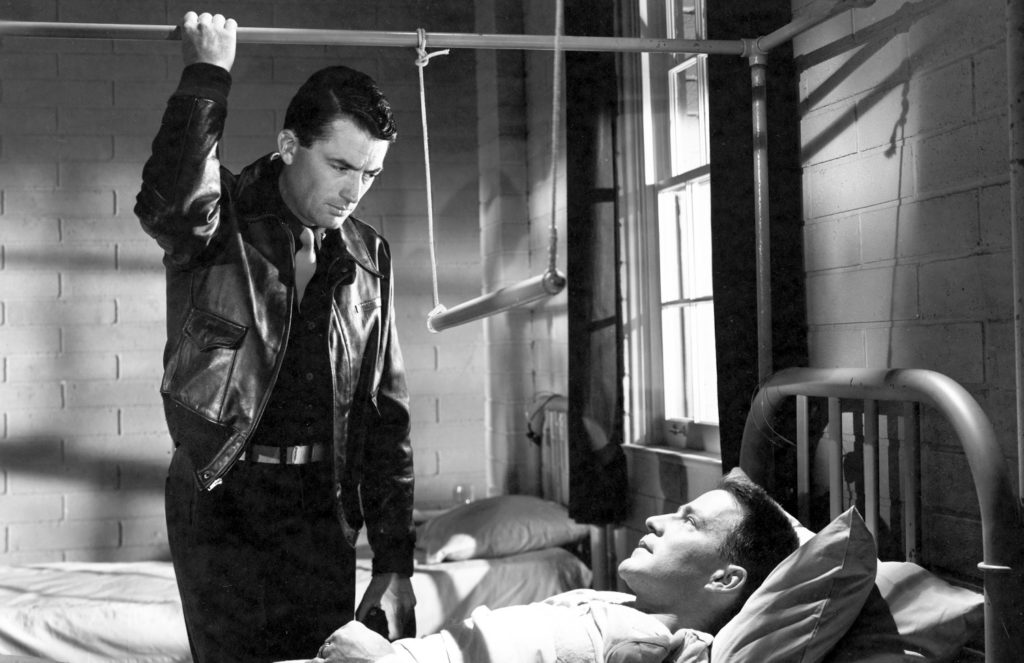
Jolly Cinema
Section: Soul and Craft: A Portrait of Henry King
Cinema Lumiere – Sala Officinema/Mastroianni
Introduced by
Patrick Cazals
Section: “Rendez-nous Musidora!” - Documents and Documentaries
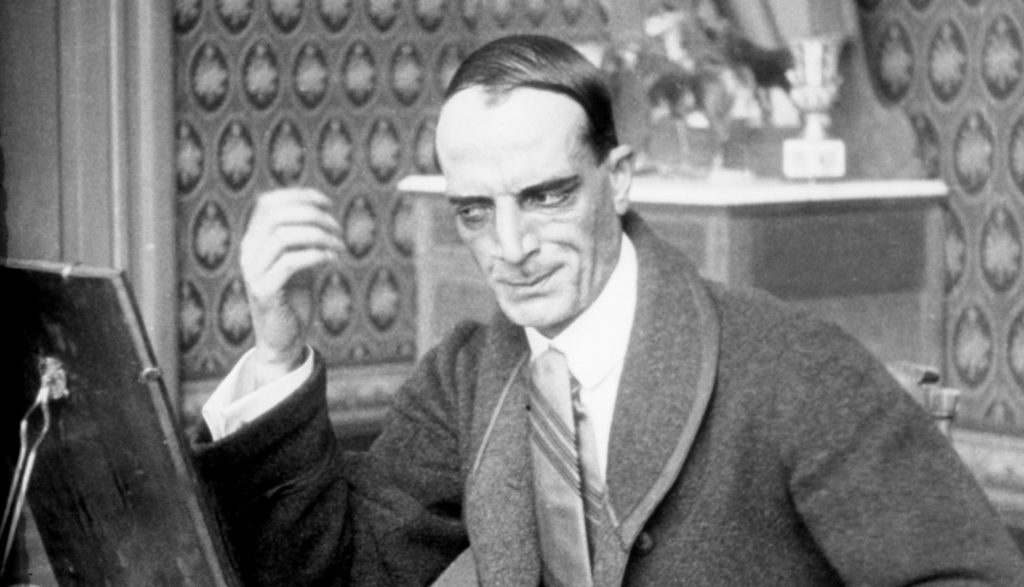
Cinema Modernissimo
Piano accompaniment by
Daniele Furlati
Section: One hundred years ago: 1926
Sala Cervi
Cinema Lumiere – Sala Scorsese
Section: “We Are the Natives of Trizonia”: Inventing West German Cinema, 1945-49
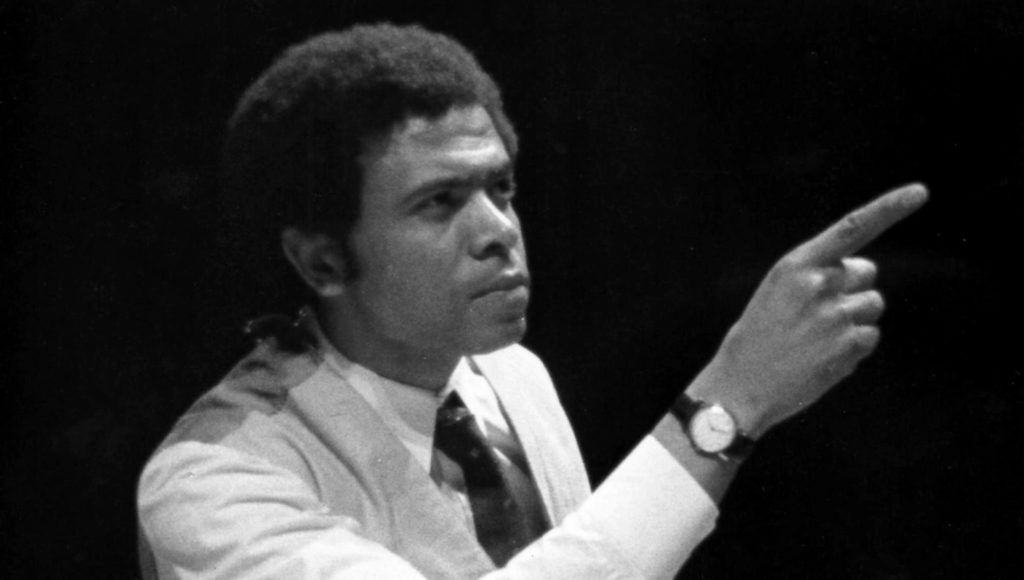
Cinema Lumiere – Sala Scorsese
Introduced by
Aboubakar Sanogo
To precede: Intervista a Med Hondo, 1975
Section: Cinemalibero
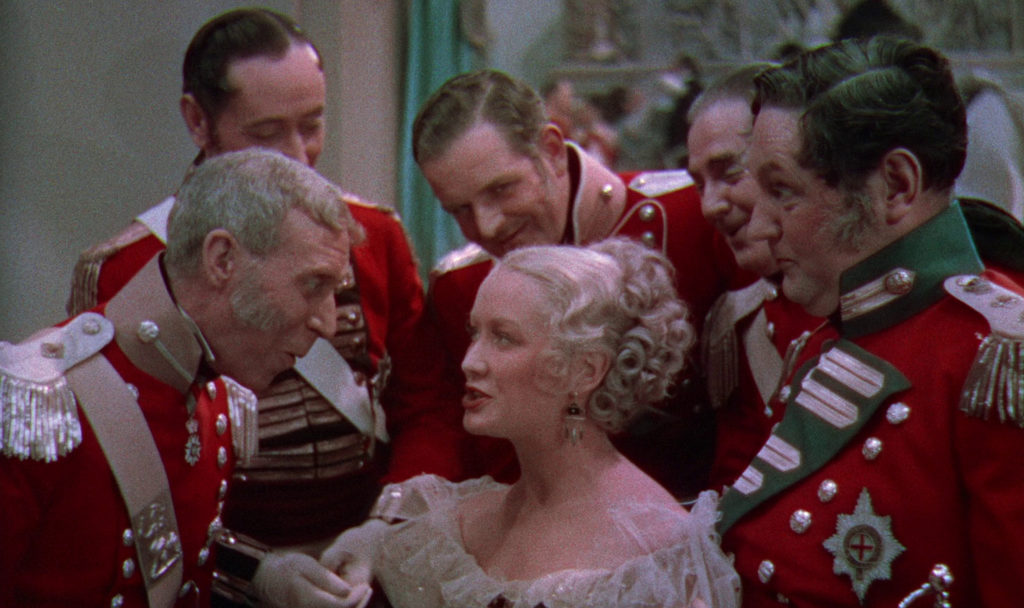
Arlecchino Cinema
Section: In Search of Colour
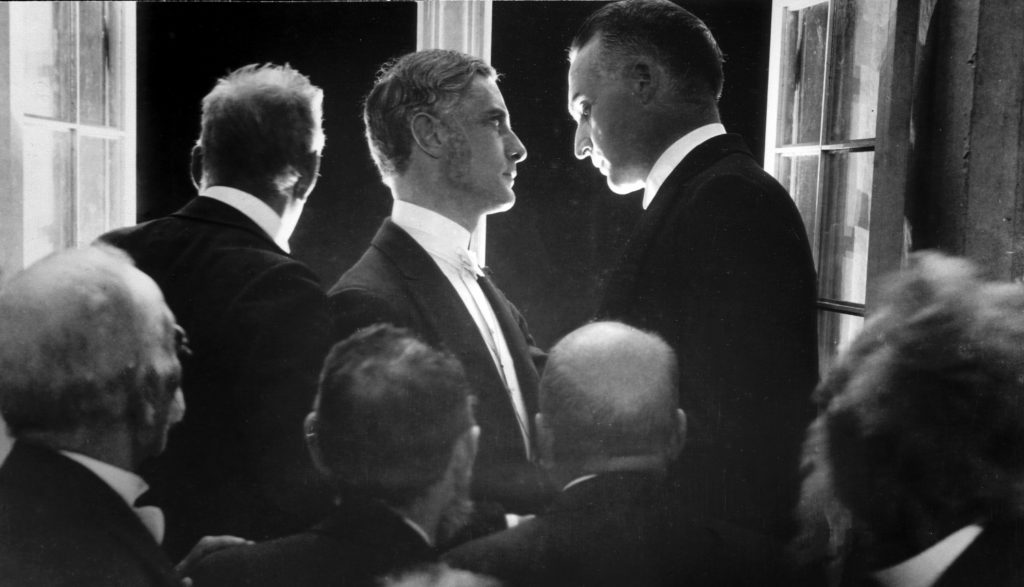
Cinema Lumiere – Sala Officinema/Mastroianni
Introduced by
Mariann Lewinsky and Karl Wratschko
Piano accompaniment by
Maud Nelissen
Section: One hundred years ago: 1926
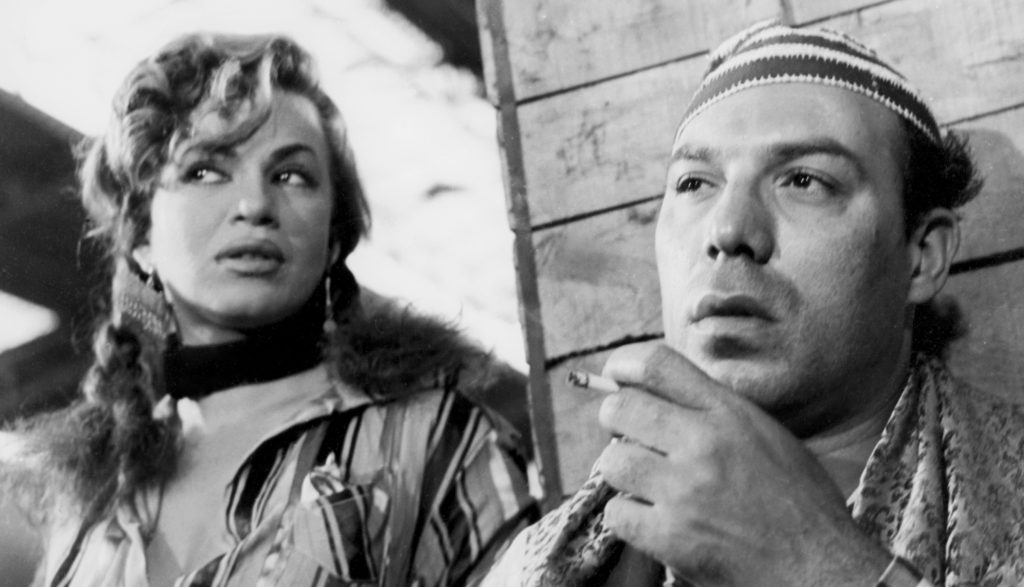
Jolly Cinema
Section: Youssef Chahine – The Last Arab Optimist
Sala Cervi
Arlecchino Cinema
Introduced by
Bertrand Tavernier
Section: Jean Gabin, the Man with Blue Eyes
Jolly Cinema
Section: Brutal, Nasty, and Short: The Noir of Felix E. Feist

Introduced by
Danielle Anezin
Section: Documents and Documentaries
Cinema Lumiere – Sala Officinema/Mastroianni
Introduced by
Sophie Seydoux (Fondation Jérôme Seydoux-Pathé), Caroline Fournier (Cinémathèque suisse)
Piano accompaniment by
Donald Sosin (for Ein Werktag)
Section: Recovered & Restored
Cinema Lumiere – Sala Scorsese
Introduced by
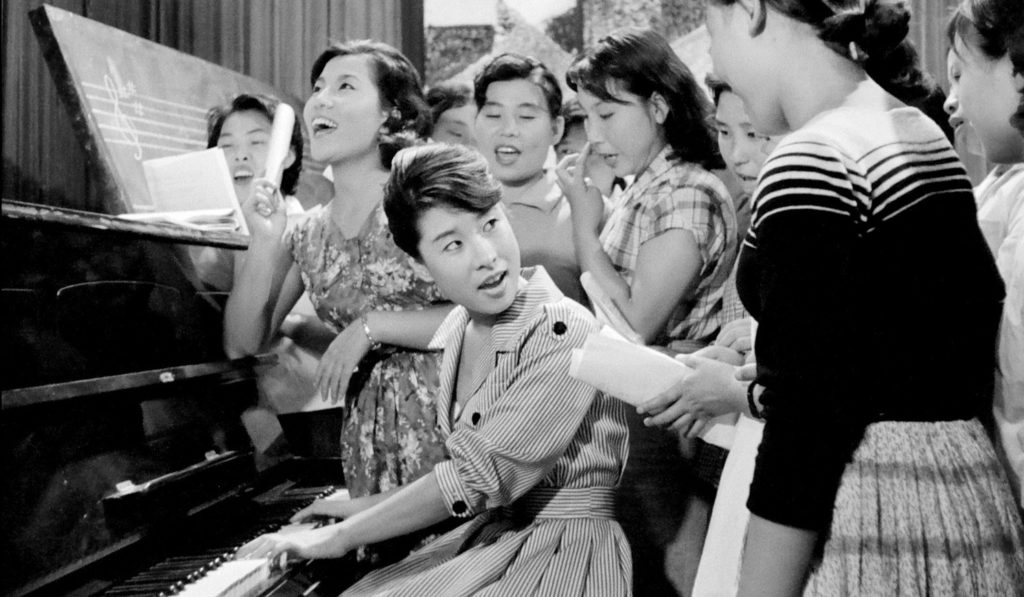
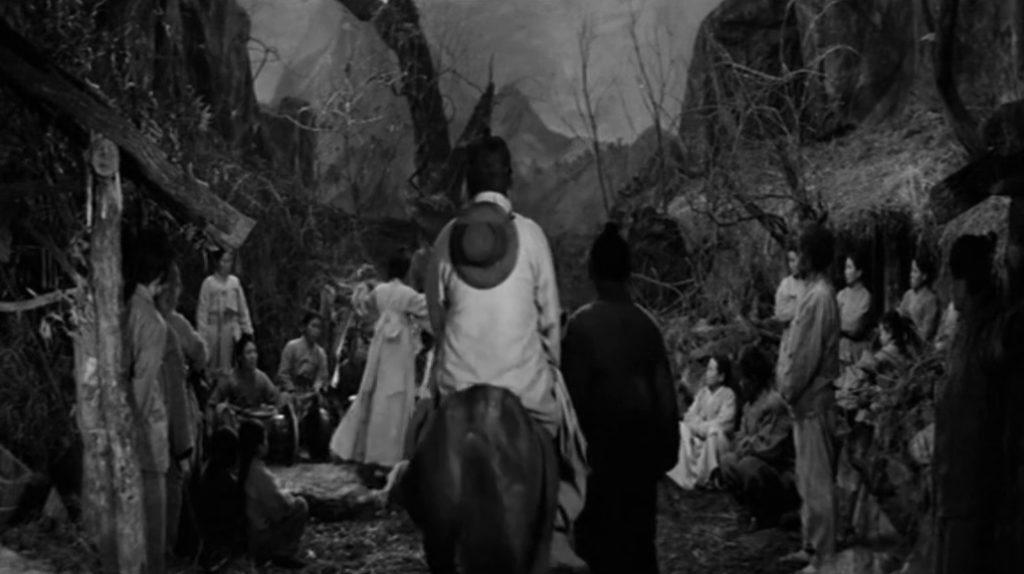
Cho Hyun Jin (London Korean Film Festival) and Jung Minhwa (Korean Film Archive)
Section: Under the Skies of Seoul: The Golden Age of South Korean Cinema
Introduced by
Riccardo Costantini (Cinemazero)
Section: Documents and Documentaries
Jolly Cinema
Introduced by
Dave Kehr (MoMA)
Piano accompaniment by
Maud Nelissen
Section: William Fox Presents: Rediscoveries from the Fox Film Corporation – Part II
Arlecchino Cinema
Section: Recovered & Restored
Cinema Lumiere – Sala Officinema/Mastroianni
Introduced by
Mariann Lewinsky and Didier Bertrand
Piano accompaniment by
John Sweeney
Section: “Rendez-nous Musidora!” - 1899: Year Four of Cinema
Cinema Lumiere – Sala Scorsese
Section: Recovered & Restored - In Search of Color: Technicolor & Co.
Sala Cervi
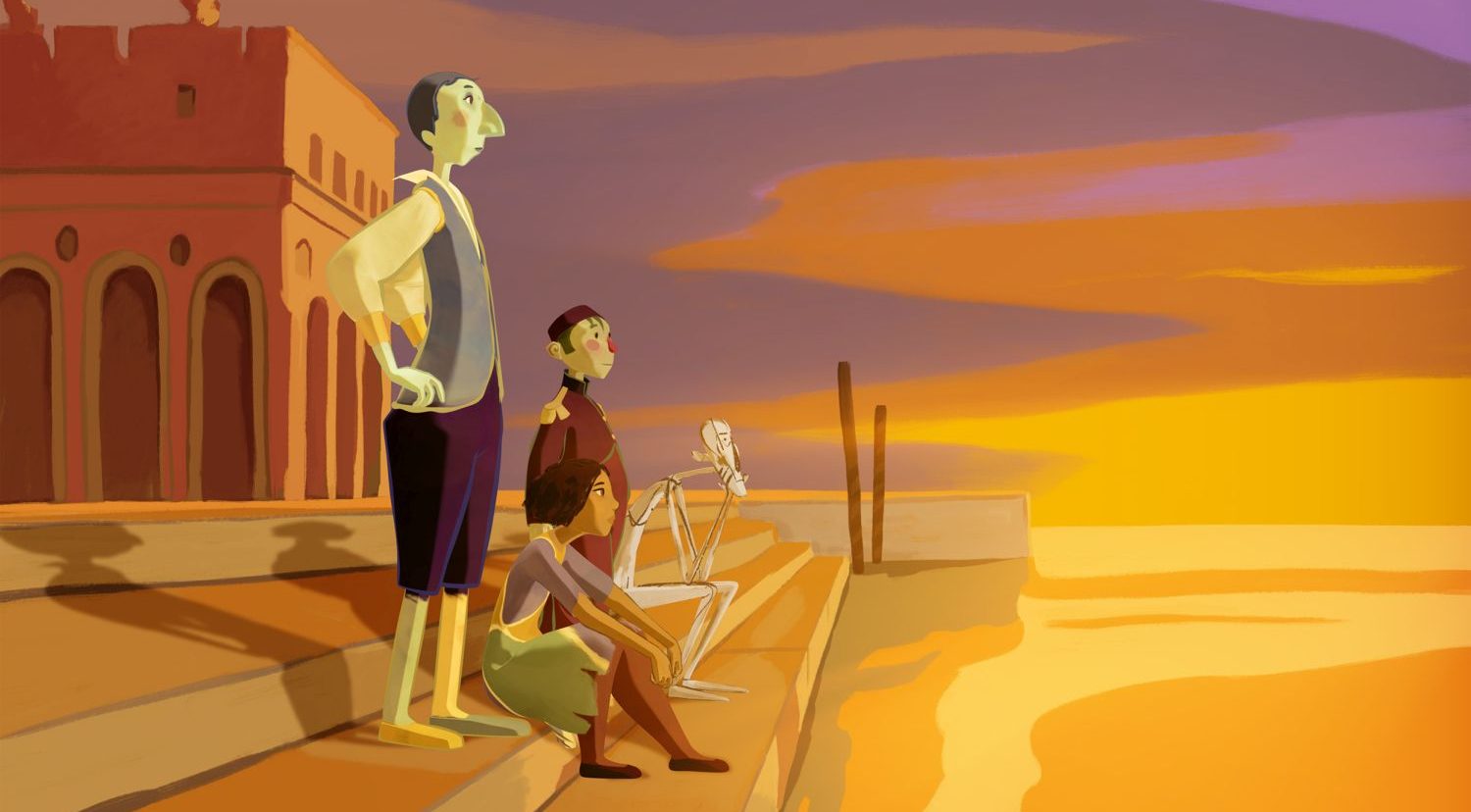
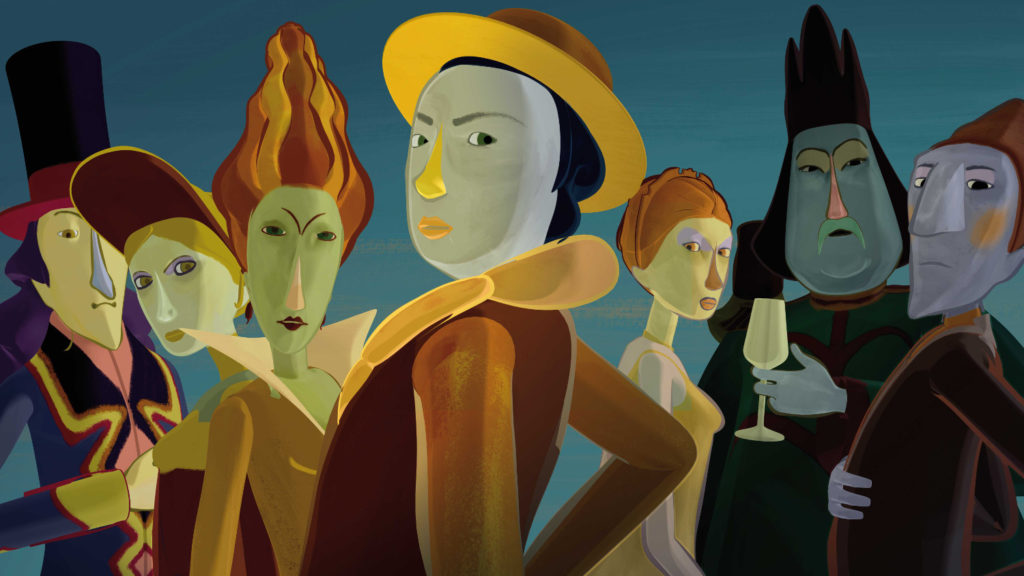
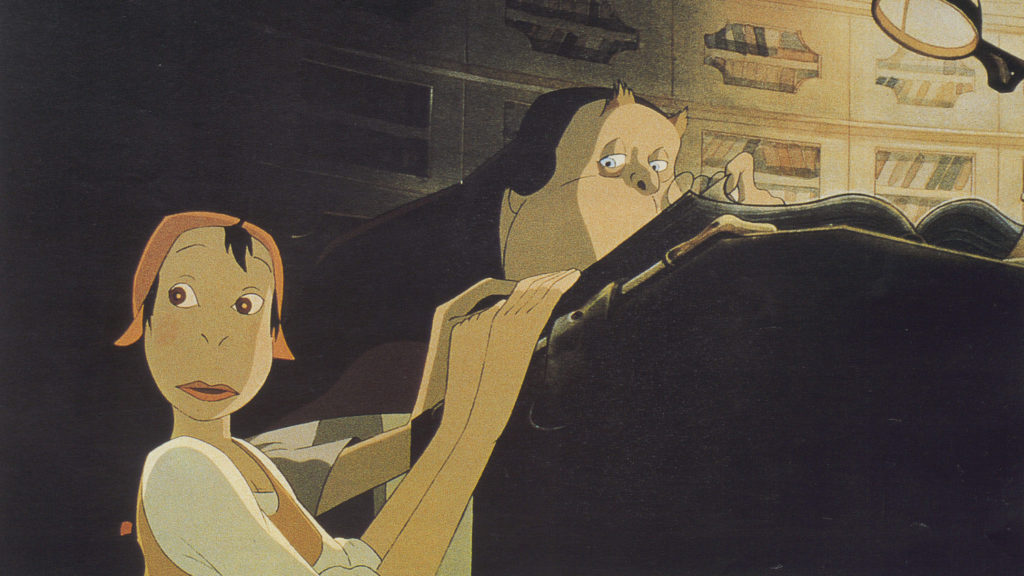
In collaboration with La Rochelle Film Festival, an Il Cinema Ritrovato partner, we have organised a tribute to the great French animator Jean-François Laguionie.
His long career as a director began in 1965, when he directed Le Demoiselle et le violoncelliste. The creator of poetic films with powerful and relevant messages, Laguionie’s stories talk about inequality, injustice, courage and redemption. At the festival we will present Le Château des singes (1999) and Le Tableau (2011): the first is a convincing allegorical story against superstition and ignorance adapted from a book by Norman Hudis, who also wrote the script. Filled with allusions to Picasso, Matisse, Cézanne and other masters of modern art, Le Tableau tells the story of an adventurous journey made by characters in a painting who go in search of their creator and the meaning of their existence.
LE TABLEAU (La tela animata, Francia/2011)
R.: Jean-François Laguionie. D.: 80’. V. italiana.
6 years and above
Section: Il Cinema Ritrovato Kids & Young
Section: Documents and Documentaries
Arlecchino Cinema
Introduced by
Janice Simpson (Universal)
Section: Recovered & Restored
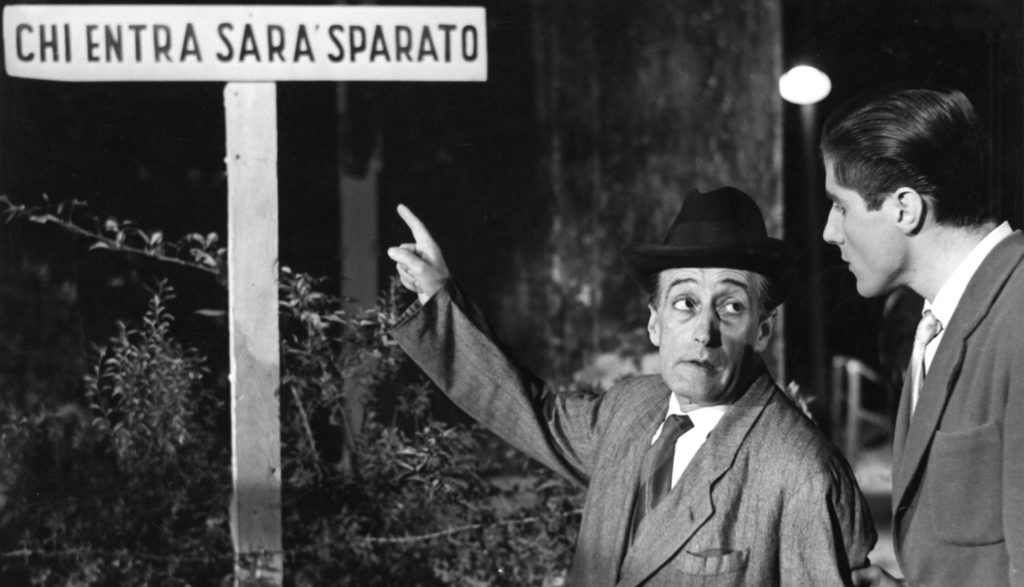
Jolly Cinema
Section: A Neapolitan at Cinecittà, Eduardo De Filippo the Filmmaker
Cinnoteca
Section: Il Cinema Ritrovato Kids & Young
Section: Documents and Documentaries
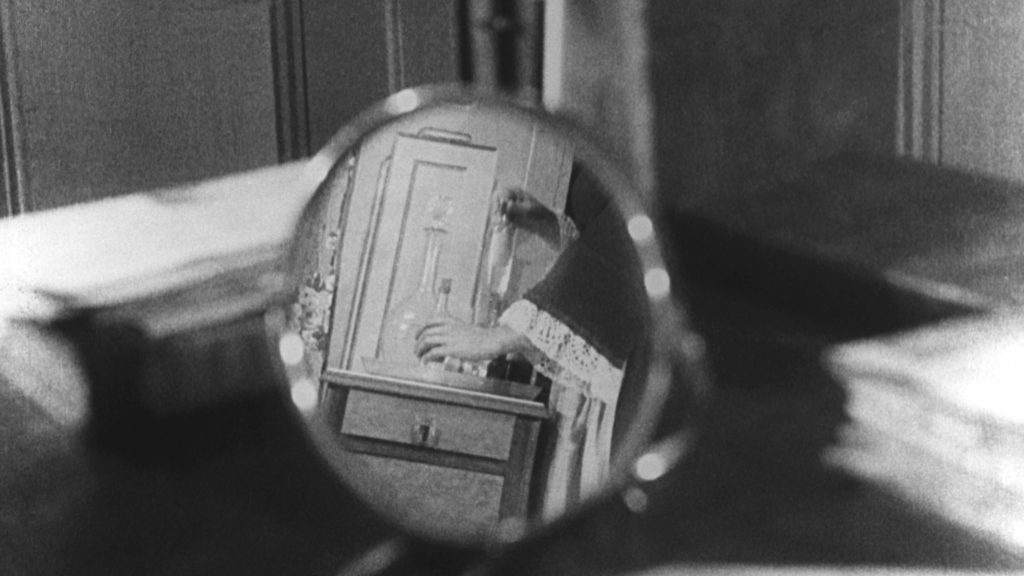
Cinema Lumiere – Sala Officinema/Mastroianni
Introduced by
Émile Cauqy (Cinématheque française) and Marie-Claude Cherqui
Piano accompaniment by
John Sweeney and on drums Frank Bockius
Section: “Rendez-nous Musidora!” - Documents and Documentaries

Cinema Lumiere – Sala Scorsese
Section: “We Are the Natives of Trizonia”: Inventing West German Cinema, 1945-49
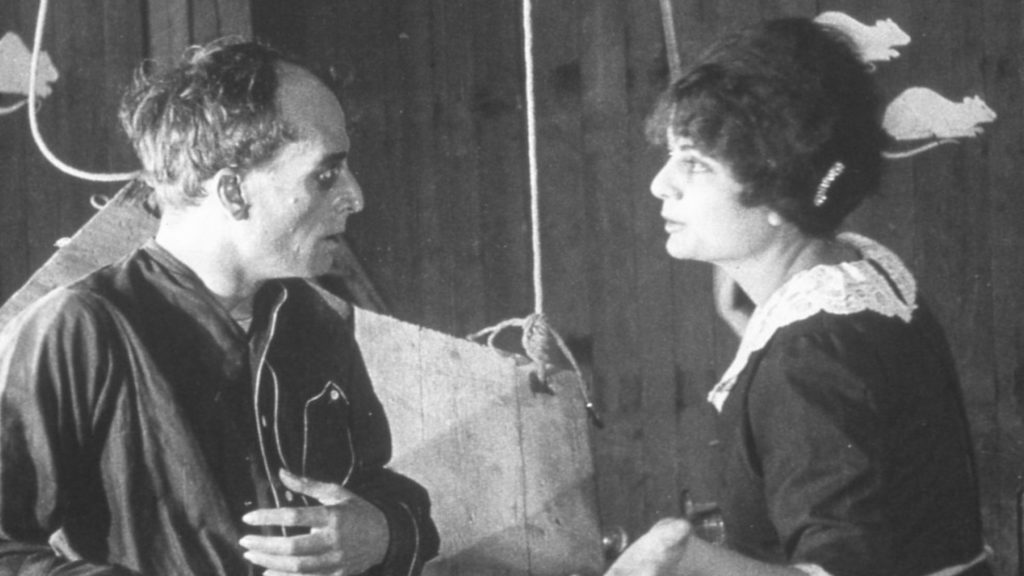
Cinema Modernissimo
Section: One hundred years ago: 1926
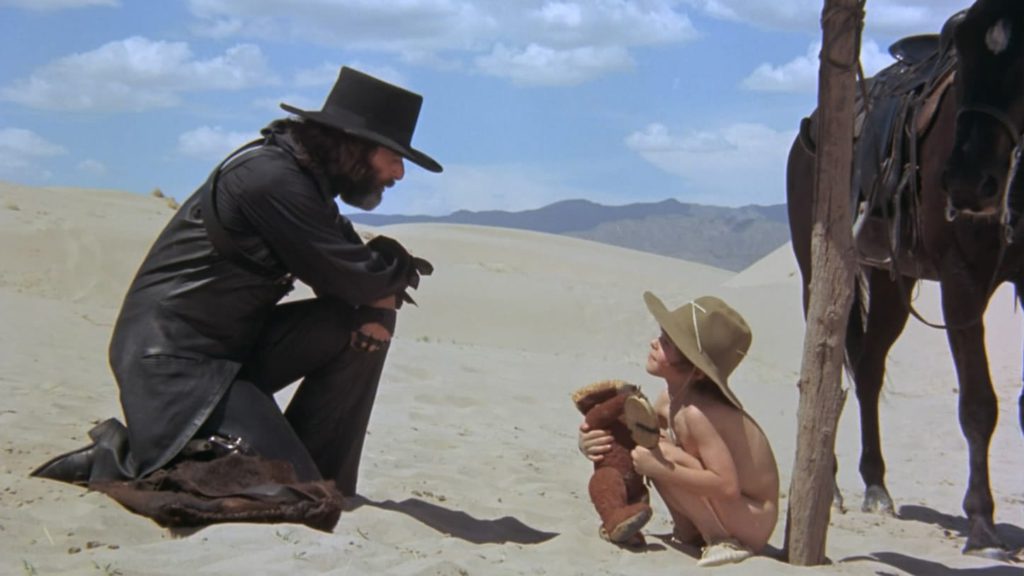
Arlecchino Cinema
Section: Recovered & Restored
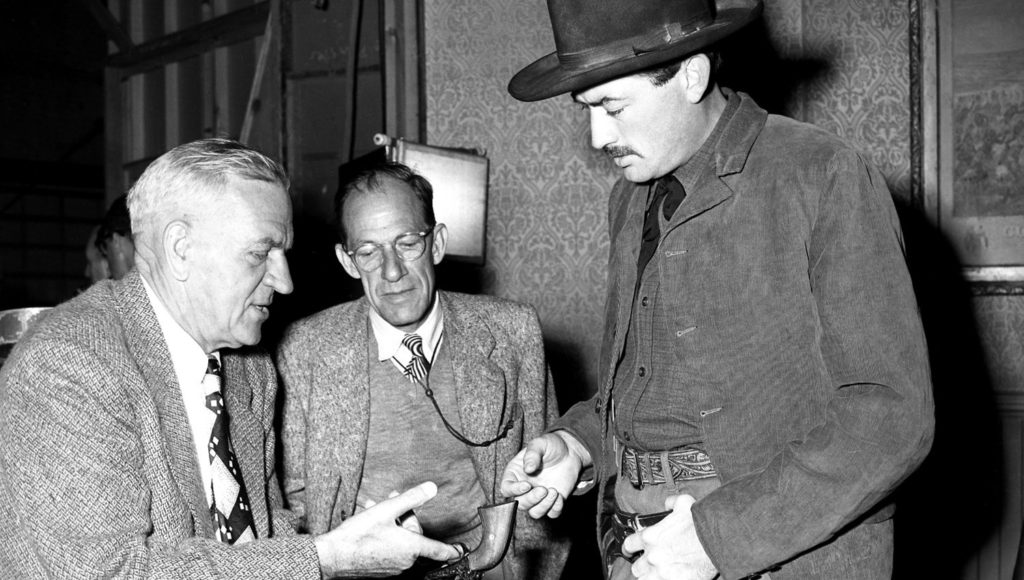
Jolly Cinema
Section: Soul and Craft: A Portrait of Henry King
Cinema Lumiere – Sala Scorsese
Section: Recovered & Restored - “We Are the Natives of Trizonia”: Inventing West German Cinema, 1945-49
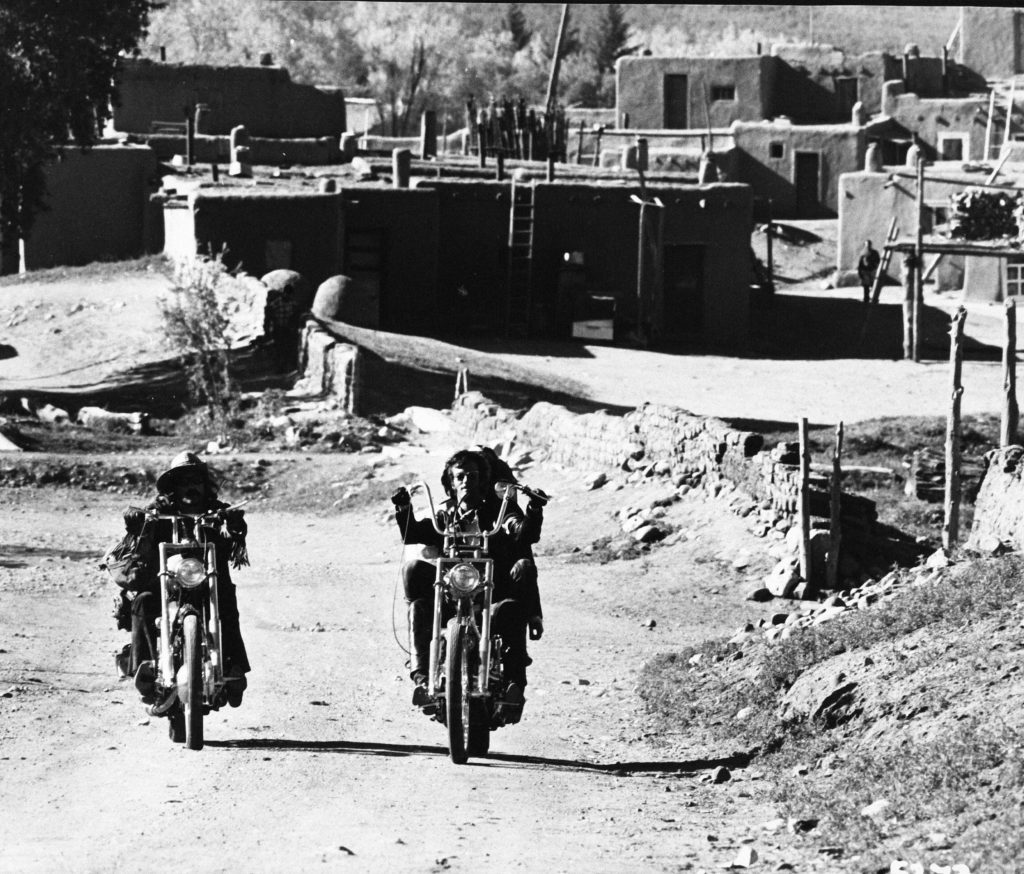
Piazza Maggiore
Supported by MOTUL
(In case of rain the screening will be moved to Pop up Cinema Medica Palace)
Section: Recovered & Restored
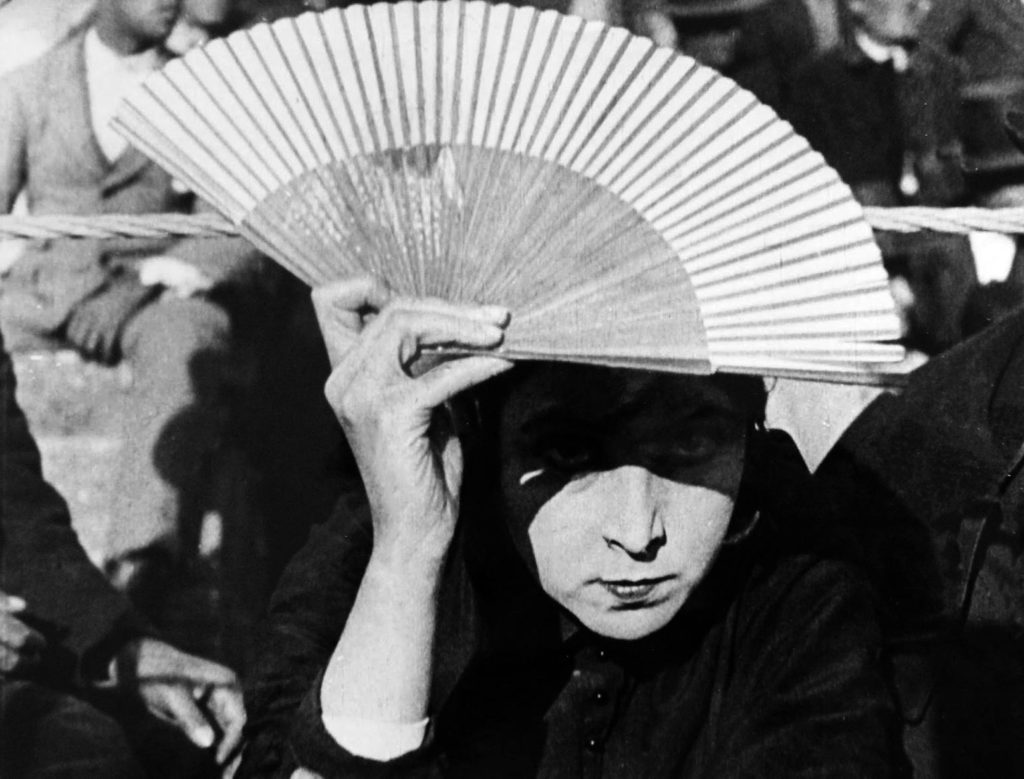
Piazzetta Pier Paolo Pasolini
Piano accompaniment by
Stephen Horne
Voltaic arc lantern screening
(In case of rain the projection will be moved to Sala Mastroianni)
Free admission with pre-booking:
cinetecadirezione@cineteca.bologna.it 051 2195333 (dal 21 giugno)
Section: “Rendez-nous Musidora!” - Recovered & Restored
monday 24 june
Arlecchino Cinema
Section: Recovered & Restored
Jolly Cinema
Section: Soul and Craft: A Portrait of Henry King
Cinema Lumiere – Sala Officinema/Mastroianni
Section: Recovered & Restored - One hundred years ago: 1926
Cinema Lumiere – Sala Scorsese
Section: “We Are the Natives of Trizonia”: Inventing West German Cinema, 1945-49
Cinema Modernissimo
Piano accompaniment by
Maud Nelissen
Section: One hundred years ago: 1926
Sala Cervi
Section: In Search of Colour
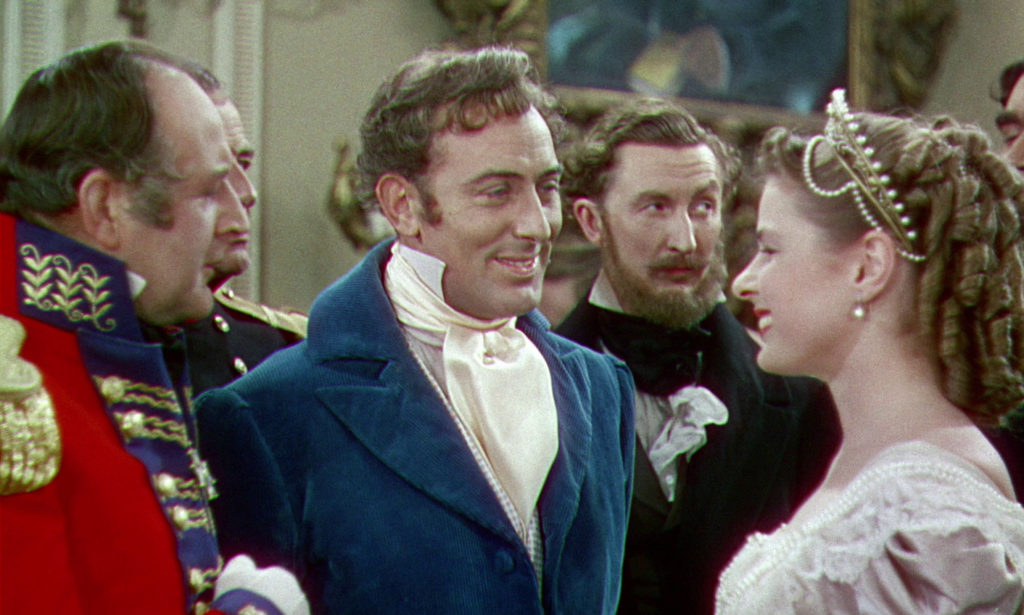
Arlecchino Cinema
Introduced by
John Bailey (President of Academy Film Archive)
Section: In Search of Colour
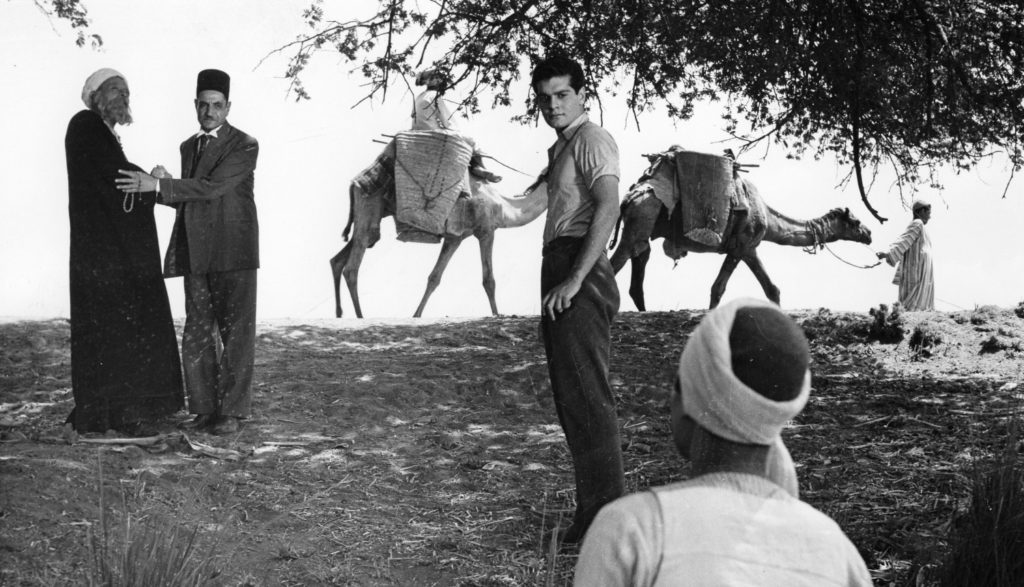
Jolly Cinema
Section: Youssef Chahine – The Last Arab Optimist
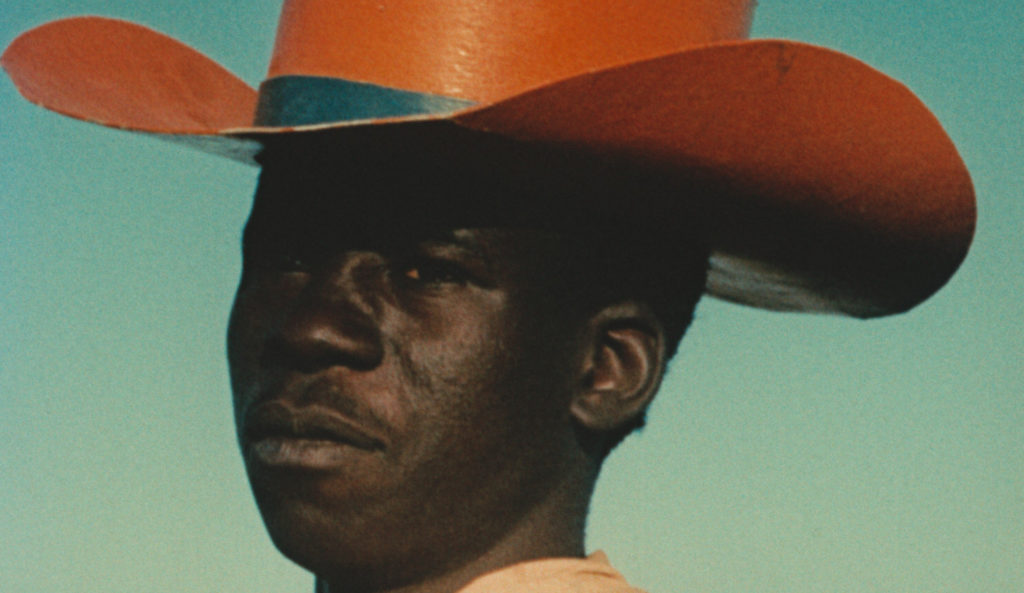
Cinema Lumiere – Sala Scorsese
Introduced by
Mohamed Challouf and Eric Le Roy (CNC)
Section: Cinemalibero

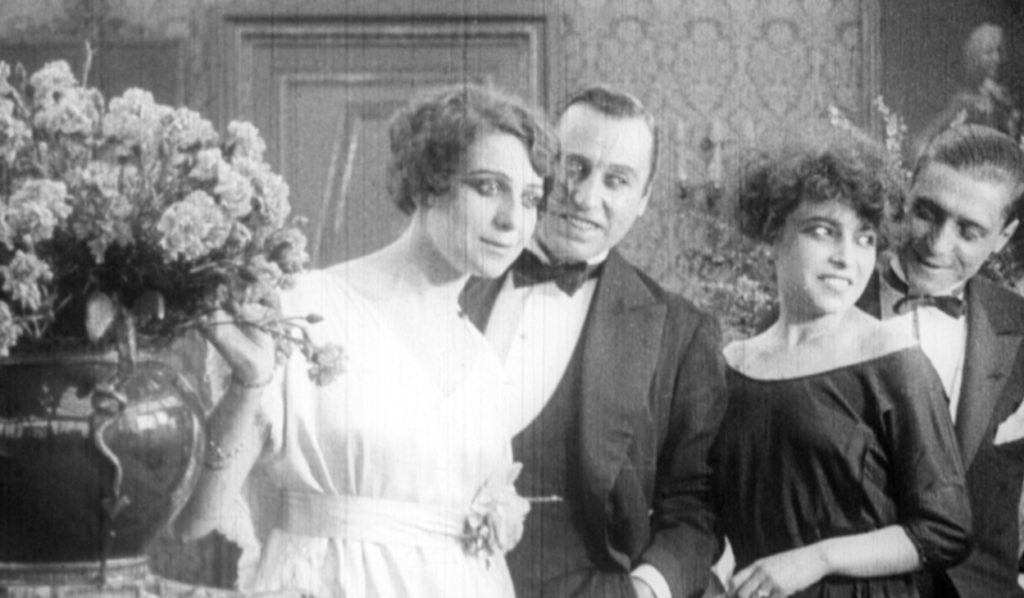
Cinema Lumiere – Sala Officinema/Mastroianni
Section: One hundred years ago: 1926
Section: Documents and Documentaries
Sala Cervi
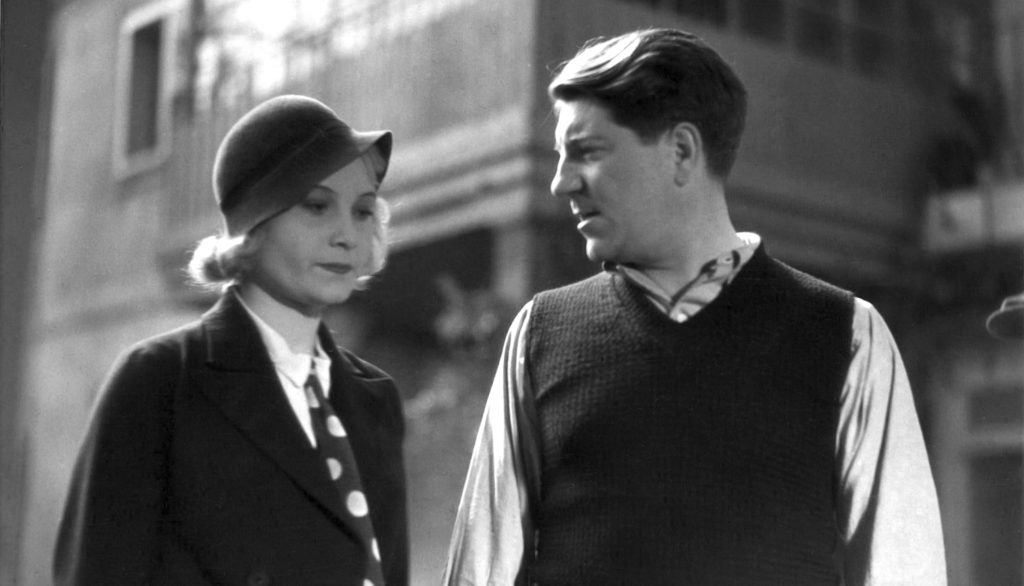
Arlecchino Cinema
Section: Jean Gabin, the Man with Blue Eyes

Introduced by
Catherine Wyler
Section: Documents and Documentaries
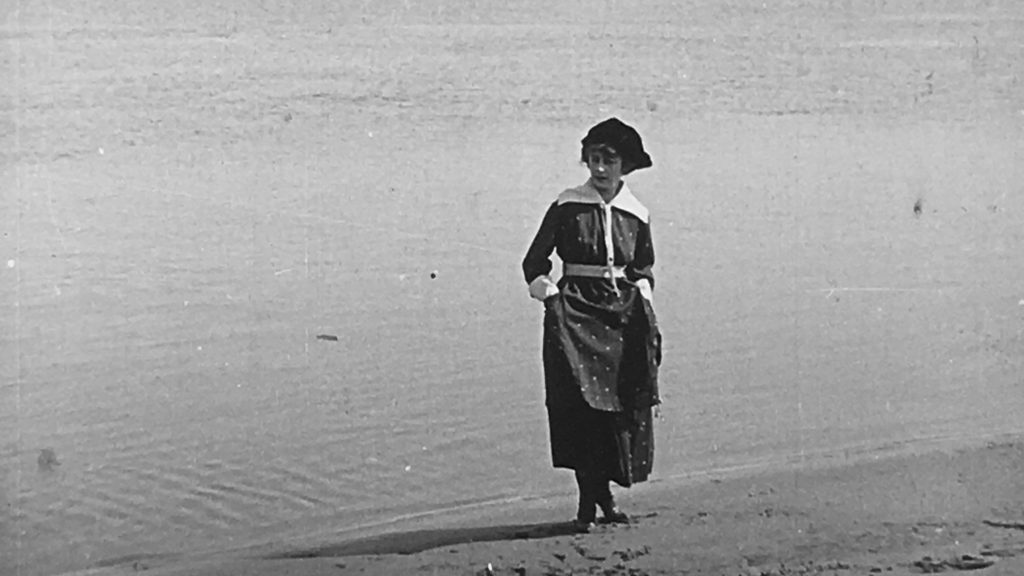
Cinema Lumiere – Sala Officinema/Mastroianni
Piano accompaniment by
Donald Sosin
Section: Recovered & Restored - One hundred years ago: 1926
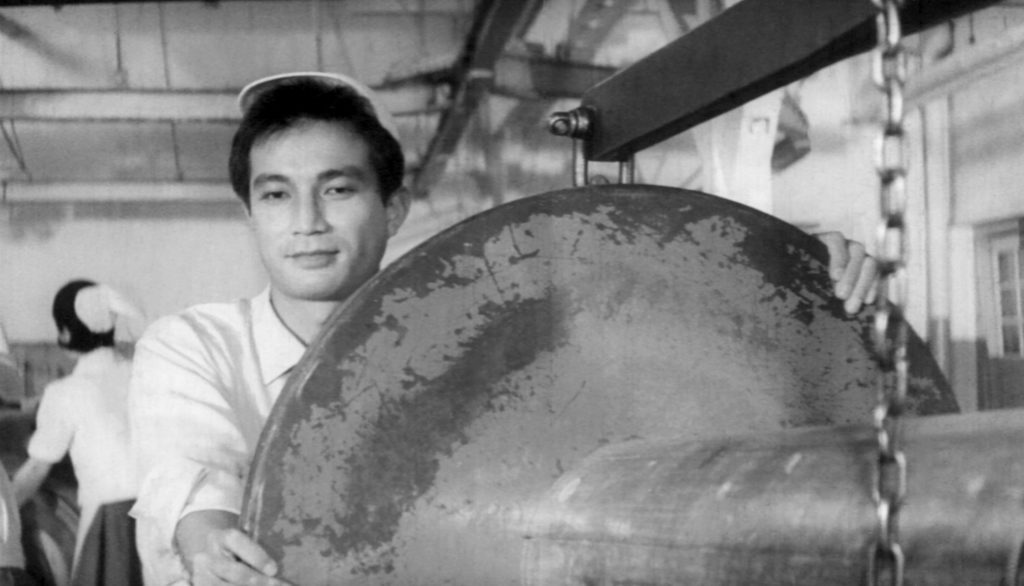
Cinema Lumiere – Sala Scorsese
Section: Under the Skies of Seoul: The Golden Age of South Korean Cinema
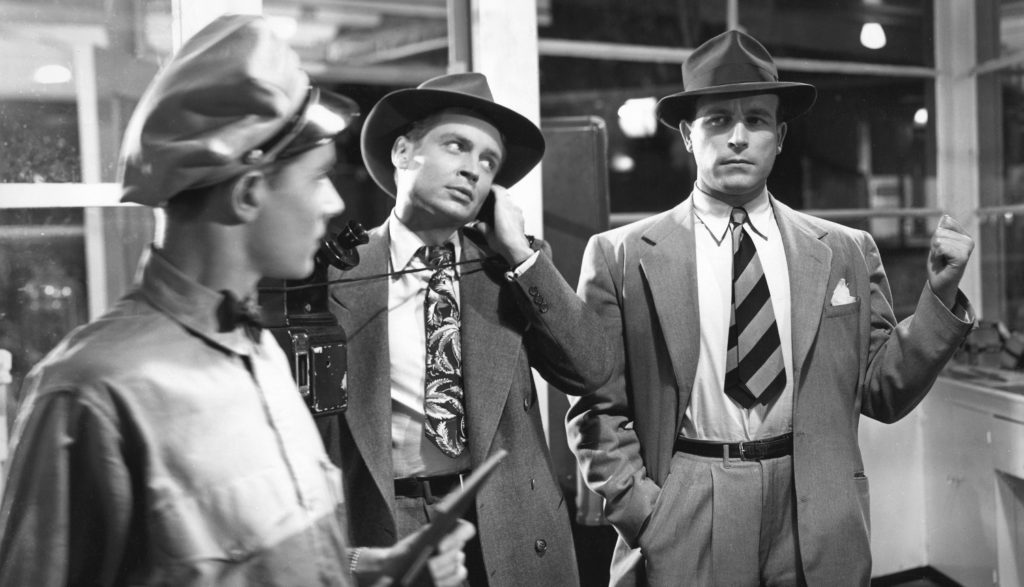
Jolly Cinema
Introduced by
Eddie Muller (Noir Film Foundation)
Section: Brutal, Nasty, and Short: The Noir of Felix E. Feist
Cinema Lumiere – Sala Officinema/Mastroianni
Section: One hundred years ago: 1926
Arlecchino Cinema
Section: Recovered & Restored
Cinema Lumiere – Sala Officinema/Mastroianni
Introduced by
Sarah Neely (Margaret Tait 100) and Karl Wratschko
Piano accompaniment by
Stephen Horne
Section: 1899: Year Four of Cinema
Cinema Lumiere – Sala Scorsese
Introduced by
Anna Maria Licciardello (CIAN) and Donatello Fumarola (Fuori Orario)
The screening will be preceded by a video introduction by Marc’O
Section: Recovered & Restored
Sala Cervi
In collaboration with La Rochelle Film Festival, an Il Cinema Ritrovato partner, we have organised a tribute to the great French animator Jean-François Laguionie.
His long career as a director began in 1965, when he directed Le Demoiselle et le violoncelliste. The creator of poetic films with powerful and relevant messages, Laguionie’s stories talk about inequality, injustice, courage and redemption. At the festival we will present Le Château des singes (1999) and Le Tableau (2011): the first is a convincing allegorical story against superstition and ignorance adapted from a book by Norman Hudis, who also wrote the script. Filled with allusions to Picasso, Matisse, Cézanne and other masters of modern art, Le Tableau tells the story of an adventurous journey made by characters in a painting who go in search of their creator and the meaning of their existence.
LE CHATEAU DES SINGES (Scimmie come noi, Francia/1999)
R.: Jean-François Laguionie. D.: 80’. Italian Version
6 years and above
Section: Il Cinema Ritrovato Kids & Young
Section: Youssef Chahine – The Last Arab Optimist
Jolly Cinema
Section: Soul and Craft: A Portrait of Henry King
Salaborsa (piazza coperta)
Introduced by
Wolf-Eckart Bühler
Section: Documents and Documentaries
Sala Cervi
Section: Il Cinema Ritrovato Kids
Sala Cervi
DESTINATION MOON
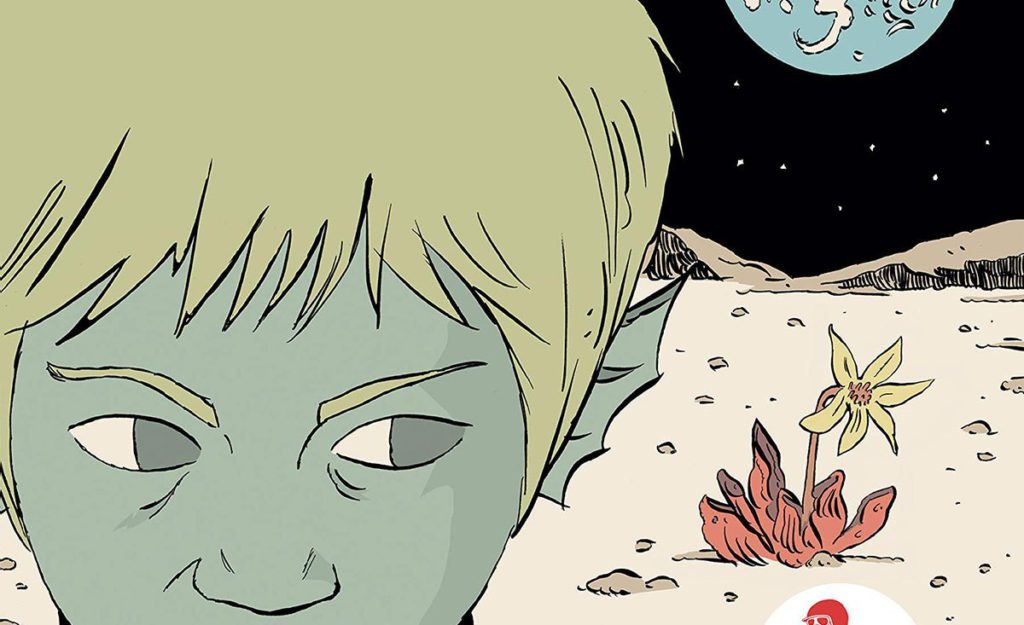
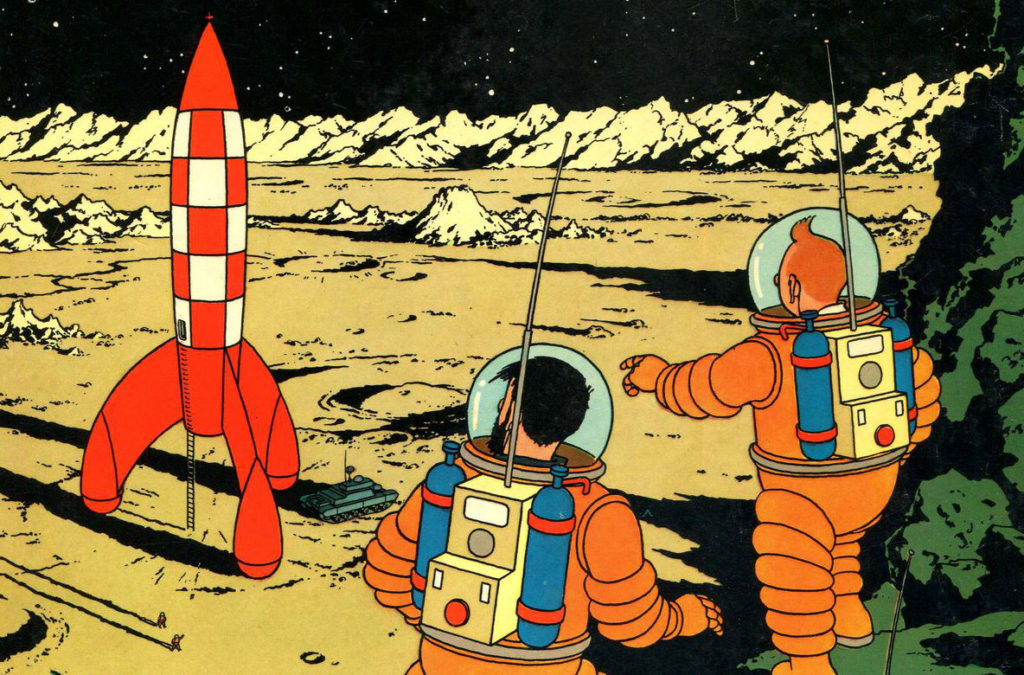
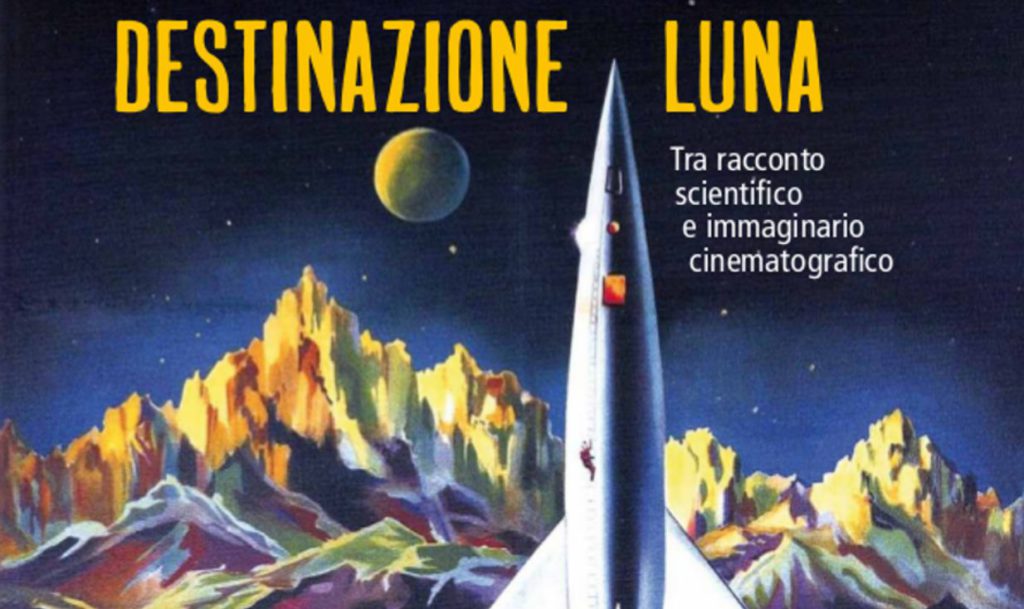
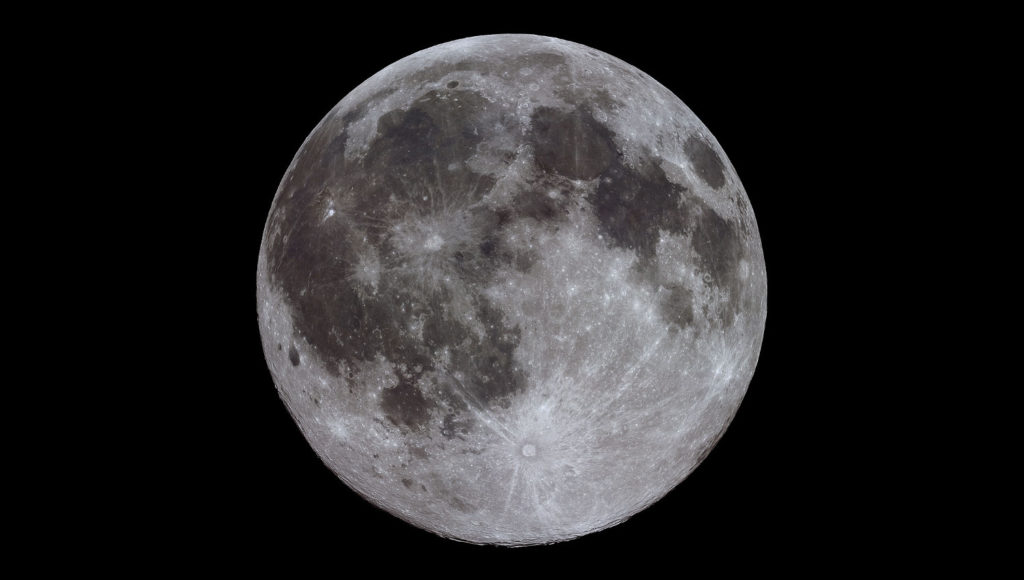
Half a century ago man set foot on the moon’s surface for the first time. On 20 July 1969, millions of people, with their eyes glued to television screens in homes or on the streets, simultaneously watching the same succession of live images, held their breath together for those few crucial moments of history. They were both witnesses and participants in an event that would change the way we perceive the world and the space beyond it: suddenly everything was possible and within reach.
But man’s journey to the moon began centuries earlier, taking on a variety of forms in the different works devoted to our satellite and the dream of making that Promethean flight. A source of inspiration for writers, artists and filmmakers, the moon has never ceased to enchant audiences and readers of every era.
We are dedicating a selection of short films ranging from early cinema to animated adventures to the moon and the most diverse and extravagant ways imagined of reaching it: from Méliès’ iconic Voyage dans la lune, screened in a restored version with live musical accompaniment, to Tintin, the young Belgian reporter, who in 1954 landed on the moon in a celebrated series of drawings by Hergé.
LES AVENTURES DE TINTIN. ON A MARCHÉ SUR LA LUNE
(Le avventure di Tintin. Uomini sulla Luna. Parte 1 e 2, FranciaCanada/1999)
R.: Jean-Jacques Vierne, Philippe Condroyer, Stéphane Bernasconi. D.: 48’.
6 years and above
Section: Il Cinema Ritrovato Kids & Young
Arlecchino Cinema
Introduced by
Grover Crisp (Sony Columbia)
Section: Recovered & Restored
Jolly Cinema
Introduced by
Anna Masecchia (Università degli studi di Napoli Federico II)
Section: A Neapolitan at Cinecittà, Eduardo De Filippo the Filmmaker
Cinema Modernissimo
Piano accompaniment by
Antonio Coppola
Section: One hundred years ago: 1926
Cinema Lumiere – Sala Officinema/Mastroianni
Introduced by
Marién Gomez (Cinémathèque française)
Piano accompaniment by
Gabriel Thibaudeau
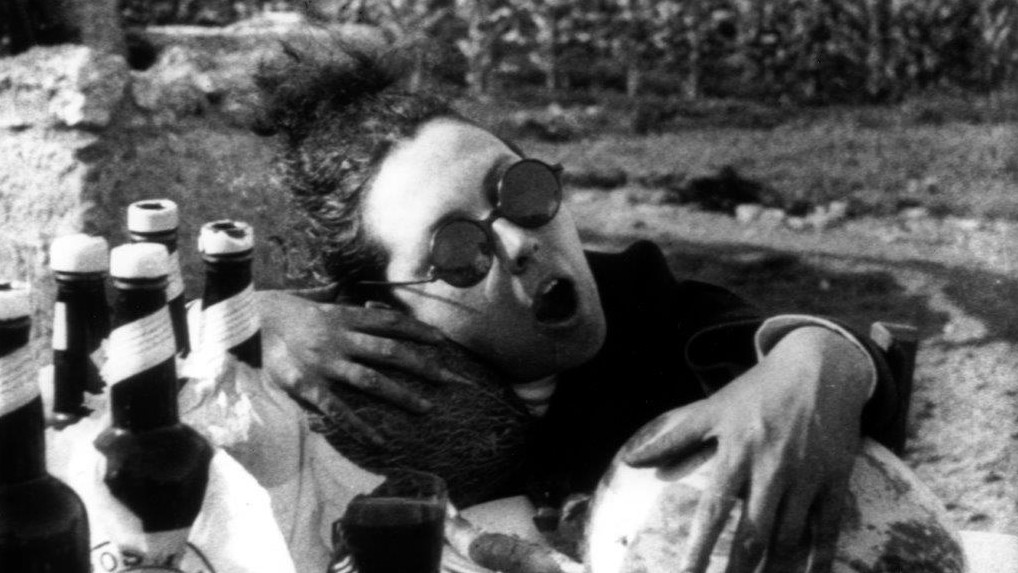
Not in meat and bone, but in spectrum and in fragments
Proposition of a séance for La Tierra de los toros based on the performance model created by Musidora between 1922 and 1924 that comprises three intervals: the delay, the palms, and the card reader-epilogue. Phantasmagoria will be created by intimate, archival, official, and invested documents. Words, sounds, projections that will make the heart beat.
Los Musidoros: Marién Gómez Rodríguez, Elodie Tamayo, Clément Lafite, Frédéric Tabet, Emilie Cauquy.
Section: “Rendez-nous Musidora!”
Cinema Lumiere – Sala Scorsese
Section: “We Are the Natives of Trizonia”: Inventing West German Cinema, 1945-49
Sala Cervi
Arlecchino Cinema
Introduced by
John Bailey (President of Academy Film Archive)
Section: Recovered & Restored
Jolly Cinema
Section: William Fox Presents: Rediscoveries from the Fox Film Corporation – Part II
Cinema Lumiere – Sala Scorsese
Section: Cinemalibero
Piazza Maggiore
Supported by The Film Foundation and The Material World Foundation.
(In case of rain, the screening will be moved to Pop Up Cinema Medica Palace)
Section: Recovered & Restored
Piazzetta Pier Paolo Pasolini
Piano accompaniment by
Stephen Horne and on drums Frank Bockius
Projection with electric arc lantern
(In case of rain the screening will be moved to Sala Mastroianni)
Free admission with pre-booking:
cinetecadirezione@cineteca.bologna.it 051 2195333 (dal 21 giugno)
Section: Recovered & Restored
tuesday 25 june
Arlecchino Cinema
Section: Recovered & Restored
Jolly Cinema
Section: Soul and Craft: A Portrait of Henry King
Cinema Lumiere – Sala Officinema/Mastroianni
Section: One hundred years ago: 1926
Cinema Lumiere – Sala Scorsese
Section: Recovered & Restored
Cinema Modernissimo
Section: One hundred years ago: 1926
Sala Cervi
Section: Recovered & Restored
Jolly Cinema
Section: Youssef Chahine – The Last Arab Optimist
Arlecchino Cinema
Introduced by
John Bailey (President of the Academy Film Archive)
Section: In Search of Colour
Cinema Lumiere – Sala Officinema/Mastroianni
Section: One hundred years ago: 1926
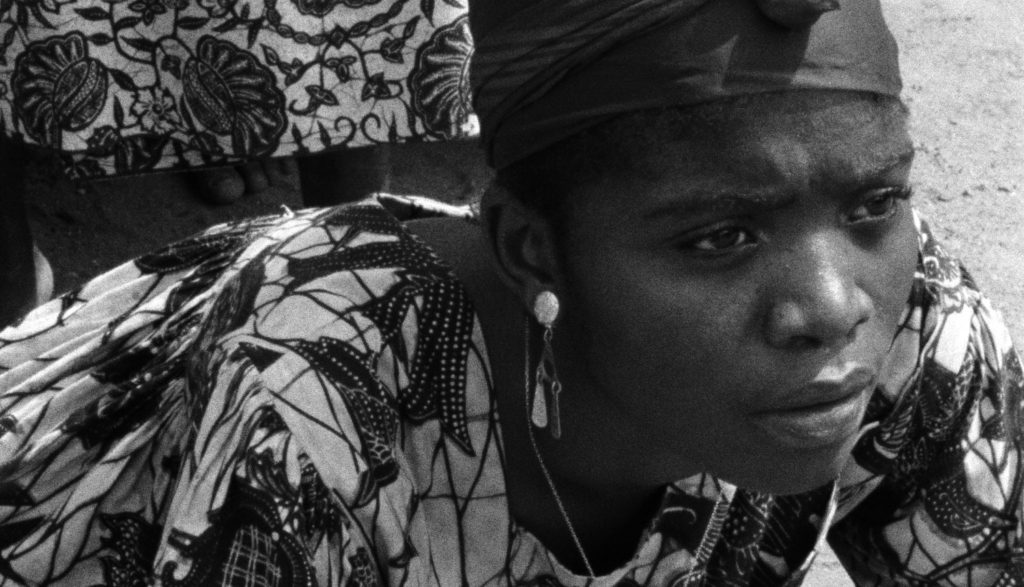
Cinema Lumiere – Sala Scorsese
Section: Cinemalibero
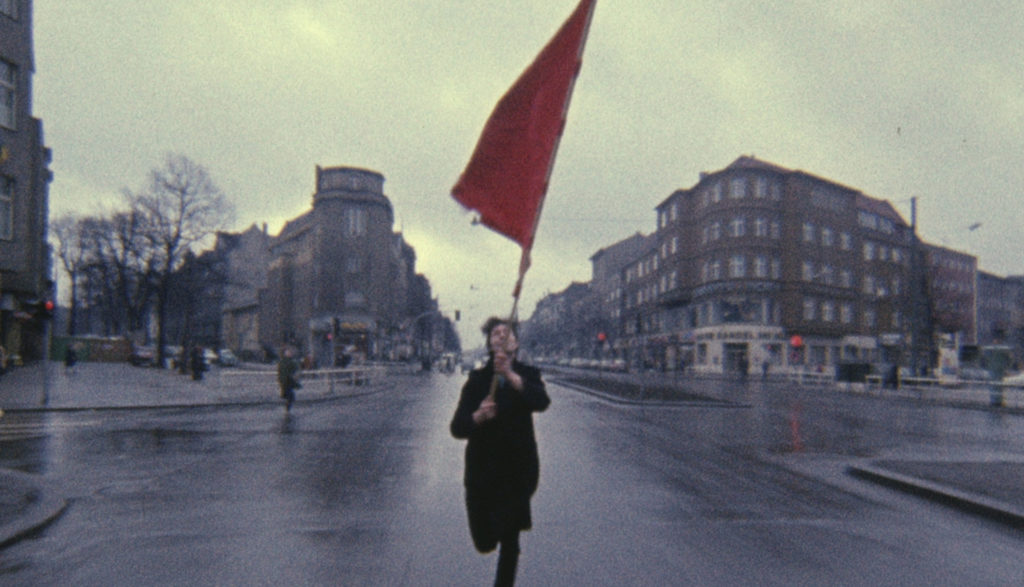
Section: Recovered & Restored
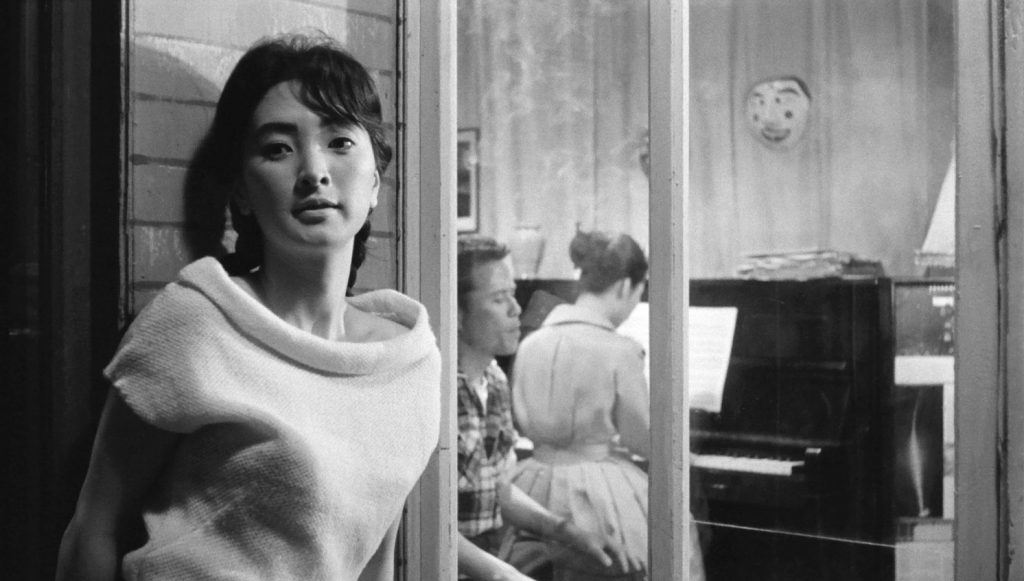
Section: Under the Skies of Seoul: The Golden Age of South Korean Cinema
Sala Cervi
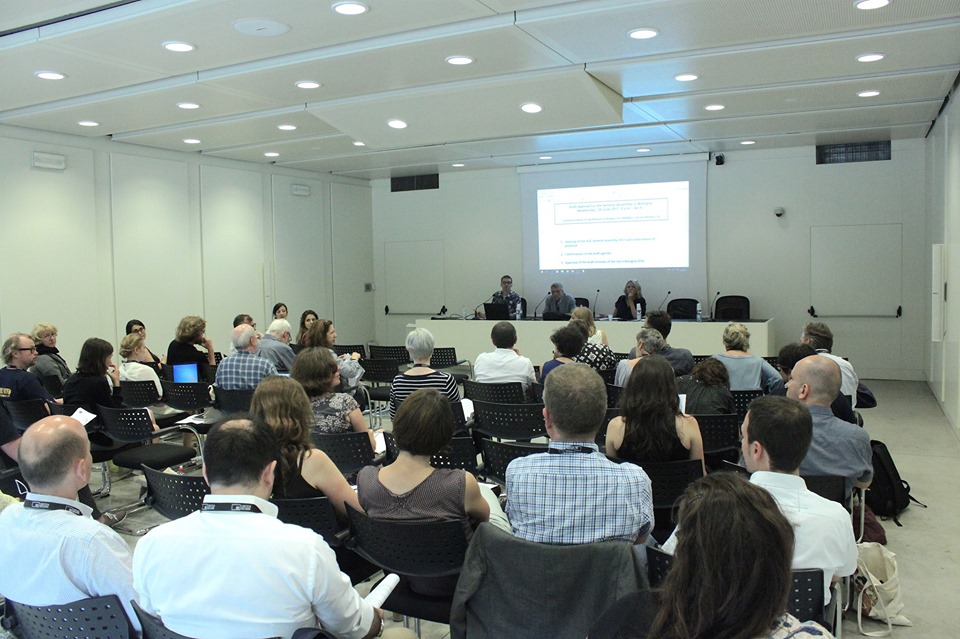
MAMbo Meeting Room
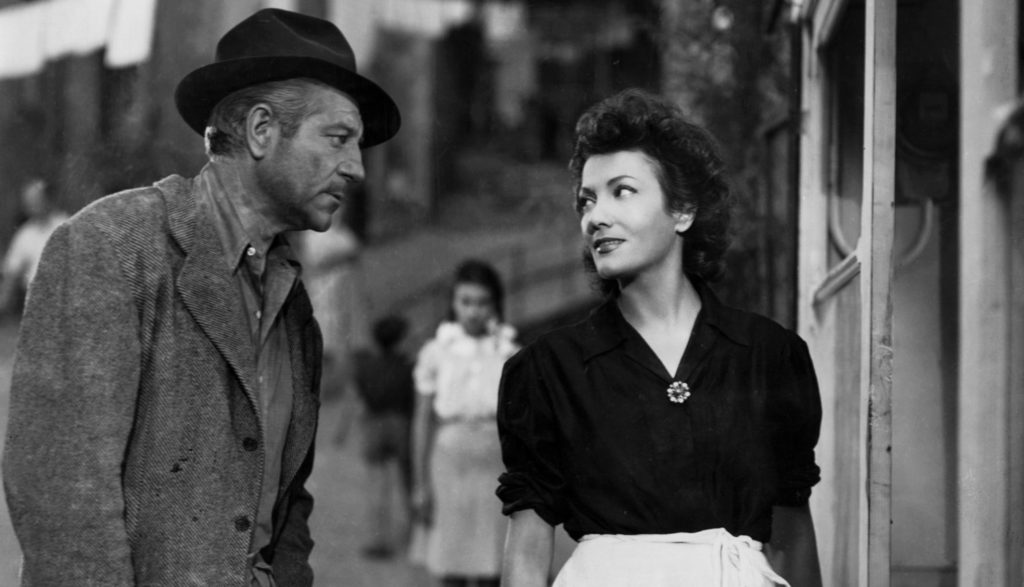
Arlecchino Cinema
Section: Jean Gabin, the Man with Blue Eyes
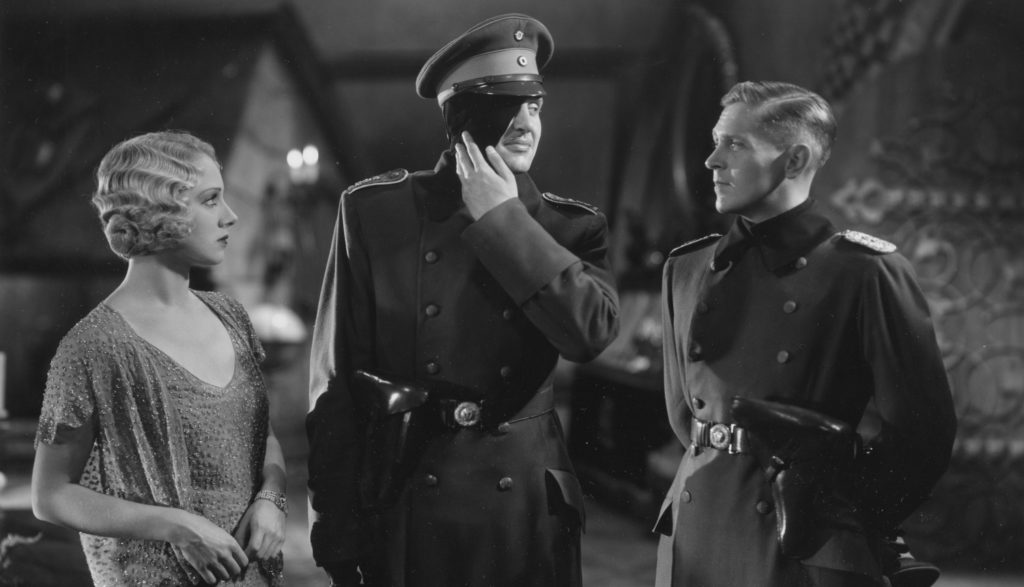
Jolly Cinema
Section: William Fox Presents: Rediscoveries from the Fox Film Corporation – Part II
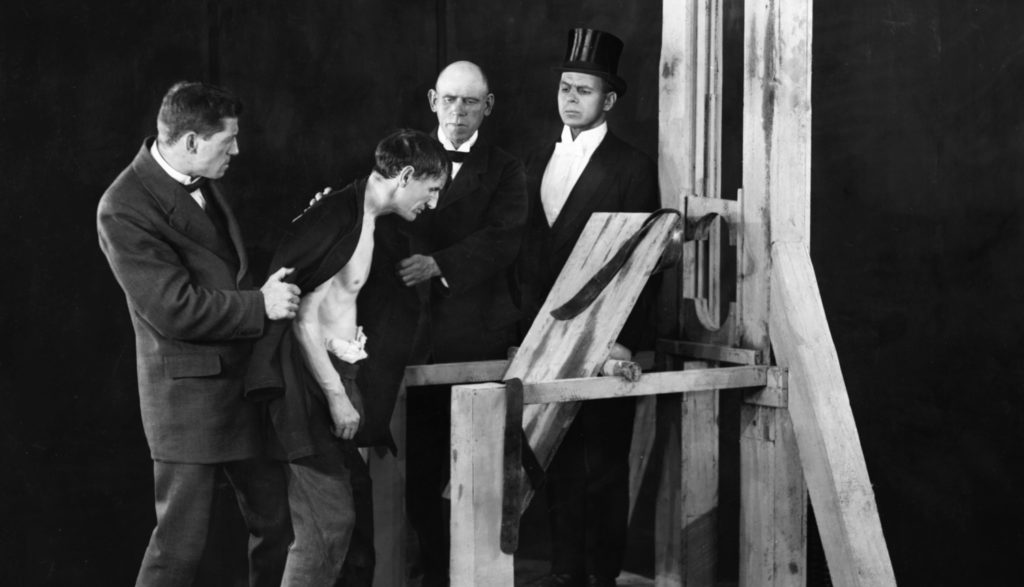
Cinema Lumiere – Sala Officinema/Mastroianni
Introduced by
Karl Wratschko
Piano accompaniment by
Donald Sosin and on drums Frank Bockius
Section: Recovered & Restored - One hundred years ago: 1926
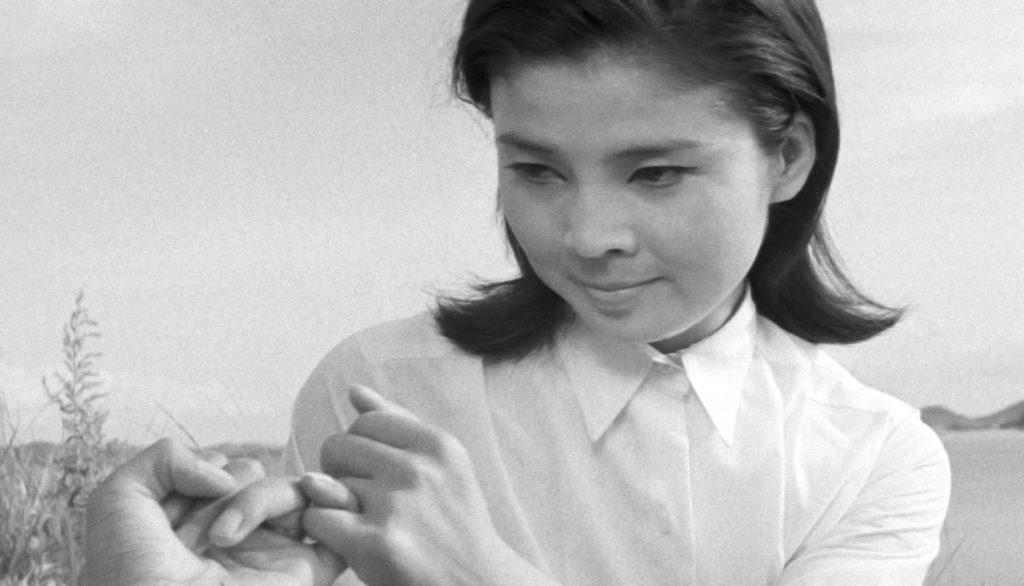
Cinema Lumiere – Sala Scorsese
Section: Under the Skies of Seoul: The Golden Age of South Korean Cinema
Arena del Sole
Section: Cinemalibero
Introduced by
Jean-Baptiste Thoret
Section: Documents and Documentaries
Biblioteca Renzo Renzi
Arlecchino Cinema
Introduced by
Ralf Schenk (DEFA Stiftung)
Section: Recovered & Restored
Cinema Lumiere – Sala Scorsese
Introduced by
Alexandra Stewart (actress), Laurence Braunberger (Les Films du Jeudi)
In collaboration with Festival La Rochelle Cinéma

Section: Recovered & Restored
Sala Cervi
Introduced by
Gabriele Barrocu (CSC Animazione di Torino)
A selection of the best graduation shorts produced over the years by students from the animation course at the Centro Sperimentale di Cinematografia in Turin. The titles in this programme, selected for the occasion, embrace a wide range of themes, styles and techniques, from computer graphics and cut-outs to more classical drawn animation.
Chiara Magri
Ombra (Italia/2011) R.: Loredana Erbetta, Manuela Gualtieri, Irene Piccinato. D.: 2’
New Neighbours (Italia/2018) R.: Andrea Mannino, Sara Burgio, Giacomo Rinaldi. D.: 6’
Polvere sottile (Italia/2018) R.: Alessandra Boatto, Gloria Cianci, Sofia Zanonato. D.: 8’
La cabina (Italia/2017) R.: Ginevra Lanaro, Federica De Leonardo. D.: 5’
Mattia va al mare (Italia/2005) R.: Alessia Cordini, Giovanna Ferrari, Valeria Ghignone. D.: 6’
Merlot (Italia/2016) R.: Marta Gennari, Giulia Martinelli. D.: 6’
4 years and above
Section: Il Cinema Ritrovato Kids & Young
Jolly Cinema
Introduced by
Ehsan Khoshbakht
Section: Soul and Craft: A Portrait of Henry King
Cinema Lumiere – Sala Officinema/Mastroianni
Piano accompaniment by
Stephen Horne
Section: 1899: Year Four of Cinema - Georges Franju: Beyond Reality
Introduced by
Riccardo Costantini (Cinemazero)
Section: Documents and Documentaries
Sala Cervi
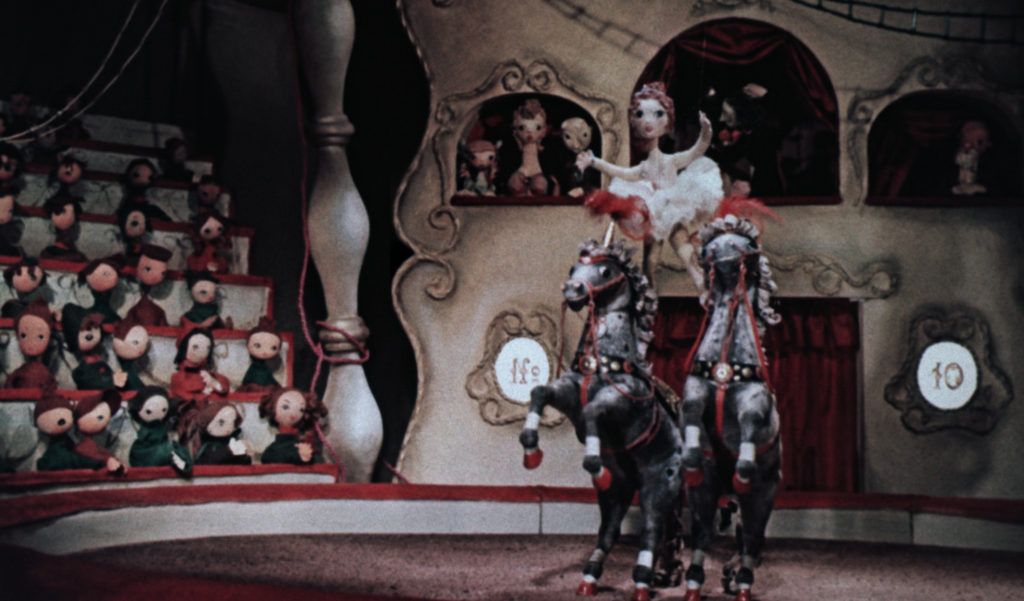
Half a century ago man set foot on the moon’s surface for the first time. On 20 July 1969, millions of people, with their eyes glued to television screens in homes or on the streets, simultaneously watching the same succession of live images, held their breath together for those few crucial moments of history. They were both witnesses and participants in an event that would change the way we perceive the world and the space beyond it: suddenly everything was possible and within reach.
But man’s journey to the moon began centuries earlier, taking on a variety of forms in the different works devoted to our satellite and the dream of making that Promethean flight. A source of inspiration for writers, artists and filmmakers, the moon has never ceased to enchant audiences and readers of every era. We are dedicating a selection of short films ranging from early cinema to animated adventures to the moon and the most diverse and extravagant ways imagined of reaching it: from Méliès’ iconic Voyage dans la lune, screened in a restored version with live musical accompaniment, to Tintin, the young Belgian reporter, who in 1954 landed on the moon in a celebrated series of drawings by Hergé.
Cyrk (The Circus, Polonia/1954) R.: Włodzimierz Haupe. D.: 15’
Z15 pilota spaziale, episode of di Cico Pepe e l’allegra brigata (Italia/1959). R.: Milos Makovec, Jan Karpas, Jirˇí Trnka. D.: 10’
Drengen og månen (The Boy and the Moon, Danimarca/1968) R.: Jannik Hastrup. D.: 8’
Little Wolf (GB/1992) R.: An Vombraut. D.: 6’
4 years and above
Section: Il Cinema Ritrovato Kids & Young
Arlecchino Cinema
Introduced by
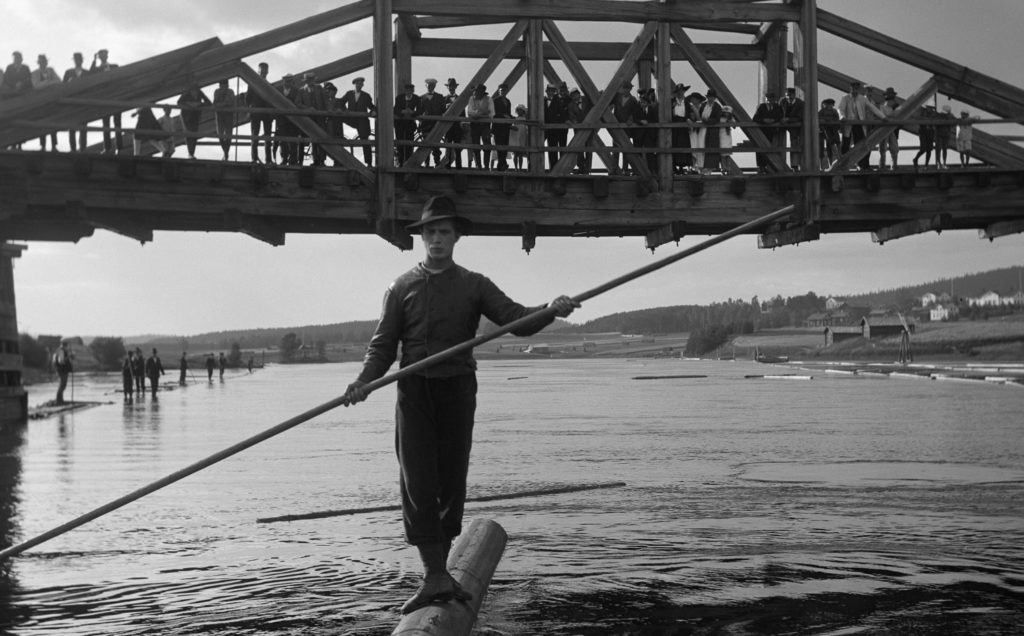
Jon Wengstrom (Svenska Filminstitut)
Registered score composed by Armas Järnefelt, performed by Gävle Symfoniorkester, directed by Jaakko Kuusisto
Section: Recovered & Restored - One hundred years ago: 1926
Jolly Cinema
Introduced by
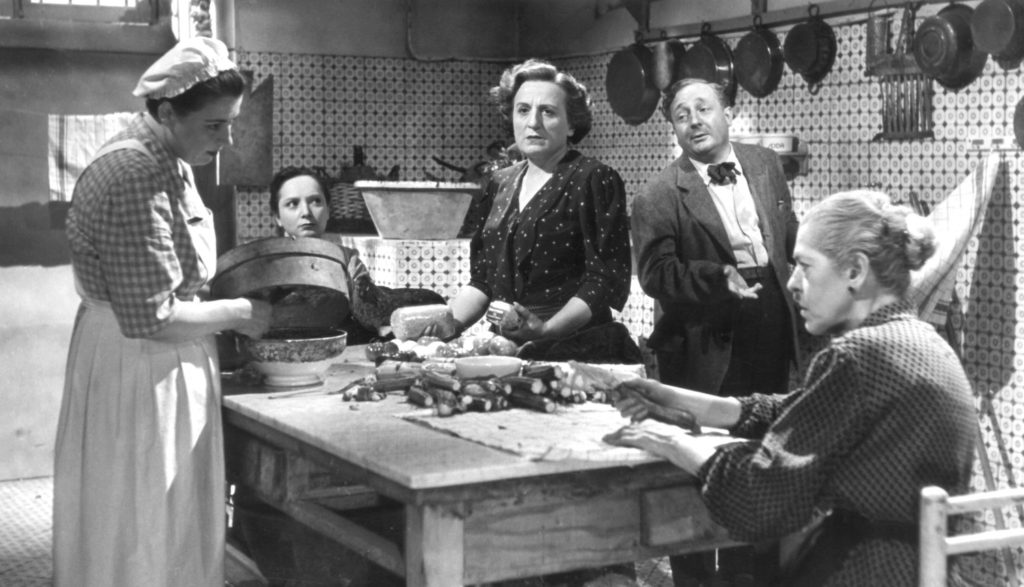
Maria Procino (Archivio privato e Biblioteca Eduardo e Luca De Filippo)
Section: A Neapolitan at Cinecittà, Eduardo De Filippo the Filmmaker
Sala Cervi
Section: Il Cinema Ritrovato Kids & Young
Cinema Lumiere – Sala Scorsese
Section: “We Are the Natives of Trizonia”: Inventing West German Cinema, 1945-49
Introduced by
Christopher Jones and Marie-Dominique Montel
Section: Documents and Documentaries
Cinnoteca
Section: Il Cinema Ritrovato Kids & Young
Cinema Lumiere – Sala Officinema/Mastroianni
Section: Recovered & Restored - In Search of Colour
Cinema Modernissimo
Piano accompaniment by
John Sweeney
Section: One hundred years ago: 1926
Arlecchino Cinema
Section: Recovered & Restored
Jolly Cinema
Section: Soul and Craft: A Portrait of Henry King
Cinema Lumiere – Sala Officinema/Mastroianni
Section: “Rendez-nous Musidora!”
Cinema Lumiere – Sala Scorsese
Section: “We Are the Natives of Trizonia”: Inventing West German Cinema, 1945-49
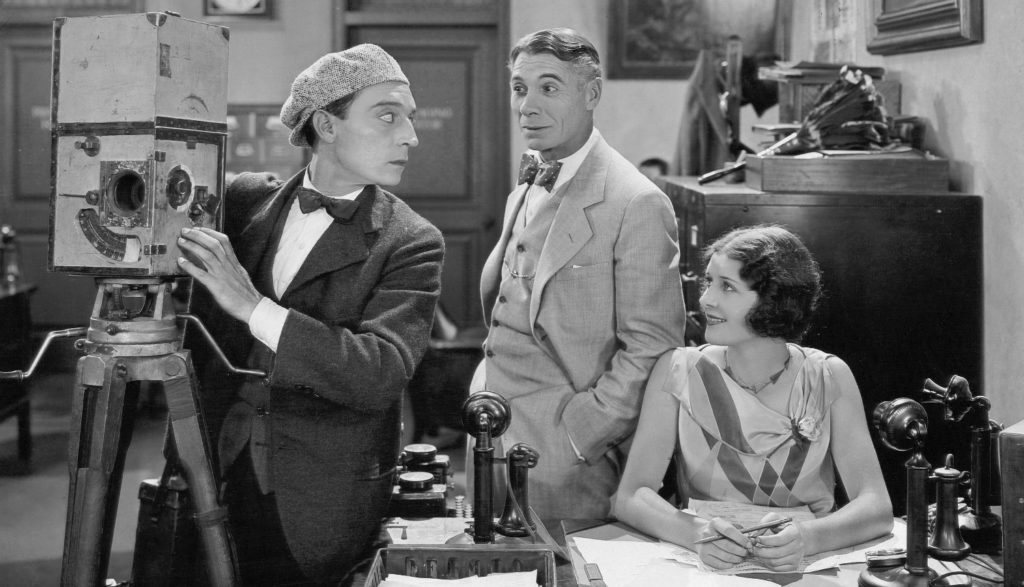
Piazza Maggiore
Introduced by
Kevin Brownlow
Live accompaniment by Orchestra del Teatro Comunale di Bologna directed by Timothy Brock.
Preceding:
Thierry Frémaux (Institut Lumière) comments a selection of short films by the Lumière Brothers (1899).
Supported by Pelliconi – 80 anni
(In case of rain, the screening will be moved to Teatro Auditorium Manzoni)
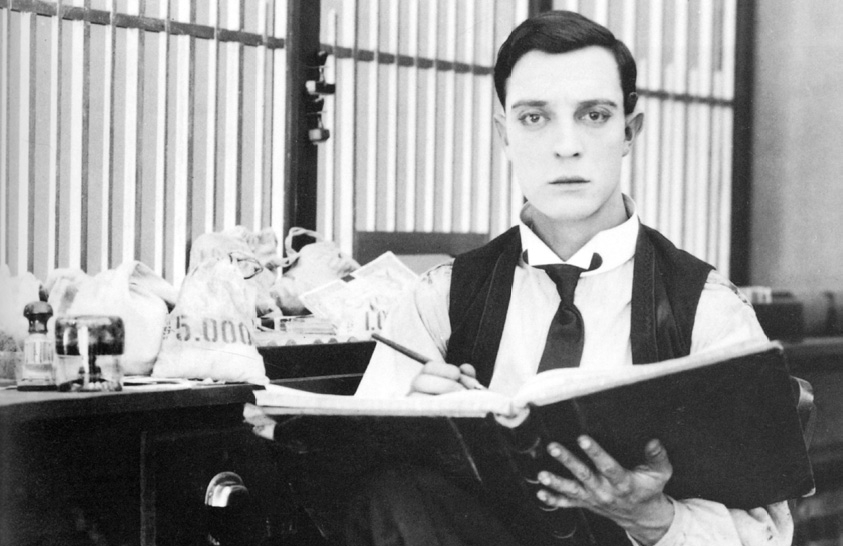
Section: Buster Keaton!
wednesday 26 june
Arlecchino Cinema
Section: Recovered & Restored
Jolly Cinema
Section: Soul and Craft: A Portrait of Henry King
Cinema Lumiere – Sala Officinema/Mastroianni
Piano accompaniment by
Antonio Coppola
Section: Recovered & Restored
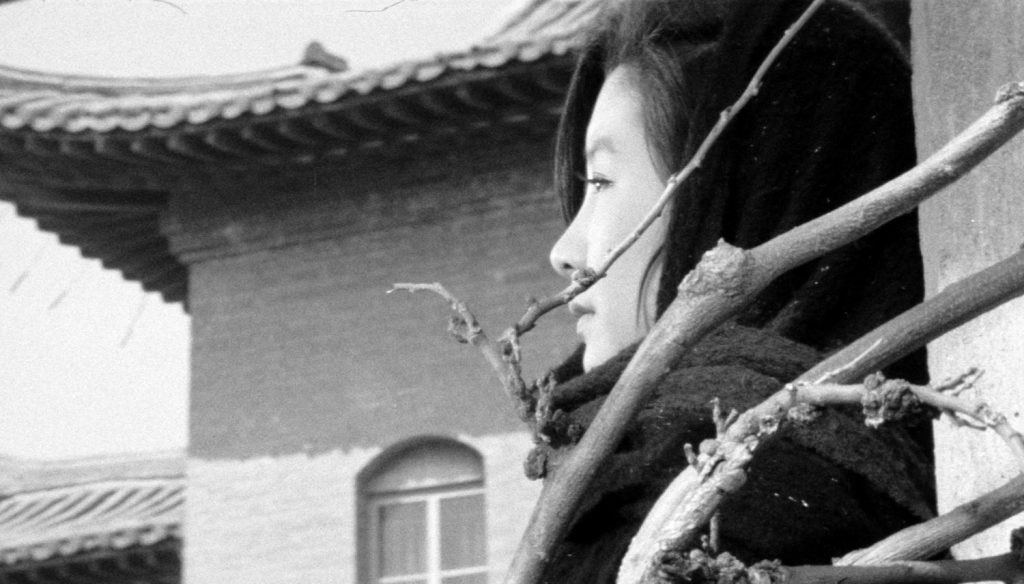
Cinema Lumiere – Sala Scorsese
Section: Under the Skies of Seoul: The Golden Age of South Korean Cinema
Cinema Modernissimo
Piano accompaniment by
John Sweeney
Section: One hundred years ago: 1926
Sala Cervi
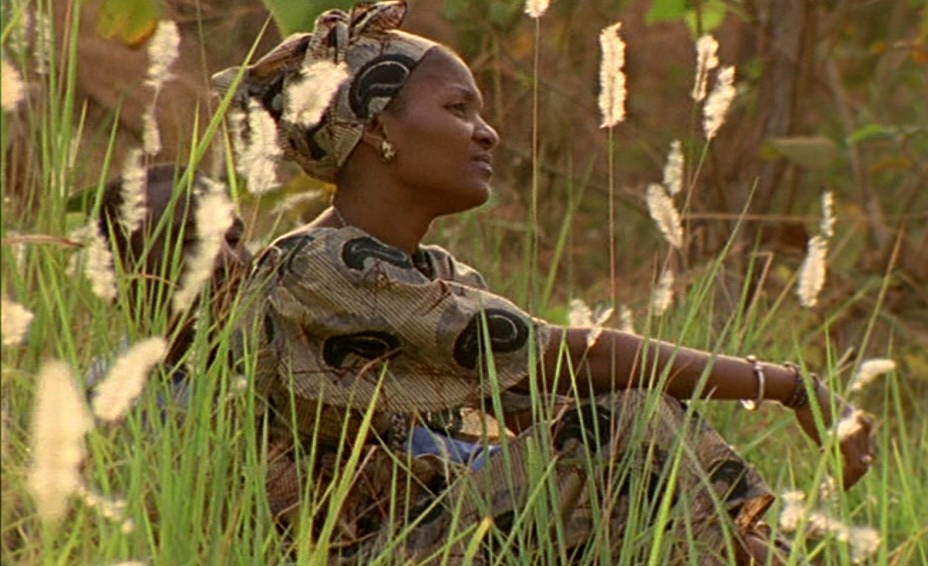
Cinema Lumiere – Sala Scorsese
Introduced by
Souleymane Cissé
Section: Cinemalibero
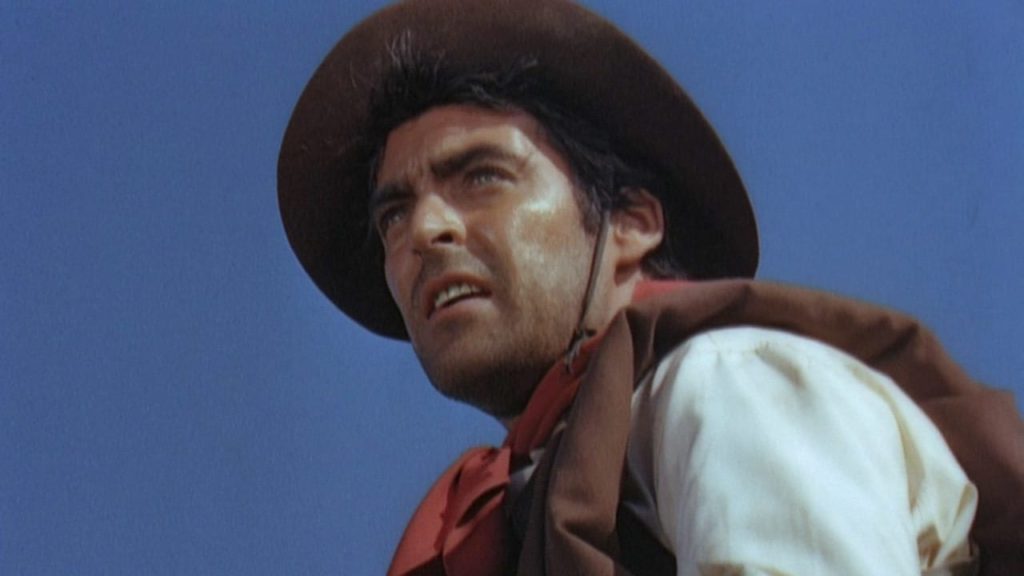
Arlecchino Cinema
Section: In Search of Colour
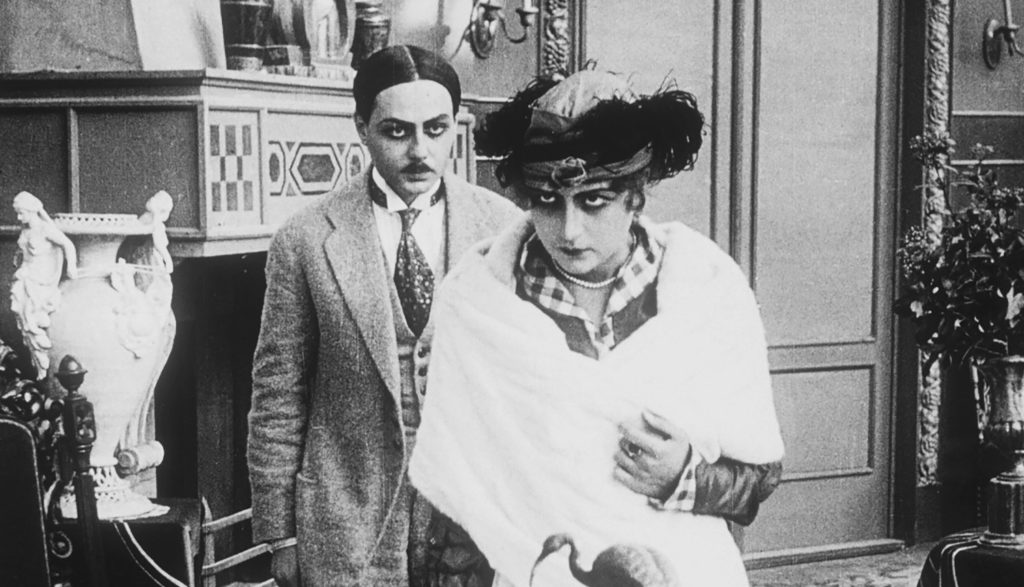
Cinema Lumiere – Sala Officinema/Mastroianni
Introduced by
Peter Bagrov
Piano accompaniment by
Stephen Horne and drums accompaniment by Frank Bockius for Waarschuwing tegen de revolutie, [Die bolschewistischen Greuel vom 21.8.1919 oder Kiews Schreckenstage], Jön az öcsém, Extra-Ausgabe der Messter-Woche
Section: One hundred years ago: 1926
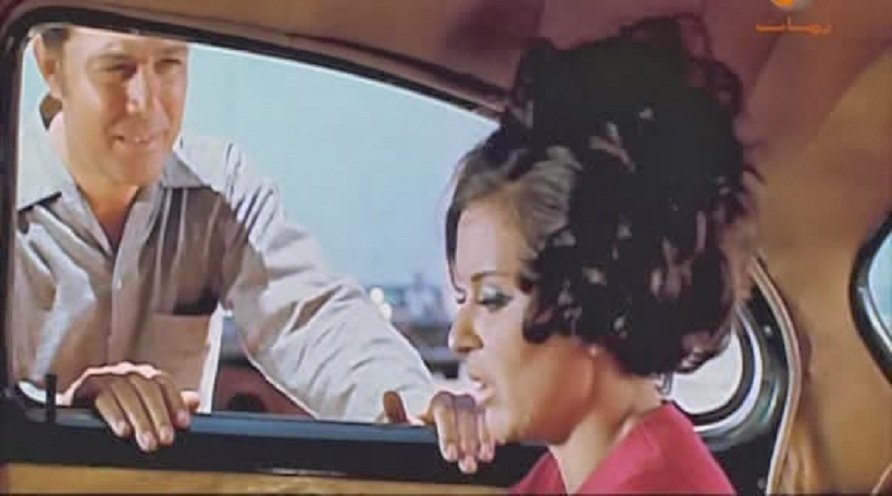
Jolly Cinema
Introduced by
Tewfik Hakem
Section: Youssef Chahine – The Last Arab Optimist
Sala Cervi
Arlecchino Cinema
Introduced by
Bertrand Tavernier
Section: Jean Gabin, the Man with Blue Eyes
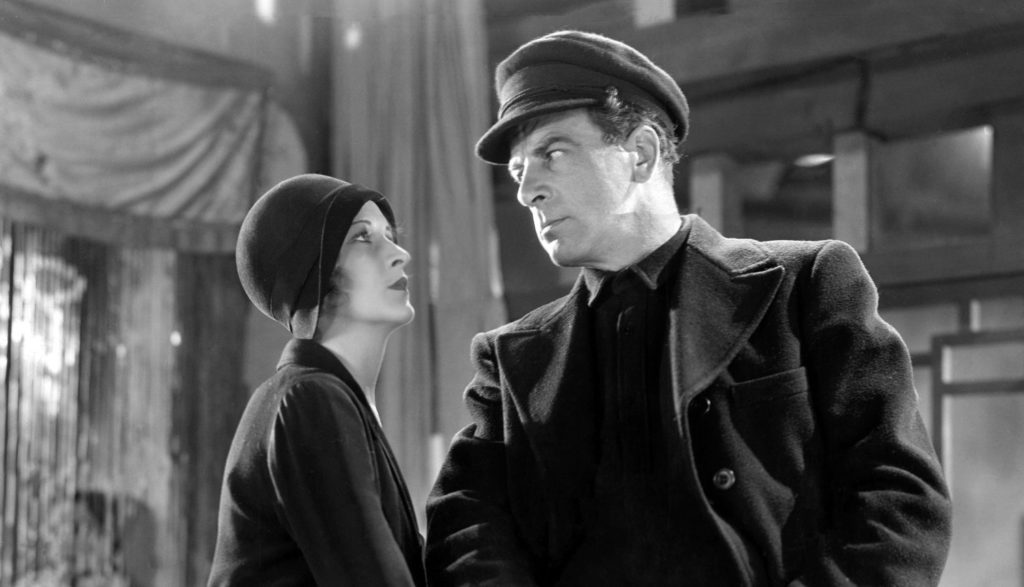
Jolly Cinema
Section: William Fox Presents: Rediscoveries from the Fox Film Corporation – Part II
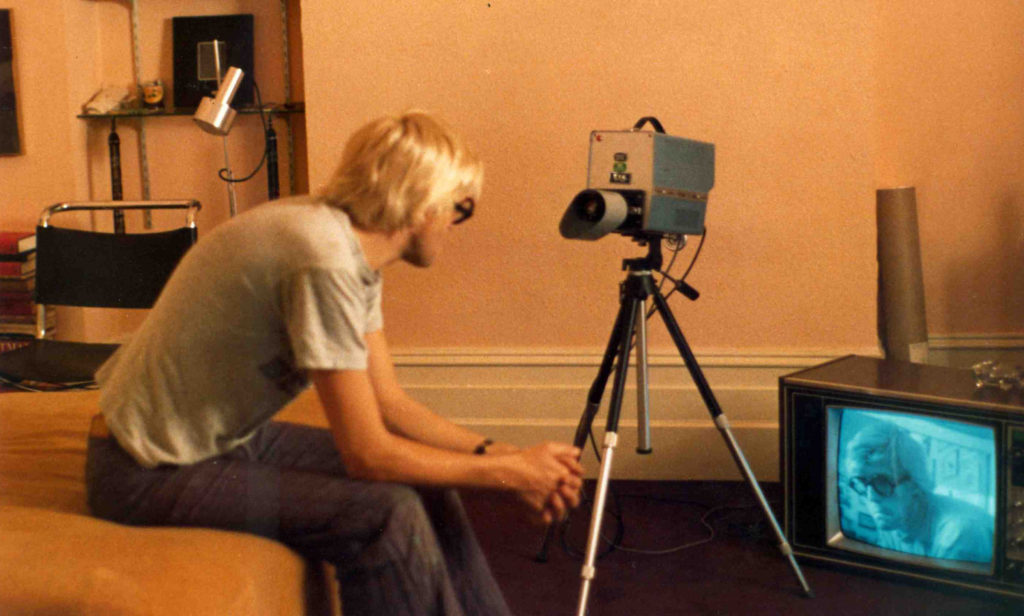
Introduced by
Jack Hazan
Section: Documents and Documentaries
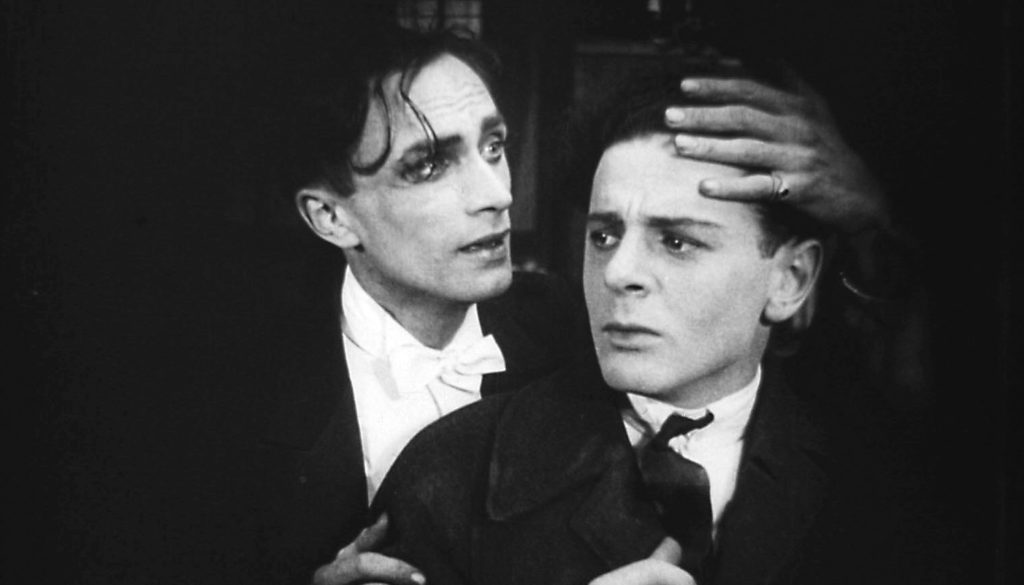
Cinema Lumiere – Sala Officinema/Mastroianni
Introduced by
Jay Weissberg (Le Giornate del Cinema Muto)
Piano accompaniment by
Gabriel Thibaudeau
Section: One hundred years ago: 1926
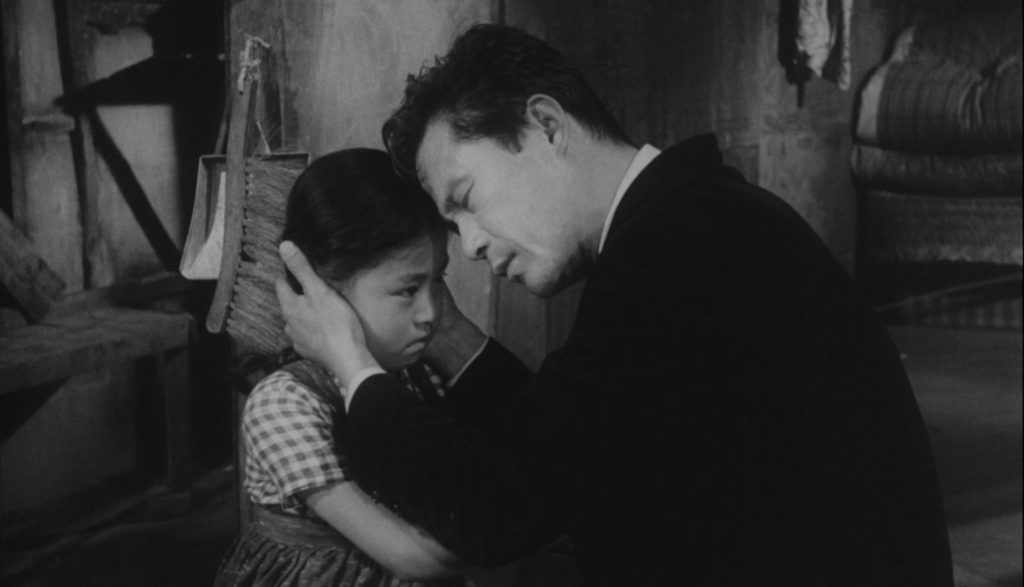
Cinema Lumiere – Sala Scorsese
Introduced by
Cho Hyun Jin (London Korean Film Festival) and Jung Minhwa (Korean Film Archive)
Section: Under the Skies of Seoul: The Golden Age of South Korean Cinema
Biblioteca Renzo Renzi
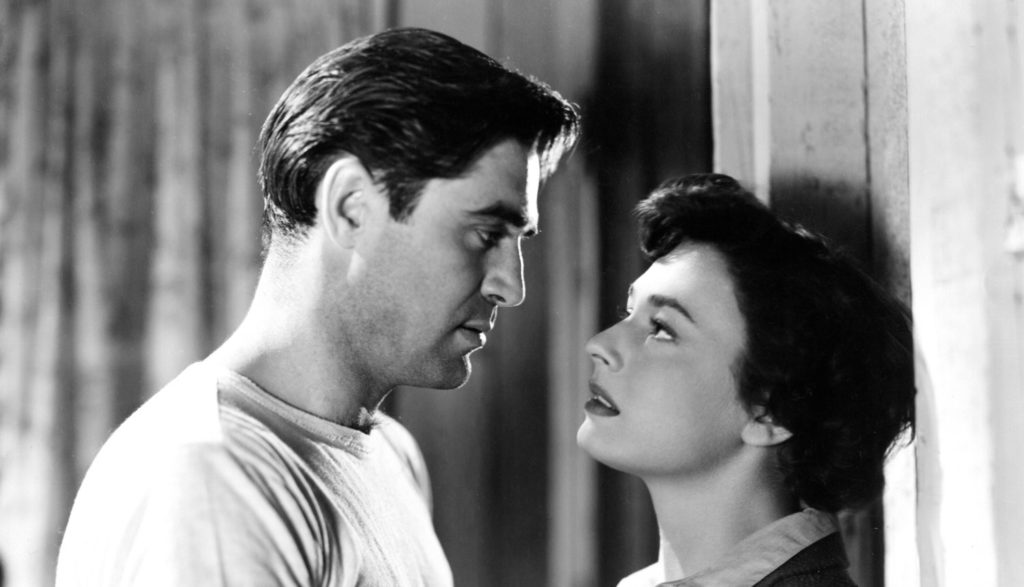
Jolly Cinema
Section: Brutal, Nasty, and Short: The Noir of Felix E. Feist
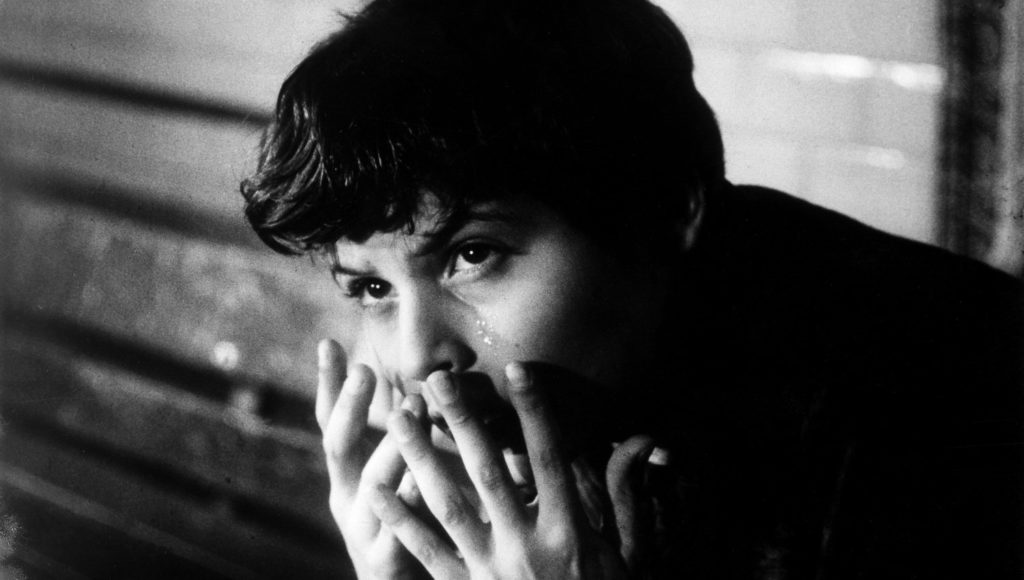
Cinema Lumiere – Sala Officinema/Mastroianni
Introduced by
Bernard Eisenschitz
Section: Georges Franju: Beyond Reality
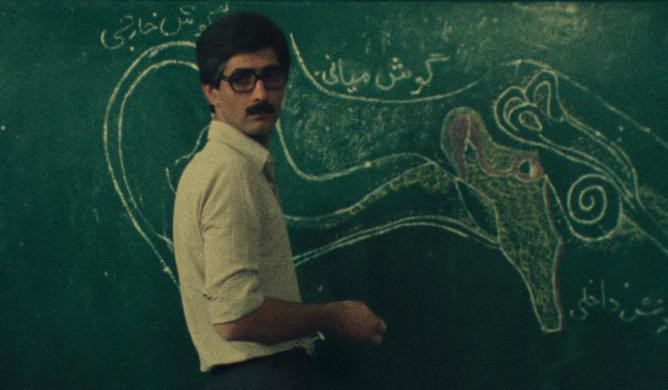
Arlecchino Cinema
Introduced by
Massoumeh Lahidji
Section: Recovered & Restored
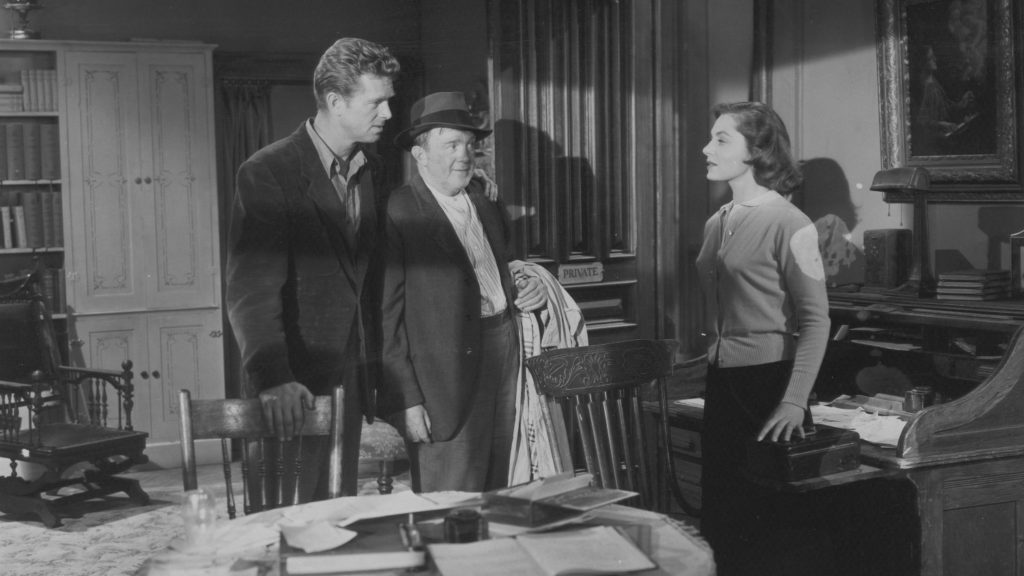
Cinema Lumiere – Sala Scorsese
Introduced by
Philippe Garnier
Section: Recovered & Restored

Section: A Neapolitan at Cinecittà, Eduardo De Filippo the Filmmaker
Sala Cervi
6 years and above
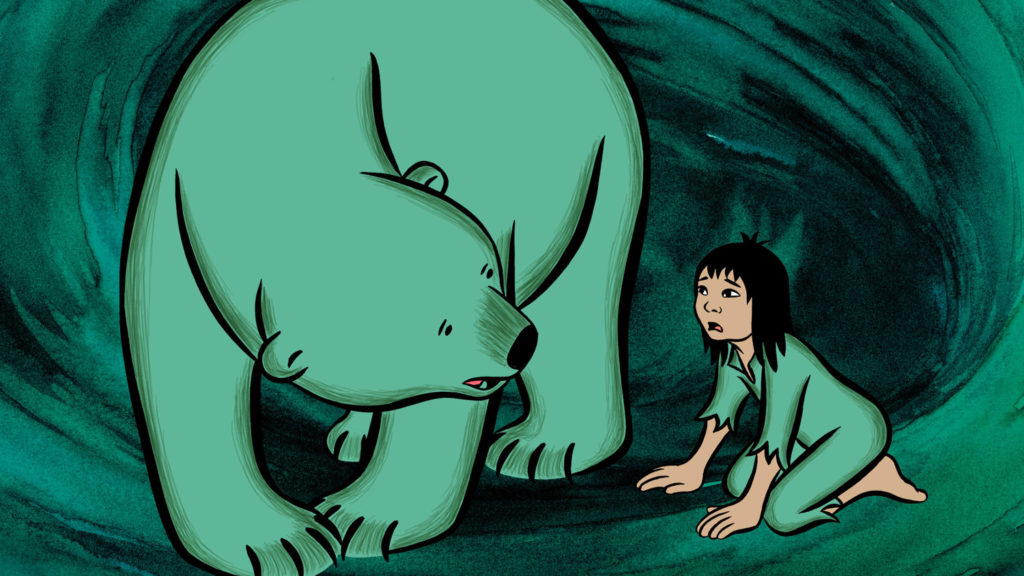
DRENGEN DER VILLE GØRE DET UMULIGE
(The Boy Who Wanted to Be a Bear, Danimarca/2002) by Jannik Hastrup (75’)
Writer, director, animator and musician, Jannik Hastrup is today considered the grandmaster of Danish animation and director of films and series that are landmarks in Scandinavian children’s culture. Hastrup trained at the Bent
Barfod Film studio, which contributed to the anti-Disney identity of a strain of Northern European animated cinema in the aftermath of WWII. In the early 1960s, Hastrup and his friend and colleague Flemming Quist Møller founded the production company Fiasco Film where the two fine-tuned their technique, experimenting and taking on challenging subjects. A free and independent spirit, Hastrup has stood up for social and environmental issues by making his characters defenders of nature and human rights, addressing audiences of adults and children with great candour. Our retrospective features two feature films and a selection of shorts, chosen and presented by the filmmaker. Samson & Sally and The Boy Who Wanted to Be a Bear, which received a special mention at the Berlinale in 2003, analyse the relationship between man and nature from an environmental perspective. The theme of inequality is central to the short film War and Peas, while in the series Birdland Hastrup pays tribute to jazz music, one of his great passions and a recurring theme in his productions along with his beloved watercolours.
Section: Il Cinema Ritrovato Kids & Young
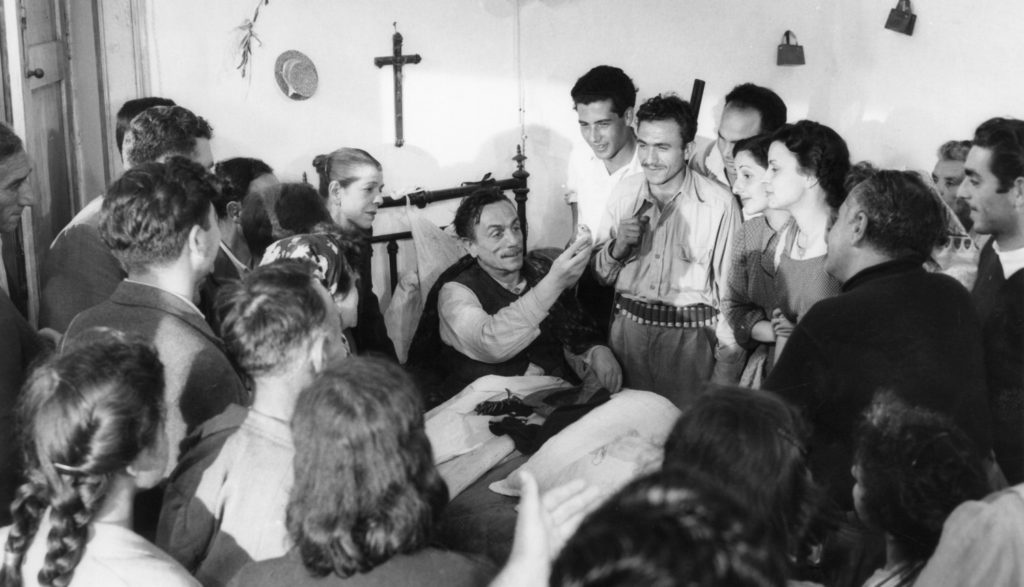
Jolly Cinema
Section: A Neapolitan at Cinecittà, Eduardo De Filippo the Filmmaker
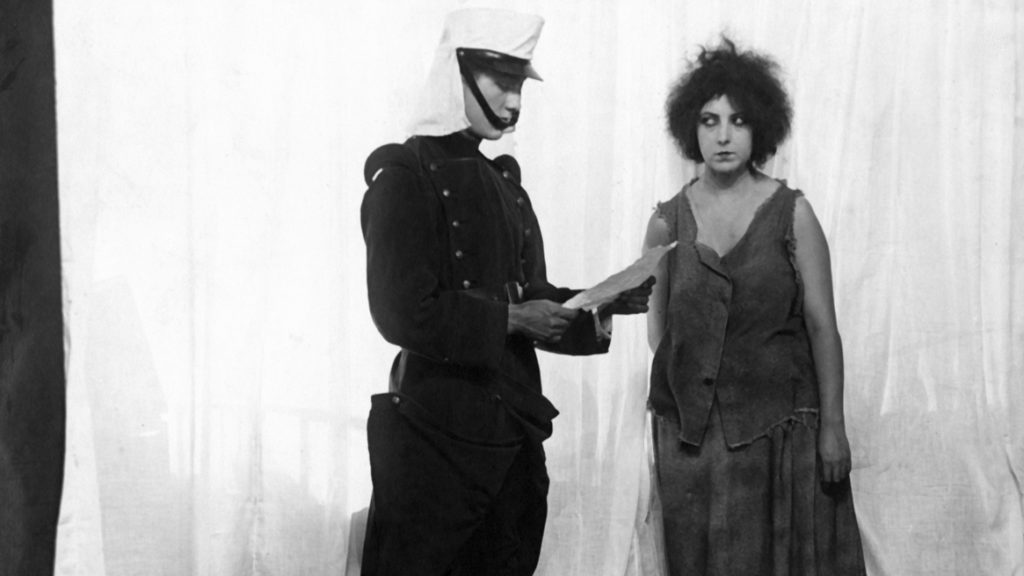
Cinema Lumiere – Sala Officinema/Mastroianni
Introduced by
Francesca Bozzano (Cinémathèque de Toulouse), Celine Ruivo (Cinémathèque française), Rob Byrne (San Francisco Silent Film Festival)
Piano accompaniment by
Maud Nelissen and drums accompaniment by Frank Bockius
Section: “Rendez-nous Musidora!” - Recovered & Restored
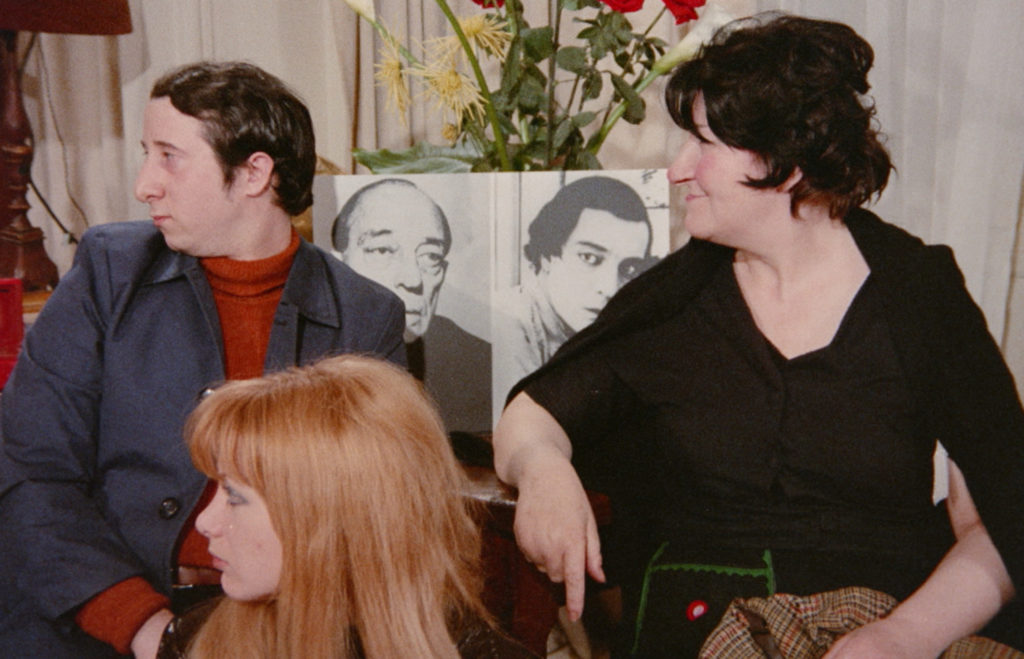
Arlecchino Cinema
Introduced by
Alvaro Vitali (interprete del film)
Following: projection of film outtakes
Section: Recovered & Restored - Documents and Documentaries
Cinnoteca
Section: Il Cinema Ritrovato Kids & Young
Cinema Lumiere – Sala Scorsese
Section: “We Are the Natives of Trizonia”: Inventing West German Cinema, 1945-49
Cinema Modernissimo
Piano accompaniment by
Matti Bye
Section: One hundred years ago: 1926
Sala Cervi
Introduced by
Anna Sienkiewicz-Rogowska e Iga Harasimowicz (FINA)
This year’s selection of remarkable Polish short films for children offers a visual journey through a world of five puppet animations recently restored by the Polish National Film Archive – Audiovisual Institute (FINA). The production time of the selected films spans over 20 years, which allows one to admire the evolution of Polish animation techniques.
One of the gems of this section is Pan piórko śni, a lesser known work, which was accused of formalism and banned during the socialist realism era, a wonderful example of an early black-and-white animation.
Following the tradition, this programe also includes the Se-Ma-For film studio productions, one of them being 1965’s Maluch, an award-winning animation, distinguished by an aesthetically powerful use of colour combinations.
These and other short films from the classic Polish animation cinema will be soon made available online on: repozytorium.fn.org.pl.
Iga Harasimowicz
Wycieczka (Excursion, Polonia/1957) R.: Teresa Badzian. D.: 10’
Niezwykła Podróz (The Incredible Journey, Polonia/1955) R.: Teresa Badzian. D.: 10’
Pan Piórko Śni (Mr. Thermos Dream, Polonia/1949) R.: Zenon Wasilewski. D.: 11’
Maluch (Little Car, Polonia/1965) R.: Lucjan De¸bin´ski. D.: 8’
Kundelek (Little Mongrel, Polonia/1969) R.: Lidia Hornicka. D.: 7’
Section: Il Cinema Ritrovato Kids & Young
Arlecchino Cinema
Introduced by
Lee Kline (Criterion)
Section: Recovered & Restored
Jolly Cinema
Section: Youssef Chahine – The Last Arab Optimist
Cinema Lumiere – Sala Scorsese
Section: Recovered & Restored
Piazza Maggiore
Introduced by
Gianni Amelio (director) and Meher Tatna (Hollywood Foreign Press Association)
Supported by Hollywood Foreign Press Association
(In case of rain, the screening will be moved to Pop up Cinema Medica Palace)
Section: Recovered & Restored
Piazzetta Pier Paolo Pasolini
Accompagnamento dal vivo di Donald Sosin
Voltaic arc lantern screening
(In case of rain, the screening will be moved to Sala Mastroianni)
Free admission with pre-booking:
cinetecadirezione@cineteca.bologna.it 051 2195333 (dal 21 giugno)
Section: In Search of Colour - “Rendez-nous Musidora!” - Recovered & Restored - One hundred years ago: 1926
thursday 27 june
Arlecchino Cinema
Section: Recovered & Restored
Jolly Cinema
Section: Soul and Craft: A Portrait of Henry King
Cinema Lumiere – Sala Officinema/Mastroianni
Piano accompaniment by
Neil Brand
Section: “Rendez-nous Musidora!” - Recovered & Restored
Cinema Lumiere – Sala Scorsese
Section: Under the Skies of Seoul: The Golden Age of South Korean Cinema
Cinema Modernissimo
Piano accompaniment by
Matti Bye
Section: One hundred years ago: 1926
Section: In Search of Colour

Jolly Cinema
Introduced by
Amal Guermazi (musicologist)
Section: Youssef Chahine – The Last Arab Optimist
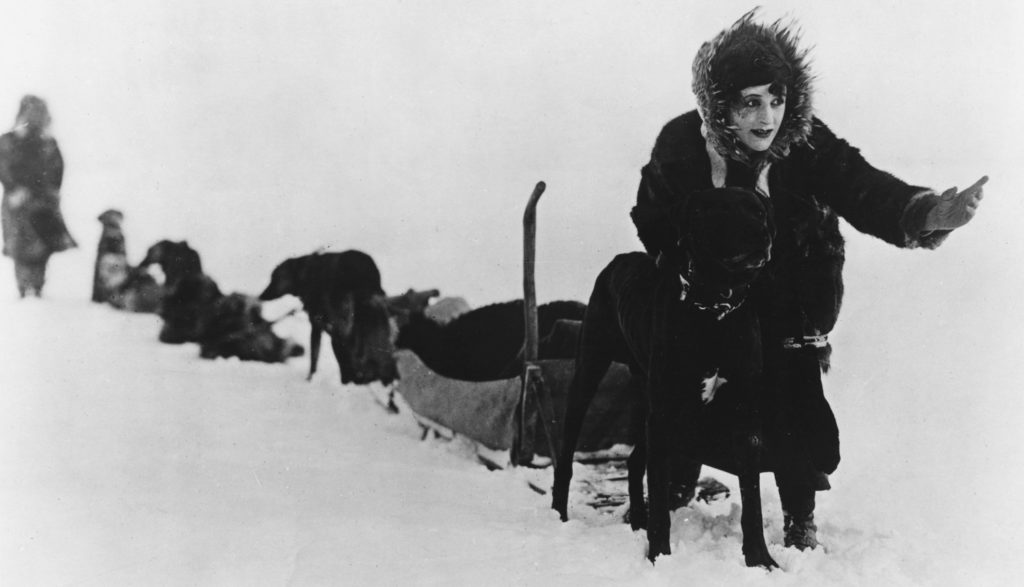
Cinema Lumiere – Sala Officinema/Mastroianni
Introduced by
Annette Förster
Piano accompaniment by
Donald Sosin
Section: One hundred years ago: 1926
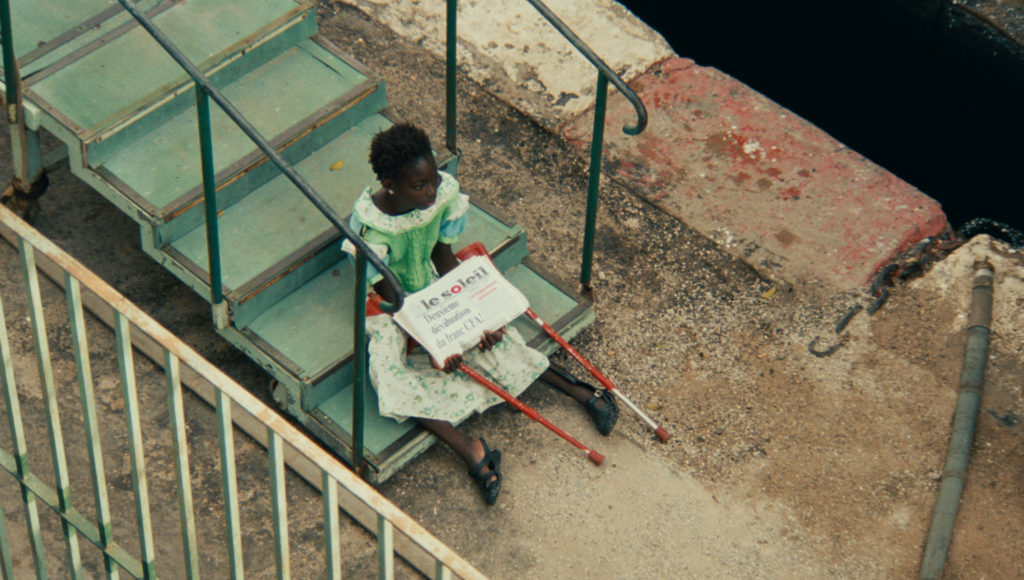
Cinema Lumiere – Sala Scorsese
Preceding: Interviews with Djibril Diop Mambéty in his home in Dakar (1990) and his brother Wasis Diop (2008) by Mohamed Challouf
Section: Cinemalibero
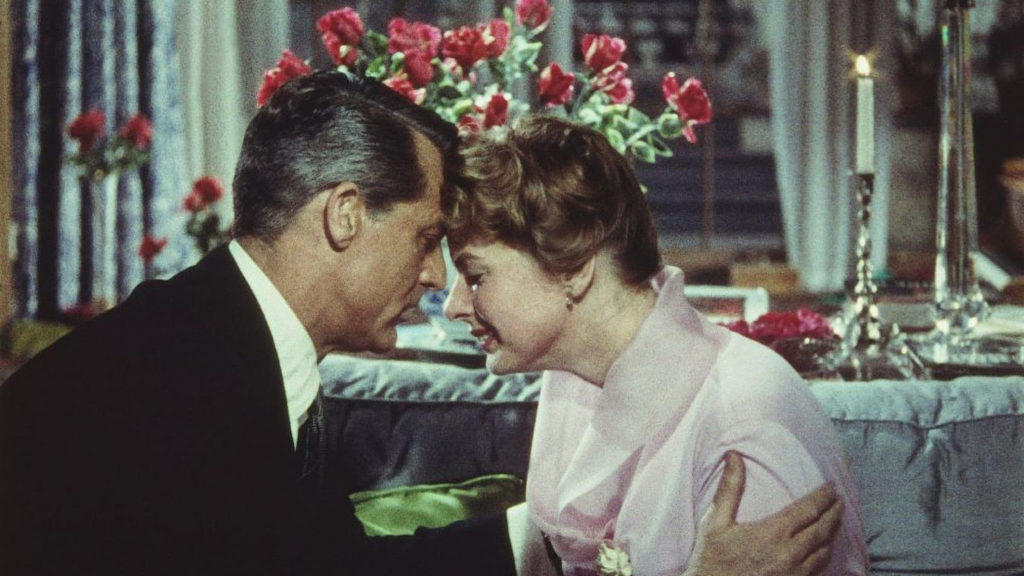
Arlecchino Cinema
Introduced by
Michael Pogorzelski (Academy Film Archive)
Section: In Search of Colour
Introduced by
Marco Giusti
Book presentation of Polidor e Polidor by Marco Giusti, published by Cineteca di Bologna (2019).
To follow:
Le Cirque de Calder
Section: Documents and Documentaries
Arlecchino Cinema
Introduced by
Philippe Le Guay (regista)
Section: Jean Gabin, the Man with Blue Eyes
Introduced by
Baris Azman
Section: Documents and Documentaries
Jolly Cinema
Introduced by
Imogen Sara Smith
Section: Soul and Craft: A Portrait of Henry King
Cinema Lumiere – Sala Officinema/Mastroianni
Introduced by
Camille Blot-Wellens, Jon Wengström (Svenska Filminstitut) and Elif Rongen Kaynakçi (EYE Filmmuseum)
Piano accompaniment by
Gabriel Thibaudeau
Section: Recovered & Restored
Cinema Lumiere – Sala Scorsese
Section: Under the Skies of Seoul: The Golden Age of South Korean Cinema
Section: Documents and Documentaries
Biblioteca Renzo Renzi
Arlecchino Cinema
Piano accompaniment by
Daniele Furlati
Following: screening of recovered and restored rushes from the Cinémathèque française
Section: Recovered & Restored
Cinema Lumiere – Sala Scorsese
Section: Recovered & Restored
Cinema Lumiere – Sala Officinema/Mastroianni
Section: Georges Franju: Beyond Reality
Sala Cervi
Writer, director, animator and musician, Jannik Hastrup is today considered the grandmaster of Danish animation and director of films and series that are landmarks in Scandinavian children’s culture. Hastrup trained at the Bent
Barfod Film studio, which contributed to the anti-Disney identity of a strain of Northern European animated cinema in the aftermath of WWII. In the early 1960s, Hastrup and his friend and colleague Flemming Quist Møller founded the production company Fiasco Film where the two fine-tuned their technique, experimenting and taking on challenging subjects.
A free and independent spirit, Hastrup has stood up for social and environmental issues by making his characters defenders of nature and human rights, addressing audiences of adults and children with great candour.
Our retrospective features two feature films and a selection of shorts, chosen and presented by the filmmaker. Samson & Sally and The Boy Who Wanted to Be a Bear, which received a special mention at the Berlinale in 2003, analyse the relationship between man and nature from an environmental perspective. The theme of inequality is central to the short film War and Peas, while in the series Birdland Hastrup pays tribute to jazz music, one of his great passions and a recurring theme in his productions along with his beloved watercolours.
Hund & Fisk (Dog & Fish, Danimarca/2001) R.: Jannik Hastrup. D.: 15’
Birdland: April in Paris (Danimarca/1995) R.: Jannik Hastrup. D.: 5’
Birdland: Over the Rainbow (Danimarca/1995) R.: Jannik Hastrup. D.: 5’
Birdland: Dream a Little Dream of Me (Danimarca/1995) R.: Jannik Hastrup. D.: 5’
Birdland: A Night in Tunisia (Danimarca/1995) R.: Jannik Hastrup. D.: 5’
Krig og Kager (War and Peas, Danimarca/2005) R.: Jannik Hastrup. D.: 10’
6 years and above
Section: Il Cinema Ritrovato Kids & Young
Jolly Cinema
Introduced by
Cecilia Cenciarelli and Tim Lanza (Cohen Film Collection)
Piano accompaniment by
Neil Brand
Section: Buster Keaton!
Introduced by
Patrick Jeudy
Section: Documents and Documentaries
Sala Cervi
Introduced by
Beatrice Pucci
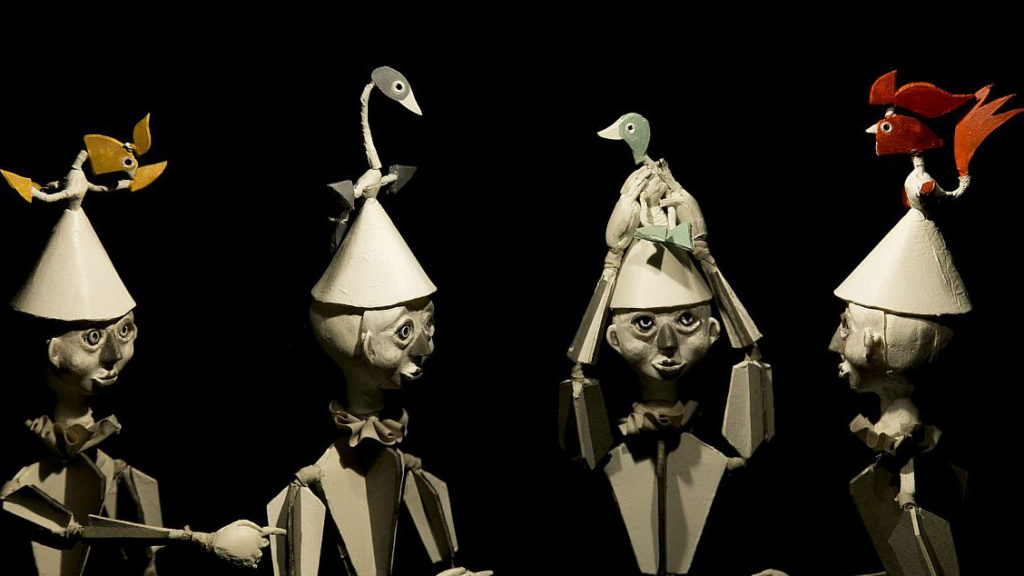
In 2005, the historic production company Corona Cinematografica (active from the late 1940s to 1997) entrusted the Cineteca di Bologna with the preservation and promotion of its inventory, which includes over 2,500 animated films and documentaries and around 1,200 newsreels. The collection also features the splendid series Favole europee: about 40 animated shorts, made in the 70s, illustrating Europe through fairytales and popular legends from different countries. We are screening a selection of them in 35mm. We will also show Le nozze di Pollicino, the first instalment of a series devoted to Italian fairytales by Beatrice Pucci; the artist, a specialist in puppet animation, will present her work in person. The programme ends with a tribute to the great Czech illustrator and animator Jiří Trnka, who can be seen elsewhere at Il Cinema Ritrovato in the documentary about him Jiří Trnka, l’ami retrouvé.
Zasadil deˇdek repu (Grandpa Planted a Beet, Cecoslovacchia/1945) R.: Jirˇí Trnka. D.: 10’
Aarie Prerie (Song of the Prairie, Cz/1949) R.: Jirˇí Trnka. D.: 22’
Le nozze di Pollicino (Italia/2018) R.: Beatrice Pucci. D.: 6’
5 years and above
Section: Il Cinema Ritrovato Kids & Young
Cinema Lumiere – Sala Officinema/Mastroianni
Introduced by
Annette Förster
Piano accompaniment by
Antonio Coppola
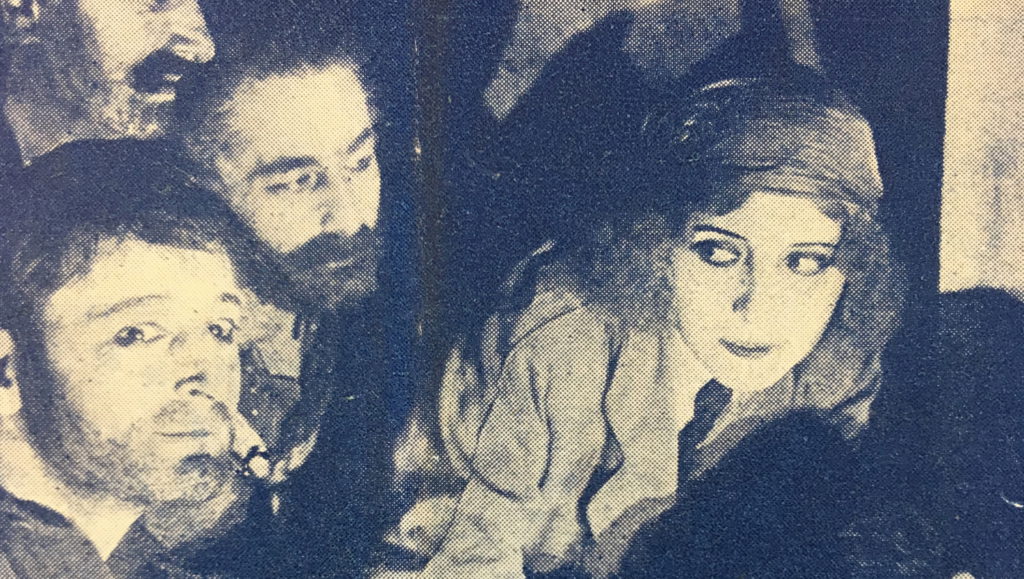
Section: “Rendez-nous Musidora!”
Arlecchino Cinema
Section: Recovered & Restored
Jolly Cinema
Section: A Neapolitan at Cinecittà, Eduardo De Filippo the Filmmaker
Cinema Lumiere – Sala Scorsese
Section: “We Are the Natives of Trizonia”: Inventing West German Cinema, 1945-49
Teatro Auditorium Manzoni
Cinnoteca
Section: Il Cinema Ritrovato Kids & Young
Introduced by
Pedro Lino
Section: Documents and Documentaries
Cinema Modernissimo
Piano accompaniment by
Gabriel Thibaudeau
Section: One hundred years ago: 1926
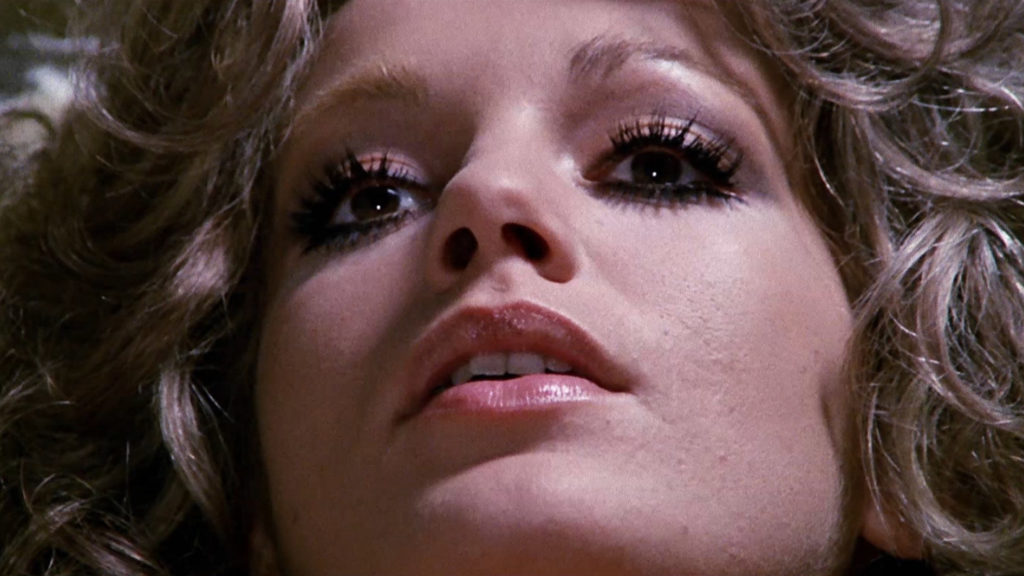
Arlecchino Cinema
Section: Recovered & Restored
Jolly Cinema
Section: William Fox Presents: Rediscoveries from the Fox Film Corporation – Part II
Cinema Lumiere – Sala Officinema/Mastroianni
Piano accompaniment by
Antonio Coppola
Section: Recovered & Restored
Cinema Lumiere – Sala Scorsese
Section: Cinemalibero
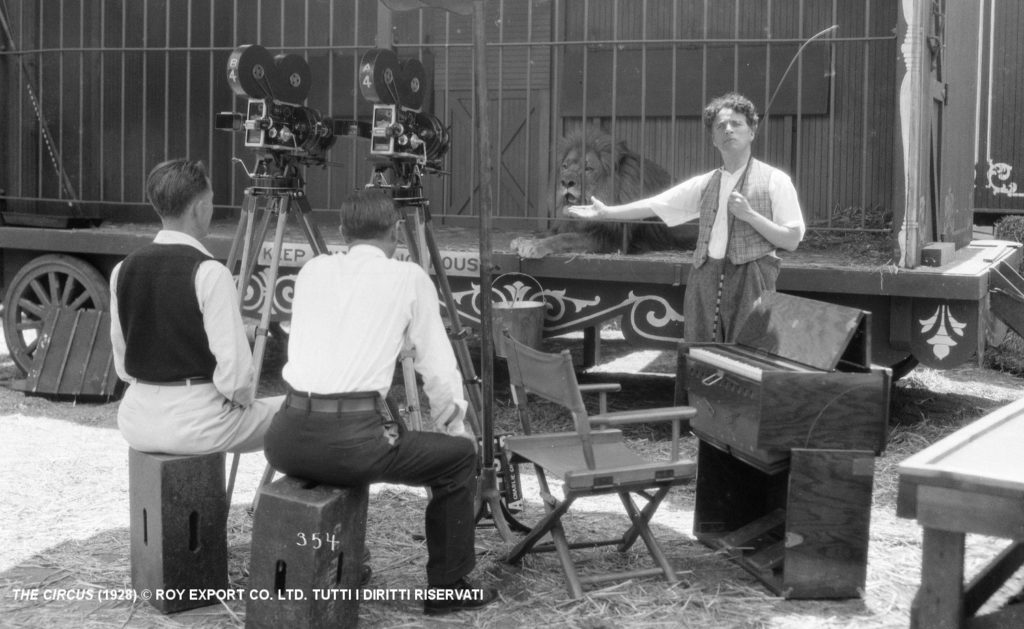
Piazza Maggiore
Introduced by
Cecilia Cenciarelli and Kate Guyonvarch (Association Chaplin)
Live accompaniment by the Orchestra del Teatro Comunale di Bologna diretta da Timothy Brock
Preceding: a selection of films from Mutoscope & Biograph:
The 68mm Ritrovato Time Travel: England When Chaplin Was Ten
Supported by Mare Termale Bolognese
(In case of rain, the screening will be moved to Teatro Auditorium Manzoni)
Section: Recovered & Restored
friday 28 june
Arlecchino Cinema
Section: Recovered & Restored
Jolly Cinema
Introduced by
Ehsan Khoshbakht
Section: Soul and Craft: A Portrait of Henry King - In Search of Colour
Cinema Lumiere – Sala Officinema/Mastroianni
Piano accompaniment by
Donald Sosin
Section: Recovered & Restored
Cinema Lumiere – Sala Scorsese
Section: Soul and Craft: A Portrait of Henry King - Documents and Documentaries
Cinema Modernissimo
Piano accompaniment by
Neil Brand
Section: One hundred years ago: 1926
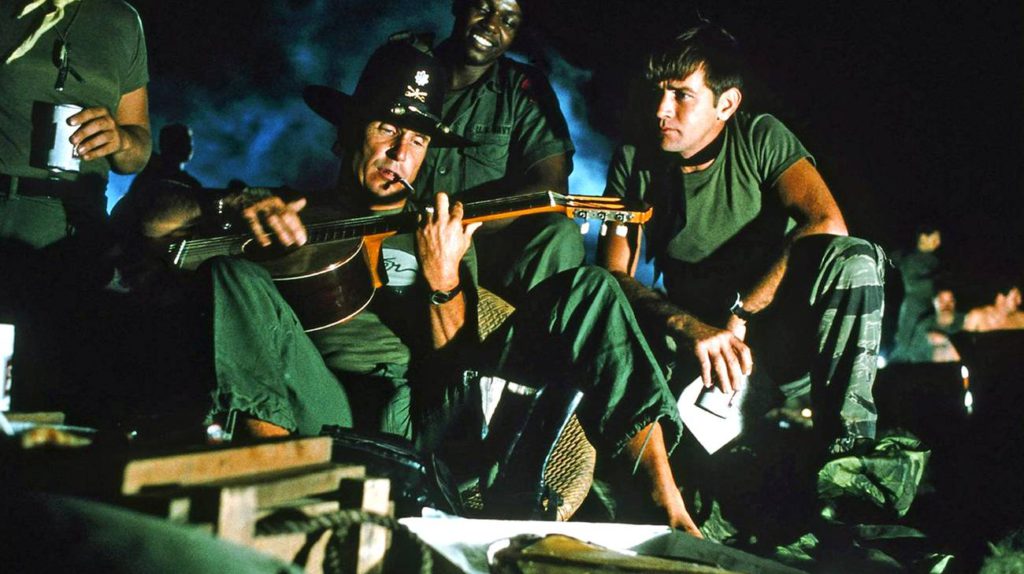
Section: Recovered & Restored
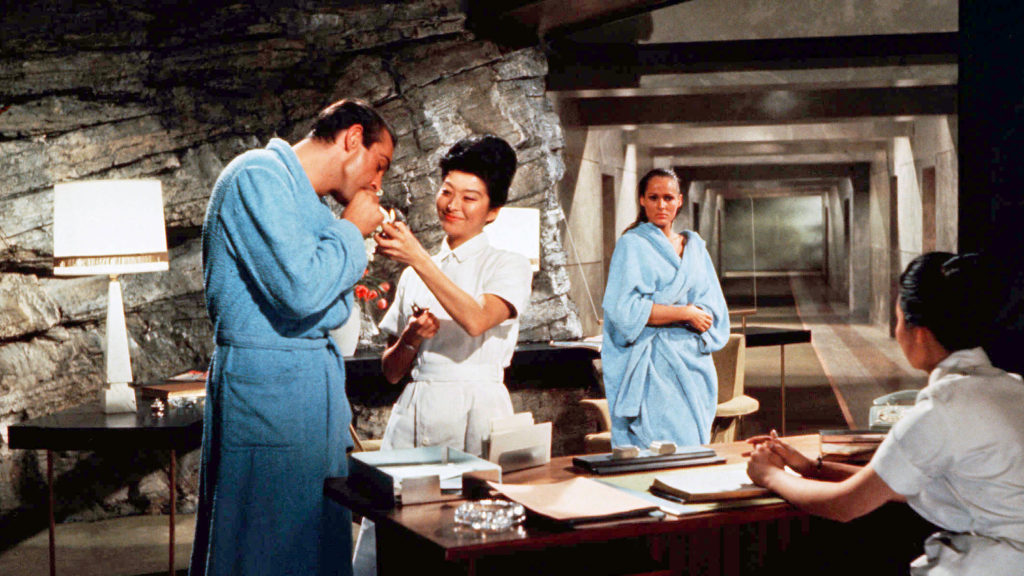
Arlecchino Cinema
Introduced by
Philippe Le Guay (director)
Section: In Search of Colour
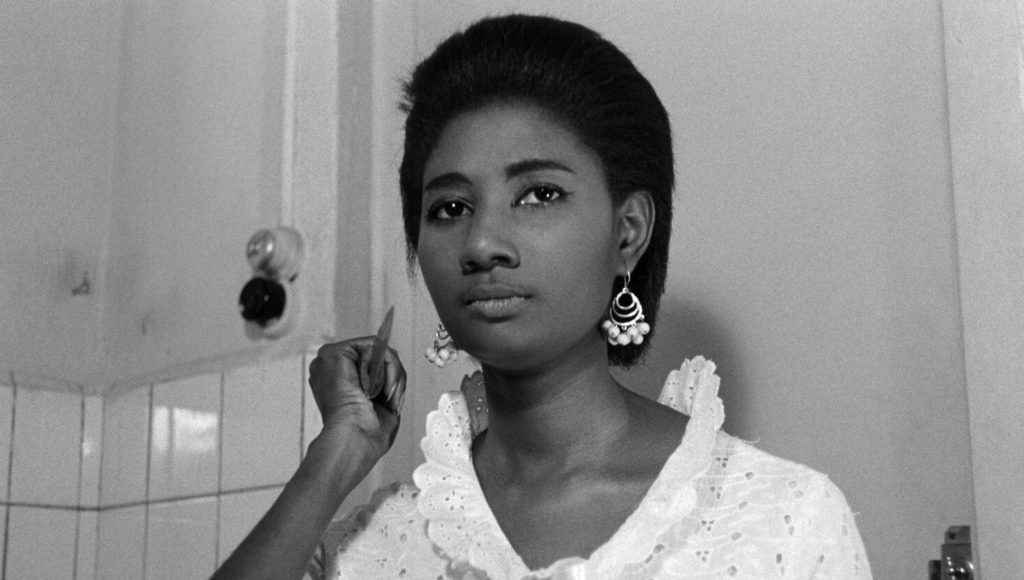
Cinema Lumiere – Sala Scorsese
Introduced by
Aboubakar Sanogo and Cecilia Cenciarelli
Section: Cinemalibero
Section: Recovered & Restored
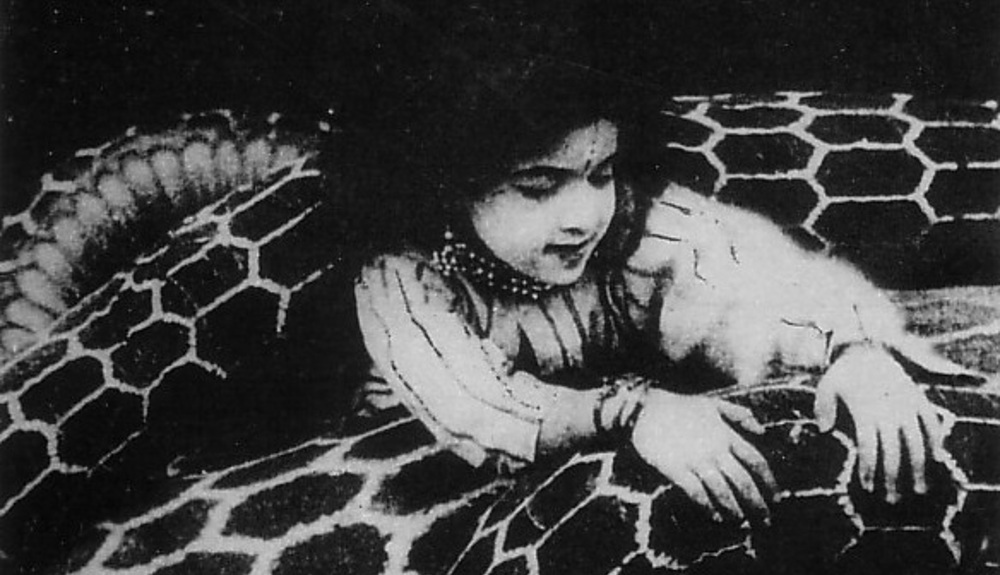
Cinema Lumiere – Sala Officinema/Mastroianni
Introduced by
Stella Dagna (Museo Nazionale del Cinema, Torino), Elena Testa (Archivio del Cinema di Impresa di Ivrea), Bartolomeo Corsini
Piano accompaniment by
Stephen Horne and drums accompaniment by Frank Bockius
Section: Recovered & Restored - One hundred years ago: 1926
Jolly Cinema
Section: William Fox Presents: Rediscoveries from the Fox Film Corporation – Part II
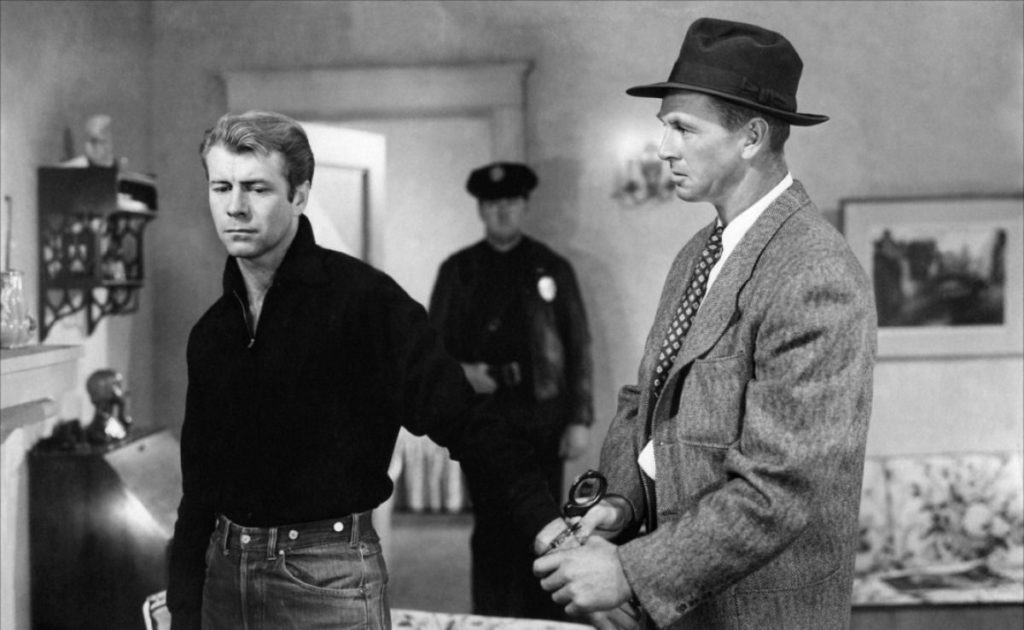
Section: Recovered & Restored
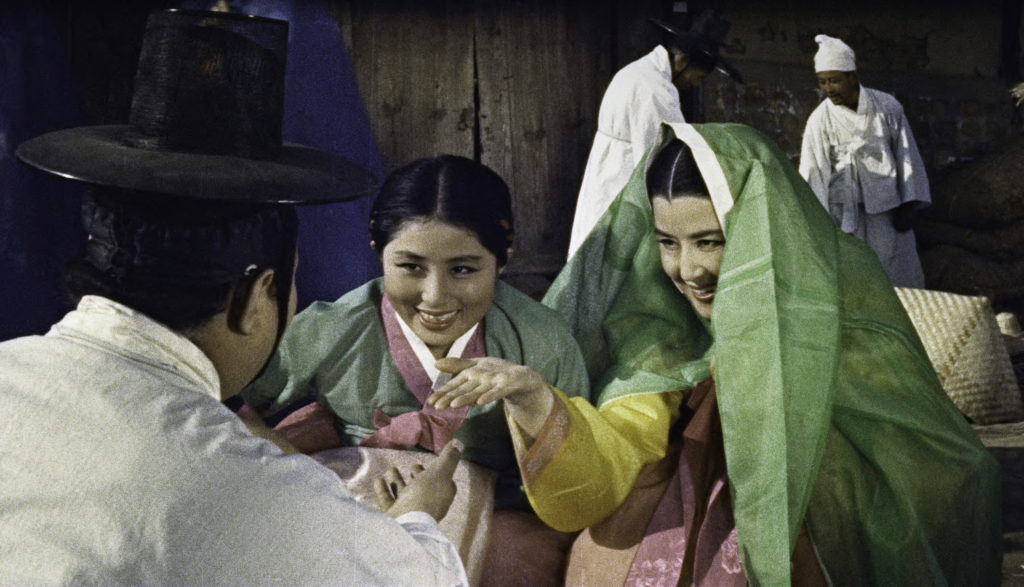
Cinema Lumiere – Sala Scorsese
Section: Under the Skies of Seoul: The Golden Age of South Korean Cinema
Arlecchino Cinema
Introduced by
Jean-Pierre Bleys
Section: Jean Gabin, the Man with Blue Eyes
Jolly Cinema
Section: Soul and Craft: A Portrait of Henry King
Introduced by
Michael Rogosin
Section: Documents and Documentaries
Cinema Lumiere – Sala Officinema/Mastroianni
Introduced by
Manuela Padoan (Gaumont Pathé Archives)
Section: Recovered & Restored
Arlecchino Cinema
Section: Recovered & Restored
Cinema Lumiere – Sala Officinema/Mastroianni
Section: “Rendez-nous Musidora!” - Brutal, Nasty, and Short: The Noir of Felix E. Feist
Sala Cervi
Writer, director, animator and musician, Jannik Hastrup is today considered the grandmaster of Danish animation and director of films and series that are landmarks in Scandinavian children’s culture. Hastrup trained at the Bent Barfod Film studio, which contributed to the anti-Disney identity of a strain of Northern European animated cinema in the aftermath of WWII. In the early 1960s, Hastrup and his friend and colleague Flemming Quist Møller founded the production company Fiasco Film where the two fine-tuned their technique, experimenting and taking on challenging subjects. A free and independent spirit, Hastrup has stood up for social and environmental issues by making his characters defenders of nature and human rights, addressing audiences of adults and children with great candour. Our retrospective features two feature films and a selection of shorts, chosen and presented by the filmmaker. Samson & Sally and The Boy Who Wanted to Be a Bear, which received a special mention at the Berlinale in 2003, analyse the relationship between man and nature from an environmental perspective. The theme of inequality is central to the short film War and Peas, while in the series Birdland Hastrup pays tribute to jazz music, one of his great passions and a recurring theme in his productions along with his beloved watercolours.
SAMSON OG SALLY (Samson & Sally, Danimarca/1984)
R.: Jannik Hastrup. D.: 60’. Italian versione
6 years and above
Section: Il Cinema Ritrovato Kids
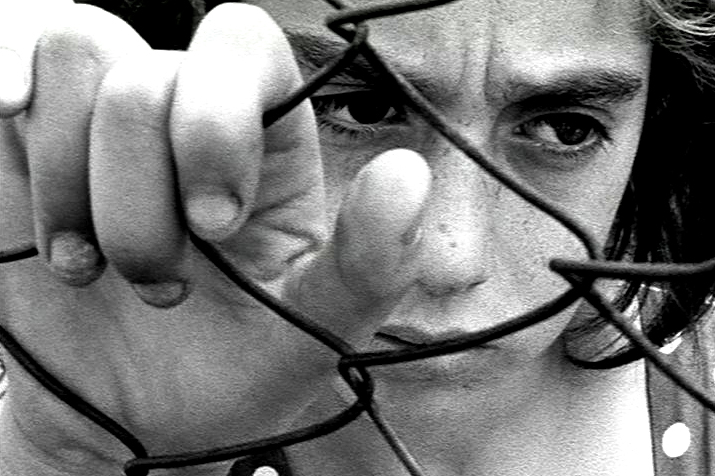
Section: Documents and Documentaries
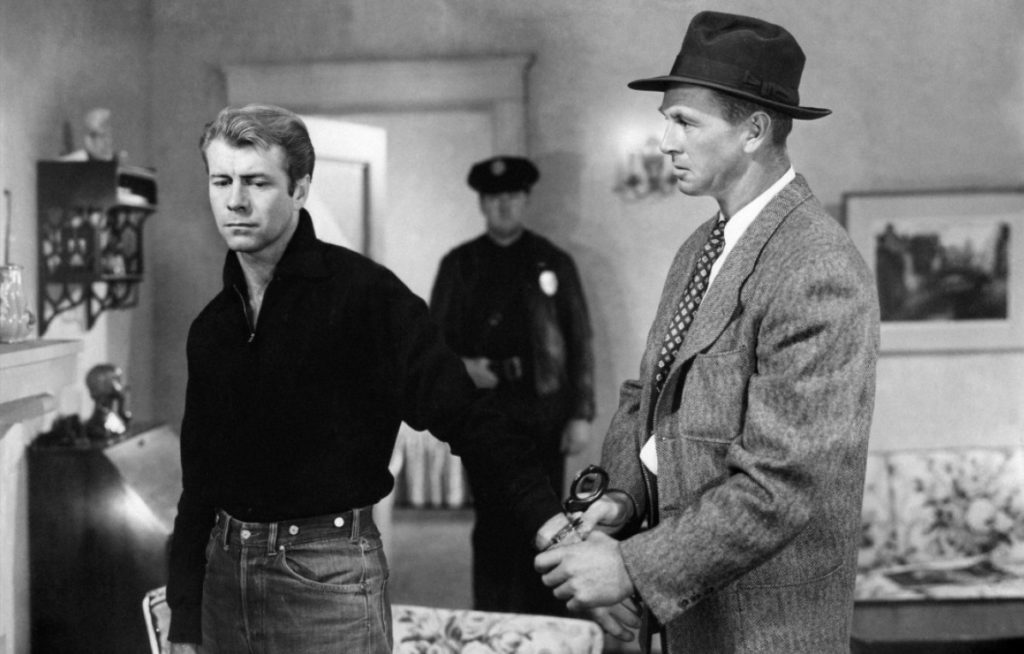
Cinema Lumiere – Sala Scorsese
Section: Recovered & Restored
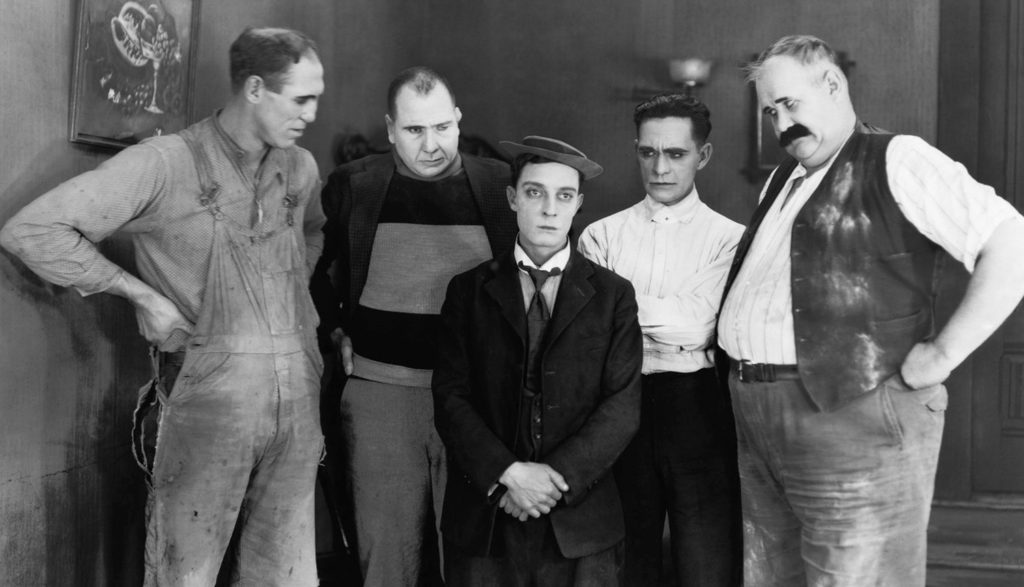
Jolly Cinema
Introduced by
Cecilia Cenciarelli
Piano accompaniment by
Neil Brand
Preceded by unseen footage shot at the Chaplin Studios in 1953
Commented by Kate Guyonvarch (Association Chaplin)
Section: Buster Keaton!
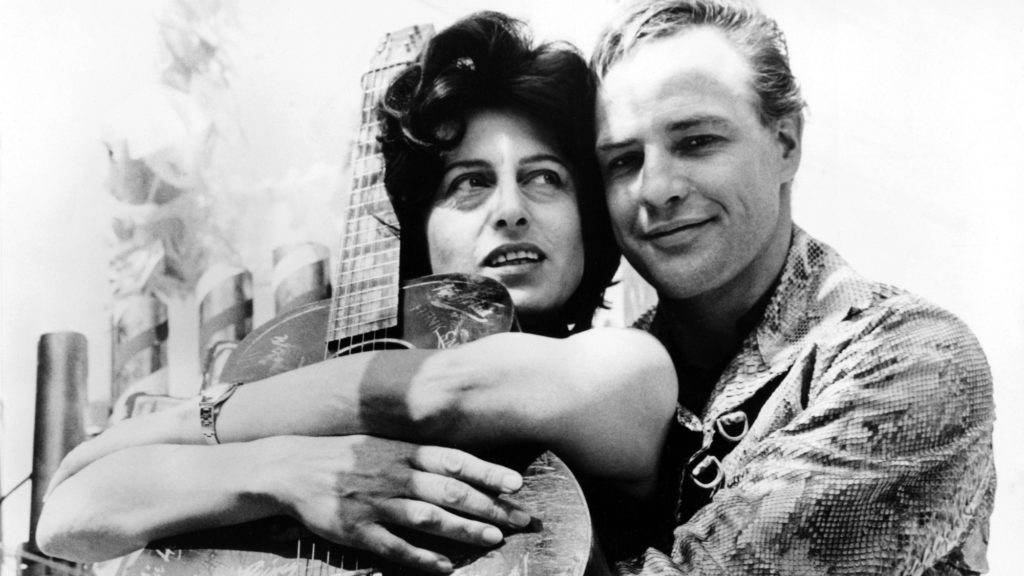
Introduced by
Enrico Cerasuolo and Massimo Arvat
Section: Documents and Documentaries

Sala Cervi
Live accompaniment by Agnese Banti, Daniele Carcassi, imone Faraci, Yun Huang, Mattia Siboni, Giada Turini (students from Conservatorio di Musica G.B. Martini of Bologna)
A new foray into experimental and abstract cinema exploring the relationship between music and images and creations by filmmakers who have tried to translate a visual universe of lines, shapes, colours and architecture into rhythm, aspiring to a total work of art. This year the festival pays tribute to the work of contemporary video artist Saul Saguatti, who will present a selection of his shorts. The journey starts with movies by the first great avant-garde film experimenters (Ruttmann, Moholy-Nagy and Richter). The screenings will be accompanied by live music by the students of the Department of New Technologies and Musical Languages of Bologna’s Conservatorio di Musica G.B. Martini (Agnese Banti, Daniele Carcassi, Simone Faraci, Yun Huang, Mattia Siboni, Giada Turini).
Der Sieger (Germania/1921) R.: Walter Ruttmann. D.: 3’
Ein Lichtspiel Schwarz Weiss Grau (Germania/1930) R.: László Moholy-Nagy. D.: 6’
Inflation (Germania/1921) R.: Hans Richter. D.: 3’
Rhythmus 23 (Germania/1923) R.: Hans Richter. D.: 3’
Acciaio (estratto) (Italia/1933) R.: Walter Ruttmann. D.: 5’
Basmati (Italia/2000) R.: Saul Saguatti. D.: 6’
Life from Pluto remix 04 (Italia/2004) R.: Saul Saguatti. D.: 6’
Fire Bandit (Italia/2005) R.: Saul Saguatti. D.: 1’
Pop Craft (Italia/2017) R.: Audrey Coïaniz. D.: 5’
L’urlo (Italia/2017) R.: Leonardo Carrano, Audrey Coïaniz. D.: 1’
Alphabeth (Italia/2018) R.: Audrey Coïaniz, Saul Saguatti. D.: 6’
Section: Il Cinema Ritrovato Kids
Jolly Cinema
Section: Documents and Documentaries
Arlecchino Cinema
Section: Recovered & Restored
Cinema Lumiere – Sala Officinema/Mastroianni
Section: “Rendez-nous Musidora!”
Cinema Lumiere – Sala Scorsese
Section: “We Are the Natives of Trizonia”: Inventing West German Cinema, 1945-49

Introduced by
the producer Peter Goldfarb
Section: Documents and Documentaries
Cinnoteca
Section: Il Cinema Ritrovato Kids & Young
Cinema Modernissimo
Piano accompaniment by
Stephen Horne
Section: One hundred years ago: 1926
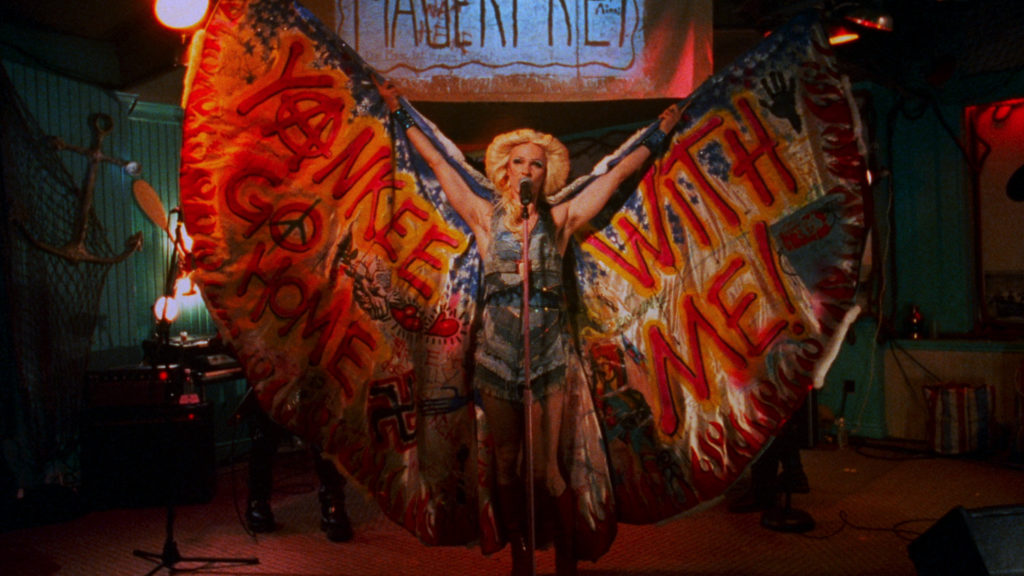
Arlecchino Cinema
Section: Recovered & Restored
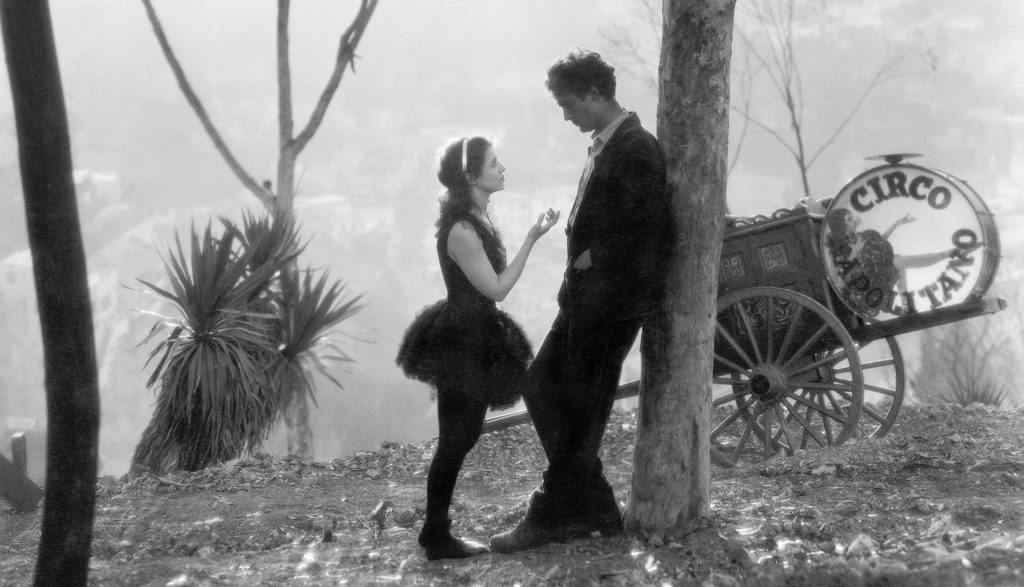
Cinema Lumiere – Sala Officinema/Mastroianni
Introduced by
Philippe Le Guay (Director)
Section: William Fox Presents: Rediscoveries from the Fox Film Corporation – Part II
Jolly Cinema
Section: Youssef Chahine – The Last Arab Optimist
Cinema Lumiere – Sala Scorsese
Section: Recovered & Restored
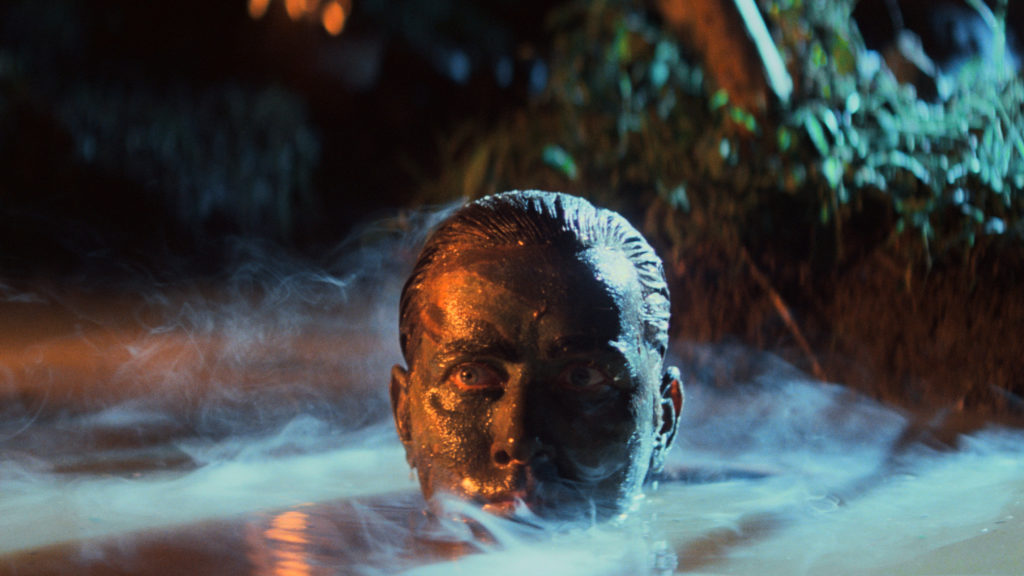
Piazza Maggiore
Introduced by
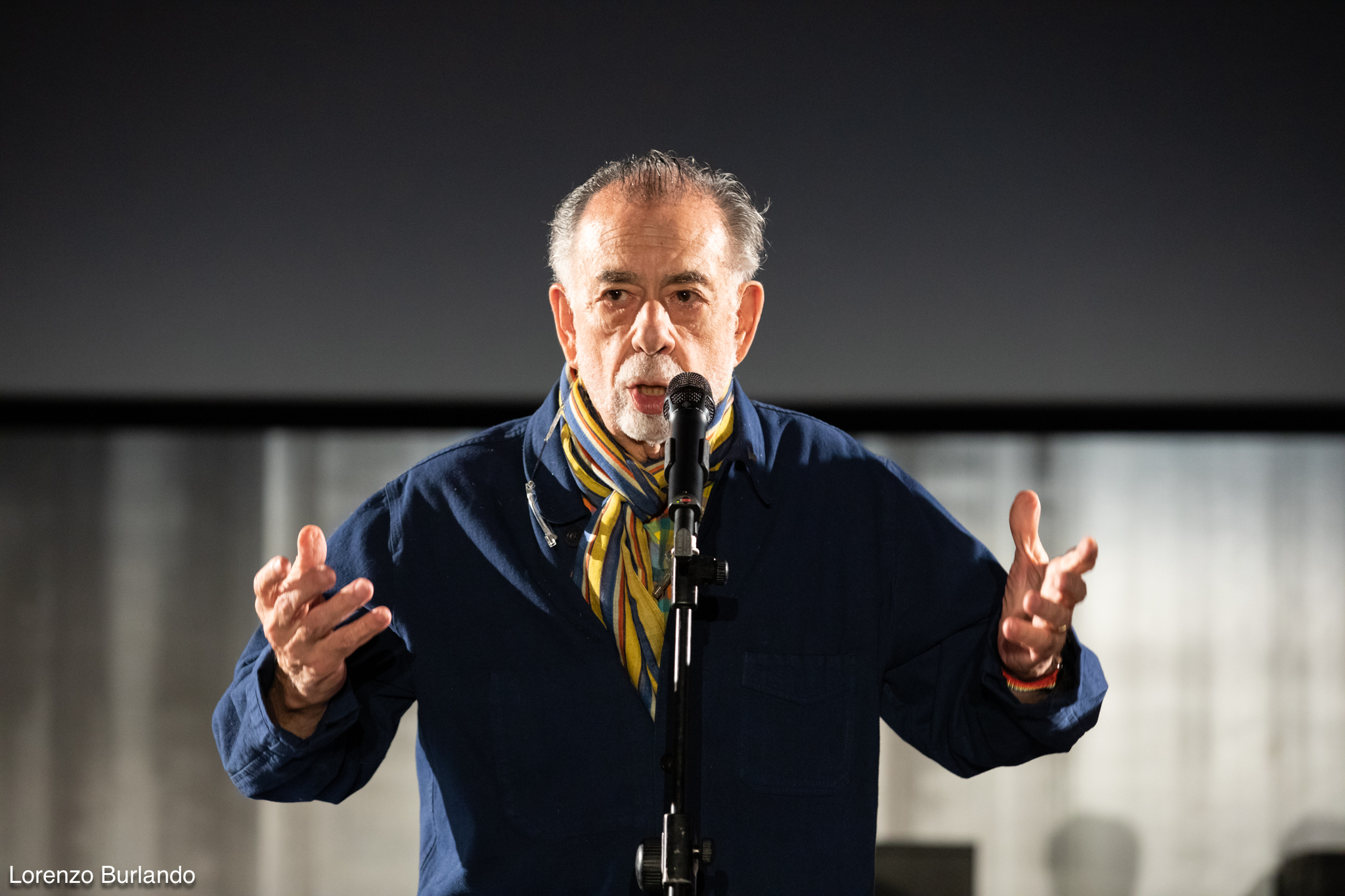
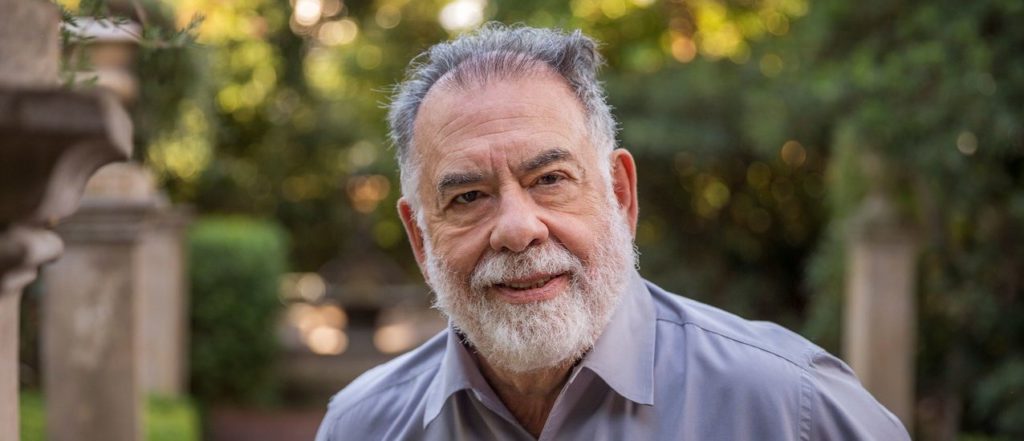
Francis Ford Coppola
Supported by Gruppo Hera
(In case of rain, the screening will be moved to Pop up Cinema Medica Palace)
Section: Recovered & Restored
Jolly Cinema
At the end of the movie, video projection of the presentation in Piazza Maggiore by Francis Ford Coppola
Section: Recovered & Restored
Pop Up Cinema Medica Palace
At the end of the movie, video projection of the presentation in Piazza Maggiore by Francis Ford Coppola
Section: Recovered & Restored
Cinema Lumiere – Sala Officinema/Mastroianni
Three short films in 16mm by Margaret Tait and Maria Lassnig followed by a great 1969 cult-movie in a 16mm technicolor vintage print. You are all cordially invited. Free entrance and free exit!
Section: Recovered & Restored
saturday 29 june
Arlecchino Cinema
Section: Recovered & Restored
Jolly Cinema
Section: Soul and Craft: A Portrait of Henry King
Cinema Lumiere – Sala Officinema/Mastroianni
Section: Recovered & Restored
Cinema Modernissimo
Section: One hundred years ago: 1926
Cinema Lumiere – Sala Scorsese
Section: Under the Skies of Seoul: The Golden Age of South Korean Cinema
Arlecchino Cinema
Section: In Search of Color: Technicolor & Co.
Cinema Lumiere – Sala Officinema/Mastroianni
Piano accompaniment by
Gabriel Thibaudeau
Section: Recovered & Restored - One hundred years ago: 1926
Jolly Cinema
Recorded music
Section: William Fox Presents: Rediscoveries from the Fox Film Corporation – Part II
Section: In Search of Colour
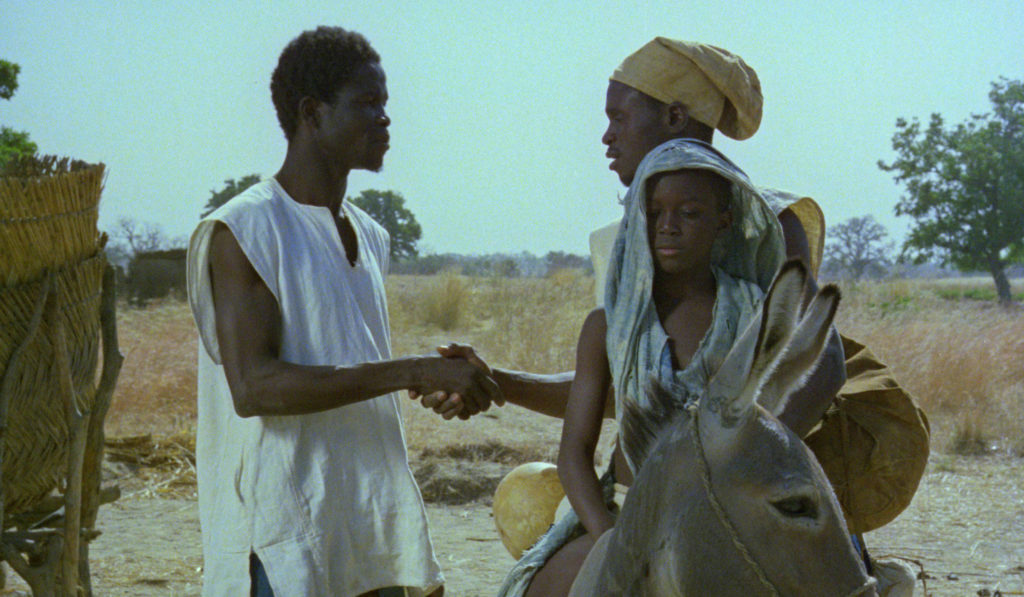
Cinema Lumiere – Sala Scorsese
Introduced by
Nicola Mazzanti (Cinémathèque Royale de Belgique)
Section: Cinemalibero
Section: Recovered & Restored
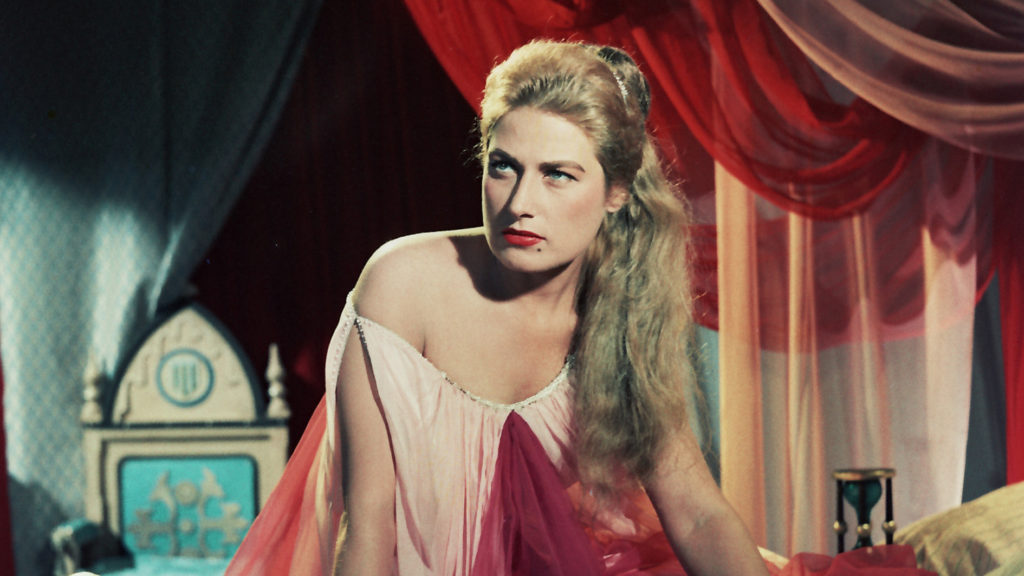
Jolly Cinema
Section: Youssef Chahine – The Last Arab Optimist
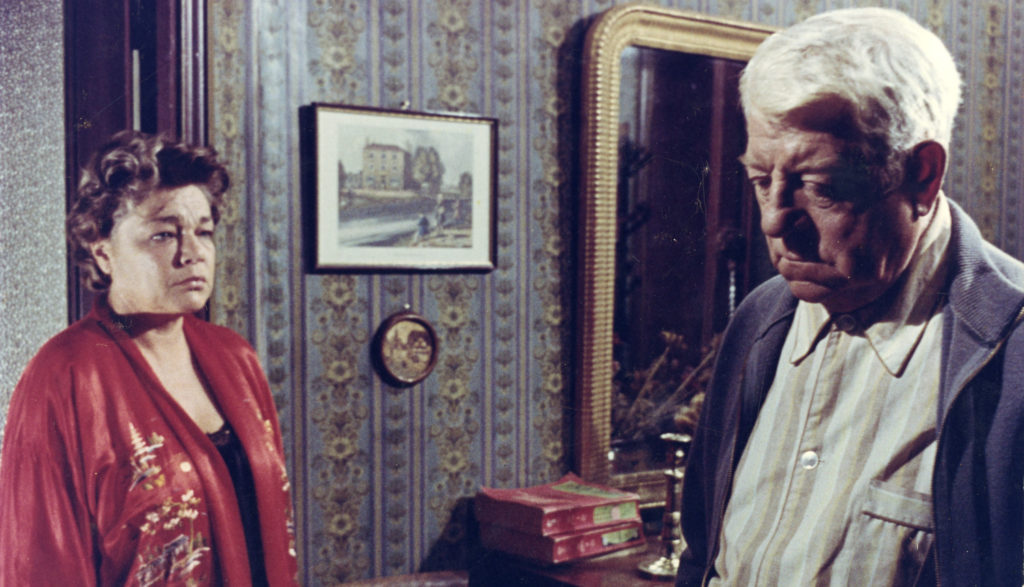
Arlecchino Cinema
Section: Jean Gabin, the Man with Blue Eyes

Introduced by
Grover Crisp (Sony Columbia)
Section: Documents and Documentaries
Cinema Lumiere – Sala Officinema/Mastroianni
Introduced by
Stella Dagna (Museo Nazionale del Cinema Torino)
Piano accompaniment by
Daniele Furlati e alla batteria di Frank Bockius
Section: Recovered & Restored - One hundred years ago: 1926
Cinema Lumiere – Sala Scorsese
Section: Under the Skies of Seoul: The Golden Age of South Korean Cinema

Introduced by
Paolo Simoni (Home Movies)
Section: Documents and Documentaries
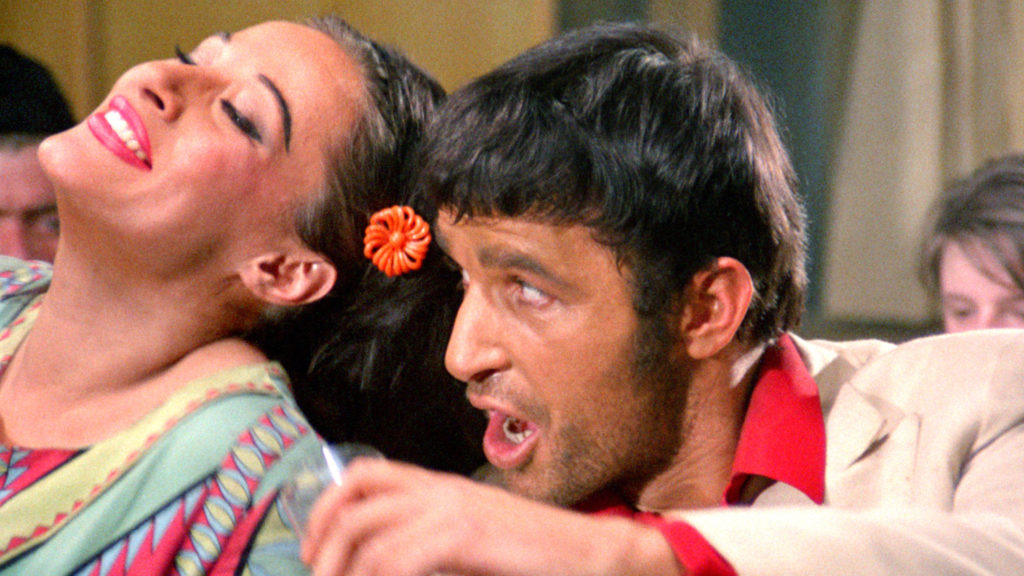
Arlecchino Cinema
Introduced by
Marjan Vujovic, Jugoslav Pantelic e Sasa Erdeljanovic (Yugoslav Film Archives)
Section: Recovered & Restored
Cinema Lumiere – Sala Scorsese
Introduced by
Antti Alanen (KAVI)
Section: Recovered & Restored
Cinema Lumiere – Sala Officinema/Mastroianni
Section: Georges Franju: Beyond Reality
Sala Cervi
In 2005, the historic production company Corona Cinematografica (active from the late 1940s to 1997) entrusted the Cineteca di Bologna with the preservation and promotion of its inventory, which includes over 2,500 animated films and documentaries and around 1,200 newsreels. The collection also features the splendid series Favole europee: about 40 animated shorts, made in the 70s, illustrating Europe through fairytales and popular legends from different countries. We are screening a selection of them in 35mm. We will also show Le nozze di Pollicino, the first instalment of a series devoted to Italian fairytales by Beatrice Pucci; the artist, a specialist in puppet animation, will present her work in person. The programme ends with a tribute to the great Czech illustrator and animator Jiří Trnka, who can be seen elsewhere at Il Cinema Ritrovato in the documentary about him Jiří Trnka, l’ami retrouvé.
LA VOLPE E IL LEPROTTO
(Urss-Italia/1973) di Jurij Norštejn (12’)
FIABE IN FILA
(Italia-Ungheria/1974)
di Péter Szoboszlay (11’)
LA TORRE DEI TOPI
(Italia-Polonia/1975)
di Daniel Szczechura (10’)
LE NOZZE DI POLLICINO
(Italia/2018) di Beatrice Pucci (6’)
IL GATTO CAMALEONTE
(Italia-Svizzera/1975)
di Ernest Ansorge (10’)
Section: Il Cinema Ritrovato Kids & Young
Introduced by
John Fleet
Section: Documents and Documentaries
Jolly Cinema
Introduced by
Cecilia Cenciarelli and Tim Lanza (Cohen Film Collection)
Section: Buster Keaton!
Arlecchino Cinema
Introduced by
Grover Crisp (Sony Columbia)
Section: Recovered & Restored
Sala Cervi
Piano accompaniment by
Daniele Furlati
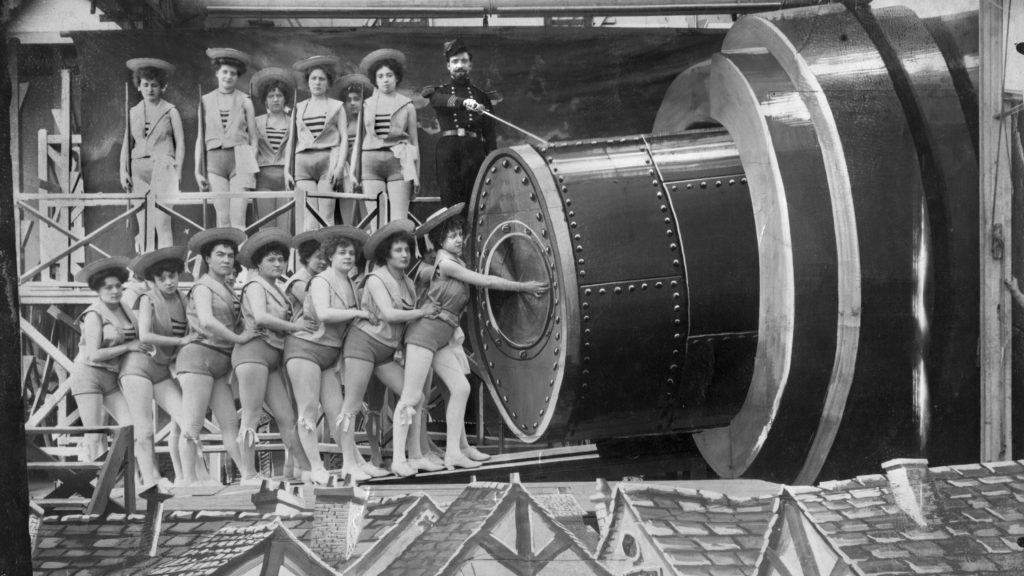
Half a century ago man set foot on the moon’s surface for the first time. On 20 July 1969, millions of people, with their eyes glued to television screens in homes or on the streets, simultaneously watching the same succession of live images, held their breath together for those few crucial moments of history. They were both witnesses and participants in an event that would change the way we perceive the world and the space beyond it: suddenly everything was possible and within reach. But man’s journey to the moon began centuries earlier, taking on a variety of forms in the different works devoted to our satellite and the dream of making that Promethean flight. A source of inspiration for writers, artists and filmmakers, the moon has never ceased to enchant audiences and readers of every era. We are dedicating a selection of short films ranging from early cinema to animated adventures to the moon and the most diverse and extravagant ways imagined of reaching it: from Méliès’ iconic Voyage dans la lune, screened in a restored version with live musical accompaniment, to Tintin, the young Belgian reporter, who in 1954 landed on the moon in a celebrated series of drawings by Hergé.
ESTÓRIA DO GATO E DA LUA
(Tale about the Cat and the Moon,
Portogallo/1995) di Pedro Serrazina (6’)
LA LUNE À UN MÈTRE
(Francia/1898) di Georges Méliès (3’)
RÊVE À LA LUNE
(Francia/1905) di Gaston Velle,
Ferdinand Zecca (6’)
VOYAGE DANS LA LUNE
(Viaggio nella Luna, Francia/1902)
di Georges Méliès (14’)
Section: Il Cinema Ritrovato Kids & Young
Sala Cervi
Piano accompaniment by
Daniele Furlati
Half a century ago man set foot on the moon’s surface for the first time. On 20 July 1969, millions of people, with their eyes glued to television screens in homes or on the streets, simultaneously watching the same succession of live images, held their breath together for those few crucial moments of history. They were both witnesses and participants in an event that would change the way we perceive the world and the space beyond it: suddenly everything was possible and within reach.
But man’s journey to the moon began centuries earlier, taking on a variety of forms in the different works devoted to our satellite and the dream of making that Promethean flight. A source of inspiration for writers, artists and filmmakers, the moon has never ceased to enchant audiences and readers of every era. We are dedicating a selection of short films ranging from early cinema to animated adventures to the moon and the most diverse and extravagant ways imagined of reaching it: from Méliès’ iconic Voyage dans la lune, screened in a restored version with live musical accompaniment, to Tintin, the young Belgian reporter, who in 1954 landed on the moon in a celebrated series of drawings by Hergé.
Mezzo secolo fa l’uomo appoggiava per la prima volta il piede sulla superficie lunare. Quel 20 luglio del 1969 milioni di persone, gli occhi incollati agli schermi televisivi nelle case o per le strade, videro contemporaneamente il medesimo susseguirsi di immagini in diretta, trattennero insieme il fiato in quei pochi cruciali istanti di Storia, furono simultaneamente testimoni e partecipi di un evento che avrebbe cambiato il modo di percepire il mondo e lo spazio oltre di esso: improvvisamente tutto era possibile, raggiungibile. Ma il viaggio dell’uomo verso la Luna ha avuto inizio secoli prima, assumendo declinazioni sempre diverse in tante opere dedicate al nostro satellite e al sogno di quel volo prometeico. Fonte di ispirazione per scrittori, artisti, cineasti, la Luna non ha mai smesso di ammaliare spettatori e lettori di ogni tempo e ogni latitudine.
Dedichiamo alla Luna, e ai più diversi e stravaganti modi immaginati per poterla raggiungere, una selezione di cortometraggi tra cinema delle origini e avventure animate: dall’iconico Voyage dans la lune di Méliès, proposto in versione restaurata con accompagnamento musicale dal vivo, a un omaggio a Tintin, il giovane reporter belga, che già nel 1954 sbarcava sul suolo lunare in una celebre serie di tavole disegnate da Hergé.
Estória do Gato e da Lua (Tale about the Moon and the Cat, Portogallo/1995) R.: Pedro Serrazina. D.: 6’
La Lune à un mètre (La luna a un metro, Francia/1898) R.: Georges Méliès. D.: 3’
Rêve à la lune (Francia/1905) R.: Gaston Velle, Ferdinand Zecca. D.: 5’
Voyage dans la Lune (Viaggio nella luna, Francia/1902) R.: Georges Méliès. D.: 15’
Dai 4 anni
4 years and above
Section: Il Cinema Ritrovato Kids & Young
Jolly Cinema
Section: A Neapolitan at Cinecittà, Eduardo De Filippo the Filmmaker
Cinema Lumiere – Sala Officinema/Mastroianni
Recorded score composed by Armas Järnefelt, performed by Gävle Symfoniorkester, conducted by Jaakko Kuusisto
Section: Recovered & Restored - One hundred years ago: 1926
Cinema Lumiere – Sala Scorsese
Section: “We Are the Natives of Trizonia”: Inventing West German Cinema, 1945-49

Teatro Auditorium Manzoni
Section: Recovered & Restored
Section: Documents and Documentaries
Arlecchino Cinema
Section: Recovered & Restored
Cinema Lumiere – Sala Officinema/Mastroianni
Piano accompaniment by
Antonio Coppola
Section: Buster Keaton!
Jolly Cinema
Section: Soul and Craft: A Portrait of Henry King
Cinema Lumiere – Sala Scorsese
Section: Cinemalibero
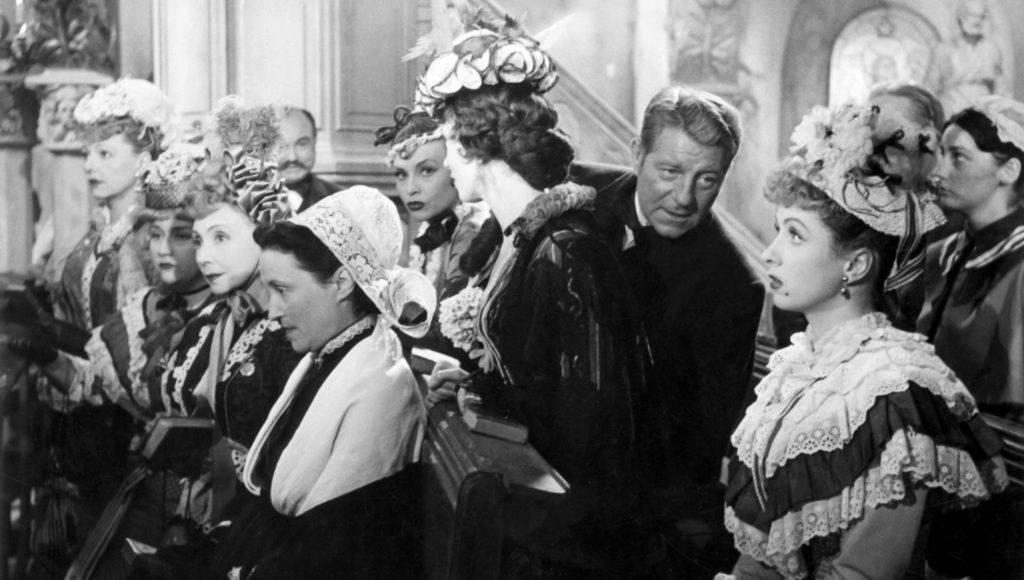
Piazza Maggiore
Section: Jean Gabin, the Man with Blue Eyes
sunday 30 june
Jolly Cinema
Section: Recovered & Restored - Documents and Documentaries
Jolly Cinema
Section: Cinemalibero
Jolly Cinema
Section: Recovered & Restored
Jolly Cinema
Section: Soul and Craft: A Portrait of Henry King
Jolly Cinema
Section: Brutal, Nasty, and Short: The Noir of Felix E. Feist
Jolly Cinema
Section: Recovered & Restored
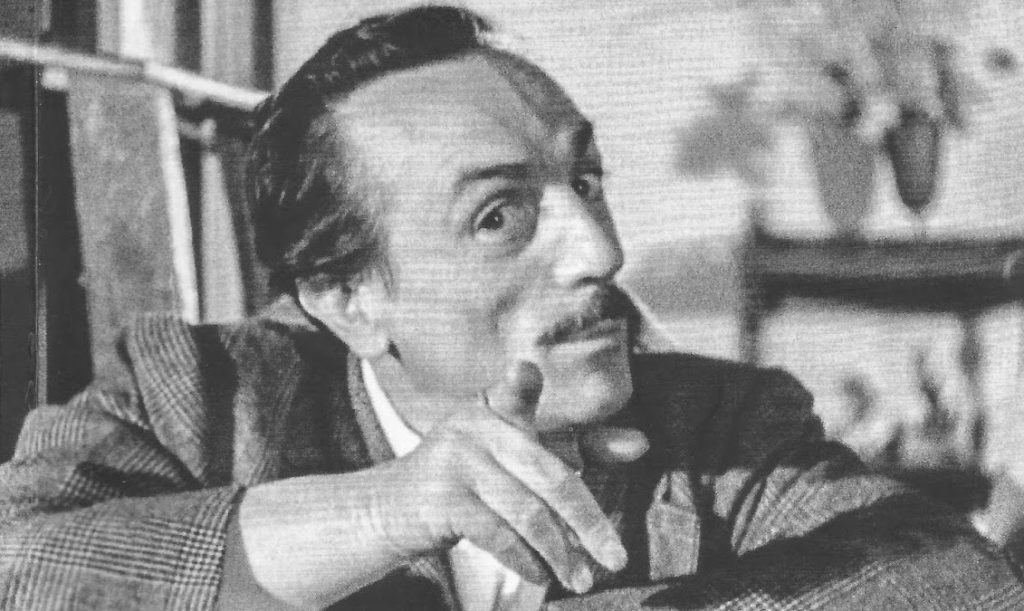
Jolly Cinema
Section: A Neapolitan at Cinecittà, Eduardo De Filippo the Filmmaker
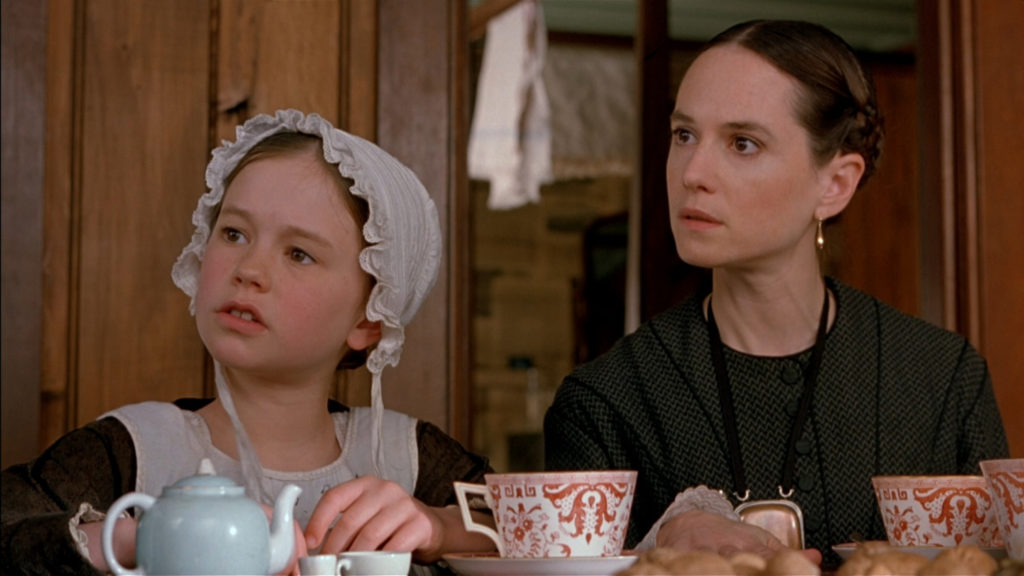
Piazza Maggiore
Introduced by
Jane Campion
(In case of rain the screening will be moved to Pop up Cinema Medica Palace)
Section: Recovered & Restored