Film notes
Among the many anecdotes surrounding Moulin Rouge, two sum up the happy achievement that the film marked for many of those involved. John Huston told in an “Esquire” article how the producer James Woolf had pressed the novel on him, shortly after The African Queen, whereupon actors immediately started contacting him. And when he asked José Ferrer, his choice to play Toulouse-Lautrec, the actor replied that he’d already bought the stage rights. Ferrer’s minutely calibrated portrayal of the impassive participant-observer is indeed what anchors the vivid recreation of belle époque Montmartre, hailed by the “New York Times”’ Bosley Crowther as “unquestionably the most vivacious and exciting illustration of bohemian Paris ever splashed upon the screen”.
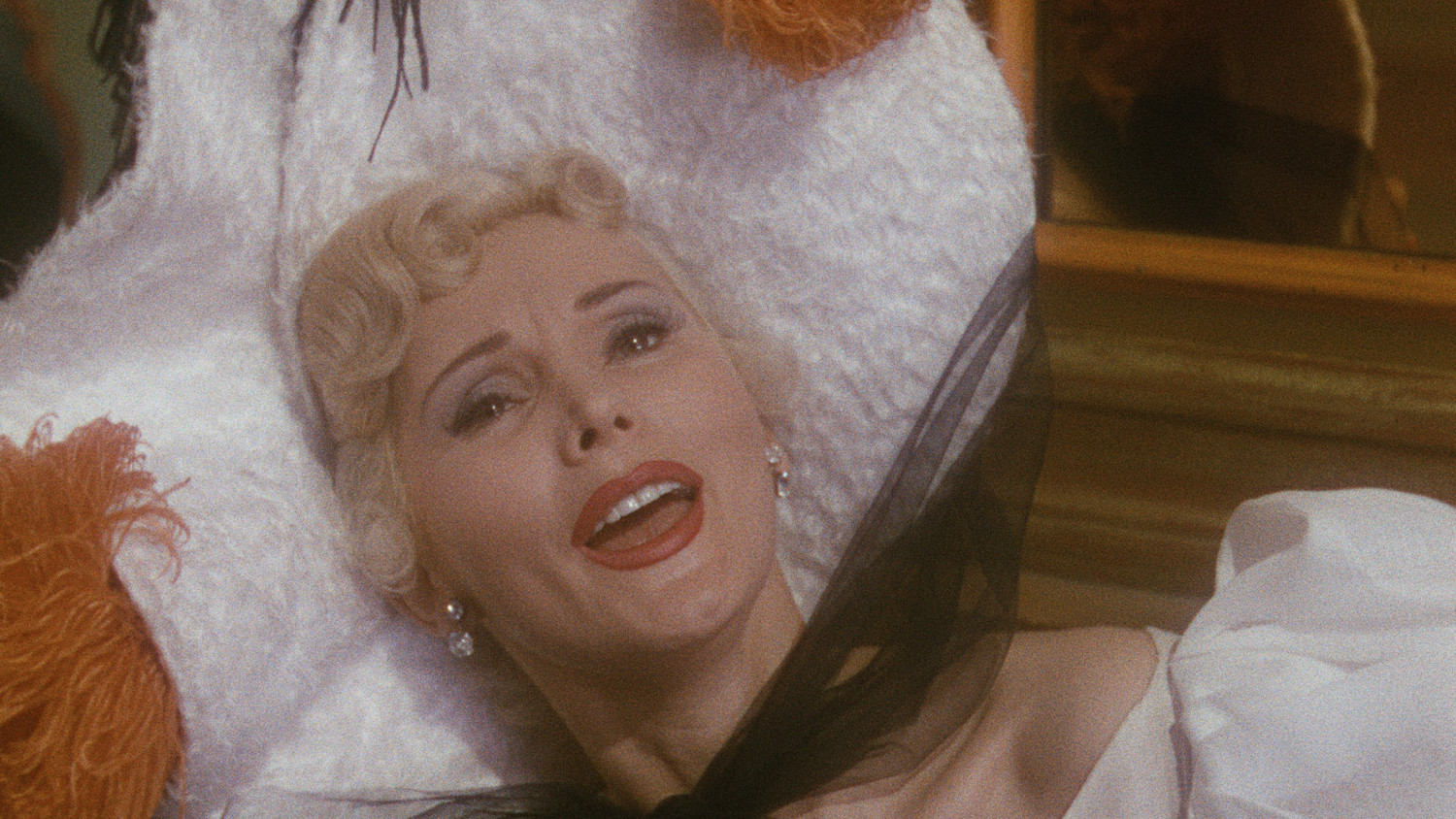
The other anecdote that’s especially relevant to anticipating this new digital restoration concerns the agreement between Huston and his cinematographer Ossie Morris about their attitude to Technicolor. Huston felt most contemporary uses of the process resembled “beer ads…with everything coming out too clear”. With the director’s encouragement, and advice from the photographer Eliot Elisofon, Morris deliberately desaturated the colour, using filters and smoke on set, to achieve Huston’s ambition that the film would look “as if Toulouse-Lautrec had directed it”. So alarmed was Technicolor by the results that a group of executives arrived to complain that it would bring their process into disrepute. Huston explained that the effect was exactly what he and Morris wanted, adding famously, “Fuck you, gentlemen”.
Elisofon seems to have helped guide the colour coding of ‘absinthe blue-green’ for the painter, purple for the prostitute Marie with whom he has a stormy relationship, and pink for Myriamme, the other woman in this condensed and inevitably bowdlerised version of Toulouse-Lautrec’s tempestuous life. But equally important was the contribution of the Hungarian-born artist Marcel Vertès, credited only for set decoration and costume design. Not only is it Vertès’ hand that we see sketching (he had apparently been a successful Lautrec faker), but the authenticity of the Montmartre settings, with extensive night filming on location as well as at Shepperton, must have owed much to his own early experience in Parisian art and fashion circles.
Ian Christie