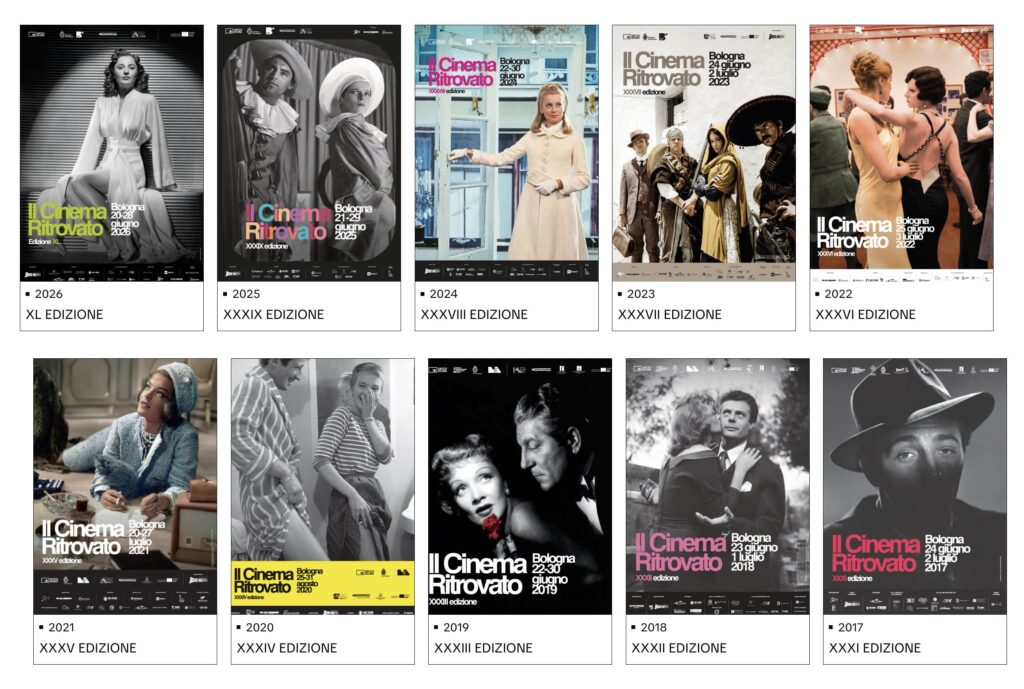
The Cinephiles’ Heaven
[2026]
This year, even more than in previous editions, we received hundreds of proposals for fascinating new restorations from around the world. After a long and difficult selection process, we have put together a programme in which every viewer will be able to find their own personal cinephilic delight.
Since the very first edition of Il Cinema Ritrovato, this section – at the heart of our festival – has been keenly aware that, due to censorship, economic constraints or historical circumstances, the lives of certain films get unfairly interrupted. For this reason, one of its primary aims has always been to re-establish the connection between these works and today’s audiences. Wim Wenders’ precious debut Summer in the City had remained virtually invisible – the film, which contains the seeds of all his later work, has finally been restored. Also given new life are The Bounty Hunter and Phantom of the Rue Morgue, never before seen in the rare 3D versions that Warner Bros. and The Film Foundation are presenting to our audience for the first time.
We celebrate the centenaries of three masters, each remarkable in their own unique way: Roger Corman, Shoˉhei Imamura and Andrzej Wajda. We will also be screening recent restorations of some of Martin Scorsese’s earliest films. The selection includes works often considered minor – but whose true value we hope to reveal – by masters such as Orson Welles, Akira Kurosawa, Joseph L. Mankiewicz and Luigi Comencini. Along with many films that we anticipate will be discoveries for audiences, as they were for us, by directors such as Oldrˇich Lipský, Yurii Illienko… We pay tribute to one of cinema’s great independent filmmakers, Artavazd Pelešjan, whose immense yet concise body of work has finally been restored and will soon be available for international distribution thanks to Coproduction Office. This year’s selection of Asian cinema is also particularly strong, featuring a diverse range of works by Noriaki Yuasa, Kon Ichikawa and Nobuo Nakagawa.
Pratello Pop brings little-known films to Bologna alongside classics of popular cinema, while the morning screenings in the Sala Scorsese at Cinema Lumière showcase works by great independent filmmakers from different eras: Charles Burnett, Leos Carax, Todd Haynes and Robert Downey Sr. The silent film selection also promises many surprises, including André Antoine’s Le Coupable, astonishing in its modernity; Raoul Walsh’s pacifist masterpiece What Price Glory?; and the absolute comedic genius of Laurel and Hardy, before they could use their voices. Finally, the festival pays homage to Enrico Guazzoni, whose Quo Vadis? (1913) contributed to the birth of countless cinema theatre projects worldwide, including the one that led to the opening of Bologna’s Cinema Modernissimo in 1915.
Agrippina (1911) d. Enrico Guazzoni • Der Fremde Vogel (L’uccello Foresto, 1911) d. Peter Urban Gad • La sposa del nilo (1911) d. Enrico Guazzoni • Le Mannequin (1912) • Un bon drame (1913) • L’Enfant de Paris (1913) d. Léonce Perret • Le Nabab (1913) d. Albert Capellani • Quo vadis? (1913) d. Enrico Guazzoni • Il regalo di Polidor (1913) d. Ferdinand Guillaume • Il salvadanaio di Polidor (1913) d. Ferdinand Guillaume • Una tragedia al cinematografo (1913) d. Enrico Guazzoni • La jolie Bretonne (1914) d. Ferdinand Zecca, René Leprince • Les tout petits (1914) d. Henry Houry • Alla deriva (1915) d. Enrico Guazzoni • La casa di nessuno (1915) d. Enrico Guazzoni • The Great Vacuum Robbery (La grande rapina con l’aspirapolvere, 1915) d. Clarence G. Badger, Harry Williams • Carmela, la sartina di Montesanto (1916) • La leggenda di Pierrette (1916) d. Gero Zambuto • Le Coupable (1917) d. André Antoine • Kicking the Germ out of Germany (1918) d. Alfred J. Goulding • Liebe Macht Blind (1925) d. Lothar Mendes • What Price Glory? (1926) d. Raoul Walsh • Big Business (Grandi affari, 1929) d. James W. Horne, Leo McCarey • Double Whoopee (Agli ordini di sua altezza, 1929) d. Lewis R. Foster • That’s My Wife (Ecco mia moglie, 1929) d. French Lloyd • Wrong Again (Blue Boy, un cavallo per un quadro, 1929) d. Leo McCarey • Die Verkaufte Braut (1932) d. Max Ophuls • Melodie der Liebe (L’ultima canzone / Melody of Love, 1932) d. Georg Jacoby • Mirages de Paris (1933) d. Fedor Ozep • Eight Girls in a Boat (1934) d. Richard Wallace • Sanshiro Sugata (1943) d. Akira Kurosawa • The Stranger (Lo straniero, 1946) d. Orson Welles • House of Strangers (1949) d. John Mankiewicz • La città si difende (Four Ways Out, 1951) d. Pietro Germi • Drakula I˙stanbul’da (Drakula in Istanbul, 1953) d. Mehmet Muhtar • Lumber Jack-Rabbit (Il gigante della montagna, 1953) d. Chuck Jones • Popeye, the Ace of Spades (1953) d. Seymour Kneitel • The Bounty Hunter (Cacciatori di frontiera, 1954) d. André de Toth • Phantom of the Rue Morgue (Il mostro della via Morgue, 1954) d. Roy del Ruth • Mindennapi Történet (Everyday Stories, 1955) d. Márta Mészáros • The Curse of Frankenstein (La maschera di Frankenstein, 1957) d. Terence Fisher • Plan 9 from Outer Space (1957) d. Ed Wood • Tokaido Yotsuya Kaidan (Ghost Story of Yotsuya, 1959) d. Nobuo Nakagawa • A Bucket of Blood (Un secchio di sangue, 1959) d. Roger Corman • House of Usher (I vivi e i morti, 1960) d. Roger Corman • Elmer Gantry (Il figlio di Giuda, 1960) d. Richard Brooks • Kuroi Jûnin no Onna (Ten Dark Women, 1961) d. Kon Ichikawa • Szívdobogás (Heartbeat, 1961) d. Márta Mészáros • Whistle Down the Wind (1961) d. Bryan Forbes • Szeretet (Care and Affection, 1962) d. Márta Mészáros • The Terror (La vergine di cera, 1963) d. Roger Corman • Il taglio del bosco (1963) d. Vittorio Cottafavi • La Dérive (1964) d. Paula Delsol • Mountain Patrol (Pattuglia di montagna, 1964) d. Artavazd Pelechian • Daikaijuˉ Gamera (Gamera, the Giant Monster, 1965) d. Noriaki Yuasa • Krynytsia Dlia Sprahlykh (A Spring for the Thirsty, 1965) d. Yurii Illienko • The Land of the People (La terra degli uomini, 1965) d. Artavazd Pelechian • “Erogotoshitachi” yori jinruigaku nyuˉmon (The Pornographers, 1966) d. Shohei Imamura • Rita la zanzara (1966) d. Lina Wertmüller • The Beginning (Il principio, 1967) d. Artavazd Pelechian • We (Noi, 1969) d. Artavazd Pelechian • Putney Swope (1969) d. Robert Downey Sr. • The Inhabitants (1970) d. Artavazd Pelechian • Ken Russell’s The Devils (Director’s Cut) (I diavoli, 1971) d. Ken Russell • Utvandrarna (Karl e Kristina / The Emigrants, 1971) d. Jan Troell • Nybyggarna (La nuova terra / The New Land, 1972) d. Jan Troell • Lenny (1974) d. Bob Fosse • Il profumo della signora in nero (The Perfume of the Lady in Black, 1974) d. Francesco Barilli • Young Frankenstein (Frankenstein Junior, 1974) d. Mel Brooks • The Seasons (Quattro stagioni, 1975) d. Artavazd Pelechian • Let My Puppets Come (1976) d. Gerard Damiano • Network (Quinto potere, 1976) d. Sidney Lumet • New York, New York (1977) d. Martin Scorsese • Bez Znieczulenia (Without Anesthesia / Senza anestesia, 1978) d. Andrzej Wajda • My Brother’s Wedding (Director’s Cut) (1983) d. Charles Burnett • Sans toit ni loi (Senza tetto né legge / Vagabond, 1985) d. Agnès Varda • Dead Poets Society (L’attimo fuggente, 1989) d. Peter Weir • Edward Scissorhands (Edward mani di forbice, 1990) d. Tim Burton • Tadzio (1991) d. Frans Franciscus, Erwin Olaf • Dead Man (1996) d. Jim Jarmusch • Sans titre (1997) d. Leos Carax • Esther Kahn (2000) d. Arnaud Desplechin • and many more!
Edition History
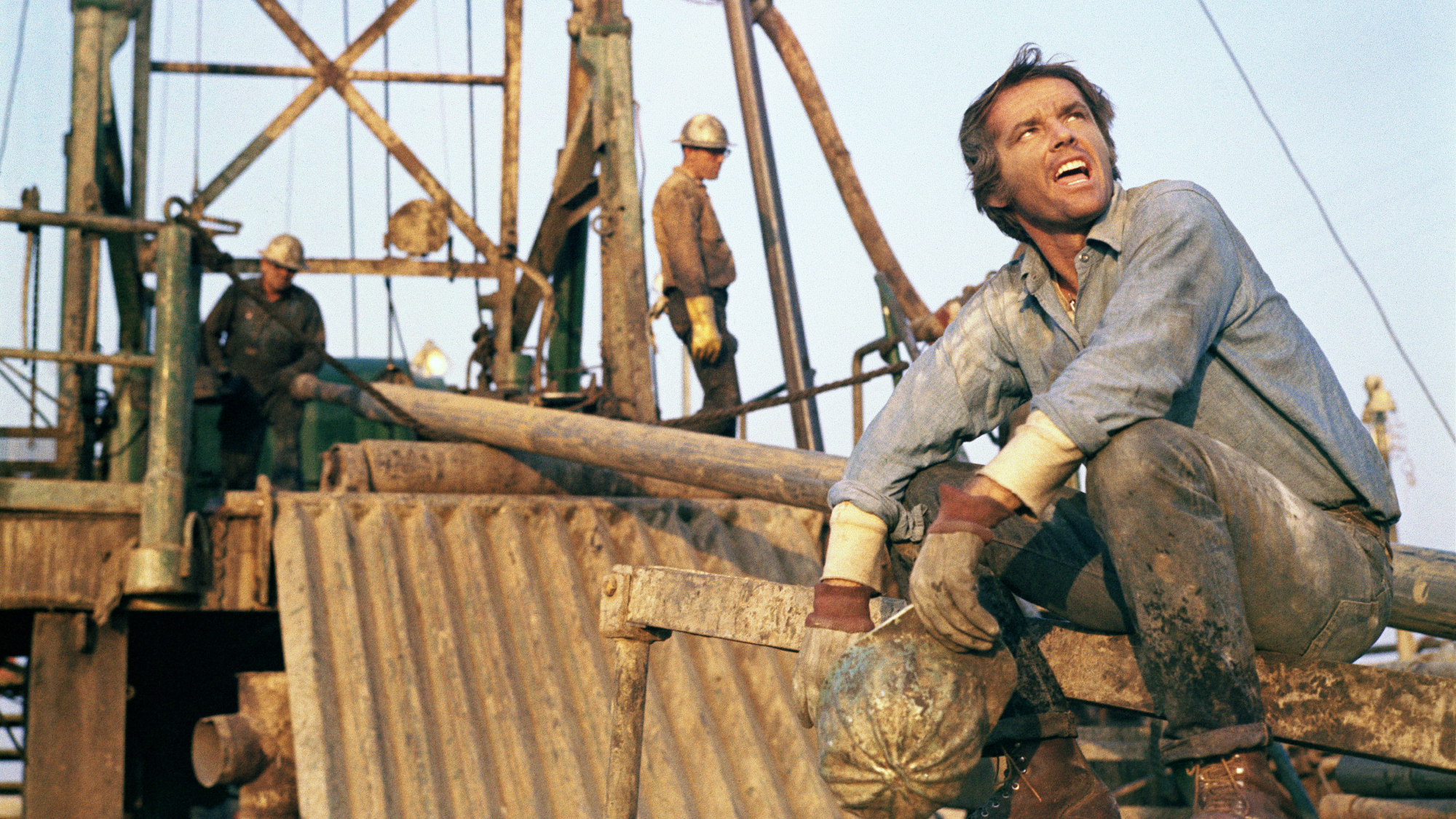
Once again this year Cinephiles from all over the world will get the chance to enjoy discovering their favourite film, while navigating through the certainties of the cinematographic canon, the thrills of discovery and the guilty pleasures of Pratello POP.
Alongside classics, we will also be screening many early works by Masters of Cinema, such as John Ford’s The Scarlet Drop, unearthed in Chile, as well as the debut works of von Sternberg, Ophüls, Truffaut, Roeg, Tavernier, Burnett and Mann. But also mature classics by Lubitsch, Hitchcock, Wilder, Naruse, Kubrick and Cronenberg.
In addition to great directors, there will be countless sublime acting performances, such as Jean Seberg’s debut in Saint Joan, directed by Preminger, the incomparable Danielle Darrieux in The Truth about Bébé Donge, the explosive Silvana Mangano in Bitter Rice, the masterful Jack Nicholson in One Flew Over the Cuckoo’s Nest and Five Easy Pieces, Simone Signoret as never before seen in Les Mauvais Coups…
Recovered and Restored is the section that more than any other sings the praises of cinema archives and restoration laboratories, whose work allows us to see unknown films, such as the Soviet Moi syn (My Son), directed by Evgenii Cherviakov, the first version of Gentlemen Prefer Blondes, Lowell Sherman’s The Greeks Had a Word for Them, Vernon Sewell’s delightful British thriller Strongroom, the films of married couple Franciszka and Stefan Themerson, two visionary and very modern artists, or four Mexican films brought to light by Filmoteca de la UNAM.
For thirty-nine years Il Cinema Ritrovato has been chasing the myth of colour in cinema and this year’s edition will be as packed as ever with vivid emotions: from experiments in Technicolor, such as King Vidor’s Duel in the Sun and Frank Tashlin’s Artists and Models, to the colours of Sholay, directed by Ramesh Sippy, one of Indian cinema’s biggest ever successes, to the impossible journey into memory and its faded tones that is Wojciech Has’s The Hourglass Sanatorium (Sanatorium pod Klepsydra).
The seams of the cinematographic canon are bursting and the guilty pleasures of Pratello POP will only confirm this, from Arrapaho to Don’t Torture a Duckling, perhaps one of the greatest films about Southern Italy, to Rinse Dream’s Café Flesh, a brilliant post-atomic sci-fi porno, to sumptuous digital restorations of cult Hammer classics.
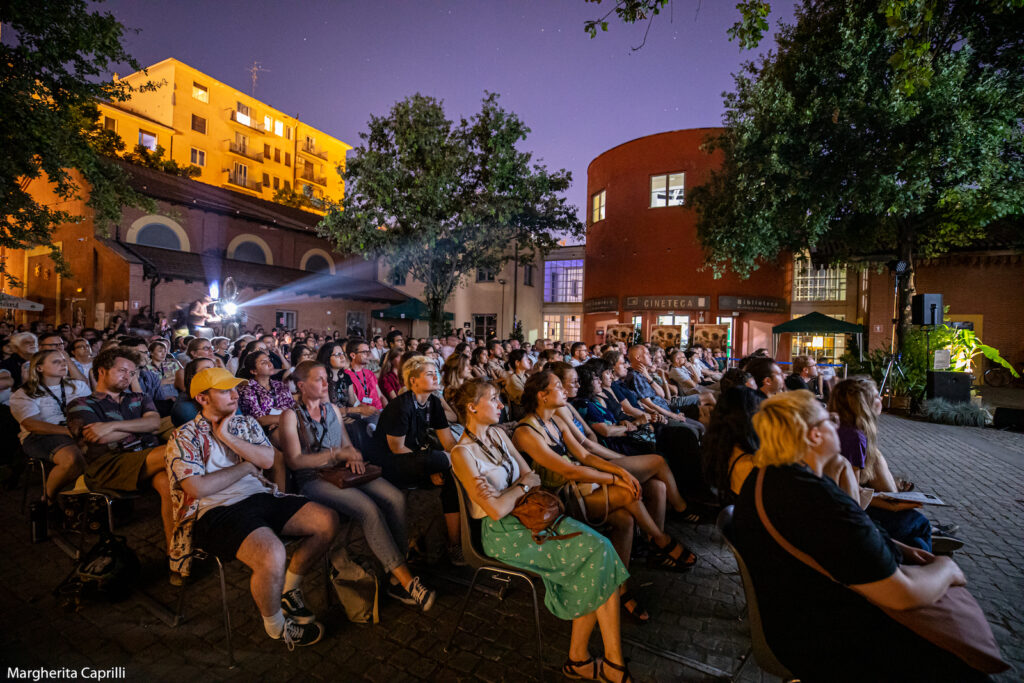
The selection of films at this year’s edition confirms that at Il Cinema Ritrovato the history of cinema is a living subject, but also that watching a film on a smartphone is not the same as watching it in a theatre, perfectly projected onto the big screen, together with a real audience. The screenings at the festival are all 5-star, and it’s not difficult to predict that everyone will be in Piazza Maggiore to enjoy the new Sony-Columbia 70mm restoration of Steven Spielberg’s Close Encounters of The Third Kind. Long live Cinema!
Curated by Gian Luca Farinelli
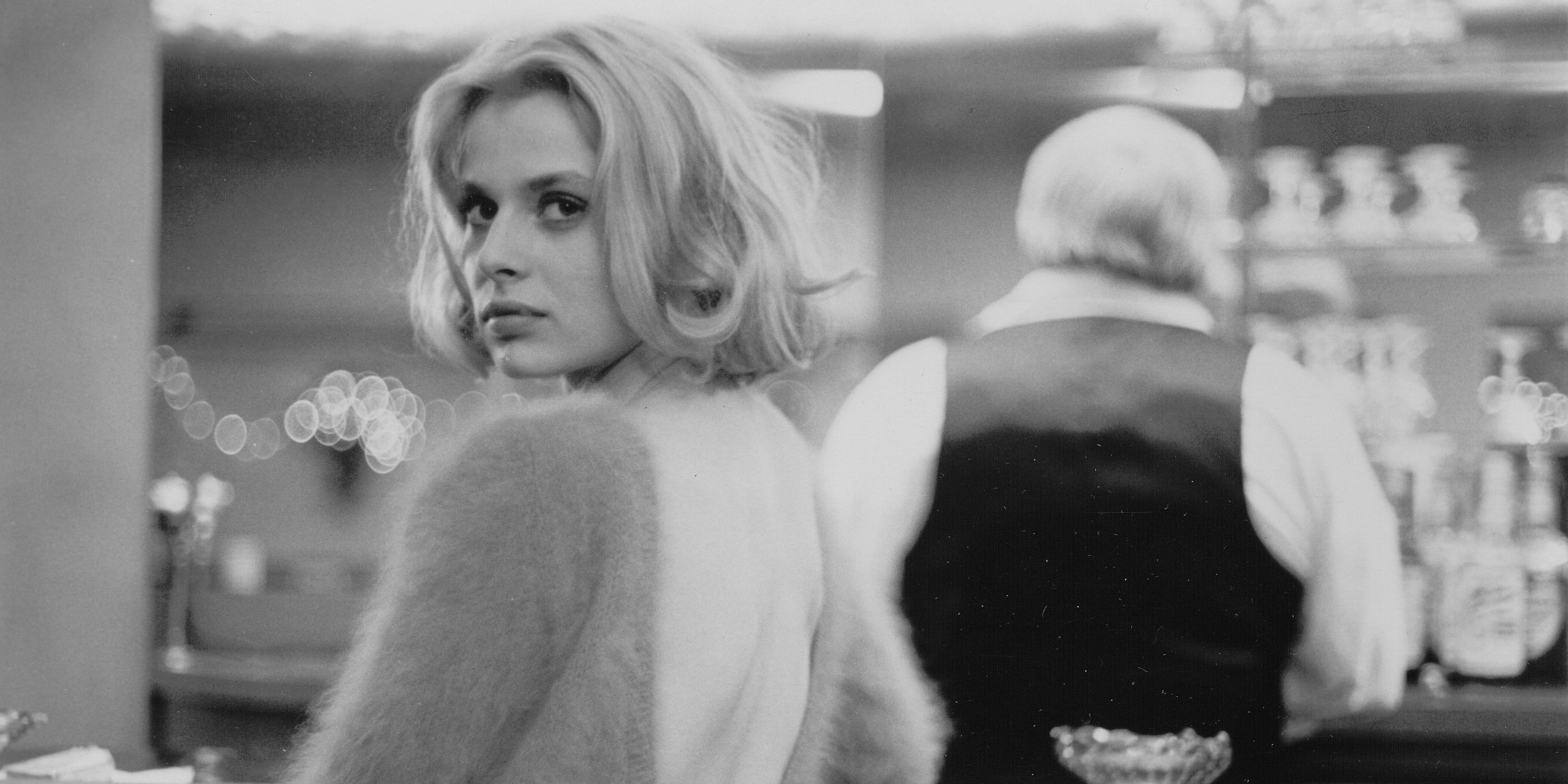
Curated by Gian Luca Farinelli
It is the oldest section of our festival, which represents both the world of conservation and restoration, and the cinephilic desire to watch or rewatch beloved films and rediscover them anew. Thus, we will screen recent restorations but also invaluable, rare, vintage prints that are rarely let out of the archives. This year’s selection is huge, virtually a festival within the festival. The works selected span silent and sound films, both features and shorts, totalling 122 films made between 1905 and 2009, from Albert Samama Chickli’s works to the very first films by Luca Guadagnino, Yorgos Lanthimos, Guillermo del Toro.
The restoration of the year, in terms of both ambition and scope (seven hours, of which we will show the first part, lasting ‘only’ three hours 40 minutes) is THE Napoléon – the premiere of a new edition of what was, thanks to Kevin Brownlow and Francis Ford Coppola, already the most famous, prestigious and difficult restoration ever undertaken. The Cinémathèque française has worked for 14 years, gathering all the filmic and non-filmic elements available to restore Abel Gance’s work as he originally conceived it, as proof of the potential of cinema in the future. We are moved by how much its director, who constantly stretched himself to challenge the future, was also immersed in the culture of the 19th century, of which the film provides a prodigious synthesis.
Thanks to the Film Foundation, we bring to Bologna and the screen in Piazza Maggiore two of the cornerstones of classical cinema as they have never been seen before – projected in their original Vistavision format and in 70mm: The Searchers and North by Northwest. It will be like entering a monument we already know intimately for the very first time. On the subject of monuments, I would like to mention the new restorations of Shichinin no samurai, Amadeus, The Conversation, and Paris, Texas, works that shaped the cinephile gaze in the 20th century and have now been given a new lease of life in the cinemas of today. We will also celebrate the centenary of Sony Columbia, which for the 30 thirty years has been bringing to Bologna works that have left their mark on the history of film restoration.
In this selection, you will not only find established masterpieces, but also debut films. For example, the dazzling debut of Carlo Saura, who told of the lost youth of the urban periphery a year before Pasolini; or that of the legendary theatre director Peter Zadek who, in Ich bin ein Elefant, Madame told the story of ’68 with gentle irony; or that of the Hungarian costume designer and screenwriter Ester Krumbachová in Vražda ing. čerta, a film that was so beautiful, original and surprising that its author found it impossible to direct a second film. The same fate befell the Georgian Kote Mikaberidze, who was never again allowed behind a film camera as a result of the rousing sense of freedom that emanates from his sole feature Chemi bebia.
There is no way I can mention every film here. I will merely point to the silent shorts of the most beloved male duo in the history of cinema (Laurel and Hardy), restored at last, and four legendary films that, thanks to the Academy Archive, we can finally screen in original Technicolor prints.
Gian Luca Farinelli
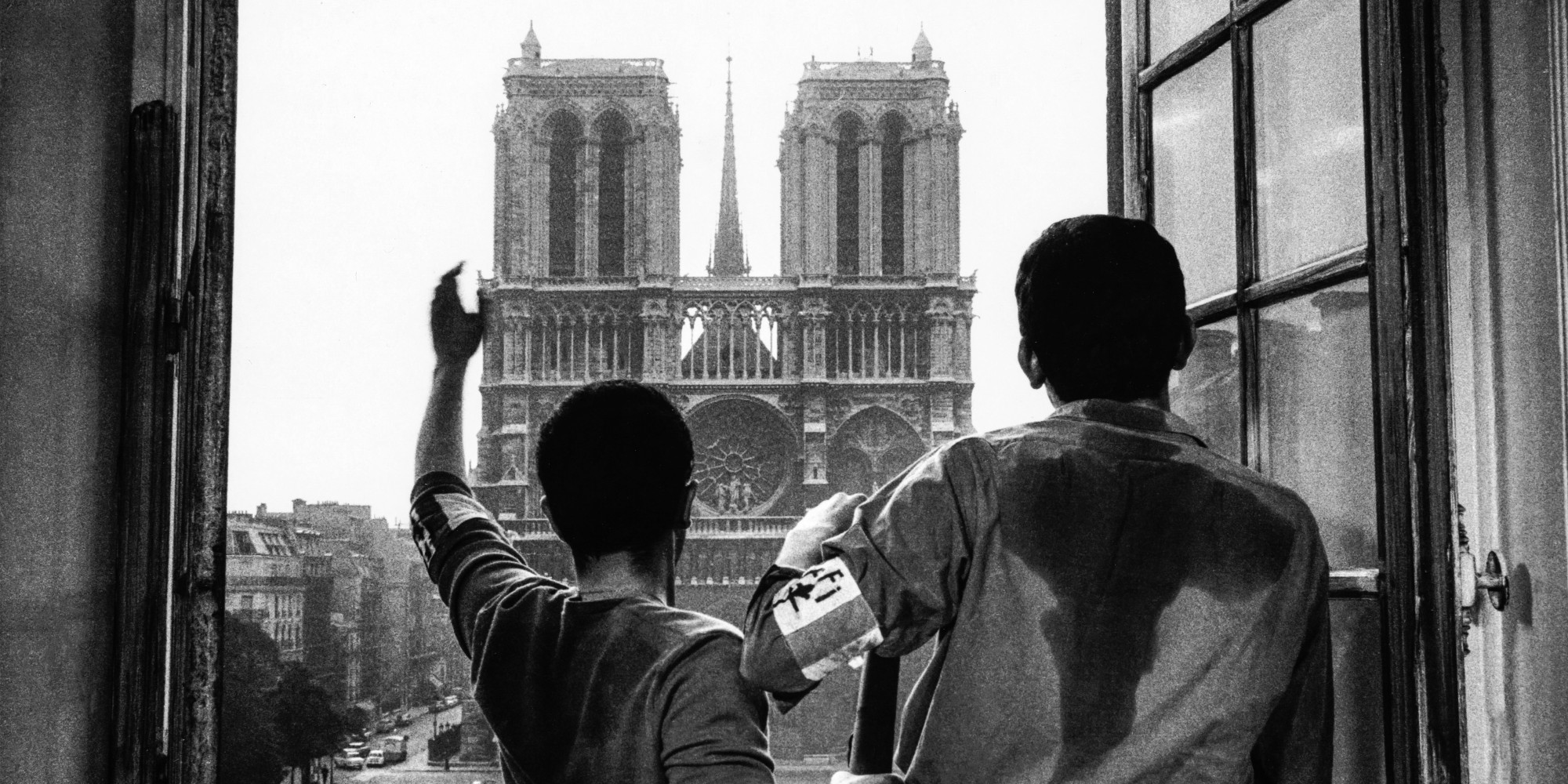
Curated by Gian Luca Farinelli
The good news is that this is the first time that so many films have been restored since the pandemic. As a result, this section is more like a festival within a festival. It comprises close to ninety films with over one hundred years between the most recent, Inland Empire, and the earliest, L’Enfant des mariniers. The other good news is that alongside films by great masters, there are also many new discoveries; it is as if more attention were now being paid to films and filmmakers not yet part of the canon. A clear example is the tribute to Michael Roemer, one of the most personal and courageous filmmakers of his era.
In order to sketch a map of this section I will concentrate on individual decades. In the early1900s and 1910s, European production still dominated that of the United States. Films in this period were distinguished by their masterful use of exterior locations, be it Capellani’s filming of the port of Nice, Mack’s Berlin, or Griffith’s clever use of the California coast.
The 1920s includes foundational works in a variety of cinema genres: horror (The Hunchback of Notre Dame), melodrama (The Woman of Paris and Stella Dallas), light comedy (Lady Windermere’s Fan), and experimental film (four titles by Man Ray).
The restorations of films from the 1930s do justice to the work of DoPs and Art Directors and allow us to appreciate how screenwriters mixed genres. Among the selected films, sentimental stories prevail over narrative, be it a gangster film (Hijōsen no onna), a social comedy which influenced Zavattini (Man’s Castle), an unmissable light comedy (One Way Passage), or a colonial drama (Amok).
The common thread among films from the 1940s is emigration; Hitchcock, Siodmak and Renoir are all Europeans who, for different reasons, left the Old World to work in Hollywood. In the 1950s different filmmakers and conceptions of cinema coexist, from classical masterpieces like Rio Bravo to Kubrick’s troubled debut, Fear and Desire, in its complete version at last. Among the masterpieces, I would like also to point out a rarity: Cry, the Beloved Country by Zoltán Korda, a director born into the Austro-Hungarian Empire who became a subject of the British Empire whose myth he helped celebrate. In this film he reveals, without hypocrisy, the racism, violence and exploitation of South Africa and the monstrosity of white colonial society. The 1960s begin with La maschera del demonio and end with Riten, a TV film in which Bergman experiments with the chamber-film. The decade also witnessed the debuts of filmmakers with lengthy careers, like Skolimowski or Bogdanovich, as well as the arrival of new cinemas and technologies.
We are at the end of the century and cinema is revisiting its past, with filmmakers refreshing old genres, rejuvenating the cinema and nostalgically celebrating its past. The Lumières’ invention was never one single thing, and this year’s Recovered and Restored is proof of that. Happy viewing.
Gian Luca Farinelli
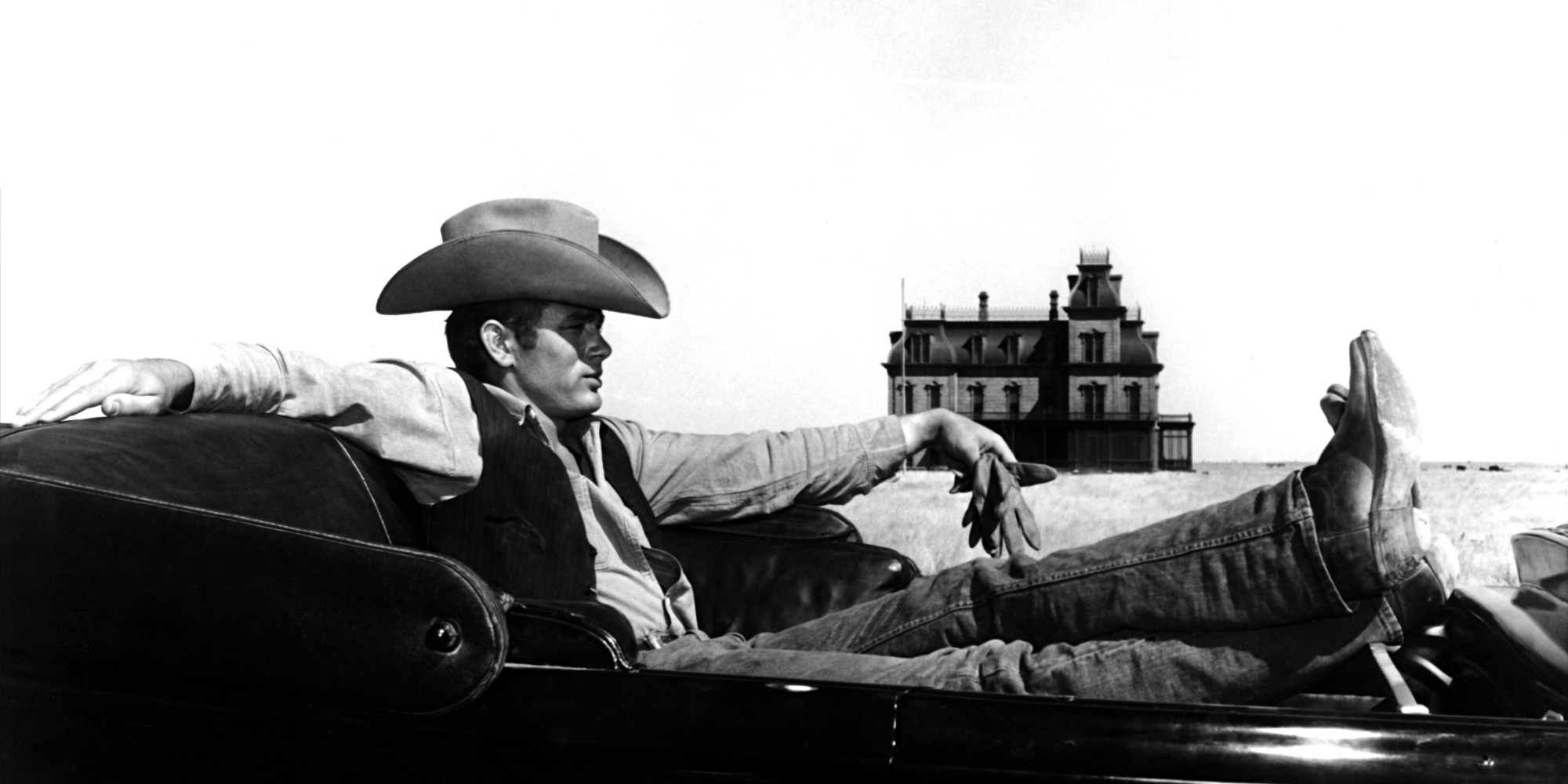
Curated by Gian Luca Farinelli
Ever since its first instalment, Il Cinema Ritrovato has been the festival in which the principal international centres of film restoration and conservation showcase the best of their work. This year we received more interesting proposals than ever before, resulting in a programme that is more like a celebration, which takes us on a journey through the 20th century, from 1902 to 1992, in the company of some of the most significant artists of the century, from Méliès to Lynch: 73 films, 32 of which silent and 41 sound, including shorts and features. It is a festival within the festival.
To exhibit this bounty, in addition to the usual venues, we have added one new screen, Cinema Europa, where Il Cinema Ritrovto was born 36 years ago and where, in the evenings, we will host the programme of PratelloPop, a sub-section of Recoveredand Restored focusing on the new pleasures of cinephila through seven anti-classical, passionate and visionary films by Cameron Menzies, Russell, Argento, Waters, Damiano, Cronenberg and Lynch.
For those who love the classics, the menu is just as succulent, with essential works and restorations by Renoir, Buñuel, De Sica, Ophuls, Sirk, Stevens, Visconti, Melville, Rosi, Tarkovsky, Eustache, Bertolucci, Carax and Bogdanovich. If we venture forth from the territories of sound cinema into the silent era, where it all begun, we will find Murnau, two works by the most censored filmmaker in Hollywood, Eric von Stroheim, and one of the first film series, Les Misérables, a four-episode adaptation of Victor Hugo’s tale in which Capellani opts for realism, using the actual cobbled streets and real suburbs of Paris. Meanwhile, the restoration of La Terre by André Antoine takes us back to the origins of auteur cinema and a deliberate use of location shooting.
From the very earliest days, the backbone of film production was comedy, and so our recent restorations could not fail to include comedies by Kri Kri, Cunégonde, Buster Keaton and a delightful comedy based on a big Broadway hit, starring the unique duo of Eddie Cantor and Clara Bow. A real cinematic rediscovery is the comedy Crazy to Marry, ‘Fatty’ Arbuckle’s final film, which was never released because it was blocked after the scandal that befell him – an accusation of rape and murder from which he was completely exonerated without, however, ever being able to return to the screen.
It is impossible to talk about all the films on offer and so I will only mention three non-digital screenings – two vintage 35mm prints and one well-deserved film restoration. Smog, 1962, by Franco Rossi is the first Italian film shot in Los Angeles, and it summarises the view that Italy had of America, an incomprehensible land, and which today constitutes an exceptional document on LA of the period. Arby Ovanessian’s Arby Ovanessian’s Cheshmeh is a previously invisible work of Iranian nouvelle vague of the 60s and 70s. We end with Topkapi, a film that left an indelible mark on my childhood thanks to its creativity and lightness of touch, brought to us in 35mm by the Film Foundation in a splendid new restoration curated by Christopher Nolan.
Gian Luca Farinelli
PRATELLO POP
To show the full beauty of this edition’s restorations, we have added one new screen to our usual venues: Cinema Europa, where Il Cinema Ritrovato was born 36 years ago and where, in the evenings, we will host the programme of Pratello Pop, a sub-section of Recovered and Restored focusing on the new pleasures of cinephila through seven eccentric, passionate and visionary films by William Cameron Menzies (Invaders from Mars), Ken Russell (Tommy), Dario Argento (Tenebre), John Waters (Pink Flamingos), Gerard Damiano (Deep Throat), David Cronenberg (Videodrome) and David Lynch (Twin Peaks: Fire Walk With Me).
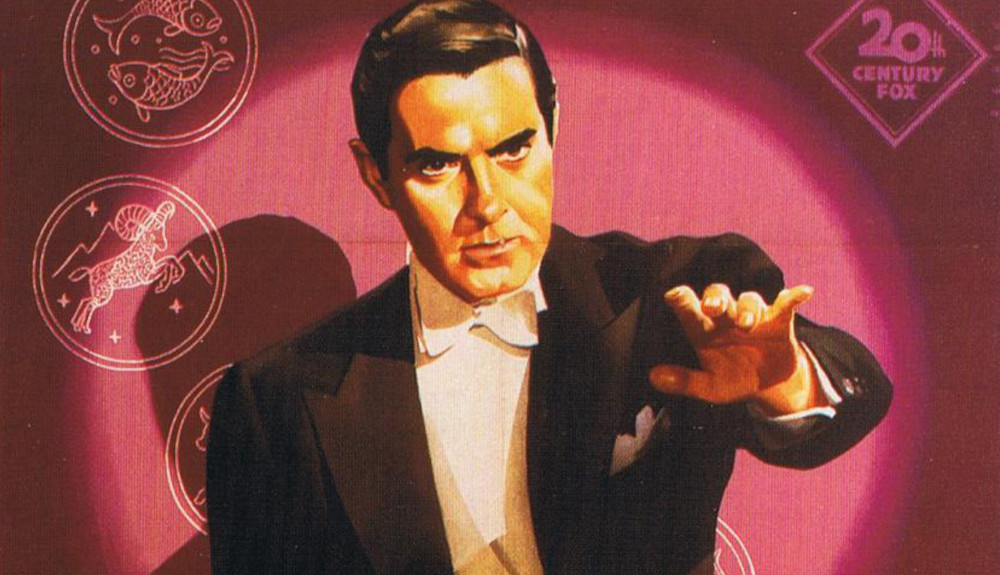
Curated by Gian Luca Farinelli in collaboration with Janice Simpson
From Ponte dei sospiri (1904), a film about that star of early cinema, the city of Venice, the director of which is unknown, to Mulholland Drive (2001), the director of which everyone knows, the 70-plus films of this year’s selection cover a timespan of 97 years. It contains film history but also the immense and generous work of public and private film archives around the world, which not even the pandemic has stopped. We have been chasing after some titles for years. Les Bas-fonds, Kuhle wampe, Bélphegor, Loves of Carmen have never been lost films, but we have never seen them in such perfectly reconstructed prints. For more than two years we have been waiting to see the completed work of our fellow restorers at Universal on the Technicolor matrices of Frenchman’s Creek, by the colour maestro Mitchell Leisen, and at Fox on one of the finest flops of film history, Nightmare Alley, and at the Academy on the epic The Best Years of Our Lives.
This year’s selection has in store many masterpieces by acclaimed directors, including Preminger, Ford, Wilder, Lynch, Kawashima, Stiller, Buñuel and Truffaut, but just as many works by lesser known filmmakers, such as Kwan, Humblestone, Frank, Badger, Maurice Ravel and Mai Zetterling.
And not just masterpieces: for example, I chose È arrivato l’accordatore because it is an ugly film, but its ugliness reveals how much we owe to Fellini, who, just a few months after Coletti’s film, totally transformed Alberto Sordi from a dull and annoying actor to one of the most brilliant and sensitive artists of Italian cinema.
The selection of 1960s films is rather substantial. It opens with a new digital restoration of Les 400 coups (1959) and continues with John Ford’s legacy (The Man Who Shot Liberty Valance) and two films directed by Yuzo Kawashima one year before his death. And then a series of films in which directors play with the freedom of experimentation: Losey’s The Servant, Swedish director Mai Zetterling’s explosive Nattlek, André Delvaux’s extraordinary first film De man die zijn haar kort liet knippen/L’Homme au crâne rasé and the surprising picture of the New York Beat scene in Me and My Brother. And then the brilliant yet still little-known comedy by a maestro of African-American cinema, Melvin van Peebles: Watermelon Man. I end with two films the deeply moved me: Il mulino del Po by Alberto Lattuada and Les Oliviers de la justice by the American director James Blue. Both are stories about the end of an era. The first depicts the decline of peasant culture in the Po Valley at the end of the 1800s, while the other captures the Algerian countryside suspended between the end of French colonialism and the struggle for independence. One reconstructs the countryside of 50 years earlier, the other captures the reality of that strange moment just before a change takes place. Two very different films in a state of suspension that seem to pave the way, for us viewers today, to two subsequent masterpieces, Novecento by Bertolucci and La battaglia di Algeri by Pontecorvo. That’s Il Cinema Ritrovato!
Gian Luca Farinelli
The section devoted to recovered and restored films is the oldest at Il Cinema Ritrovato. It was originally created in 1986 as an occasion of exchange and discussion for film archives all over the world. Year after year, the section has expanded with an increasing number of films and lenders. In the 1990s the FIAF archives were joined by rightsholders, Cinémathèque Gaumont, the work of The Film Foundation, Murnau Stiftung, the American majors, StudioCanal and Pathé. The introduction of Cannes Classics, Venice Classics and Berlinale Classics all broadened awareness about film restoration and gave new impetus to the campaign to save our global cinema heritage. This year too, our selection was done in collaboration with Cannes Classics, and I want to thank Thierry Frémaux whose care and enthusiasm for working with film history has not diminished in such a dramatic year. Many films that we would have liked to have presented are not ready, and many restorations have been postponed to 2021. In a way it is for the better, because our recovered and restored section has never been so rich. 67 titles, from 19 lenders, from 11 different countries; the oldest film is from 1897, and the most recent is Gomorra from 2008. One of the last great Italian movies made on film, Matteo Garrone oversaw its transfer to digital and its new edition. Those who follow the whole section will enjoy a doubly immersive course in the history of film styles and techniques. From the 68mm of the late 19th century, to what is probably the most ‘poetic’ system for reproducing the colours of reality, Chronochrome Gaumont (1912); from Tap Roots, a sumptuous postwar Technicolor movie, to the invention of a new colour with Strategia del ragno, Bertolucci and Storaro’s first encounter; from the hand-painted colours of Méliès’ La Fée carabosse, to the masterpieces of black and white, Ekstase, L’étrange Monsieur Victor, La Traversée de Paris, High Noon, À bout de souffle, Accattone, The Misfits… Despite Covid-19, the largest institutions dedicated to film heritage preservation will once again be present with their most recent restorations, made in the best laboratories, with highly advanced digital technologies or reusing older artisanal methods. This section tries to represent the complexity and wealth of approaches, as we have always tried to show all kinds of films, from established masterpieces to those that we hope will have a new life after being presented in Bologna.
Happy viewing!
Gian Luca Farinelli
The best of the new restorations (both digital and analogue) and discoveries from around the world. In this, one of the most popular strands of the festivals, you’ll see the results of years of hard work by film archives and restoration facilities who are dedicated to reviving masterpieces of the cinema. The festival provides the ideal circumstances for guests to discover, or rediscover, great films, presented in the best available copies – which many of these films have been deprived of for decades. Even if you have seen Jean Renoir’s Toni or George Marshall’s Destry Rides Again before, it will feel like you are seeing them for the first time. And if you haven’t seen them before, we are envious of you for this will be a first screening you won’t soon forget.
Curated by Gian Luca Farinelli
The best 35mm and digital restorations from around the world. From Nerone (1909) to Central do Brasil (1998), eighty-nine years of cinema with films to be discovered (De Toth, Clair, Joseph Kane) and ones we will never get tired of seeing, especially in the versions presented here (Mizoguchi, Aldrich, Nicholas Ray). With three films produced by Republic personally chosen by Martin Scorsese, a tribute to the boundless wealth of B films from cinema’s golden age: That Brennan Girl, a 1940s woman’s drama by Alfred Santell, Joseph Kane’s The Plunderers, a western-crime movie, and Herbert Wilcox’s exotic melodrama Laughing Anne.
The more traditional section of Il Cinema Ritrovato brings to Bologna the best restored films from around the world, in 35mm and digital. From the 1917 of Caligula to the 1977 of Annie Hall, this year’s selection spans sixty years of cinema, through classic films impossible to resist (Lubitsch and Truffaut, Ray and Laurel&Hardy…) and rarities not to be missed (one for everyone Secrets, by Frank Borzage).
Photo: Johnny Guitar by Nicholas Ray (1954)
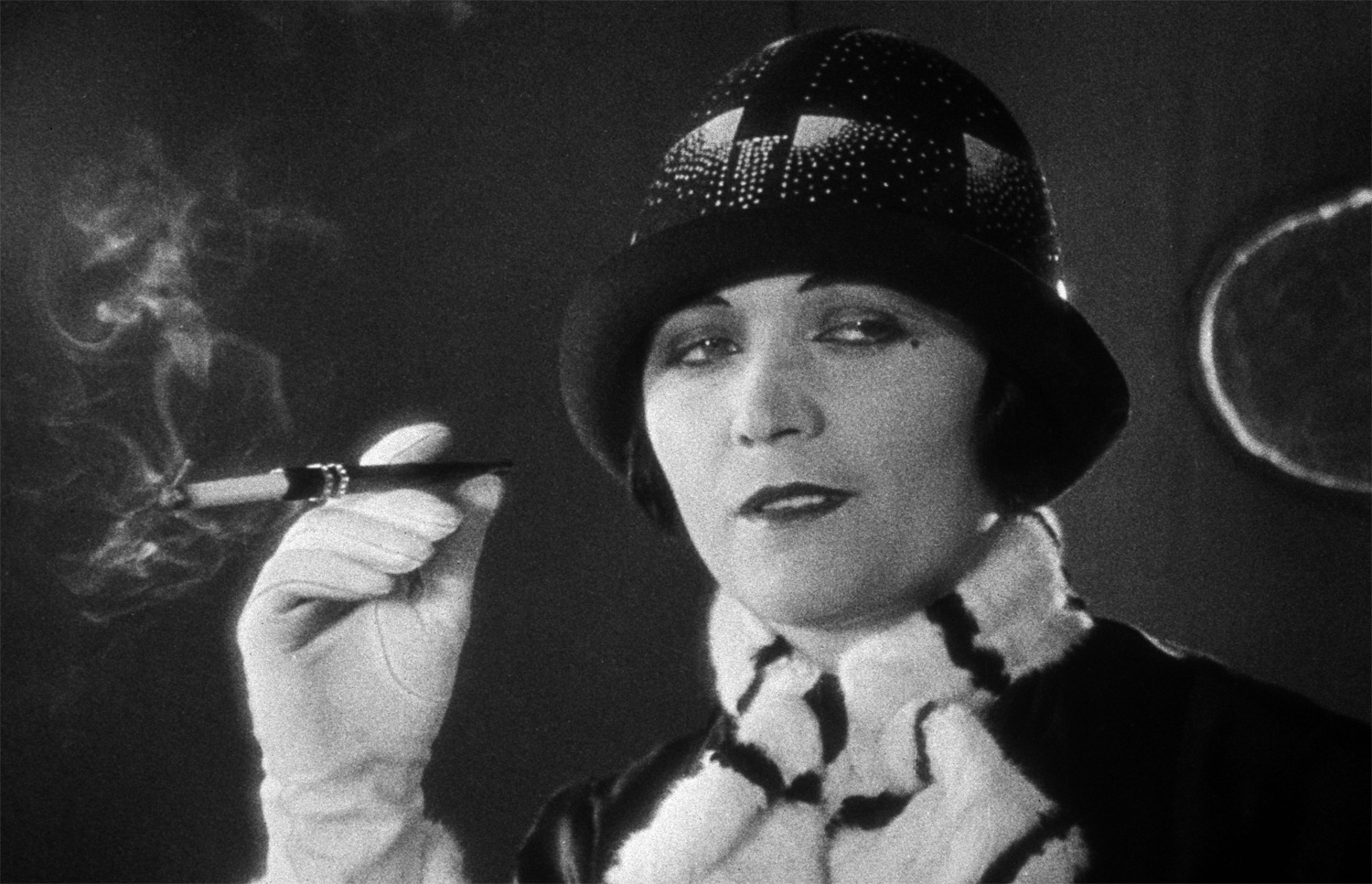
A selection of the best 35mm and digital restorations from around the world. Il Cinema Ritrovato’s hallmark section continues to offer an unparalleled view of both kinds of restoration and visual experience. Fritz Lang and Borzage, Carné and Huston, Resnais and Bellocchio, Pietro Germi and Robert Altman, Paul Meyer and Thomas White: more than ever 2016’s Recovered & Restored is a mosaic of classic and contemporary works, in and out of the film history ‘canon’, acclaimed masterpieces and discoveries.
Programme curated by Gian Luca Farinelli
Every year, we present a selection of the best restorations from around the world. This year, more than ever, the programme is packed with films that arrived like meteorites, works that changed the way stories are told through images. To mention just a few: On the Town, the musical shot by Kelly and Donen amongst the skyscrapers of New York which, in 1949, reinvented the genre; the distilled purity of photography in Auhasard Balthazar; the new times of narration in Chantal Ackerman’s phenomenological masterpiece Jeanne Dielman (finally restored after being unavailable for many years); Satyajit Ray’s The Apu Trilogy…
Programme curated by Gian Luca Farinelli
In quest’epoca delicata e cruciale per la storia del cinema, che vede il passaggio dalla pellicola ai supporti digitali, la più classica sezione del Cinema Ritrovato riflette e lavora su entrambe le modalità di restauro e di visione. Una selezione dei migliori restauri, realizzati nel corso dell’ultimo anno (molti negli ultimi mesi), da istituzioni pubbliche e private, verranno mostrati sia in formato 35mm che in formato digitale. Questa sezione offre uno straordinario punto d’osservazione sugli sviluppi tecnologici e un viaggio mozzafiato nella storia del cinema.
At this critical and delicate time in the history of cinema, witnessing the transition from film to digital, this classic section, Recovered & Restored, examines and explores restoration and presentation in both formats. A selection of the very best restorations, realised over the past year (and in most cases in recent months) by public and private institutions, will be presented both in 35mm and digital formats during evening screenings at the Piazza Maggiore or at the Cinema Arlecchino. This section offers an extraordinary point of view on technological developments as well as a breath-taking journey through film history: thanks to these restorations we can recapture the lost meaning of these films.
Programme curated by Peter von Bagh, Gian Luca Farinelli e Guy Borlée
Our annual date with the masterpieces of film history, the best international restoration projects and rediscovered flicks returns again. Among the most anticipated events is the ‘extended version’ of Sergio Leone’s Once Upon a Time in America, restored by the Bologna Cineteca and unveiled at the Cannes Film Festival. The new version features an additional twenty-five minutes of footage that was cut during editing in 1984. The last labor of his career, Leone’s magnificent portrait lights up the screen again with its epic celebration of America and its cinema. And that’s not all: Jean Renoir’s Grand Illusion, his pacifist masterpiece starring Jean Gabin; one of the most stunning and today rarest French Nouvelle Vague films, Jacques Demy’s Lola, with a compelling Anouk Aimée at her most seductive; Les Misérables, a 1930s series of a novel that every generation of filmmakers has taken on; as part of the Rossellini Project a restored version of Journey to Italy, one of the masterpieces of the duo Rossellini/Bergman and a forerunner of modern film. The festival will again feature the work of the World Cinema Foundation, created in 2007 by Martin Scorsese and other contemporary filmmakers for the restoration of cinematic gems from around the world. This year we are happy to present two splendid rediscoveries: the Indian movie Kalpana (1948) by Uday Shankar and the Indonesian After the Curfew (1954) by Usmar Ismail. To celebrate the 10th anniversary of the Film Foundation’s restoration project Avant-Garde Masters, two programmes of experimental films will be screened: from Andy Warhol to the legendary Film with Buster Keaton, Samuel Beckett’s first and only foray into film.
Programme curated by Peter von Bagh, Gian Luca Farinelli e Guy Borlée
Lo choc estetico che si ripete da molti anni, i capolavori del cinema muto accompagnati da nuove partiture suonate dall’Orchestra del Teatro Comunale, proiettati sul grande schermo di Piazza Maggiore:Voyage dans la Lune di Méliès, Nosferatu di Murnau, Il Fantasma dell’Opera di Rupert Julian con l’interpretazione di Lon Chaney. Sul più magico dei nostri schermi scorreranno le mille e una fantasie di Il Ladro di Bagdad di Michael Powell con Conrad Veidt, il feroce capolavoro della giovinezza di Martin Scorsese, Taxi Driver e America America di Elia Kazan. Poi “il più grande film francese di sempre”: Les Enfants du Paradis di Marcel Carné, ma anche il primo film della coppia Carné Prevert, Il porto delle nebbie. Il più raro dei film di Rossellini, La macchina ammazzacattivi, il primo film di Elio Petri, L’Assassino, Il Conformista di Bertolucci, La dolce vita e il film che ha anticipato tutte le inquietudini e le novità del ’68, Chronique d’une été di Jean Rouch e Edgar Morin. Tra i muti Upstream di John Ford eGransfolken di Mauritz Stiller, due film protofemministi, Shoes di Loie Weber et Real Adventure di King Vidor.
Sezione a cura di Peter von Bagh, Gian Luca Farinelli e Guy Borlée
LUMIÈRE!
Lumière! is a thematic selection of films made by Louis Lumière and his camera operators from 1895 onwards made in France and all over world. They have been chosen from 1425 films of the Lumière catalogue.
This compilation allows to (re)discover the first moving images ever screened on March 22, 1895 as well as the films shot by the Lumière camera operators and screened throughout the world from 1896 onwards, also the colour films obtained using the autochrome process and Louis Lumière’s experiments with relief in the mid- 1930s.
The selection includes the first paying show of the Cinématographe at the Grand Café, Boulevard des Capucines, Paris. That day thirty-three spectators discovered the first actors: the workers of the Lumière factory (Sortie d’usine), a gardener – now the most famous in the world – being sprinkled by a boy (L’Arroseur arrosé), Auguste Lumière himself with his wife and little daughter Andrée (Repas de bébé)… views of Lyon, native town of the Cinématographe in 1895 (Bellecour ou Cordeliers) as well as its animated streets (Concours de boules), and its railway station (La gare de Perrache)… Louis and Auguste Lumière’s children filmed by their own father (or uncle!) his eye recording the slightest move, look and gesture (La Petite fille et son chat, Enfants jouant aux billes)… France at work or having fun, rediscovering ancient traditions and crafts (Saut à la couverture, Défournage du coke)… And then foreign lands: from Moscow to Washington, from Mexico to London, from Rome to Tokyo. For the first time in history the Lumière brothers showed “the world to the world”. By 1897 the Lumière company had organised over 800,000 screenings. The Lumière films are full of gags and comic moments that anticipate Georges Méliès and Max Linder, not only that, by they will be remembered as the first example of an ‘aesthetic of cinema’: unforgettable images captured by the first camera operators as they laid their eyes on the world in the XIX century. It’s like if the Lumière brothers had left a trail behind them which all their children followed – millions of amateur or professional who shaped the history of cinema (Vue prise d’une baleinière en marche, Panorama pris d’une chaise à porteurs)…
This compilation was made by l’Institut Lumière. The films were restored by les Archives Françaises du Film and Cineteca di Bologna.
(Institut Lumière, Lyon)
An important and exciting digital restoration project sponsored by the Institut Lumière of Lyon and carried out at the L’Immagine Ritrovata laboratory of Cineteca di Bologna.
Ninety-three films from the Lumière catalogue were scanned using existing original materials. In most cases the process began with the original negatives with Lumière perforations, which were digitalized using a special scanning system created for archive materials and that makes it possible to work with shrinked films or with non-standard perforation systems.
Subsequent procedures of digital cleaning, stabilization and colour correction have given these films the opportunity to live on the big screen again with a beauty and brilliance considered lost.
The whole operation has turned out be particularly successful not just for the forgotten little gems but also for the better known films that, scanned directly from the negative, reveal a wealth of details believed lost.
The restored films were edited by Institut Lumière so as to create a program divided in 10 sections in a spectacular crescendo that includes the first autochrome colour films and the anaglyph experiments of the Lumière brothers from the ‘30s.
(Elena Tammaccaro)
When watching a film by Lumière spontaneity is one of the first things that comes to mind. It is easy to think “that must have happened by chance”. It begins with a tram that enters the frame from the right and ends with a tram that enters the frame from the left. Do you think that was done by chance? Not at all. The cameraman made a selection; he waited and observed how things were flowing for a while, chose the best point of view and managed to do the most extraordinary thing, something we often forget: in just few seconds, without changing the position of the camera, he managed to include in the frame a maximum number of shots: close-ups, medium shots, medium long shots, establish- ing shots. It did not happened by chance: that’s science. (…)
The most amazing achievement the Lumière brothers ever attained is to show life, not history. And life is not what one may think at first, standing in one spot and showing people passing by in the street… life it’s something deeper, and that is why the Lumières’ films are so important. Life is not just the external manifestation, is the aspect, the philosophical thought, the artistic expression of the time, it is how people lived at that time. (…)
The key element in Louis Lumière’s shots is in the very essence of his name: light, the ‘lightness of light’, its depth, its relief. There’s a stereoscopic quality that comes from light, that’s why it’s extremely important to get the printing process just right. I made sure that the Lumières’ films were printed as they did at the time, using the same chemical baths, respecting their pace. And when we screened them in Venice, it was like looking at the sun. They were as refined as the most refined films of our own time.
(Henri Langlois, from the film Les Frères Lumière (1966) by Eric Rohmer)
Section curated by Peter von Bagh, Gian Luca Farinelli e Guy Borlée
Recovered & Restored includes strong elements from both Italian and German cinema: auteurs in the class of Pastrone and Ermanno Olmi, as well as little known filmmakers like Leo Lasko, director of Die Lou von Montmartre, and master Lupu Pick, whose production is known only for the extraordinary force of a few films, and is otherwise all but forgotten. This is important: we are facing half-known filmographies whose entire contents are more or less ignored. We walk through a sort of shadow history, into an uncharted land of the possible and the potential. An important challenge therefore lies not just in the films, but in the patient work that puts filmographies into movement, bringing new contours to their geology.
Again, major filmmakers like Josef von Sternberg (who created a German cabaret and a Japanese island for us, with all the conviction which true fiction can hold) and marginal filmmakers, like the new «B» contribution from the Cinémathèque Royale de Belgique, are equal. This allows us to watch the Monty Banks movie Racing Luck with the same absolute curiosity that we possess when watching newly restored copies of Der blaue Engel and The Saga of Anatahan – in forms and glory never witnessed before.
Orson Welles, whom Bologna has been conversing with for some years now (thanks to the film archive in Munich), is a separate case, as there will not really be any new films, but instead other personal materials and fascinating tidbits, all of which authenticated by his hand, almost to the same degree as his major films.
The case of Lola Montès is destined to have a separate paragraph. With the restoration of its German version (Lola Montez), we are one step closer to knowing one of the great enigmas of modern cinema – a so called failure at the time, and a cinephilic sensation ever since.
Peter von Bagh