
Film notes
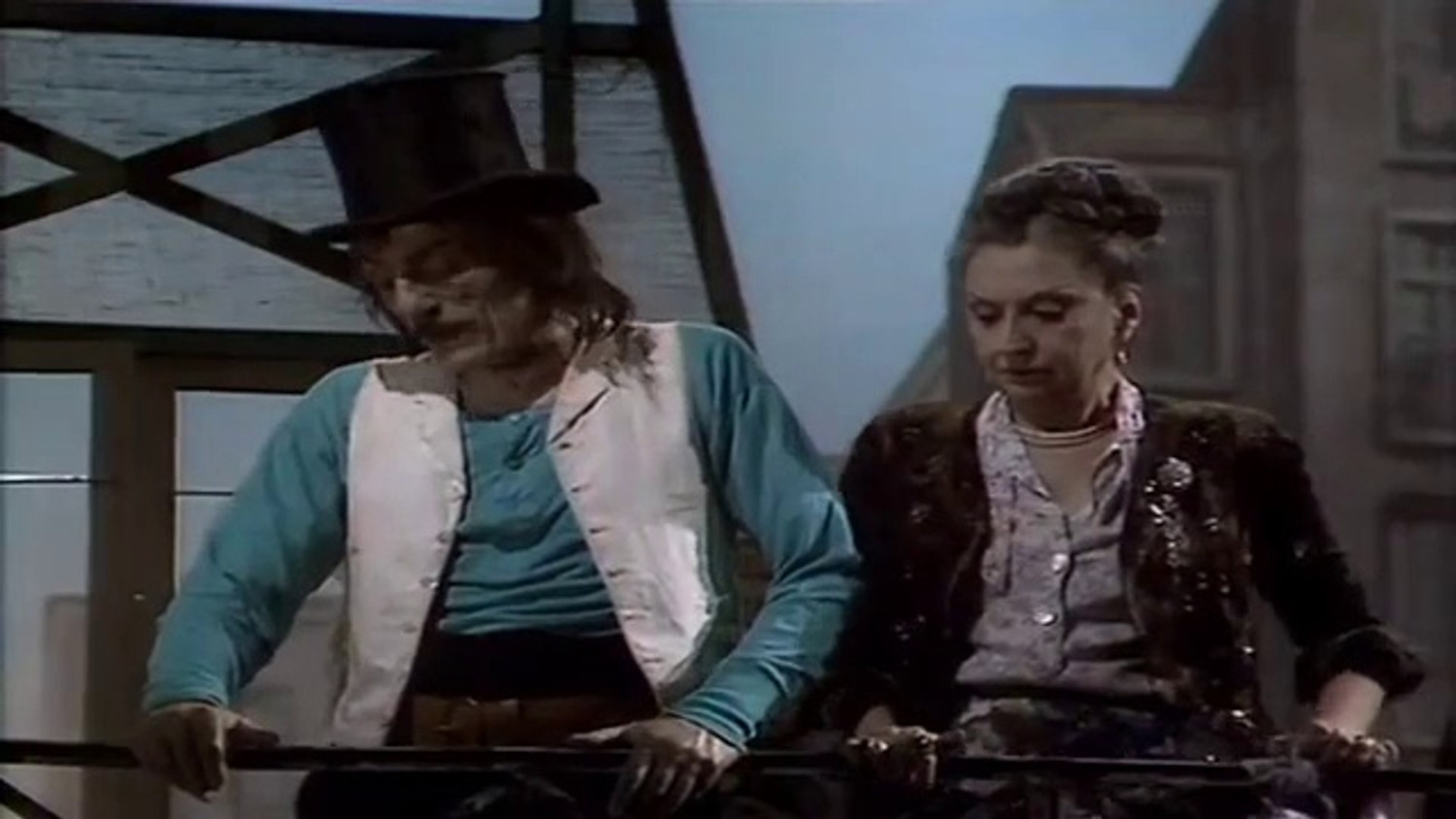
Dear Eduardo, last Sunday I saw Il cilindro on television. The morning after, I repeatedly tried to telephone you in Rome, but there was never any answer, and so I have decided to write to you instead. […] If you happen to consider Il cilindro a minor work, please excuse me. Do not bemoan the fact that Il cilindro both excited and surprised me; you have managed to amaze me once more! Il cilindro seems to me to be perfect, exemplary, classic; I wouldn’t hesitate to describe the lightning-like progression of the scenes, all of which are essential, as being worthy of Molière. I like so many things about Il cilindro that I do not know where to begin. […] So, I will pick one random element. With Il cilindro you have invented a new genre. Call it what you will, definitions don’t matter: television-play; television-film; television-story; art-television; televisual art. In short, we witnessed a show designed and created specifically for video, and which could only achieve the limit of its beauty through this means. So, we could call it ‘chamber theatre’.
I could cite an infinite list of episodes and details and I could even place them in a statistical list, according to today’s fashion, and construct from that list a complex argument, but a single example will suffice: the extraordinary close-up of the actor Ferruccio De Ceresa […] It is probably the longest close-up, not only in the history of the television-film, but in the history of cinema. […] Such an exceptionally lengthy close-up, in which so many hands and so many voices flutter around a single face would be possible, acceptable and expressive only on television.
Mario Soldati, “La Stampa”, 18 November 1978, reprinted in Lettere di Mario Soldati, Mondadori, Milan 1979