3 paths through the programme
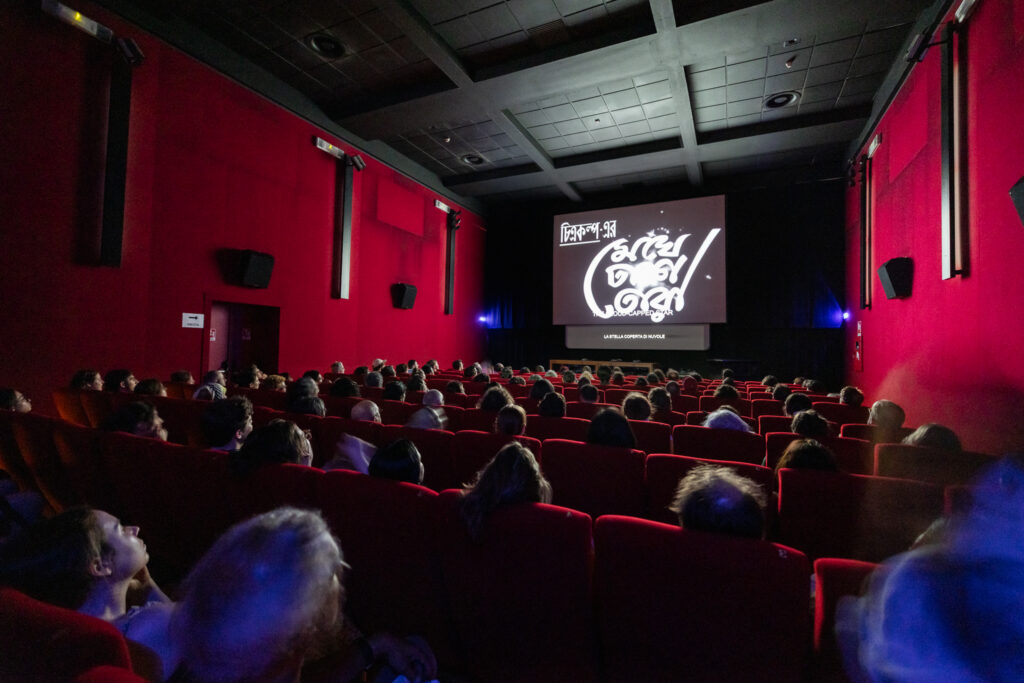
A historic section of the festival programme curated by Cecilia Cenciarelli, “Cinemalibero” invites us each year to broaden our cinematic horizons and rediscover filmmakers, works, and trajectories that have often remained at the margins of more conventional histories of cinema.
To navigate this year’s programme, we can follow three clusters — three routes connecting films that differ in geography, period, and language, yet are united by the same urgency: to question the relationship between cinema, history, power, and visibility.
fil rouge 1
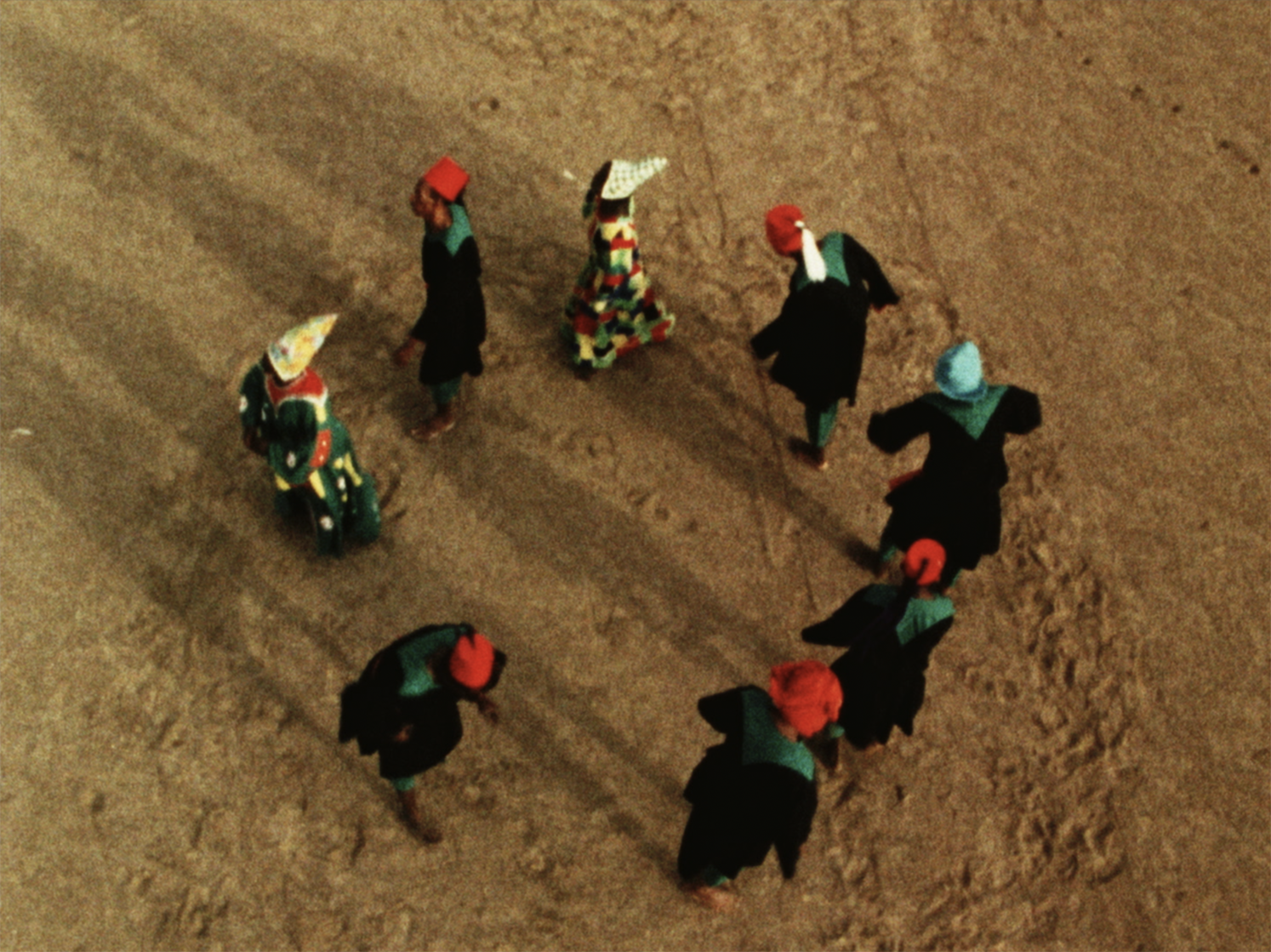
The first cluster brings together films that reclaim the possibility of telling history from other points of view: those of people who have been excluded, marginalised, or represented for too long by others. Et vint la liberté by Sékoumar Barry intertwines the Guinean liberation struggle with a Pan-African horizon; Sarah Maldoror, meanwhile, adopts the tones of comedy to portray with irony racism and Black immigration in France.
Working within the same perspective is the trilogy by the Collectif Mohamed, an experience in cinéma-vérité born in the French banlieues, where the camera becomes a tool of self-representation against social invisibility and media violence.
Completing this trajectory are The Sad Song of Touha by Atteyat Al Abnoudy and The Dislocation of Amber by Hussein Shariffe, presented in their world premieres after being withdrawn from the 2026 Berlin International Film Festival as a gesture of solidarity with Palestine.
fil rouge 2
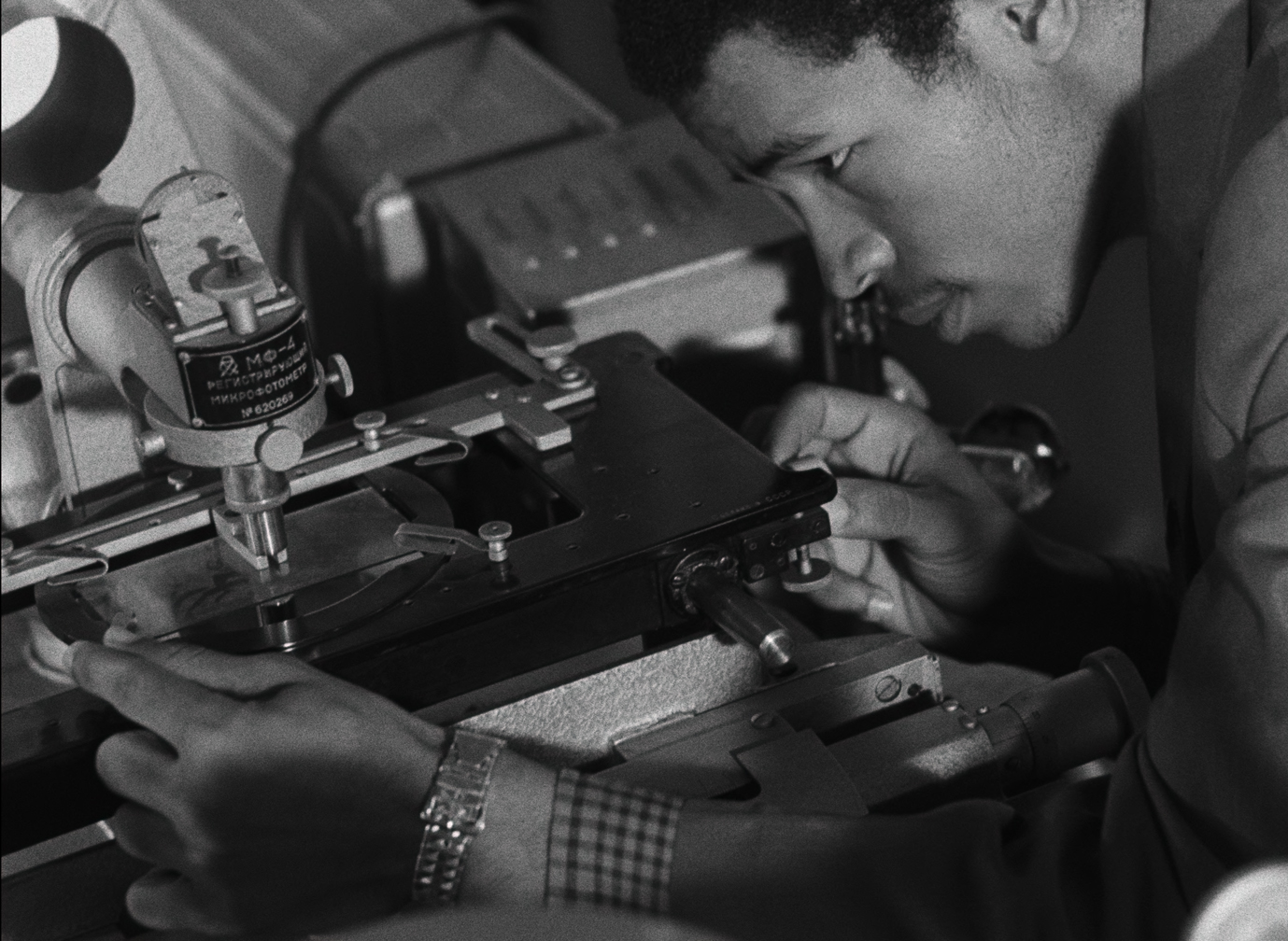
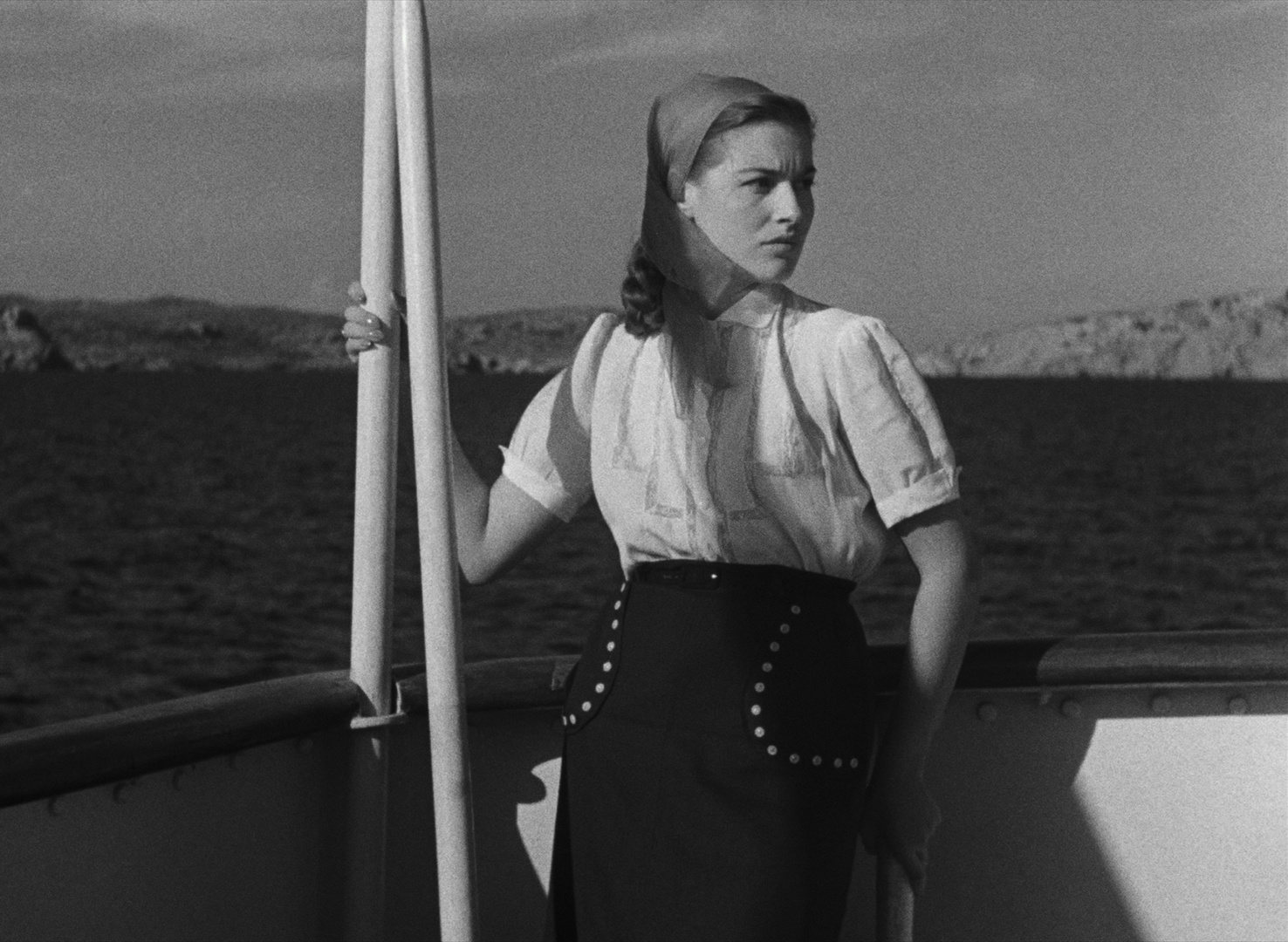
A second cluster moves through works that adopt seemingly more classical narrative forms while infusing them with modern tensions, social fractures, and landscapes charged with unease. Eva by pioneering Greek director Maria Plyta, Mudar de Vida by Paulo Rocha, and Time to Love by Metin Erksan trace, across Greece, Portugal, and Turkey, the transformation of postwar cinema.
These films engage with realism and the legacy of Italian Neorealism, while pushing them toward more ambiguous and modernist territories: landscape, alienation, desire, and symbolic dimension become tools for portraying societies in transition.
fil rouge 3
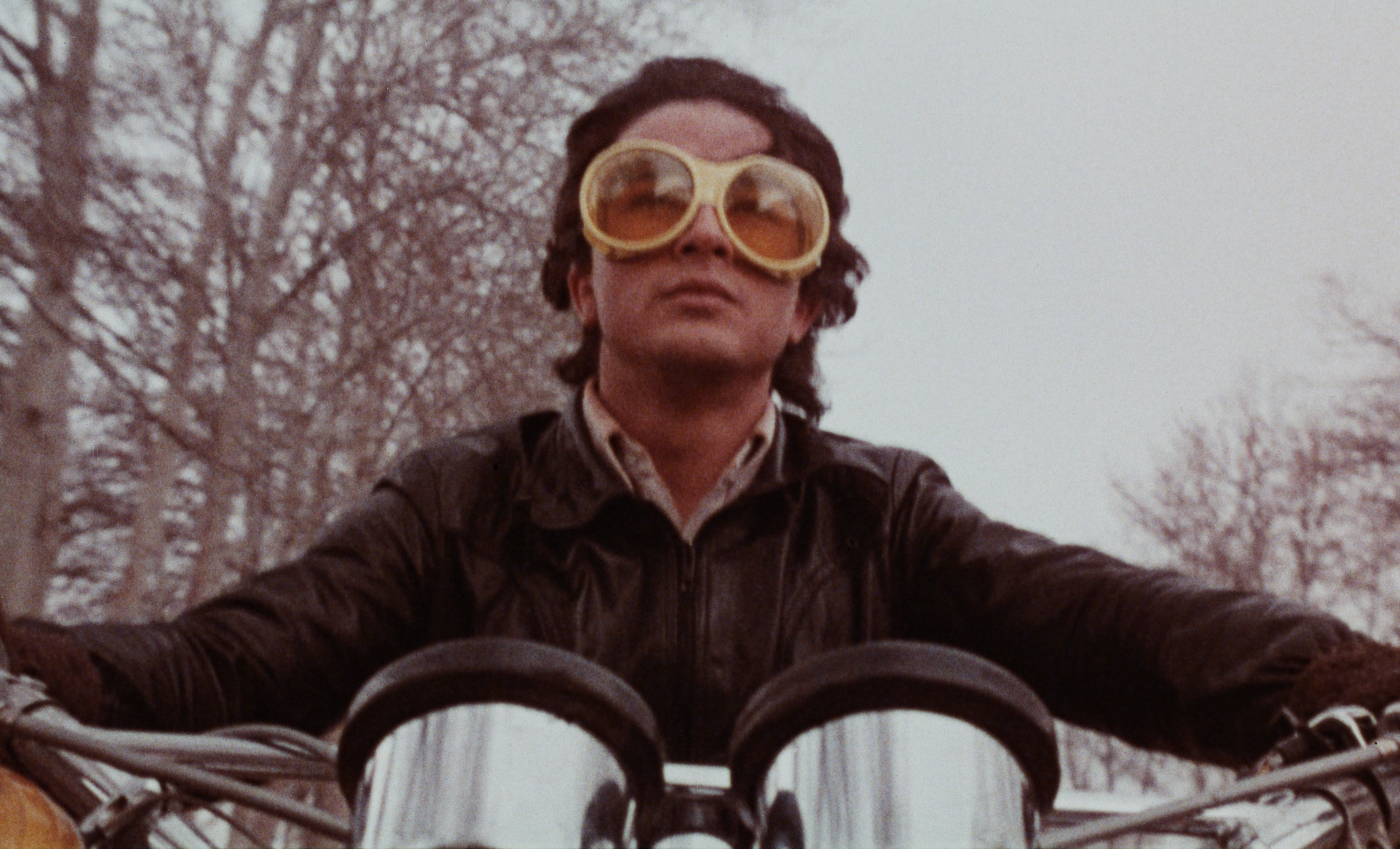
This third cluster gathers works in which power, political violence, and economic structures deform bodies, relationships, and everyday life, bringing social and moral conflicts to the surface. Two of the three titles are presented as world-premiere restorations.
Weighed But Found Wanting marks a decisive moment in the career of Lino Brocka, anticipating the political force his cinema would fully develop during the years of the Marcos dictatorship: a space for confrontation and silent subversion of authoritarian order. The Cycle by Dariush Mehrjui, a central figure of the Iranian New Wave, confronts the underground blood trade with stark realism, transforming the body into a site of social conflict.
With his final film, Secrets of the Jinn Valley Treasure, Ebrahim Golestan instead turns to satire and allegory to stage the distortions produced by modernization and power. Straddling the first and third sections, Amma Ariyan by John Abraham reimagines the memory of Kerala’s revolutionary struggles as an open wound, where political trauma continues to reverberate in the present.