The Space Machine
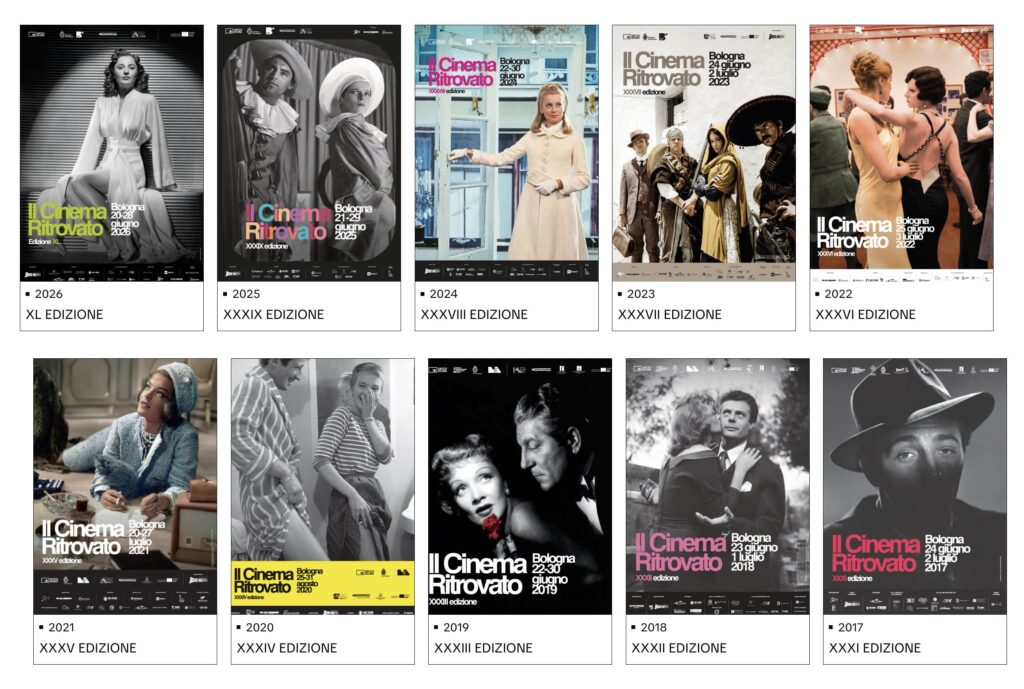
[2026]
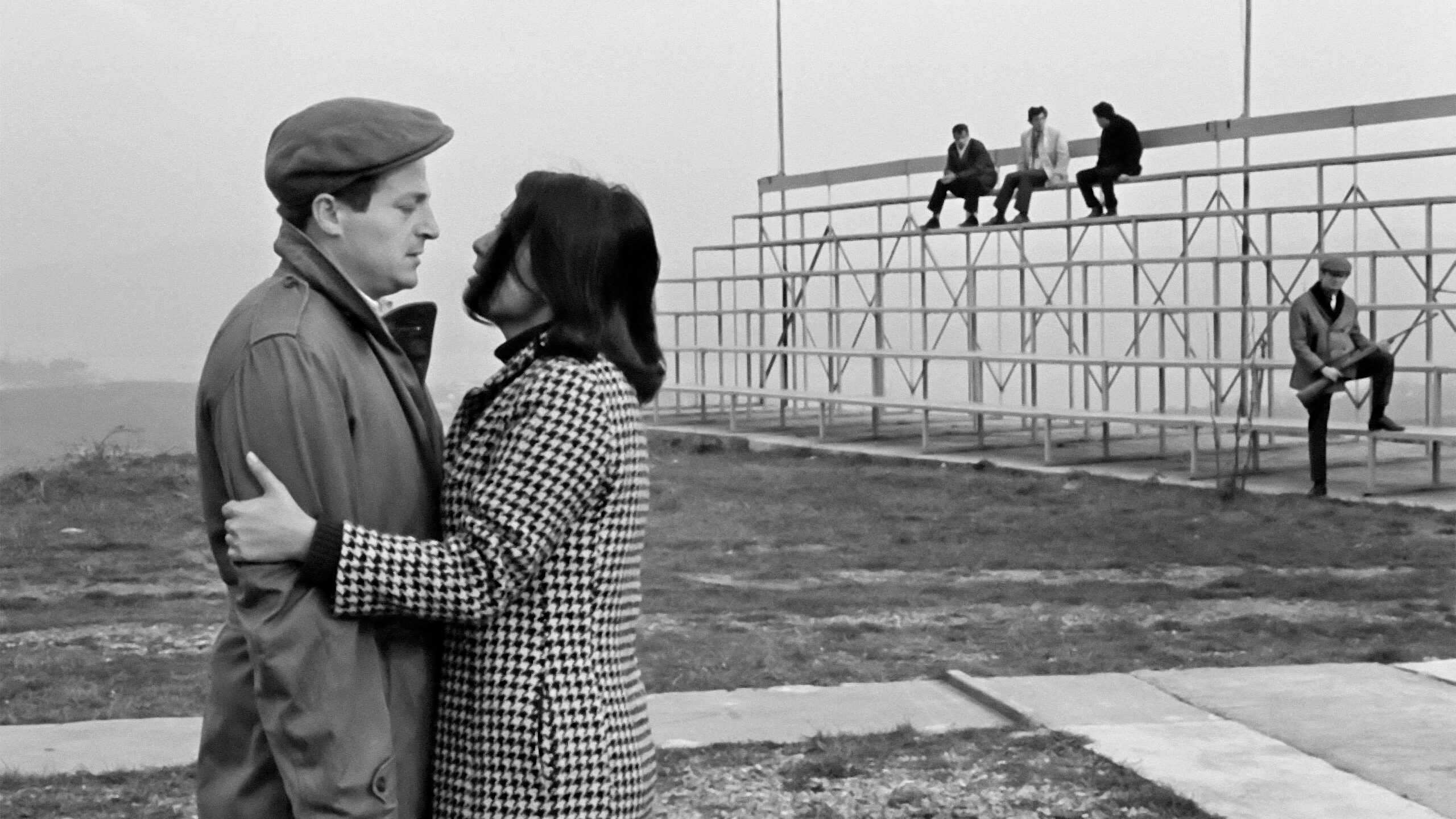
Across a plurality of geographies and cinematic languages, the films in this section explore forms of social, political, and perceptual dislocation, in which individual and collective dimensions intertwine. The political urgency of the 1970s is reflected in the works of Brocka and Mehrjui, who place at the center the violence and marginalization embedded in economic structures. While Sekoumar Barry’s Et vint la liberté offers a powerful portrait of the struggle for liberation in Guinea, The Dislocation of Amber by Hussein and Amma Ariyan by Abraham focus on fracture and historical trauma. Sarah Maldoror draws on the tones of comedy to depict immigration and racism, while through a political allegory Ebrahim Golestan, denounces the rise of a culture driven by money. Emerging from national contexts considered ‘peripheral’ to the dominant canon of the 1950s and 1960s, Eva by Maria Plyta, Mudar de Vida by Paulo Rocha, and Time to Love by Metin Erksan testify to the transformation of postwar cinema in Greece, Portugal, and Turkey, through a realism permeated by modernist inflections, expressed through landscape, alienation, and symbolism.
Curated by Cecilia Cenciarelli
Eva (1953) d. Maria Plyta • Sevmek Zamanı (Time to Love, 1965) d. Metin Erksan • Mudar de Vida (1966) d. Paulo Rocha • Et vint la liberté (1968) d. Sékoumar Barry • Oghneyet Touha Al Hazina (The Sad Song of Touha, 1972) d. Atteyat Al Abnoudy • Asrar-e Ganj-e Darre-ye Jenni (Secrets of the Jinn Valley Treasure, 1974) d. Ebrahim Golestan • Dayereh-Ye Mina (The Cycle, 1974) d. Dariush Mehrjui • Tinimbang ka ngunit kulang (Weighed but Found Wanting, 1974) d. Lino Brocka • The Dislocation of Amber (1975) d. Hussein Shariffe • La trilogia del Collectif Mohamed / Collectif Mohamed’s trilogy: Le Garage (1979), Zone Immigrée (1979), Ils ont tué Khader (1980) • Et les chiens se taisent (1978), Un dessert pour Constance (1981) d. Sarah Maldoror • Amma Ariyan (1986) d. John Abraham
Edition History
The 11 restored films in this programme cover a time span from the early 1960s to the mid-1980s within a cinematic topography that places marginality at the centre of its investigation. This year, the focus is on lesser-known voices from the essential period of Latin America liberation cinema and those silenced by the Iranian regime, the repression of the Arab world and colonial violence. Some of this year’s rediscoveries include: Gehenu Lamai by Sinhalese film poet Sumitra Peries; Iranian New Wave’s Postchi and Safar, by masters Dariush Mehrjui and Bahram Beyzaie; La paga (debut film believed to be lost) by Ciro Durán, a key figure in Colombian cinema; São Paulo Sociedade Anônima by Luiz Sergio Person and Uirá, Um Índio Em Busca De Deus by Gustavo Dahl, two faces of Brazilian history between colonialism and industrialization. Last but not least, the previously unseen, longer version of Ghazl el-Banat by Jocelyne Saab and two fundamental Tunisian works: the incendiary Riḥ Es-Sed by the Tunisian master Nouri Bouzid and Al Ôrs by the Nouveau Théâtre Collective. Finally, a new restoration of the Guinean diptych Mortu Nega by Flora Gomes, and O Regresso de Amílcar Cabral by Sana Na N’Hada.
Curated by Cecilia Cenciarelli
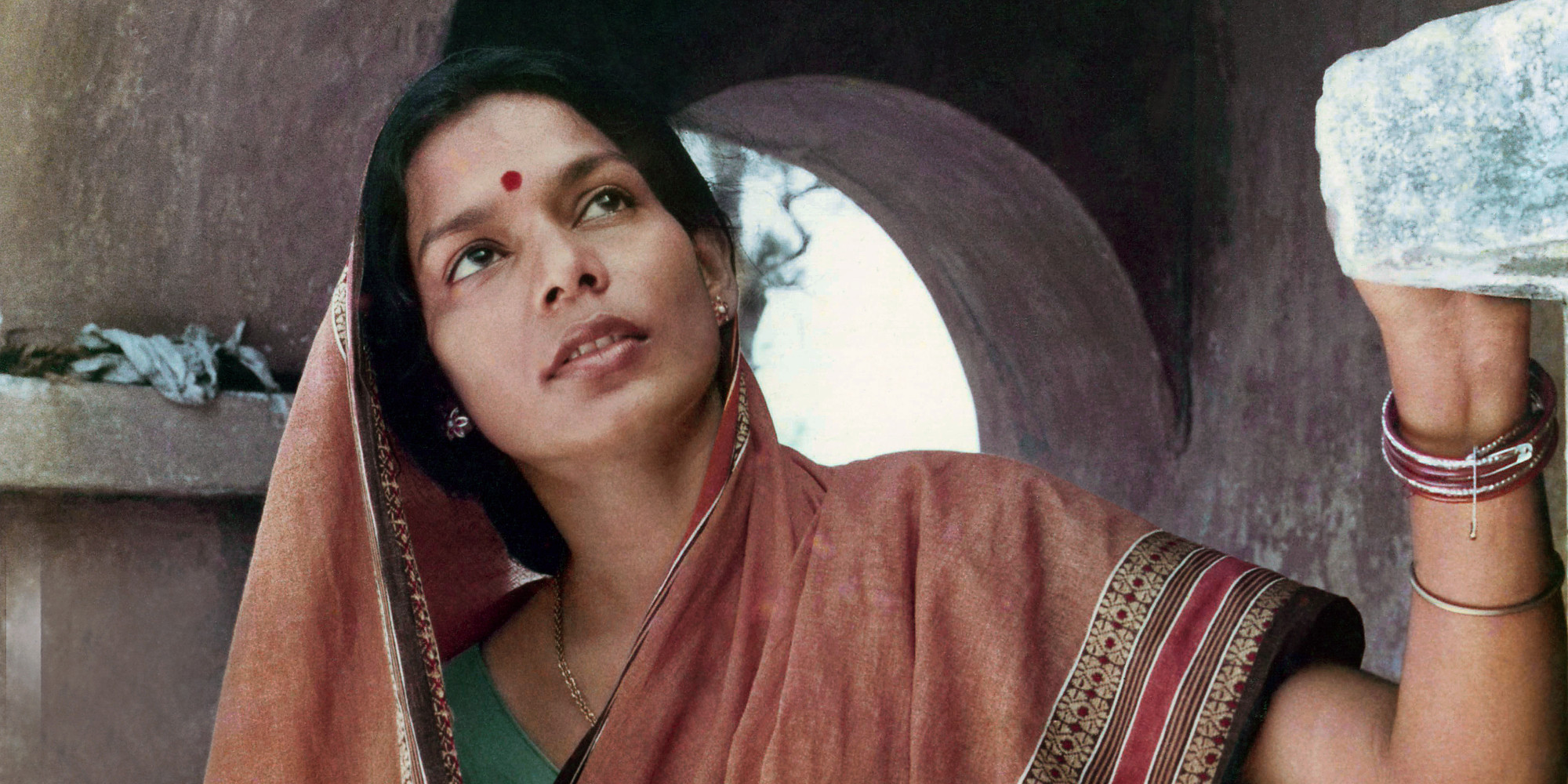
Curated by Cecilia Cenciarelli
Female subjugation within patriarchal society, either literally intended or as an allegory of a totalitarian regime, is one of the themes that runs most consistently through the new restorations presented this year. We start with two cornerstones of feminist cinema at the wane of the 1970s: La Nouba des femmes du Mont Chenoua and Khak-e Sar bé Mohr. Assia Djebar in Algeria and Marva Nabili in Iran – through her film will be completed in the US – both succeed in creating a feminine cinematic space through their own distinctive formal research. While Djebar draws on the classical Arab-Andalusian musical tradition to narrate the Algerian women’s war of liberation, Nabili recognises Brechtian theory, poetry and the Persian miniature tradition as the foundations of her cinema. Her ‘Jeanne Dielman’, Roo-Bekheir, will end up paying for her consciousness-raising and rejection of marriage with an exorcism.
Rejecting the interpretation of those who saw in Bona a melodrama about a one-sided amour fou Lino Brocka suggested that the story deals with the institutionalization of patriarchy as a way to denounce violence and alienation under Marcos’ martial laws. An even clearer allegory of the Assad regime is the highly personal Nujum An-Nahar by the Syrian master Ossama Mohammed, inspired by the tradition of Georgian comedy and the cinema of Ettore Scola. Mohammed is also co-writer of al-Leil by Mohamad Malas, in which the great Syrian filmmaker returns to his hometown Quneitra in the Golan Heights between 1936, the year of the first uprisings against the British and Zionists in Palestine, and the year of his hometown destruction.
The elegiac Māyā Miriga also features a family breakdown taking place before the patriarchs’ eyes. Although here, director Nirad Mohapatra (completely unknown in the West) seems to be more interested in a nostalgic farewell to an ancestral world than in criticising a social system that forces women into domestic slavery. Like Khak-e Sar bé Mohr and An-Nahar, Sembène Ousmane’s Camp de Thiaroye was censored in its home country for fear of upsetting relations with France (where it was also invisible for a decade). A rare all-Pan-African – Tunisia, Senegal, Algeria – production, Camp de Thiaroye is a no-holds-barred condemnation of the massacre of Senegalese riflemen, executed by the French forces on their return from war. Last but not least, the bright and beautiful ‘Carnival Trilogy’ by another female pioneer, Sarah Maldoror, made in honour of her friend Amílcar Cabral to celebrate Guinean and Cape Verdean cultures as an element of resistance and liberation from colonial domination.
Finally, one of the first Basque films after the end of Franco’s repression, Tasio is – in Armendariz’ own words: “a film about furtive freedom, about the hidden freedom at odds with norms and conventions.”
Cecilia Cenciarelli
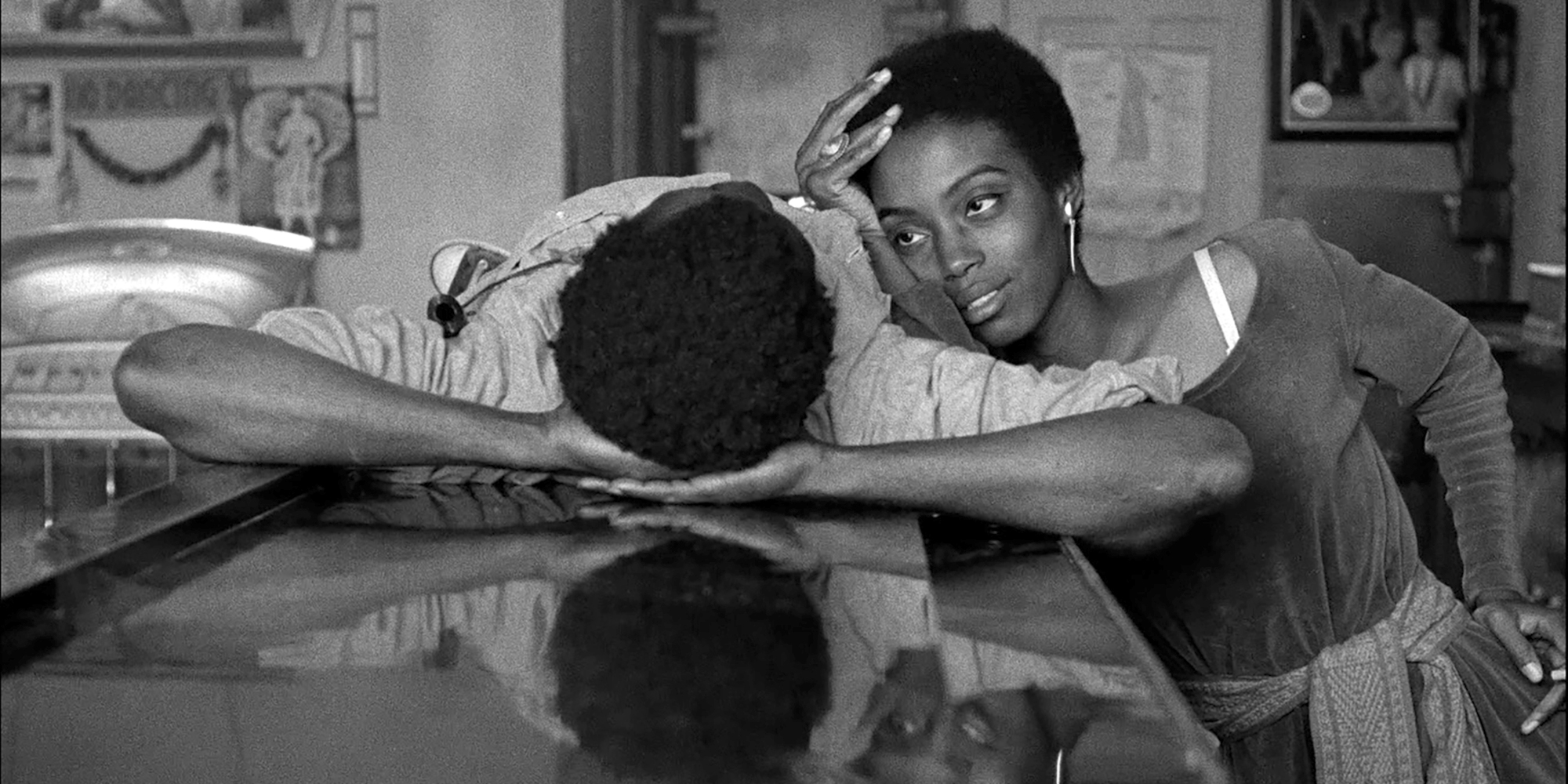
Curated by Cecilia Cenciarelli
Il perimetro geografico tracciato dai quattordici film in programma quest’anno – di cui otto restauri in anteprima – si estende dall’Africa occidentale (Senegal, Burkina Faso, Costa d’Avorio) al Medio Oriente (Libano, Siria, Iran) delineando uno spazio complesso e disomogeneo in cui non mancano intenzioni cinematografiche e ideologiche comuni. Il primo dei tre ideali sottocapitoli guarda al cinema panarabo che prende vita dalle ceneri della guerra dei sei giorni trainato da una nuova leva di autori militanti (siriani, iracheni, egiziani, libanesi) dalla forte personalità artistica. Molti di loro si stabiliscono a Damasco, dove trovano condizioni produttive favorevoli grazie al National Film Office. Tra questi l’egiziano Tewfik Saleh che con Al-Makhdu’un – magistrale adattamento da una novella del grande Ghassan Kanafani – porta in scena l’ingannevole utopia, dolorosamente attuale, di un viaggio verso la terra promessa. Il trasferimento forzato di un bambino dalla città natale Quneitra a Damasco nei turbolenti anni Cinquanta è alla base dell’autobiografico Alham al-Medina con cui Muhammad Malas inaugura una fase più intimista del cinema siriano. Si esprime attraverso un cinema invece prevalentemente documentario la generazione di registi che emerge dall’esperienza della guerra civile libanese e che ci mostra senza attenuanti il suo popolo dilaniato, i suoi orfani reclutati tra le fila dei combattenti, le rovine delle sue città sfigurate. Les Femmes palestiniennes, cortometraggio censurato di Jocelyne Saab e Layla wa zi’ab di Heiny Srour, illuminano con due linguaggi agli antipodi il ruolo delle donne nella storia della resistenza. Se in quest’ultimo, la protagonista compie un viaggio attraverso sessant’anni di storia della Palestina, Ousmane Sembène – fulcro, nell’anno del suo centenario, della sottosezione – condensa con Ceddo due secoli di storia in un giorno e mezzo. Qui declina gli orrori del colonialismo del Ventesimo secolo raccontando la penetrazione religiosa e politica dell’Islam in una comunità africana del XVI. Lo vedremo proprio sul set di Ceddo in uno dei preziosi cinegiornali che documentano i primi passi del Senegal libero. Tra le tante declinazioni dell’esilio c’è anche l’esodo autoimposto dei contadini del Sahel in Yam Daabo, esordio luminoso di Idrissa Ouédraogo, che rifiutati gli aiuti internazionali partono alla ricerca di altre terre. Fanno da controcampo all’alienazione dei giovani ivoriani dislocati a Parigi a cui dà voce Desiré Ecaré e a quella dello studente nigeriano a San Francisco in Bushman di David Schickele, opera di denuncia corrosiva, struggente e poetica.
Spetta a Bahram Beyzaie, maestro invisibile del nuovo cinema iraniano, chiudere Cinemalibero: nella forza premonitrice di Gharibeh va meh e Cherike-ye Tara si agitano gli incubi della società iraniana a un passo dalla rivoluzione e le lotte delle donne iraniane di oggi.
Questo programma non sarebbe stato possibile senza il generoso aiuto di Mohamed Challouf.
Cecilia Cenciarelli
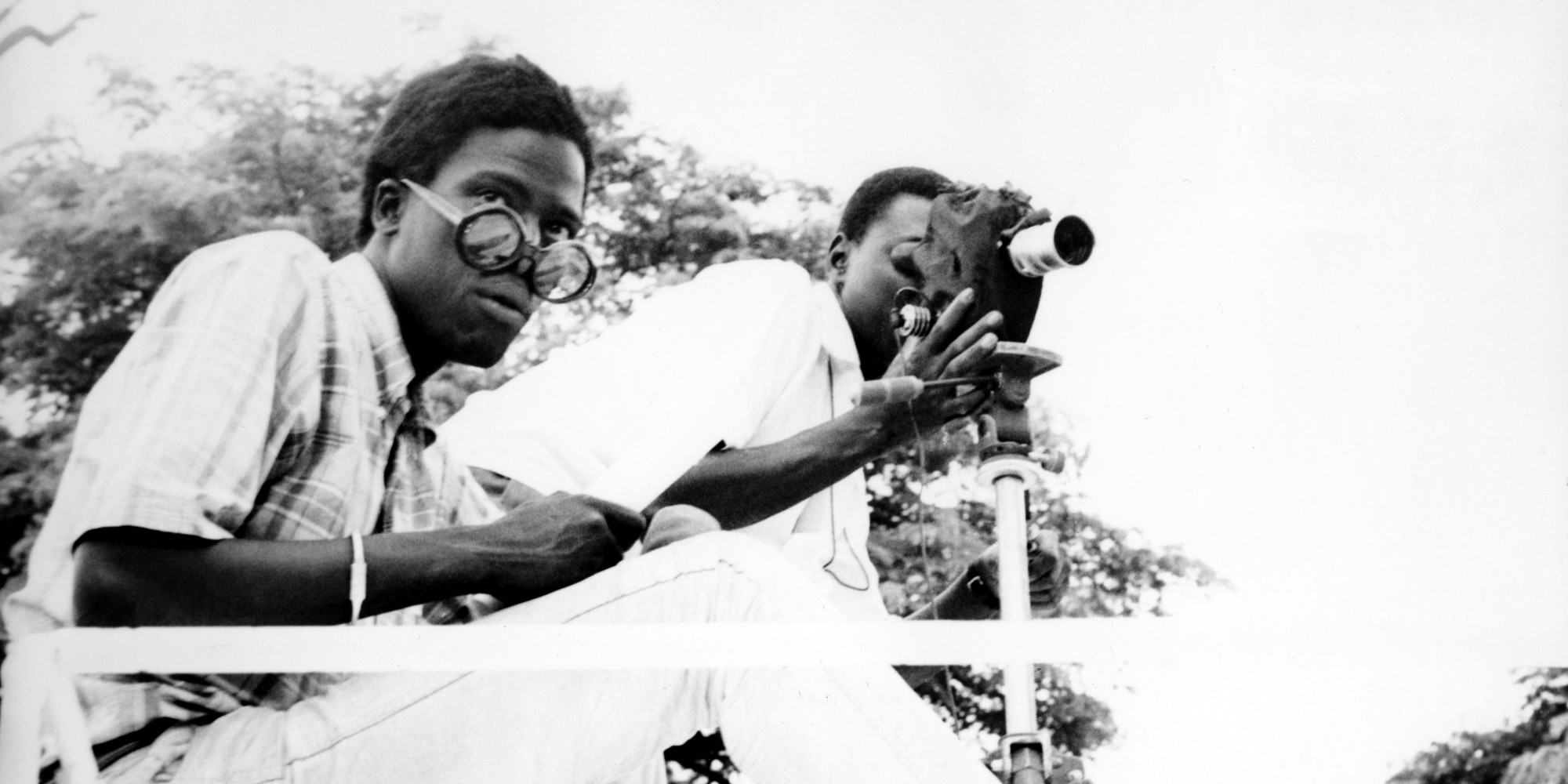
Curated by Cecilia Cenciarelli and Elena Correra
“Film history is a strange and largely unmapped land.” So wrote Peter von Bagh in his introduction to the first international screening of Kahdeksan surmanluotia, 40 years after its original broadcast. Thanks to him, Mikko Niskanen’s masterpiece crossed Finland’s borders and today stands alongside the works of von Stroheim and Zola. This year we can finally honour our promise to Peter to screen the film in a restored 35mm print.
We imagine this edition of Cinemalibero as a non-linear journey through films born on the margins and which urge us to reconsider the canon of film history. We have chosen to travel only on secondary roads, many of which lead to rural parts of the world, between the creases and among the scourges afflicting communities forgotten by those in power. From the centre of a Finland hollowed out by postwar agrarian policies, we follow the caravan of Thamp̄ to Thirunavaya, a village in Kerala, whose hardships and wonders are captured by Aravindan Govindan in a film that Satyajit Ray defined as “one of the most profound and moving portraits of travelling artists ever produced”. Victims of hostile nature and feudal remnants, Rocha’s peasants and shepherds struggle for survival in the Brazilian sertão. “Hunger is the very essence of our society,” the father of cinema novo later wrote. Black God, White Devil is a lyrically baroque film plunged in a tenebrous labyrinth of myths and superstitions. 12 years later, Felipe Cazals answers from the Mexican village of San Miguel de Canoa, with a powerful portrayal of an isolated and illiterate population at the mercy of tension and political repression. Having arrived in Dakar, we must give our eyes time to adjust to the light, to the skies of Colobane and its colours. And to the incendiary universe of Djibril Diop Mambéty. On the other hand, the German exile of the Turkish workman protagonist of Dar Ghorbat is grey, brown and neon-lit. Sohrab Shahid Saless, the pioneer of the Iranian new wave, makes us feel Husseyin’s loneliness and existential isolation to our very core. Finally, we present a premiere of a restoration very dear to us: Les Mains libres, directed by the Italian Ennio Lorenzini and produced by Casbah Film. The first film (shot in Technicolor!) produced by the newly independent Algeria, it has remained more or less invisible for over half a century and has now been rediscovered thanks to a collaboration with the Algerian artist Zineb Sedira, who currently represents France at this year’s Venice Biennale. We will show it back to back with Algérie en flammes, an equally essential to the history of Algeria and the anti-colonial struggle and certainly better known. The documentary, shot by René Vautier under exceptional conditions alongside the Algerian National Liberation Front during the war for independence, would first be screened in France only a decade later, during the Sorbonne occupation.
Cecilia Cenciarelli and Elena Correra
Censored, re-edited, confiscated, shown only in the underground circuit, or simply vanished: the films in this year’s programme are the result of endless research and tortuous restoration. The resurrection of these works demonstrates once again that restoration is now an essential vehicle for reconfiguring a transnational space and rewriting the many histories of cinema. In other words, in the combination of its (philological, ethical and technical) practices, restoration can now be considered an act of cultural resistance.
It is precisely in the multiple meanings of resistance – to the horrors of colonial regimes and dictatorships, to cultural dis- placement and the inexorable advance of an all-consuming modernity – that the cinema of the seven great filmmakers in this programme found their raison-d’être. “My memories overflow with life, with intensity”, Ritwik Ghatak writes. “I don’t possess anything else. If I had possessed the gift of writing, if I’d been a poet or a painter, I could have entrusted myself to my eyes as I got older. But I am a filmmaker. I have lost everything. I cannot show anything of what I have seen”. All of Ghatak’s work gravitates around the tragedy of Bengali refugees, displaced from their land after two centuries of English domination. Exiled from their past, the protagonists of Meghe Dhaka Tara cannot imagine a future.
The very existence of Xiao Wu, a petty thief from the provinces crushed under the weight of the relentless advance of the Chinese economy, also seems to suggest a lack of alternatives. With every mouthful of smoke, the protagonist seems to embody the weakening of the heartbeat of a world destined to disappear. If Xiao Wu, the debut of Jia Zhang-ke, never truly existed for the Chinese authorities, Mohammad Reza Aslani’s Shatranj-e Baad is, 45 years after its release, a virtually unseen film.
The representation of violence is at the heart of two films from very distant latitudes: extreme and graphic in Kisapmata, in which the ailing family unit is a clear metaphor for Filipino society under Marcos; and cathartic and satirical in Mueda, Memória e Massacre, the first feature-length film in Mozambique’s cinema and possibly a unique example of one people, including survivors of a massacre, rewriting their own history through a re-enactment. The ‘misunderstood language’ of colonised peoples is at the centre of Sarah Maldoror’s Monangambee, while her other two shorts are the filmmaker’s portraits of Léon Damas and Aimé Césaire, the founding poets of Negritude: “Poetry is my back-up lung”, claims Césaire in Les Masques des mots. We would like to dedicate our programme to Maldoror, a pioneer-warrior of Pan African cinema, a narrator of the struggles for feminist and militant independence.
Cecilia Cenciarelli
Censored, re-edited, confiscated, shown only in the underground circuit, or simply vanished: the films in this year’s programme are the result of endless research and tortuous restoration. The resurrection of these works demonstrates once again that restoration is now an essential vehicle for reconfiguring a transnational space and rewriting the many histories of cinema. In other words, in the combination of its (philological, ethical and technical) practices, restoration can now be considered an act of cultural resistance.
It is precisely in the multiple meanings of resistance – to the horrors of colonial regimes and dictatorships, to cultural dis- placement and the inexorable advance of an all-consuming modernity – that the cinema of the seven great filmmakers in this programme found their raison-d’être. “My memories overflow with life, with intensity”, Ritwik Ghatak writes. “I don’t possess anything else. If I had possessed the gift of writing, if I’d been a poet or a painter, I could have entrusted myself to my eyes as I got older. But I am a filmmaker. I have lost everything. I cannot show anything of what I have seen”. All of Ghatak’s work gravitates around the tragedy of Bengali refugees, displaced from their land after two centuries of English domination. Exiled from their past, the protagonists of Meghe Dhaka Tara cannot imagine a future.
The very existence of Xiao Wu, a petty thief from the provinces crushed under the weight of the relentless advance of the Chinese economy, also seems to suggest a lack of alternatives. With every mouthful of smoke, the protagonist seems to embody the weakening of the heartbeat of a world destined to disappear. If Xiao Wu, the debut of Jia Zhang-ke, never truly existed for the Chinese authorities, Mohammad Reza Aslani’s Shatranj-e Baad is, 45 years after its release, a virtually unseen film.
The representation of violence is at the heart of two films from very distant latitudes: extreme and graphic in Kisapmata, in which the ailing family unit is a clear metaphor for Filipino society under Marcos; and cathartic and satirical in Mueda, Memória e Massacre, the first feature-length film in Mozambique’s cinema and possibly a unique example of one people, including survivors of a massacre, rewriting their own history through a re-enactment. The ‘misunderstood language’ of colonised peoples is at the centre of Sarah Maldoror’s Monangambee, while her other two shorts are the filmmaker’s portraits of Léon Damas and Aimé Césaire, the founding poets of Negritude: “Poetry is my back-up lung”, claims Césaire in Les Masques des mots. We would like to dedicate our programme to Maldoror, a pioneer-warrior of Pan African cinema, a narrator of the struggles for feminist and militant independence.
Cecilia Cenciarelli
Programme curated by Cecilia Cenciarelli
Notes by Vincent Adatte, Safi Faye, Andrés Levinson
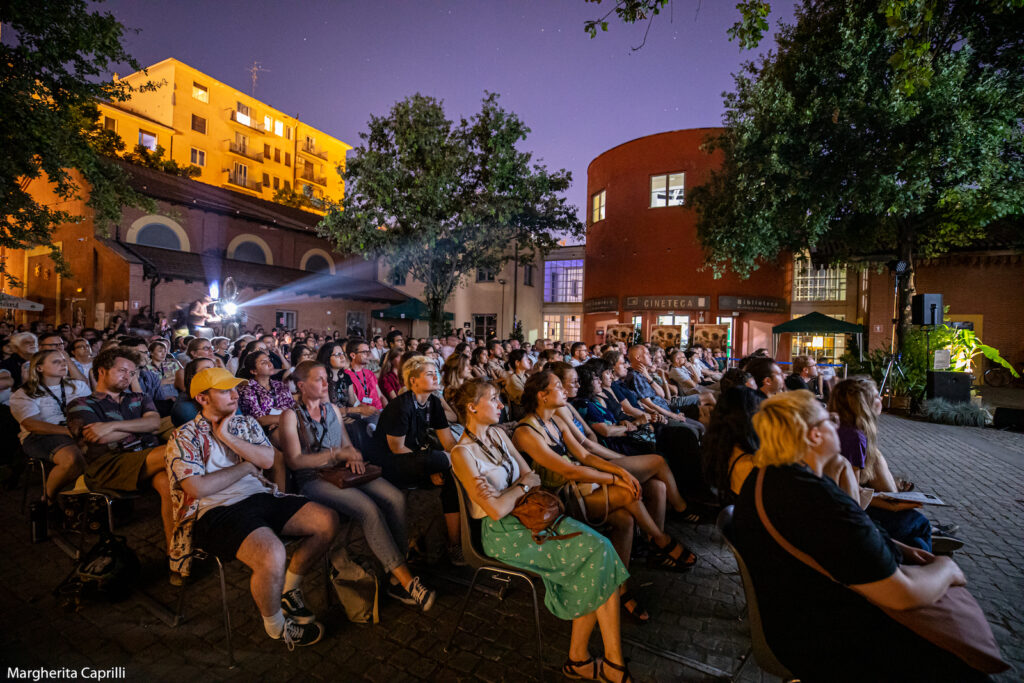
Il Cinema Ritrovato was the product of a fortuitous union between the Cineteca di Bologna and the Mostra Internazionale del Cinema Libero, a festival created in 1960 by Bruno Grieco, Giampaolo Testa, Leonida Repaci and Cesare Zavattini with the declared intent of screening films outside the traditional cinema circuits and cultural industries. This experience became part of our genetic make-up and found a natural extension in the programme devoted, over the last eleven years, to the World Cinema Project. Cinemalibero (literally Freecinema) one-word to encapsulate all of cinema’s potential to freely explore the unbeaten paths full of surprises.
The films presented this year come from the South American and African continents and span sixty years, from Prisioneros de la tierra (1939), whose restoration was finally made possible thanks to the discovery of two elements in Paris and Prague. Exposing for the first time the wretched conditions of plantation workers, Mario Soffici’s film (which Borges admired) pointed to a possible new direction for Argentinian cinema. However, it was at the end of the Sixties that the cinemas of these two continents found a common ground: protest against capitalism and colonialism underpinned by the urgent need to forcefully express their own cultural identity.
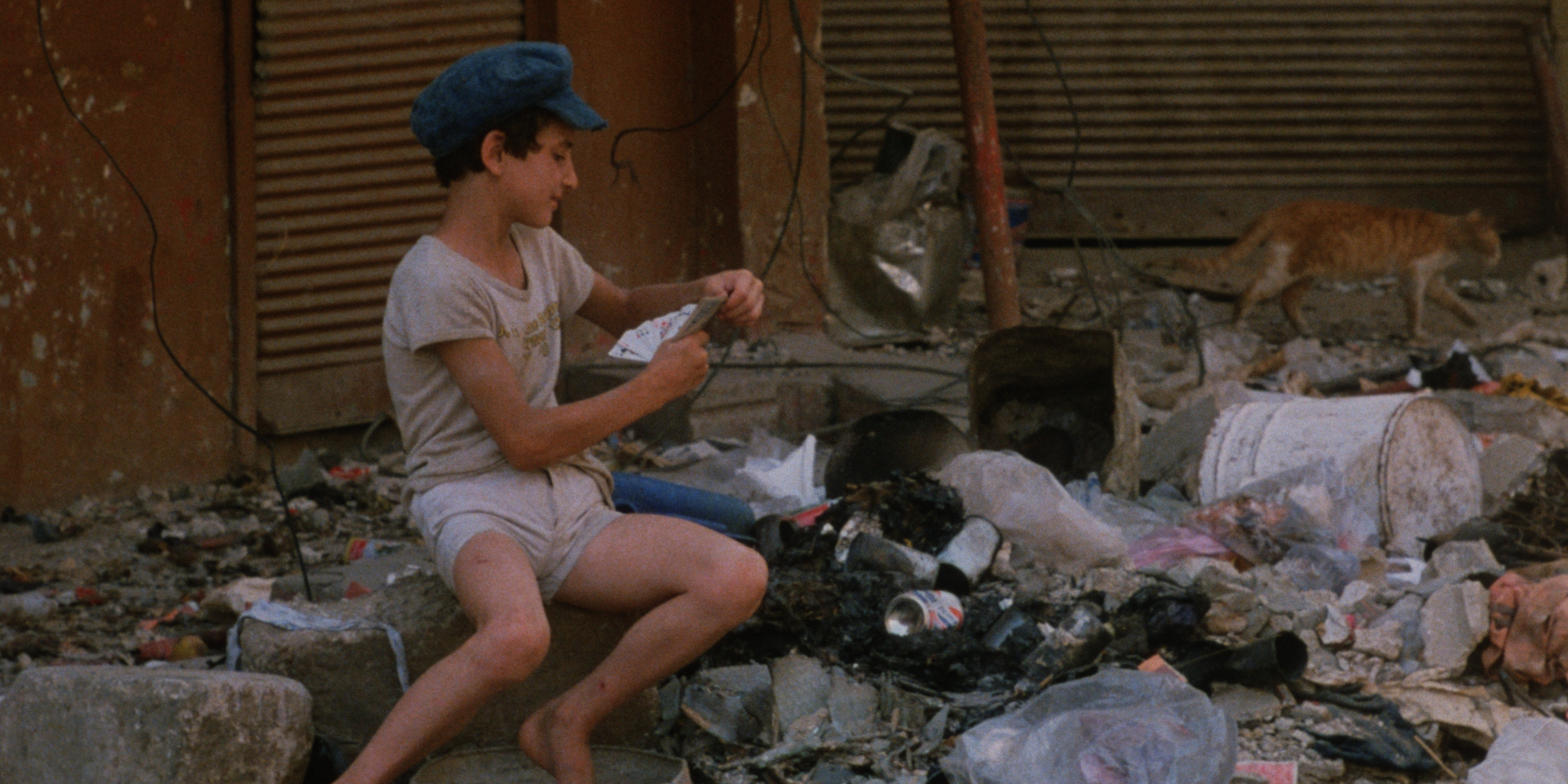
Half a century later La hora de los hornos, the guiding star of Third Cinema, appears like a miraculous testimony, still tied to its time period but also surprisingly modern in its visual impact and its narrative of the world’s South. Pixote depicts an anguished South, from which the cries of the Earth’s downtrodden rise up. Babenco regales us with a ferocious portrait of a politically conservative regime only interested in protecting itself. The child protagonist’s eyes and silent questions suggest there is no way out. The answer comes, it would seem, almost twenty years later, in Central do Brasil. In a journey in search of another Brazil and a more human dimension, Walter Salles allows Josué the possibility of a reconciliation with his own childhood, something which was denied to Pixote. In A deusa negra, the first film made by an African filmmaker in Brazil, the pioneer of Nigerian cinema Ola Balogun recounts a journey into the memory of slavery.
The face of a child also ends Chronique des années de braise, an epic portrayal of the Algerian revolution that, following a Palme d’Or in Cannes, incited a polemical discussion about big-budget militant cinema. In Fad’jal, the first female director in sub-Saharan African cinema, Safi Faye, descends into the heart of the village in which she was born, inviting us to hear the flow of life that emerges from tales told by the elderly. Finally, there is the genius of Mambety, which echoes Pasolini’s Medea: Hyènes is a merciless parable about human greed within an African society that has traded the ideals of independence for the promises offered by western materialism.
Cecilia Cenciarelli
Programme curated by Cecilia Cenciarelli
Notes by Vincent Adatte, Safi Faye, Andrés Levinson
Il Cinema Ritrovato was the product of a fortuitous union between the Cineteca di Bologna and the Mostra Internazionale del Cinema Libero, a festival created in 1960 by Bruno Grieco, Giampaolo Testa, Leonida Repaci and Cesare Zavattini with the declared intent of screening films outside the traditional cinema circuits and cultural industries. This experience became part of our genetic make-up and found a natural extension in the programme devoted, over the last eleven years, to the World Cinema Project. Cinemalibero (literally Freecinema) one-word to encapsulate all of cinema’s potential to freely explore the unbeaten paths full of surprises.
The films presented this year come from the South American and African continents and span sixty years, from Prisioneros de la tierra (1939), whose restoration was finally made possible thanks to the discovery of two elements in Paris and Prague. Exposing for the first time the wretched conditions of plantation workers, Mario Soffici’s film (which Borges admired) pointed to a possible new direction for Argentinian cinema. However, it was at the end of the Sixties that the cinemas of these two continents found a common ground: protest against capitalism and colonialism underpinned by the urgent need to forcefully express their own cultural identity.
Half a century later La hora de los hornos, the guiding star of Third Cinema, appears like a miraculous testimony, still tied to its time period but also surprisingly modern in its visual impact and its narrative of the world’s South. Pixote depicts an anguished South, from which the cries of the Earth’s downtrodden rise up. Babenco regales us with a ferocious portrait of a politically conservative regime only interested in protecting itself. The child protagonist’s eyes and silent questions suggest there is no way out. The answer comes, it would seem, almost twenty years later, in Central do Brasil. In a journey in search of another Brazil and a more human dimension, Walter Salles allows Josué the possibility of a reconciliation with his own childhood, something which was denied to Pixote. In A deusa negra, the first film made by an African filmmaker in Brazil, the pioneer of Nigerian cinema Ola Balogun recounts a journey into the memory of slavery.
The face of a child also ends Chronique des années de braise, an epic portrayal of the Algerian revolution that, following a Palme d’Or in Cannes, incited a polemical discussion about big-budget militant cinema. In Fad’jal, the first female director in sub-Saharan African cinema, Safi Faye, descends into the heart of the village in which she was born, inviting us to hear the flow of life that emerges from tales told by the elderly. Finally, there is the genius of Mambety, which echoes Pasolini’s Medea: Hyènes is a merciless parable about human greed within an African society that has traded the ideals of independence for the promises offered by western materialism.
Cecilia Cenciarelli
The first edition of the Mostra Internazionale del Cinema Libero at Porretta Terme took place in July of 1960. Bruno Grieco, together with Gian Paolo Testa, convinced two significant intellectuals, Cesare Zavattini and Leonida Repaci, to create a different kind of film festival, an alternative to Venice. The best of innovative and independent cinema would find its home in Porretta. In the mid 1980s the festival moved to Bologna and here, in collaboration with the Cineteca, it gave life to Il Cinema Ritrovato. As we approach the thirtieth anniversary of our festival we wanted to draw once again upon the fountain of our origins with this section, Cinemalibero, a title also given to a new book series published by Edizioni Cineteca di Bologna. Why Cinemalibero today? One would think we can see everything, given the multiplicity of normal and virtual outlets, but the reality is otherwise. Films tend to be more and more similar to each other; cultural differences fade; the public swarms around very few hits, bombarded by powerful media blitzes. Those filmmakers who stay outside the margins of the mainstream market find it increasingly difficult to express their ideas. Deliberations about film, all but disappeared from the daily press, are locked within the walls of universities. The word ‘experimental’ has been banished from the world of film as if it were useless, or an embarrassment. Therefore, in this muddled 2013, we wanted to dedicate a section of Cinema Ritrovato to films that have attempted to excavate new ground, often never seeing the light of day or soon forgotten, films that remain true to their spirit of innovation and discovery. Each of these works has a special story. At Cannes, Maynila, a great film awash in love for cinema, with a devastating power reminiscent of early Fassbinder, Pierre Rissient pointed out that of the sixty films shot by Lino Brocka no more than four negatives remain. Tell Me Lies, made in London in 1968 by Peter Brook, hasn’t been seen in forty years: a sizzling mix of language and genre that reveals the mechanisms in which war, with its endless horror and death, seeps into our daily lives through mass communication. In 1955 Agnès Varda laid the groundwork for a new form of cinema in both style and content: La Pointe courte in fact would never find official distribution, and Henri Langlois would be one of very few to screen it. The anti-colonialism of Afrique 50 by René Vautier landed its director in military prison, and its negative was destroyed. With Avoir vingt ans dans les Aurès Vautier would make a film that is both lyrical and seditious, censored for being the first French film to show the hidden side of the war in Algeria. Lettre à la prison (1969) by Jewish/Italian/Tunisian/French Marc Scialom is a disturbing document about the eradication of North Africans in France, employing a poetic language akin to a mix of Pasolini and the surrealists. In 1968 Jackie Raynal and the Zanzibar Group opted for experimental radicalism over specifically political radicalism… Barham Bayzaei succeeded in bringing a copy of his film Ragbar to the USA (the negative had been confiscated and destroyed by the Iranian government) and the World Cinema Foundation managed to restore it, as it also brought the first work by Ousmane Sembène, Borom Sarret, back to life, a film that is stunning for its simplicity while looking at profound ethical issues. We chose the two legs sticking out of the cart in Borom Sarret as the symbol of this section, dedicated to filmmakers who are ready to embark on an arduous journey and audiences prepared to cross through deserts to find fresh, flowing springs.
(Gian Luca Farinelli)
Programme curated by Gian Luca Farinelli