29th EDITION
29th EDITION
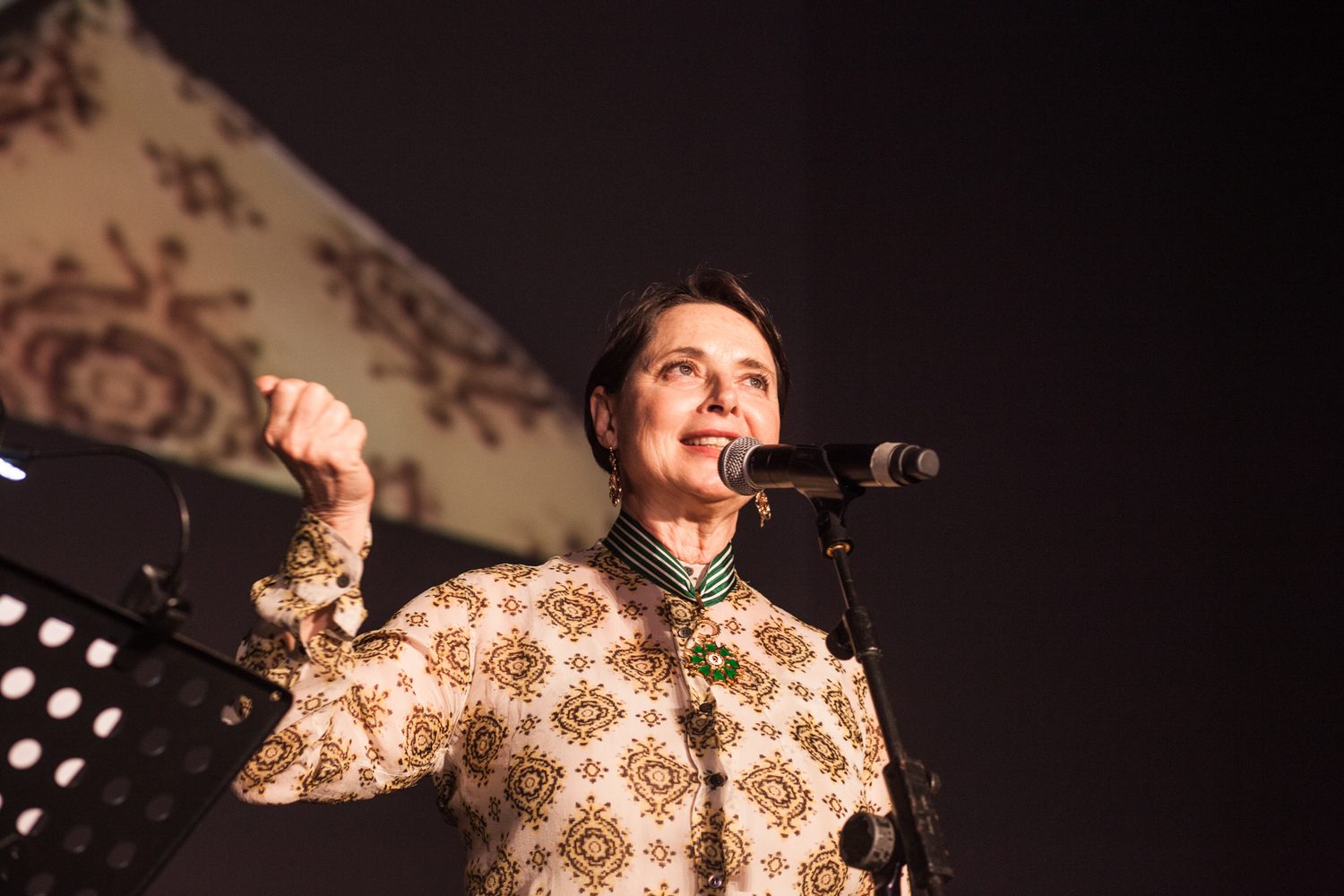
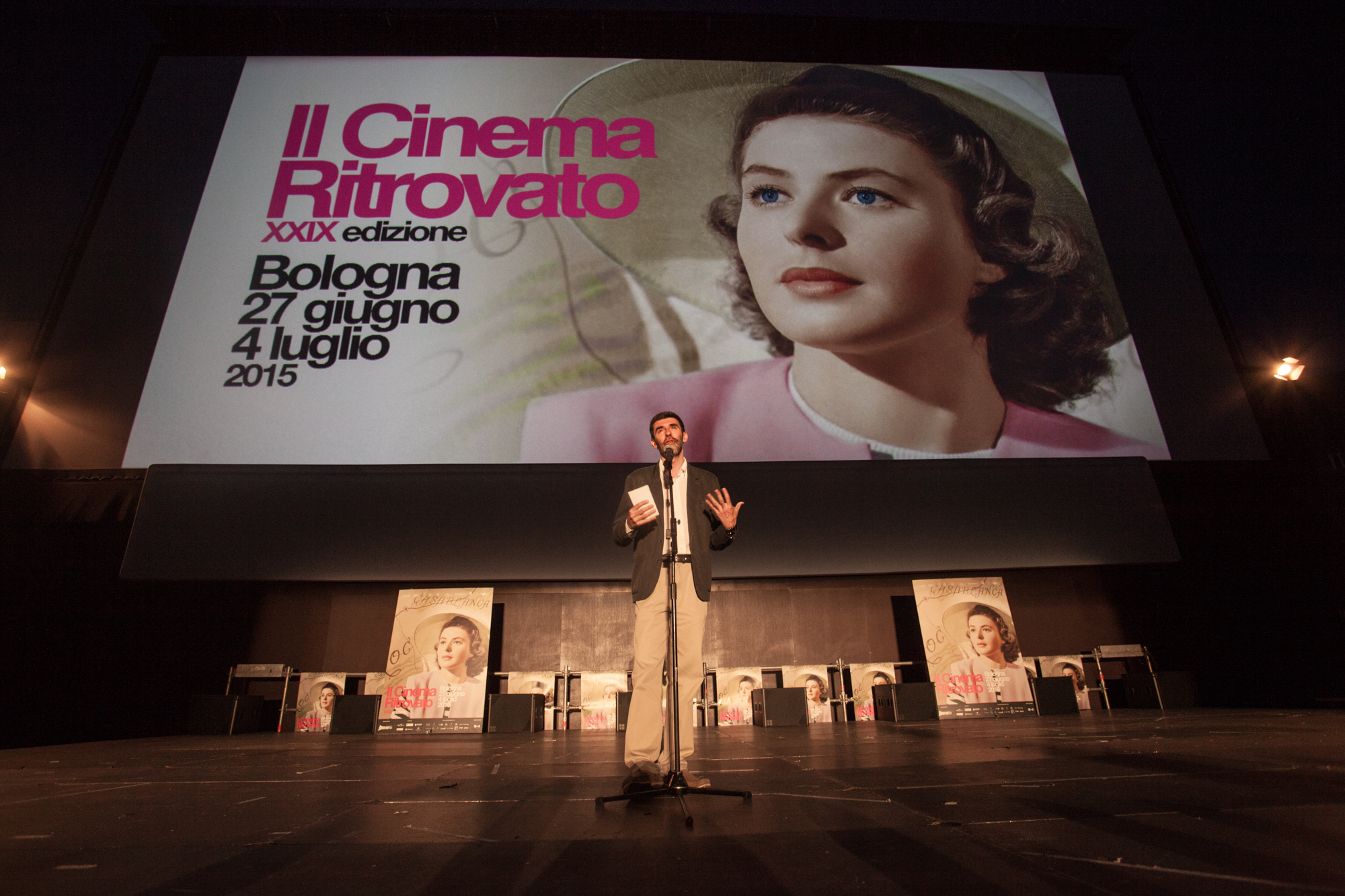
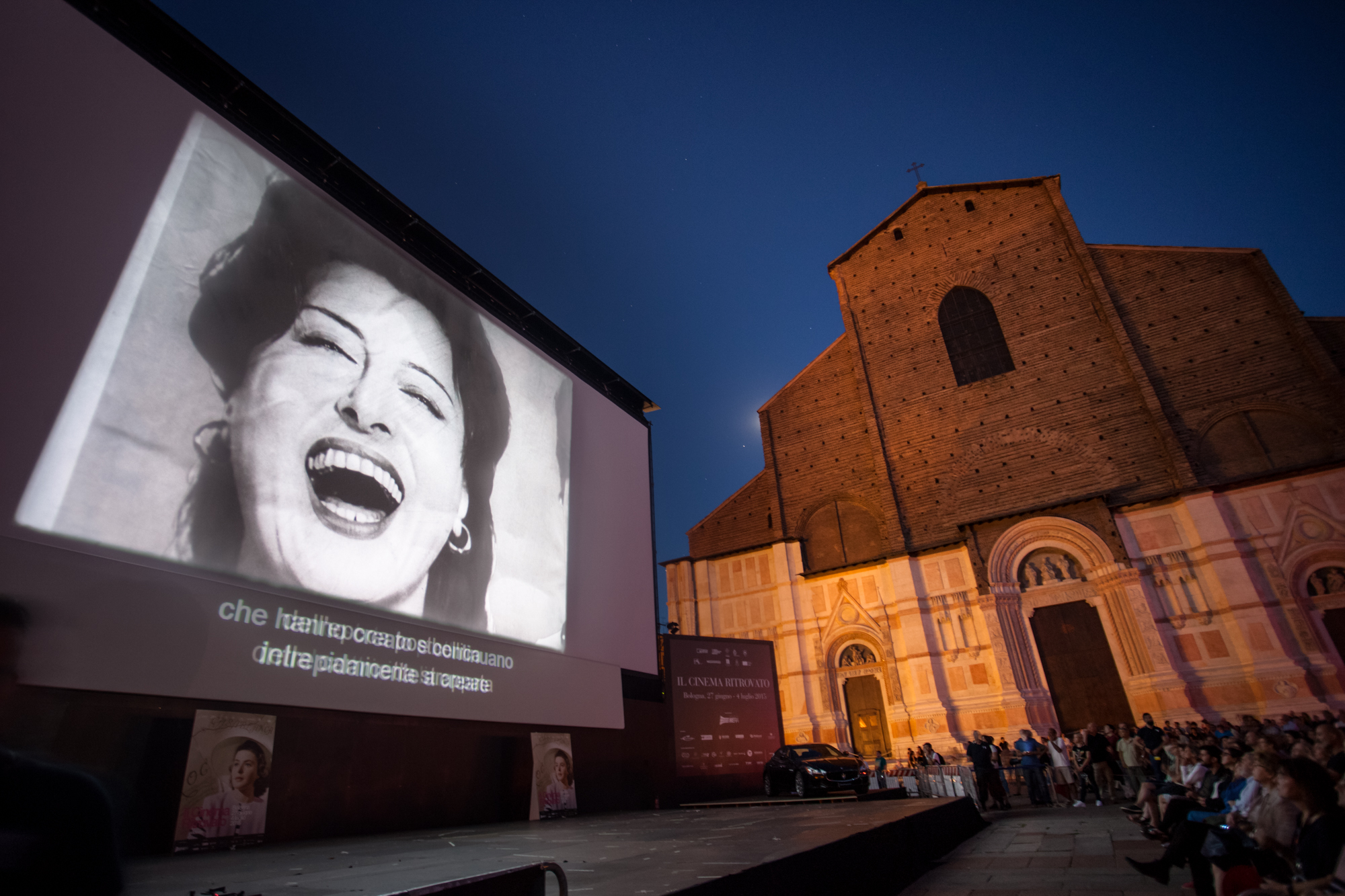
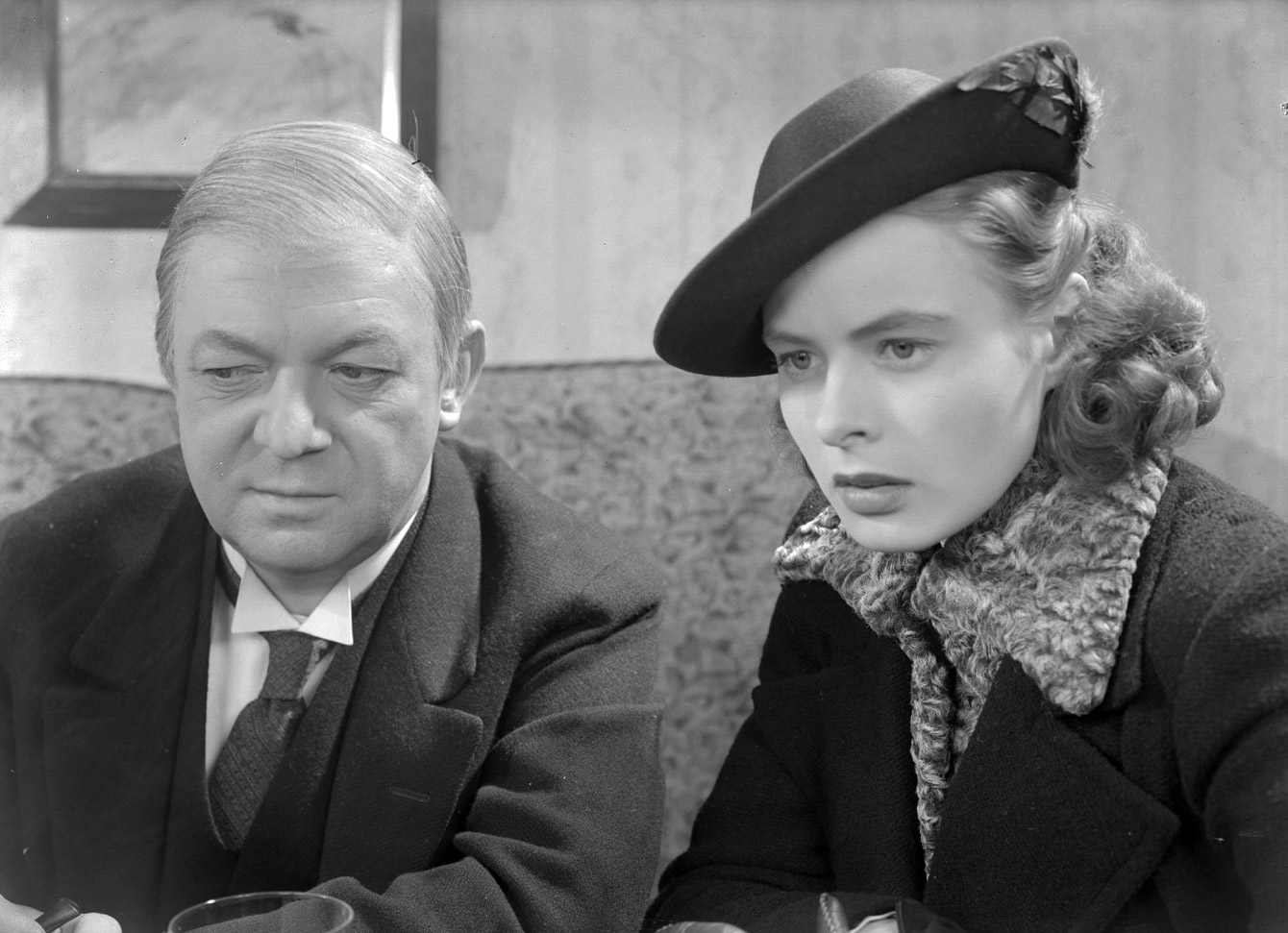
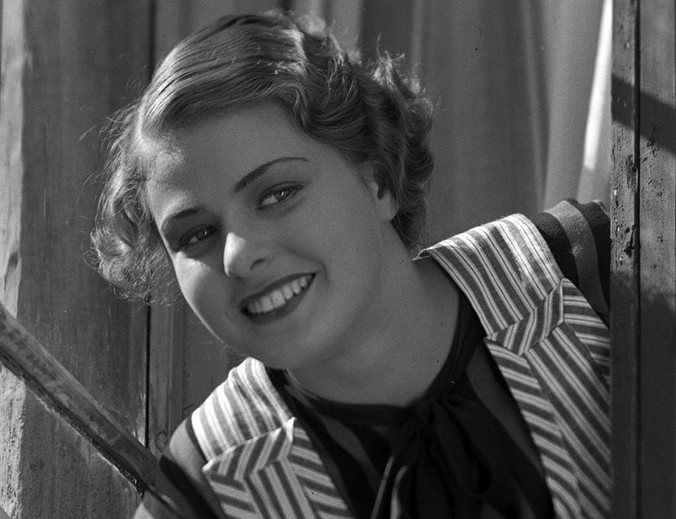
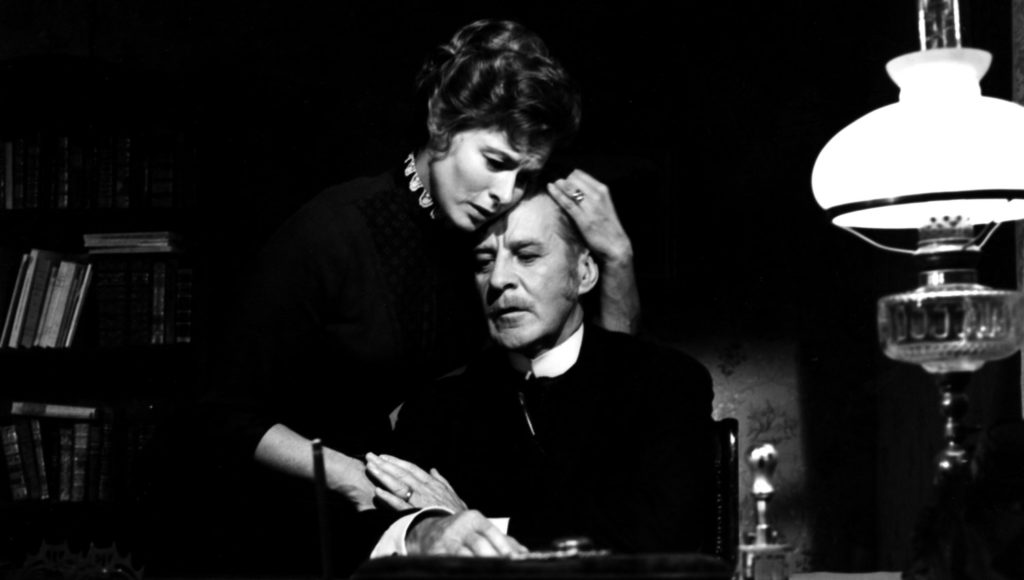
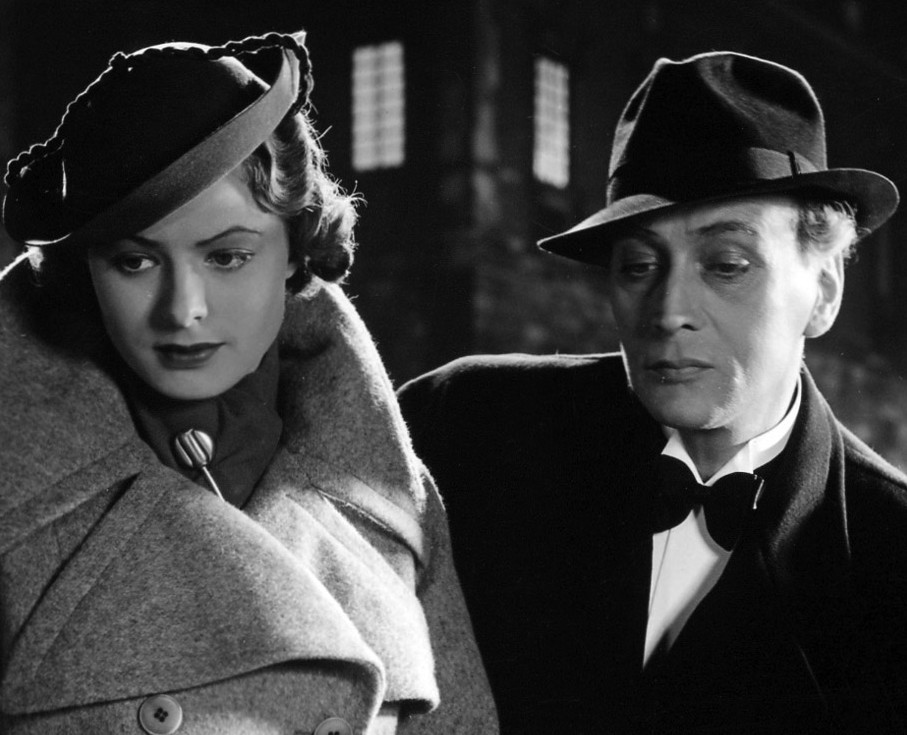
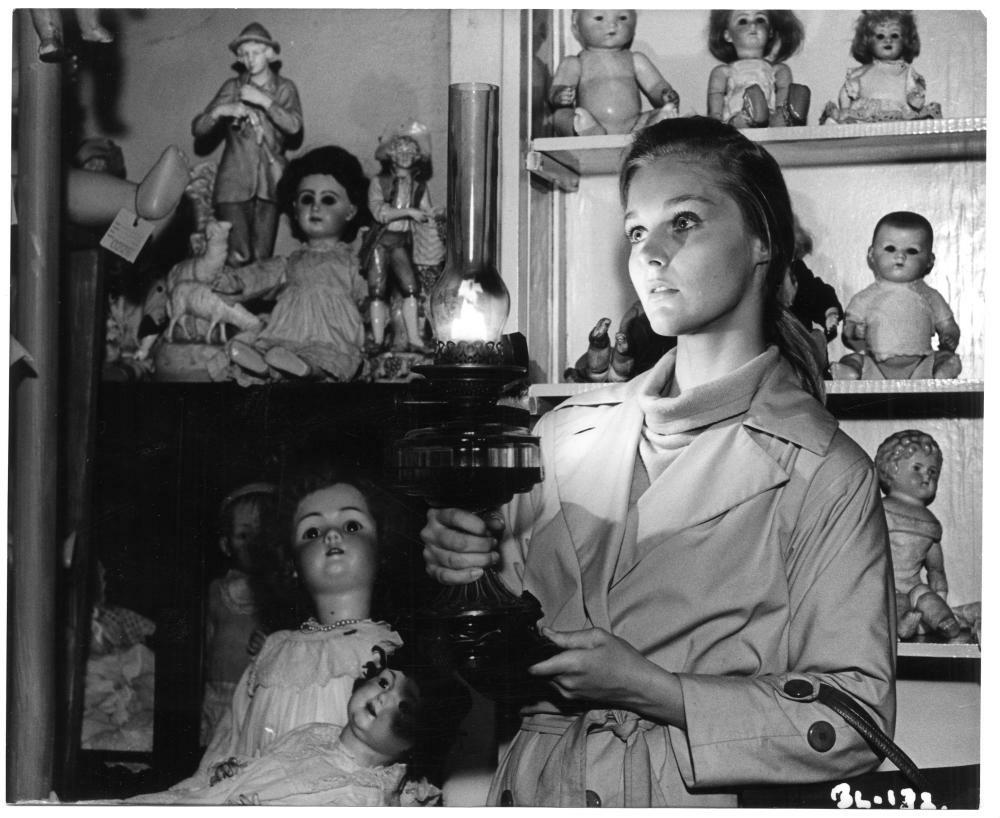
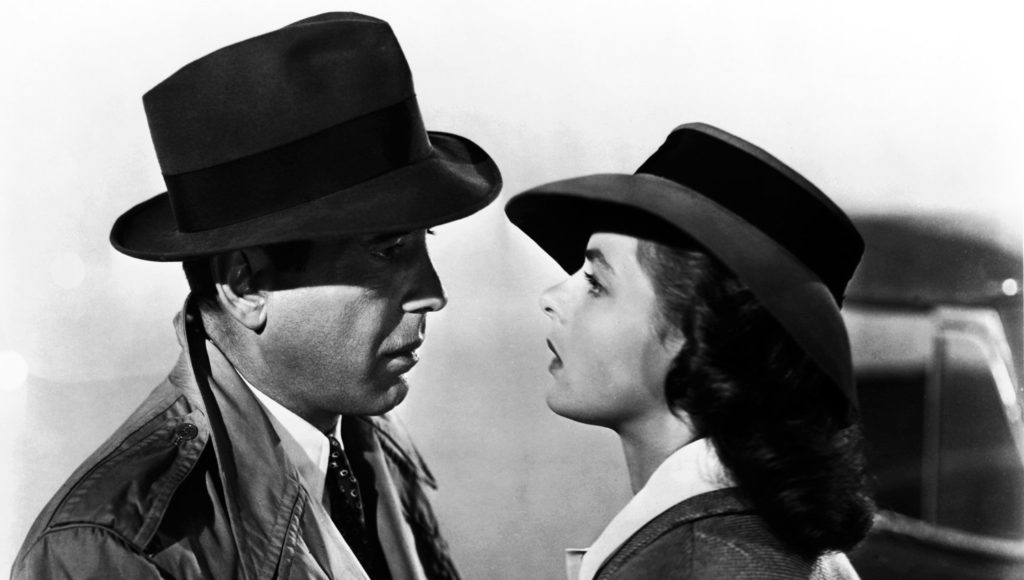
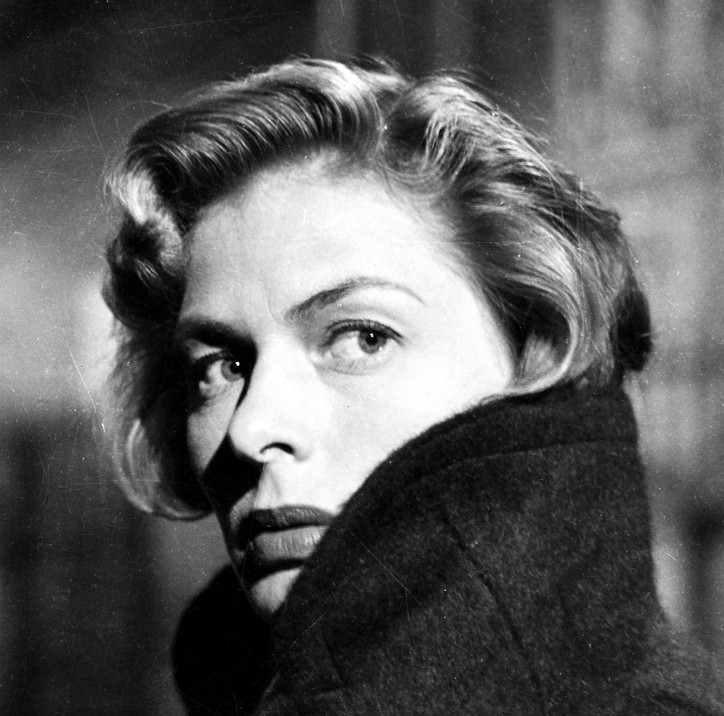
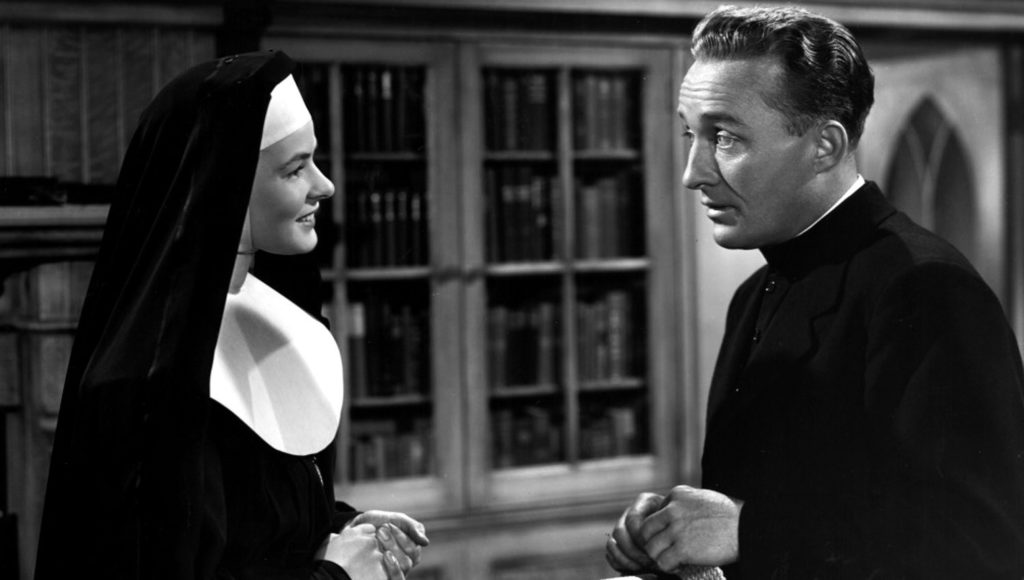
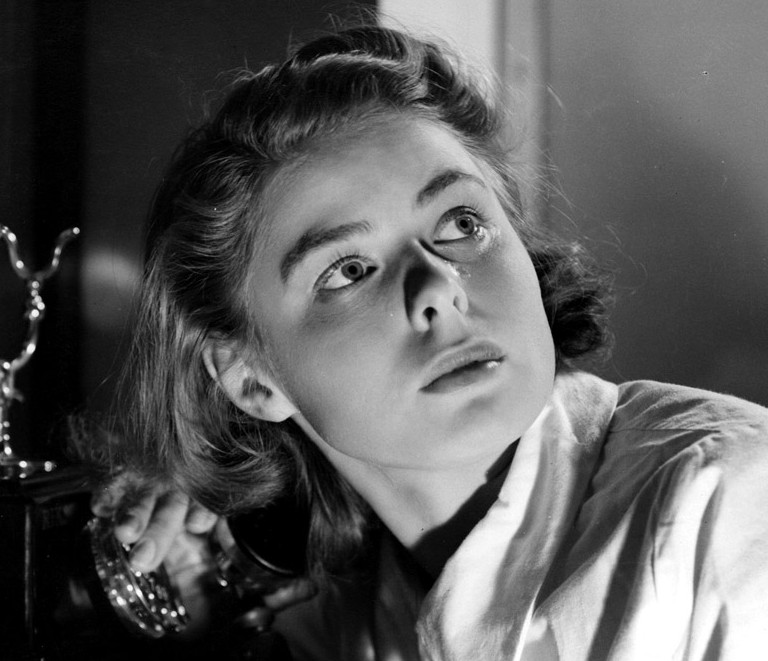
This oxymoron best describes our program. Who has not seen Ingrid Bergman’s films? But who has seen her pre-Hollywood beginnings? We will also see the marvellous Ingrid in Casablanca, the movie that made her a legend, Europa ’51, perhaps the finest of the films in which she was directed by her husband Roberto Rossellini, and Stig Björkman’s extraordinary documentary Jag är Ingrid (Ingrid Bergman: In Her Own Words), which is proof that today we can make a film as thrilling as an adventure movie working basically with archive materials: Ingrid was filmed as a child by her father, and for her whole life she used amateur movie cameras to capture the things and people she encountered. Isabella Rossellini honors us with her presence, and the event with her promises to be one of the most exciting moments of the festival.
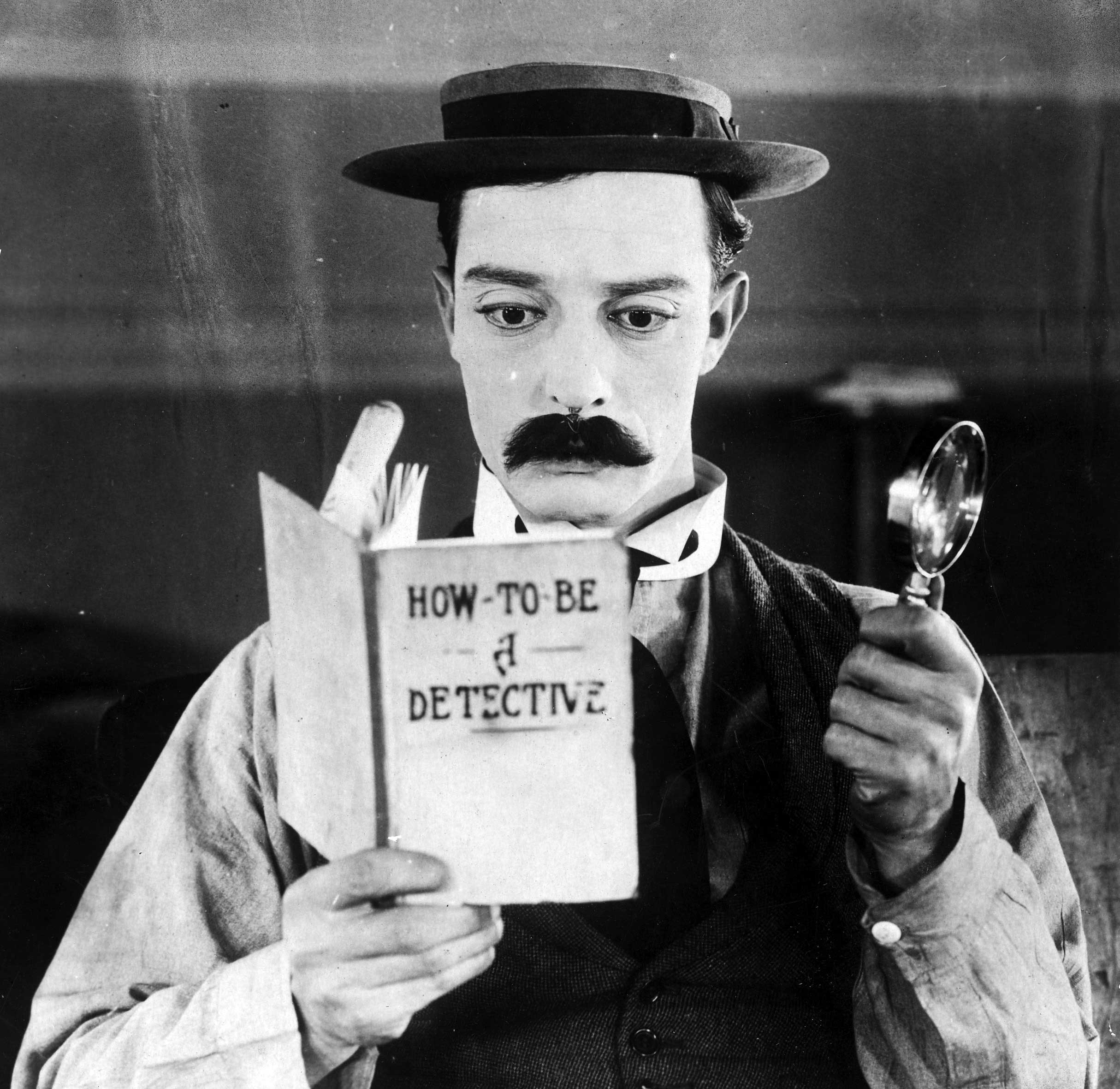
The Keaton Project
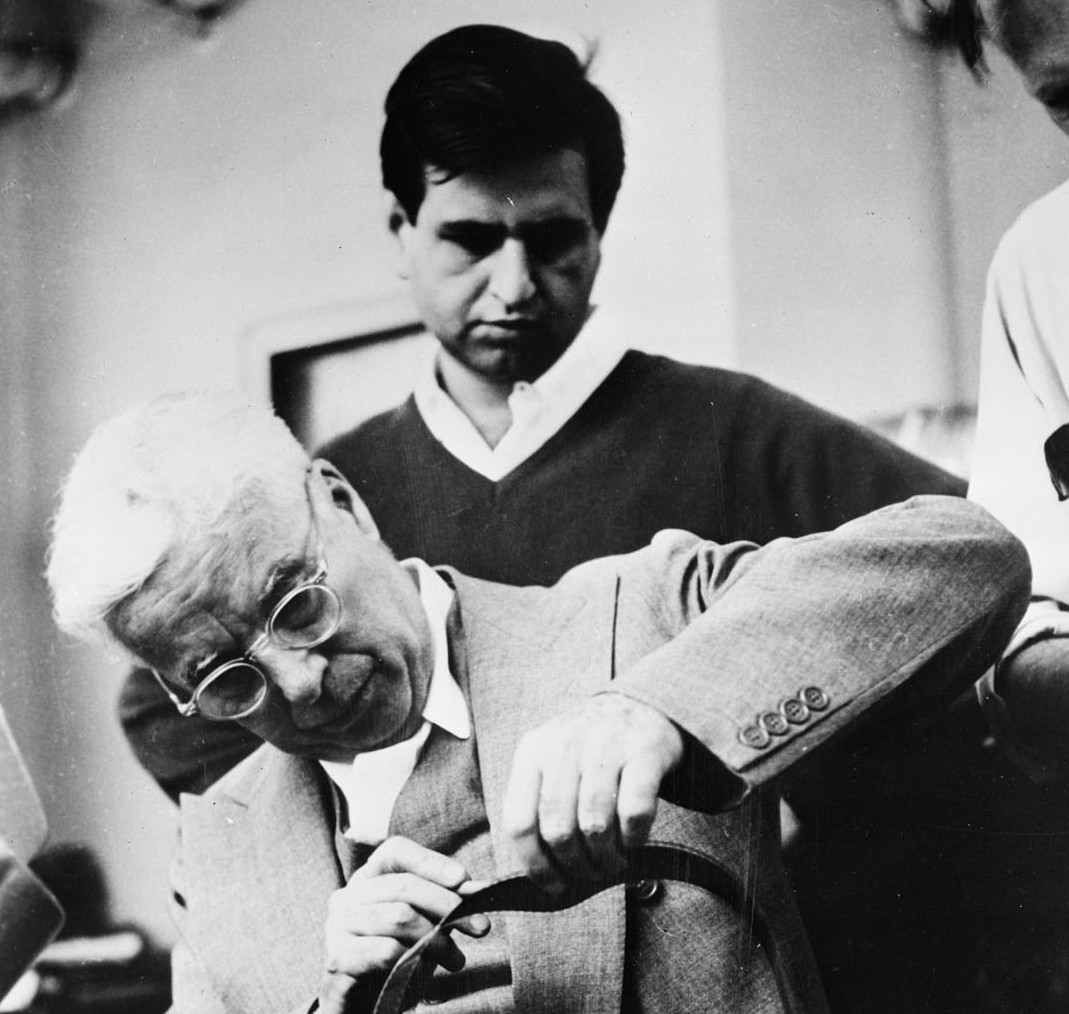
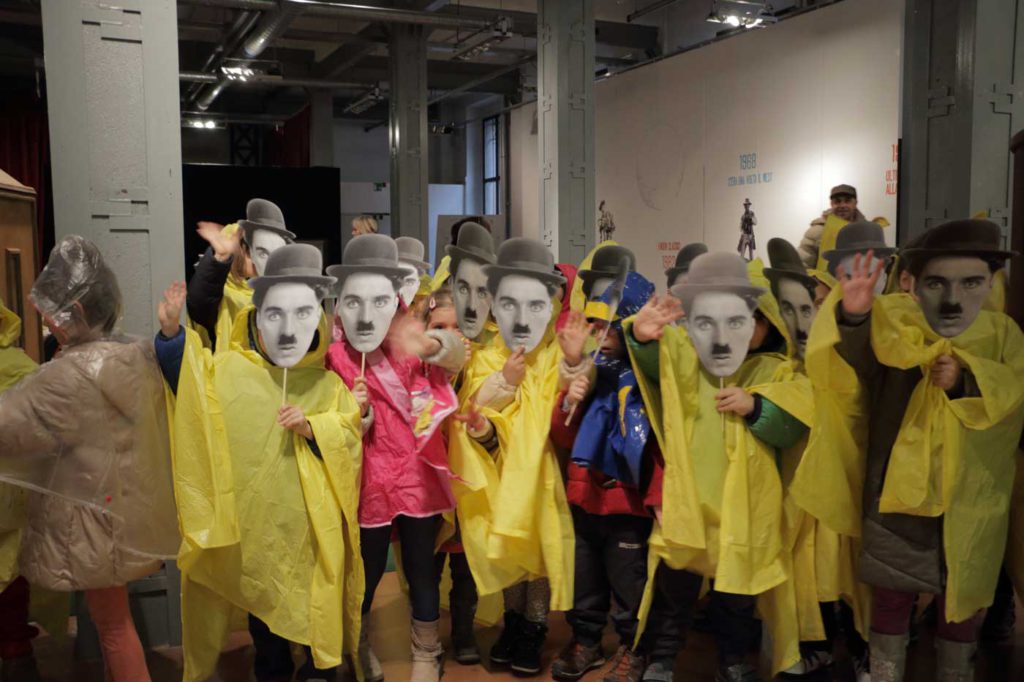
The Chaplin Project
120 Gaumont
Ingrid Bergman. The Early Years
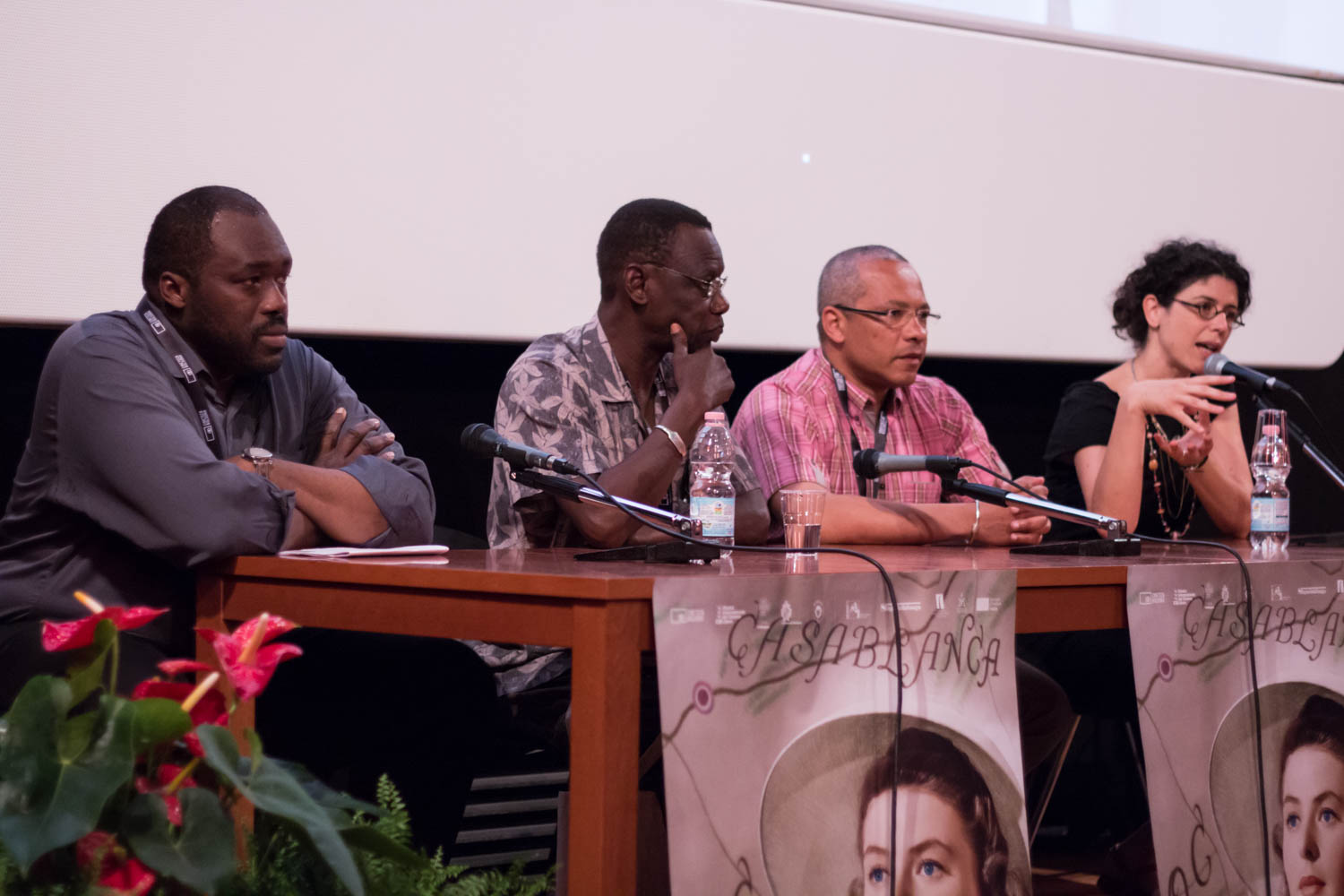
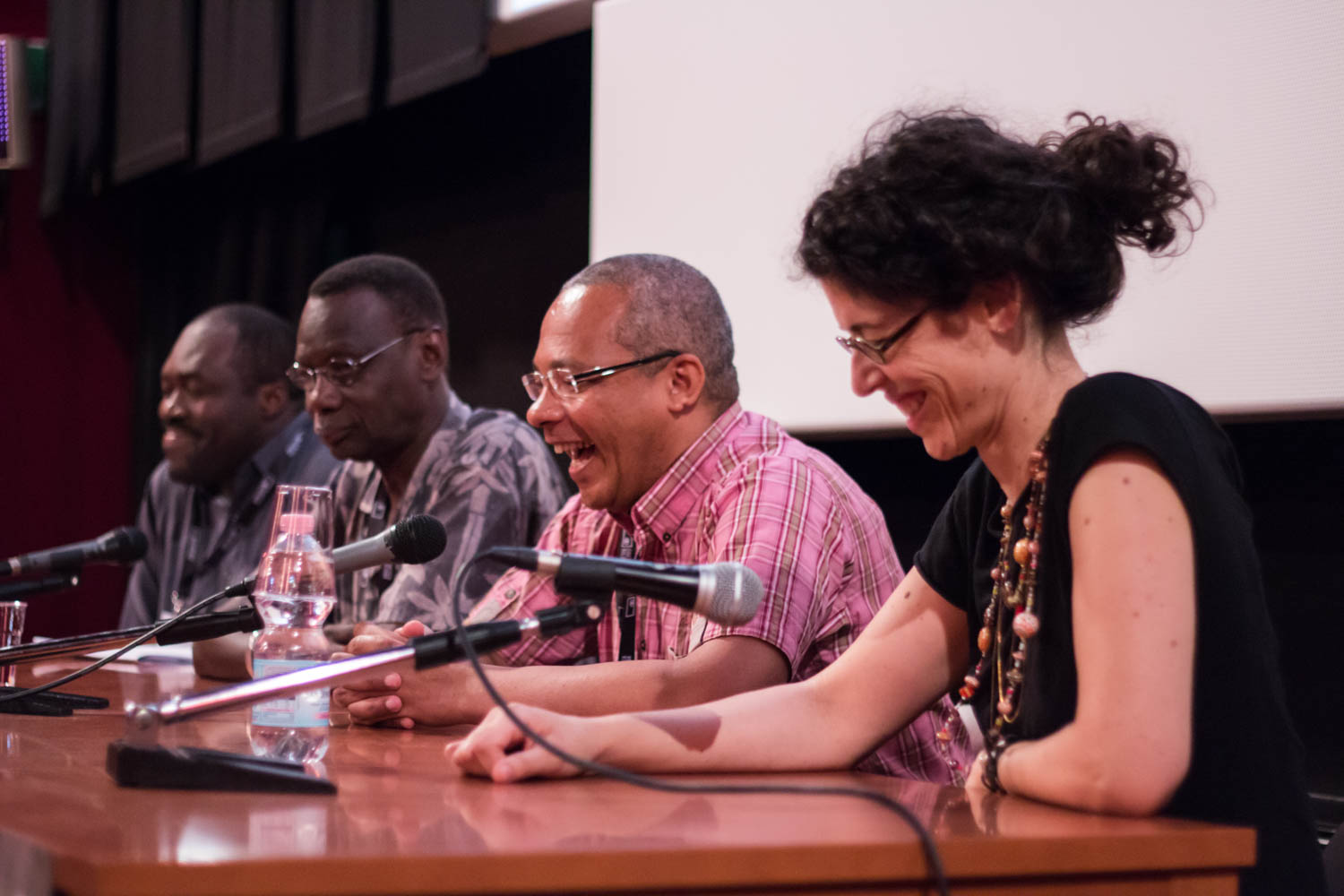
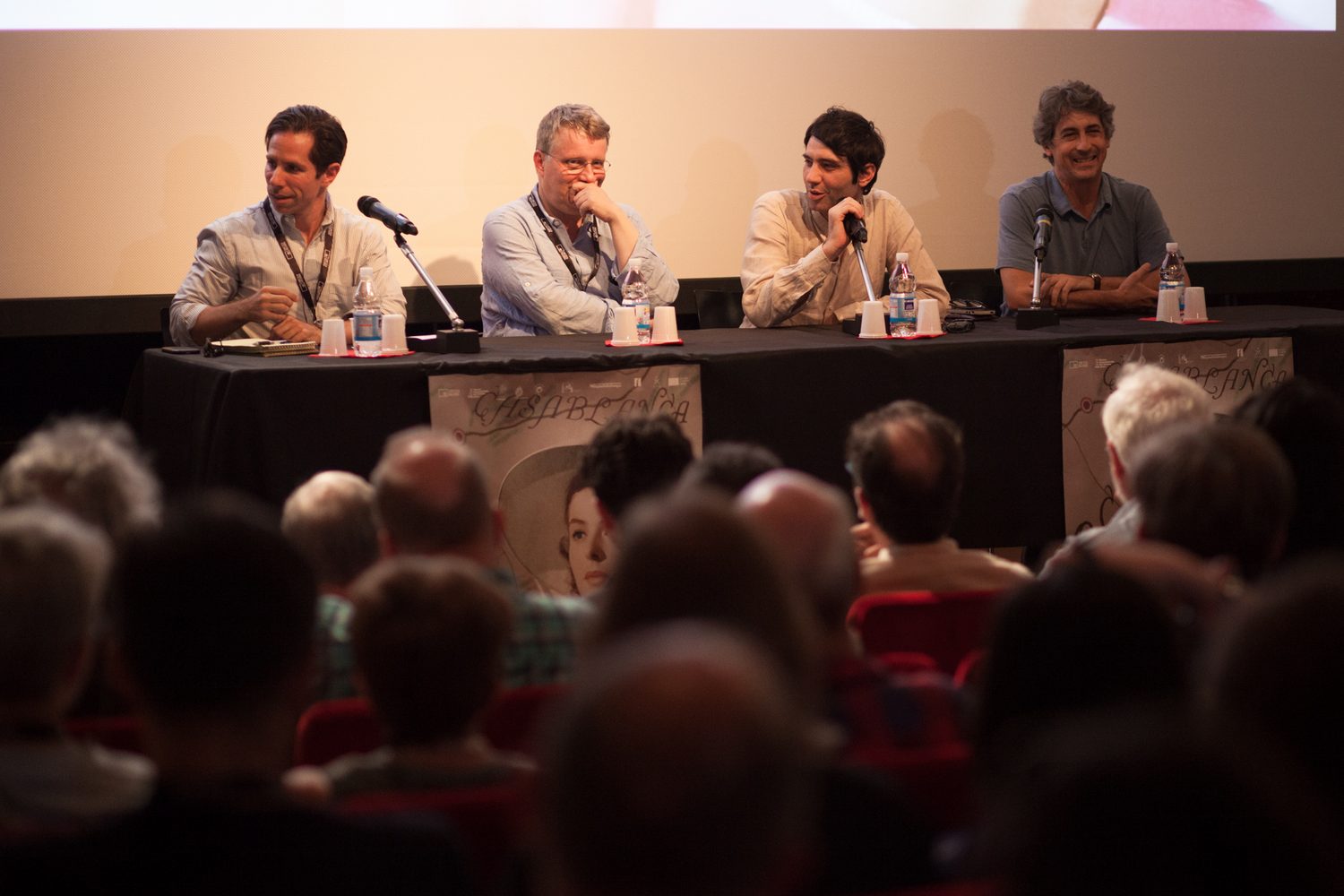
Alexander Payne, Suzanne Lloyd, Pietro Marcello, Jonathan Nossiter, Alina Marazzi, Caterina D’Amico, Stig Bjorkman, Alain Sambene, Fiorella Amico, Paolo Benvenuti, Anna von Bagh
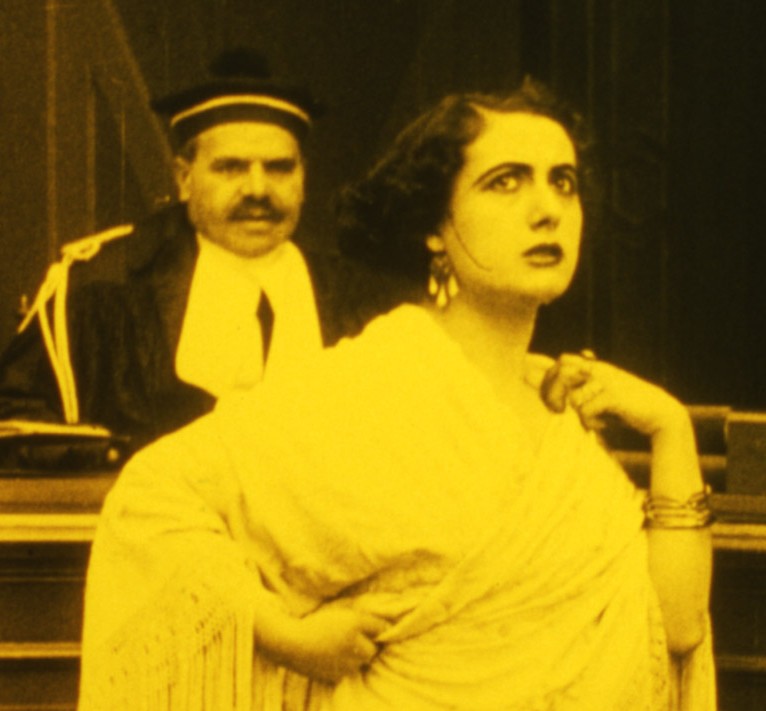
Assunta Spina – un film di Gustavo Serena e Francesca Bertini
DVD con Booklet
Walerian Borowczyk (Arrow Films)
Les blank: always for pleasure (Criterion)
Les hautes solitudes (Re:Voir); Blaznova Kronika/ A Jester’s tale (Second Run)
Project Shirley Clarke (Milestone)
La Maison du Mystére (Flicker Alley, LLC and Blackhawk Films Collection)
The Cinephiles’ Heaven
The Cinephiles’ Heaven
The Cinephiles’ Heaven
The Cinephiles’ Heaven
The Cinephiles’ Heaven
The Cinephiles’ Heaven
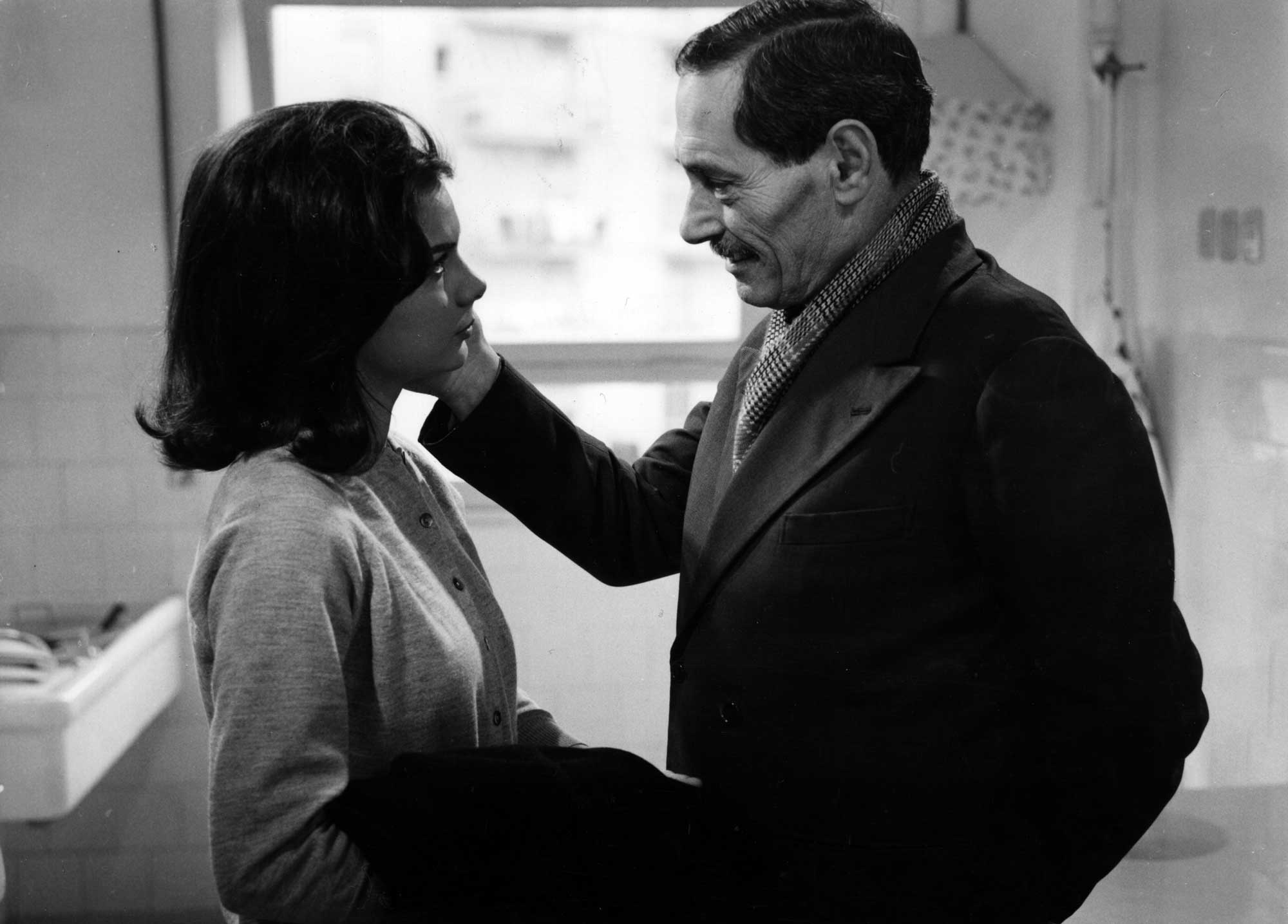
The Cinephiles’ Heaven
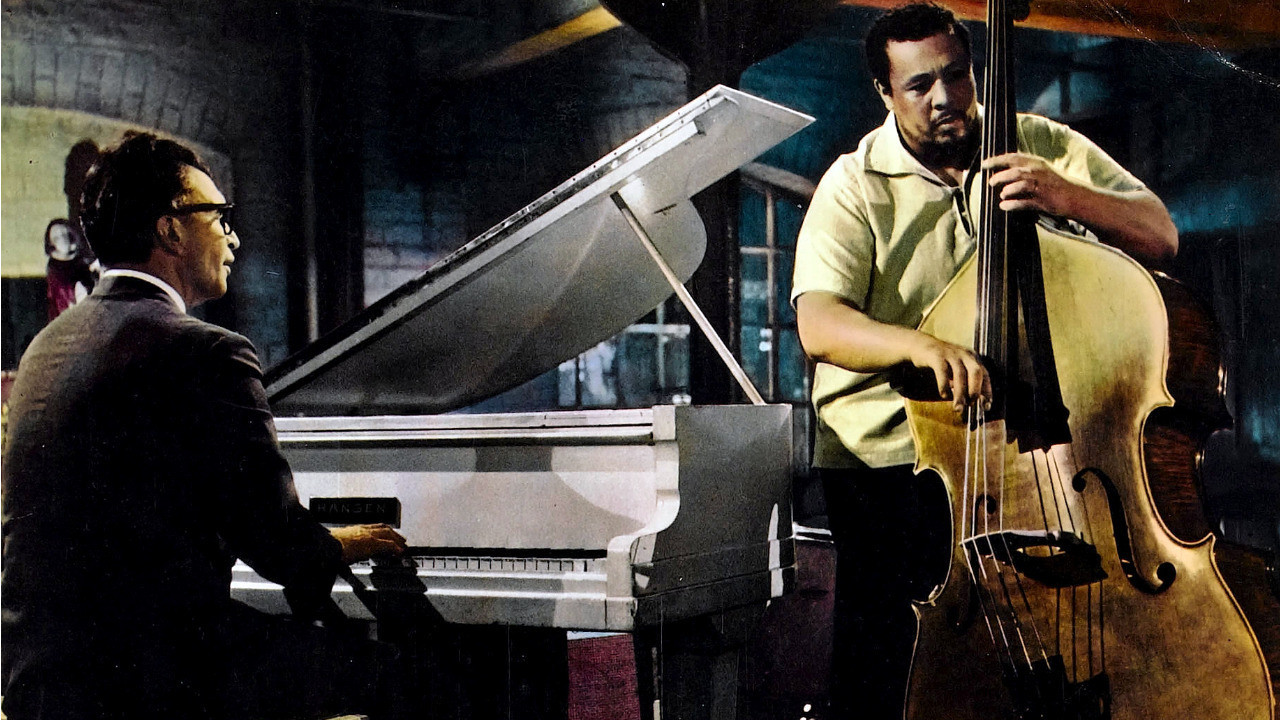
The Cinephiles’ Heaven
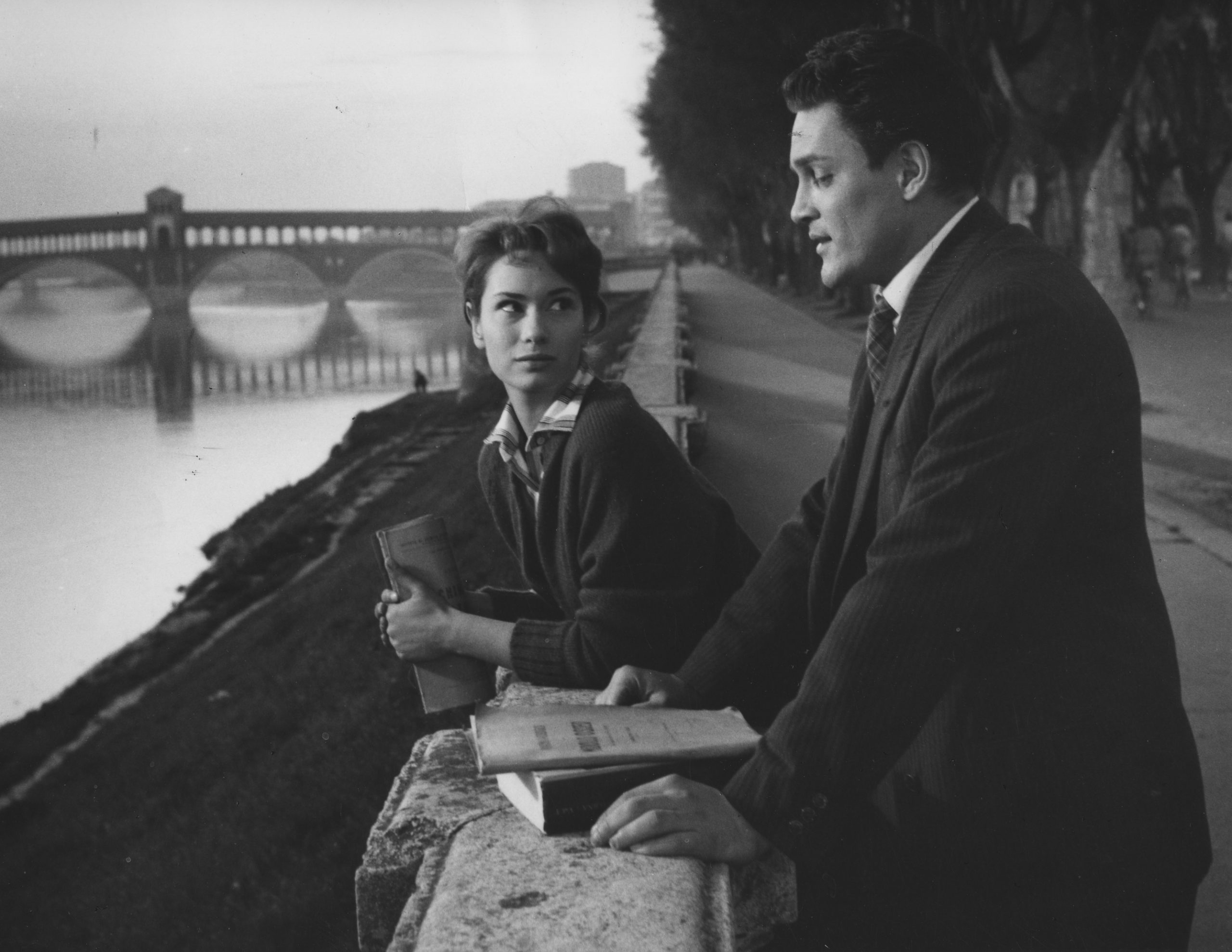
The Cinephiles’ Heaven
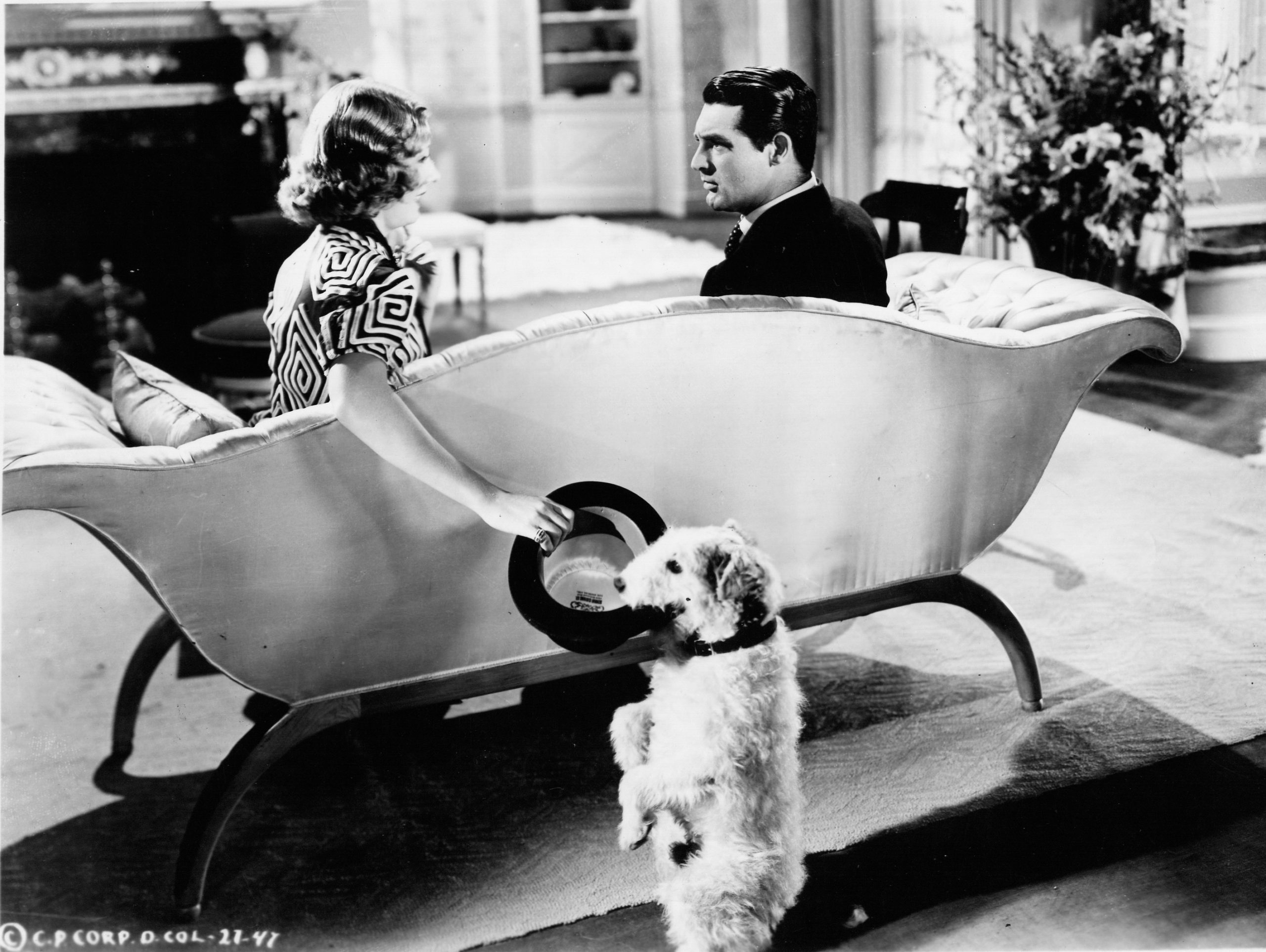
The Cinephiles’ Heaven
The Cinephiles’ Heaven
The Cinephiles’ Heaven
The Cinephiles’ Heaven
The Cinephiles’ Heaven
tuesday 23 june
Salaborsa (piazza coperta)
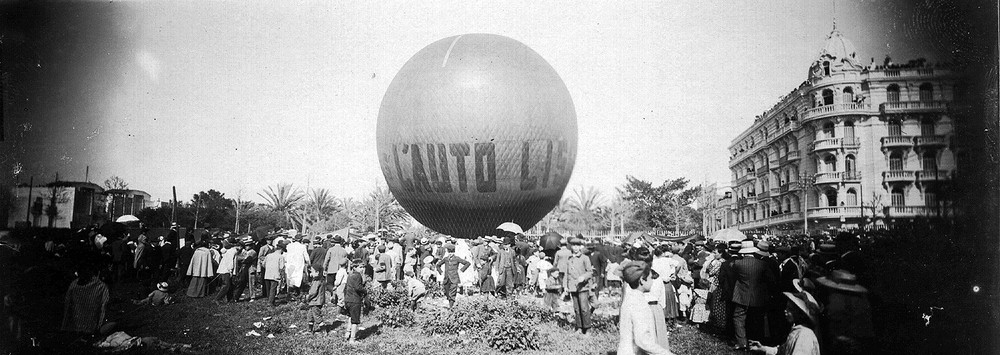
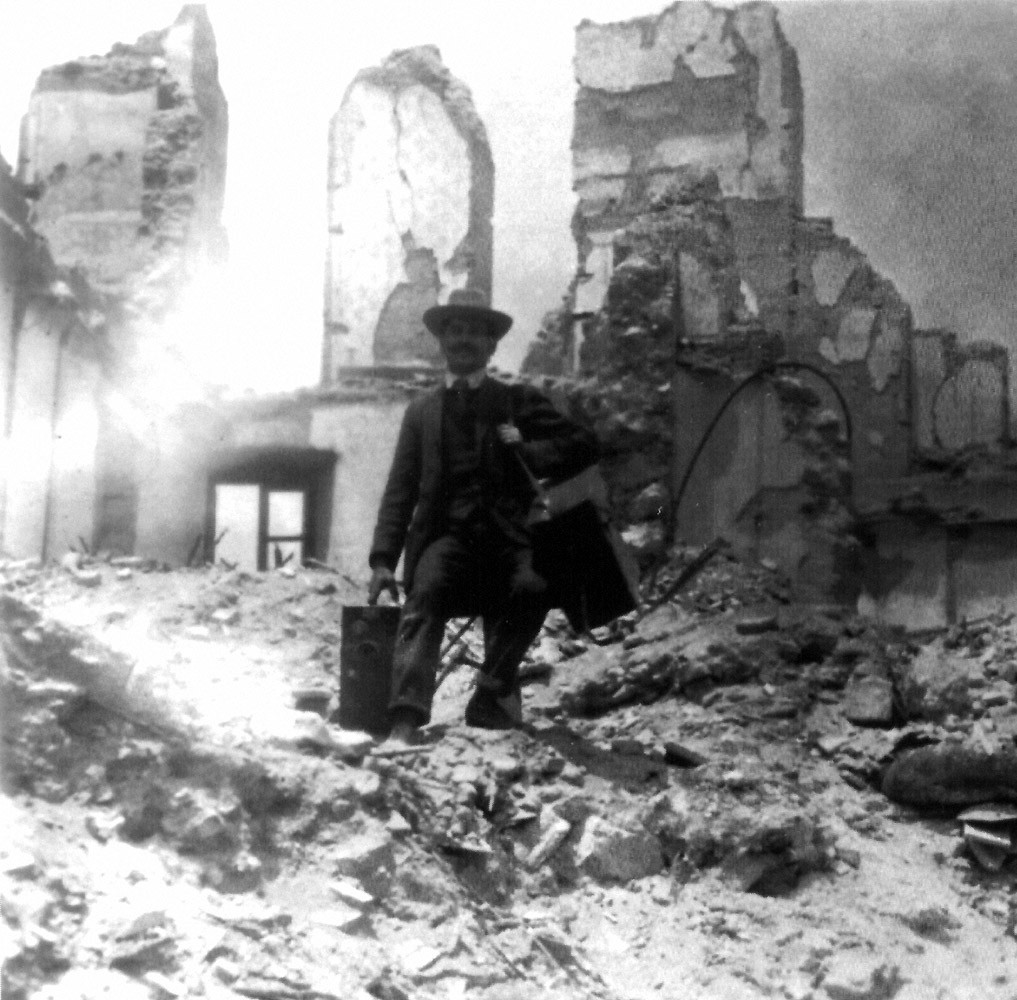
Section: Albert Samama Chikly, Prince of the Pioneers
Palazzo D’Accursio (Sala d’Ercole)
friday 26 june
Biblioteca Renzo Renzi
Biblioteca Renzo Renzi
Sala Cervi
Section: Cinema Ritrovato Kids
Sala Cervi
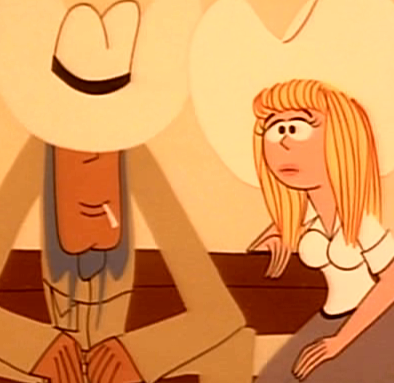
West and Soda (Italia/1965) R.: Bruno Bozzetto. D.: 90’
Section: Cinema Ritrovato Kids
Sala Cervi
Section: Cinema Ritrovato Kids
Piazza Maggiore
Introduced by
Nicolas Seydoux (Presidente Gaumont)
(In case of rain, the screening will be moved to the Cinema Arlecchino)
Section: 120 Gaumont
Piazzetta Pier Paolo Pasolini
Projection with carbon lamp and musical accompaniment. STELLA DALLAS
Section: Recovered & Restored
saturday 27 june
Arlecchino Cinema
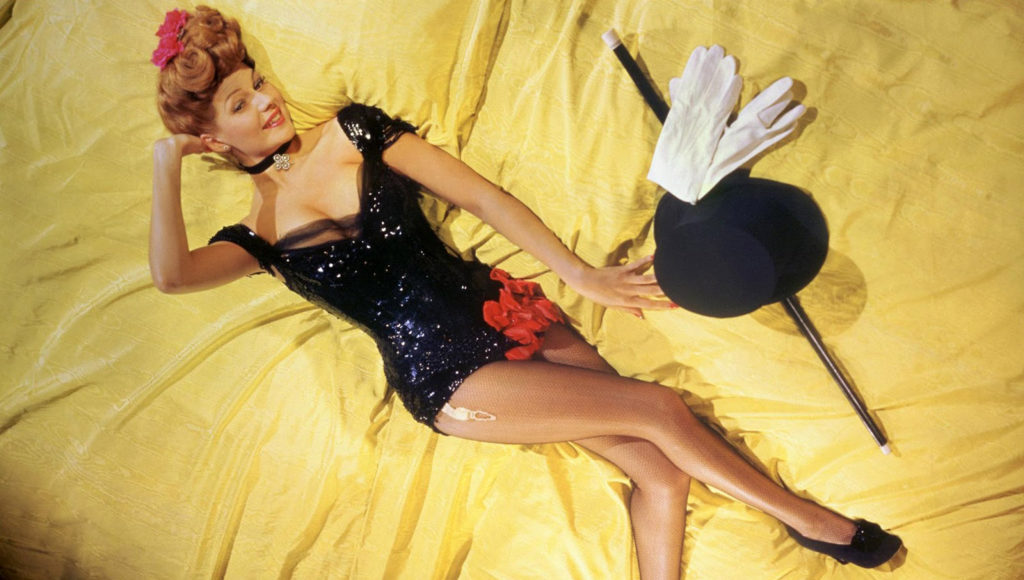
Section: TECHNICOLOR & CO.
Jolly Cinema
Introduced by
Steve Massa and Dave Kehr
Section: Seriously Funny. The Films of Leo McCarey
Cinema Lumiere – Sala Officinema/Mastroianni
Section: 120 Gaumont - One hundred years ago: 1926
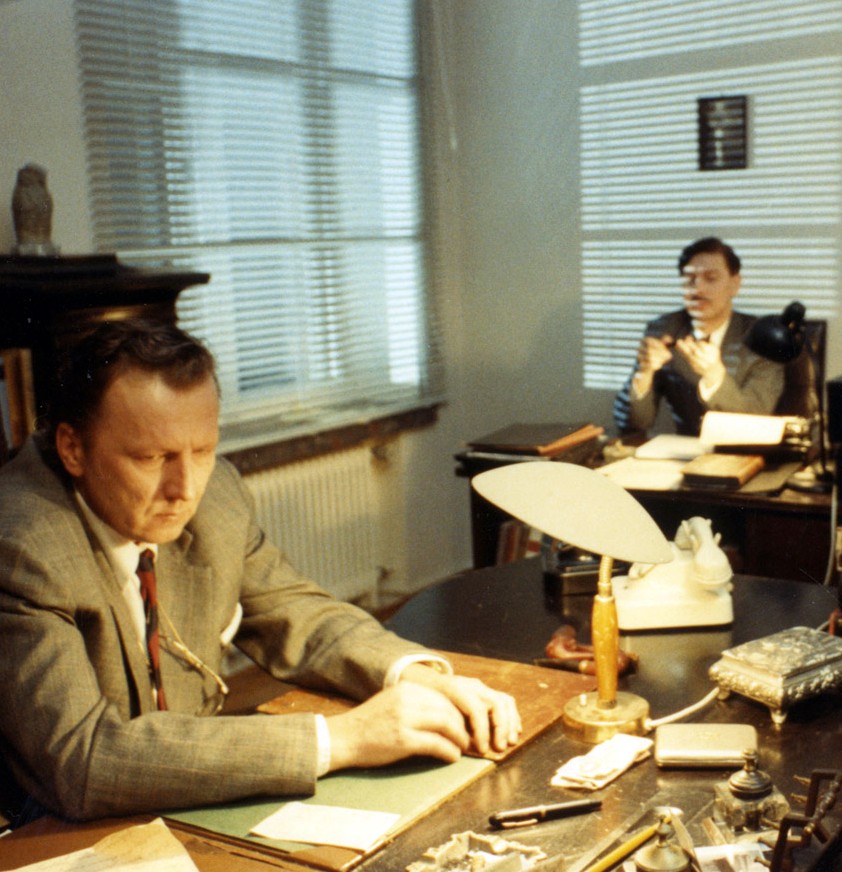
Cinema Lumiere – Sala Scorsese
Section: Peter Forever, Homage to Peter von Bagh
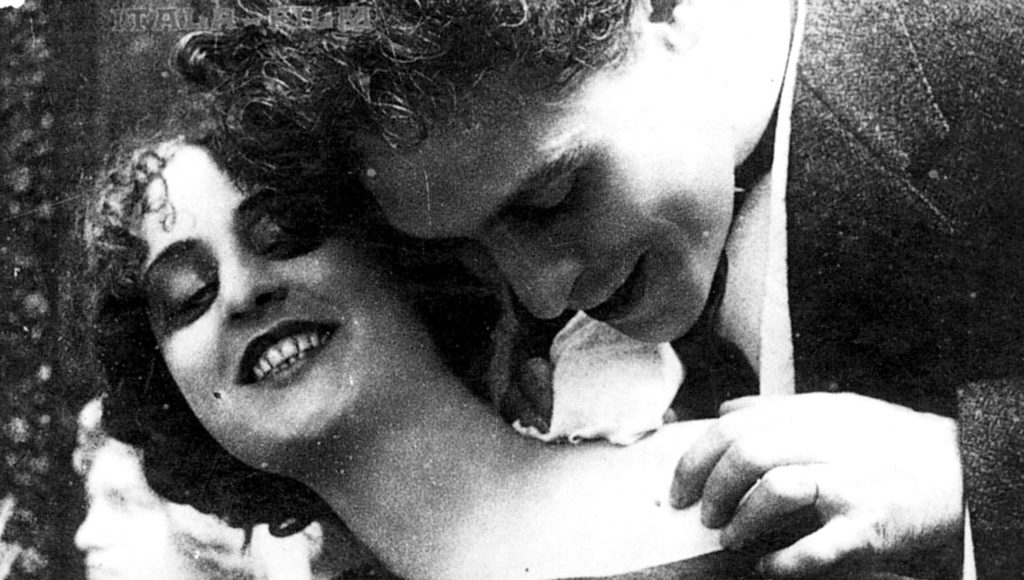
Cinema Lumiere – Sala Officinema/Mastroianni
Section: One hundred years ago: 1926
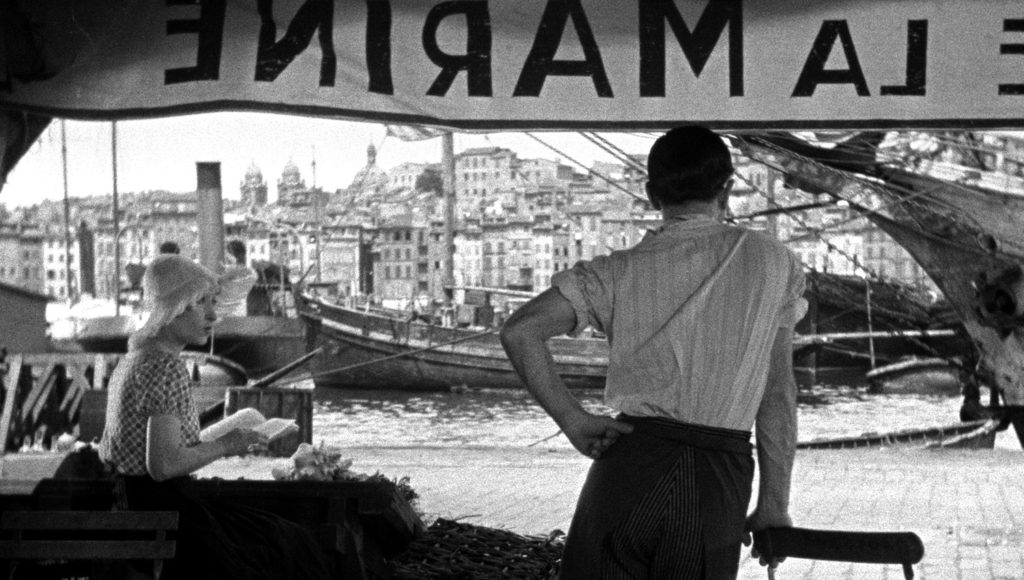
Arlecchino Cinema
Section: Recovered & Restored
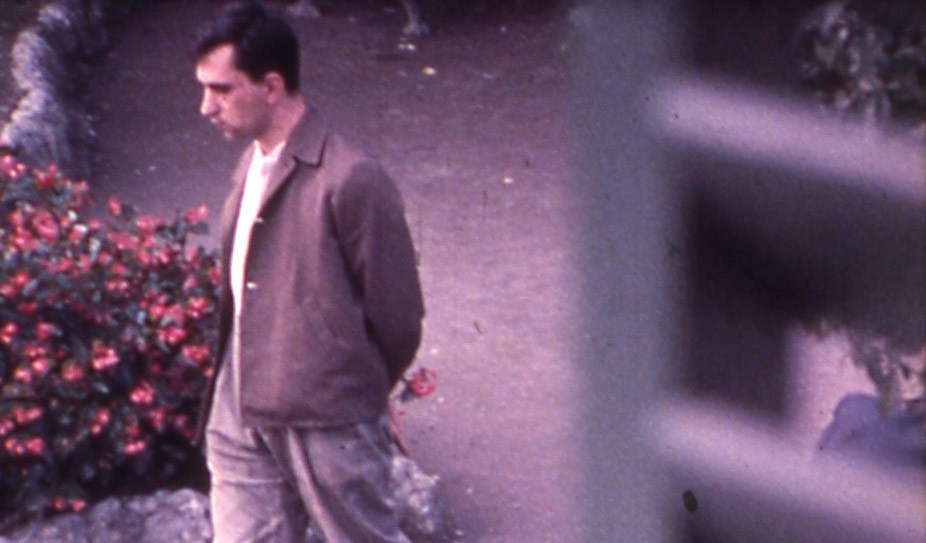
Cinema Lumiere – Sala Scorsese
Section: Post War Italian Rarities
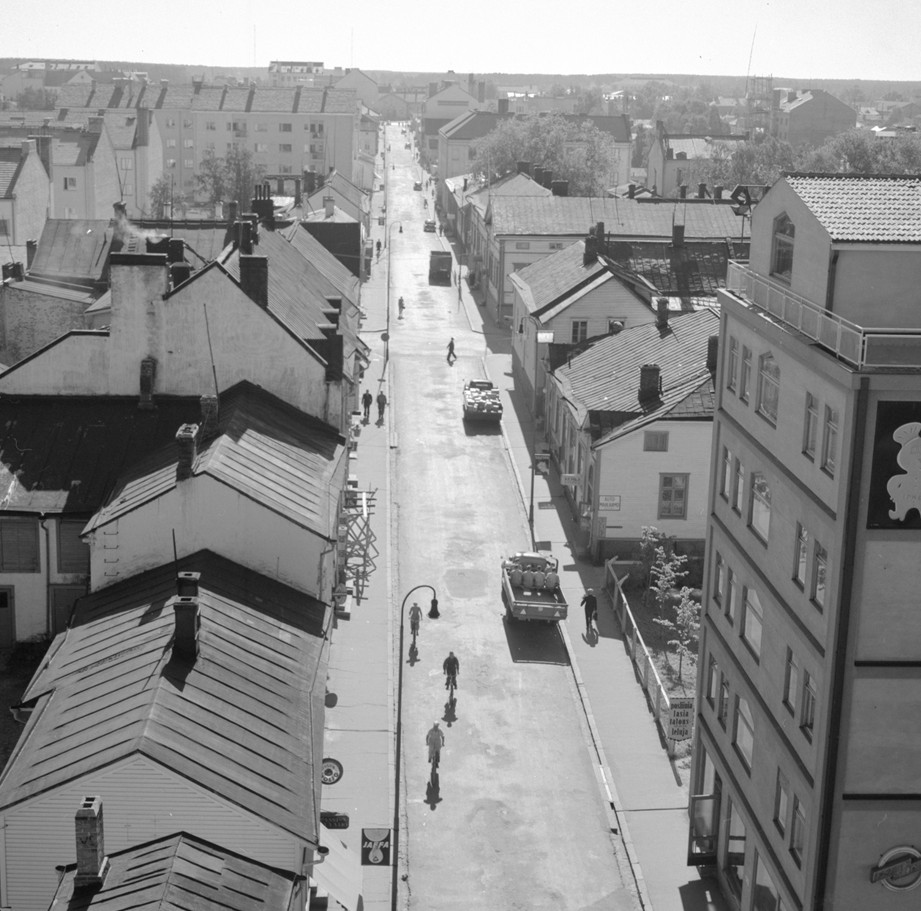
Section: Peter Forever, Homage to Peter von Bagh
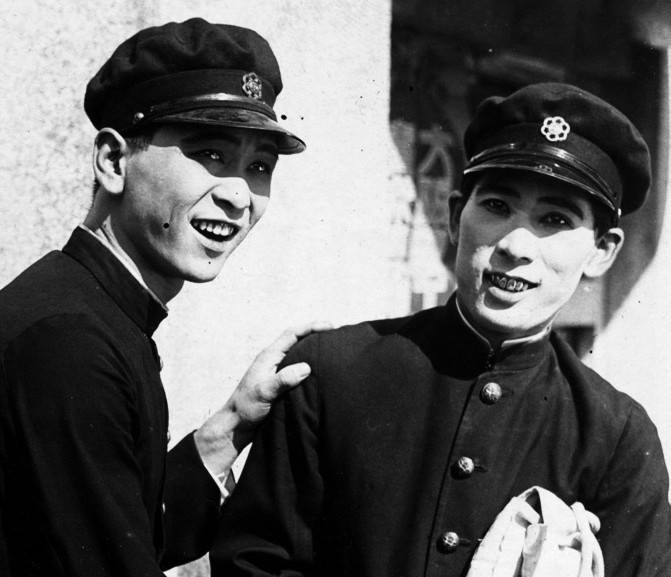
Jolly Cinema
Introduced by
the curators Johan Nordström and Alexander Jacoby
Section: Richness and Harmony. Colour Film in Japan
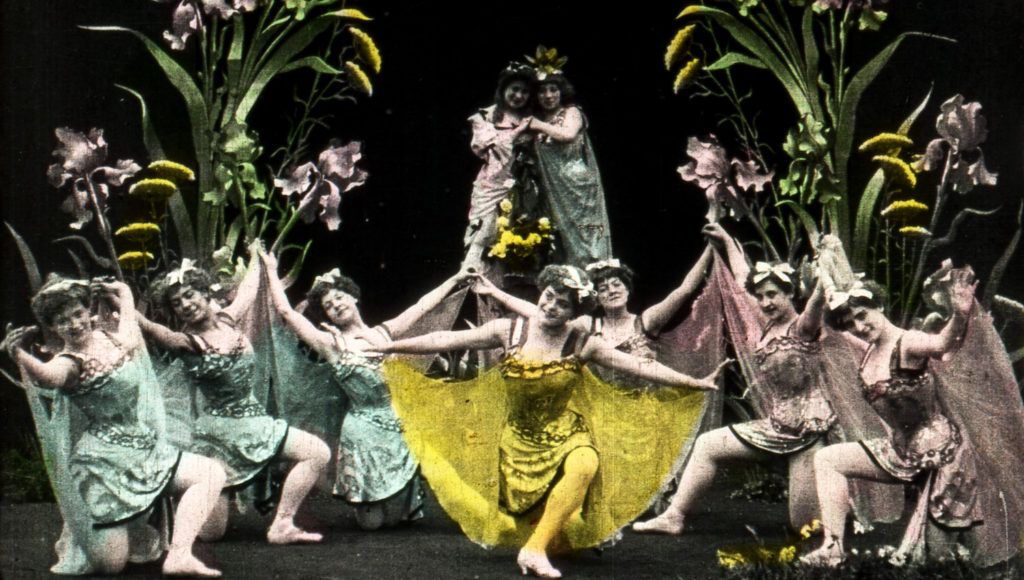
Cinema Lumiere – Sala Officinema/Mastroianni
Section: The Velle Connection 1900-1930. Gaston, Maurice and Mary Murillo
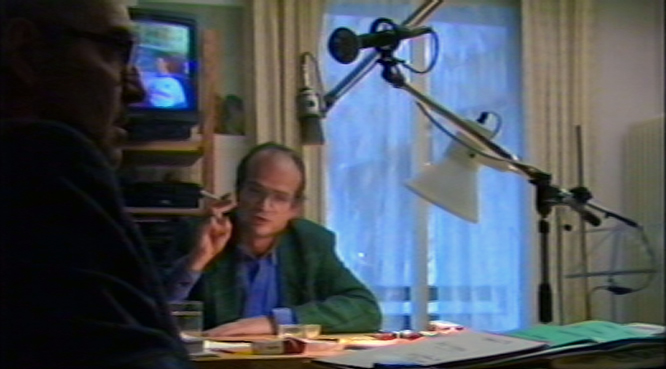
Section: Documents and Documentaries
Sala Cervi
Section: Cinema Ritrovato Kids
Cinema Lumiere – Sala Scorsese
Section: Last Spring. Looking anew at the Cinema of the Thaw (Part One: Dawn)
Jolly Cinema
Section: Seriously Funny. The Films of Leo McCarey
Arlecchino Cinema
Section: Recovered & Restored - TECHNICOLOR & CO.
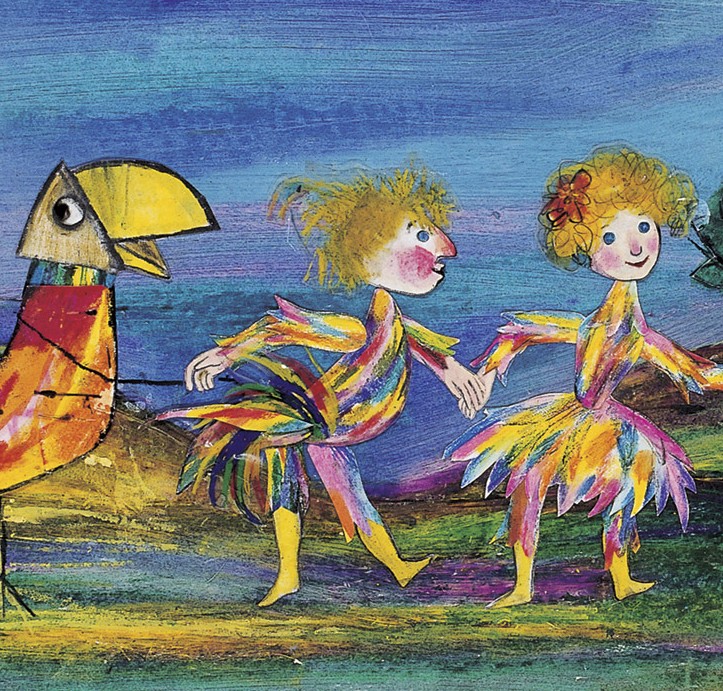
Sala Cervi
Krtek(Cecoslovacchia/1968) R.: Zdeněk Miler. D.: 10’
Le avventure di un uovo (Italia/1970) R.: Giuseppe Borghini. D.: 11’
Papageno (Germania/1935) R.: Lotte Reiniger. D.: 10’
Il flauto magico (Italia/1978) R.: Giulio Gianini, Emanuele Luzzati. D.: 15’ (estratto)
At the same time, a workshop Painting with music in the Spazio Cinnoteca
Held by Associazione Paper Moon
Section: Cinema Ritrovato Kids
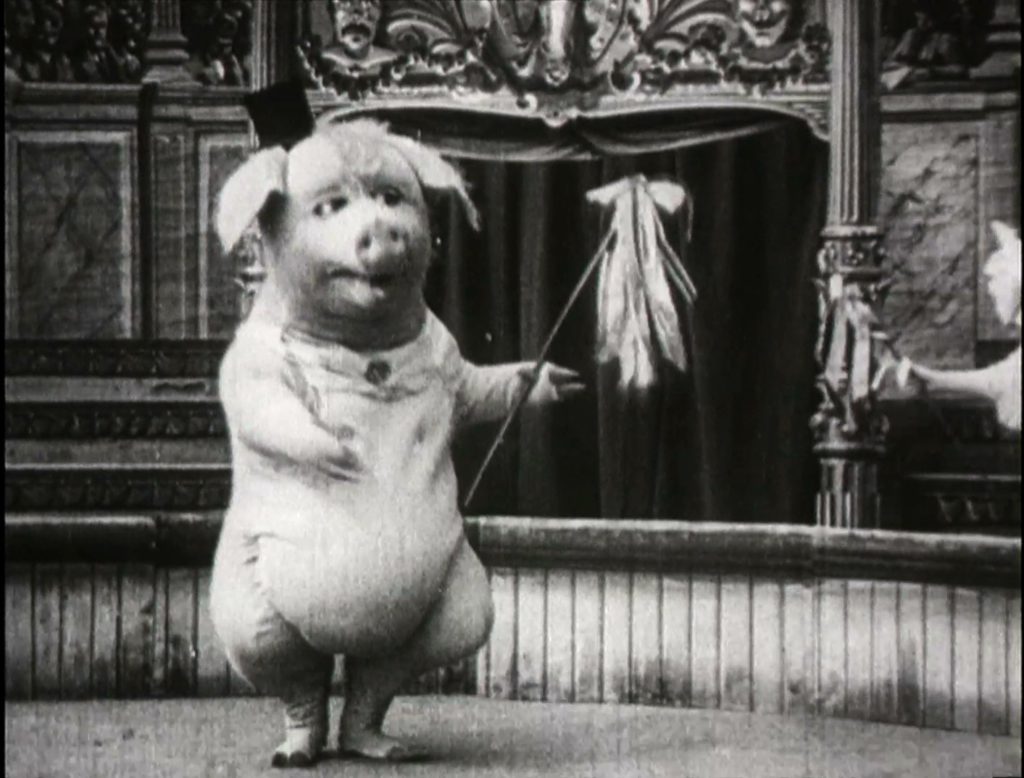
Cinema Lumiere – Sala Officinema/Mastroianni
Introduced by
Serge Bromberg (Lobster Films)
Section: Recovered & Restored
Libreria Coop Ambasciatori
Presentation of Il Mediterraneo era il mio regno. Le memorie dell’ultimo grande aristocratico siciliano, by Francesco Alliata (Neri Pozza, 2015)
Contributions by Vittoria Alliata and Tatti Sanguineti
Piazza Maggiore
Section: 120 Gaumont
Piazza Maggiore
Introduced by
Section: 120 Gaumont - Jazz Goes to the Movies
sunday 28 june
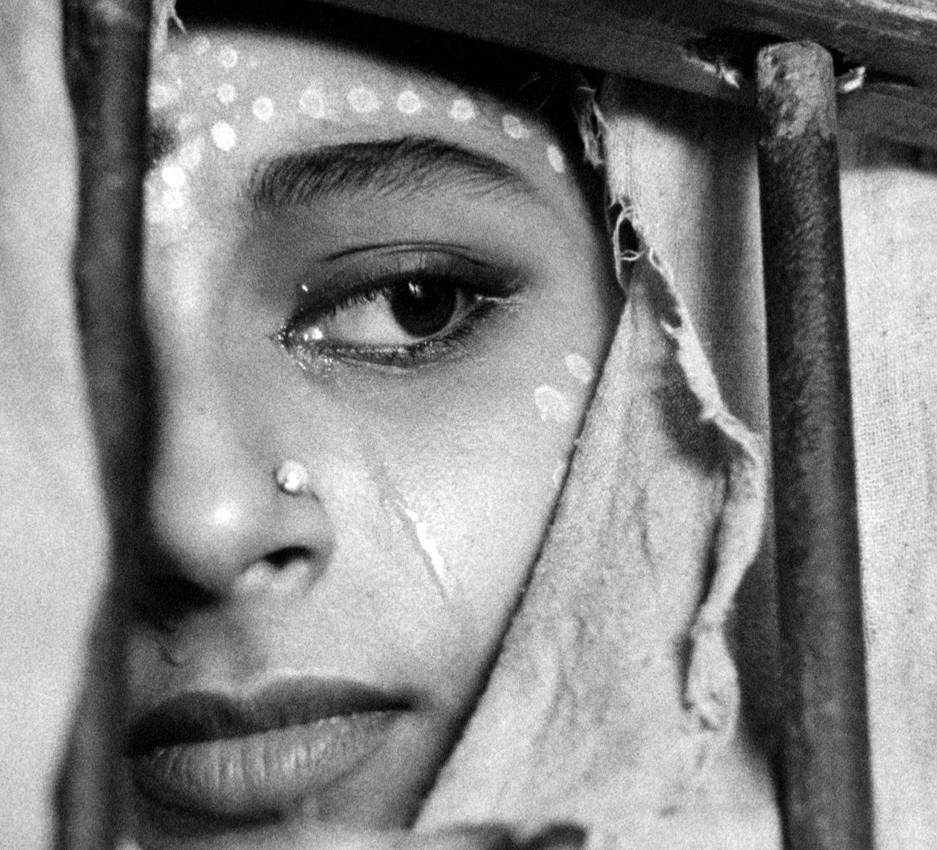
Section: Recovered & Restored
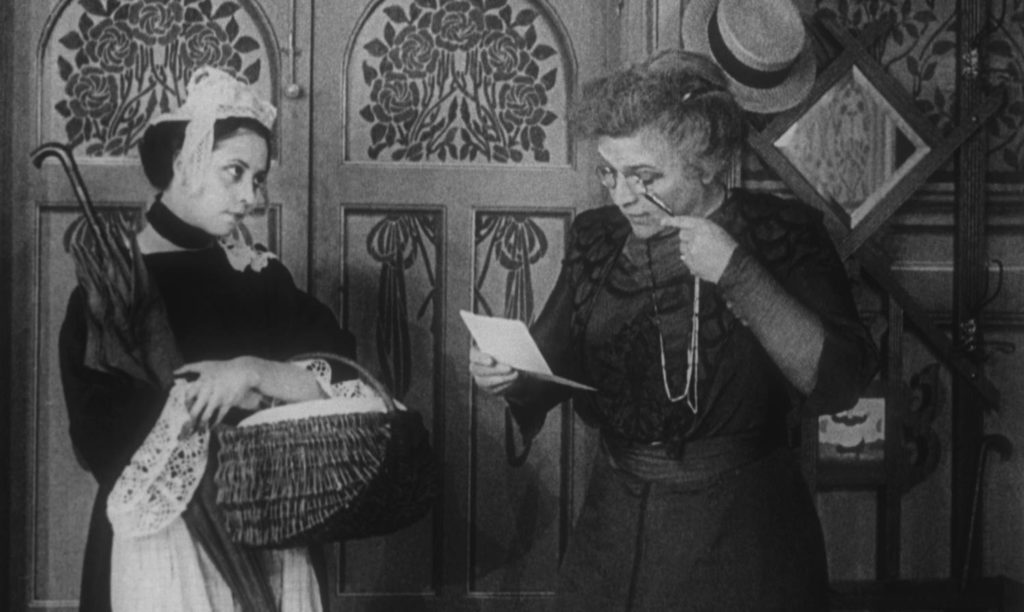
Cinema Lumiere – Sala Officinema/Mastroianni
Piano accompaniment by
Donald Sosin
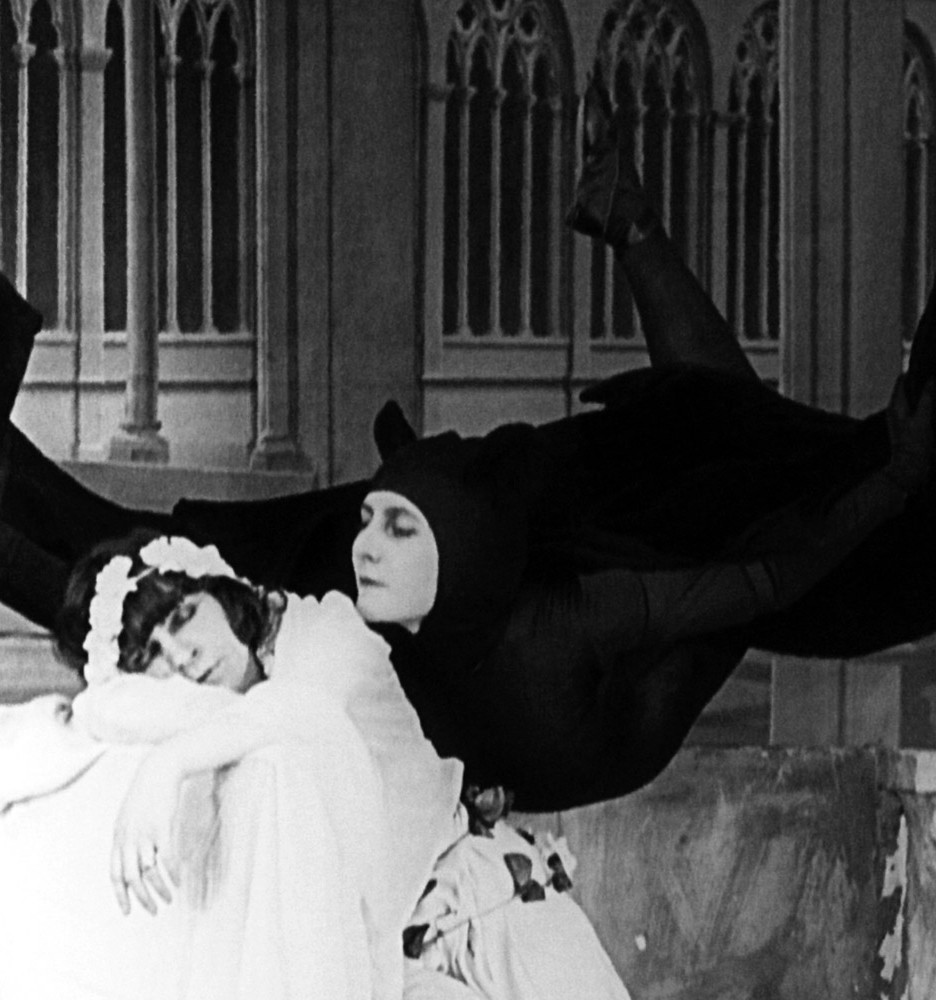
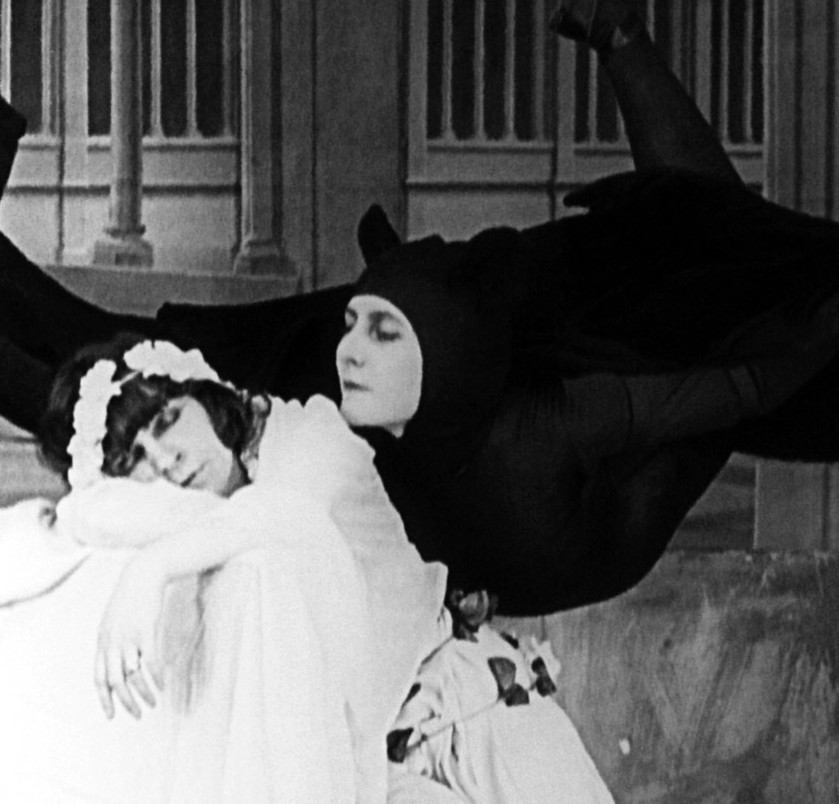
Les Vampires offers pleasures beyond the surrealist interpretation of – in the words of Louis Aragon – “a sexual revelation” and a glamorization of criminality. The series was meant to entertain and to distract people from their worries about a war dragging on and their beloved ones at the front. To this aim the crime story was sprinkled with comedy and a teasing defiance of authorities. In the role of the ostensibly silly Mazamette, an ex-vampire and assistant to the journalist who persecutes the bandits, the star comedian Marcel Levesque zestfully outwits his former mates time and again. The Vampires themselves seem an agile mix of the notorious Bande à Bonnot and the appealing Apache-gangs, which counterbalances their frightening exploits with an anarchistic and rebellious flavor. With their fantastic and obviously improbable tricks they expose the incompetence of authorities such as the police and crime fighters who tend to take them too seriously. As the elusive and sensual Irma Vep even Musidora contributed to the amusing aspects of the series. In each episode appearing in a new disguise, the actress was in charge of ‘informing’ spectators that they were watching Irma Vep, for which she deployed her trademark sidelong glance at the camera and the Apache-pose of placing her hands on her hips. These devices added playfulness and irony to the otherwise mysterious and disconcerting Irma Vep, and likewise created a crucial understanding between Musidora and the public, as the actress suggested in an interview on Radio Suisse Romande (18 November 1947): “I think I was able to establish a close relation with my audience. They used to say: ‘there’s a lot of blood, no doubt about it, but he kills to amuse us and not to scare us because in the end, they would laugh”.
Annette Förster
After Fantômas in 2014, Gaumont undertook the digital restoration of Les Vampires, another Louis Feuillade serial (in 10 episodes) made between 1915 and 1916. The serial was a source of inspiration for Surrealists, who admired its narrative freedom and unbridled imagination.
The Éclair lab (Éclair Group) oversaw its restoration working with a nitrate duplicate of the film, a nitrate print and a more recent safety film print for any missing shots. Unfortunately, despite scouring film archives around the world through FIAF, we have been unable to find the original nitrate negative. For the 4K scanning we chose to work with the duplicate, using the later prints only when necessary (for missing shots or ones too damaged in the duplicate). The images were then restored so they could be put back on film. Since the materials available to us gave no indication about the film’s color, the restored version is in black and white. The original intertitles survived in the form of typewritten lists kept at the Bibliothèque du Film (Louis Feuillade archive) and were reintegrated in the 2015 version. The film was restored with the participation of the Centre national du cinéma et de l’image animée as part of a program for film heritage restoration and digitalization, and with the cooperation of the Cinémathèque française, which provided its materials.
Agnès Bertola
Section: 120 Gaumont - One hundred years ago: 1926
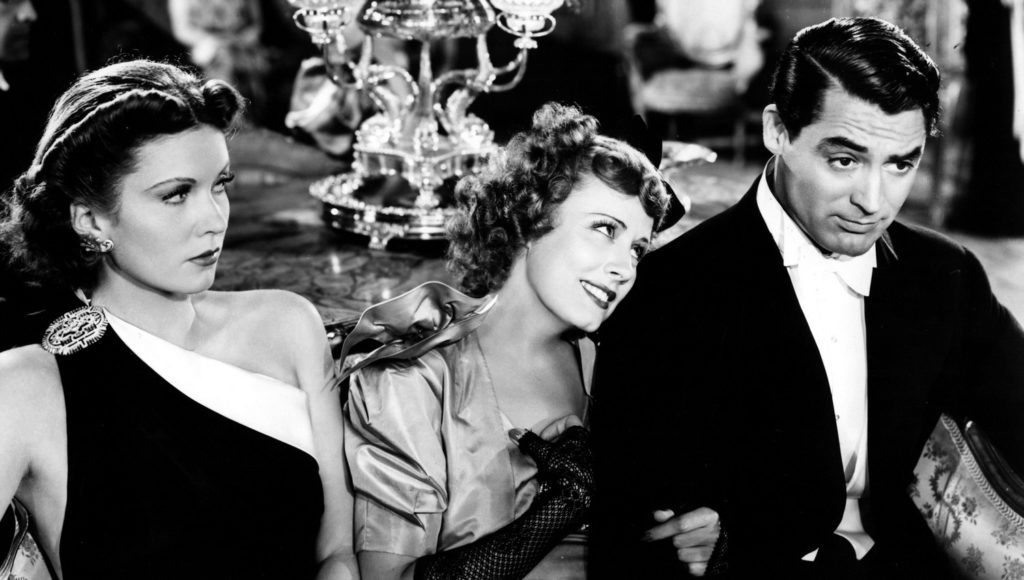
Jolly Cinema
Section: Seriously Funny. The Films of Leo McCarey
Arlecchino Cinema
Section: Recovered & Restored - TECHNICOLOR & CO.
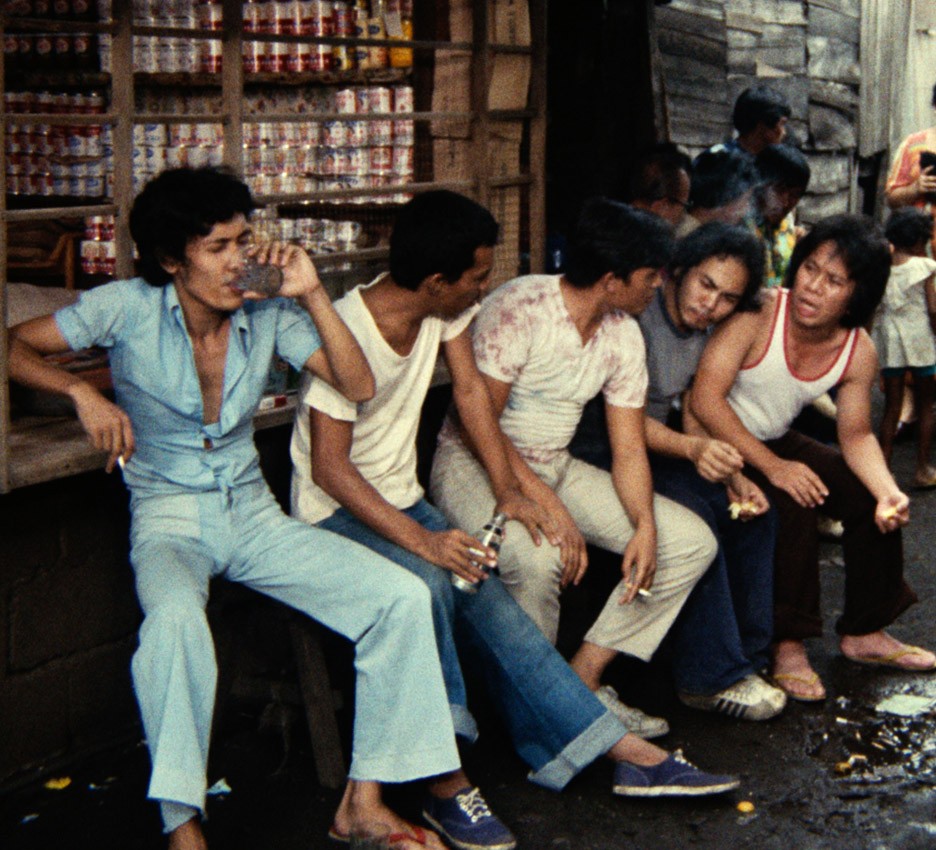
Cinema Lumiere – Sala Scorsese
Introduced by
Cecilia Cenciarelli and Pierre Rissient
Section: The Film Foundation’s World Cinema Project
Cinema Lumiere – Sala Officinema/Mastroianni
Section: One hundred years ago: 1926
Jolly Cinema
Section: Beautiful Youth. Renato Castellani
Section: 120 Gaumont - One hundred years ago: 1926
Arlecchino Cinema
Section: Ingrid Bergman. The Early Years
Cinema Lumiere – Sala Scorsese
Introduced by
Peter Bagrov and Olaf Möller
Section: Last Spring. Looking anew at the Cinema of the Thaw (Part One: Dawn)
Cinema Lumiere – Sala Officinema/Mastroianni
Introduced by
the curators Hiroshi Komatsu and Mariann Lewinsky
Section: Beloved Bluebirds
Section: 120 Gaumont - One hundred years ago: 1926
Arlecchino Cinema
Section: TECHNICOLOR & CO.
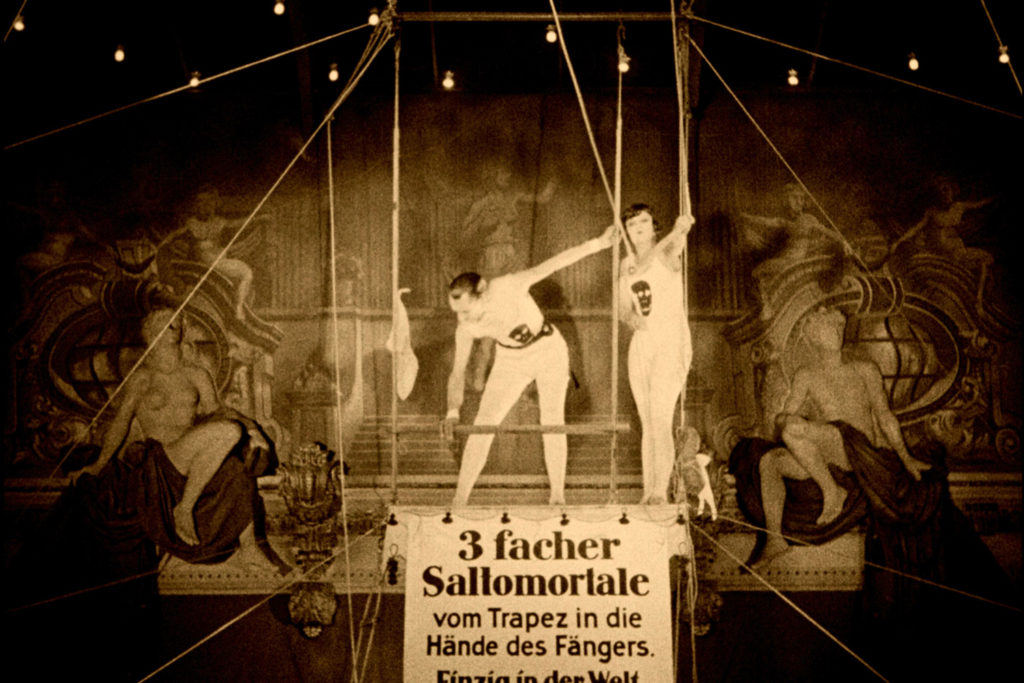
Cinema Lumiere – Sala Officinema/Mastroianni
Introduced by
Ernst Szebedits (Murnau Stiftung)
Piano accompaniment by
Antonio Coppola
Section: Recovered & Restored
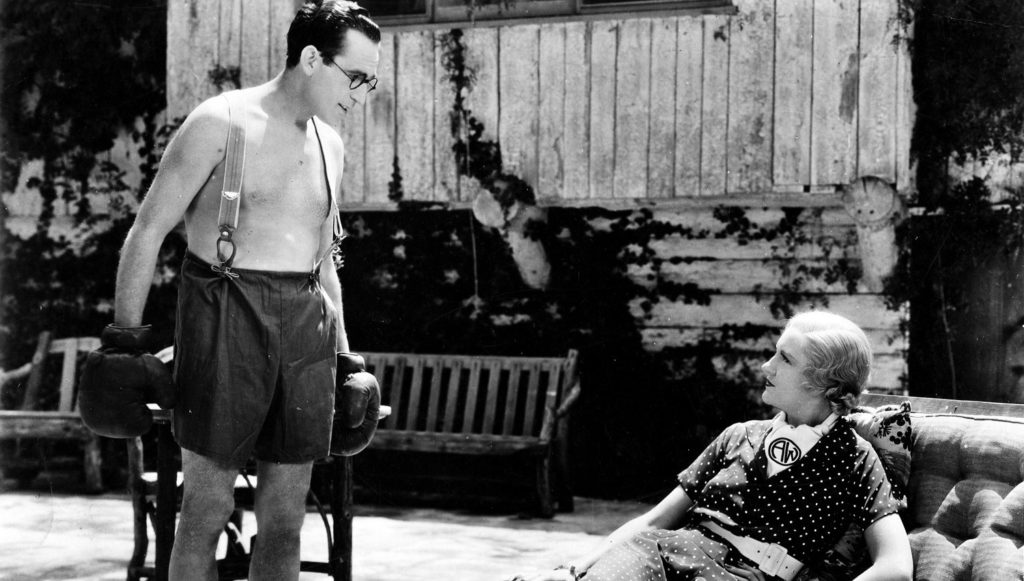
Jolly Cinema
Introduced by
Suzanne Lloyd
Section: Seriously Funny. The Films of Leo McCarey
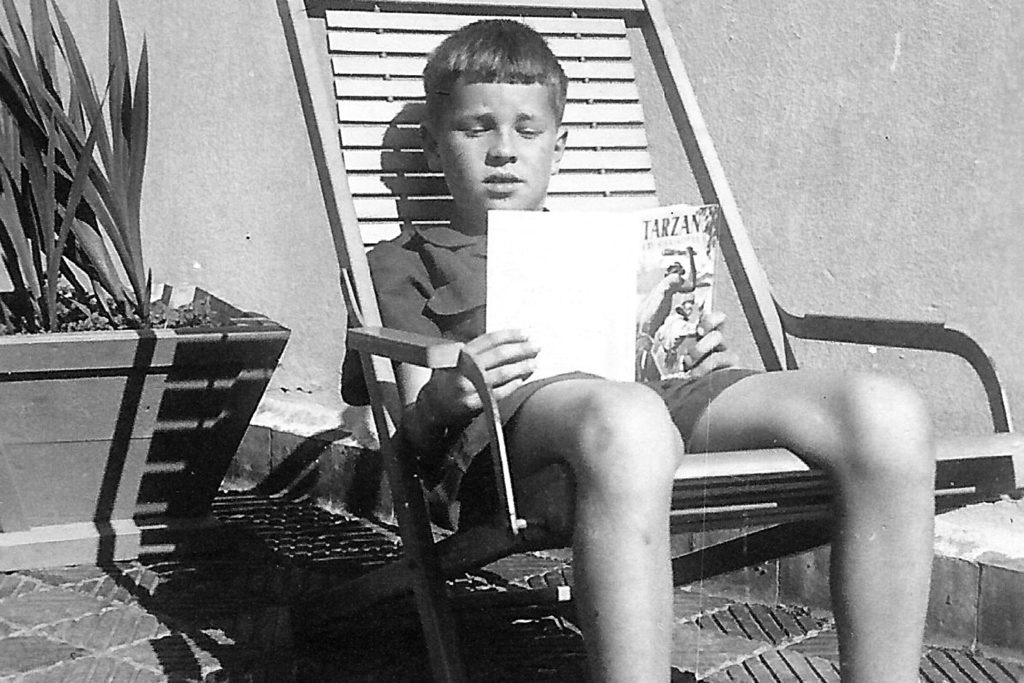
Cinema Lumiere – Sala Scorsese
Introduced by
Anna von Bagh and Olaf Möller
Section: Peter Forever, Homage to Peter von Bagh
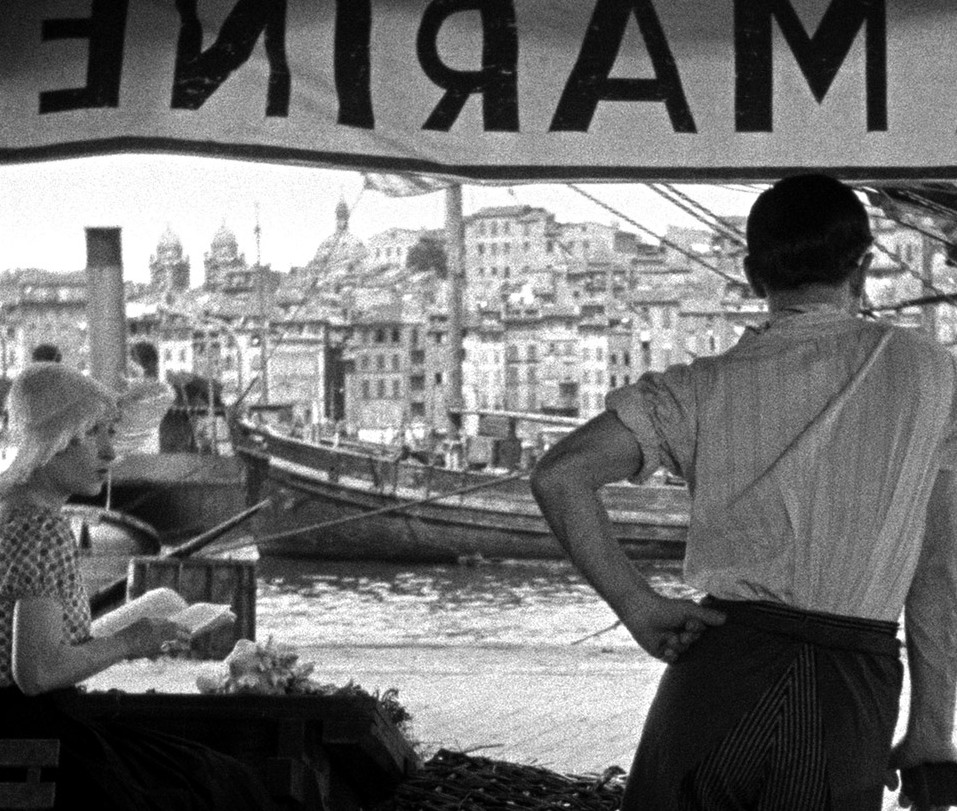
Section: Recovered & Restored
Cinema Lumiere – Sala Scorsese
Introduced by
Jon Wengström (Svenska Filminstitutet)
Section: Ingrid Bergman. The Early Years
Arlecchino Cinema
Section: Recovered & Restored - TECHNICOLOR & CO.

Jolly Cinema
Introduced by
Akira Tochigi, Johan Nordström and Alexander Jacoby
Section: Richness and Harmony. Colour Film in Japan
Cinema Lumiere – Sala Officinema/Mastroianni
Introduced by
the curators Aboubakar Sanogo, Cecilia Cenciarelli, Mariann Lewinsky and Ouissal Mejri
Section: Albert Samama Chikly, Prince of the Pioneers
Sala Cervi
What can happen when we close our eyes and fall asleep? Three films suspended between dreams and reality, including the first of many cinematic interpretations of Alice’s Adventures in Wonderland, made in 1903.
Lalla, piccola Lalla (Italia/1947) R.: Nino e Toni Pagot. D.: 22’
Alice in Wonderland (Gb/1903) R.: Cecil M. Hepwort, Percy Stow. D.: 8’
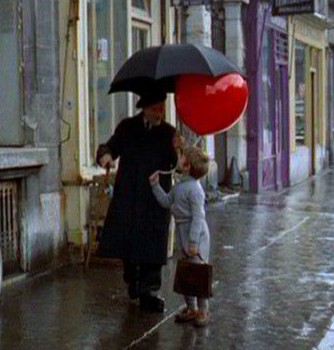
Le Ballon rouge (Francia/1956) R.: Albert Lamorisse. D.: 35’
Section: Cinema Ritrovato Kids
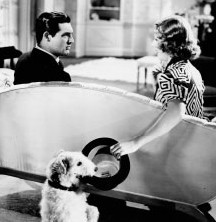
Section: Seriously Funny. The Films of Leo McCarey
Cinema Lumiere – Sala Scorsese

Sala Cervi
Petite Escapade (Francia/2001) R.: Pierre-Luc Granjon. D.: 6′
Pimpa in viaggio (Italia/1990) R.: Osvaldo Cavandoli, Enzo D’Alò. D.: 25’
At the same time, a workshop in the company of Pimpa in the Spazio Cinnoteca, to discover Bologna together with her
Section: Cinema Ritrovato Kids
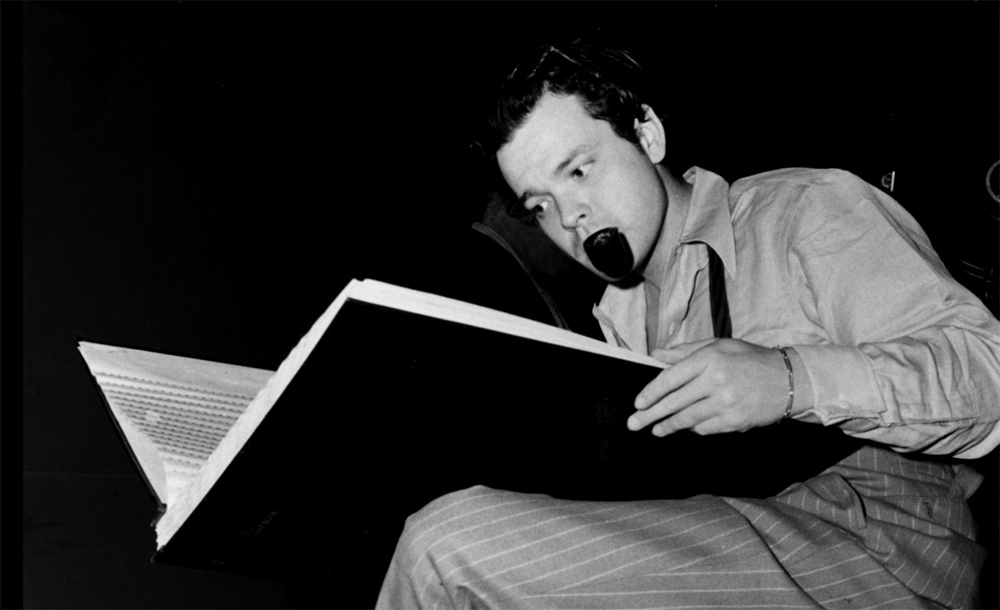
Section: Documents and Documentaries
Piazzetta Pier Paolo Pasolini
To celebrate 20 years of the radio transmission of the same name, the editors and authors of Hollywood Party present I 100 colpi di Hollywood Party (Rai Eri, 2015)
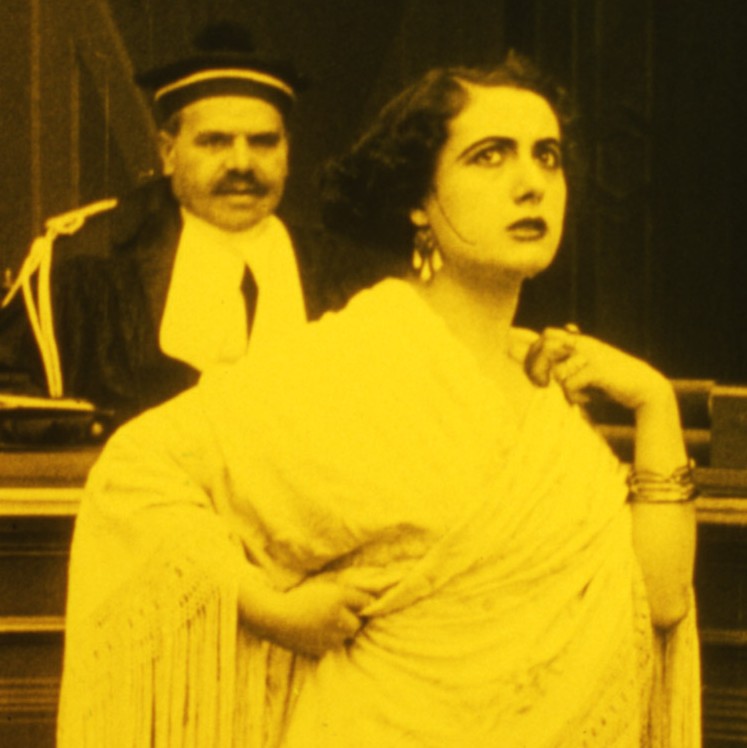
Cinema Lumiere – Sala Officinema/Mastroianni
Section: One hundred years ago: 1926
Cinema Lumiere – Sala Officinema/Mastroianni
Section: One hundred years ago: 1926
Arlecchino Cinema
Section: Recovered & Restored
Jolly Cinema
Section: Seriously Funny. The Films of Leo McCarey
Cinema Lumiere – Sala Officinema/Mastroianni
Section: Recovered & Restored
Cinema Lumiere – Sala Scorsese
Introduced by
the curators Peter Bagrov and Olaf Möller
Section: Last Spring. Looking anew at the Cinema of the Thaw (Part One: Dawn)
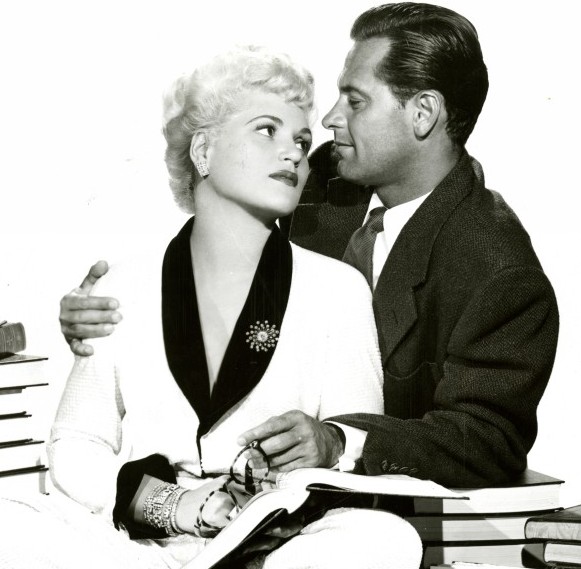
Libreria Coop Ambasciatori
Presentation of L’Otello senza acca. Orson Welles nel fondo Oberdan Troiani (Cineteca Nazionale-Rubbettino, 2015), I mille volti di Orson Welles (Cineteca Nazionale-Edizione Sabinae, 2015) e Racconti di cinema (Einaudi, 2014).
Contributions by Paolo Mereghetti, Emiliano Morreale and Mariapaola Pierini
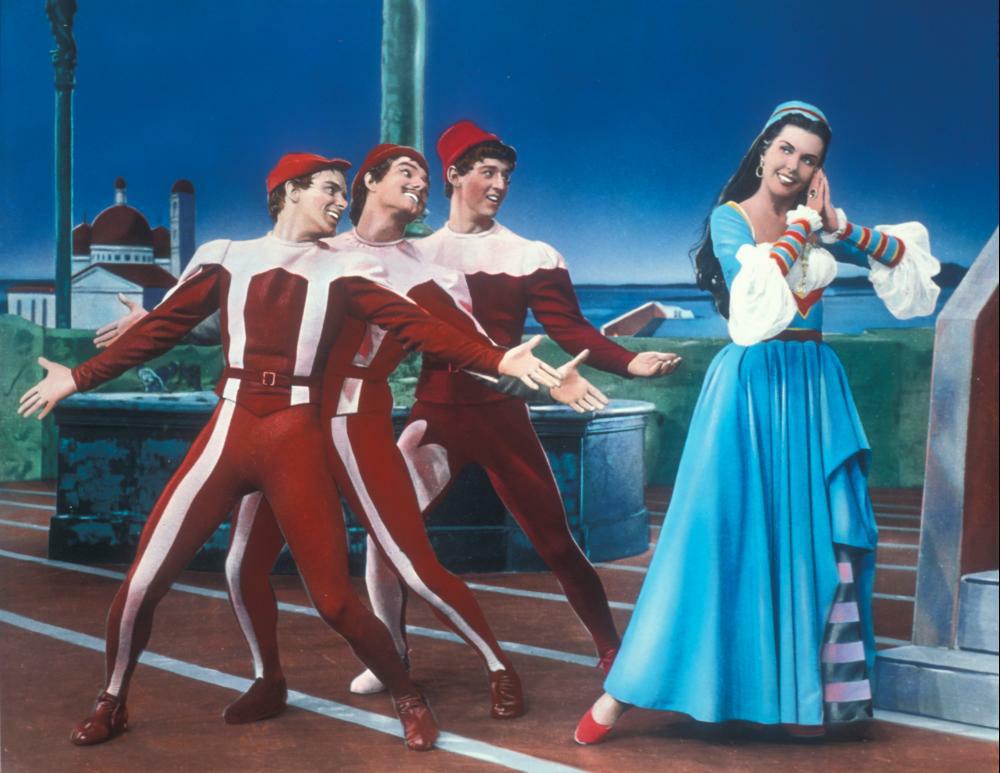
Cinema Lumiere – Sala Scorsese
Section: Recovered & Restored - TECHNICOLOR & CO.
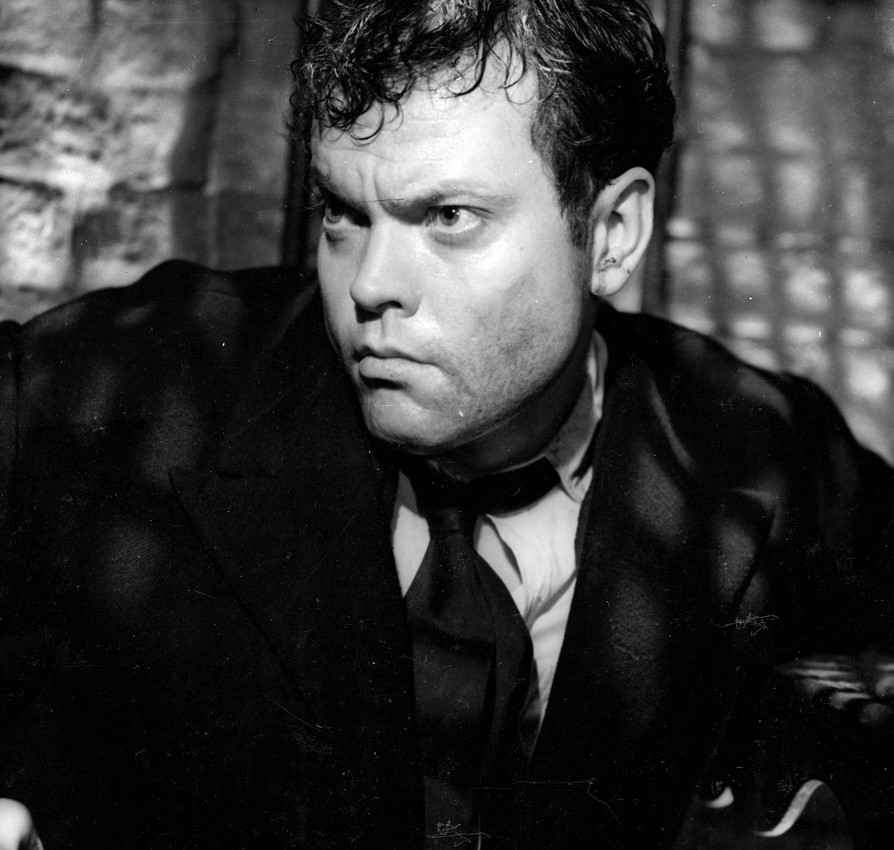
Piazza Maggiore
Introduced by
Angela Allen (script supervisor) and Sophie Kopeczymski (Studio Canal)
(In case of rain, the screening will be moved to the Cinema Arlecchino)
Section: Recovered & Restored
Piazza Maggiore
Introduced by
Angela Allen (script supervisor) and Sophie Kopeczymski (Studio Canal)
Section: Recovered & Restored
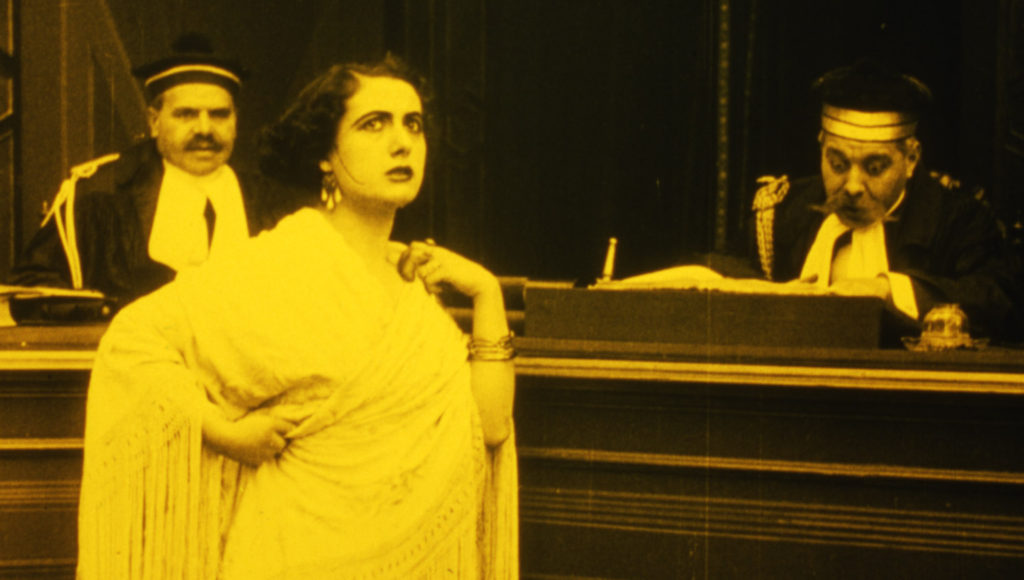
Piazzetta Pier Paolo Pasolini
Section: One hundred years ago: 1926
monday 29 june
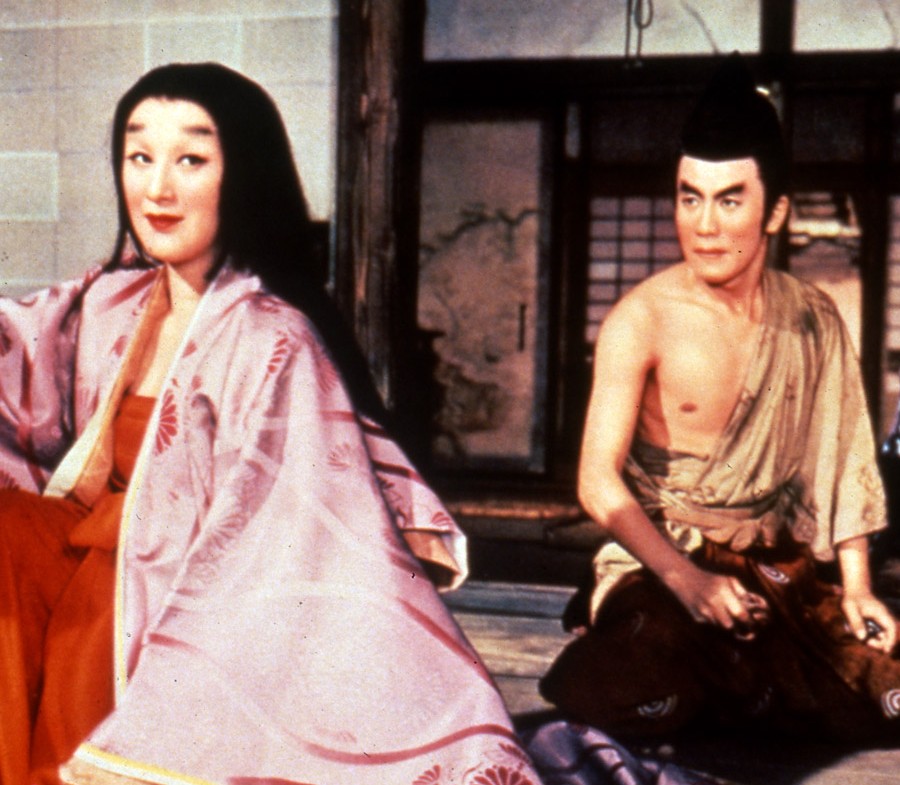
Section: Richness and Harmony. Colour Film in Japan
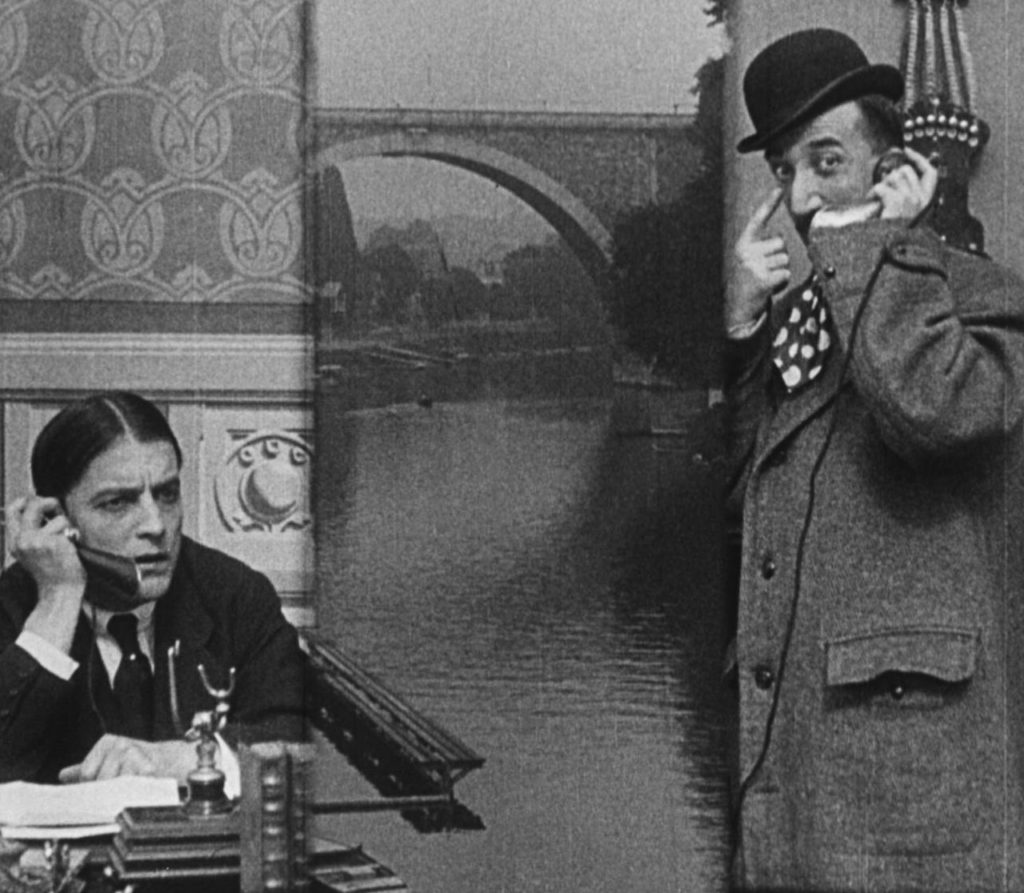
Cinema Lumiere – Sala Officinema/Mastroianni
Section: 120 Gaumont - One hundred years ago: 1926
Arlecchino Cinema
Section: Recovered & Restored
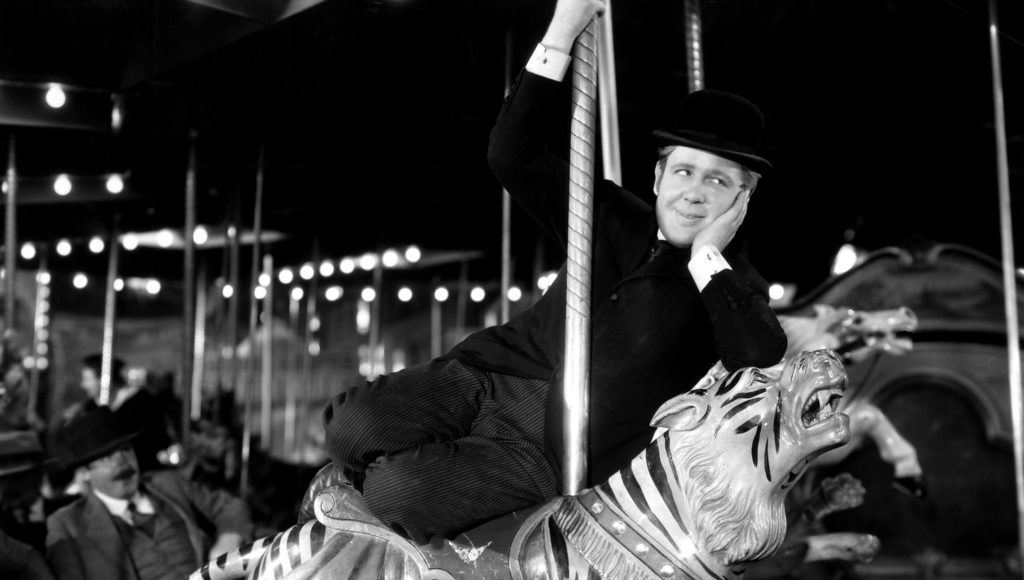
Jolly Cinema
Section: Seriously Funny. The Films of Leo McCarey
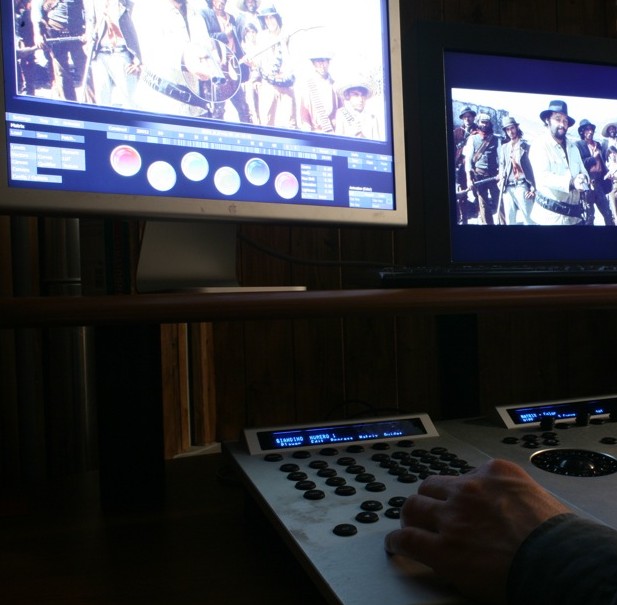
Cinema Lumiere – Sala Scorsese
Schawn Belston, Grover Crisp, Simon Lund present digital and film print extracts of some of their restorations
Moderated by Davide Pozzi (L’Immagine Ritrovata)
Cinema Lumiere – Sala Officinema/Mastroianni
Introduced by
Aboubakar Sanogo
Accompanied by John Sweeney (piano) e Frank Bockius (drum)
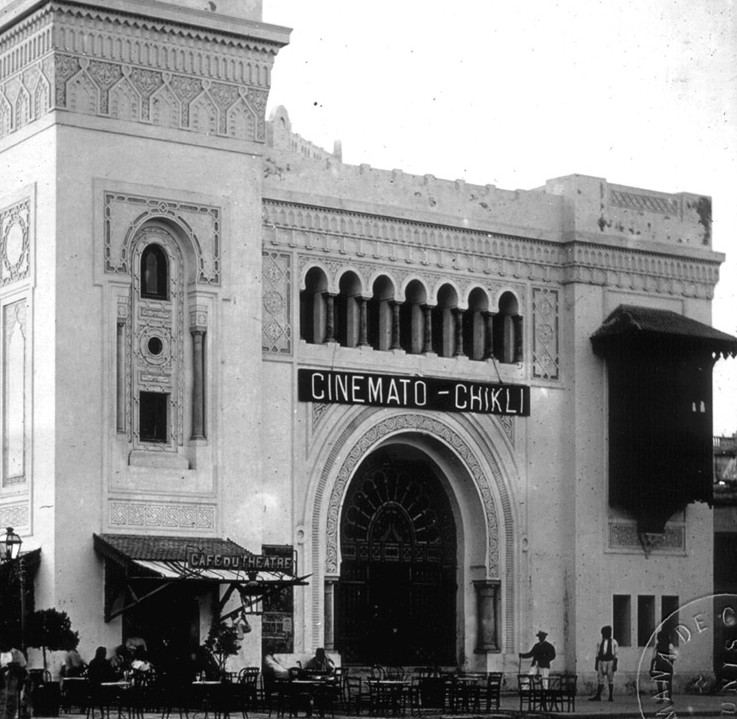
Section: Albert Samama Chikly, Prince of the Pioneers
Jolly Cinema
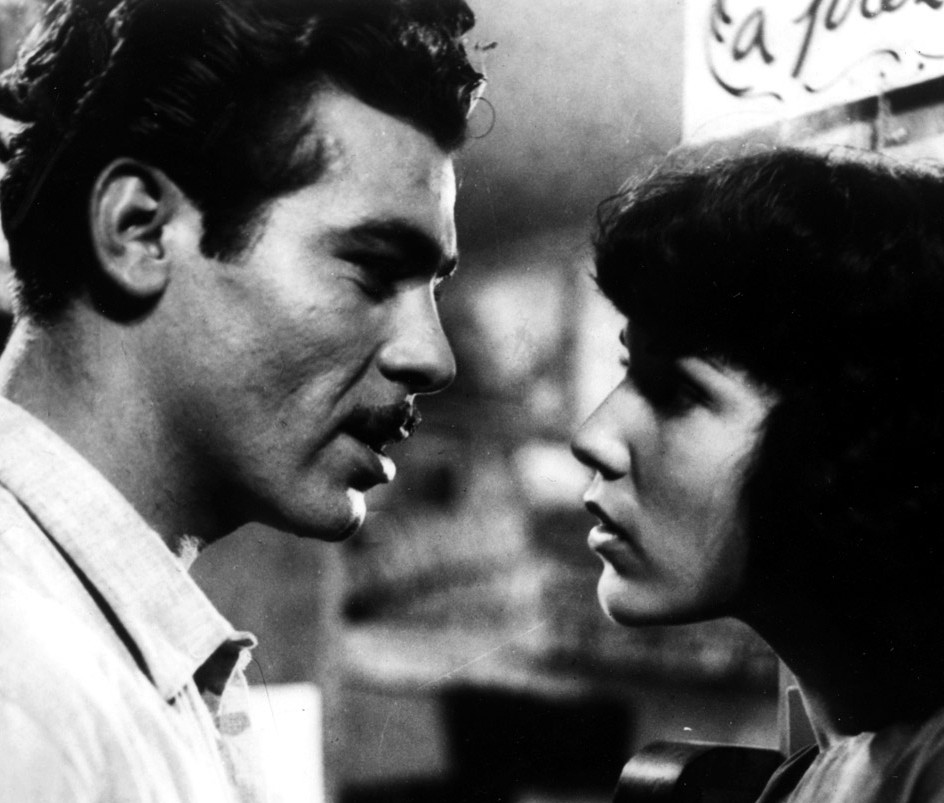
Section: Beautiful Youth. Renato Castellani
Cinema Lumiere – Sala Scorsese
Introduced by
the producers Izza Genini and Ahmed El Maanouni
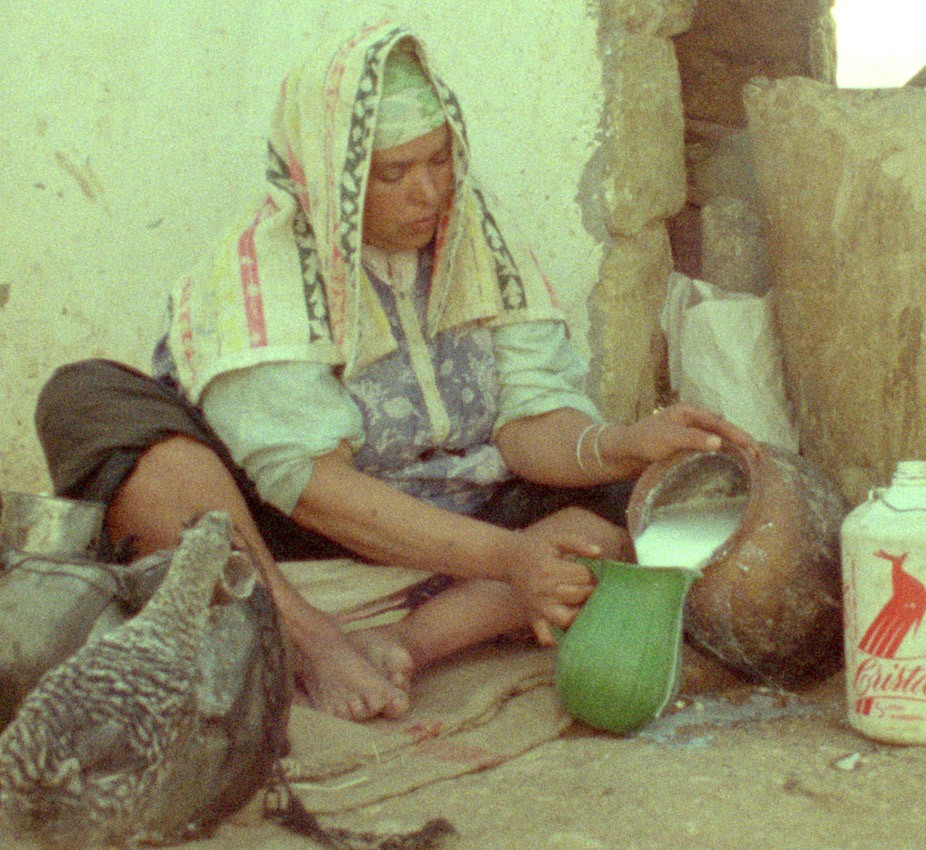
Section: The Film Foundation’s World Cinema Project
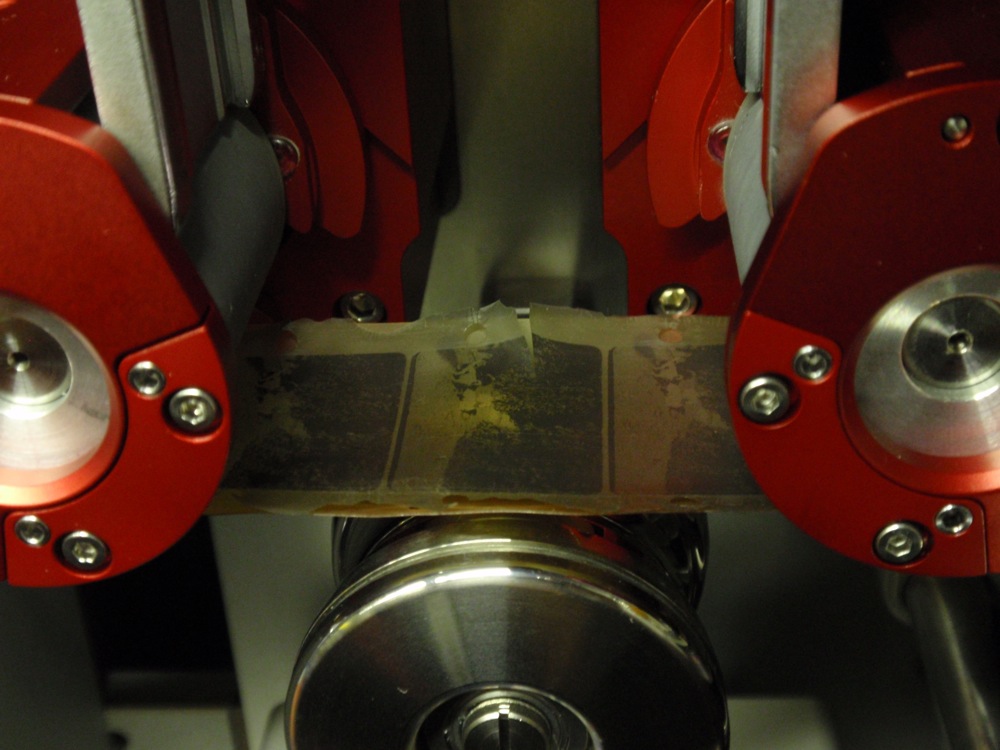
Project by Camille Blot-Wellens
Arlecchino Cinema
Section: Ingrid Bergman. The Early Years
Cinema Lumiere – Sala Officinema/Mastroianni
Section: Beloved Bluebirds
Arlecchino Cinema
Section: TECHNICOLOR & CO.
Jolly Cinema
Introduced by
by the curators Jonathan Rosenbaum and Ehsan Khoshbakht
Section: Jazz Goes to the Movies
Cinema Lumiere – Sala Officinema/Mastroianni
Introduced by
Thierry Fremaux, Cecilia Cenciarelli, Mariann Lewinsky and Ouissal Mejri
Piano accompaniment by
Donald Sosin
Section: Albert Samama Chikly, Prince of the Pioneers
Cinema Lumiere – Sala Scorsese
Introduced by
Antti Alanen (Finnish National Audiovisual Archive)
Section: Peter Forever, Homage to Peter von Bagh
Conversation with Angela Allen (script supervisor)
Section: Recovered & Restored
Sala Cervi
Film Literacy and Film Archives
In cooperation with the ABCinema Project
Conversation with Nicola Mazzanti
Section: Recovered & Restored
Arlecchino Cinema
Section: Recovered & Restored
Cinema Lumiere – Sala Scorsese
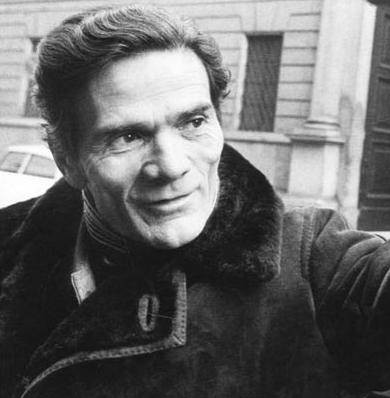
Followed by a conversation with Maurizio Ponzi, Karl-Heinz Dellwo, Gabriella Angheleddu, Goffredo Fofi and Roberto Chiesi, organized by Centro Studi – Archivio Pier Paolo Pasolini di Bologna and Laika Verlag (Hamburg)
Section: Documents and Documentaries
Sala Cervi
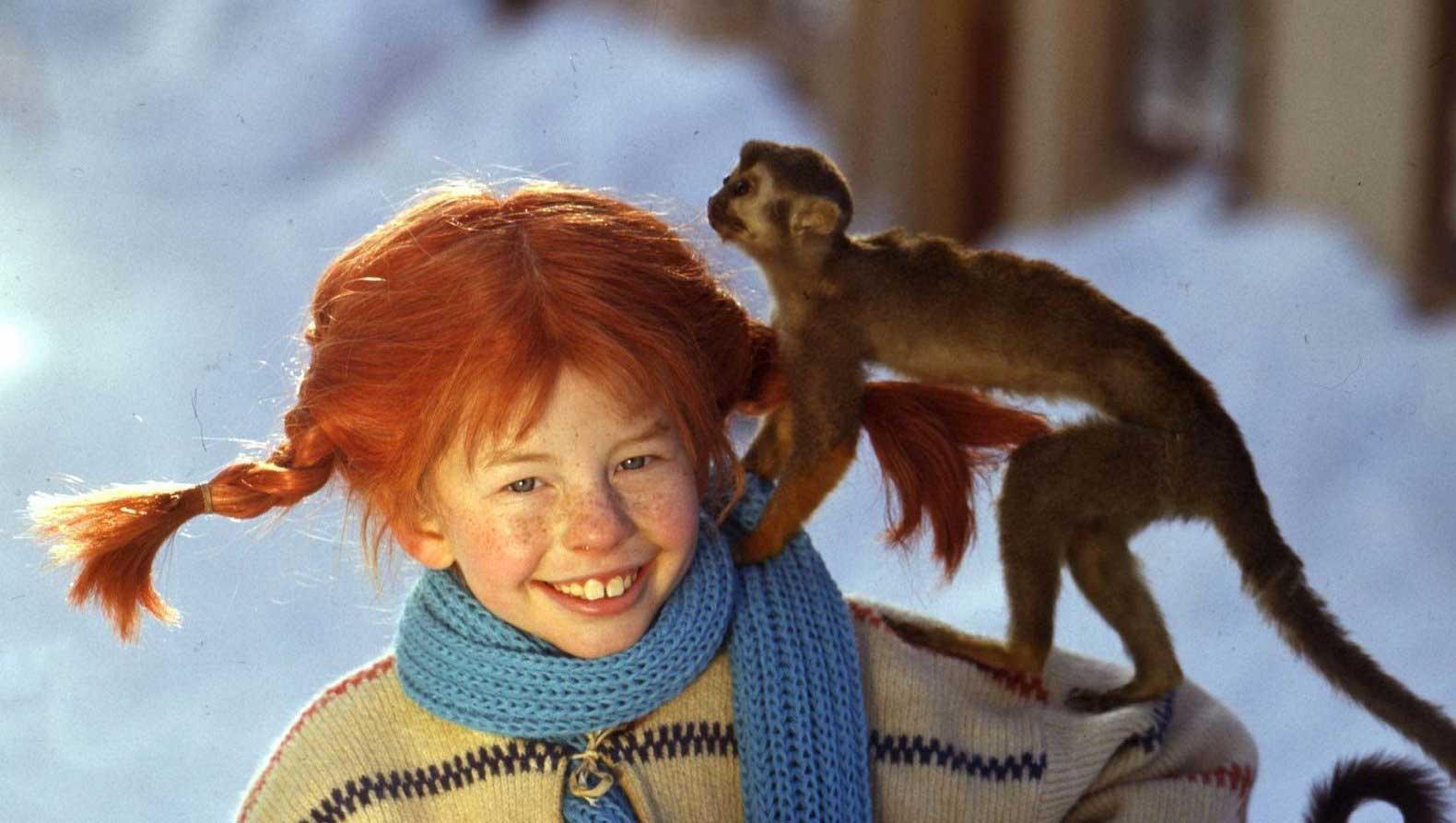
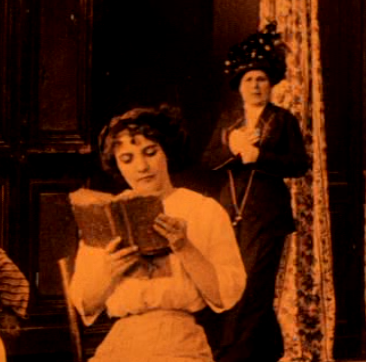
The protagonists of the shorts in this section are unpredictable, mischievous and very lovable. Well before Pippi Longstocking, who turns 70 this year, Tilly, Lea and others were depicting irreverent and anti-conformist behaviour. I fratelli Dinamite, the first animated Italian feature, along with La Rosa di Bagdad, instead tells the story of the childhood of three brothers who have grown up alone on an uncontaminated island and their chaotic and uncontrollable return to civilisation.
Tilly and the Fire Engines (Gb/1911) R.: Lewin Fitzhamon. D.: 2’
Rosalie et Léontine vont au théâtre (Francia/1911) R.: Roméo Bosetti. D.: 5’
Lea e il gomitolo (Italia/1913) R.: Lea Giunchi. D.: 5’
A Lady and Her Maid (USA/1913) R.: Bert Angeles. D.: 13’
Pippi Calzelunghe (Svezia/1969) R.: Olle Hellbom. D.: 30’ (one episode)
Section: Cinema Ritrovato Kids
Conversation with Thierry Fremaux
Moderated by Gian Luca Farinelli
Cinema Lumiere – Sala Officinema/Mastroianni
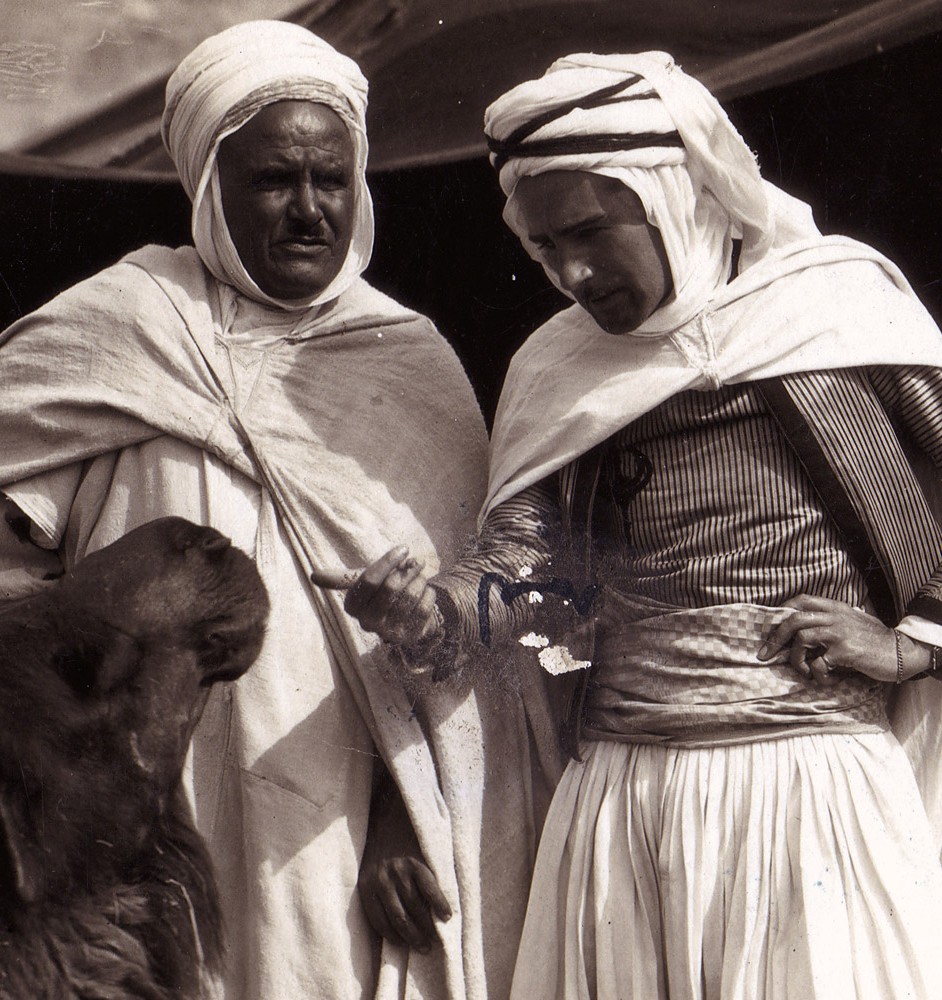
Section: Albert Samama Chikly, Prince of the Pioneers
Jolly Cinema
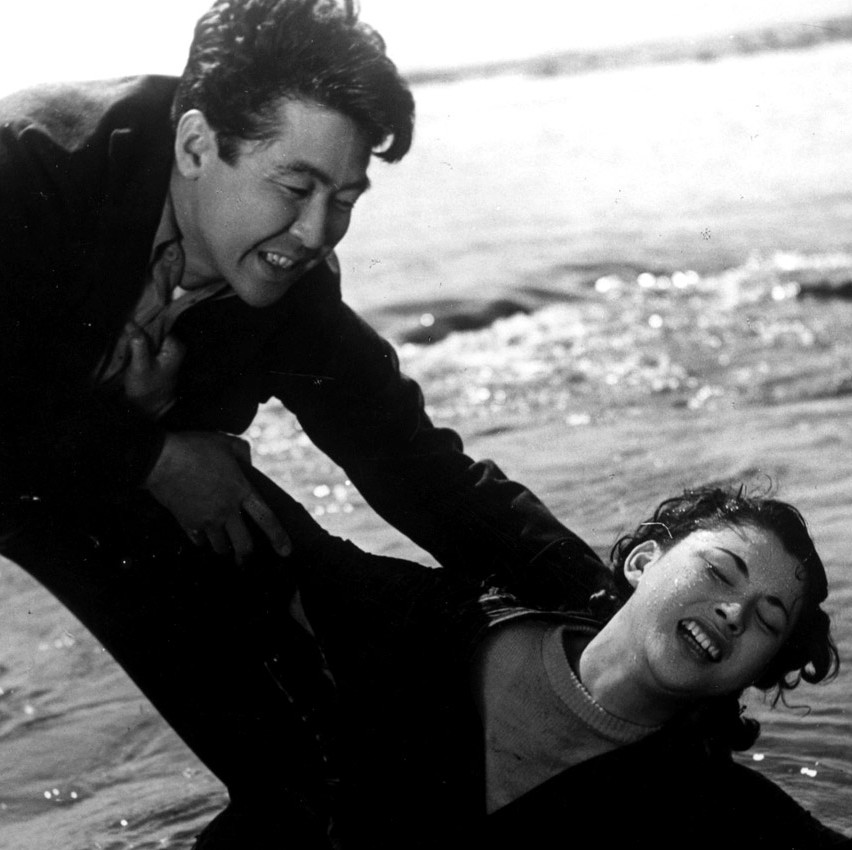
Section: Richness and Harmony. Colour Film in Japan
Section: Documents and Documentaries
Sala Cervi
A selection of some of the first animated films in cinema history, precursors of a genre in which fantasy and technology merge together to create stories where anything is possible. Starting with Reynaud’s Théâtre Optique, a device invented for the projection of his Pantomime lumineuse.
Pauvre Pierrot (Francia/1892) R.: Emile Reynaud. D.: 5′
Fantasmagorie (Francia/1908) R.: Emile Cohl. D.: 1’
Le Cauchemar de Fantoche (Francia/1908) R.: Emile Cohl. D.: 2’
Rêves enfantins (Francia/1909) R.: Emile Cohl. D.: 5’
Fétiche prestidigitateur (Francia/1934) R.: Władysław Starewitch. D.: 12’
Youghal Clock Tower (Irlanda/1909) R.: James Horgan. D.: 1’
Section: Cinema Ritrovato Kids
Cinema Lumiere – Sala Officinema/Mastroianni
Introduced by
Mariann Lewinsky
Section: Albert Samama Chikly, Prince of the Pioneers
Arlecchino Cinema
Section: Recovered & Restored
Section: Documents and Documentaries
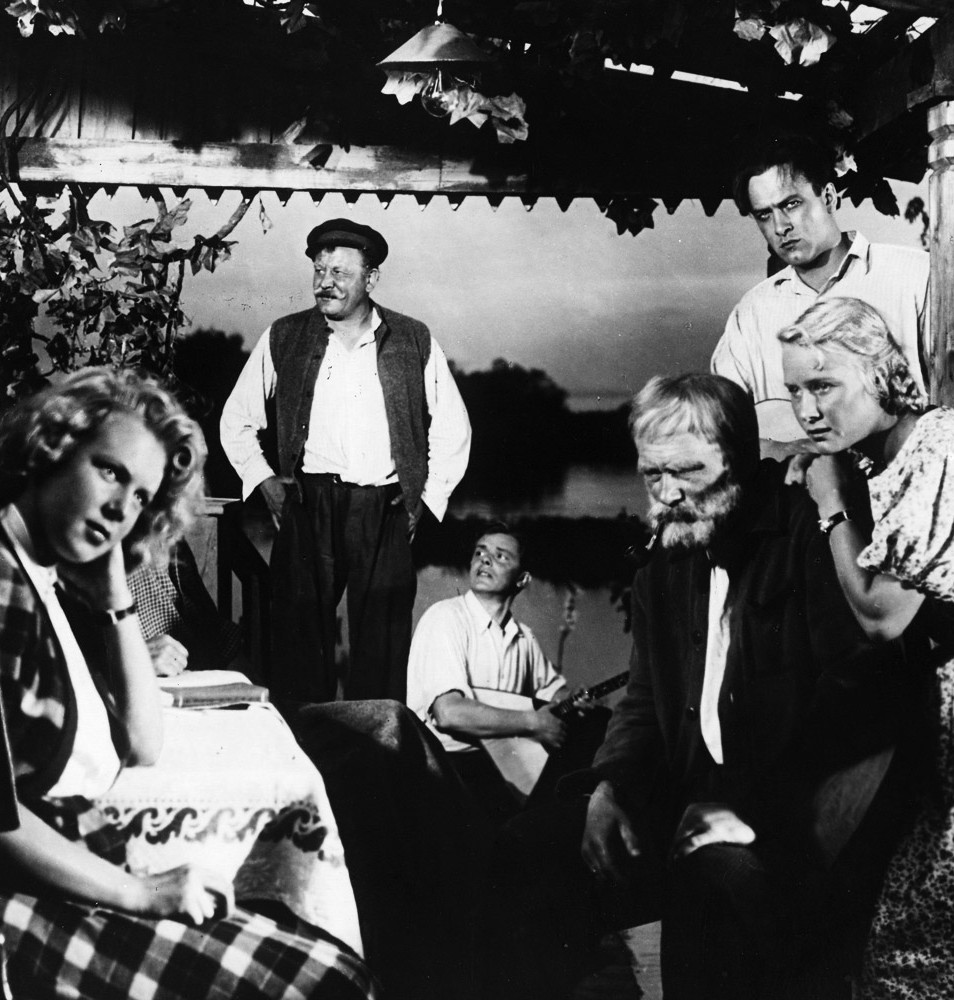
Cinema Lumiere – Sala Scorsese
Section: Last Spring. Looking anew at the Cinema of the Thaw (Part One: Dawn)
Sala Cervi
Visual Magic and Tricks – Camera obscura, magic lantern, thaumatrope, phenakistoscope, zoetrope… A laboratory to experiment, construct and play with various devices from the pre-cinema era.
Section: Cinema Ritrovato Kids
Cinema Lumiere – Sala Officinema/Mastroianni
Section: Recovered & Restored
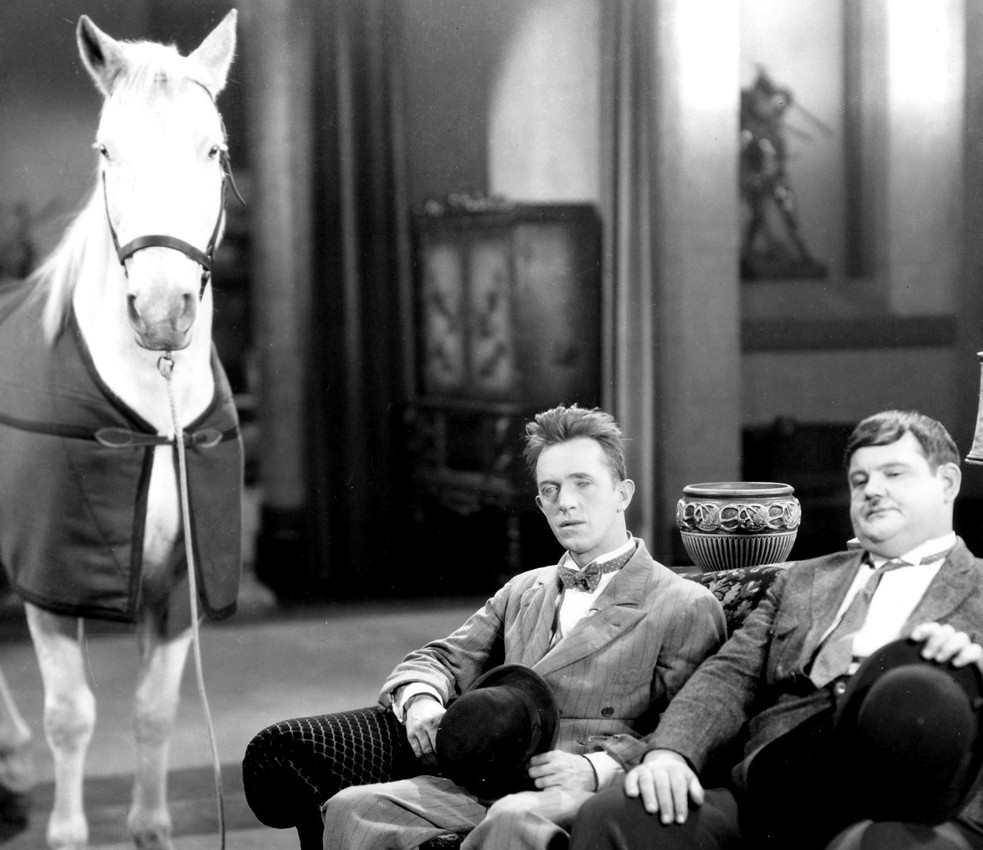
Jolly Cinema
Section: Seriously Funny. The Films of Leo McCarey
Libreria Coop Ambasciatori
Presentation of L’isola che non c’è. Viaggi nel cinema italiano che non vedremo mai by Gian Piero Brunetta (Cineteca di Bologna, 2015)
Contributions by Jean Gili and Paola Cristalli
Cinema Lumiere – Sala Officinema/Mastroianni
Section: TECHNICOLOR & CO.
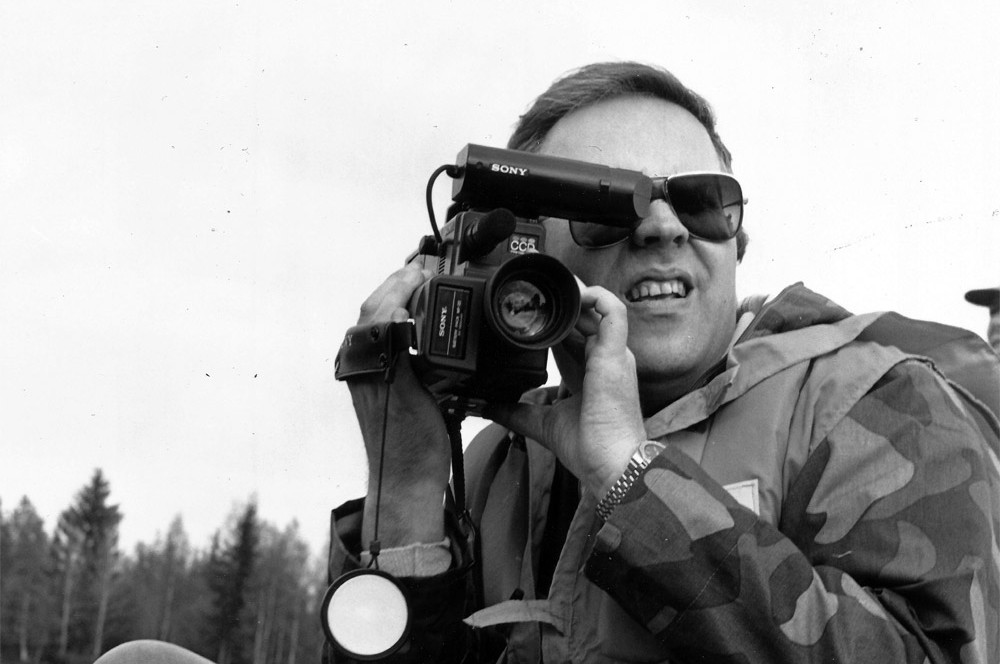
Piazza Maggiore
Accompaniment composed and directed by Maud Nelissen and performed by The Sprockets: Daphne Balvers (Sopranosaxophone), Frido ter Beek (Alto & Baritonsaxophone), Jasper Somsen (Double Bass), Marco Ludemann (Banjo, Guitar and Mandoline), Rombout Stoffers (Percussion and Effects) and Maud Nelissen (Piano)
Evening promoted by Mare Termale Bolognese
(In case of rain, the screening will be moved to the Cinema Arlecchino)
Section: Peter Forever, Homage to Peter von Bagh
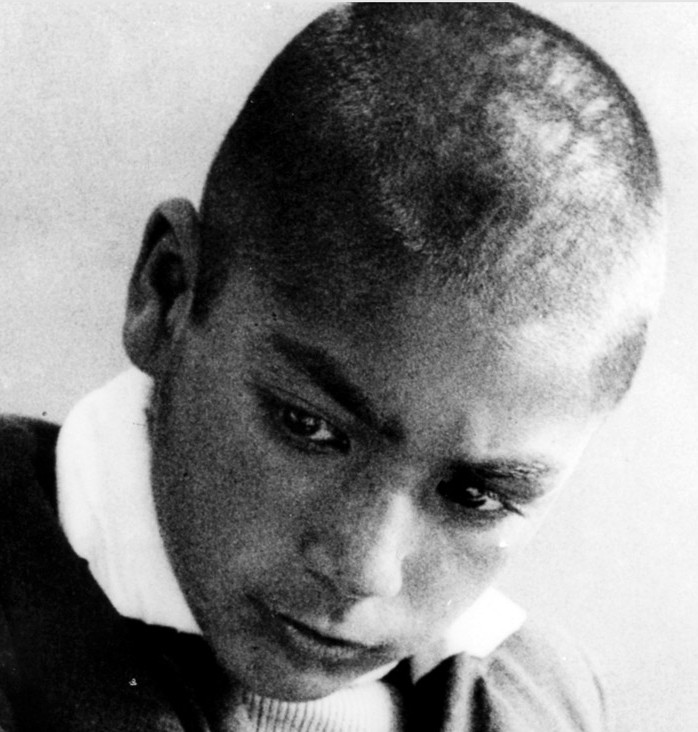
Cinema Lumiere – Sala Scorsese
Section: A Simple Event: the Birth of Iranian New Wave Cinema
tuesday 30 june
Arlecchino Cinema
Section: Recovered & Restored
Cinema Lumiere – Sala Officinema/Mastroianni
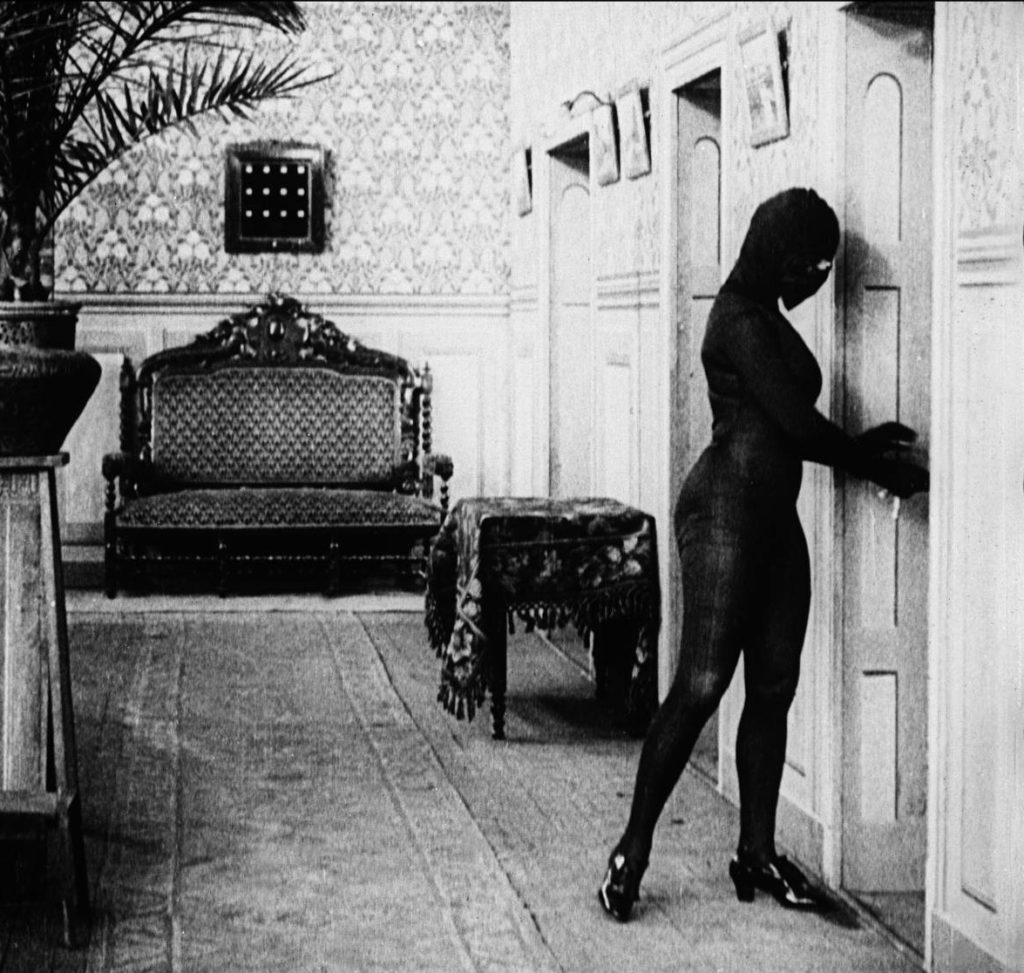
Les Vampires offers pleasures beyond the surrealist interpretation of – in the words of Louis Aragon – “a sexual revelation” and a glamorization of criminality. The series was meant to entertain and to distract people from their worries about a war dragging on and their beloved ones at the front. To this aim the crime story was sprinkled with comedy and a teasing defiance of authorities. In the role of the ostensibly silly Mazamette, an ex-vampire and assistant to the journalist who persecutes the bandits, the star comedian Marcel Levesque zestfully outwits his former mates time and again. The Vampires themselves seem an agile mix of the notorious Bande à Bonnot and the appealing Apache-gangs, which counterbalances their frightening exploits with an anarchistic and rebellious flavor. With their fantastic and obviously improbable tricks they expose the incompetence of authorities such as the police and crime fighters who tend to take them too seriously. As the elusive and sensual Irma Vep even Musidora contributed to the amusing aspects of the series. In each episode appearing in a new disguise, the actress was in charge of ‘informing’ spectators that they were watching Irma Vep, for which she deployed her trademark sidelong glance at the camera and the Apache-pose of placing her hands on her hips. These devices added playfulness and irony to the otherwise mysterious and disconcerting Irma Vep, and likewise created a crucial understanding between Musidora and the public, as the actress suggested in an interview on Radio Suisse Romande (18 November 1947): “I think I was able to establish a close relation with my audience. They used to say: ‘there’s a lot of blood, no doubt about it, but he kills to amuse us and not to scare us because in the end, they would laugh”.
Annette Förster
After Fantômas in 2014, Gaumont undertook the digital restoration of Les Vampires, another Louis Feuillade serial (in 10 episodes) made between 1915 and 1916. The serial was a source of inspiration for Surrealists, who admired its narrative freedom and unbridled imagination.
The Éclair lab (Éclair Group) oversaw its restoration working with a nitrate duplicate of the film, a nitrate print and a more recent safety film print for any missing shots. Unfortunately, despite scouring film archives around the world through FIAF, we have been unable to find the original nitrate negative. For the 4K scanning we chose to work with the duplicate, using the later prints only when necessary (for missing shots or ones too damaged in the duplicate). The images were then restored so they could be put back on film. Since the materials available to us gave no indication about the film’s color, the restored version is in black and white. The original intertitles survived in the form of typewritten lists kept at the Bibliothèque du Film (Louis Feuillade archive) and were reintegrated in the 2015 version. The film was restored with the participation of the Centre national du cinéma et de l’image animée as part of a program for film heritage restoration and digitalization, and with the cooperation of the Cinémathèque française, which provided its materials.
Agnès Bertola
Section: 120 Gaumont - One hundred years ago: 1926
Followed by UNSEEN LOLLO
Section: Recovered & Restored
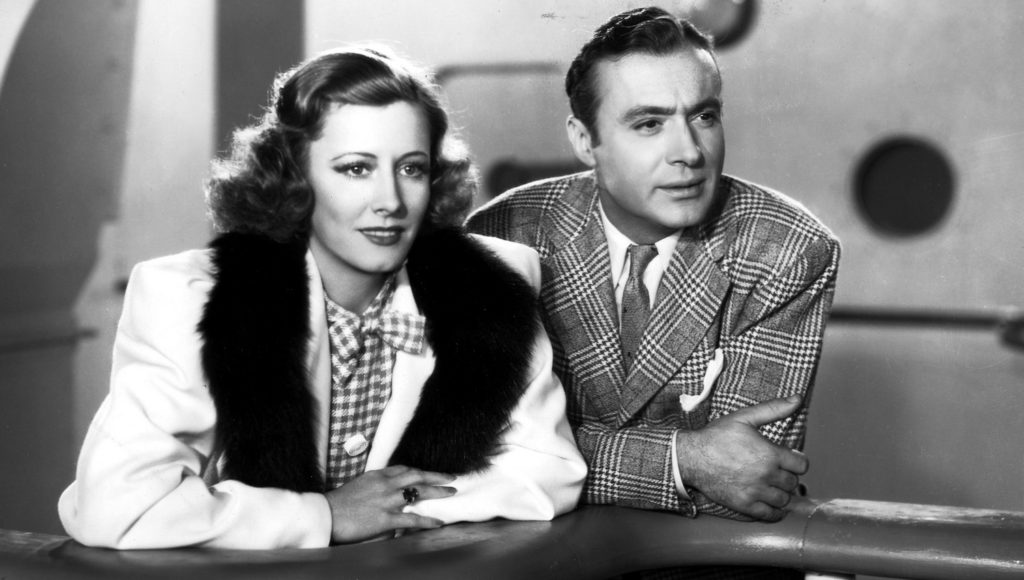
Jolly Cinema
Section: Seriously Funny. The Films of Leo McCarey
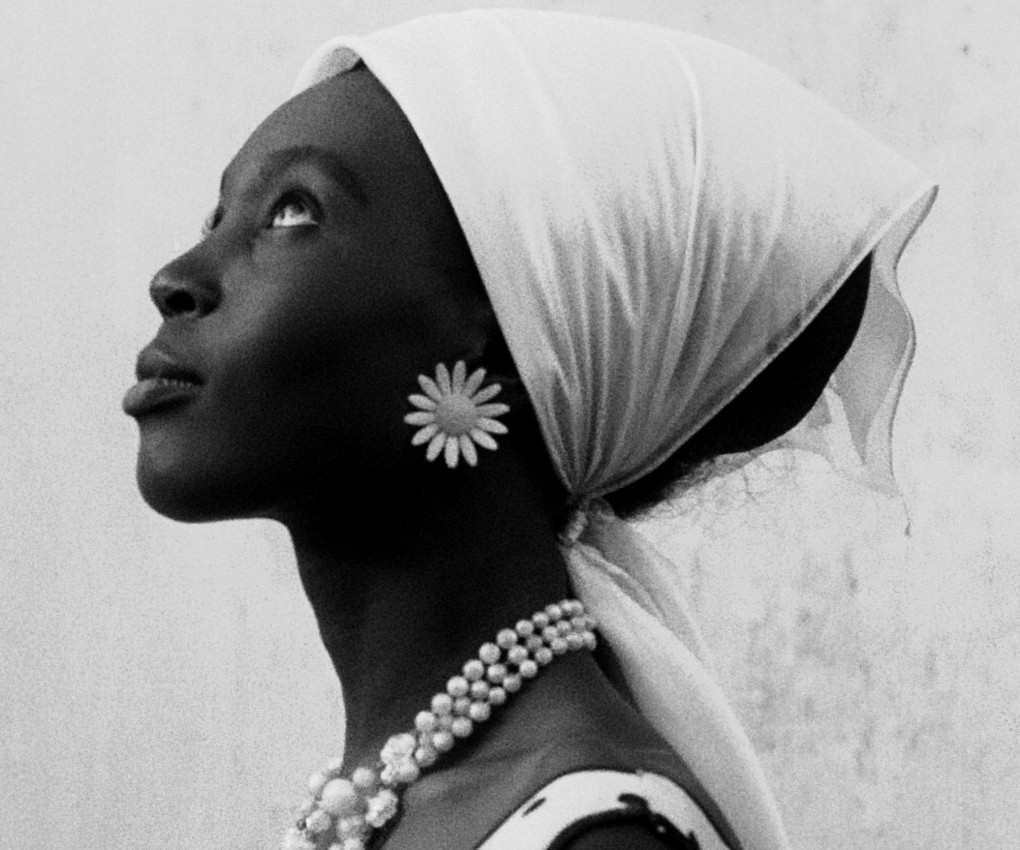
Cinema Lumiere – Sala Scorsese
Introduced by
Alain Sembène and Cecilia Cenciarelli
Section: The Film Foundation’s World Cinema Project
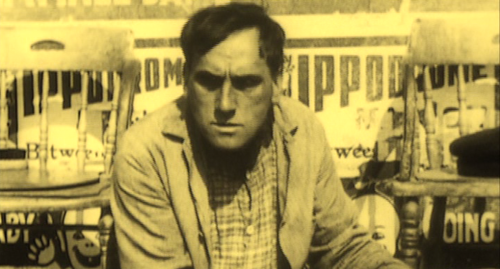
Cinema Lumiere – Sala Officinema/Mastroianni
Section: One hundred years ago: 1926
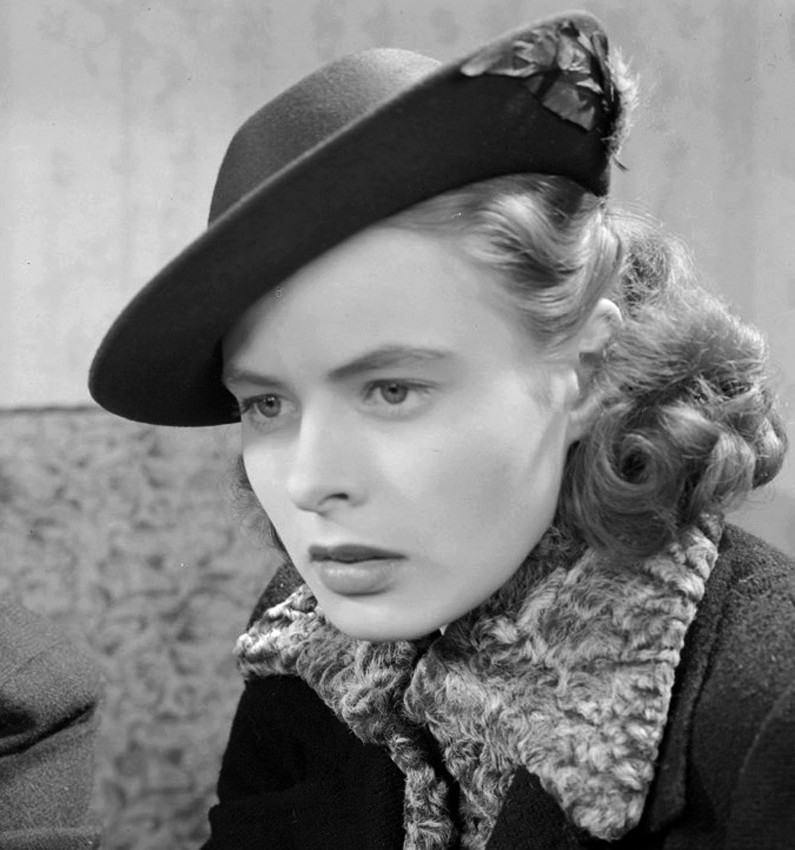
Arlecchino Cinema
Section: Ingrid Bergman. The Early Years
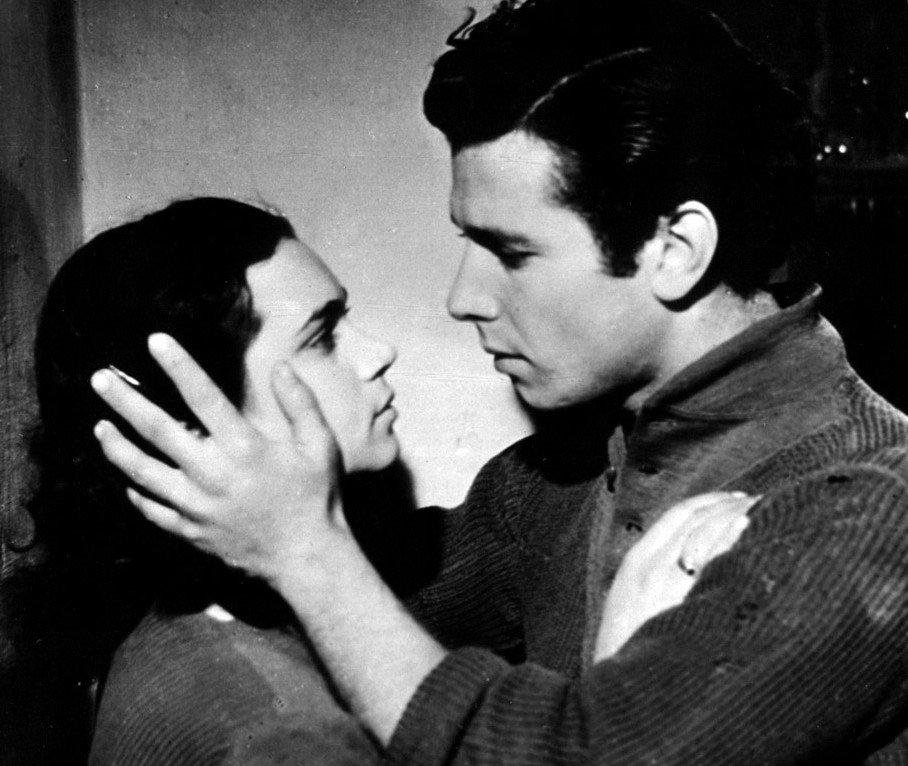
Jolly Cinema
Section: Beautiful Youth. Renato Castellani
Conversation with Akira Tochigi, Masaki Daibo, Johan Nordström and Alexander Jacoby
Section: Richness and Harmony. Colour Film in Japan
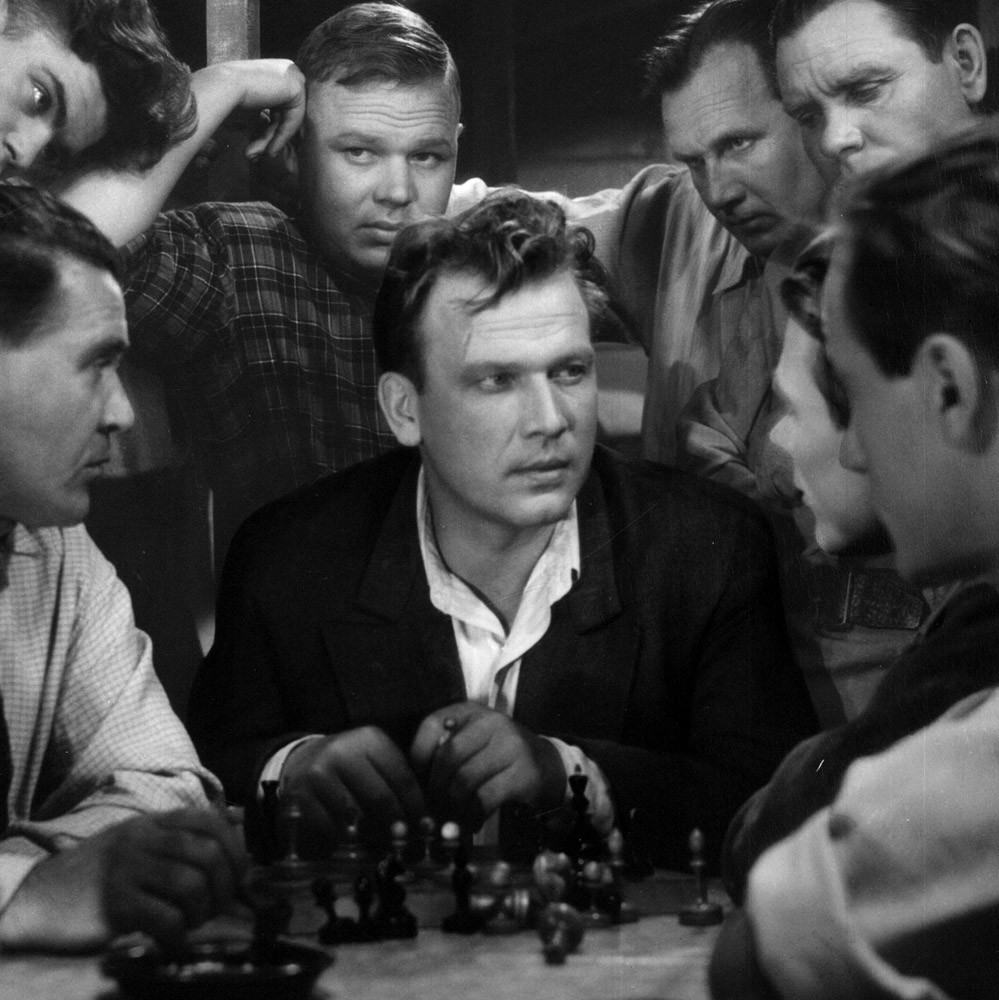
Cinema Lumiere – Sala Scorsese
Section: Last Spring. Looking anew at the Cinema of the Thaw (Part One: Dawn)
Conversation with Jérôme Seydoux, Sophie Seydoux and Nikolaus Wostry
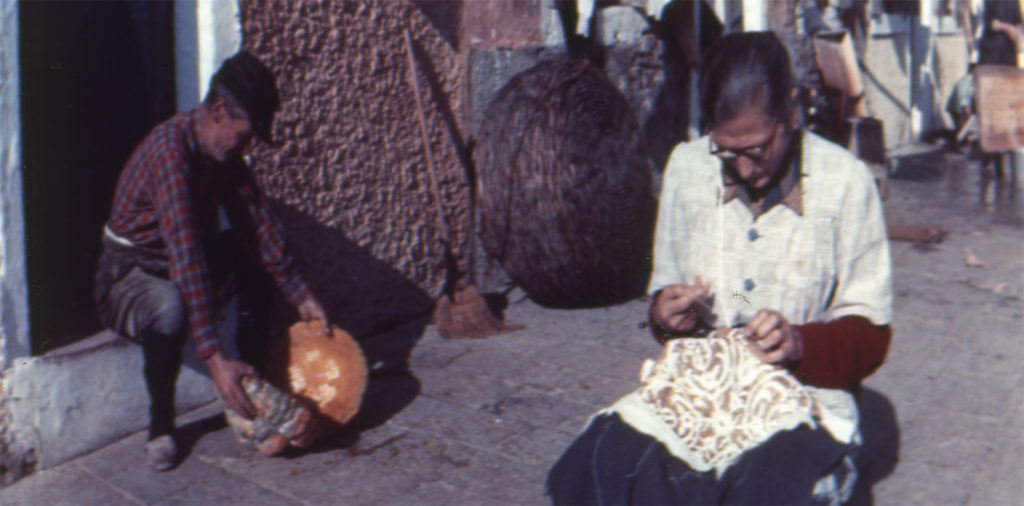
Cinema Lumiere – Sala Officinema/Mastroianni
Section: Post War Italian Rarities
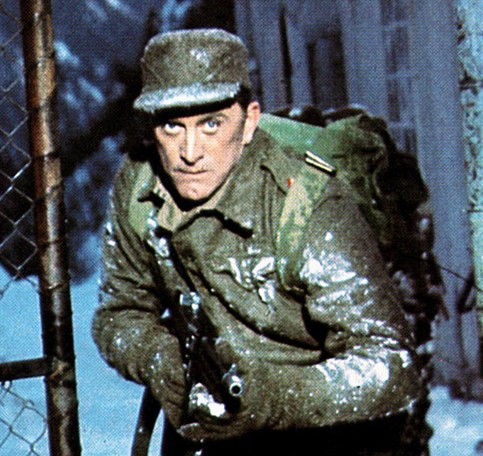
Arlecchino Cinema
Section: TECHNICOLOR & CO.
Cinema Lumiere – Sala Officinema/Mastroianni
Piano accompaniment by
Accompanied by John Sweeney (piano) and Frank Bockius (drums)
Section: Recovered & Restored - Beloved Bluebirds - One hundred years ago: 1926
Cinema Lumiere – Sala Scorsese
Section: Peter Forever, Homage to Peter von Bagh
Jolly Cinema
Introduced by
the curators Jonathan Rosenbaum and Ehsan Khoshbakht
Section: Jazz Goes to the Movies
Conversation with Michael Pogorzelski
Section: Documents and Documentaries
Cinema Lumiere – Sala Scorsese
Section: Post War Italian Rarities
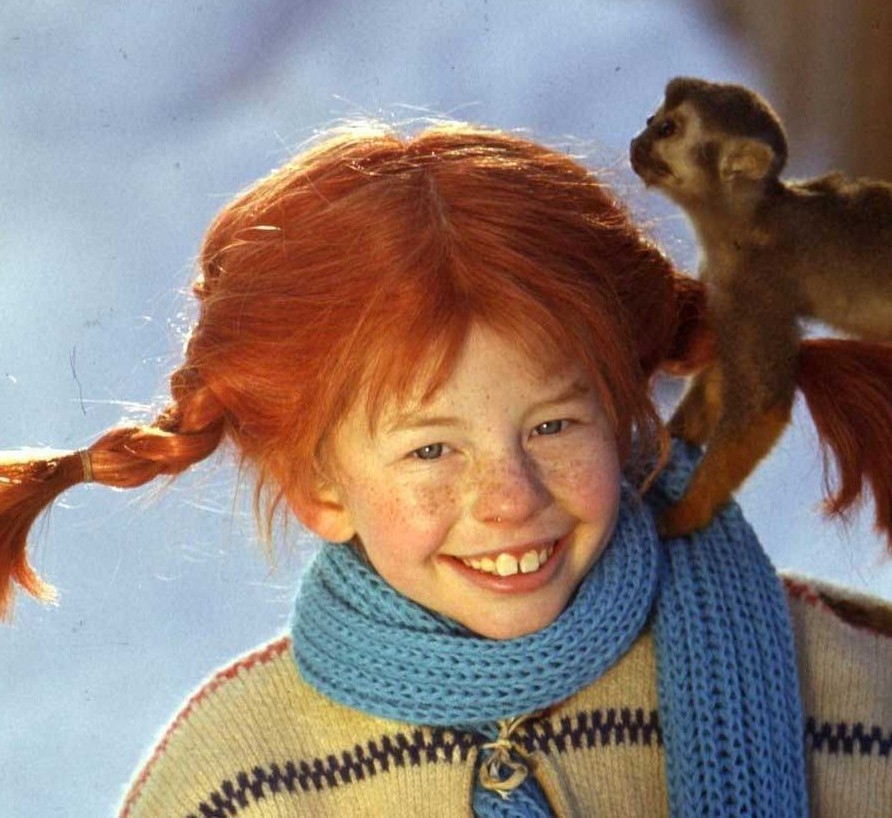
Sala Cervi
PIPPI CALZELUNGHE (Svezia/1969) R.: Olle Hellbom. D.: 60’ (two episods)
Tilly in a Boarding House (Gb/1911) R.: Lewin Fitzhamon. D.: 7’
Boy Wanted (Irlanda/1940) R.: Nicholas Staunton. D.: 3’
Section: Cinema Ritrovato Kids
Section: Chaplin project
Arlecchino Cinema
Section: Recovered & Restored
Cinema Lumiere – Sala Officinema/Mastroianni
Section: The Velle Connection 1900-1930. Gaston, Maurice and Mary Murillo
Jolly Cinema
Introduced by
Akira Tochigi, Johan Nordström and Alexander Jacoby
Section: Richness and Harmony. Colour Film in Japan
Cinema Lumiere – Sala Officinema/Mastroianni
Section: One hundred years ago: 1926
Sala Cervi
We dedicate some programmes to the first directors in the history of cinema, in particular the Lumière Brothers and George Méliès, creator of the best well-known trick films during the early years of cinema, inventing special effects remarkable for the period.
L’Arroseur arrosé (Francia/1895) R.: Auguste e Louis Lumière. D.: 1’
Bataille aux boules de neige (Francia/1896) R.: Auguste e Louis Lumière. D.: 1’
Le Magicien (Francia/1898) R.: Georges Méliès. D.: 1’
L’Homme à la tête en caoutchouc (Francia/1901) R.: Georges Méliès. D.: 2’
Le Livre magique (Francia/1900) R.: Georges Méliès. D.: 3’
L’Auberge du bon repos (Francia/1903) R.: Georges Méliès. D.: 5’
Le Repas fantastique (Francia/1900) R.: Georges Méliès. D.: 2’
Le Maestro do-mi-sol-do (Francia/1906) R.: Georges Méliès. D.: 3’
Jeu de dés (Gioco di dadi, Francia/1912) D.: 4’
Japonaiseries (Francia/1904) R.: Gaston Velle. D.: 3’
Métamorphose du papillon (Francia/1905) R.: Gaston Velle. D.: 2’
Les Roses magiques (Francia/1906) R.: Segundo de Chomón. D.: 4’
Piano acompaniment by Lorenzo Agnifili
Section: Cinema Ritrovato Kids
Arlecchino Cinema
Introduced by
Sophie Seydoux (Fondation Jérôme Seydoux-Pathé)
Section: Recovered & Restored
Cinema Lumiere – Sala Scorsese
Section: Last Spring. Looking anew at the Cinema of the Thaw (Part One: Dawn)
Jolly Cinema
Section: Seriously Funny. The Films of Leo McCarey
Sala Cervi
A two-part laboratory to create stories and situations inspired by the films of Méliès
Section: Cinema Ritrovato Kids
Cinema Lumiere – Sala Officinema/Mastroianni
Maud Nelissen (piano), Frido ter Beek (sassofono) and Jasper Somsen (contrabbasso)
Section: Beloved Bluebirds
Libreria Coop Ambasciatori

Piazza Maggiore
Introduced by
Schawn Belston (Fox)
Section: TECHNICOLOR & CO.
Cinema Lumiere – Sala Scorsese
Introduced by
Cecilia Cenciarelli and Pierre Rissient
Section: The Film Foundation’s World Cinema Project
Piazzetta Pier Paolo Pasolini
Projection with carbon lamp: La princesse aux clowns (La principessa e il clown, Francia/1924) R.: André Hugon, La Ruche merveilleuse (Francia/1905) R.: Gaston Velle, Un Drame dans les airs (Francia/1904) R.: Gaston Velle, Petit Jules Verne (Francia/1907) R.: Gaston Velle, El iris fantastico (L’iris fantastique, Spagna/1912) R.: Segundo de Chomón
Section: The Velle Connection 1900-1930. Gaston, Maurice and Mary Murillo
wednesday 1 july
Arlecchino Cinema
Introduced by
Sophie Seydoux (Fondation Jérôme Seydoux-Pathé)
Section: Recovered & Restored
Cinema Lumiere – Sala Officinema/Mastroianni
Accompanied by Maud Nelissen (piano), Frido ter Beek (saxophone) and Jasper Somsen (double bass)
Les Vampires
Cast & Credits
Scen.: Louis Feuillade, Georges Meiers. F.: Georges Guérin. Int.: Musidora (Irma Vep / Mlle Le Goff / Juliette Berteaux / Mlle de Mortesaigues), Edouard Mathé (Philippe Guérande), Jean Ayme (Le Grand Vampire / conte di Kerlor / dottor Nox / Mr Treps), Marcel Levesque (Oscar Mazamette), Laurent Morlas (l’ufficiale di Napoleone / un apache), Edmond Breon (il segretario di Satana), Frederik Moriss (Venenos), Miss Edith (una complice dei vampiri / la contessa de Kerlor), Faraboni (il vampiro danzatore), Françoise Rosay (un’invitata di Mortesaigues), Suzanne Delve (Fleur de Lys), Germaine Rouer (Augustine), Fernand Hermann (Juan-José Moréno), Theles (il giudice), Louis Leubas (Père Silence, Satana), Emile Keppens (Géo Baldwin), Stacia Napierkowska (Marfa Koutiloff). Prod.: Société des Etablissements L. Gaumont – DCP. Bn.
Les Vampires offers pleasures beyond the surrealist interpretation of – in the words of Louis Aragon – “a sexual revelation” and a glamorization of criminality. The series was meant to entertain and to distract people from their worries about a war dragging on and their beloved ones at the front. To this aim the crime story was sprinkled with comedy and a teasing defiance of authorities. In the role of the ostensibly silly Mazamette, an ex-vampire and assistant to the journalist who persecutes the bandits, the star comedian Marcel Levesque zestfully outwits his former mates time and again. The Vampires themselves seem an agile mix of the notorious Bande à Bonnot and the appealing Apache-gangs, which counterbalances their frightening exploits with an anarchistic and rebellious flavor. With their fantastic and obviously improbable tricks they expose the incompetence of authorities such as the police and crime fighters who tend to take them too seriously. As the elusive and sensual Irma Vep even Musidora contributed to the amusing aspects of the series. In each episode appearing in a new disguise, the actress was in charge of ‘informing’ spectators that they were watching Irma Vep, for which she deployed her trademark sidelong glance at the camera and the Apache-pose of placing her hands on her hips. These devices added playfulness and irony to the otherwise mysterious and disconcerting Irma Vep, and likewise created a crucial understanding between Musidora and the public, as the actress suggested in an interview on Radio Suisse Romande (18 November 1947): “They used to say: ‘there’s a lot of blood, no doubt about it, but he kills to amuse us and not to scare us because in the end, they would laugh”.
Annette Förster
After Fantômas in 2014, Gaumont undertook the digital restoration of Les Vampires, another Louis Feuillade serial (in 10 episodes) made between 1915 and 1916. The serial was a source of inspiration for Surrealists, who admired its narrative freedom and unbridled imagination.
The Éclair lab (Éclair Group) oversaw its restoration working with a nitrate duplicate of the film, a nitrate print and a more recent safety film print for any missing shots. Unfortunately, despite scouring film archives around the world through FIAF, we have been unable to find the original nitrate negative. For the 4K scanning we chose to work with the duplicate, using the later prints only when necessary (for missing shots or ones too damaged in the duplicate). The images were then restored so they could be put back on film. Since the materials available to us gave no indication about the film’s color, the restored version is in black and white. The original intertitles survived in the form of typewritten lists kept at the Bibliothèque du Film (Louis Feuillade archive) and were reintegrated in the 2015 version. The film was restored with the participation of the Centre national du cinéma et de l’image animée as part of a program for film heritage restoration and digitalization, and with the cooperation of the Cinémathèque française, which provided its materials.
Agnès Bertola
Section: 120 Gaumont - One hundred years ago: 1926
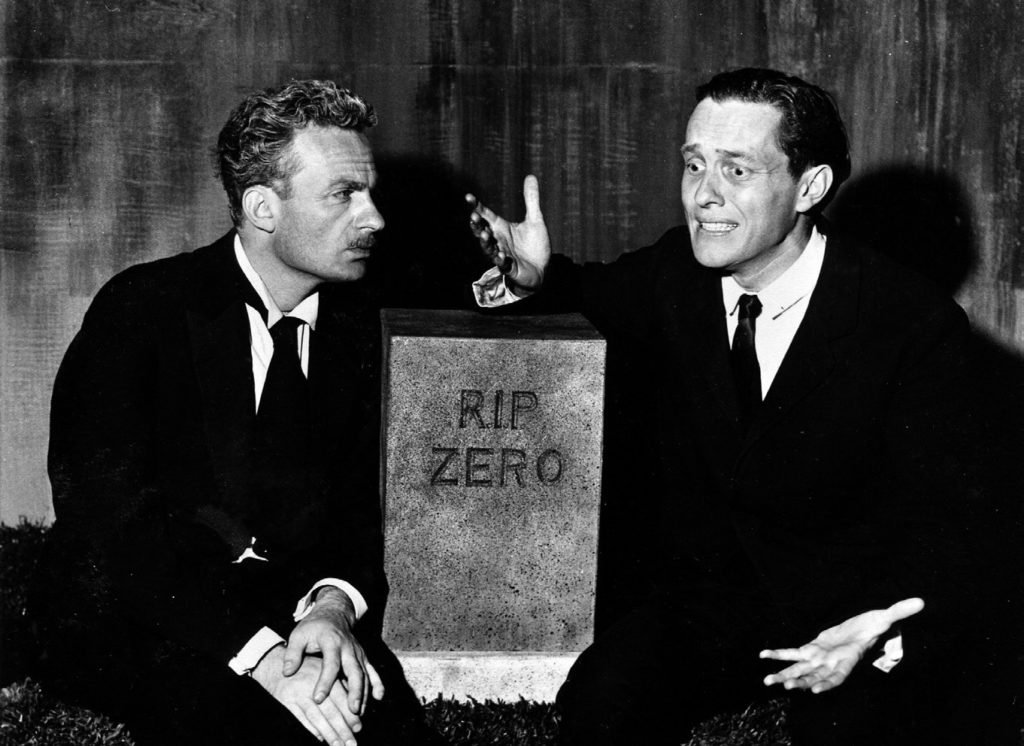
Cinema Lumiere – Sala Scorsese
Introduced by
Brenda Watkinson and Frank Scheide
Section: Chaplin project
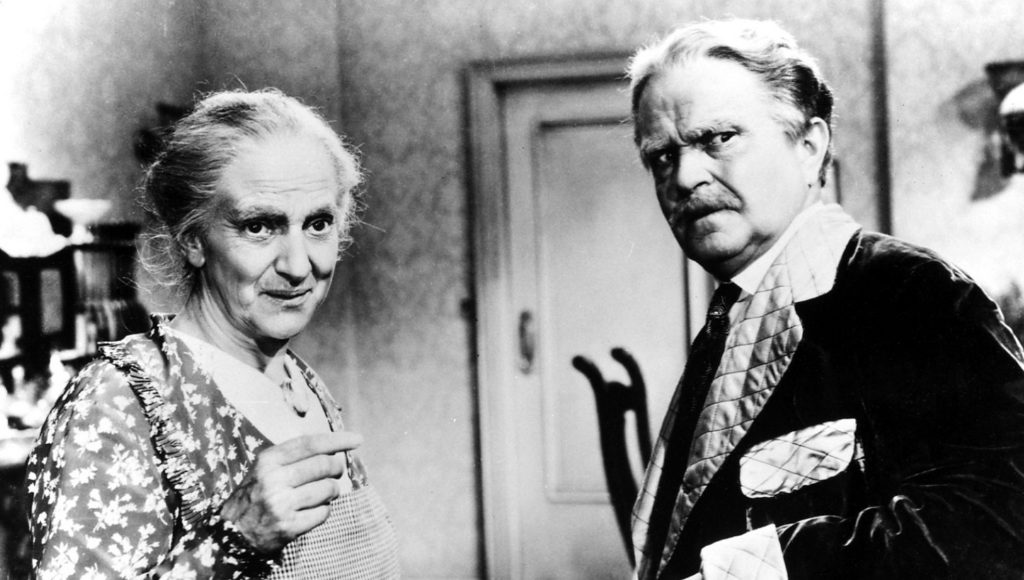
Jolly Cinema
Section: Seriously Funny. The Films of Leo McCarey
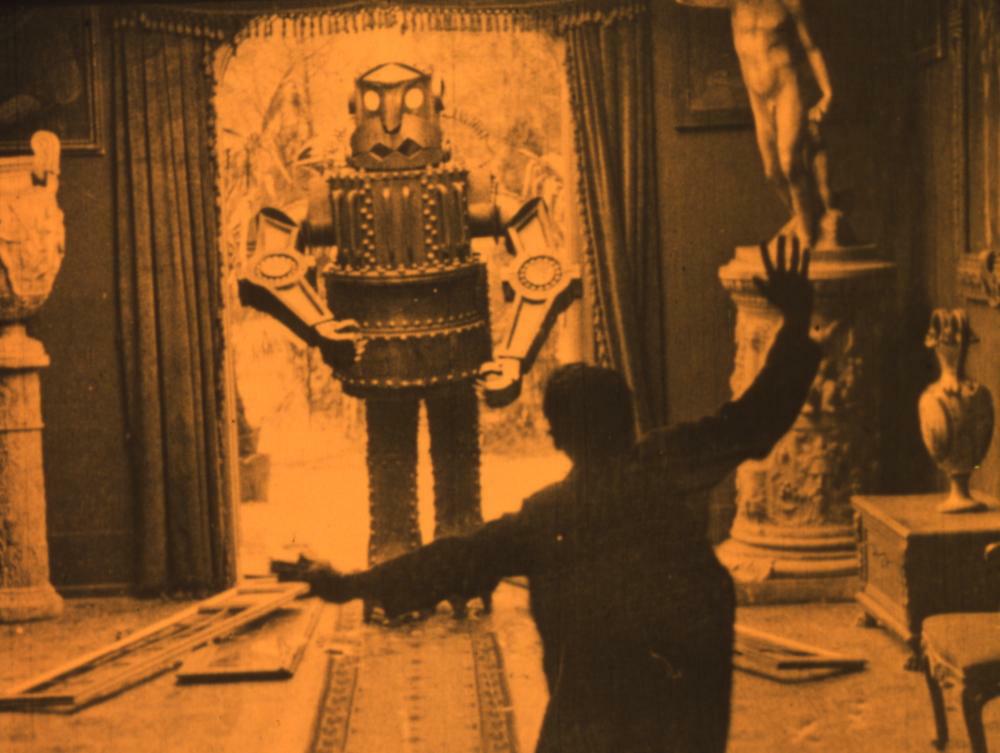
Cinema Lumiere – Sala Officinema/Mastroianni
Piano accompaniment by
Antonio Coppola
Followed by a presentation of the reconstruction of L’emigrante, curated by Claudia Gianetto (Museo Nazionale del Cinema)
Section: Valentina Frascaroli, Leading Lady
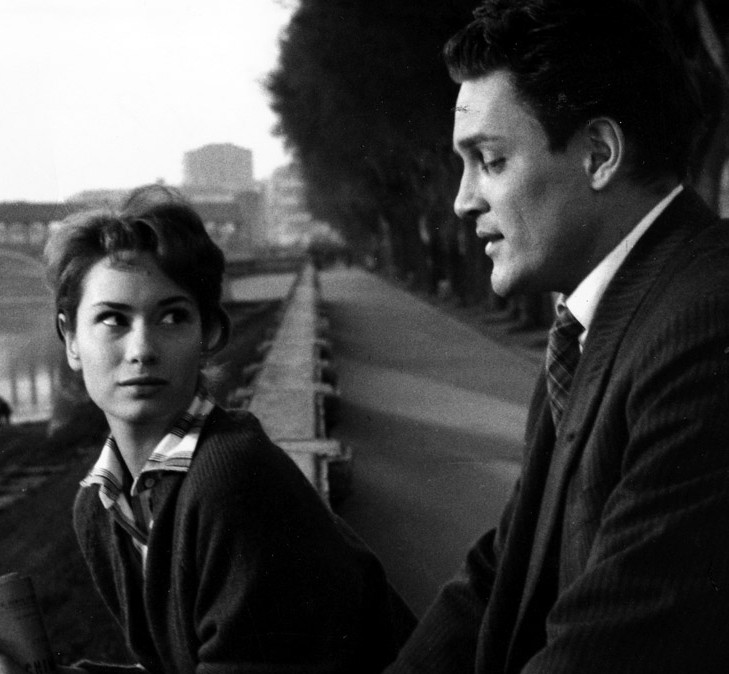
Jolly Cinema
Introduced by Sergio Bruno, who will present the alternative ending to the film
Section: Beautiful Youth. Renato Castellani
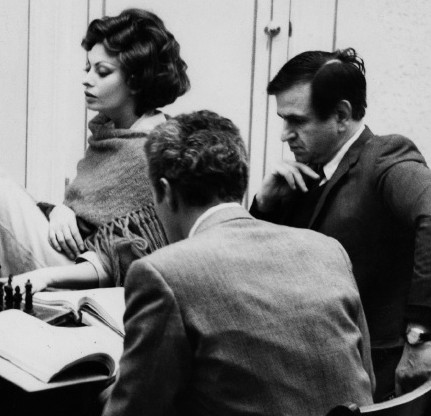
Cinema Lumiere – Sala Scorsese
Conversation with Frank Scheide and Cecilia Cenciarelli
Section: Chaplin project
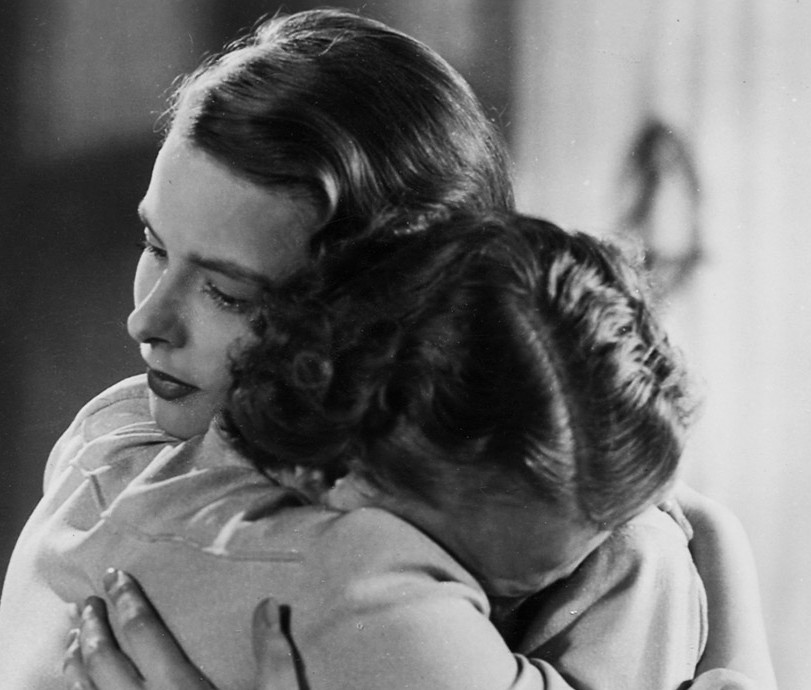
Arlecchino Cinema
Section: Ingrid Bergman. The Early Years
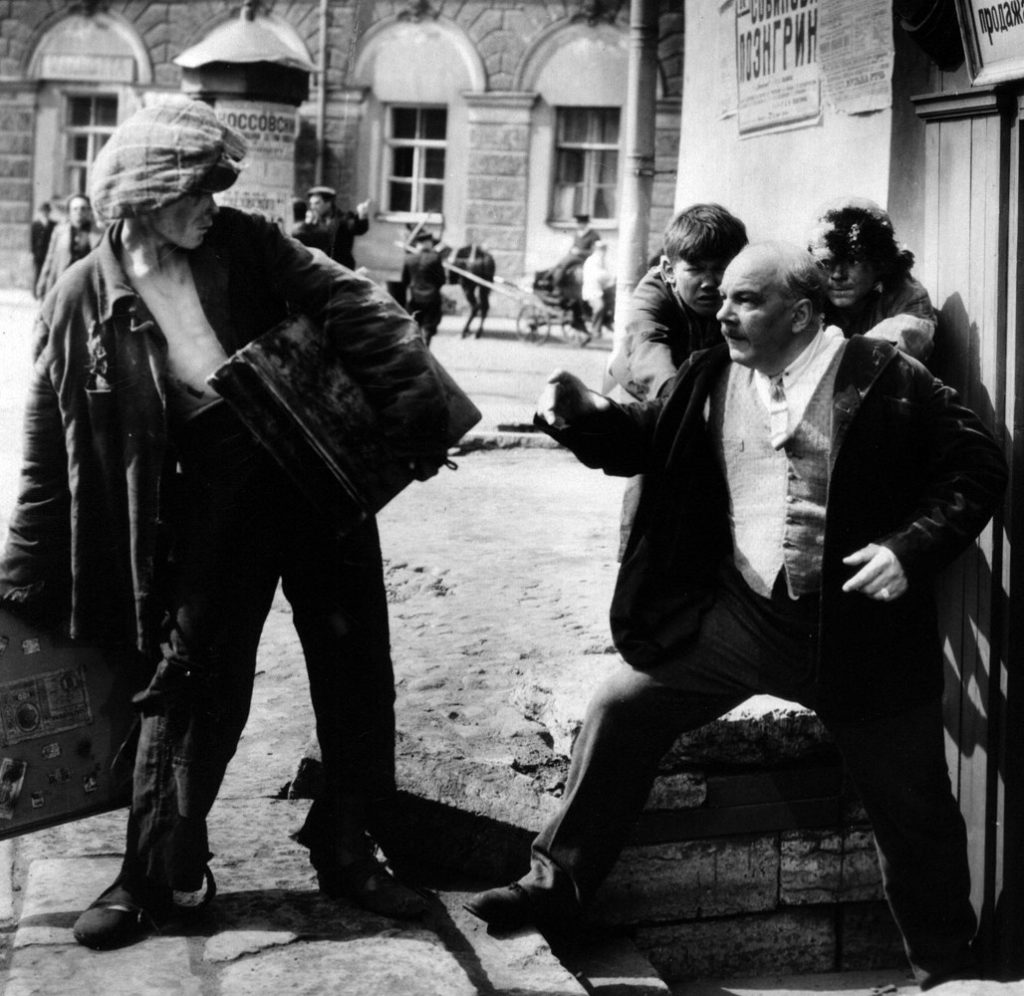
Cinema Lumiere – Sala Scorsese
Section: Last Spring. Looking anew at the Cinema of the Thaw (Part One: Dawn)
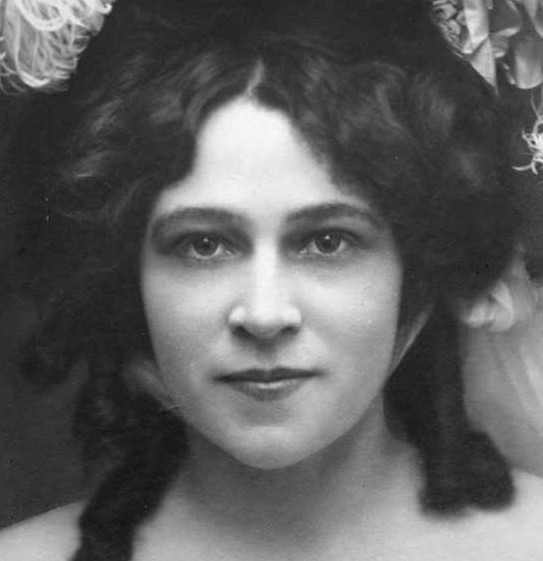
Cinema Lumiere – Sala Officinema/Mastroianni
Piano accompaniment by
Neil Brand
Section: Beloved Bluebirds
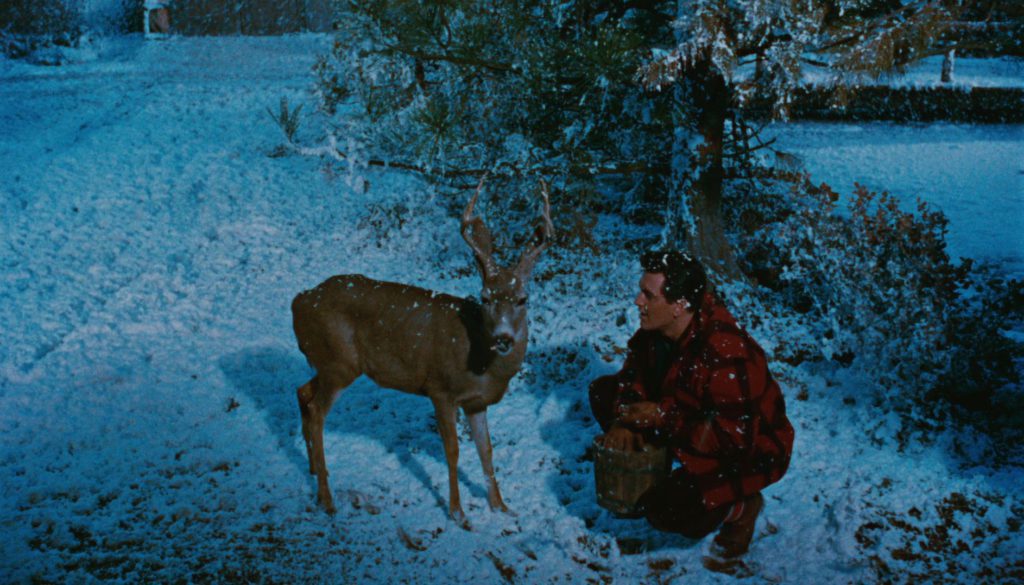
Arlecchino Cinema
Section: TECHNICOLOR & CO.
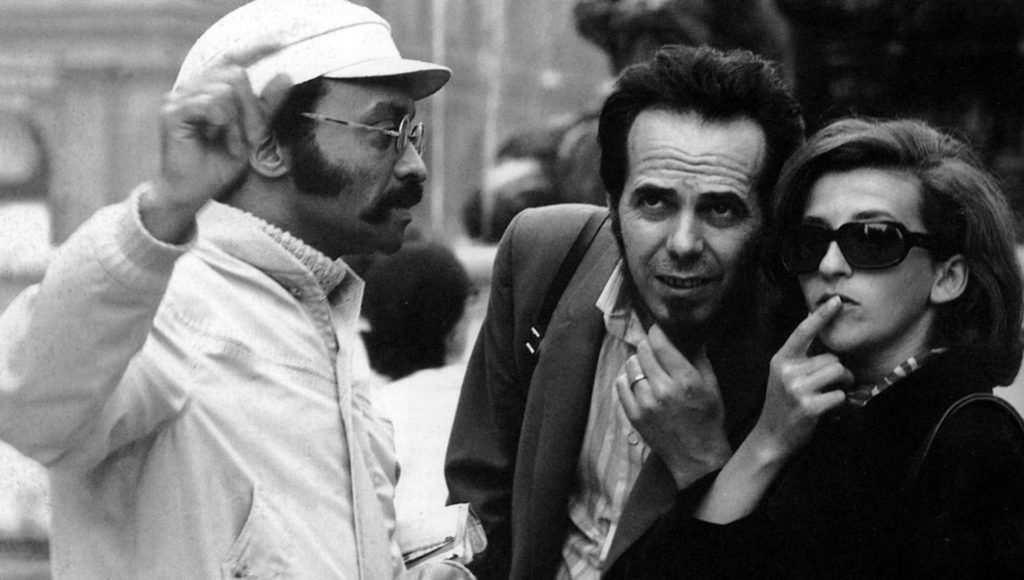
Jolly Cinema
Introduced by
Fiorella Giovannelli Amico and Olmo Amico, Gianni’s wife and son
Section: Jazz Goes to the Movies
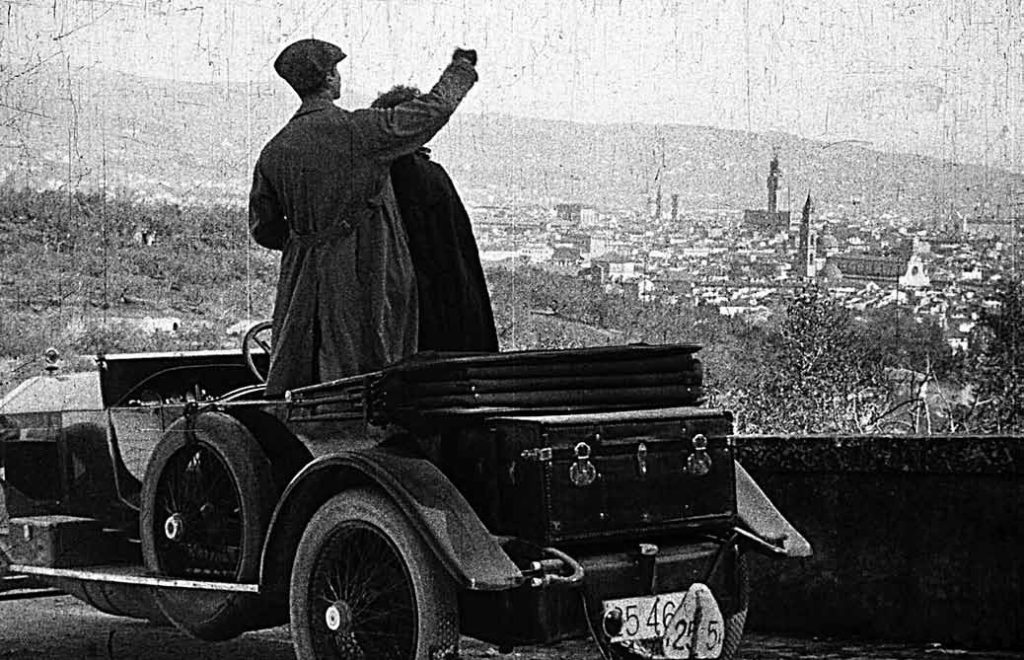
Cinema Lumiere – Sala Officinema/Mastroianni
Introduced by
Paolo Benvenuti and Andrea Meneghelli
Section: Recovered & Restored
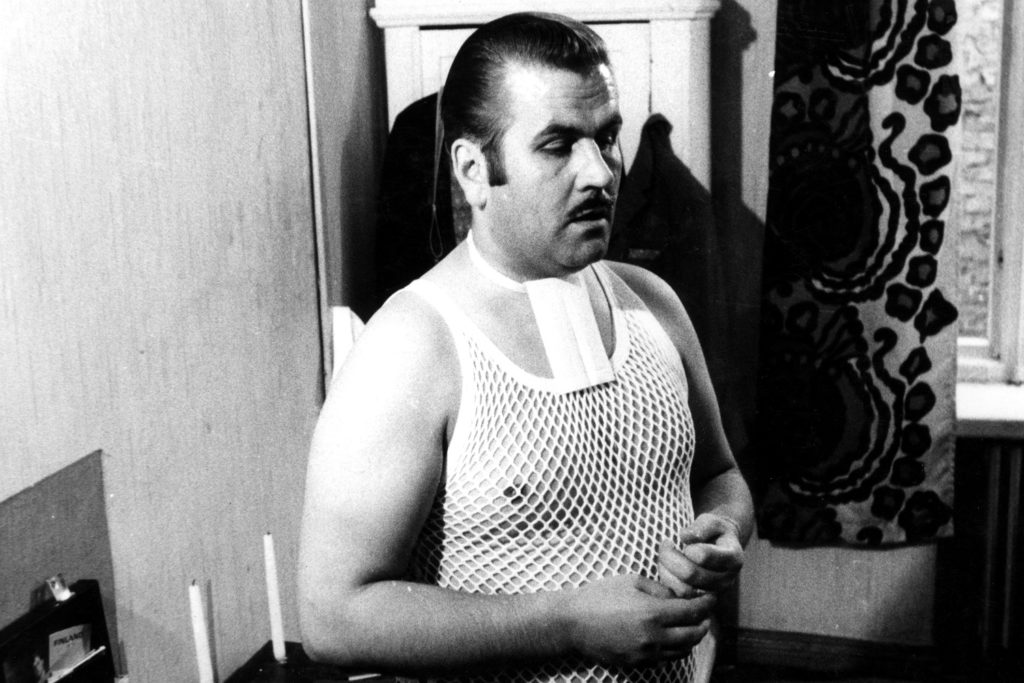
Cinema Lumiere – Sala Scorsese
Section: Peter Forever, Homage to Peter von Bagh
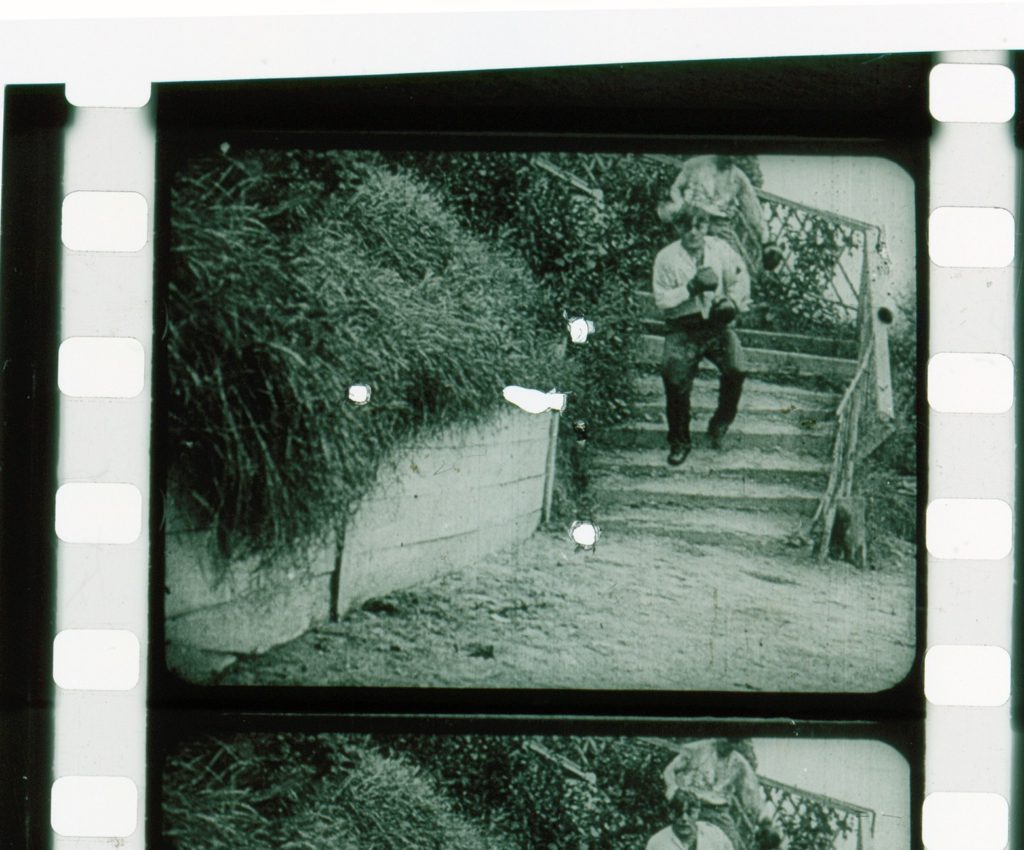
Round table on the future of film and the importance of the role that it plays. From preservation of cultural heritage to the new generations of filmmakers.
With Gabe Kilinger, Pietro Marcello, Jonathan Nossiter, Alexander Payne, Renato Berta, Andrew Evenski, Christophe Tardieu, Grover Crisp, Josè Manuel Costa, Michael Porgorzelski, Nicola Mazzanti, Gian Luca Farinelli and Rachael Stoltje
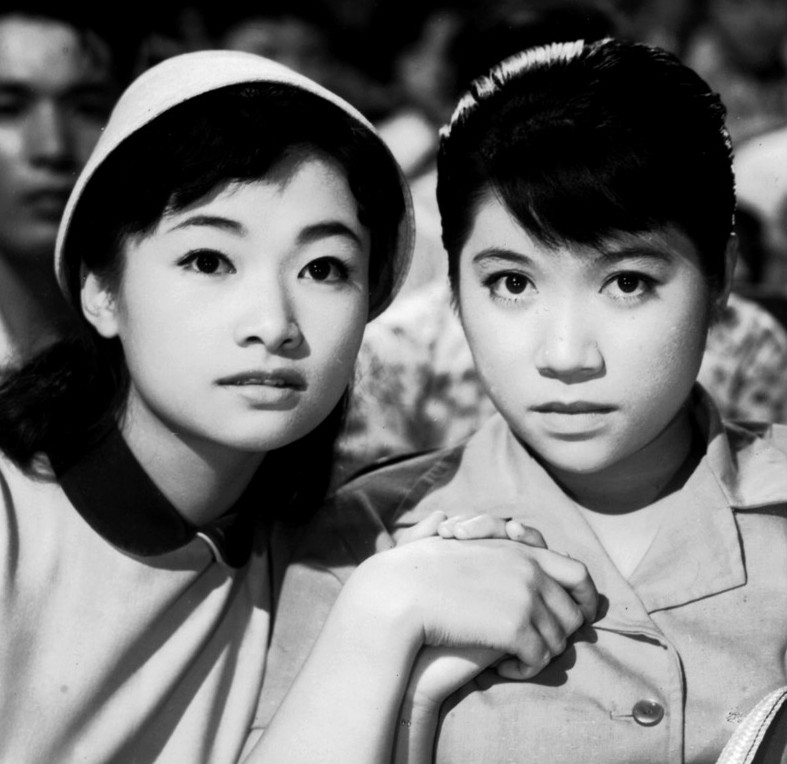
Jolly Cinema
Introduced by
Johan Nordström and Alexander Jacoby
Section: Richness and Harmony. Colour Film in Japan
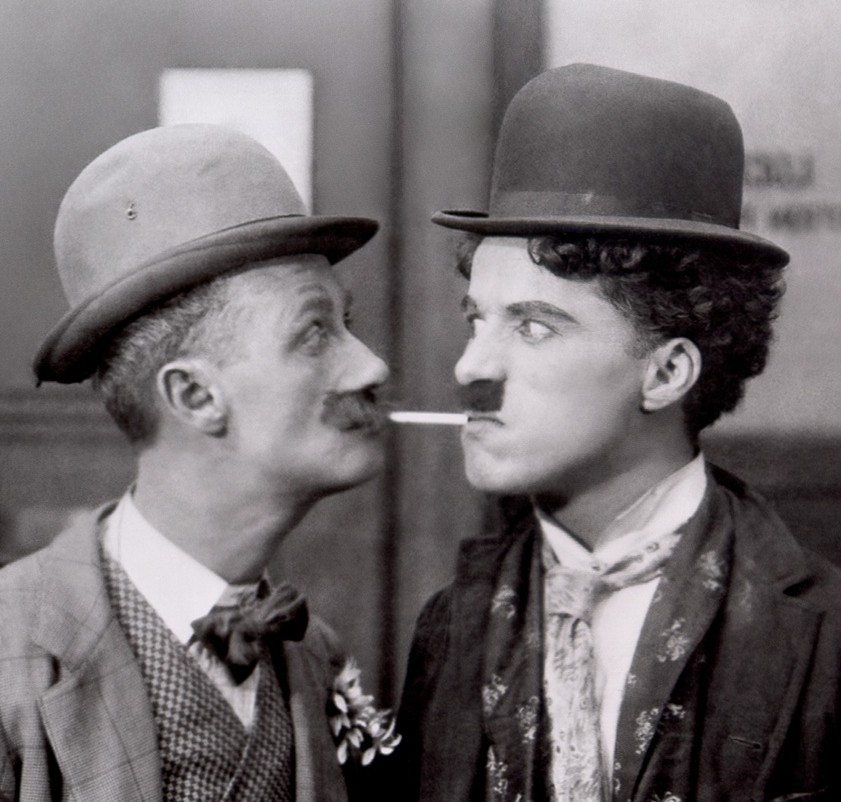
Sala Cervi
Las patatas fritas (Spagna/1916) R.: Domingo Ceret. D.: 5’
L’enfant terrible (Italia/1917) R.: Ferdinand Guillaume. D.: 12′
Come fu che l’ingordigia rovinò il Natale a Cretinetti (Italia/1910) R.: André Deed. D.: 11′
His New Job (USA/1915) R.: Charlie Chaplin. D.: 30′
Piano accompaniment by Lorenzo Agnifili
Section: Cinema Ritrovato Kids

Arlecchino Cinema
Section: Recovered & Restored
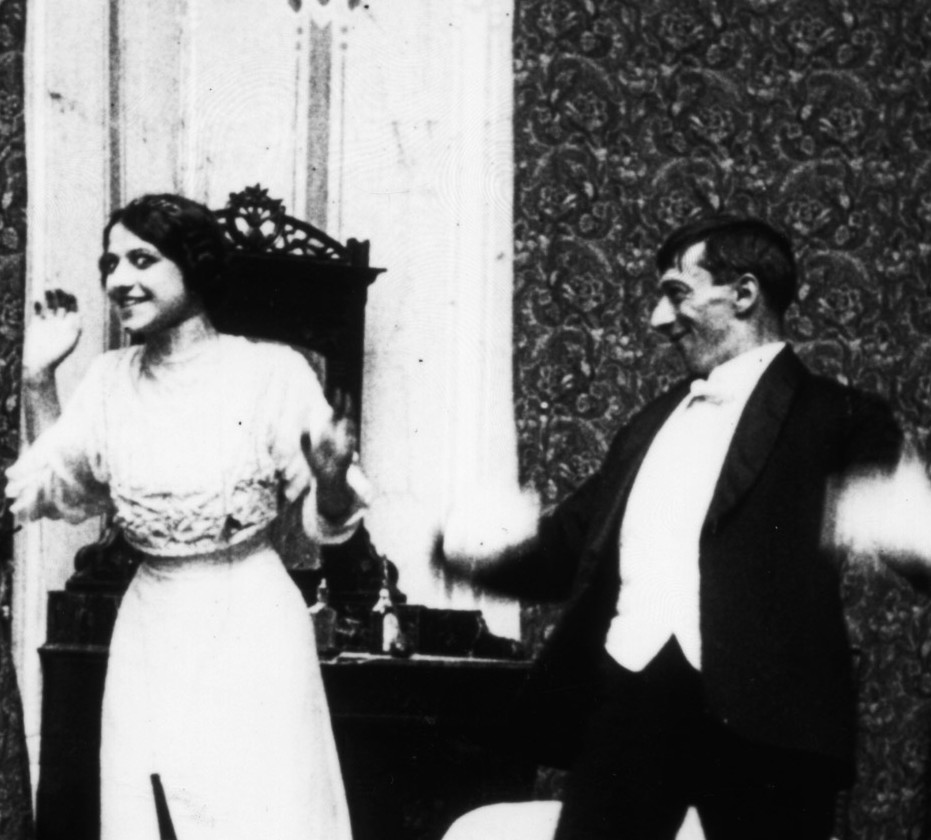
Cinema Lumiere – Sala Officinema/Mastroianni
Introduced by
Mariann Lewinsky
Accompanied by Maud Nelissen (piano), Frido ter Beek (saxophone) e Jasper Somsen (double bass)
Section: Valentina Frascaroli, Leading Lady
Cinema Lumiere – Sala Scorsese
Introduced by
Bernard Eisenschitz
Section: Peter Forever, Homage to Peter von Bagh

Sala Cervi
Making a short film in which the children become magicians and illusionists
Section: Cinema Ritrovato Kids
Cinema Lumiere – Sala Officinema/Mastroianni
Introduced by
Mariann Lewinsky, Gevorg Gevorgyan and Jay Weissberg
Piano accompaniment by
Daniele Furlati
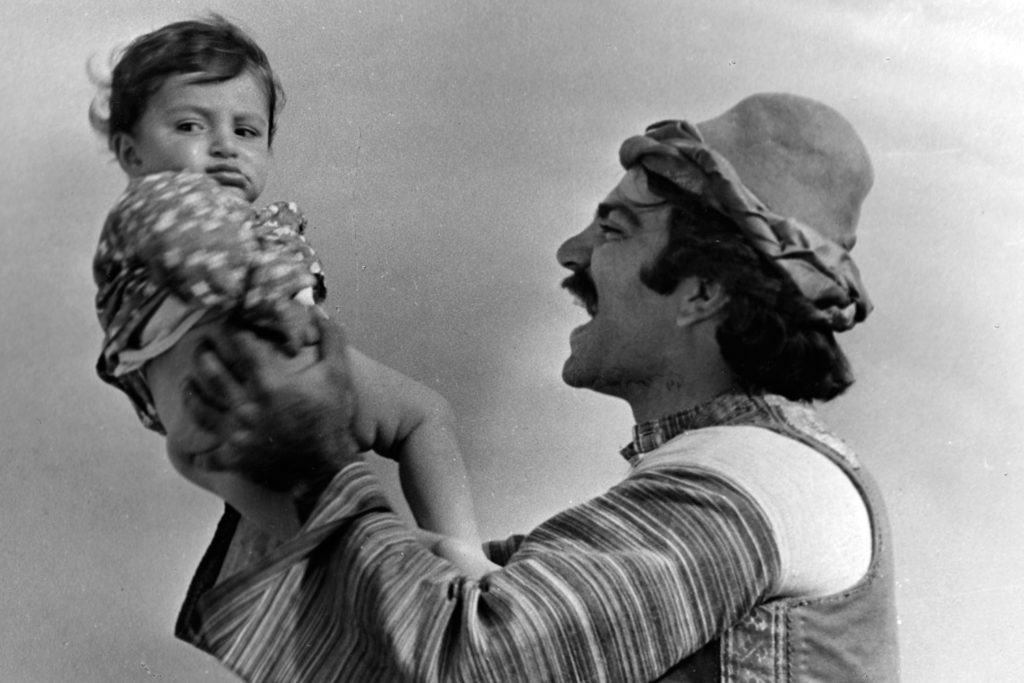
Section: Armenia. Genocide and After
Jolly Cinema
Piano accompaniment by
Antonio Coppola
Section: Seriously Funny. The Films of Leo McCarey
Arlecchino Cinema
Introduced by
Yoram Kahana (Foreign Press Association)
Section: Recovered & Restored
Cinema Lumiere – Sala Scorsese
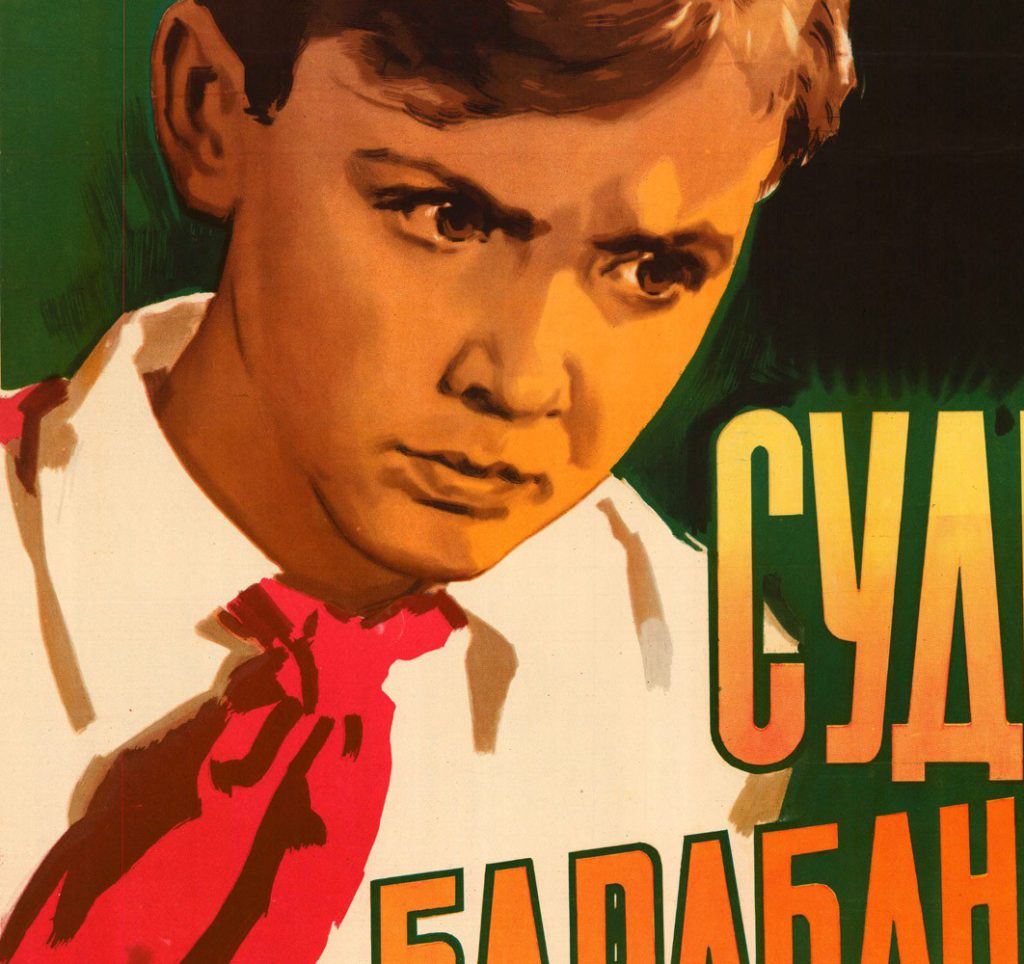
Section: Last Spring. Looking anew at the Cinema of the Thaw (Part One: Dawn)

Momenti cinematografici
Conference organised in collaboration with l’Institut français Italia as part of its Prospettive Critiche series
Libreria Coop Ambasciatori
Presentation of A pranzo con Orson Conversazioni tra Henry Jaglom e Orson Welles (Adelphi, 2015)
Contributions by Irene Bignardi e Matteo Codignola
Jolly Cinema
Section: 120 Gaumont
Cinema Lumiere – Sala Officinema/Mastroianni
Section: Recovered & Restored - TECHNICOLOR & CO.
Cinema Lumiere – Sala Scorsese
Section: Last Spring. Looking anew at the Cinema of the Thaw (Part One: Dawn)
Piazza Maggiore
Introduced by
Isabella Rossellini
Promoted by Gruppo Hera
(In case of rain, the screening will be moved to the Cinema Arlecchino)
Section: Ingrid Bergman. The Early Years
Jolly Cinema
Section: 120 Gaumont
thursday 2 july
Jolly Cinema
Section: Seriously Funny. The Films of Leo McCarey
Cinema Lumiere – Sala Scorsese
Section: Peter Forever, Homage to Peter von Bagh
Section: Recovered & Restored
Arlecchino Cinema
Section: Recovered & Restored
Cinema Lumiere – Sala Officinema/Mastroianni
Piano accompaniment by
John Sweeney and Frank Bockius (drums)
Les Vampires
Cast & Credits
Scen.: Louis Feuillade, Georges Meiers. F.: Georges Guérin. Int.: Musidora (Irma Vep / Mlle Le Goff / Juliette Berteaux / Mlle de Mortesaigues), Edouard Mathé (Philippe Guérande), Jean Ayme (Le Grand Vampire / conte di Kerlor / dottor Nox / Mr Treps), Marcel Levesque (Oscar Mazamette), Laurent Morlas (l’ufficiale di Napoleone / un apache), Edmond Breon (il segretario di Satana), Frederik Moriss (Venenos), Miss Edith (una complice dei vampiri / la contessa de Kerlor), Faraboni (il vampiro danzatore), Françoise Rosay (un’invitata di Mortesaigues), Suzanne Delve (Fleur de Lys), Germaine Rouer (Augustine), Fernand Hermann (Juan-José Moréno), Theles (il giudice), Louis Leubas (Père Silence, Satana), Emile Keppens (Géo Baldwin), Stacia Napierkowska (Marfa Koutiloff). Prod.: Société des Etablissements L. Gaumont – DCP. Bn.
Les Vampires offers pleasures beyond the surrealist interpretation of – in the words of Louis Aragon – “a sexual revelation” and a glamorization of criminality. The series was meant to entertain and to distract people from their worries about a war dragging on and their beloved ones at the front. To this aim the crime story was sprinkled with comedy and a teasing defiance of authorities. In the role of the ostensibly silly Mazamette, an ex-vampire and assistant to the journalist who persecutes the bandits, the star comedian Marcel Levesque zestfully outwits his former mates time and again. The Vampires themselves seem an agile mix of the notorious Bande à Bonnot and the appealing Apache-gangs, which counterbalances their frightening exploits with an anarchistic and rebellious flavor. With their fantastic and obviously improbable tricks they expose the incompetence of authorities such as the police and crime fighters who tend to take them too seriously. As the elusive and sensual Irma Vep even Musidora contributed to the amusing aspects of the series. In each episode appearing in a new disguise, the actress was in charge of ‘informing’ spectators that they were watching Irma Vep, for which she deployed her trademark sidelong glance at the camera and the Apache-pose of placing her hands on her hips. These devices added playfulness and irony to the otherwise mysterious and disconcerting Irma Vep, and likewise created a crucial understanding between Musidora and the public, as the actress suggested in an interview on Radio Suisse Romande (18 November 1947): “I think I was able to establish a close relation with my audience. They used to say: ‘there’s a lot of blood, no doubt about it, but he kills to amuse us and not to scare us because in the end, they would laugh”.
Annette Förster
After Fantômas in 2014, Gaumont undertook the digital restoration of Les Vampires, another Louis Feuillade serial (in 10 episodes) made between 1915 and 1916. The serial was a source of inspiration for Surrealists, who admired its narrative freedom and unbridled imagination.
The Éclair lab (Éclair Group) oversaw its restoration working with a nitrate duplicate of the film, a nitrate print and a more recent safety film print for any missing shots. Unfortunately, despite scouring film archives around the world through FIAF, we have been unable to find the original nitrate negative. For the 4K scanning we chose to work with the duplicate, using the later prints only when necessary (for missing shots or ones too damaged in the duplicate). The images were then restored so they could be put back on film. Since the materials available to us gave no indication about the film’s color, the restored version is in black and white. The original intertitles survived in the form of typewritten lists kept at the Bibliothèque du Film (Louis Feuillade archive) and were reintegrated in the 2015 version. The film was restored with the participation of the Centre national du cinéma et de l’image animée as part of a program for film heritage restoration and digitalization, and with the cooperation of the Cinémathèque française, which provided its materials.
Agnès Bertola
Section: 120 Gaumont - One hundred years ago: 1926
Sala Cervi
Jolly Cinema
Introduced by
Silvia d’Amico and Emiliano Morreale
Section: Beautiful Youth. Renato Castellani
Cinema Lumiere – Sala Officinema/Mastroianni
Piano accompaniment by
Stephen Horne
Followed by the presentation of the lost ending of Tigre reale, curated by Stella Dagna (Museo Nazionale del Cinema)
Section: Valentina Frascaroli, Leading Lady
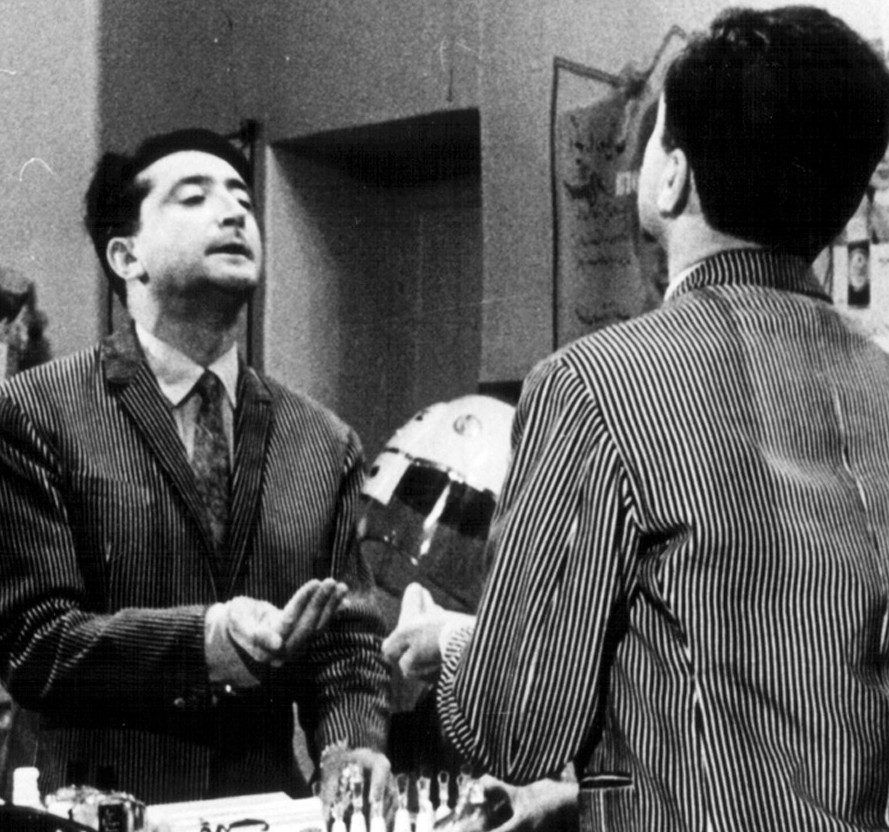
Cinema Lumiere – Sala Scorsese
Introduced by
Ehsan Khoshbakht
Section: A Simple Event: the Birth of Iranian New Wave Cinema
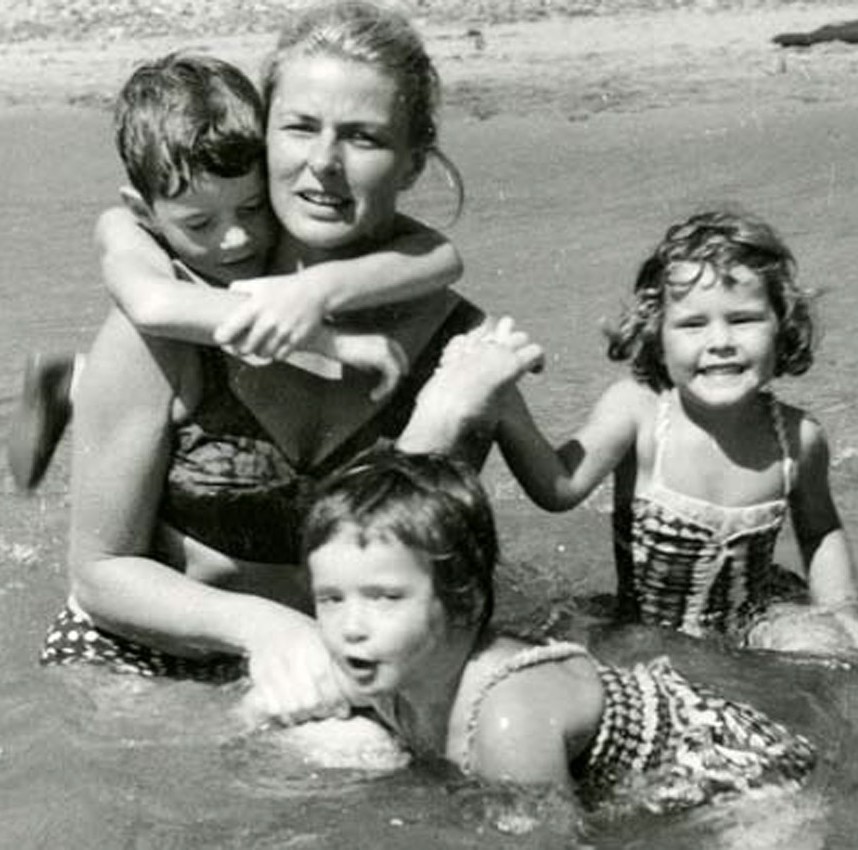
Arlecchino Cinema
Introduced by
Isabella Rossellini and Stig Bjorkman
Section: Ingrid Bergman. The Early Years
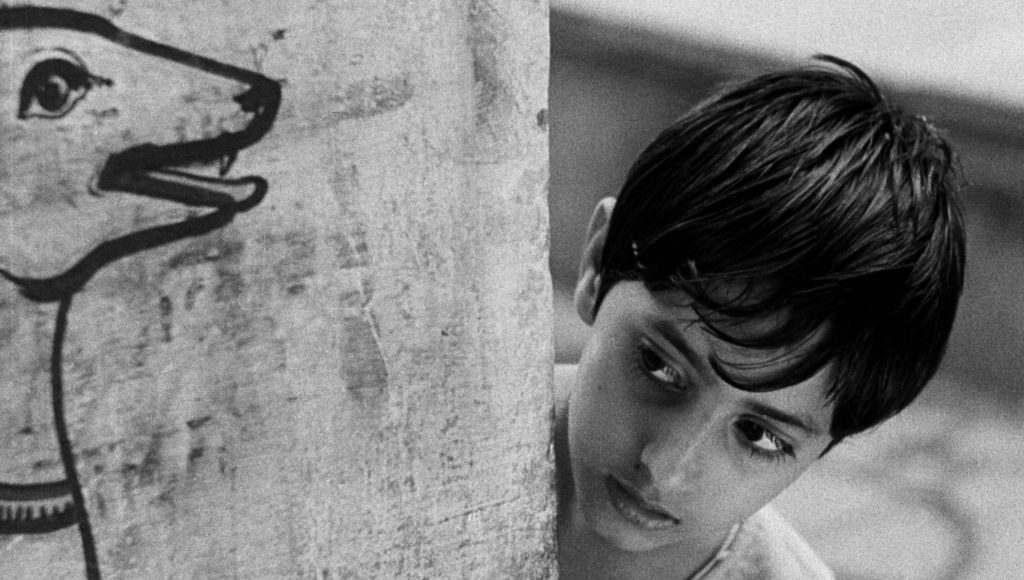
Conference with Fumiko Takagi, Lee Kline and Chris Zembower
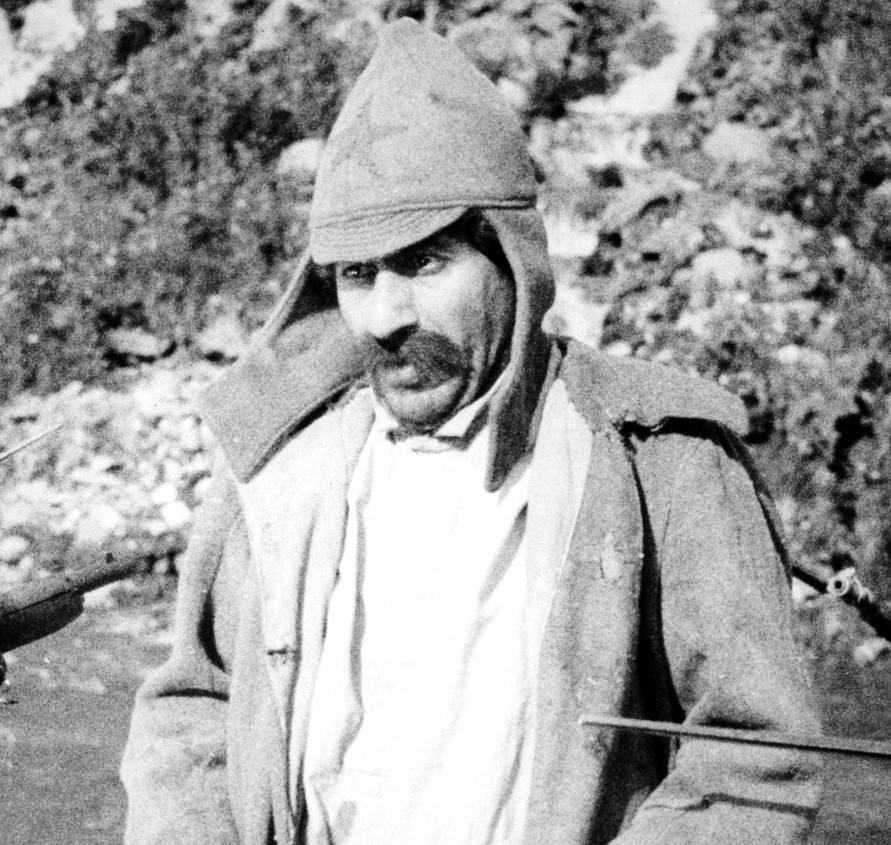
Cinema Lumiere – Sala Officinema/Mastroianni
Section: Armenia. Genocide and After

Cinema Lumiere – Sala Scorsese
Conference with Jean-Pierre Verscheure
Conteporary french philosophy and italian cinema: new critic strategies.
Arlecchino Cinema
Introduced by
Céline Ruivo (Cinémathèque française) and Jean Douchet
Section: TECHNICOLOR & CO. - Peter Forever, Homage to Peter von Bagh
Cinema Lumiere – Sala Officinema/Mastroianni
Section: The Velle Connection 1900-1930. Gaston, Maurice and Mary Murillo
Cinema Lumiere – Sala Scorsese
Introduced by
Timo Malmi who will also present Peter von Bagh’s book, Sodankylä Forever (Edizione Rosebud, 2014)
Section: Peter Forever, Homage to Peter von Bagh
Jolly Cinema
Introduced by
Jonathan Rosenbaum and Ehsan Khoshbakht
Section: Jazz Goes to the Movies
Nicola Mazzanti, Davide Pozzi, Caroline Fournier e Martin Koerber
Michael Pogorzelski (Academy Film Archive)
Hollywood Home Movies from the Acedemy Film Archive
(USA/1931-1970) D.: 71’. V. inglese. Digitale
From the 1930s onward, the home movie camera has played a part in many families’ lives and Hollywood movie makers are no exception. Home movies can show us the private, unguarded side of stars whose images were carefully crafted and managed in the public sphere. Over the years, the Academy Film Archive has
received dozens of collections from filmmakers that have included home movies. Sometimes the home movies are like the ones you’d find in any family: film records of weddings, birthday parties, and holidays. But in some cases, the filmmaker took their home movie camera with them to work – either on set or on location. The result is priceless footage of movies being made during the golden era and some of the biggest Hollywood stars
simply being themselves. Hosted and narrated by archive Director Michael Pogorzelski, the program will
showcase stellar clips from the Academy Film Archive’s home movie collection starting in 1931 up through the late 1960s. Footage of stars such as Marion Davies, Shirley Temple, Douglas Fairbanks, Marlene Dietrich, Cyd Charisse, Humphrey Bogart and Lauren Bacall, Jerry Lewis, Sophia Loren and Steve McQueen will be seen along with rare behind the scenes footage showing the making of films such as Gunga Din and Gone With the Wind.
Section: Recovered & Restored
Cinema Lumiere – Sala Scorsese
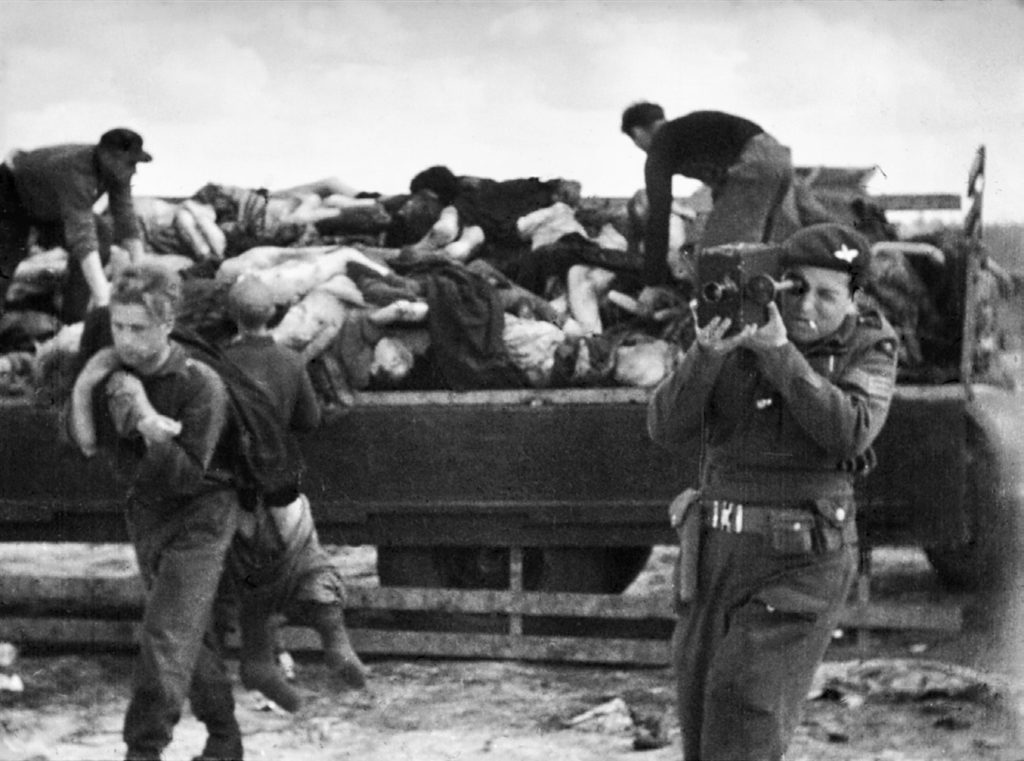
Followed by a conversation with Toby Haggith (Imperial War Museum)
Section: Documents and Documentaries
Cinema Lumiere – Sala Officinema/Mastroianni
Piano accompaniment by
Antonio Coppola
Section: Valentina Frascaroli, Leading Lady - Recovered & Restored
Arlecchino Cinema
Section: Recovered & Restored
Jolly Cinema
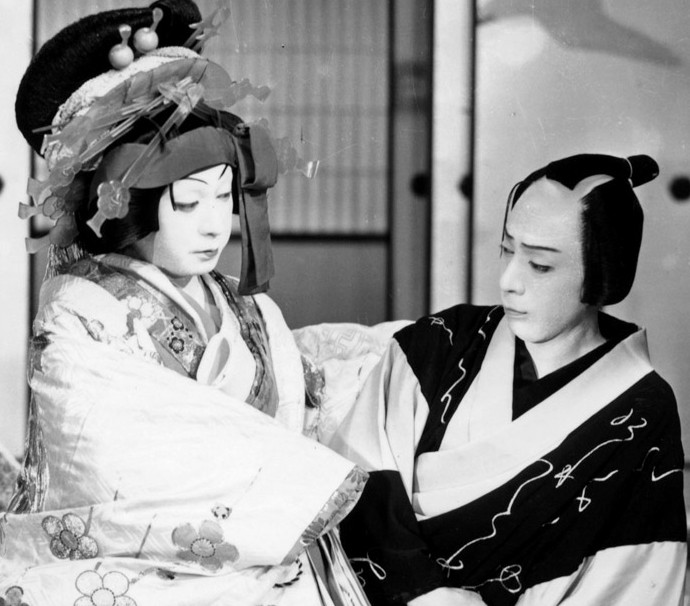
Section: Richness and Harmony. Colour Film in Japan
Conversation with Luciano Berriatua
Sala Cervi
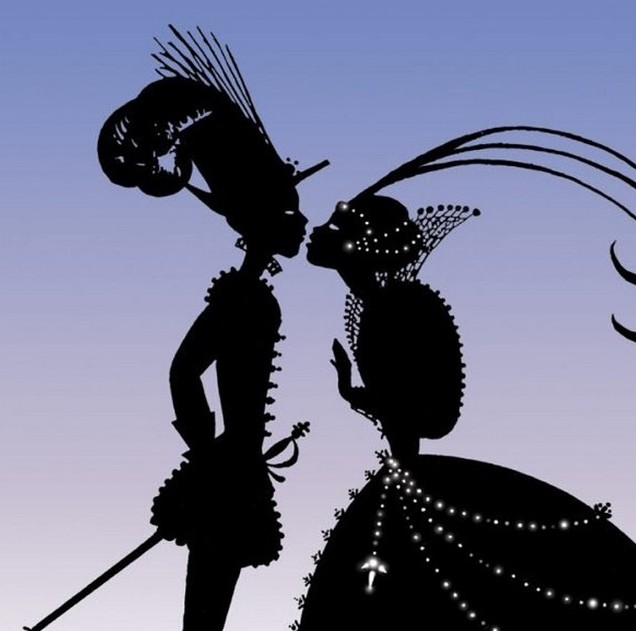
Racconti tradizionali provenienti da vari paesi vanno a comporre una sezione ricca di suggestioni: diverse tecniche di animazione, dal disegno animato alla silhouette, danno vita a film realizzati in vari periodi della storia del cinema, a partire da uno dei primi adattamenti cinematografici di Cenerentola.
La fanciulla del melo (Cecoslovacchia-Italia/1975) R.: Bretislav Pojar. D.: 14’
The Grasshopper and the Ant (La cicala e la formica, Gb/1954) R.: Lotte Reineger. D.: 10’
Principi e principesse (Francia/2000) R.: Michel Ocelot. D.: 10’ (estratti)
La Fée printemps (Francia/1906) R.: Vincent Lorant-Heilbronn. D.: 5’
Le Scarabée d’or (Francia/1907) R.: Segundo de Chomón. D.: 3’
Section: Cinema Ritrovato Kids
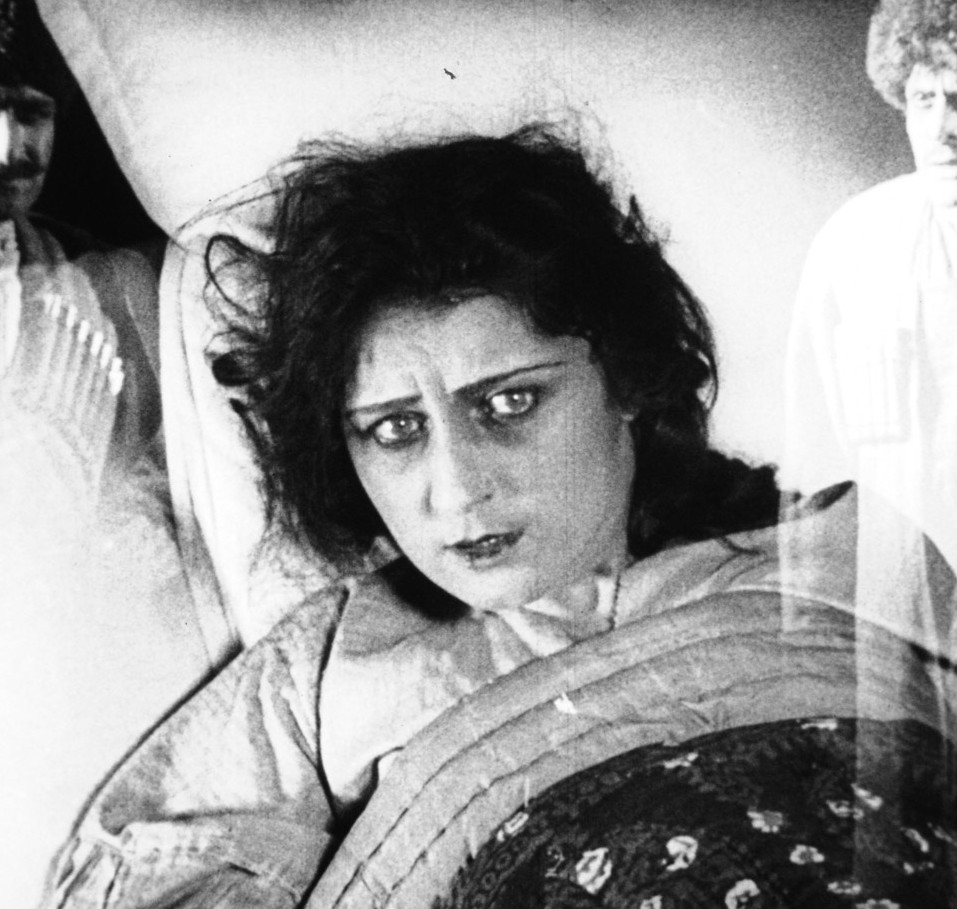
Cinema Lumiere – Sala Officinema/Mastroianni
Introduced by
Peter Bagrov and Jay Weissberg
Section: Armenia. Genocide and After
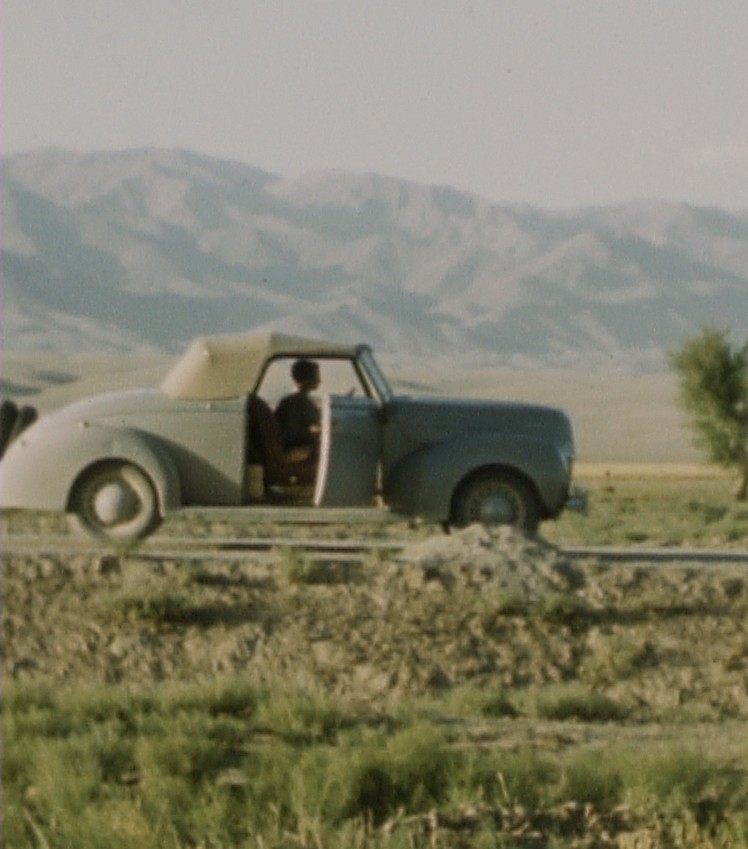
Introduced by
Antonio Bigini, Mariann Lewinsky, Alina Marazzi and Pietro Marcello
Section: Documents and Documentaries
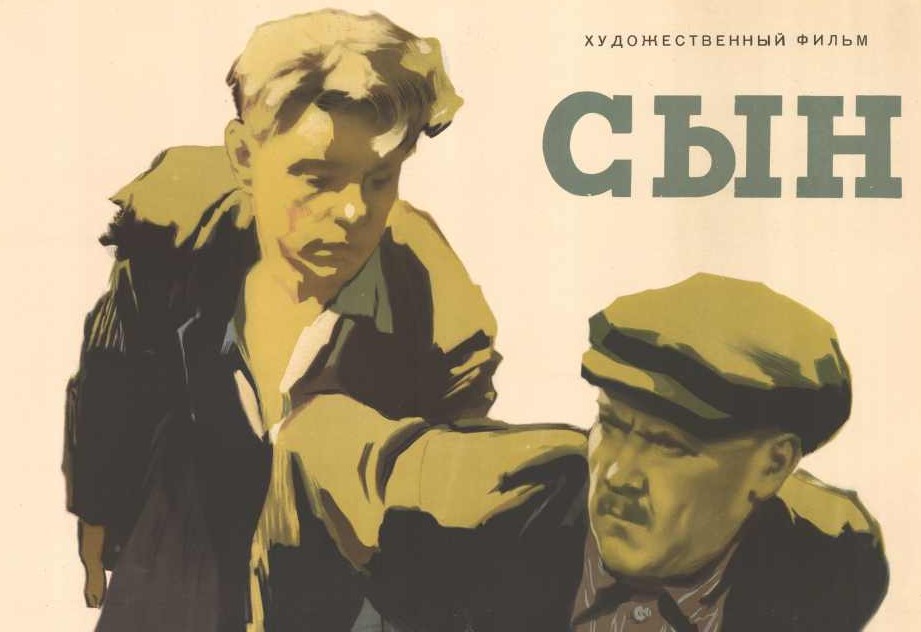
Cinema Lumiere – Sala Scorsese
Section: Last Spring. Looking anew at the Cinema of the Thaw (Part One: Dawn)
Sala Cervi
Using as a starting point the superimposable card game, designed by Bruno Munari and Giovanni Belgrano, a laboratory on modern and classical fairytales
Section: Cinema Ritrovato Kids
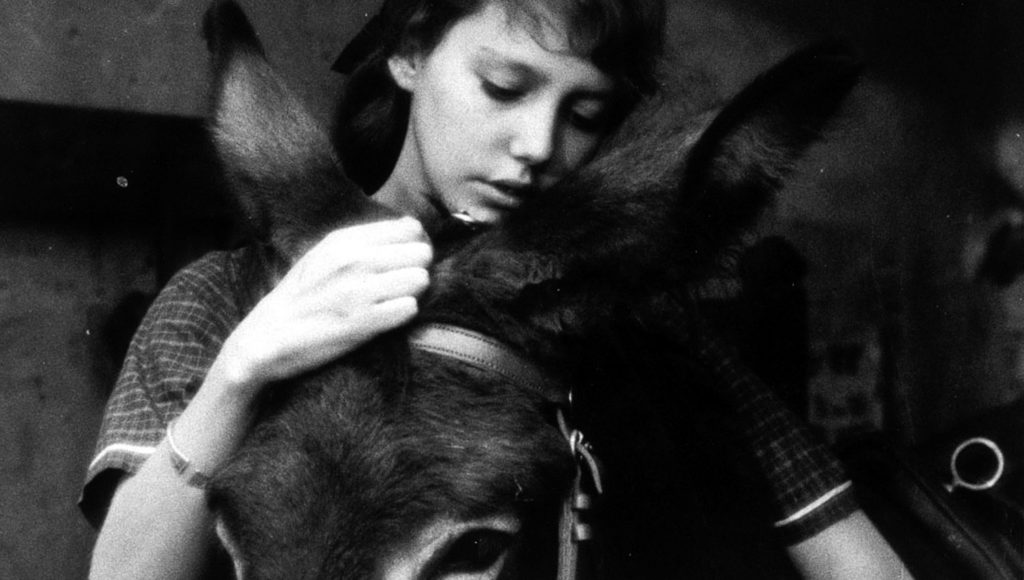
Arlecchino Cinema
Introduced by
Florence Dauman (Argos Films)
Section: Recovered & Restored
Jolly Cinema
Section: Seriously Funny. The Films of Leo McCarey
Libreria Coop Ambasciatori
Presentation of L’avventuriera di Montecarlo. Scritti sul cinema (1919-1935) by Joseph Roth (Adelphi, 2015)
Contributions by Roy Menarini e Leonardo Quaresima
Cinema Lumiere – Sala Officinema/Mastroianni
Section: The Film Foundation’s World Cinema Project
Cinema Lumiere – Sala Scorsese
Section: Last Spring. Looking anew at the Cinema of the Thaw (Part One: Dawn)
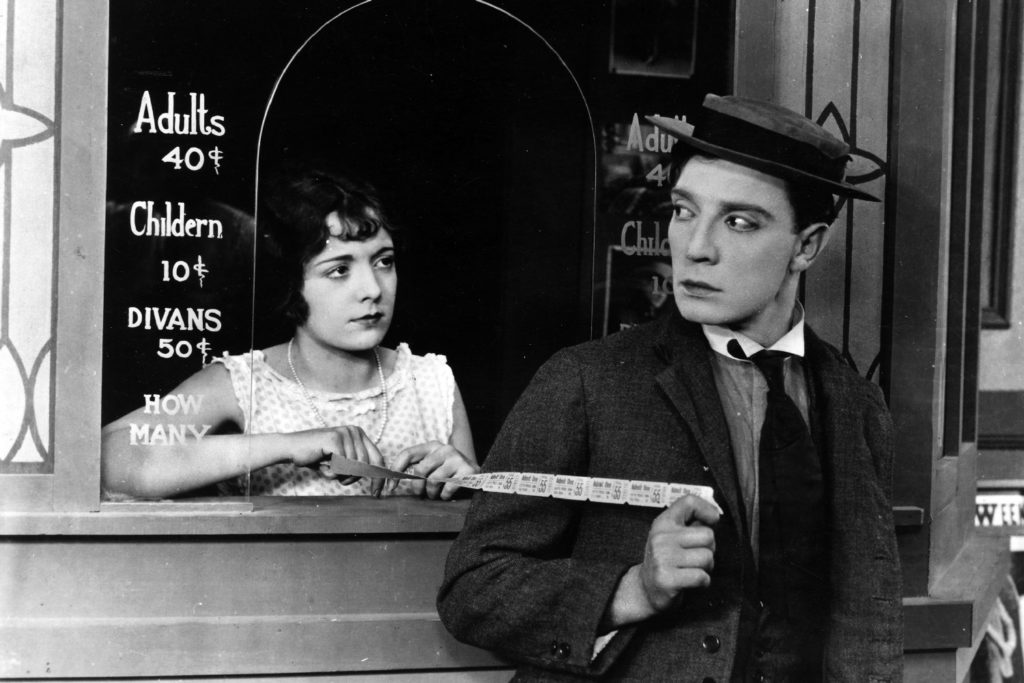
Piazza Maggiore
Introduced by
Tim Lanza (Cohen Film Collection) and Cecilia Cenciarelli (Cineteca di Bologna)
Music composed and directed by Timothy Brock, performed by the orchestra of the Teatro Comunale di Bologna
Promoted by Mobil 1 – BluVanti
Section: Keaton Project
friday 3 july
Arlecchino Cinema
Introduced by
Sophie Seydoux (Fondation Jérôme Seydoux-Pathé)
Section: Recovered & Restored
Section: Recovered & Restored
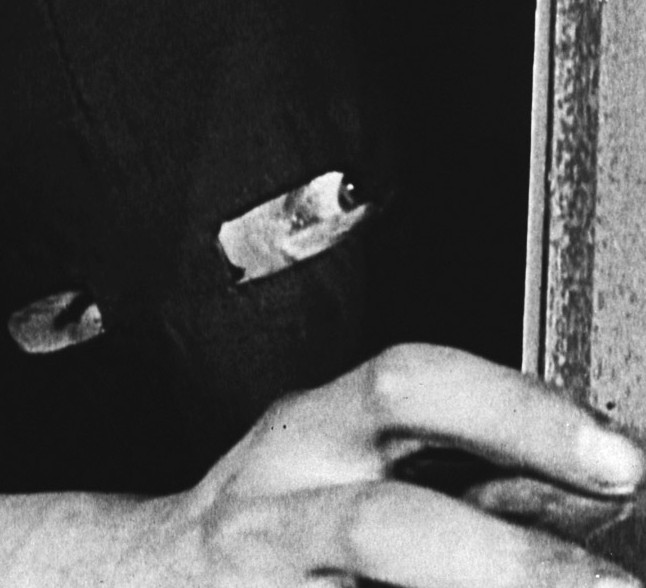
Cinema Lumiere – Sala Officinema/Mastroianni
Les Vampires offers pleasures beyond the surrealist interpretation of – in the words of Louis Aragon – “a sexual revelation” and a glamorization of criminality. The series was meant to entertain and to distract people from their worries about a war dragging on and their beloved ones at the front. To this aim the crime story was sprinkled with comedy and a teasing defiance of authorities. In the role of the ostensibly silly Mazamette, an ex-vampire and assistant to the journalist who persecutes the bandits, the star comedian Marcel Levesque zestfully outwits his former mates time and again. The Vampires themselves seem an agile mix of the notorious Bande à Bonnot and the appealing Apache-gangs, which counterbalances their frightening exploits with an anarchistic and rebellious flavor. With their fantastic and obviously improbable tricks they expose the incompetence of authorities such as the police and crime fighters who tend to take them too seriously. As the elusive and sensual Irma Vep even Musidora contributed to the amusing aspects of the series. In each episode appearing in a new disguise, the actress was in charge of ‘informing’ spectators that they were watching Irma Vep, for which she deployed her trademark sidelong glance at the camera and the Apache-pose of placing her hands on her hips. These devices added playfulness and irony to the otherwise mysterious and disconcerting Irma Vep, and likewise created a crucial understanding between Musidora and the public, as the actress suggested in an interview on Radio Suisse Romande (18 November 1947): “I think I was able to establish a close relation with my audience. They used to say: ‘there’s a lot of blood, no doubt about it, but he kills to amuse us and not to scare us because in the end, they would laugh”.
Annette Förster
After Fantômas in 2014, Gaumont undertook the digital restoration of Les Vampires, another Louis Feuillade serial (in 10 episodes) made between 1915 and 1916. The serial was a source of inspiration for Surrealists, who admired its narrative freedom and unbridled imagination.
The Éclair lab (Éclair Group) oversaw its restoration working with a nitrate duplicate of the film, a nitrate print and a more recent safety film print for any missing shots. Unfortunately, despite scouring film archives around the world through FIAF, we have been unable to find the original nitrate negative. For the 4K scanning we chose to work with the duplicate, using the later prints only when necessary (for missing shots or ones too damaged in the duplicate). The images were then restored so they could be put back on film. Since the materials available to us gave no indication about the film’s color, the restored version is in black and white. The original intertitles survived in the form of typewritten lists kept at the Bibliothèque du Film (Louis Feuillade archive) and were reintegrated in the 2015 version. The film was restored with the participation of the Centre national du cinéma et de l’image animée as part of a program for film heritage restoration and digitalization, and with the cooperation of the Cinémathèque française, which provided its materials.
Agnès Bertola
Section: 120 Gaumont - One hundred years ago: 1926
Jolly Cinema
Section: Seriously Funny. The Films of Leo McCarey
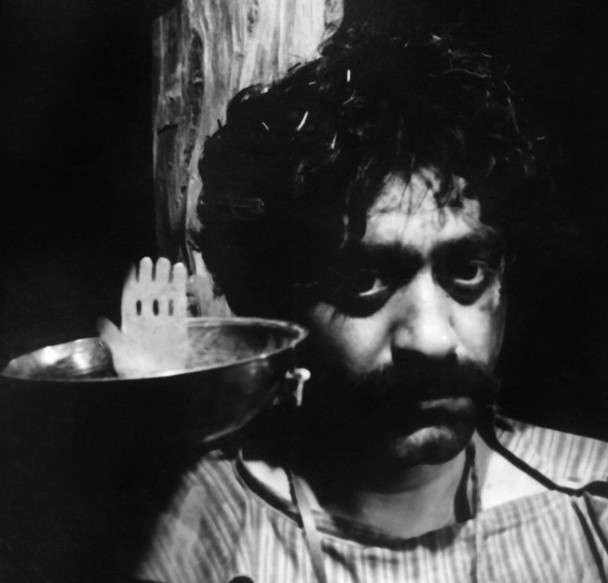
Cinema Lumiere – Sala Scorsese
Section: A Simple Event: the Birth of Iranian New Wave Cinema
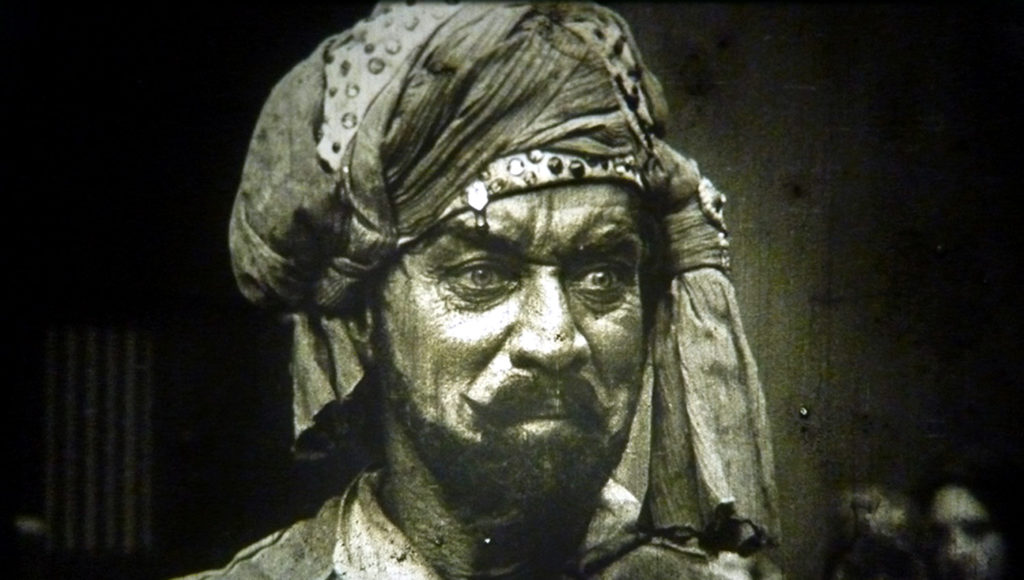
Cinema Lumiere – Sala Officinema/Mastroianni
Piano accompaniment by
Neil Brand
Section: One hundred years ago: 1926
Jolly Cinema
Introduced by
Silvia d’Amico and Emiliano Morreale
Section: Beautiful Youth. Renato Castellani
Arlecchino Cinema
Section: Ingrid Bergman. The Early Years
Conversation with Jean Douchet and Kevin Brownlow
Cinema Lumiere – Sala Officinema/Mastroianni
Piano accompaniment by
di Stephen Horne
Followed by a meeting with Barbara Sträuli
Section: Armenia. Genocide and After
Cinema Lumiere – Sala Scorsese
Lecture by Céline Ruivo
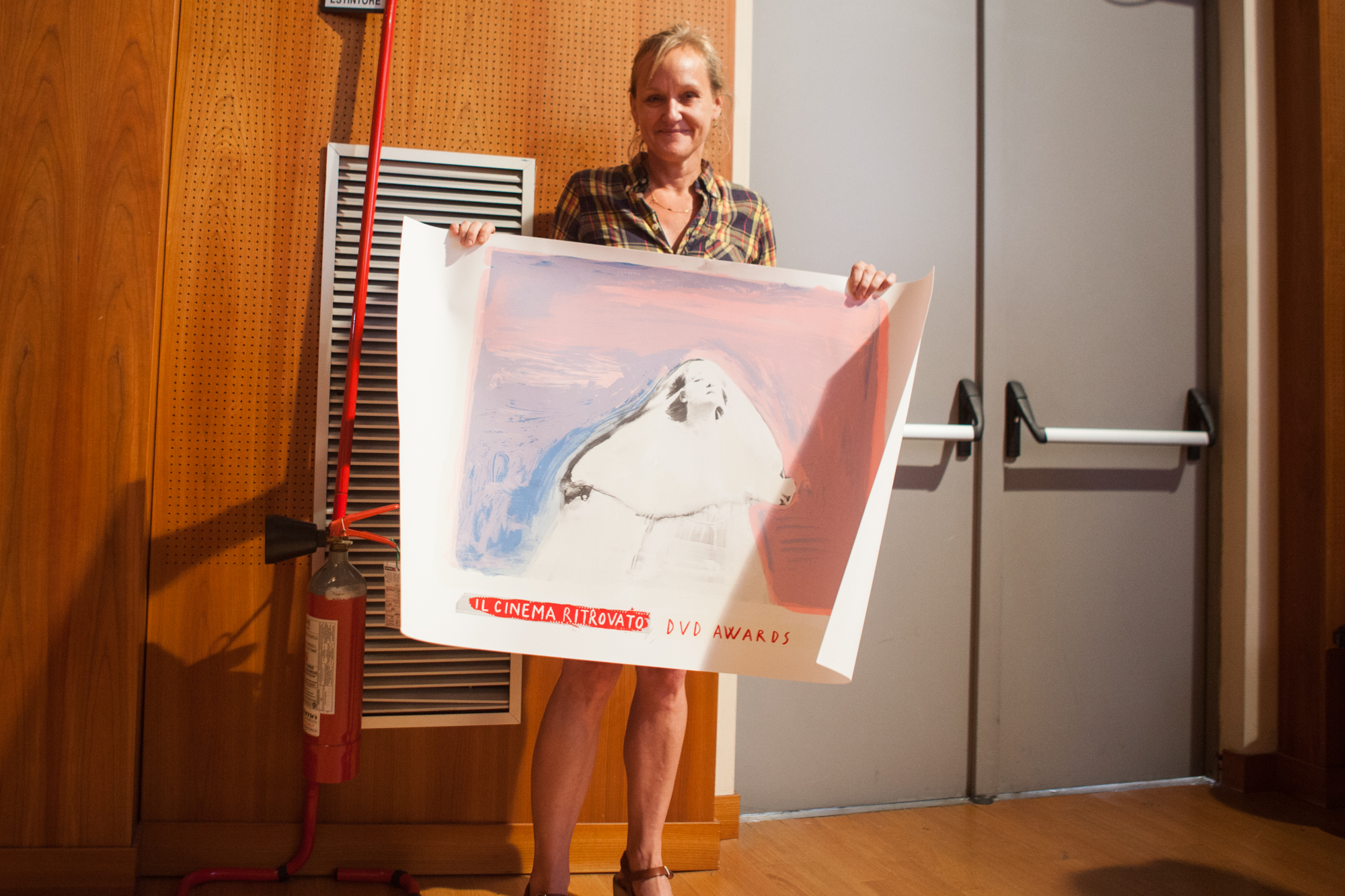
The jury composed of Paolo Mereghetti, Lorenzo Codelli, Alexander Horwath, Mark McElhatten, Jonathan Rosenbaum and Lucien Loguette assign IL CINEMA RITROVATO 2015 DVD AWARDS.
Arlecchino Cinema
Section: Recovered & Restored

Cinema Lumiere – Sala Officinema/Mastroianni
Introduced by
Davide Rosso (Centro Culturale Valdese)
Piano accompaniment by
Maud Nelissen
Section: Recovered & Restored
Jolly Cinema
Section: Seriously Funny. The Films of Leo McCarey
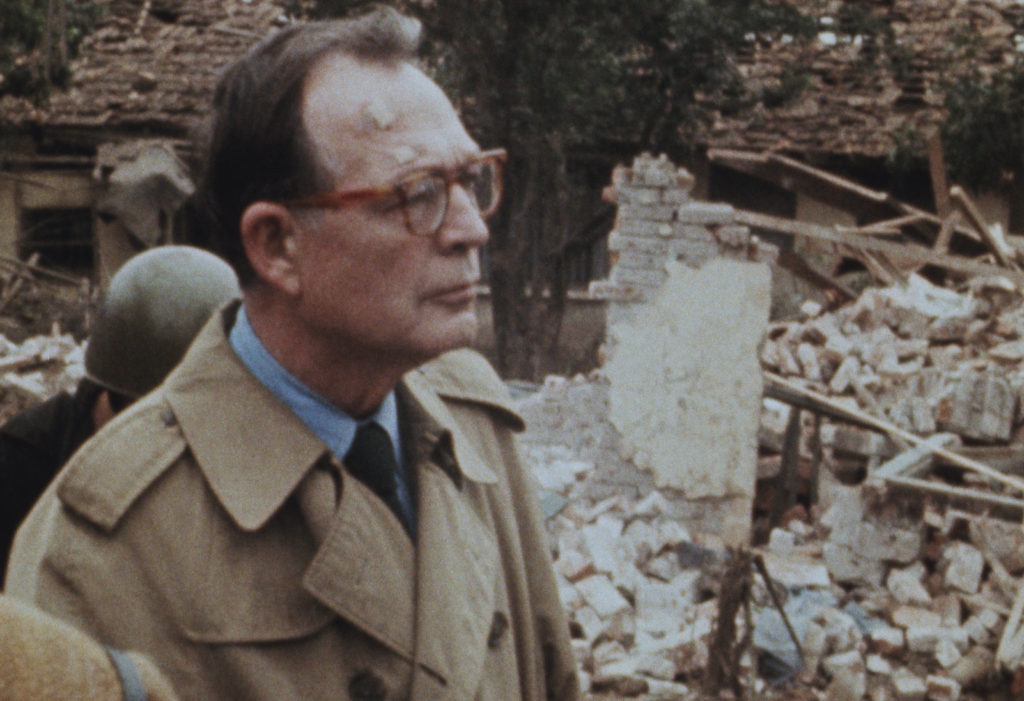
Section: Documents and Documentaries
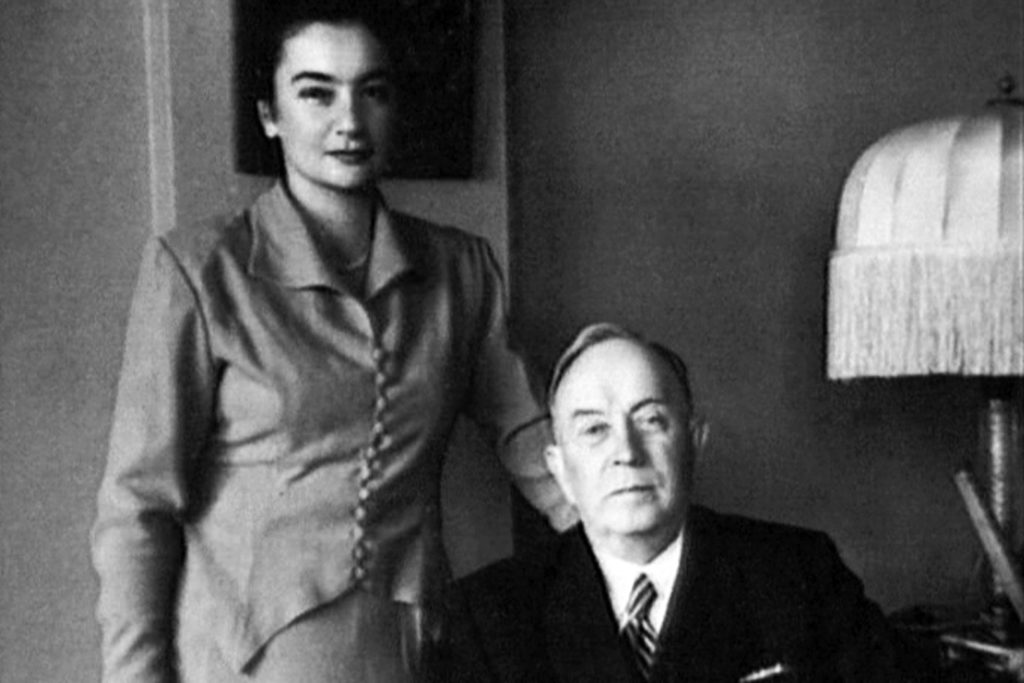
Cinema Lumiere – Sala Scorsese
Section: Peter Forever, Homage to Peter von Bagh
Sala Cervi
Conversation with Anke Wilkening and Fumiko Tsuneishi
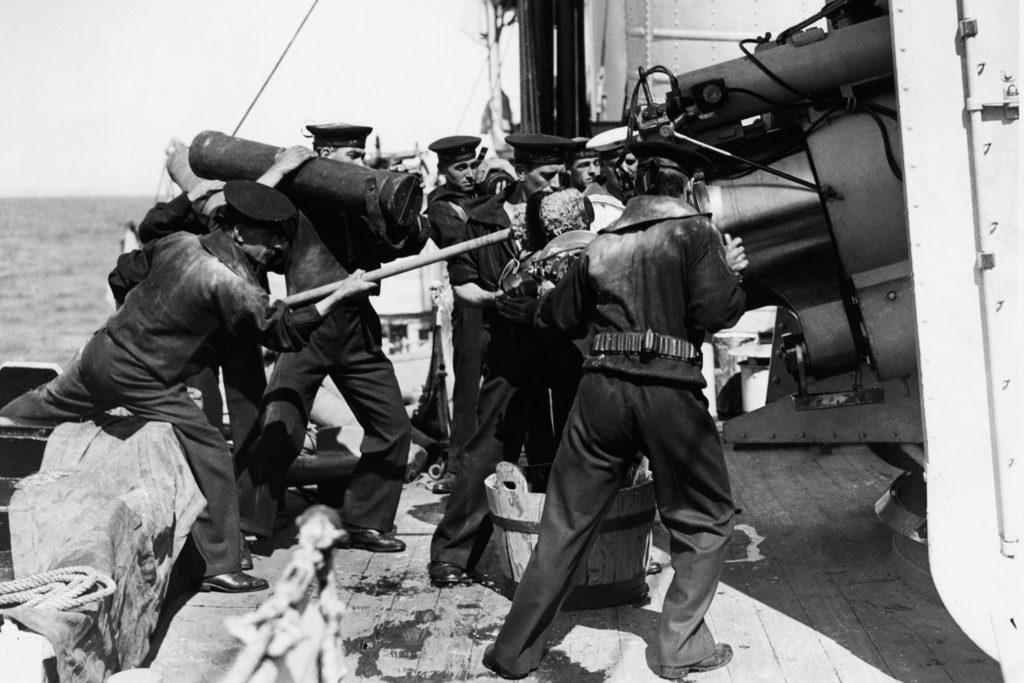
Cinema Lumiere – Sala Officinema/Mastroianni
Bryony Dixon (BFI)
Recorded music composed by Simon Dobson and performed by The Band of Her Majesty’s Royal Marine
Section: Recovered & Restored
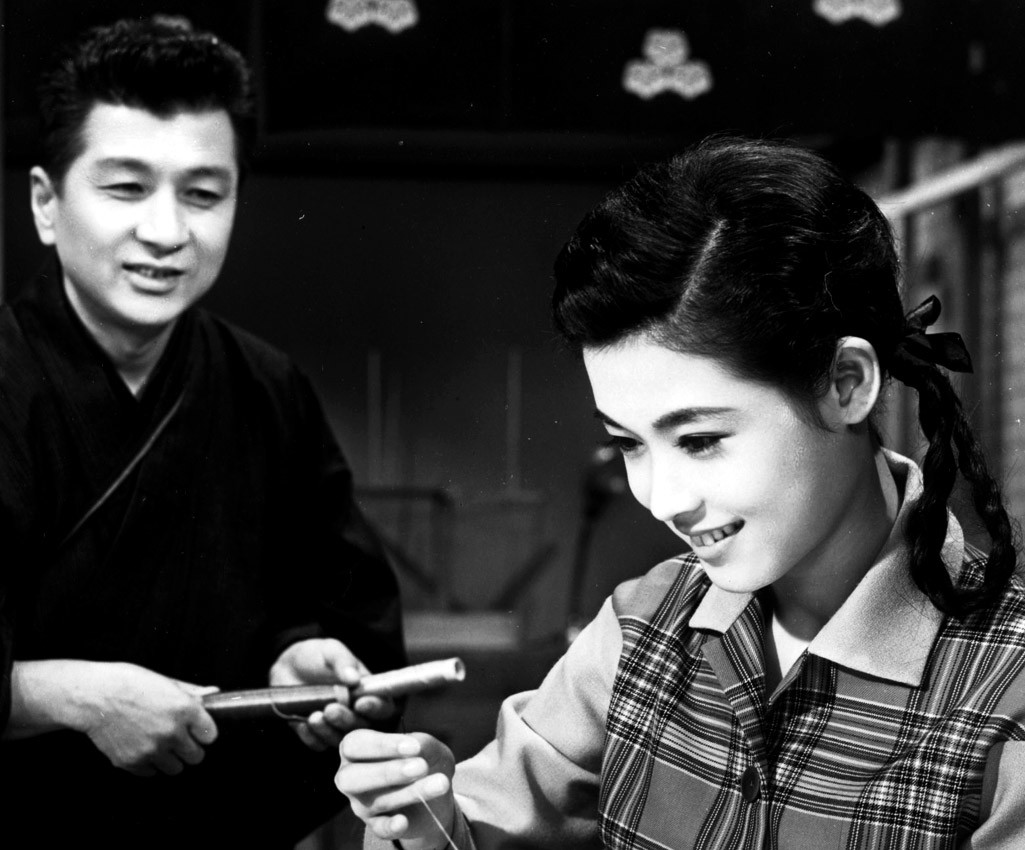
Jolly Cinema
Section: Richness and Harmony. Colour Film in Japan
Arlecchino Cinema
Followed by Saute ma Ville
Section: Recovered & Restored
Sala Cervi
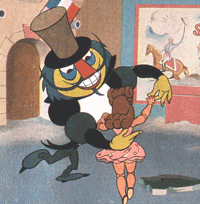
Le Petit soldat (Francia/1947) R.: Paul Grimault. D.: 10’
Cendrillon ou la Pantoufle merveilleuse (Francia/1907) R.: Albert Capellani. D.: 15’
Ali Baba et les quarante voleurs (Francia/1902) R.: Ferdinand Zecca. D.: 9’
Au Pays de l’or (Francia/1908) D.: 8’
Le Faune (Francia/1908) D.: 5’
Section: Cinema Ritrovato Kids
Cinema Lumiere – Sala Scorsese
Section: Seriously Funny. The Films of Leo McCarey
Cinema Lumiere – Sala Officinema/Mastroianni
Section: The Velle Connection 1900-1930. Gaston, Maurice and Mary Murillo
Sala Cervi
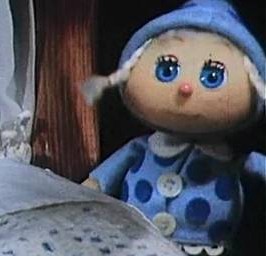
Cappuccetto a pois (Svizzera/1969) R.: Jean Louis Roy. D.: 50’
Little Red Riding Hood (Gb/1922) R.: Anson Dyer. D.: 8’
Section: Cinema Ritrovato Kids
Jolly Cinema
Section: Seriously Funny. The Films of Leo McCarey
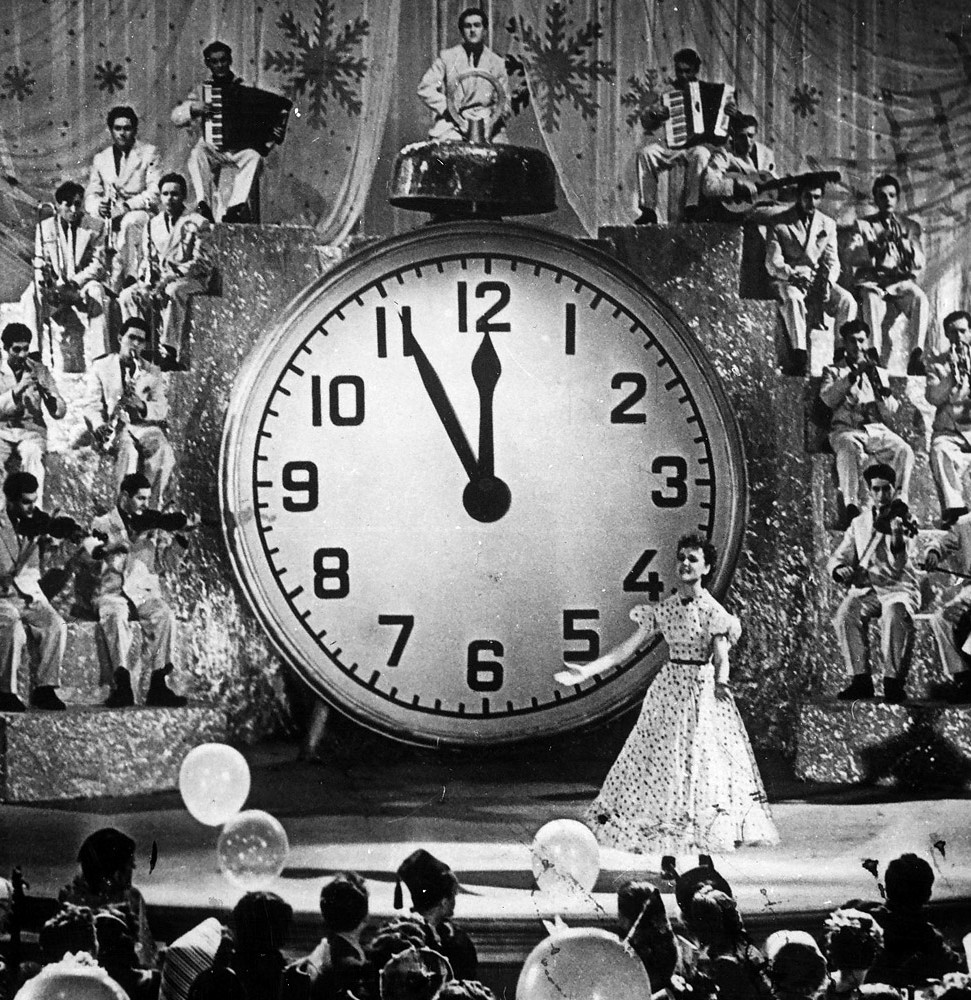
Cinema Lumiere – Sala Scorsese
Section: Last Spring. Looking anew at the Cinema of the Thaw (Part One: Dawn)
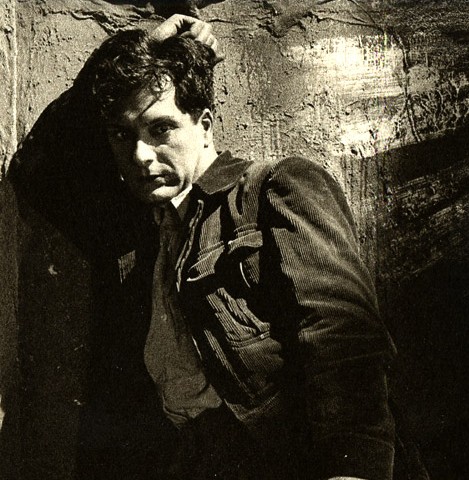
Cinema Lumiere – Sala Officinema/Mastroianni
Section: The Velle Connection 1900-1930. Gaston, Maurice and Mary Murillo
Sala Cervi
A laboratory with cardstock, punches and words to tell new tales
Section: Cinema Ritrovato Kids
Libreria Coop Ambasciatori
Presentation of La galassia Lumière. Sette parole chiave per il cinema che viene, by Francesco Casetti (Bompiani, 2015)
Contributions by the author and Giacomo Manzoli
Cinema Lumiere – Sala Officinema/Mastroianni
Recorded music by Guido Sodo and Francois Laurent, inspired by the Neapolitan tradition.
Preceded by the presentation of music from the workshop held by Daniele Furlati as part of Il Cinema Ritrovato Kids
Section: One hundred years ago: 1926
Cinema Lumiere – Sala Scorsese
Section: Last Spring. Looking anew at the Cinema of the Thaw (Part One: Dawn)
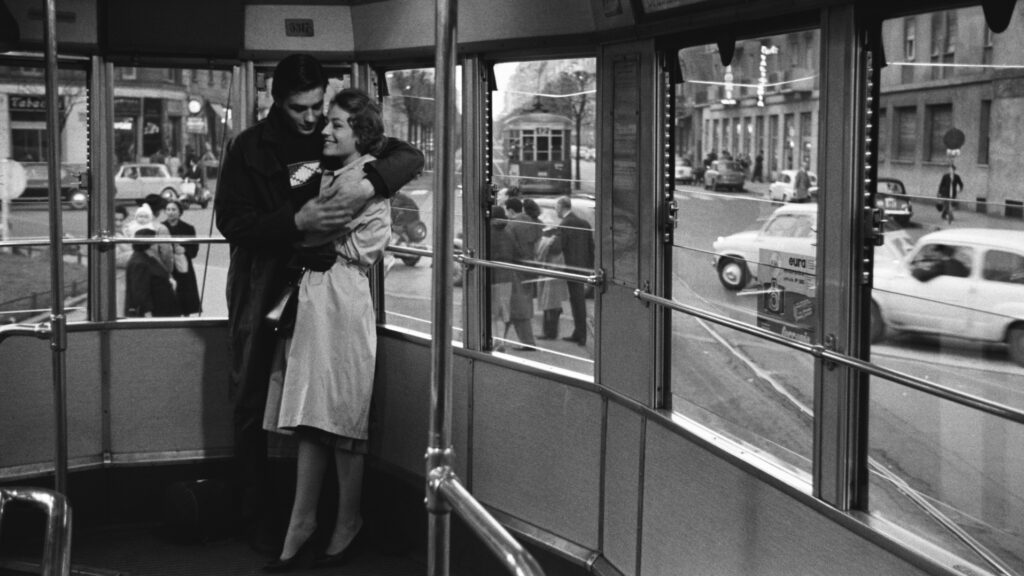
Piazza Maggiore
Evening promoted by Ottica Garagnani
(In case of rain, the screening will be moved to the Cinema Arlecchino)
Section: Recovered & Restored
saturday 4 july
Section: 120 Gaumont - One hundred years ago: 1926
Jolly Cinema
Section: Seriously Funny. The Films of Leo McCarey
Cinema Lumiere – Sala Officinema/Mastroianni
Section: 120 Gaumont - One hundred years ago: 1926
Arlecchino Cinema
Section: Recovered & Restored - TECHNICOLOR & CO.
Cinema Lumiere – Sala Scorsese
Section: A Simple Event: the Birth of Iranian New Wave Cinema
Piano accompaniment by
Maud Nelissen
Les Vampires offers pleasures beyond the surrealist interpretation of – in the words of Louis Aragon – “a sexual revelation” and a glamorization of criminality. The series was meant to entertain and to distract people from their worries about a war dragging on and their beloved ones at the front. To this aim the crime story was sprinkled with comedy and a teasing defiance of authorities. In the role of the ostensibly silly Mazamette, an ex-vampire and assistant to the journalist who persecutes the bandits, the star comedian Marcel Levesque zestfully outwits his former mates time and again. The Vampires themselves seem an agile mix of the notorious Bande à Bonnot and the appealing Apache-gangs, which counterbalances their frightening exploits with an anarchistic and rebellious flavor. With their fantastic and obviously improbable tricks they expose the incompetence of authorities such as the police and crime fighters who tend to take them too seriously. As the elusive and sensual Irma Vep even Musidora contributed to the amusing aspects of the series. In each episode appearing in a new disguise, the actress was in charge of ‘informing’ spectators that they were watching Irma Vep, for which she deployed her trademark sidelong glance at the camera and the Apache-pose of placing her hands on her hips. These devices added playfulness and irony to the otherwise mysterious and disconcerting Irma Vep, and likewise created a crucial understanding between Musidora and the public, as the actress suggested in an interview on Radio Suisse Romande (18 November 1947): “I think I was able to establish a close relation with my audience. They used to say: ‘there’s a lot of blood, no doubt about it, but he kills to amuse us and not to scare us because in the end, they would laugh”.
Annette Förster
After Fantômas in 2014, Gaumont undertook the digital restoration of Les Vampires, another Louis Feuillade serial (in 10 episodes) made between 1915 and 1916. The serial was a source of inspiration for Surrealists, who admired its narrative freedom and unbridled imagination.
The Éclair lab (Éclair Group) oversaw its restoration working with a nitrate duplicate of the film, a nitrate print and a more recent safety film print for any missing shots. Unfortunately, despite scouring film archives around the world through FIAF, we have been unable to find the original nitrate negative. For the 4K scanning we chose to work with the duplicate, using the later prints only when necessary (for missing shots or ones too damaged in the duplicate). The images were then restored so they could be put back on film. Since the materials available to us gave no indication about the film’s color, the restored version is in black and white. The original intertitles survived in the form of typewritten lists kept at the Bibliothèque du Film (Louis Feuillade archive) and were reintegrated in the 2015 version. The film was restored with the participation of the Centre national du cinéma et de l’image animée as part of a program for film heritage restoration and digitalization, and with the cooperation of the Cinémathèque française, which provided its materials.
Agnès Bertola
Section: 120 Gaumont - One hundred years ago: 1926
Cinema Lumiere – Sala Officinema/Mastroianni
Piano accompaniment by
Stephen Horne
Section: One hundred years ago: 1926
Section: 120 Gaumont - One hundred years ago: 1926
Arlecchino Cinema
Section: Ingrid Bergman. The Early Years
Jolly Cinema
Section: Seriously Funny. The Films of Leo McCarey
Cinema Lumiere – Sala Officinema/Mastroianni
Piano accompaniment by
Donald Sosin
Section: One hundred years ago: 1926
Cinema Lumiere – Sala Scorsese
Les Vampires offers pleasures beyond the surrealist interpretation of – in the words of Louis Aragon – “a sexual revelation” and a glamorization of criminality. The series was meant to entertain and to distract people from their worries about a war dragging on and their beloved ones at the front. To this aim the crime story was sprinkled with comedy and a teasing defiance of authorities. In the role of the ostensibly silly Mazamette, an ex-vampire and assistant to the journalist who persecutes the bandits, the star comedian Marcel Levesque zestfully outwits his former mates time and again. The Vampires themselves seem an agile mix of the notorious Bande à Bonnot and the appealing Apache-gangs, which counterbalances their frightening exploits with an anarchistic and rebellious flavor. With their fantastic and obviously improbable tricks they expose the incompetence of authorities such as the police and crime fighters who tend to take them too seriously. As the elusive and sensual Irma Vep even Musidora contributed to the amusing aspects of the series. In each episode appearing in a new disguise, the actress was in charge of ‘informing’ spectators that they were watching Irma Vep, for which she deployed her trademark sidelong glance at the camera and the Apache-pose of placing her hands on her hips. These devices added playfulness and irony to the otherwise mysterious and disconcerting Irma Vep, and likewise created a crucial understanding between Musidora and the public, as the actress suggested in an interview on Radio Suisse Romande (18 November 1947): “I think I was able to establish a close relation with my audience. They used to say: ‘there’s a lot of blood, no doubt about it, but he kills to amuse us and not to scare us because in the end, they would laugh”.
Annette Förster
After Fantômas in 2014, Gaumont undertook the digital restoration of Les Vampires, another Louis Feuillade serial (in 10 episodes) made between 1915 and 1916. The serial was a source of inspiration for Surrealists, who admired its narrative freedom and unbridled imagination.
The Éclair lab (Éclair Group) oversaw its restoration working with a nitrate duplicate of the film, a nitrate print and a more recent safety film print for any missing shots. Unfortunately, despite scouring film archives around the world through FIAF, we have been unable to find the original nitrate negative. For the 4K scanning we chose to work with the duplicate, using the later prints only when necessary (for missing shots or ones too damaged in the duplicate). The images were then restored so they could be put back on film. Since the materials available to us gave no indication about the film’s color, the restored version is in black and white. The original intertitles survived in the form of typewritten lists kept at the Bibliothèque du Film (Louis Feuillade archive) and were reintegrated in the 2015 version. The film was restored with the participation of the Centre national du cinéma et de l’image animée as part of a program for film heritage restoration and digitalization, and with the cooperation of the Cinémathèque française, which provided its materials.
Agnès Bertola
Section: 120 Gaumont - One hundred years ago: 1926
Jolly Cinema
Section: Seriously Funny. The Films of Leo McCarey
Cinema Lumiere – Sala Officinema/Mastroianni
Section: Recovered & Restored
Cinema Lumiere – Sala Scorsese
Section: Peter Forever, Homage to Peter von Bagh
Arlecchino Cinema
Section: TECHNICOLOR & CO.
Les Vampires offers pleasures beyond the surrealist interpretation of – in the words of Louis Aragon – “a sexual revelation” and a glamorization of criminality. The series was meant to entertain and to distract people from their worries about a war dragging on and their beloved ones at the front. To this aim the crime story was sprinkled with comedy and a teasing defiance of authorities. In the role of the ostensibly silly Mazamette, an ex-vampire and assistant to the journalist who persecutes the bandits, the star comedian Marcel Levesque zestfully outwits his former mates time and again. The Vampires themselves seem an agile mix of the notorious Bande à Bonnot and the appealing Apache-gangs, which counterbalances their frightening exploits with an anarchistic and rebellious flavor. With their fantastic and obviously improbable tricks they expose the incompetence of authorities such as the police and crime fighters who tend to take them too seriously. As the elusive and sensual Irma Vep even Musidora contributed to the amusing aspects of the series. In each episode appearing in a new disguise, the actress was in charge of ‘informing’ spectators that they were watching Irma Vep, for which she deployed her trademark sidelong glance at the camera and the Apache-pose of placing her hands on her hips. These devices added playfulness and irony to the otherwise mysterious and disconcerting Irma Vep, and likewise created a crucial understanding between Musidora and the public, as the actress suggested in an interview on Radio Suisse Romande (18 November 1947): “They used to say: ‘there’s a lot of blood, no doubt about it, but he kills to amuse us and not to scare us because in the end, they would laugh”.
Annette Förster
After Fantômas in 2014, Gaumont undertook the digital restoration of Les Vampires, another Louis Feuillade serial (in 10 episodes) made between 1915 and 1916. The serial was a source of inspiration for Surrealists, who admired its narrative freedom and unbridled imagination.
The Éclair lab (Éclair Group) oversaw its restoration working with a nitrate duplicate of the film, a nitrate print and a more recent safety film print for any missing shots. Unfortunately, despite scouring film archives around the world through FIAF, we have been unable to find the original nitrate negative. For the 4K scanning we chose to work with the duplicate, using the later prints only when necessary (for missing shots or ones too damaged in the duplicate). The images were then restored so they could be put back on film. Since the materials available to us gave no indication about the film’s color, the restored version is in black and white. The original intertitles survived in the form of typewritten lists kept at the Bibliothèque du Film (Louis Feuillade archive) and were reintegrated in the 2015 version. The film was restored with the participation of the Centre national du cinéma et de l’image animée as part of a program for film heritage restoration and digitalization, and with the cooperation of the Cinémathèque française, which provided its materials.
Agnès Bertola
Section: 120 Gaumont - One hundred years ago: 1926
Jolly Cinema
Section: Richness and Harmony. Colour Film in Japan
Cinema Lumiere – Sala Scorsese
Conversation with Caterina D’Amico
Section: Recovered & Restored
Cinema Lumiere – Sala Officinema/Mastroianni
Piano accompaniment by
Neil Brand
Section: The Velle Connection 1900-1930. Gaston, Maurice and Mary Murillo
Les Vampires offers pleasures beyond the surrealist interpretation of – in the words of Louis Aragon – “a sexual revelation” and a glamorization of criminality. The series was meant to entertain and to distract people from their worries about a war dragging on and their beloved ones at the front. To this aim the crime story was sprinkled with comedy and a teasing defiance of authorities. In the role of the ostensibly silly Mazamette, an ex-vampire and assistant to the journalist who persecutes the bandits, the star comedian Marcel Levesque zestfully outwits his former mates time and again. The Vampires themselves seem an agile mix of the notorious Bande à Bonnot and the appealing Apache-gangs, which counterbalances their frightening exploits with an anarchistic and rebellious flavor. With their fantastic and obviously improbable tricks they expose the incompetence of authorities such as the police and crime fighters who tend to take them too seriously. As the elusive and sensual Irma Vep even Musidora contributed to the amusing aspects of the series. In each episode appearing in a new disguise, the actress was in charge of ‘informing’ spectators that they were watching Irma Vep, for which she deployed her trademark sidelong glance at the camera and the Apache-pose of placing her hands on her hips. These devices added playfulness and irony to the otherwise mysterious and disconcerting Irma Vep, and likewise created a crucial understanding between Musidora and the public, as the actress suggested in an interview on Radio Suisse Romande (18 November 1947): “I think I was able to establish a close relation with my audience. They used to say: ‘there’s a lot of blood, no doubt about it, but he kills to amuse us and not to scare us because in the end, they would laugh”.
Annette Förster
After Fantômas in 2014, Gaumont undertook the digital restoration of Les Vampires, another Louis Feuillade serial (in 10 episodes) made between 1915 and 1916. The serial was a source of inspiration for Surrealists, who admired its narrative freedom and unbridled imagination.
The Éclair lab (Éclair Group) oversaw its restoration working with a nitrate duplicate of the film, a nitrate print and a more recent safety film print for any missing shots. Unfortunately, despite scouring film archives around the world through FIAF, we have been unable to find the original nitrate negative. For the 4K scanning we chose to work with the duplicate, using the later prints only when necessary (for missing shots or ones too damaged in the duplicate). The images were then restored so they could be put back on film. Since the materials available to us gave no indication about the film’s color, the restored version is in black and white. The original intertitles survived in the form of typewritten lists kept at the Bibliothèque du Film (Louis Feuillade archive) and were reintegrated in the 2015 version. The film was restored with the participation of the Centre national du cinéma et de l’image animée as part of a program for film heritage restoration and digitalization, and with the cooperation of the Cinémathèque française, which provided its materials.
Agnès Bertola
Section: 120 Gaumont - One hundred years ago: 1926
Sala Cervi
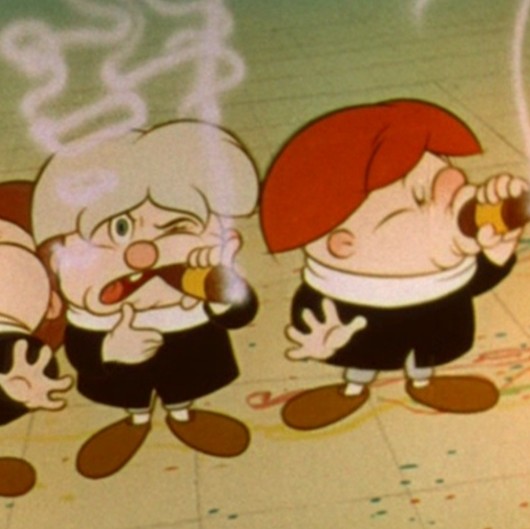
I fratelli Dinamite (Italia/1949) R.: Nino e Toni Pagot. D.: 94’
Section: Cinema Ritrovato Kids

Arlecchino Cinema
Introduced by
Section: Recovered & Restored
Cinema Lumiere – Sala Scorsese
Introduced by
Andrea Mascitti and Andrea Meneghelli
Section: Post War Italian Rarities
Sala Cervi
A workshop to build a cardboard car, to be “driven” to the Kids Drive-In
Section: Cinema Ritrovato Kids
Cinema Lumiere – Sala Officinema/Mastroianni
Section: The Velle Connection 1900-1930. Gaston, Maurice and Mary Murillo
Les Vampires offers pleasures beyond the surrealist interpretation of – in the words of Louis Aragon – “a sexual revelation” and a glamorization of criminality. The series was meant to entertain and to distract people from their worries about a war dragging on and their beloved ones at the front. To this aim the crime story was sprinkled with comedy and a teasing defiance of authorities. In the role of the ostensibly silly Mazamette, an ex-vampire and assistant to the journalist who persecutes the bandits, the star comedian Marcel Levesque zestfully outwits his former mates time and again. The Vampires themselves seem an agile mix of the notorious Bande à Bonnot and the appealing Apache-gangs, which counterbalances their frightening exploits with an anarchistic and rebellious flavor. With their fantastic and obviously improbable tricks they expose the incompetence of authorities such as the police and crime fighters who tend to take them too seriously. As the elusive and sensual Irma Vep even Musidora contributed to the amusing aspects of the series. In each episode appearing in a new disguise, the actress was in charge of ‘informing’ spectators that they were watching Irma Vep, for which she deployed her trademark sidelong glance at the camera and the Apache-pose of placing her hands on her hips. These devices added playfulness and irony to the otherwise mysterious and disconcerting Irma Vep, and likewise created a crucial understanding between Musidora and the public, as the actress suggested in an interview on Radio Suisse Romande (18 November 1947): “I think I was able to establish a close relation with my audience. They used to say: ‘there’s a lot of blood, no doubt about it, but he kills to amuse us and not to scare us because in the end, they would laugh”.
Annette Förster
After Fantômas in 2014, Gaumont undertook the digital restoration of Les Vampires, another Louis Feuillade serial (in 10 episodes) made between 1915 and 1916. The serial was a source of inspiration for Surrealists, who admired its narrative freedom and unbridled imagination.
The Éclair lab (Éclair Group) oversaw its restoration working with a nitrate duplicate of the film, a nitrate print and a more recent safety film print for any missing shots. Unfortunately, despite scouring film archives around the world through FIAF, we have been unable to find the original nitrate negative. For the 4K scanning we chose to work with the duplicate, using the later prints only when necessary (for missing shots or ones too damaged in the duplicate). The images were then restored so they could be put back on film. Since the materials available to us gave no indication about the film’s color, the restored version is in black and white. The original intertitles survived in the form of typewritten lists kept at the Bibliothèque du Film (Louis Feuillade archive) and were reintegrated in the 2015 version. The film was restored with the participation of the Centre national du cinéma et de l’image animée as part of a program for film heritage restoration and digitalization, and with the cooperation of the Cinémathèque française, which provided its materials.
Agnès Bertola
Section: 120 Gaumont - One hundred years ago: 1926
Jolly Cinema
Section: Seriously Funny. The Films of Leo McCarey
Teatro Comunale di Bologna
Conference with projections conceived by the Comitato Promotore Maestro Pietro Mascagni
Section: 120 Gaumont - One hundred years ago: 1926
Sala Cervi
An open-air screening of some short animations, reserved for those children who come in their own Car Box
Section: Cinema Ritrovato Kids
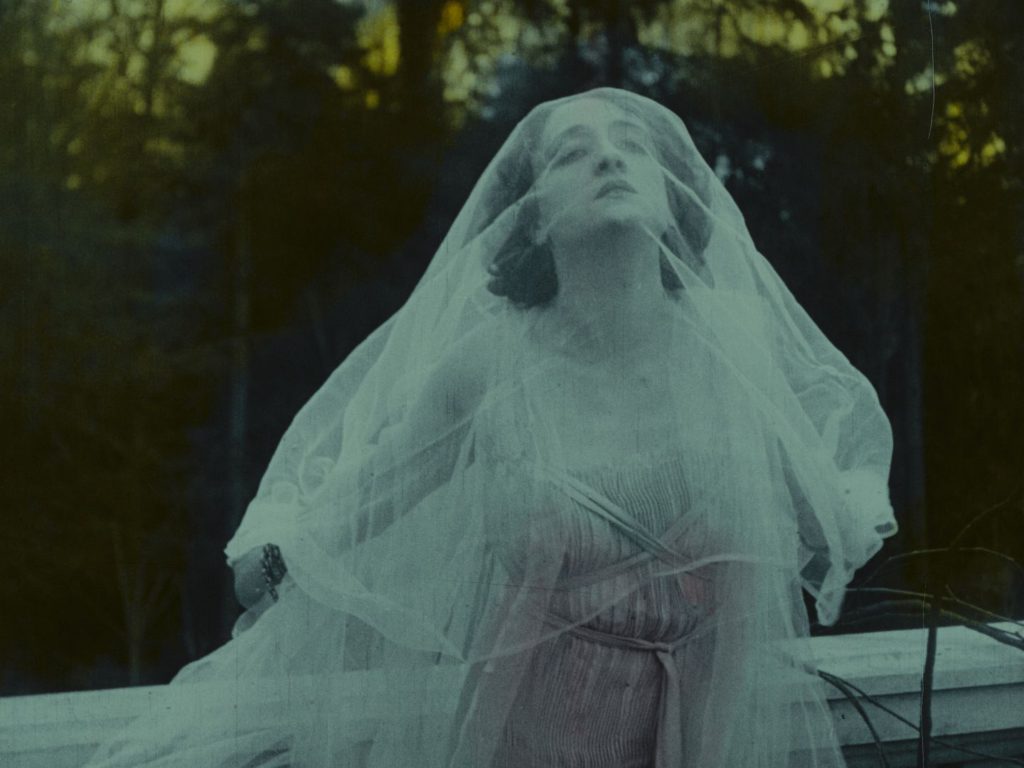
Teatro Comunale di Bologna
Score by Pietro Mascagni , directed by Timothy Brock and performed by the Orchestra of the Teatro Comunale di Bologna
Section: Recovered & Restored
Cinema Lumiere – Sala Officinema/Mastroianni
Section: TECHNICOLOR & CO.
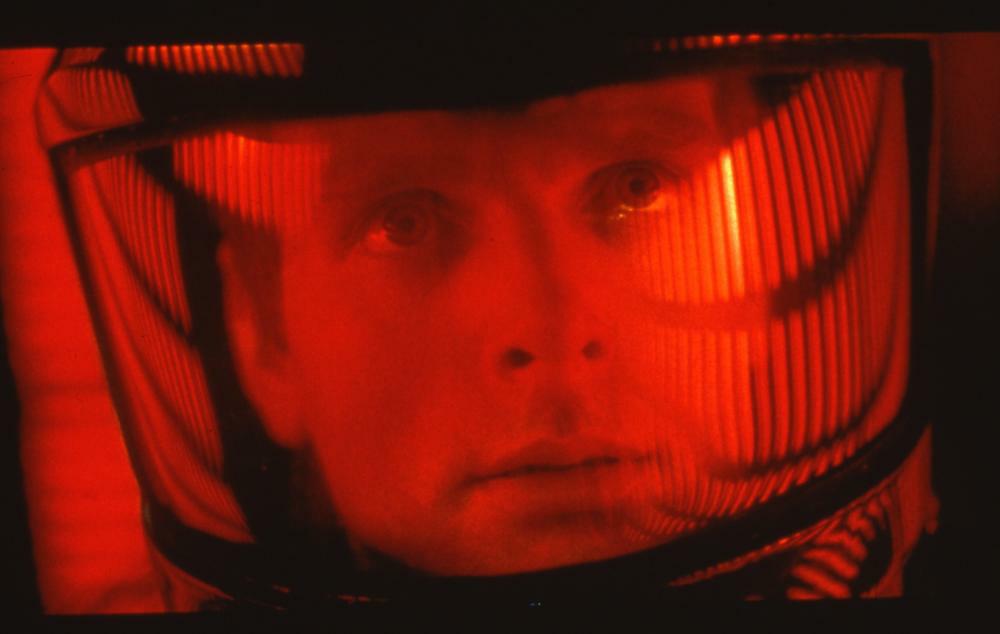
Piazza Maggiore
Section: TECHNICOLOR & CO.
Cinema Lumiere – Sala Scorsese
Section: Last Spring. Looking anew at the Cinema of the Thaw (Part One: Dawn)