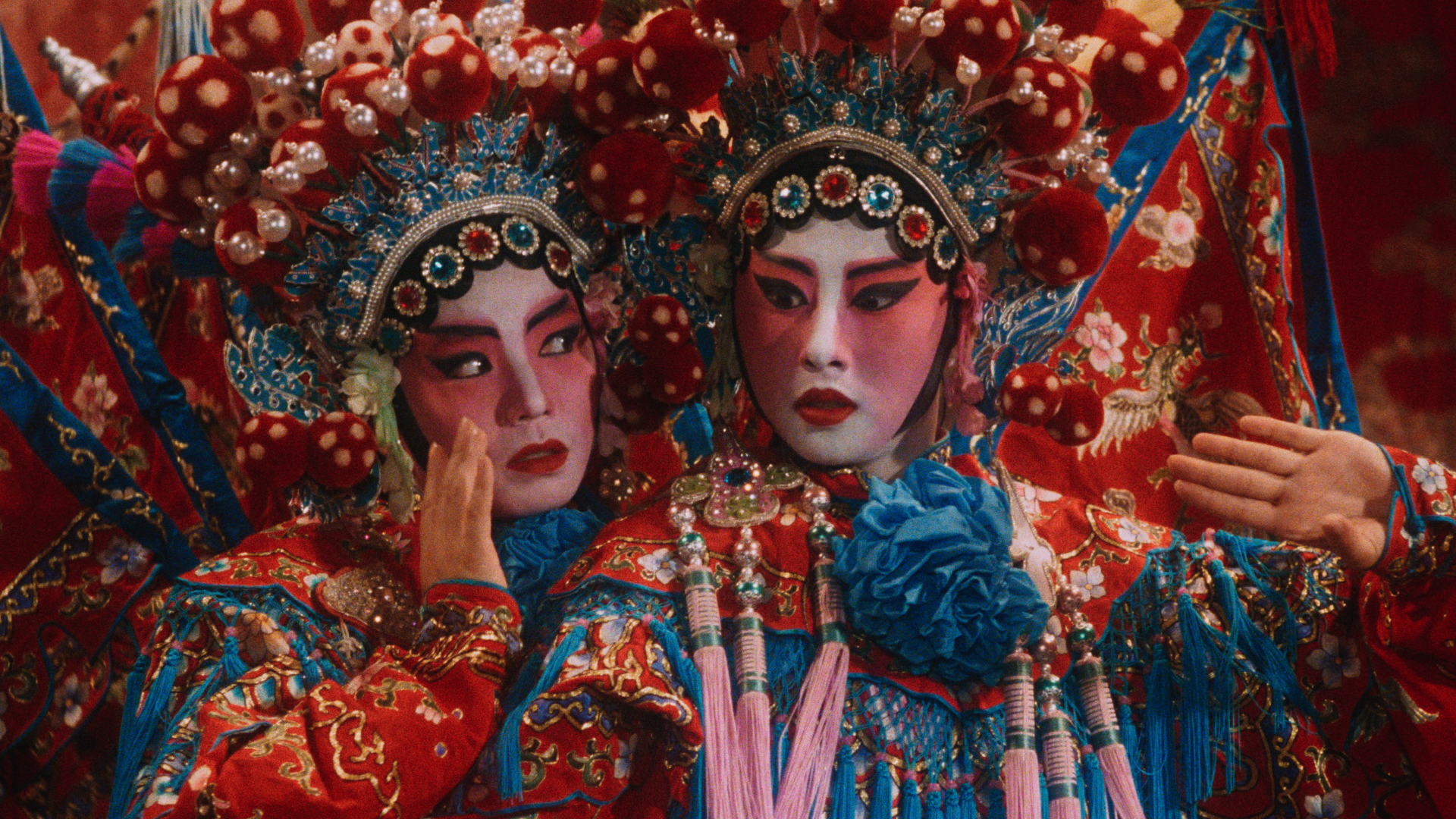
A Return to Splendor
Among the masterpieces featured in the “Recovered and Restored” section of the festival’s 40th edition is Do Ma Daan (Peking Opera Blues), directed by Tsui Hark (Hong Kong, 1986). The film will screen on June 23 at Cinema Europa (with additional screenings on June 26 and July 2 in Piazza Maggiore).
The film was restored in 4K in 2026 by the Shanghai International Film Festival at L’Immagine Ritrovata Asia laboratory, using the original 35mm camera negative and the 5.1 audio mix preserved by Fortune Star, with the support of BVLGARI.
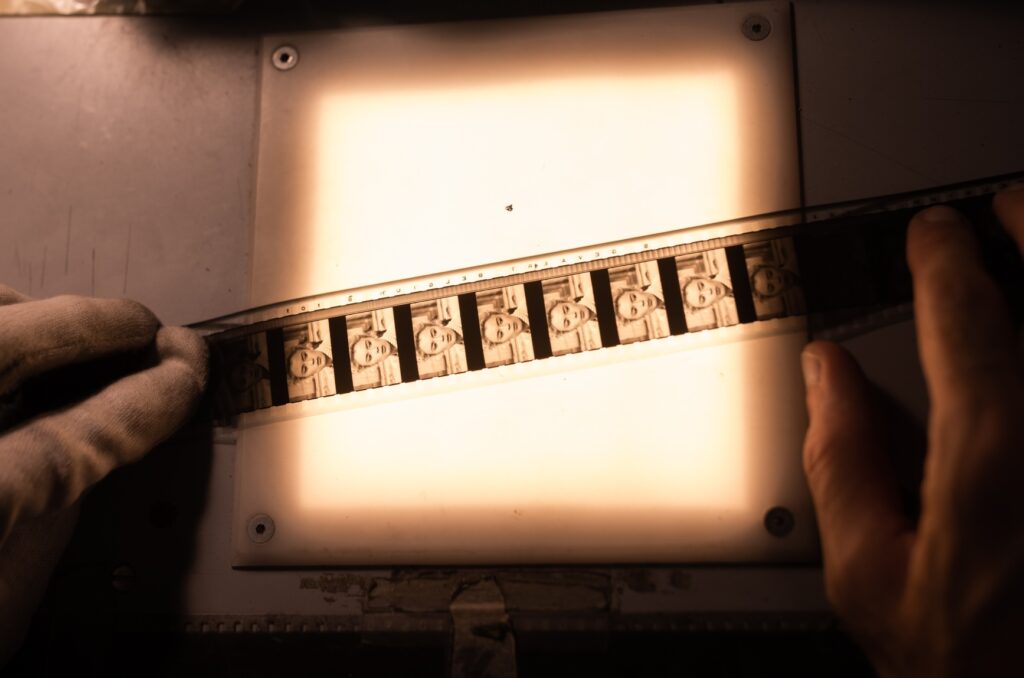
The clip, created while the film was being restored at the L’Immagine Ritrovata laboratories, captures the very essence of contemporary film restoration: a diligent, meticulous, almost transcendent undertaking, poised between the materiality of celluloid and the possibilities of digital technology. Driven by a single goal: to return the work to its original splendor.
“Do Ma Daan stands as one of the most dazzling achievements in Hong Kong cinema – a film that captures Tsui Hark’s sensibility at its most joyful and inventive. The Chinese title of the film refers to the three essential elements of traditional Peking Opera – the swords (Do), the horses (Ma) and opera actresses (Daan), which represent the female roles played by male actors. Released in 1986, the film is among the many Hong Kong films of the era grappling with anxiety over the city’s uncertain political future. Set against the turbulent backdrop of 1910s Republican China, it weaves together history and gender politics into an extravagant spectacle that subtly parodies the present. At the heart of the film are three women from different worlds: Tsao Wan (Brigitte Lin), the defiant daughter of a warlord general, smuggling documents for revolutionaries; Sheung Hung (Cherie Chung), a resourceful courtesan chasing her share of a stolen fortune; and Bai Niu (Sally Yeh), an aspiring performer in a Peking Opera troupe. A hidden treasure chest throws their lives together inside a theatre that becomes simultaneously a stage, a sanctuary, and a trap. As a key figure of Hong Kong’s New Wave cinema, Tsui Hark has never been content to work within a single genre, and Do Ma Daan is perhaps his most exuberant exercise in genre-blending. The film is at once a period comedy, a political thriller, a martial arts spectacle, and a meditation on identity, gender, and sisterhood. The three female protagonists represent three different mentalities, played by three of the most popular actresses at the time. Most notably, Brigitte Lin brings a magnetic intensity to her first cross-dressing role. Her androgynous beauty and unrestrained performance would further develop into an iconic image in Ching Siu-tung’s Swordsman II (produced and co-written by Tsui Hark) and Wong Kar-wai’s Ashes of Time” (Geoffrey Wong).