the Ancient Japanese Art of Off-Screen Narration
In Japanese silent cinema, the benshi – or katsudō benshi, literally “speaker of moving pictures” – occupied a unique and central role, unlike anything found in the history of Western cinema. The filmgoing experience was organised around a live narrator who voiced individual characters, commented on the action, and acted as a mediator between the film and its audience in real time. The benshi did not merely accompany the film; they completed it, exerting a profound influence on both the narrative structure and the aesthetics of Japanese cinema. With the arrival of sound films, however, their numbers declined dramatically, and by 1940 benshi had almost entirely disappeared.
The 40th edition of Il Cinema Ritrovato celebrates this semi-lost tradition with a small programme within the retrospective dedicated to Daisuke Itō. One of the most prolific Japanese filmmakers of the twentieth century, Itō helped shape the imagery of samurai cinema during the silent era while simultaneously delivering a sharp critique of society. The programme is presented with the support of the Yanai Initiative, a joint project of UCLA and Waseda University aimed at building a globally interconnected future for Japanese humanities.
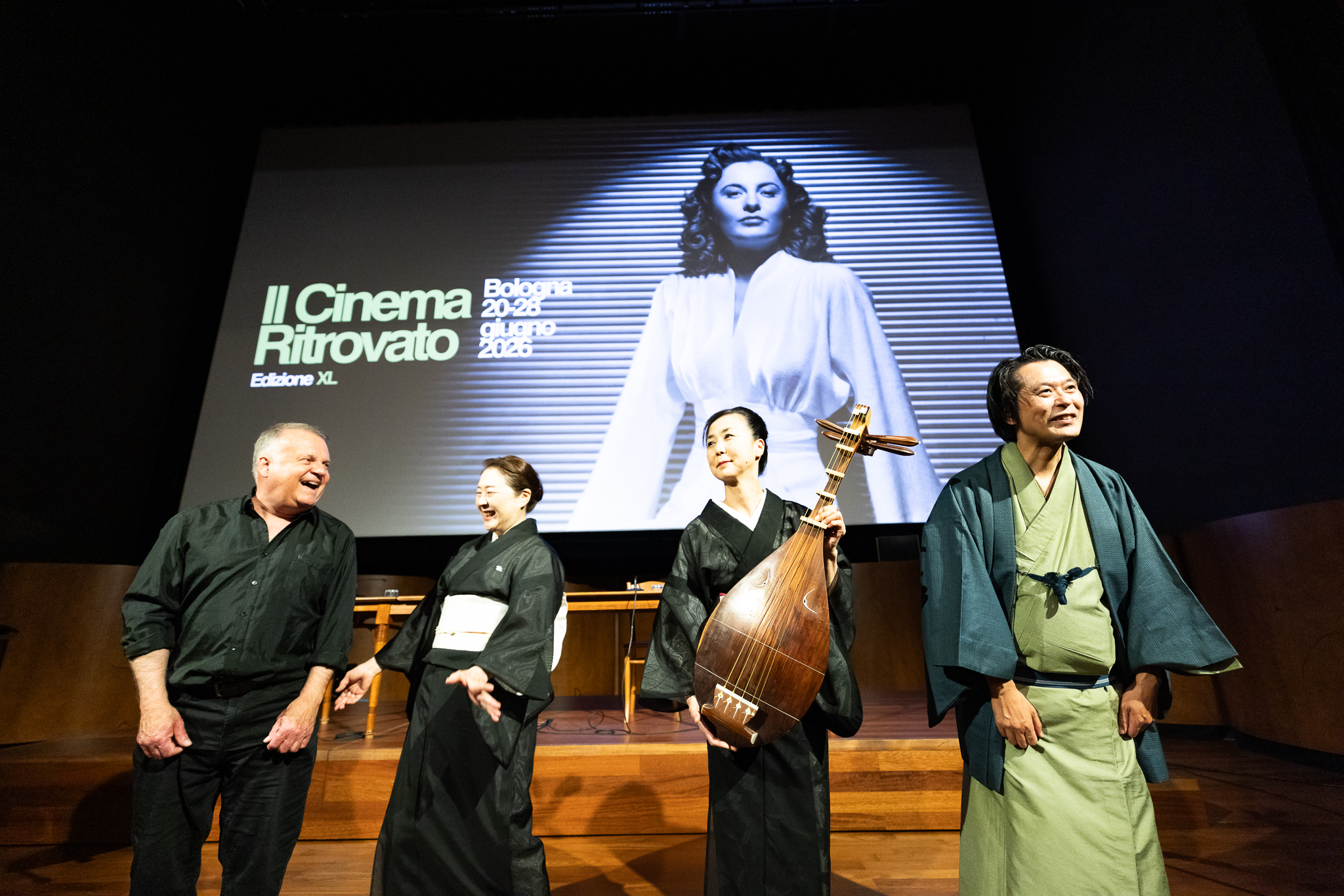
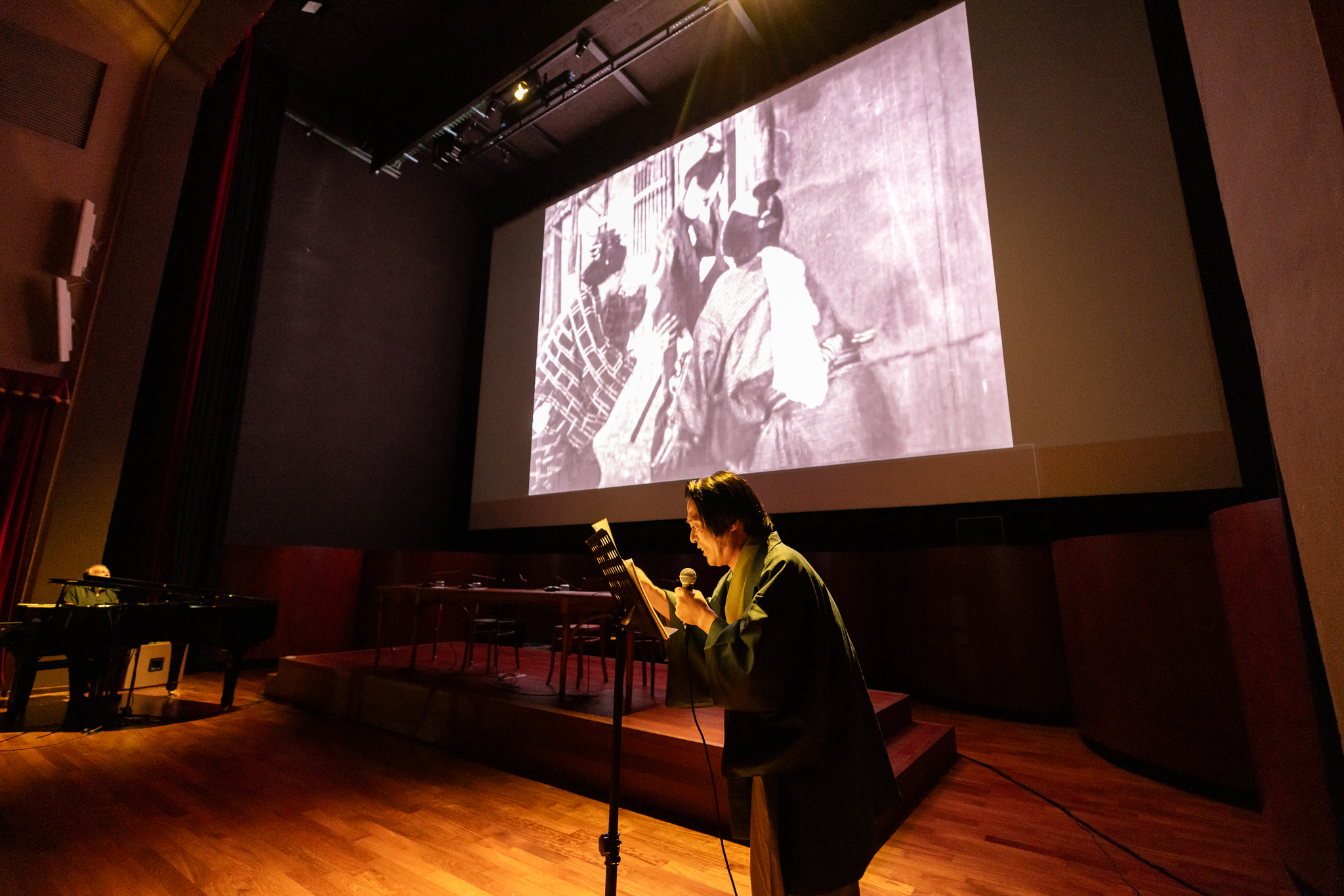
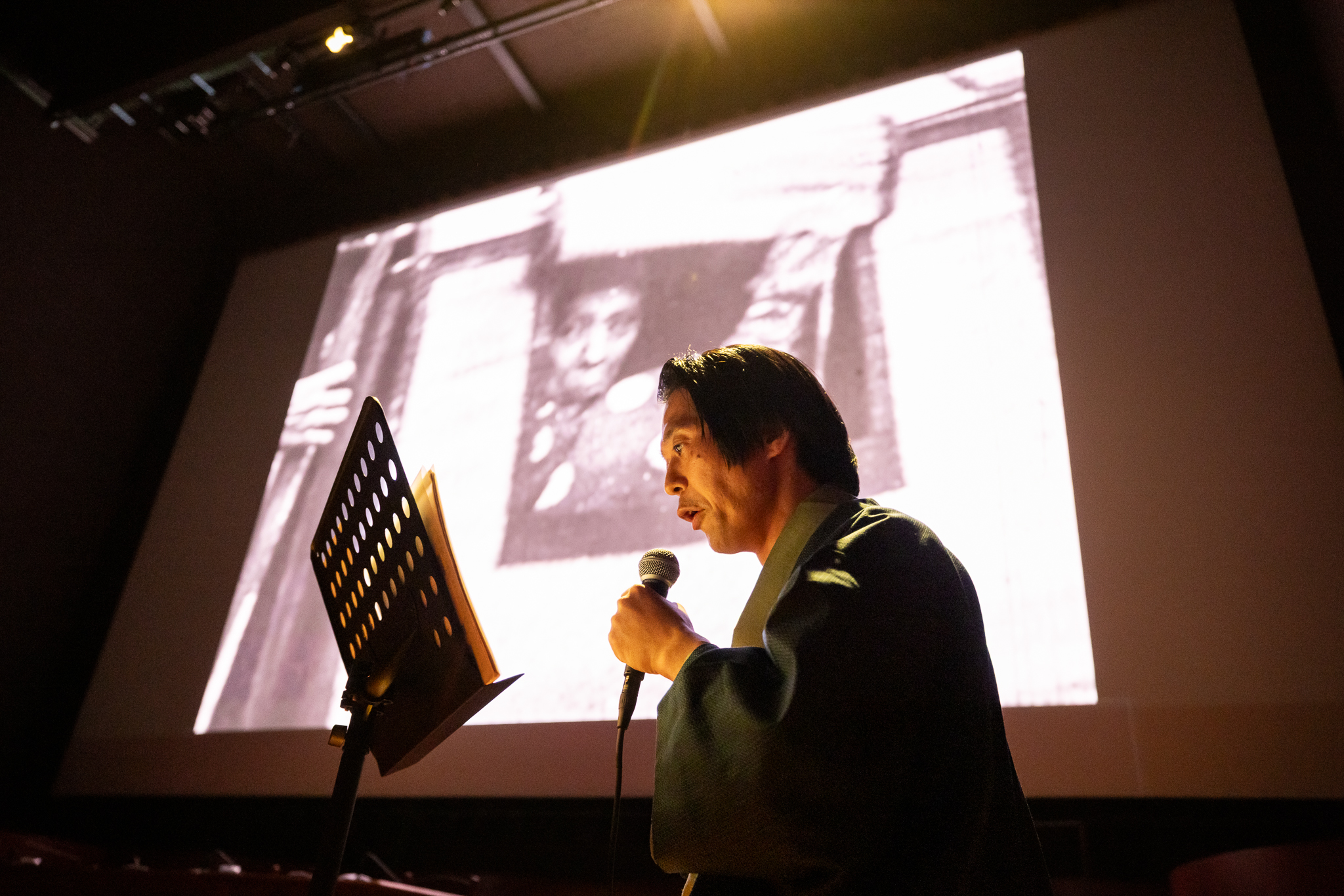
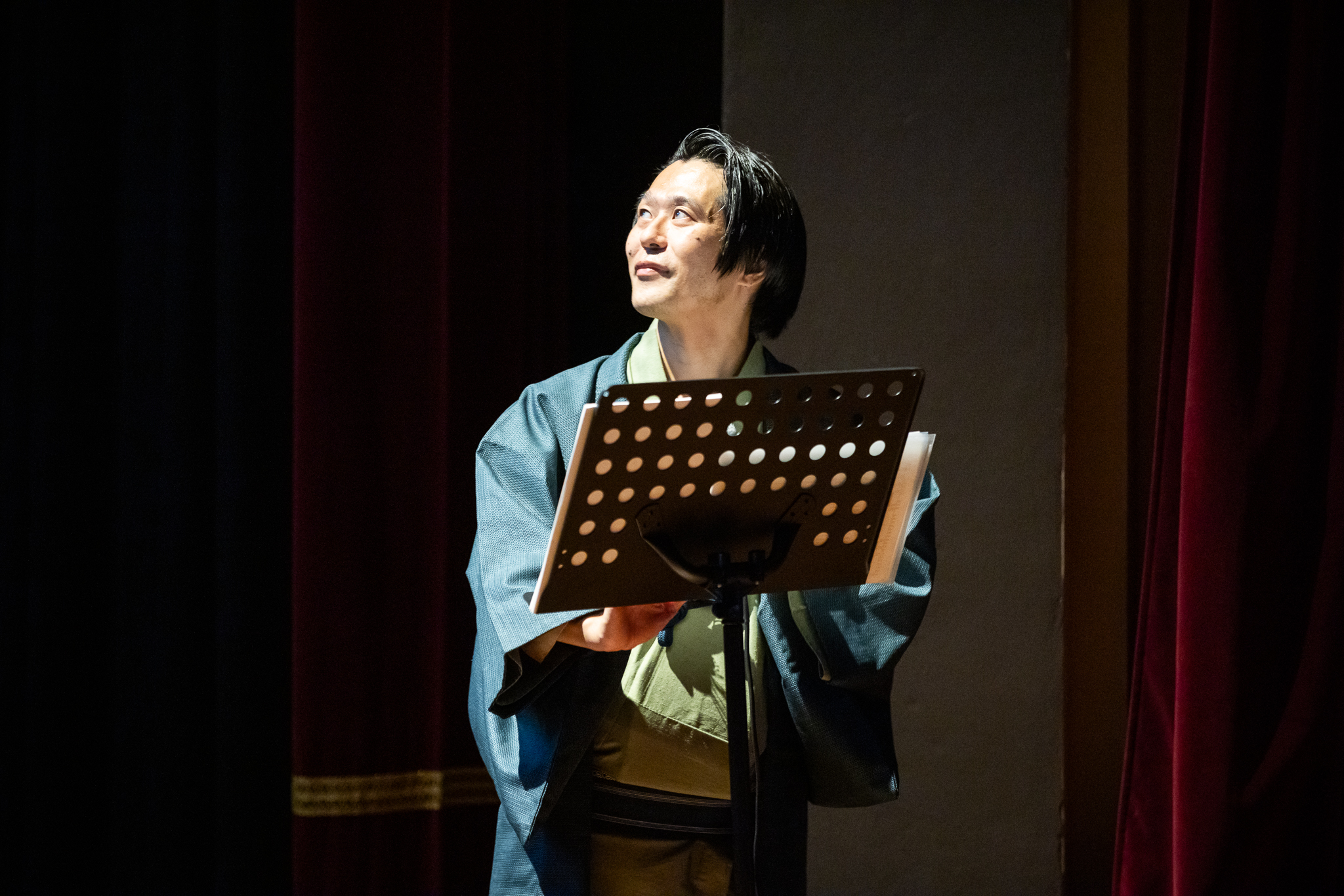
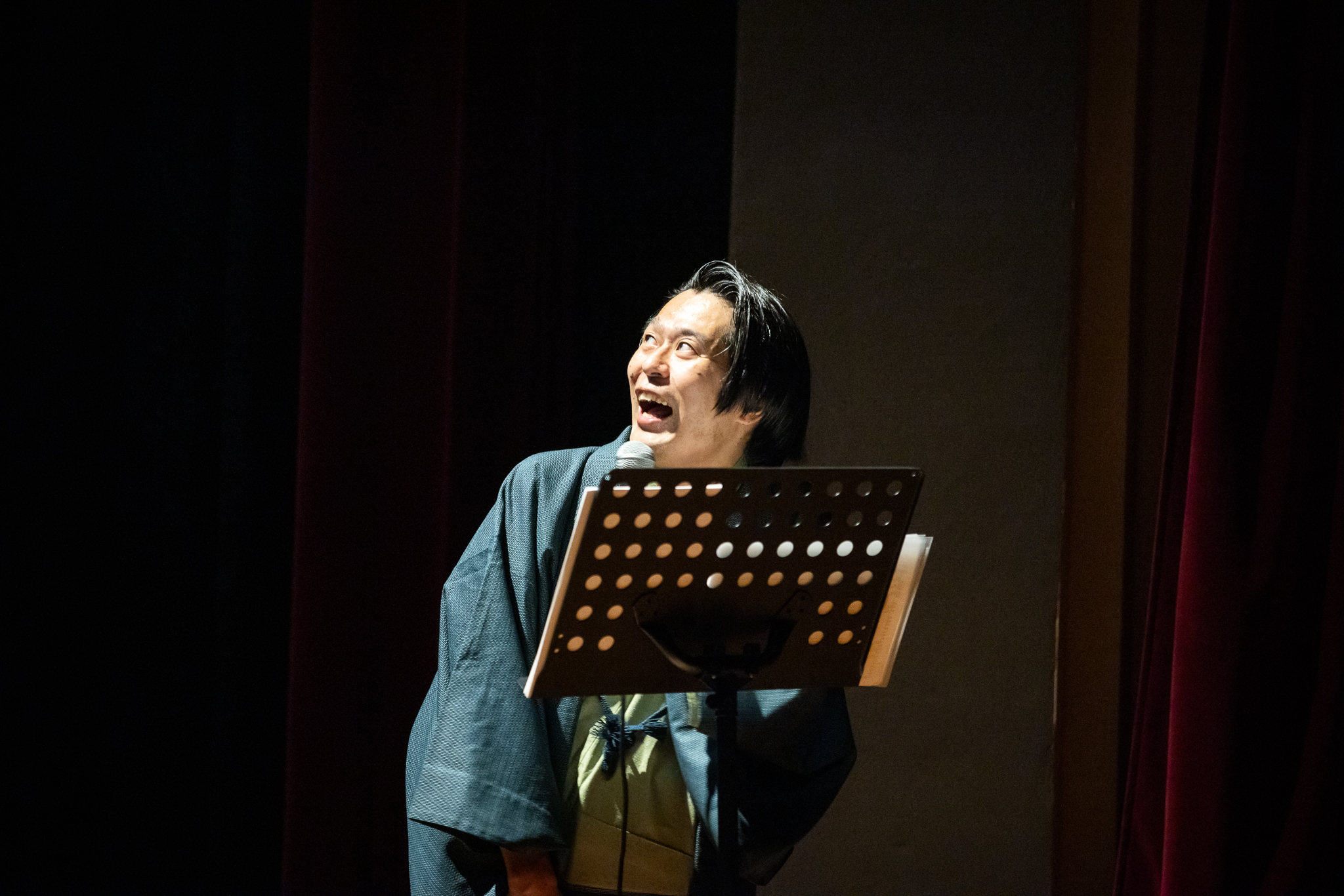
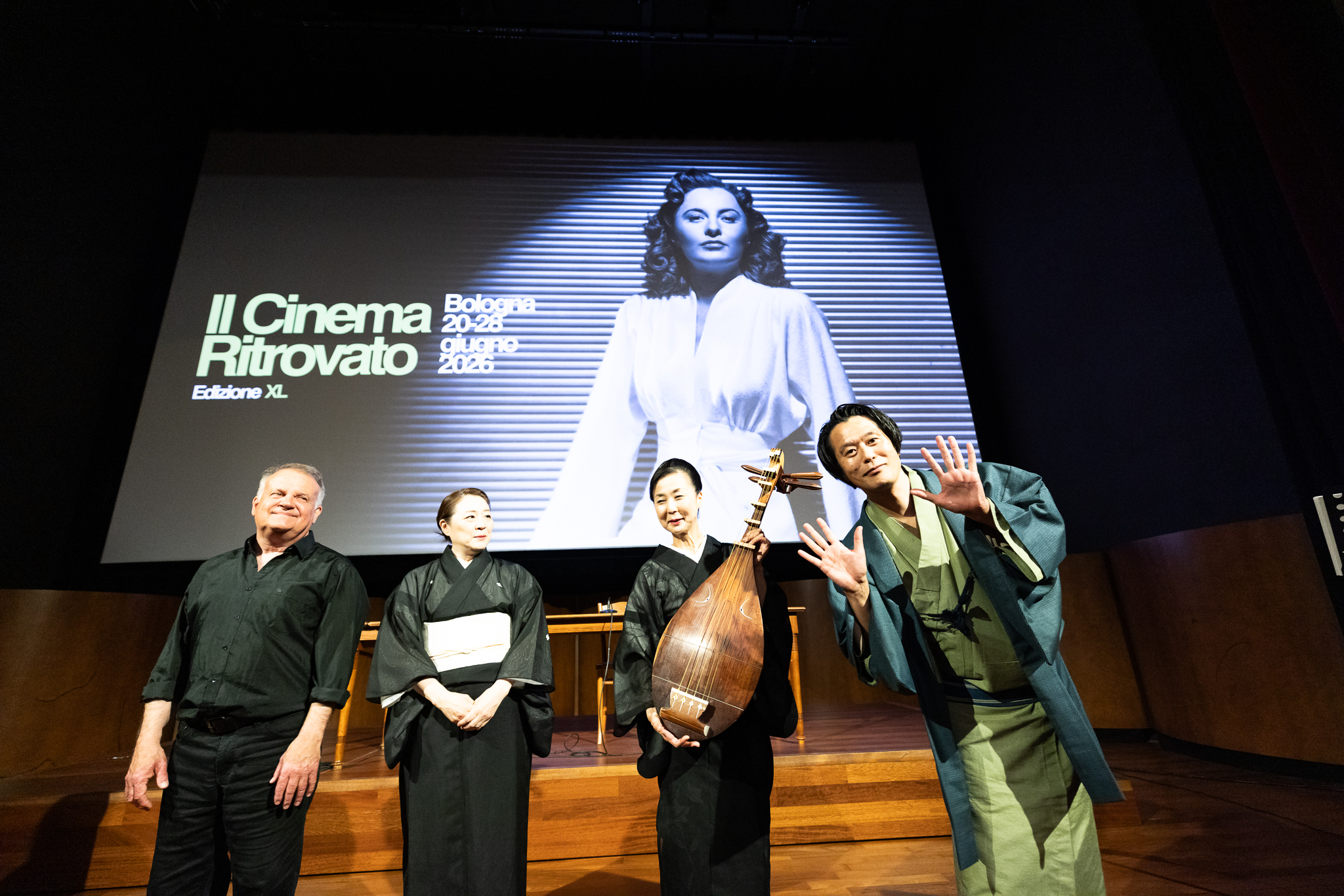
The programme includes three screenings and a special talk, all accompanied live by benshi Ichiro Kataoka, one of the most highly regarded contemporary practitioners of the art. To date, Kataoka has given around 350 performances accompanying silent films – Japanese, Chinese, and Western alike – across every genre, including documentaries and animated films.
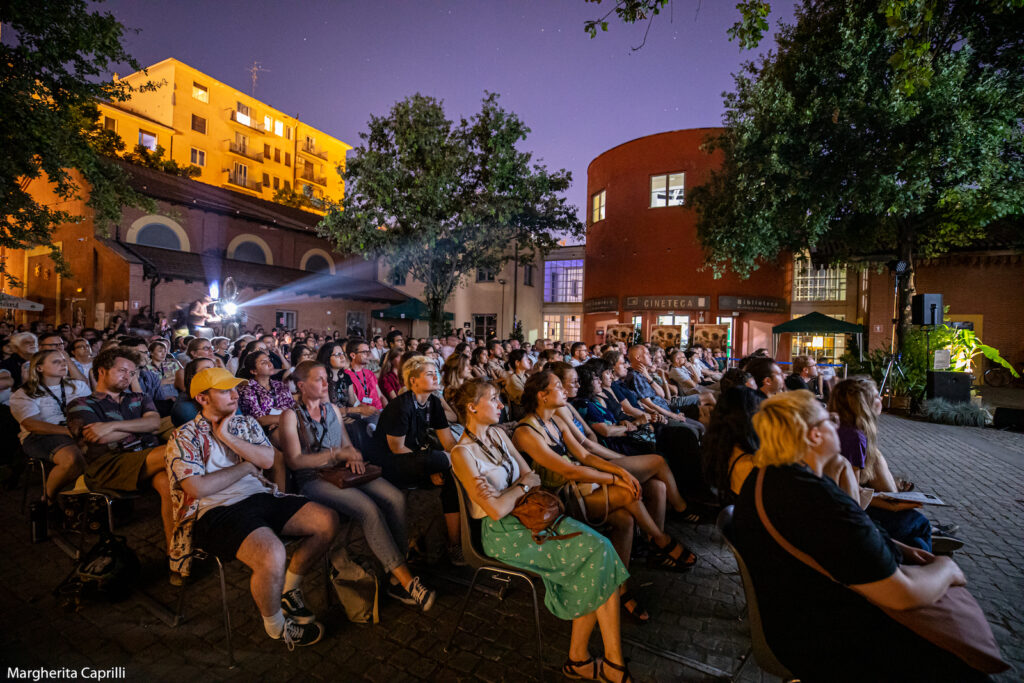
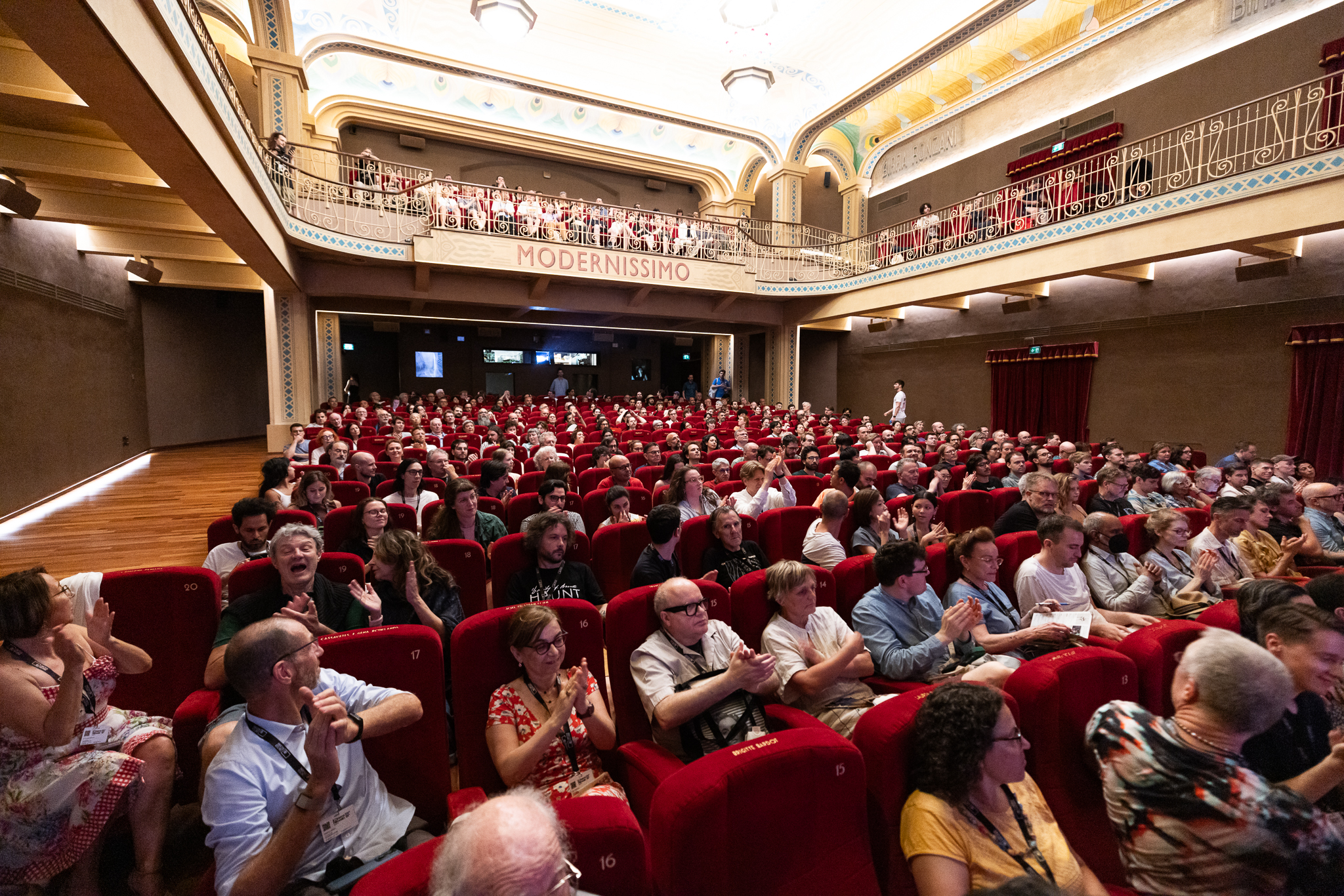
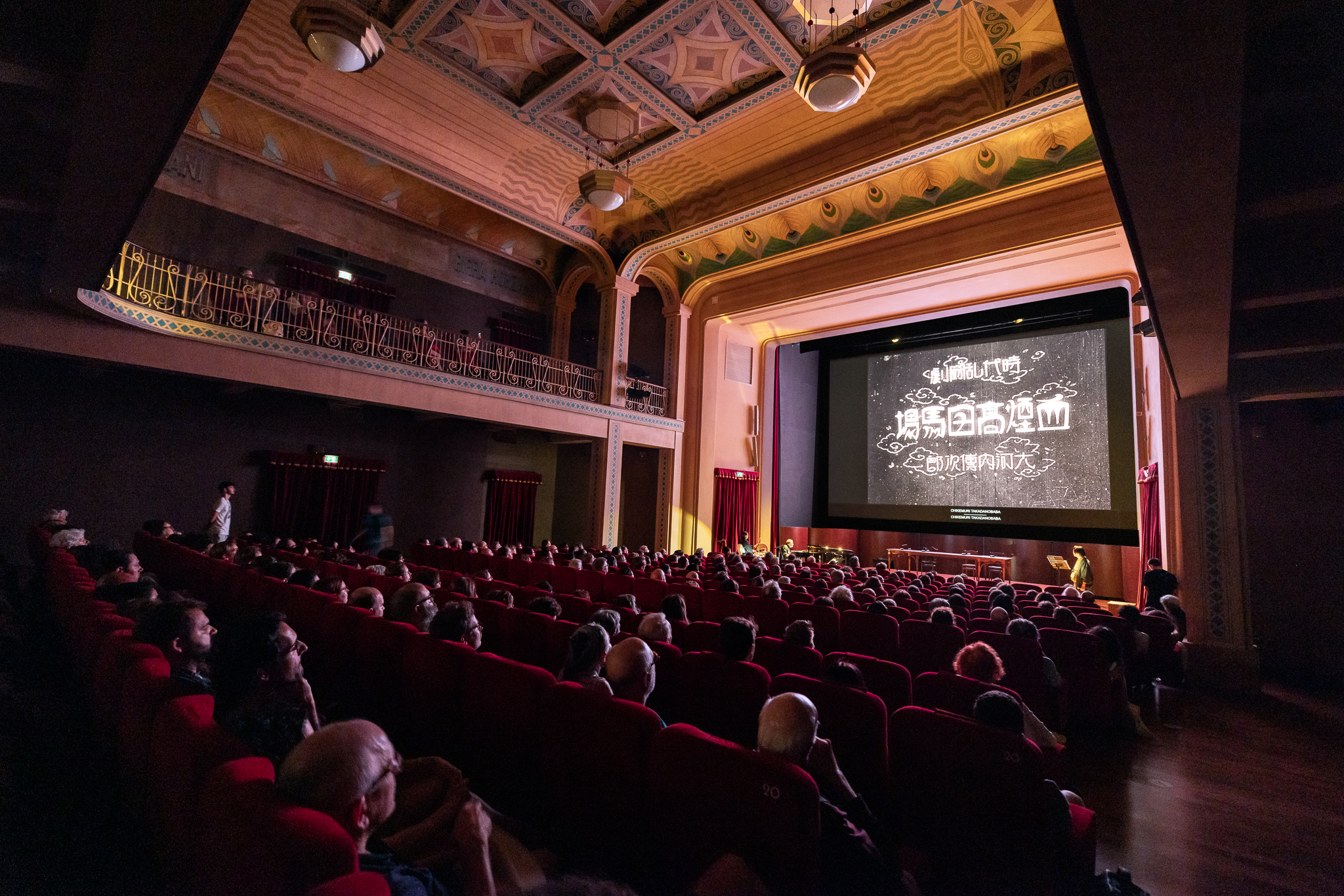
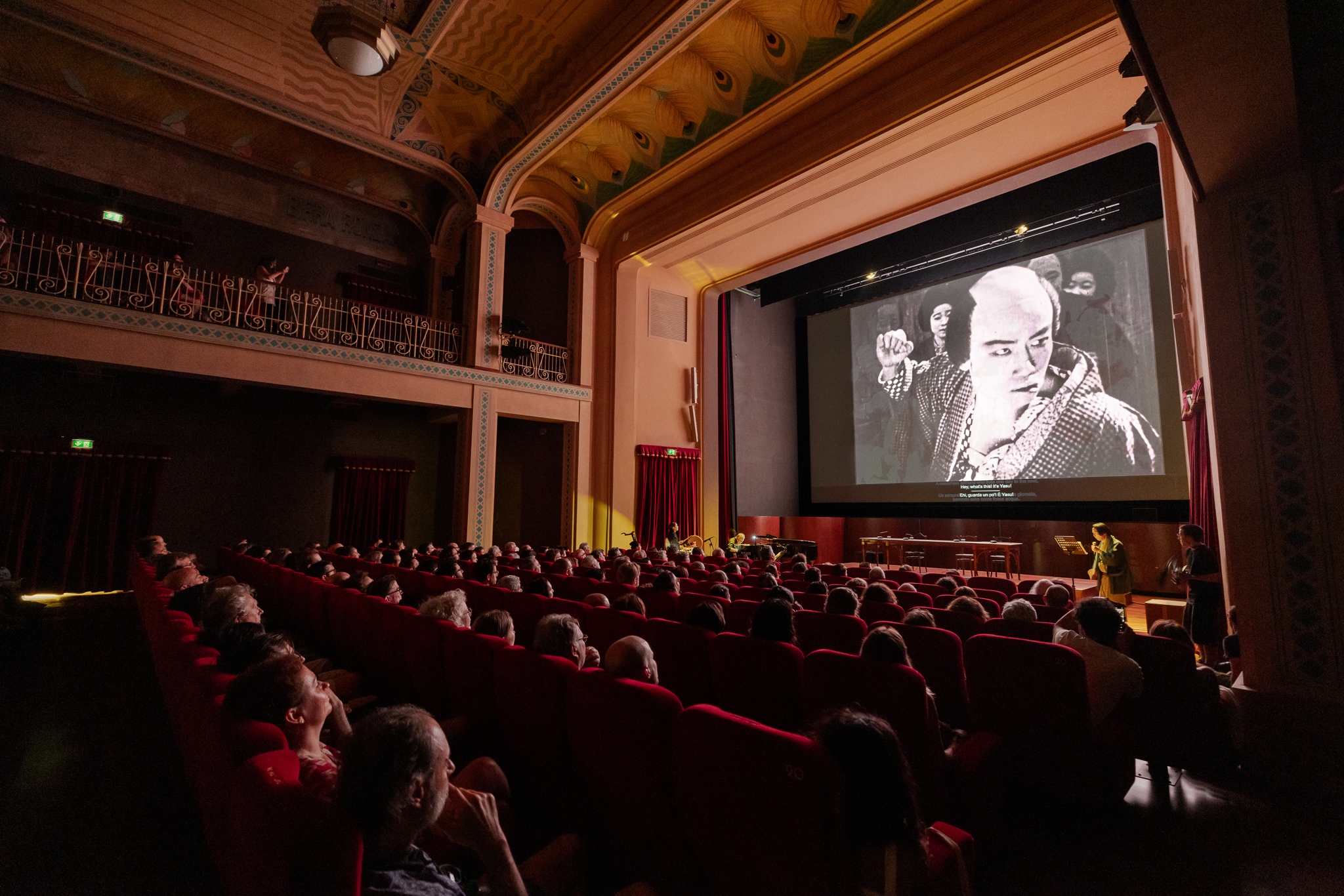
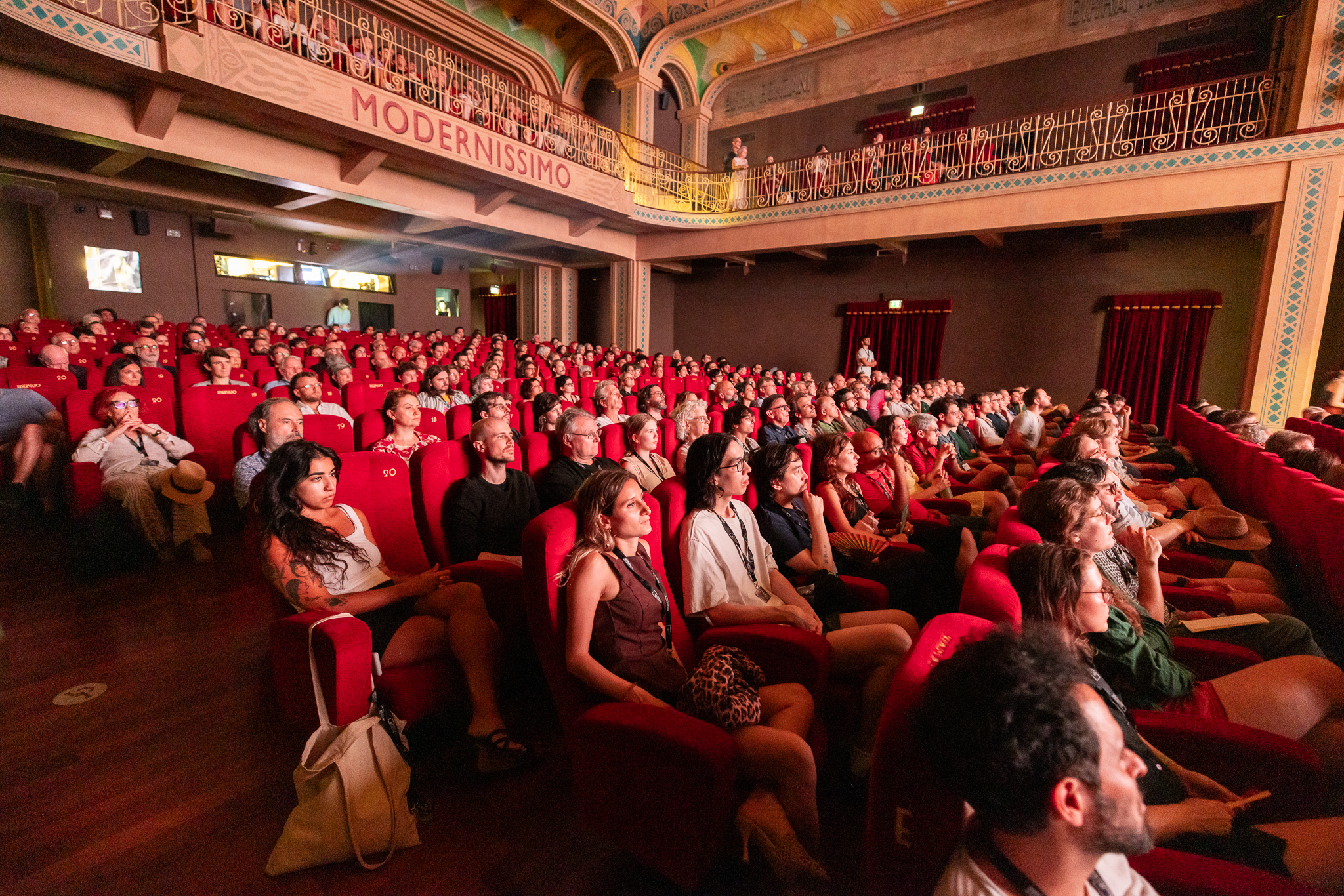
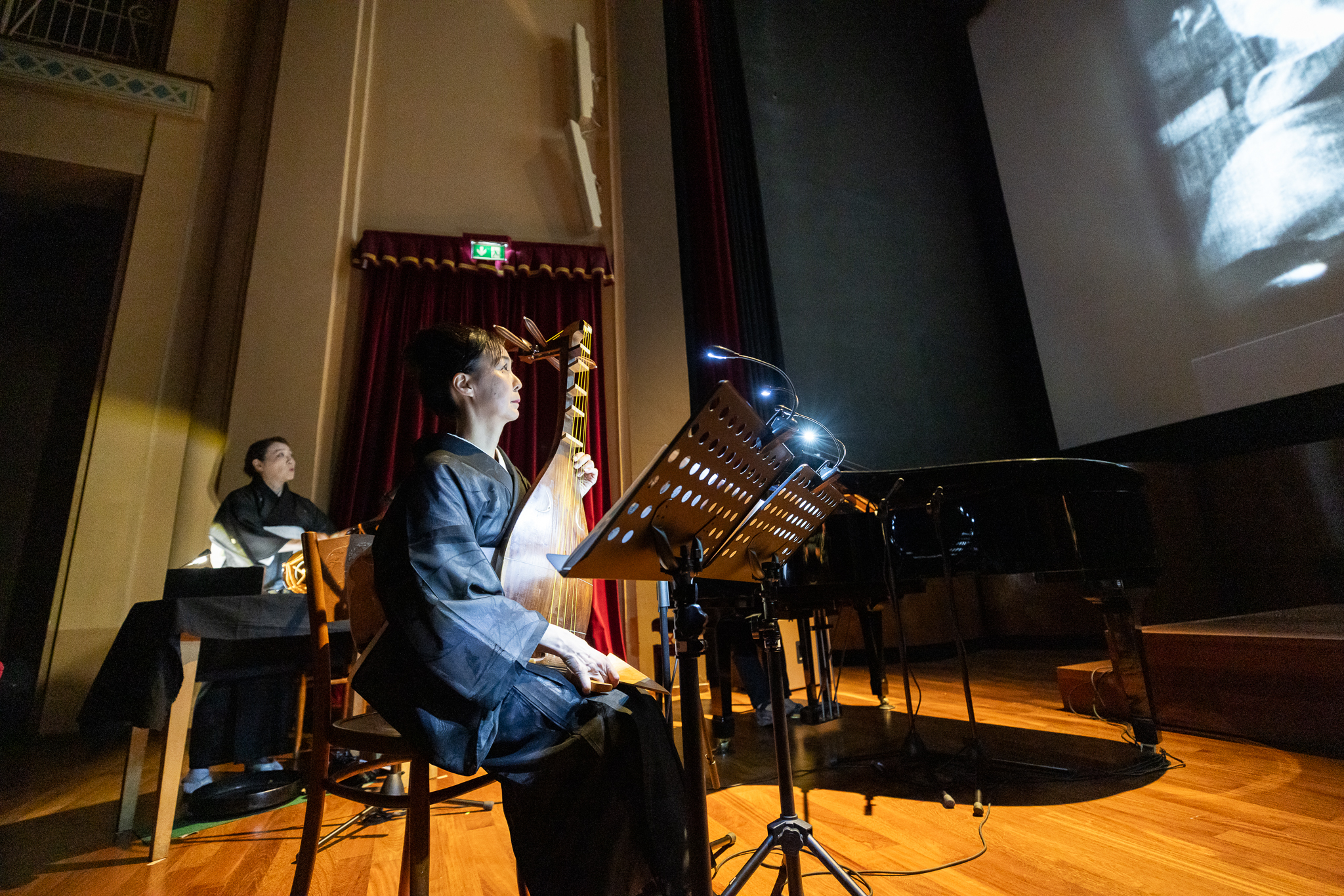
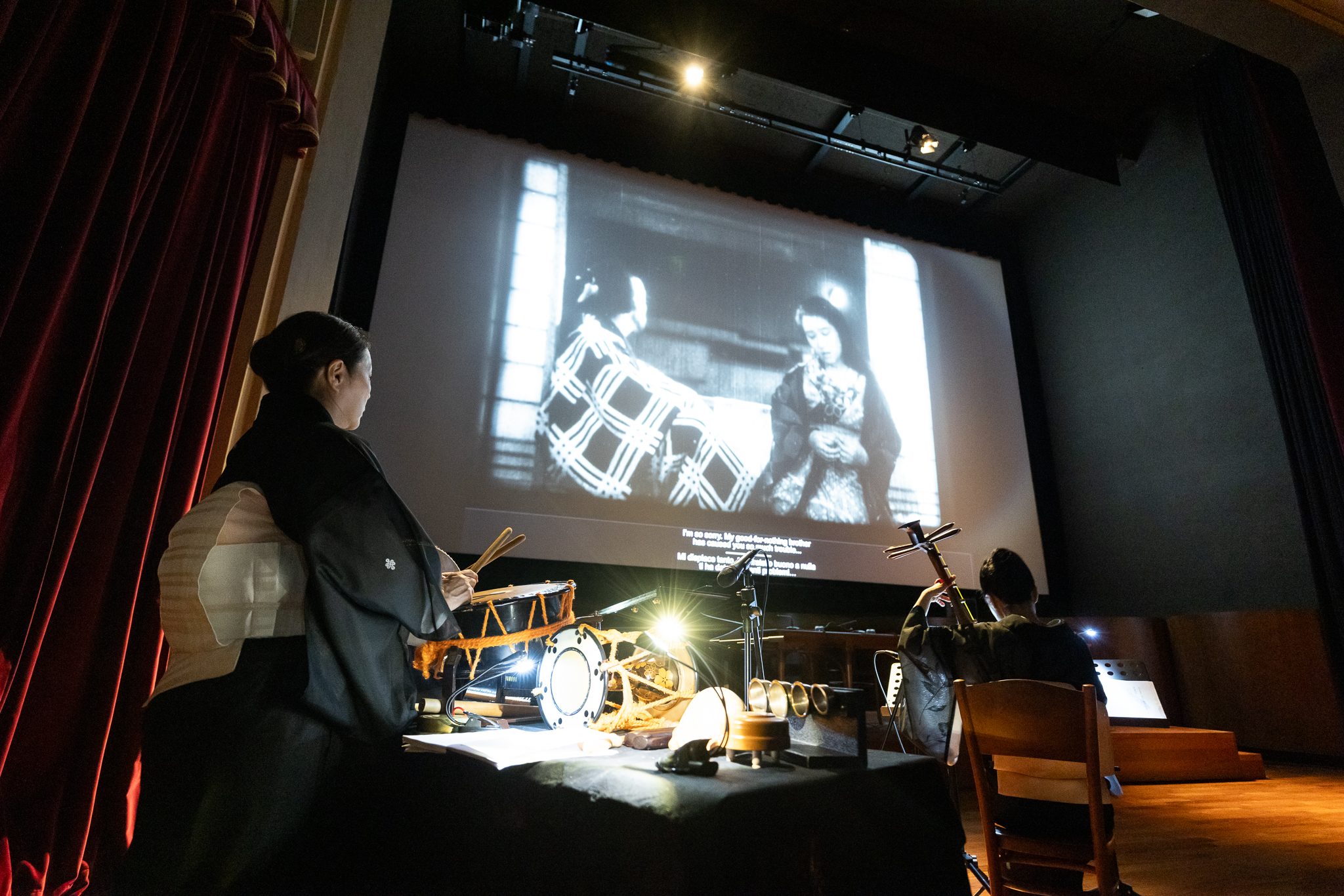
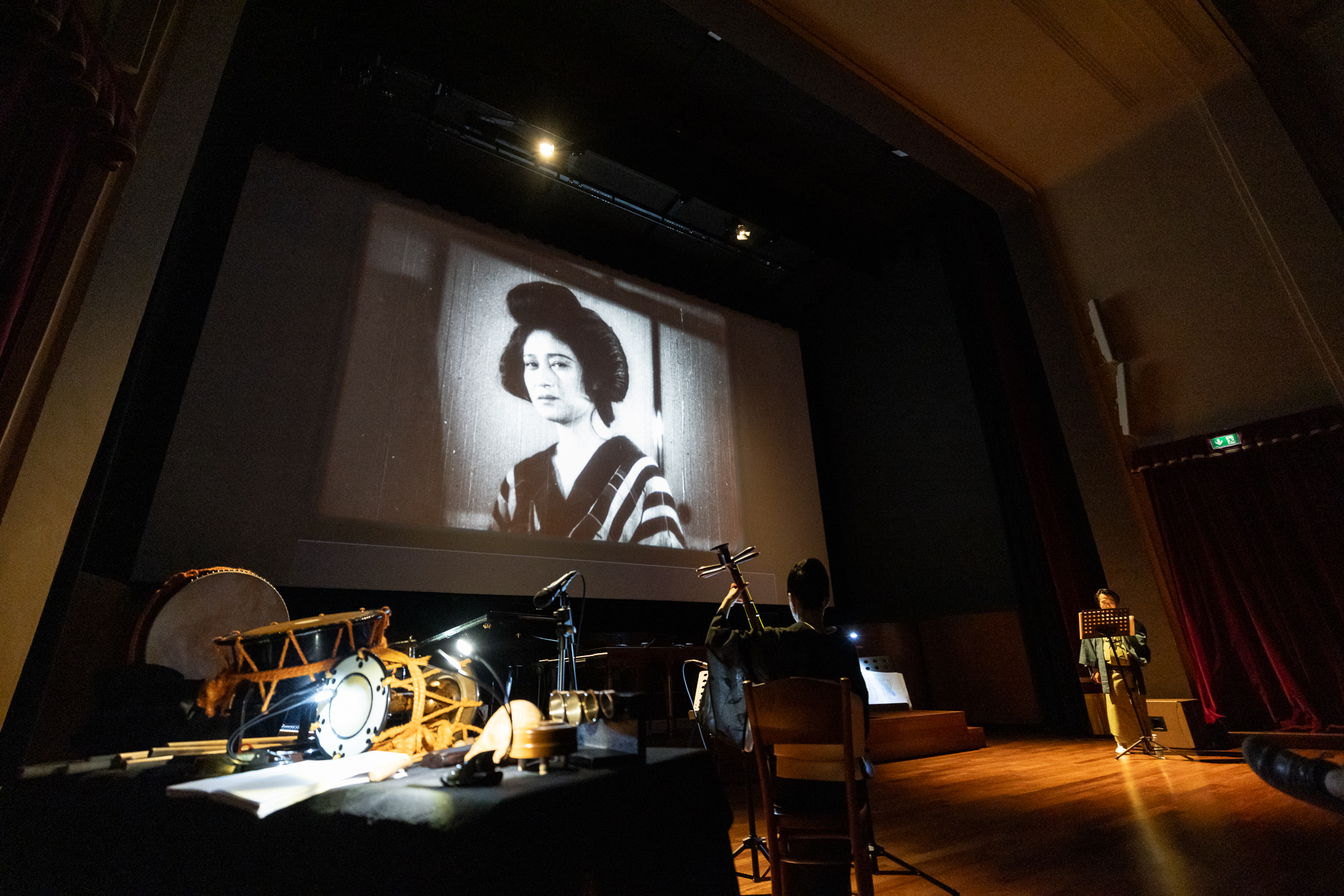
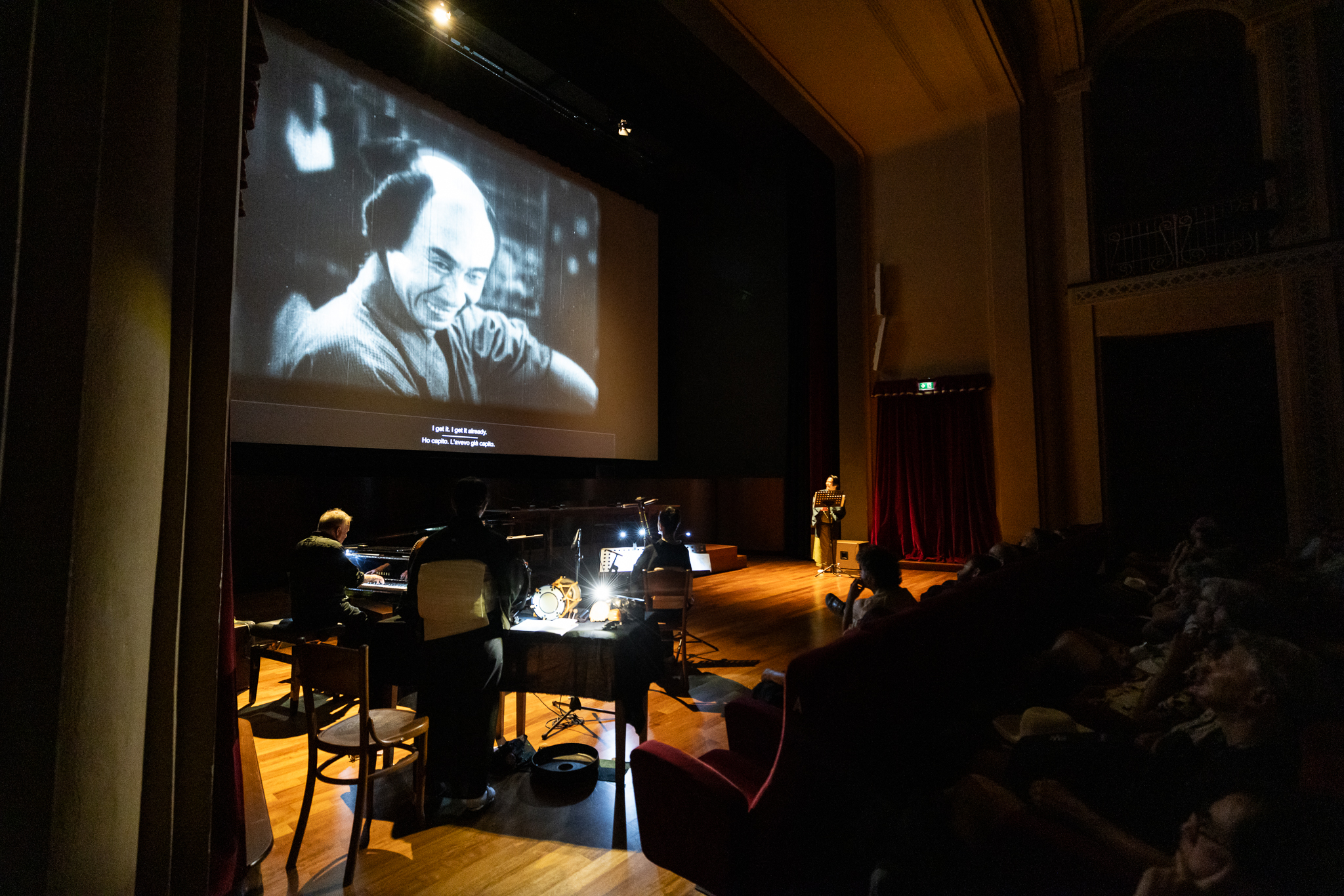
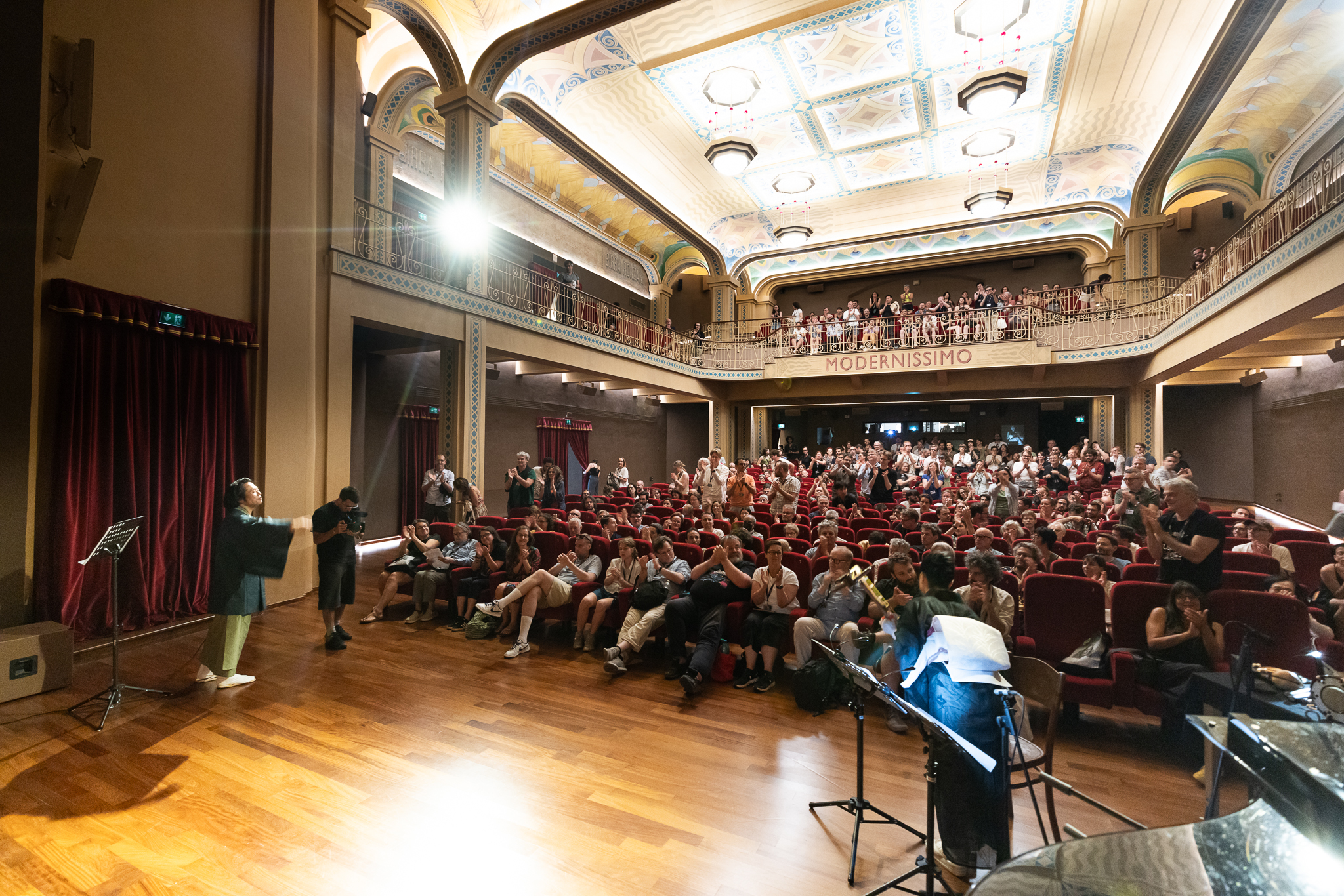
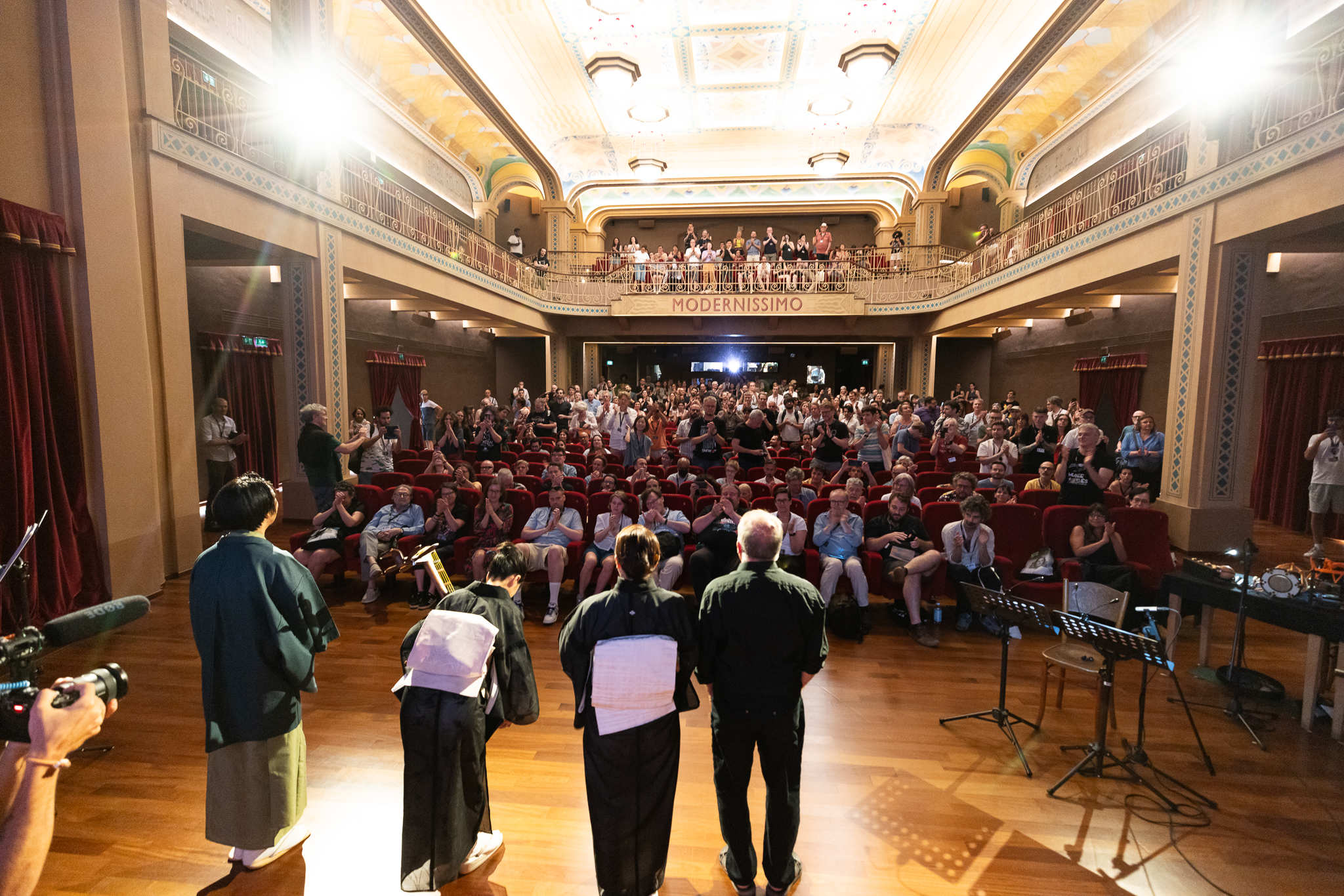
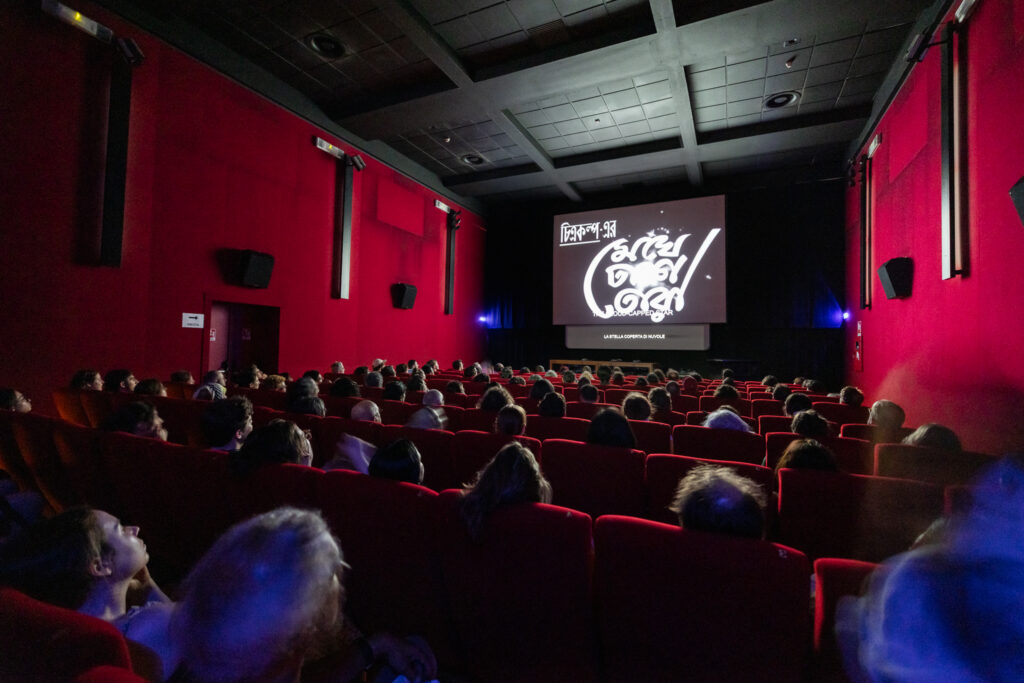
The programme opened yesterday at Cinema Lumière with Chokon and Zanjin zanbaken, accompanied by Katada Kisayo on narimono (percussion) and Kawashima Nobuko on the biwa, the traditional Japanese lute.
Like many Japanese silent films, both works unfortunately survive only in incomplete form. In the case of Chokon, only the final reel has come down to us, while Zanjin zanbaken survives in a condensed version enlarged from a 9.5mm print produced for the home market. The film is also believed to have influenced the class consciousness at the heart of Akira Kurosawa’s Seven Samurai. Even in fragmentary form, the surviving material reveals Itō’s extraordinary talent for choreographing action and creating frenetic camera movements, while offering a poignant glimpse of the lost grandeur of both works.
The festival programme also featured a screening of Chuji Tabi Nikki, a landmark example of the so-called shin-jidai-geki (“new period film”), as well as a double event consisting of the Cinema Lesson “The Cinema of Daisuke Itō and the Art of the Benshi” and, later that afternoon, Oatsurae Jirokichi Koshi, the only surviving silent film directed by Itō.
Through his presence across the programme, benshi Ichiro Kataoka brings together narrative performance and musical practice, restoring silent cinema to a form close to that experienced by Japanese audiences a century ago: not merely a film screening in a darkened theatre, but a live event in which the human voice and music performed on stage complete the image. Musical accompaniment by Katada Kisayo (narimono), Kawashima Nobuko (biwa), Gabriel Thibaudeau (piano).
Luca Carani