Reconstructed & Restored Classics
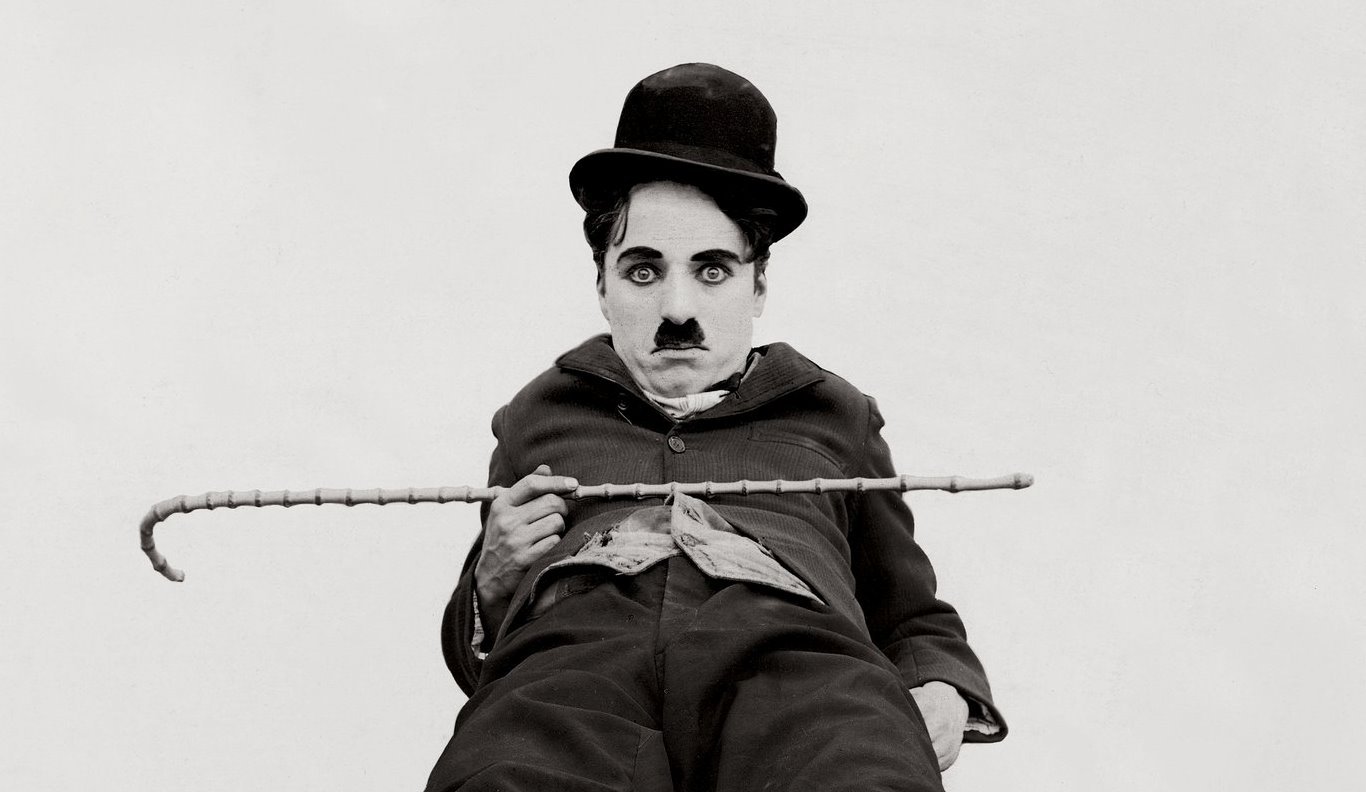
Two cornerstones of Chaplin’s filmography, A Dog’s Life and Shoulder Arms, are featured in the festival programme. Both films hold a special place in cinema history as the first projects Chaplin shot at his newly built Hollywood studios. For decades, audiences have known them primarily through the anthology version assembled by Chaplin in 1959 for The Chaplin Revue (which also included The Pilgrim). At Il Cinema Ritrovato festival, they are presented in a stunning restoration and in their original 1918 versions, before Chaplin himself altered their editing and added a specially composed orchestral score.
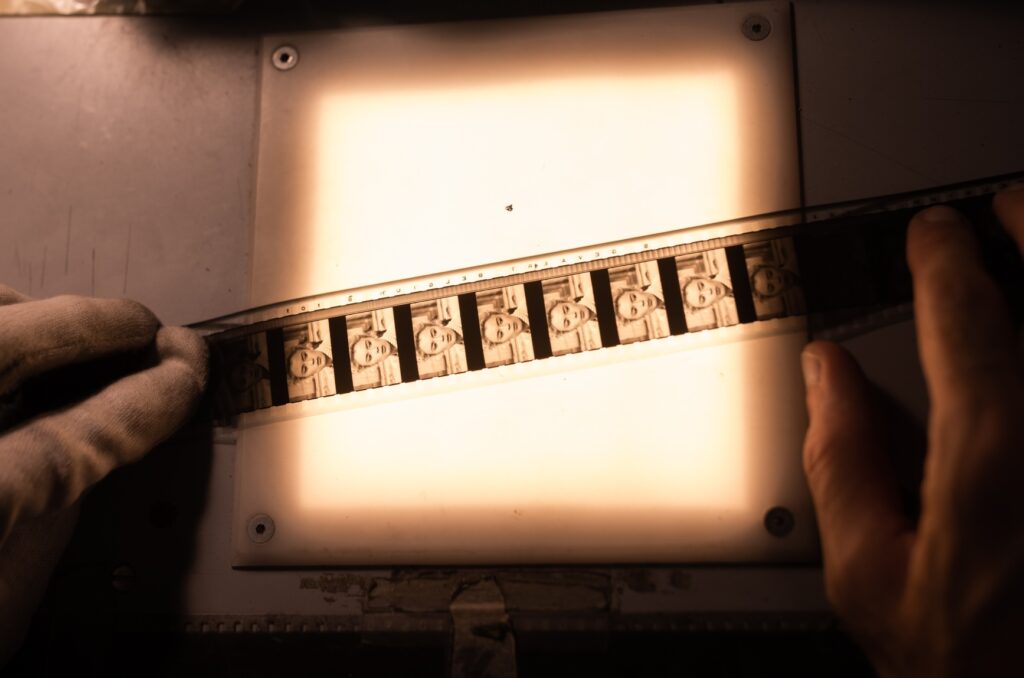
This reconstruction of the original version was restored in 4K in 2026 by the MoMA in collaboration with Cineteca di Bologna, under the auspices of Association Chaplin and Roy Export S.A.S., at the Metropolis Post laboratory, using a 35mm print as its source material.
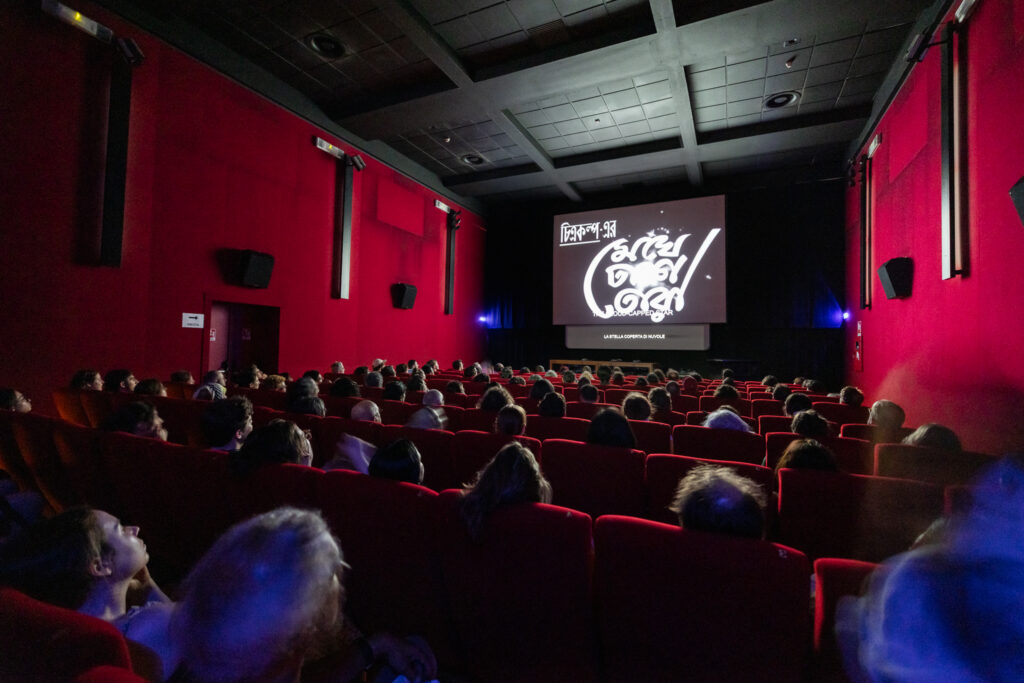
The films will be accompanied by a live performance by Orchestra Senzaspine. Timothy Brock‘s new restorations and adaptations of Chaplin’s scores, commissioned by Roy Export S.A.S. and tailored to fit the original 1918 versions, receive their world premiere at these screenings at Il Cinema Ritrovato.
Research on the four different camera negatives and the various releases, versions, and prints of Shoulder Arms was conducted as part of the collaborative project Mapping Archival Holdings of Chaplin’s Shoulder Arms (MASh), an initiative by Adrian Gerber and Lichtspiel / Kinemathek Bern (https://lichtspiel.ch/en/mash/)
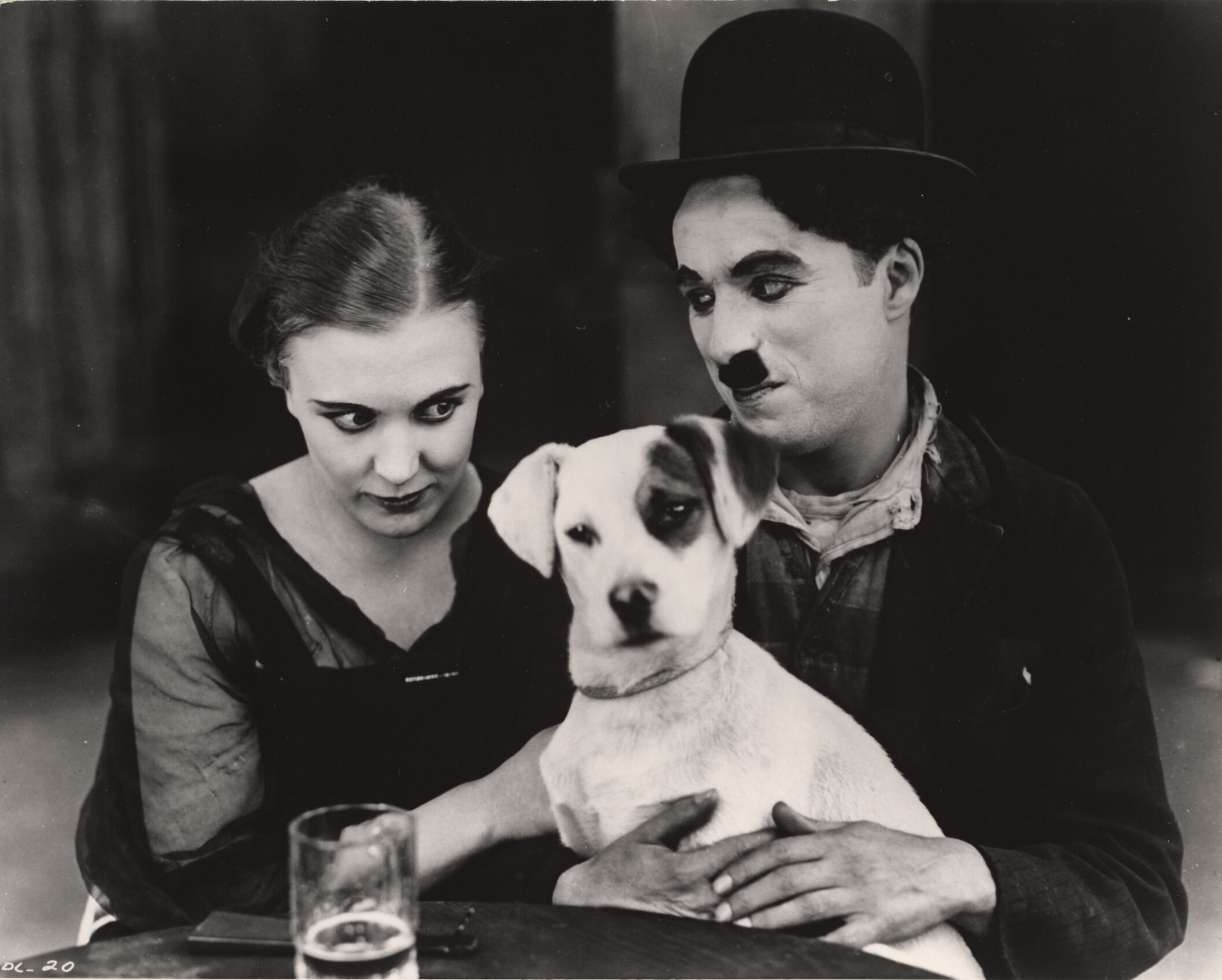
the Tramp, a cabaret singer and a stray dog named Scraps
“The first film Chaplin made under his 1917 First National contract – which, crucially, gave him ownership of his own negatives[…] For decades, audiences have known the film primarily through the version Chaplin assembled for The Chaplin Revue in 1959, reconstructed from outtakes and alternate-angle footage after the original camera negative deteriorated. That version substituted Chaplin’s revised editorial choices and a newly composed orchestral score for the 1918 release cut. MoMA’s reconstruction, drawn from surviving prints derived from the
original negative, restores Chaplin’s firstchoice takes and the original intertitles, returning the film, as nearly as possible, to what audiences saw in April 1918″ (Dave Kehr).
Reconstruction of the original 1918 release, restored in 4K in 2026 by MoMA under the aegis of Association Chaplin and Roy Export S.A.S. at Metropolis Post laboratory, from the 35mm negative preserved by MoMA.
Funding provided by Barbara Wertz and Lillian Gish Trust for Film Preservation.
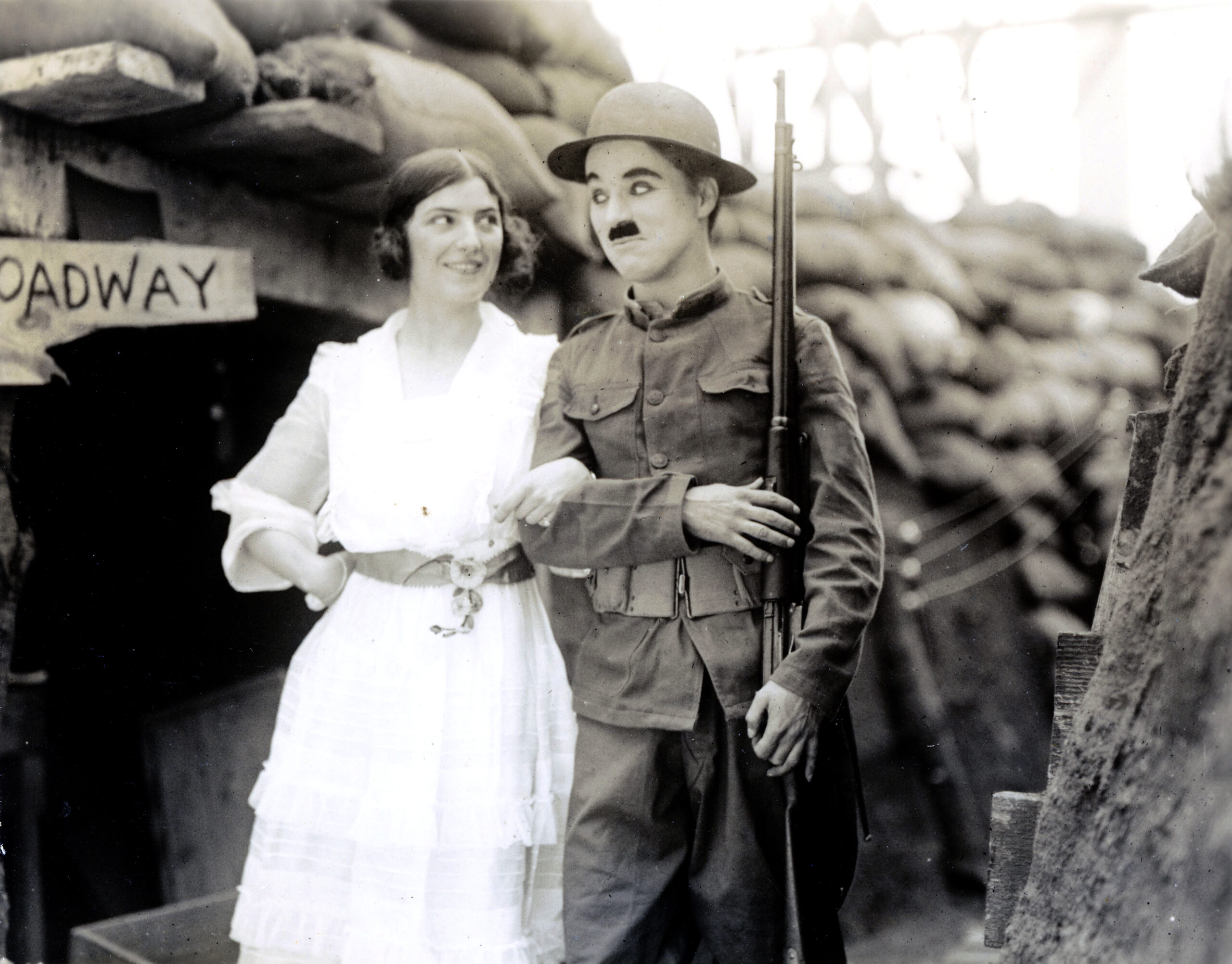
the first comedy to treat war as a subject for burlesque
“The version audiences have watched for decades was reconstructed from backup camera angles and second-choice takes, assembled from degraded C and D negatives after the original A negative deteriorated beyond use. MoMA’s restoration, drawn primarily from surviving prints based on the original A-negative material, corrects the jittery motion caused by stretch-printing for sound-era projectors and returns the film to its original 20 frames per second. Subtle but
consequential differences emerge: Chaplin’s performance carries different emotional inflections, and the film’s rhythm reflects his actual intentions rather than the compromises of a reconstruction” (Dave Kehr).
Reconstruction of the original 1918 release, restored in 4K in 2026 by MoMA in collaboration with Cineteca di Bologna under the aegis of Association Chaplin and Roy Export S.A.S. at Metropolis Post laboratory, from a 35mm print preserved by Det Danske Filminstitut, 35mm fragments from the Lobster Films Collection, 16mm and 28mm prints provided by Bruce Lawton and The Malkames Collection, a 16mm print preserved by Wisconsin Center for Film and Theater Research – University of Wisconsin-Madison. Original titles recreated with the support of George Eastman Museum. Funding provided by Lillian Gish Trust for Film Preservation