34th EDITION
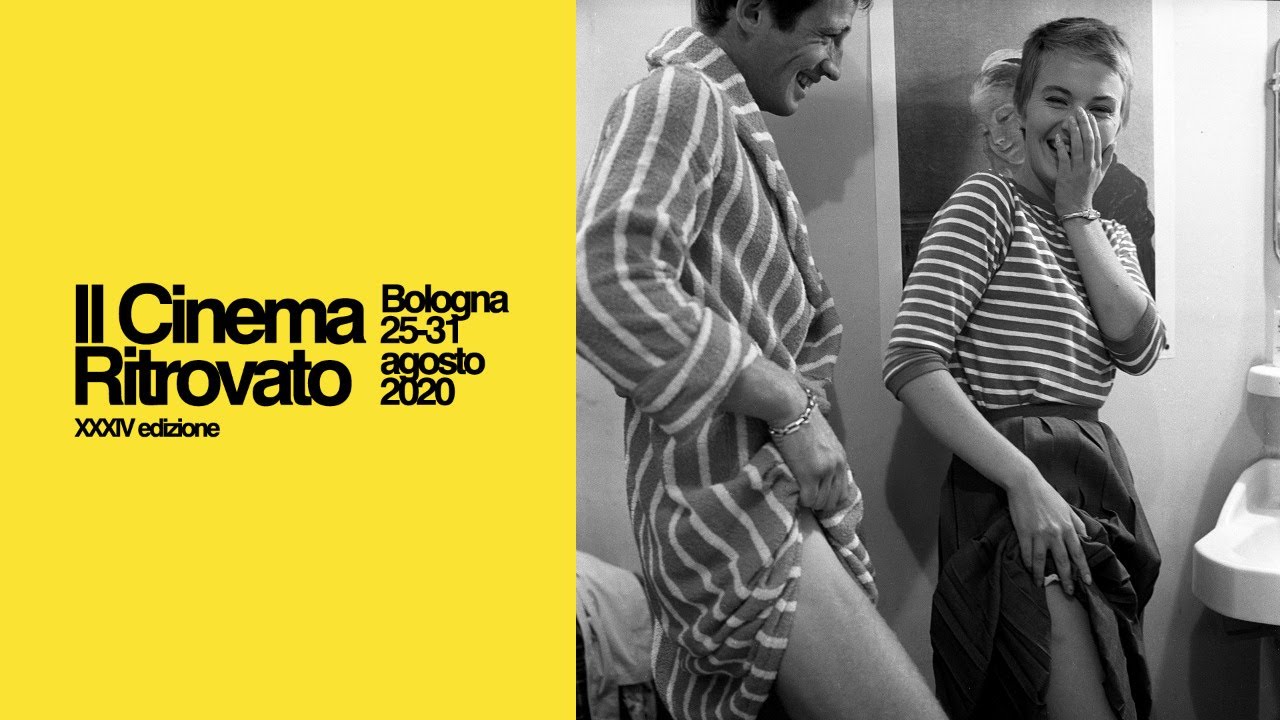
34th EDITION
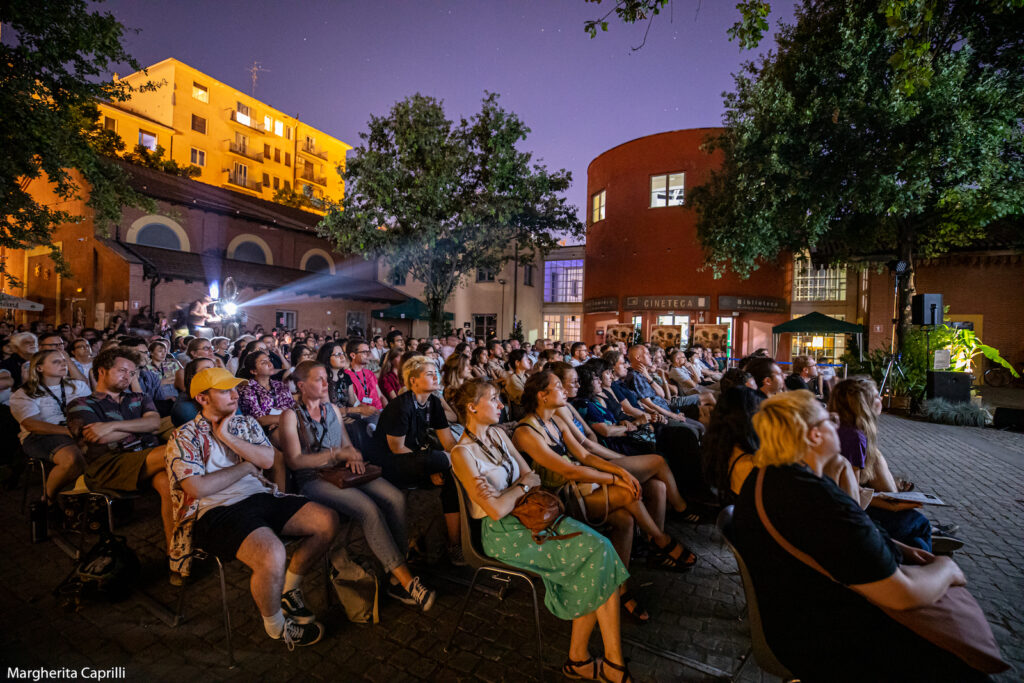
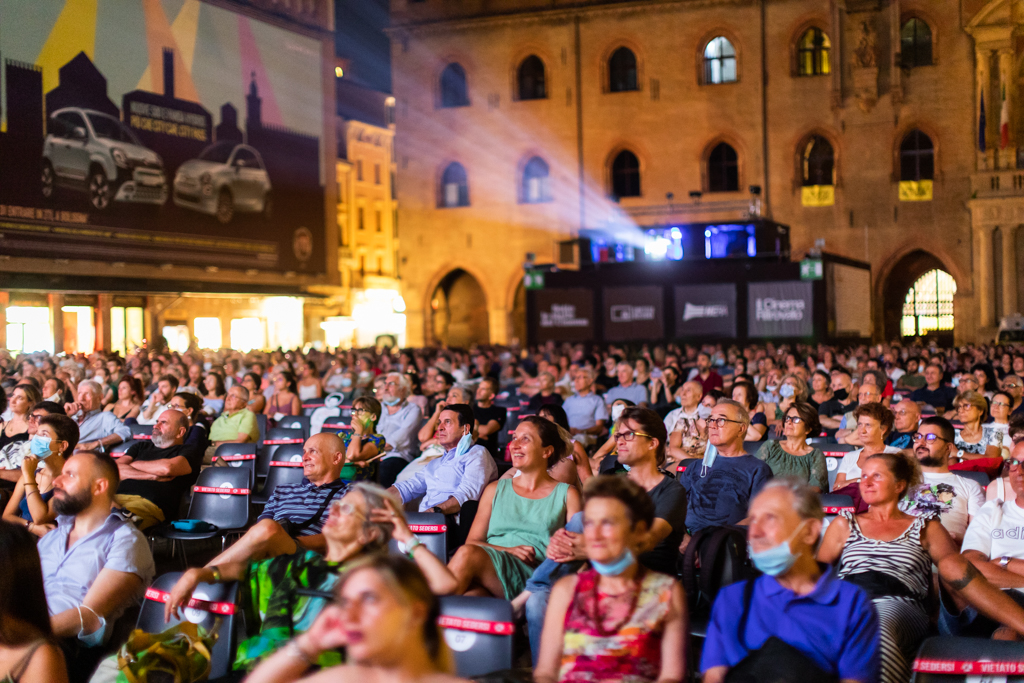
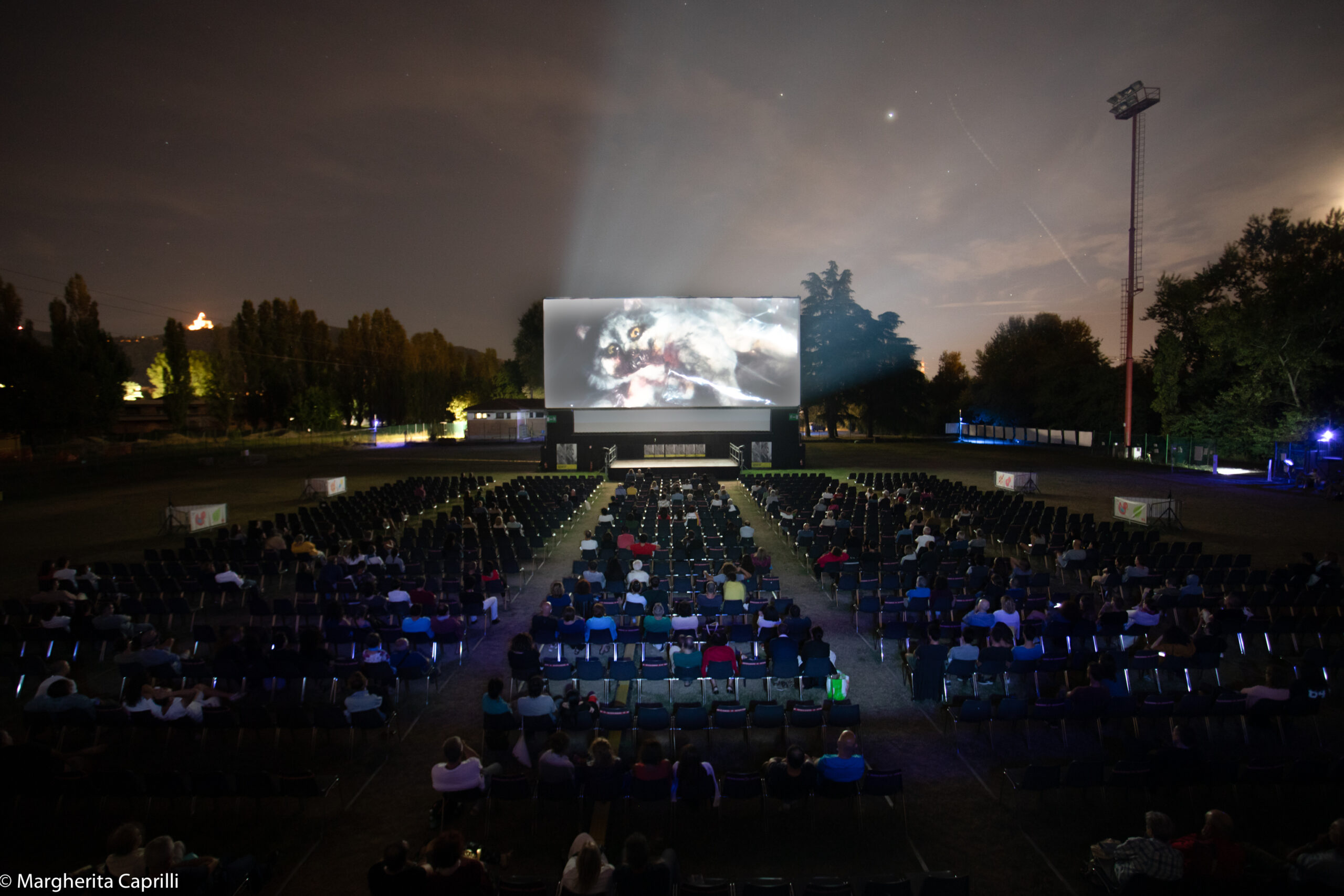
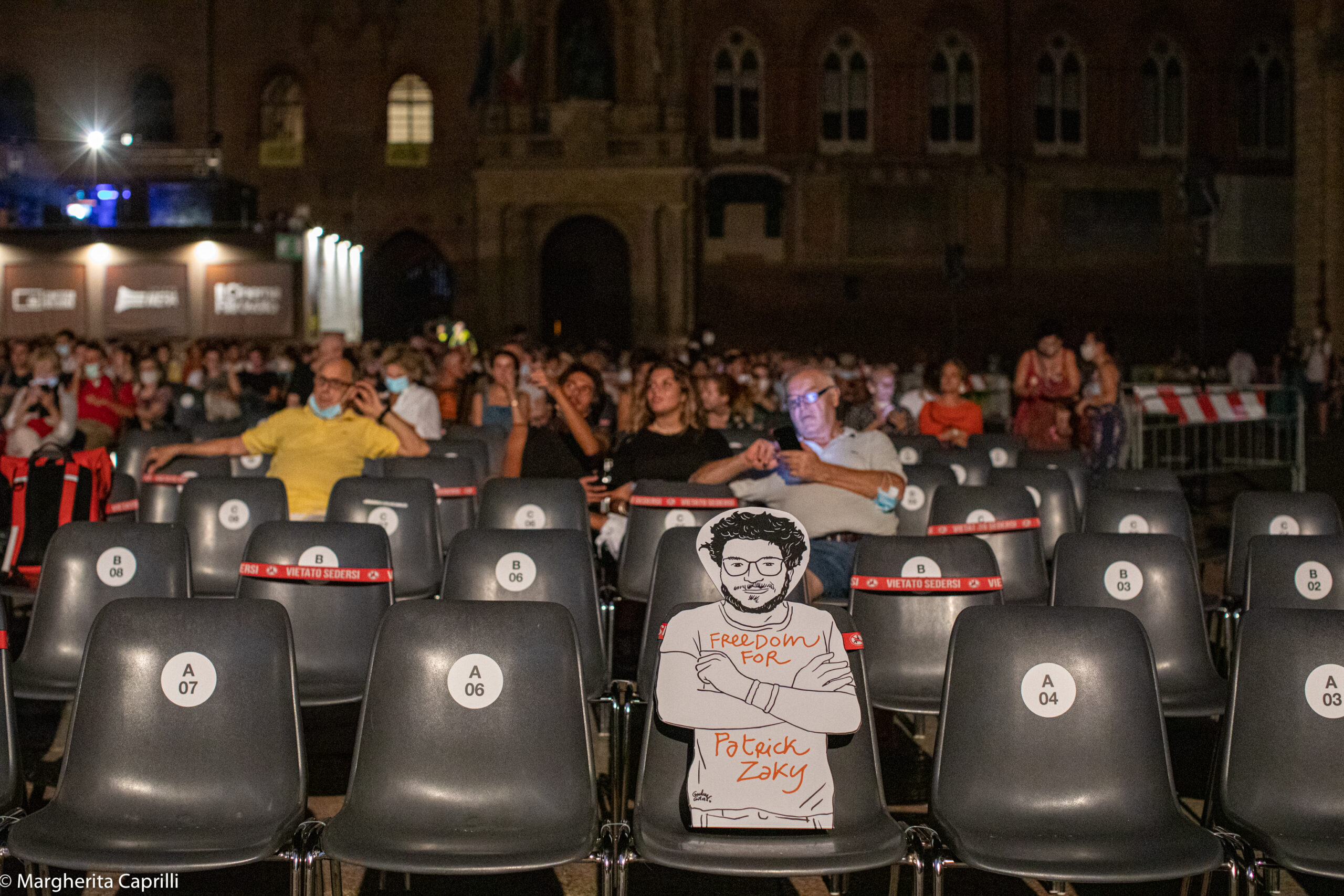
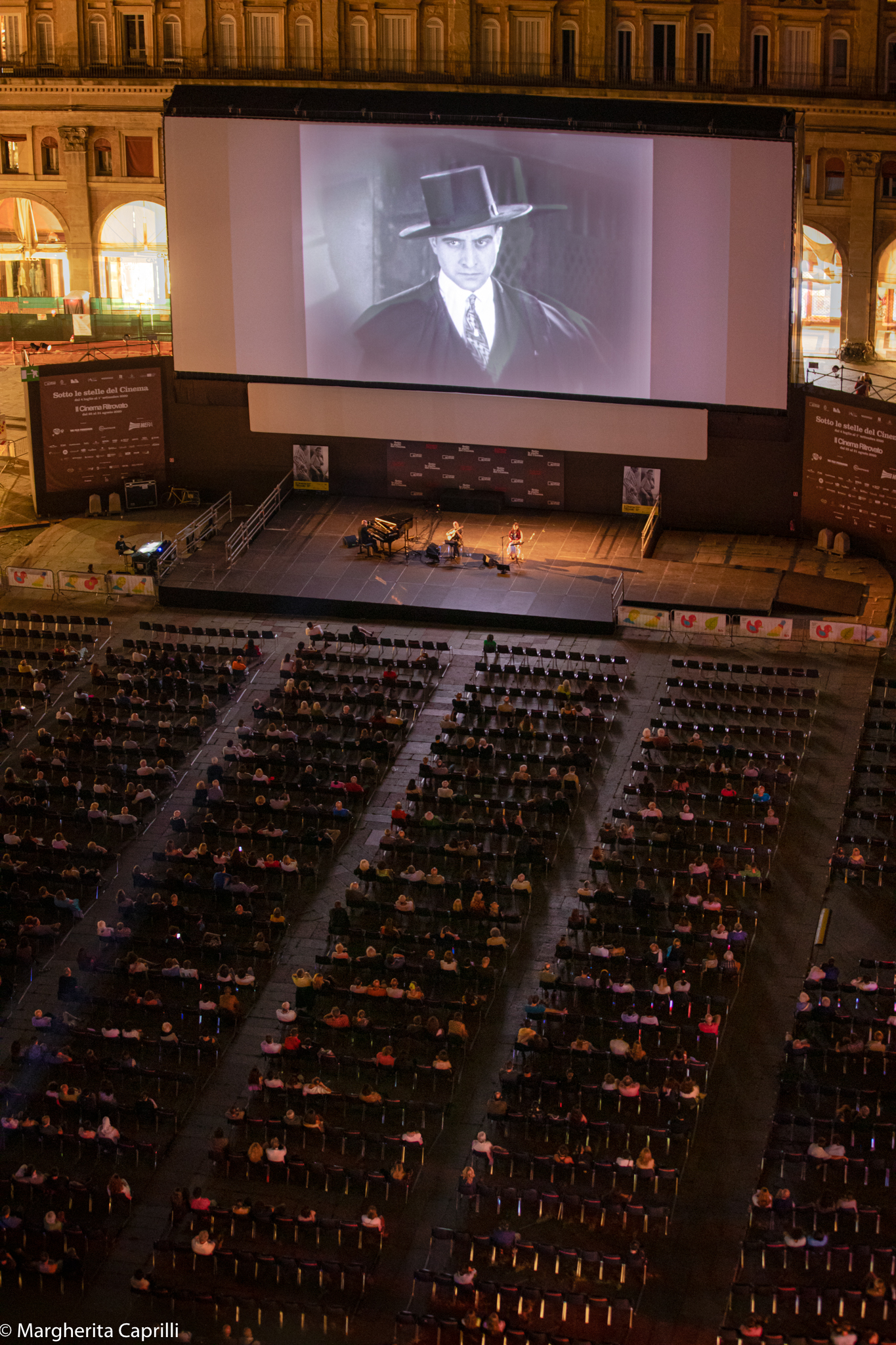
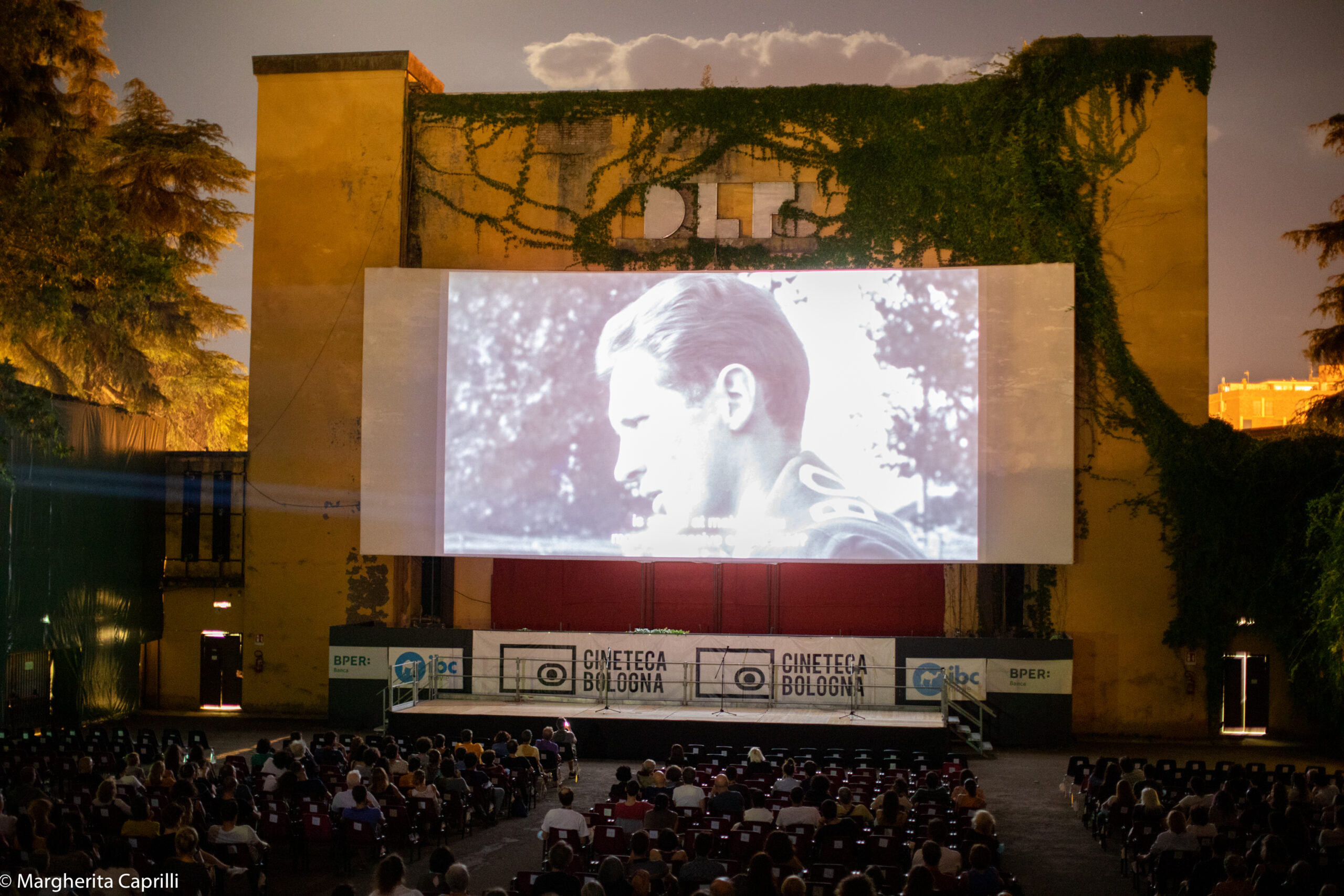
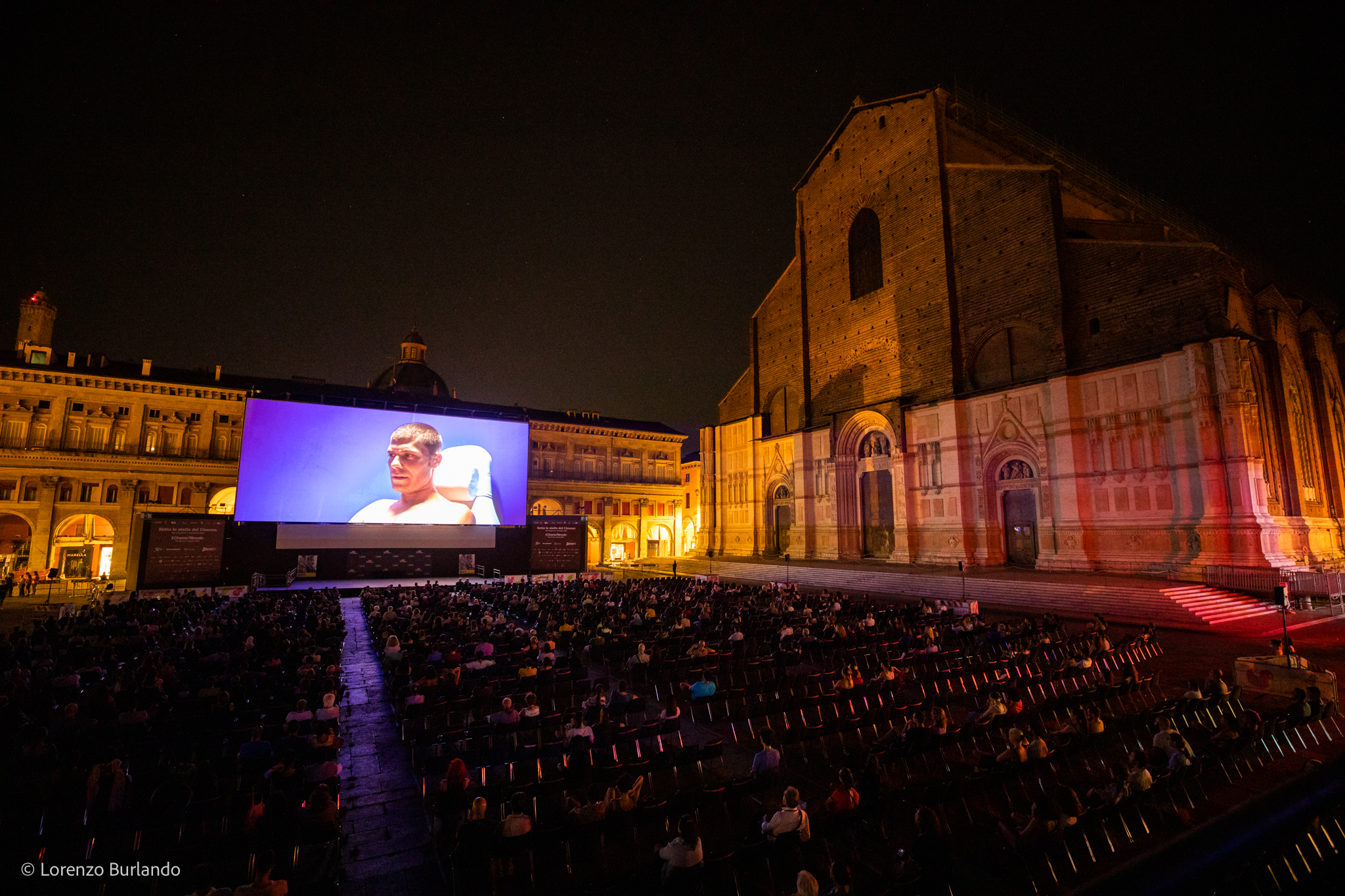
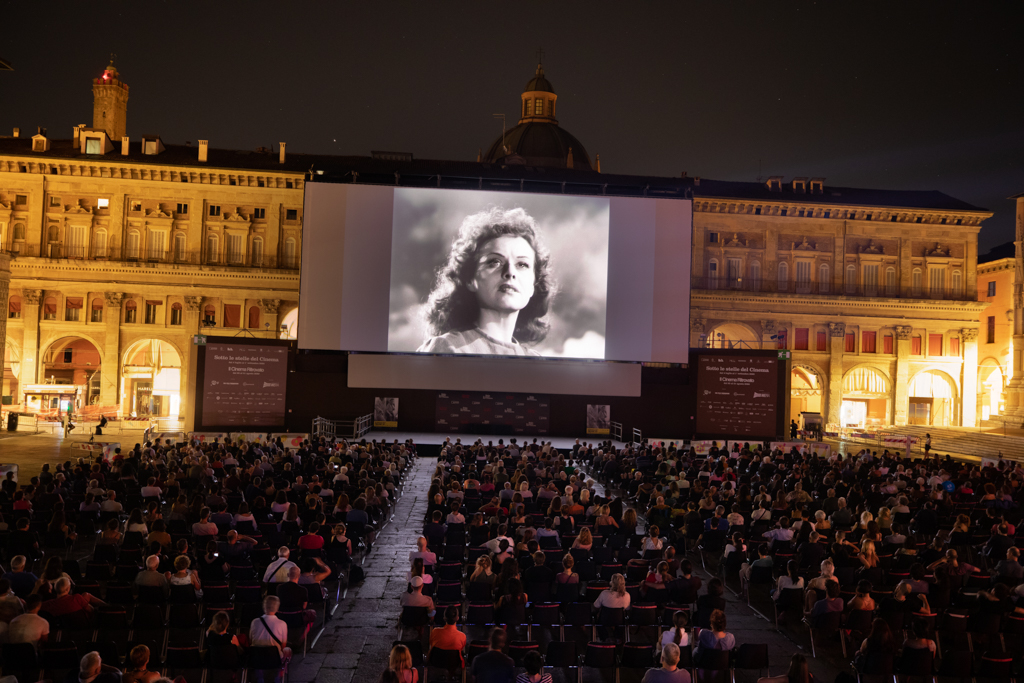
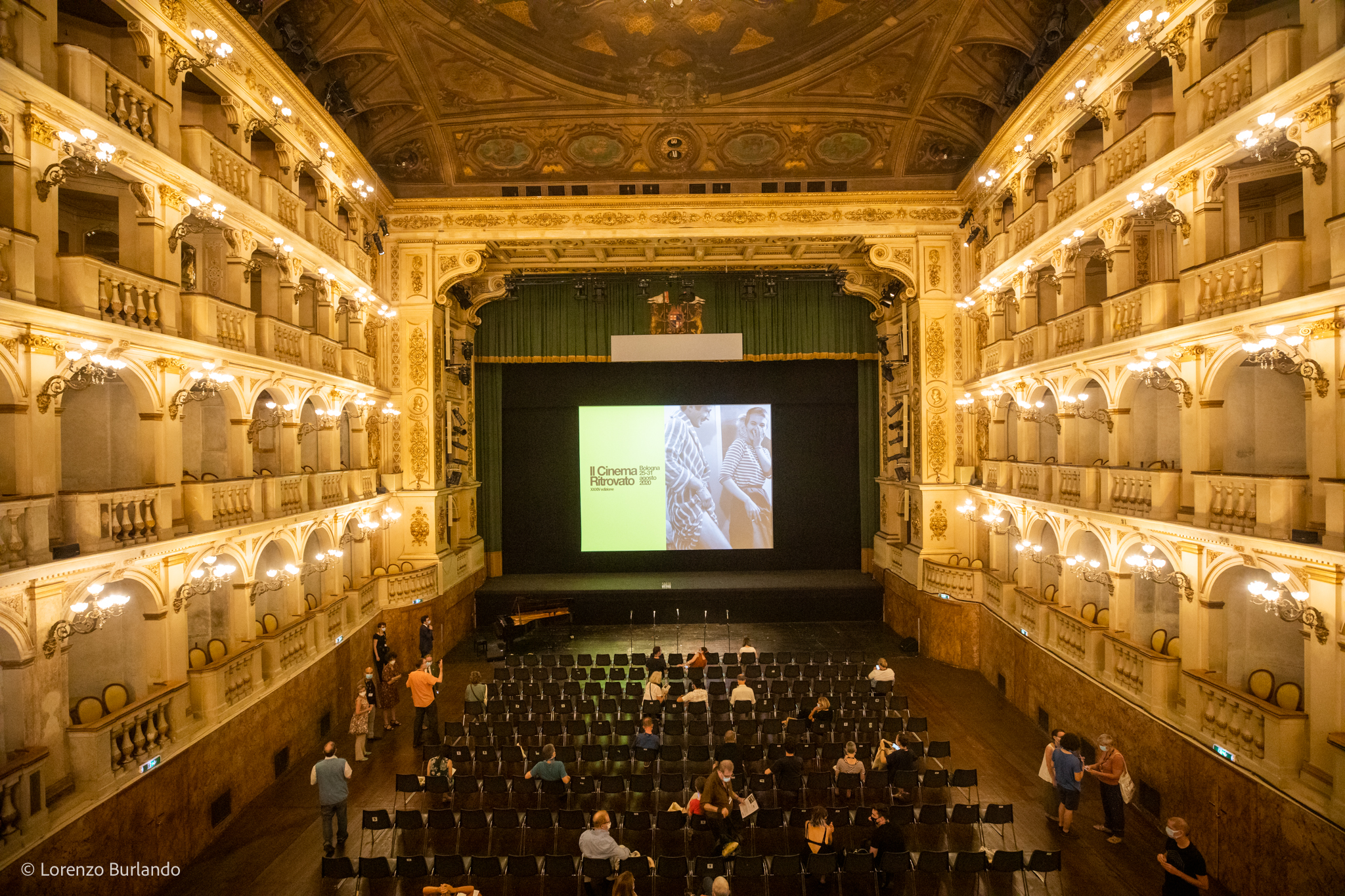
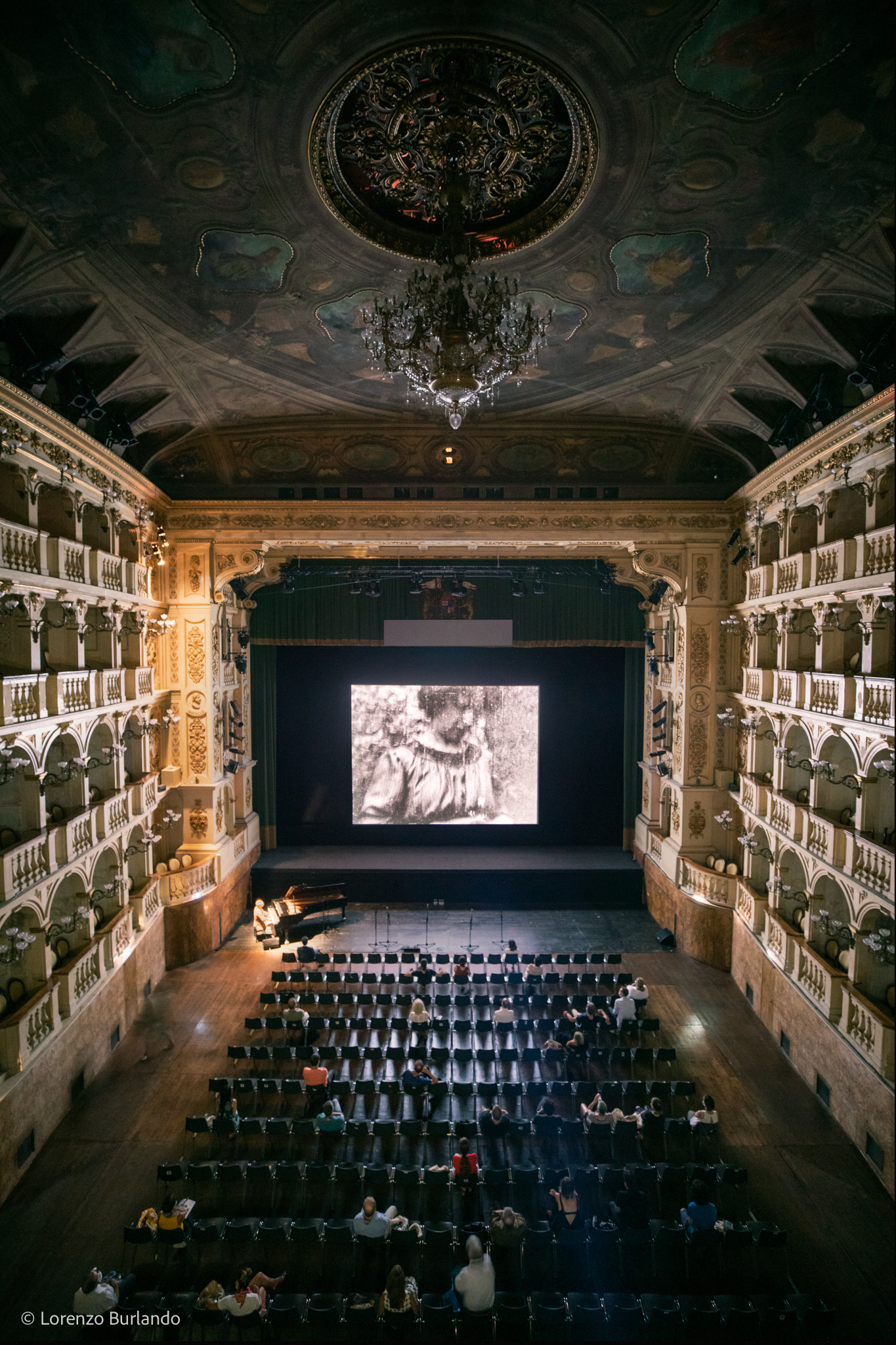
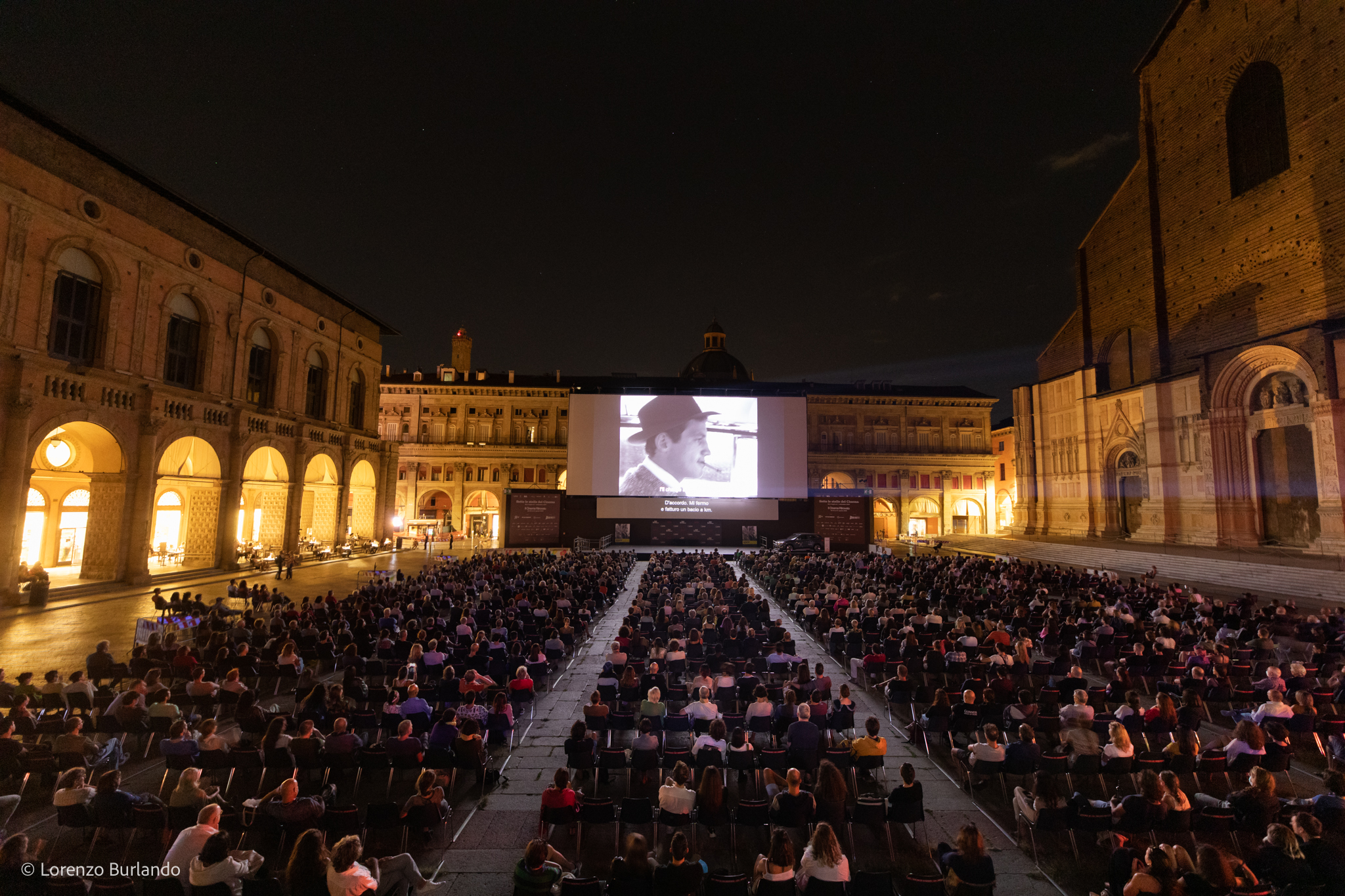
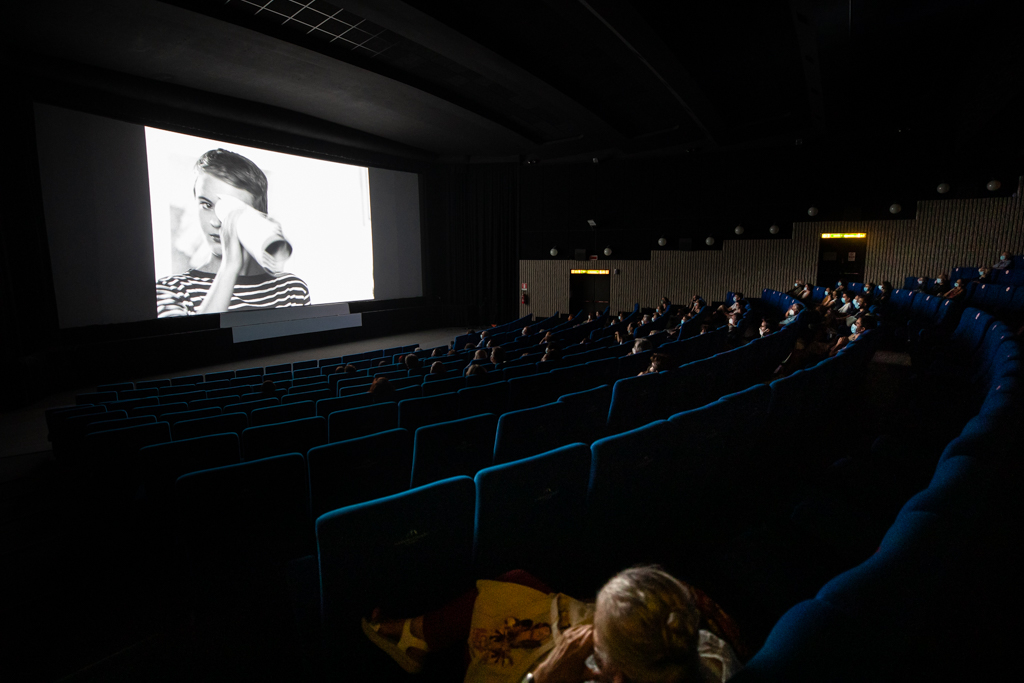
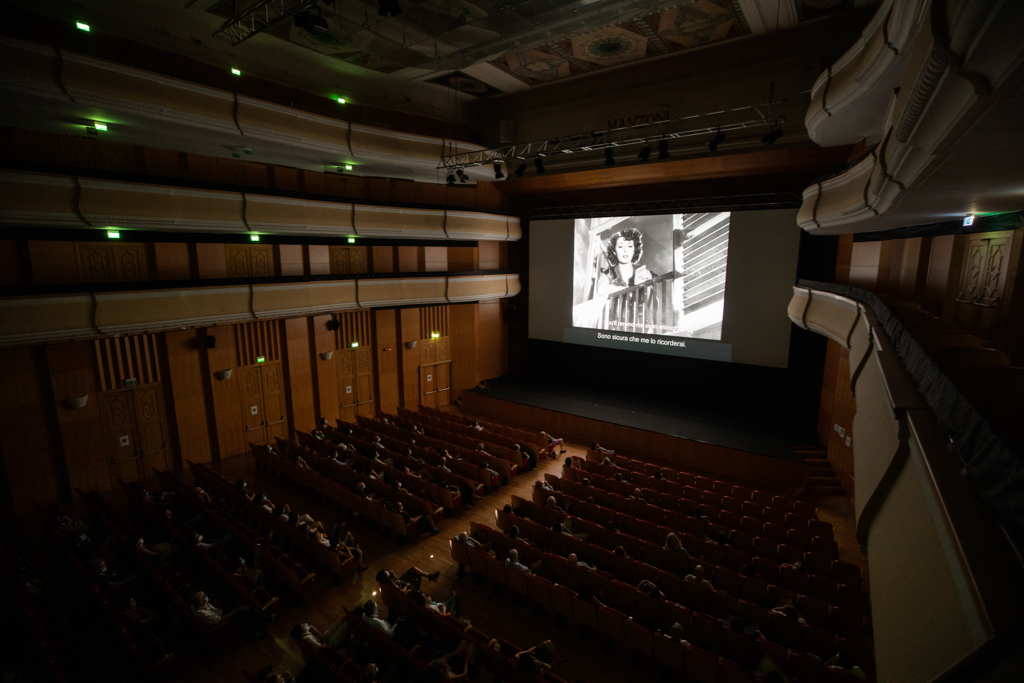
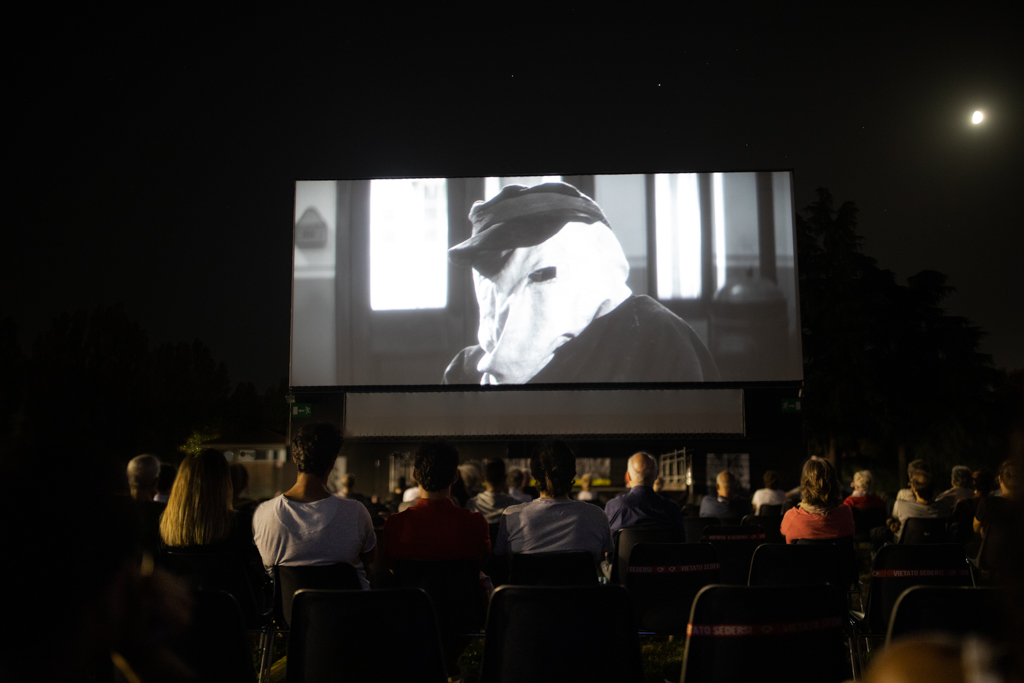
Il Cinema Ritrovato has always been a small miracle and a big paradox. By its nature the apotheosis of ephemera, with every passing year our festival has become the international symbol of the imperative of preserving film history and screening it in cinemas in the best possible conditions. This year we are pushing the paradox even further. In the year of social distancing, the triumph of streaming and digital platforms, Il Cinema Ritrovato will have its first ever streaming component, but more importantly there will be a version in Bologna, in real cinemas, with an audience and guests. And that’s not all. To guarantee everyone’s safety and to celebrate film, we are doubling the festival’s screens and theatres. Piazza Maggiore will be joined by BarcArena and Arena Puccini, and our regular cinemas Lumière, Jolly and Arlecchino will be flanked by the Odeon, Manzoni and Teatro Comunale. Ten indoor and outdoor cinemas where we and our audience, armed with masks and curiosity, can rediscover the pleasure of going to the movies.
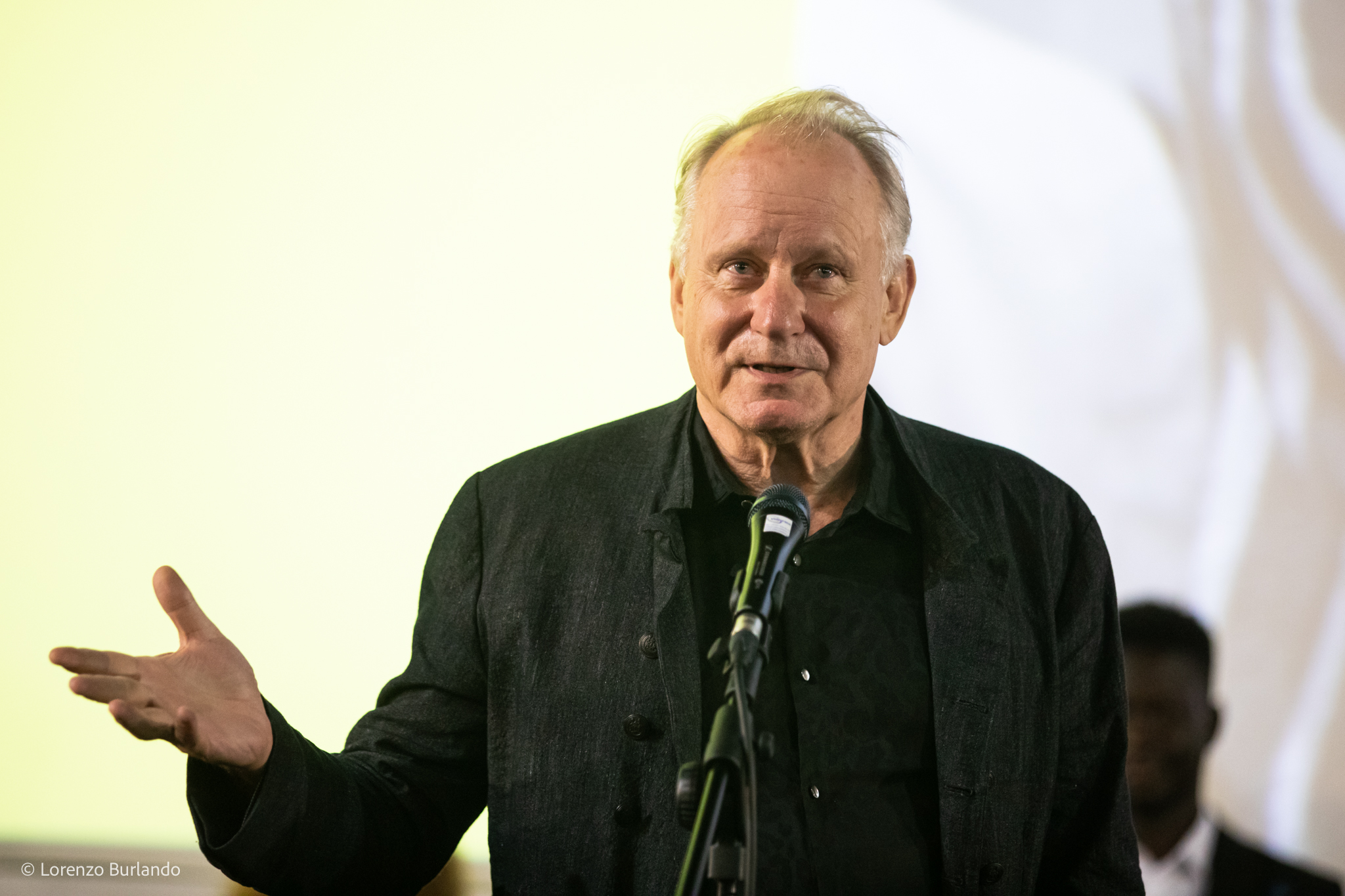
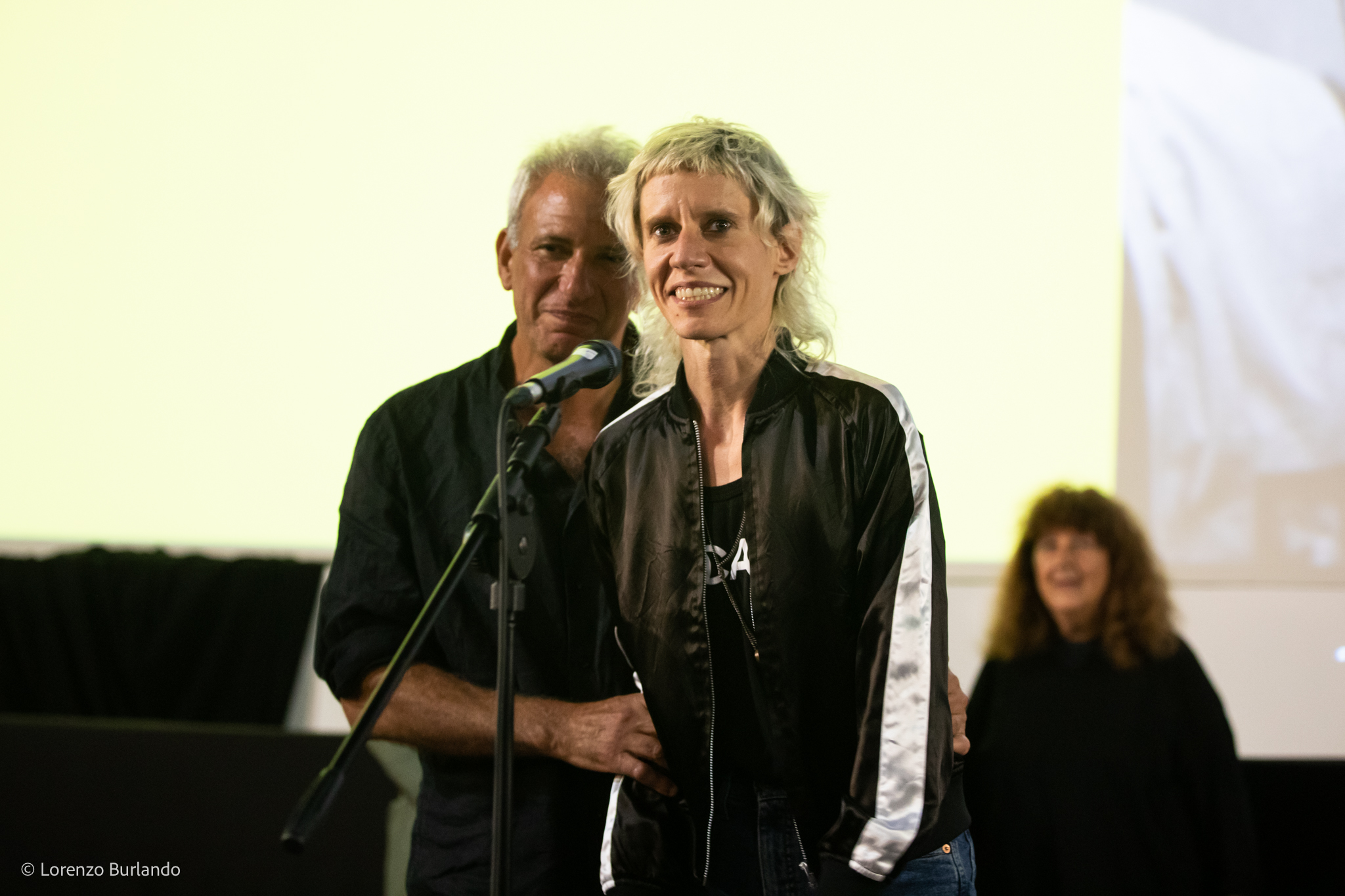
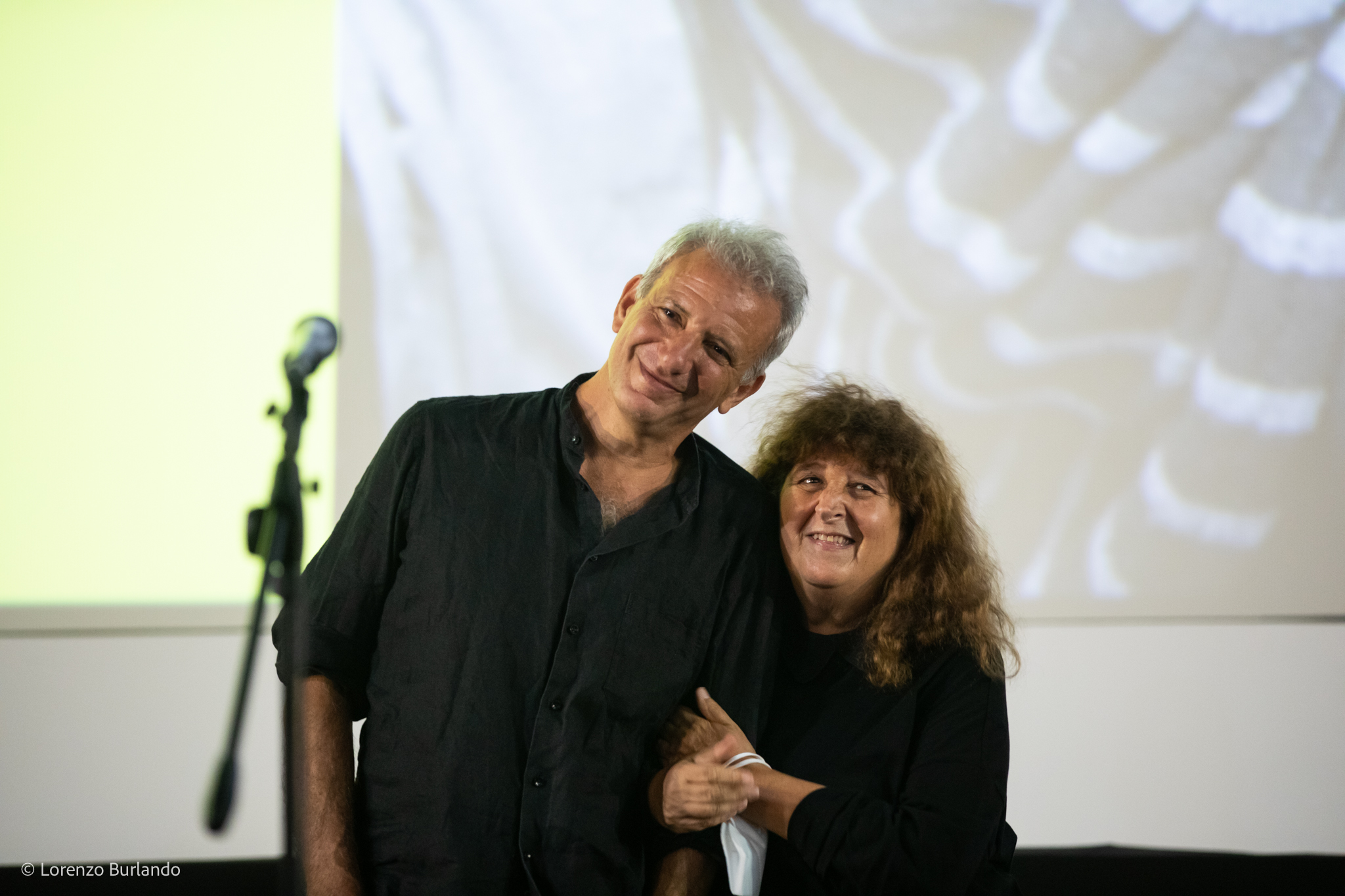
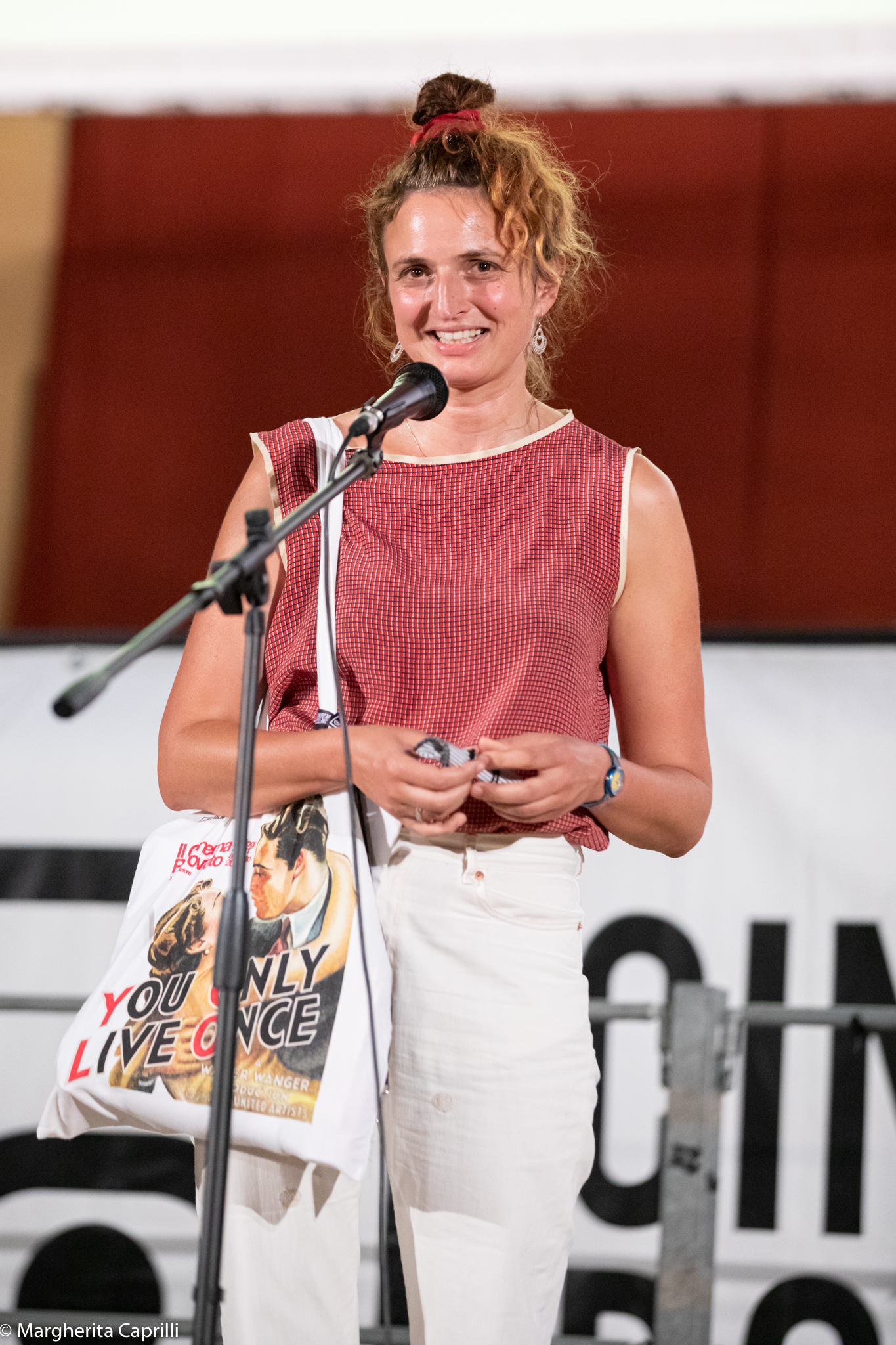
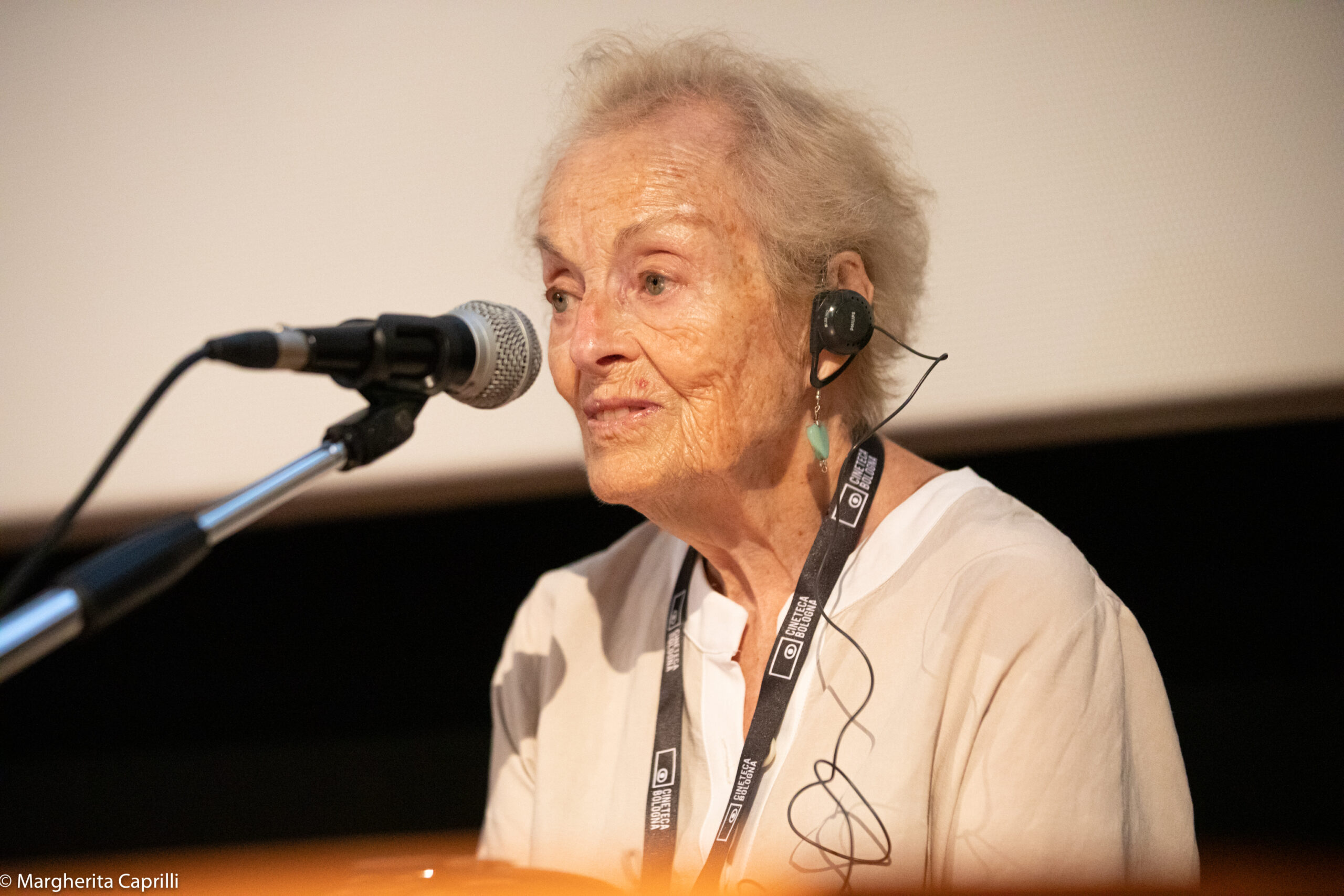
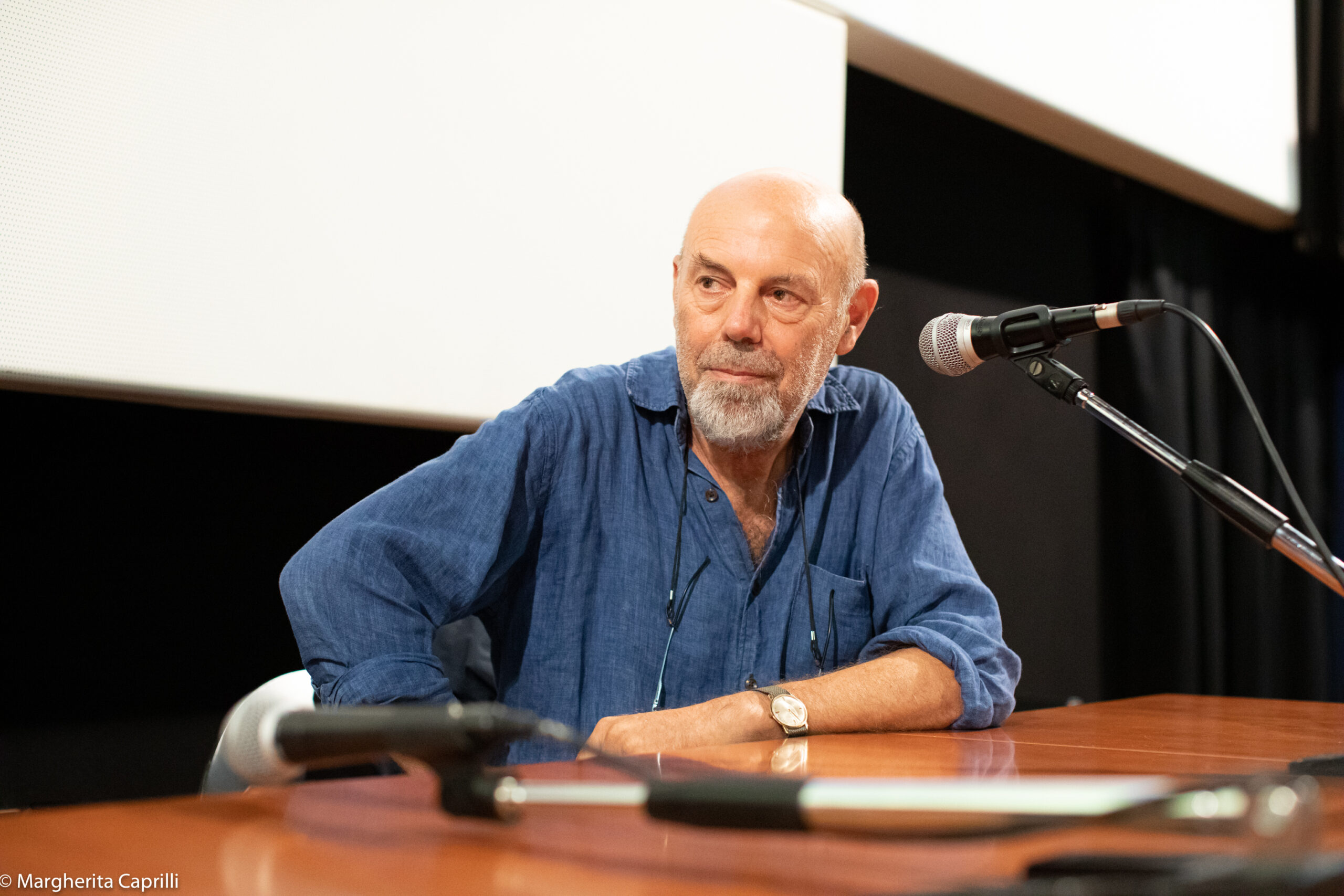
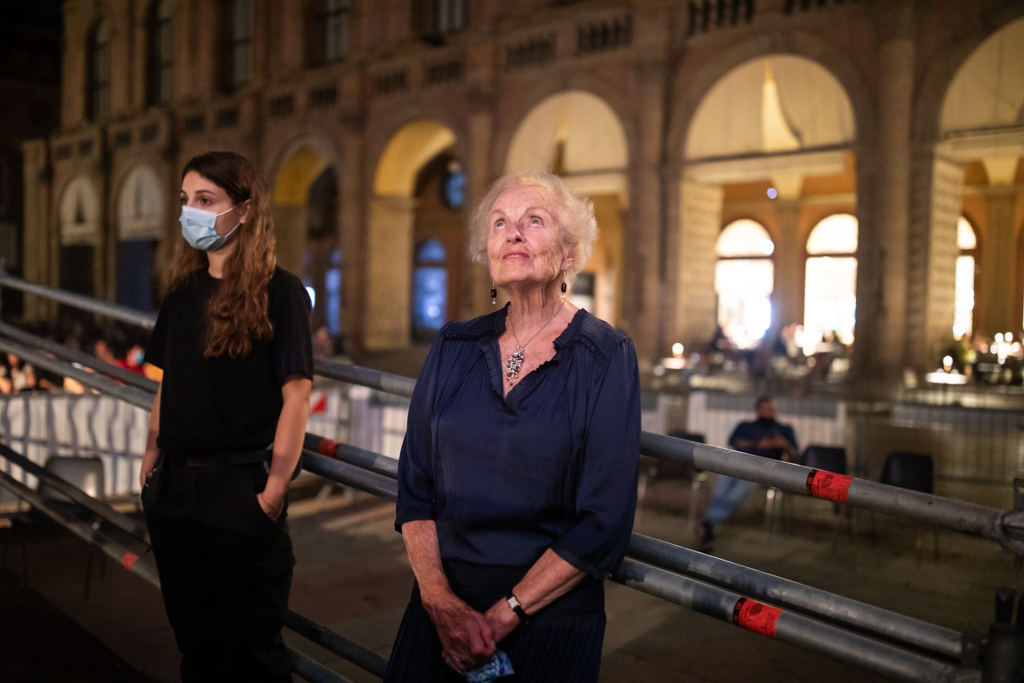
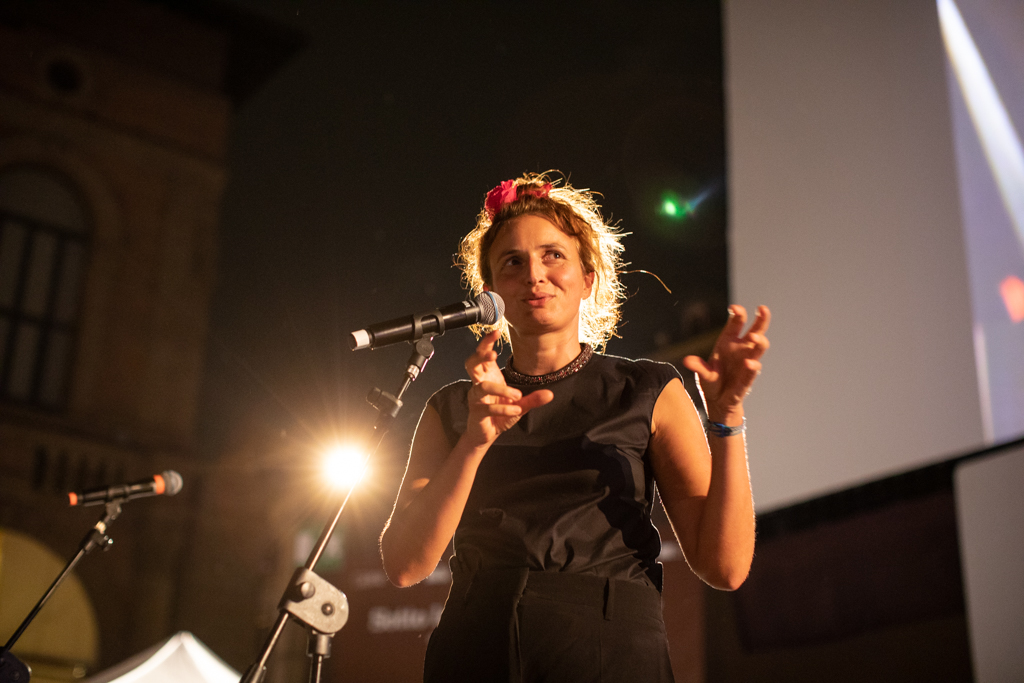
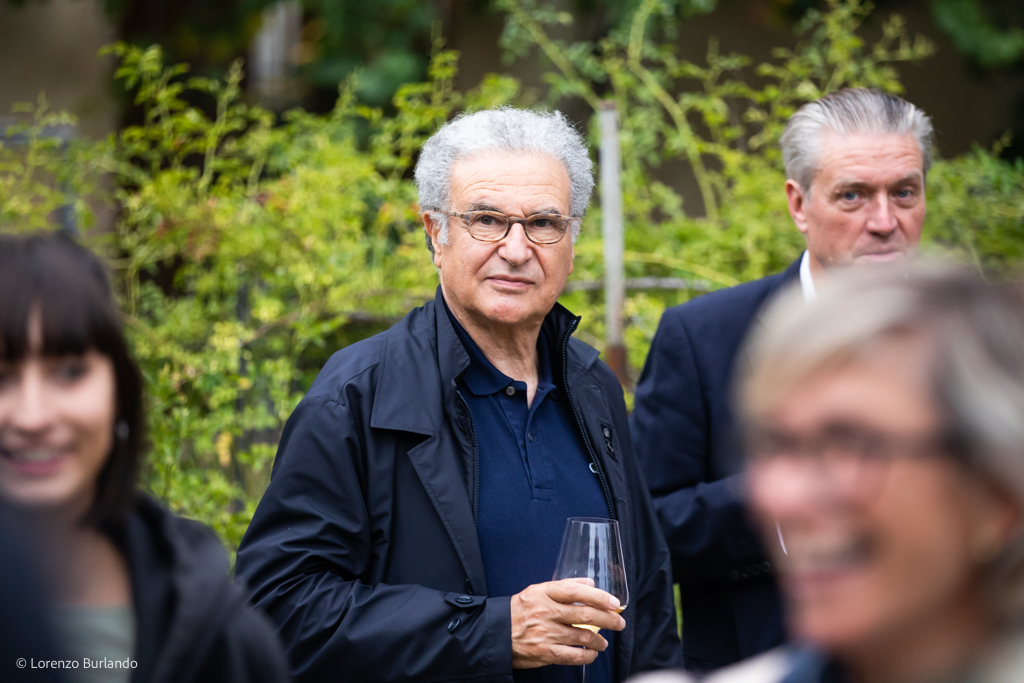
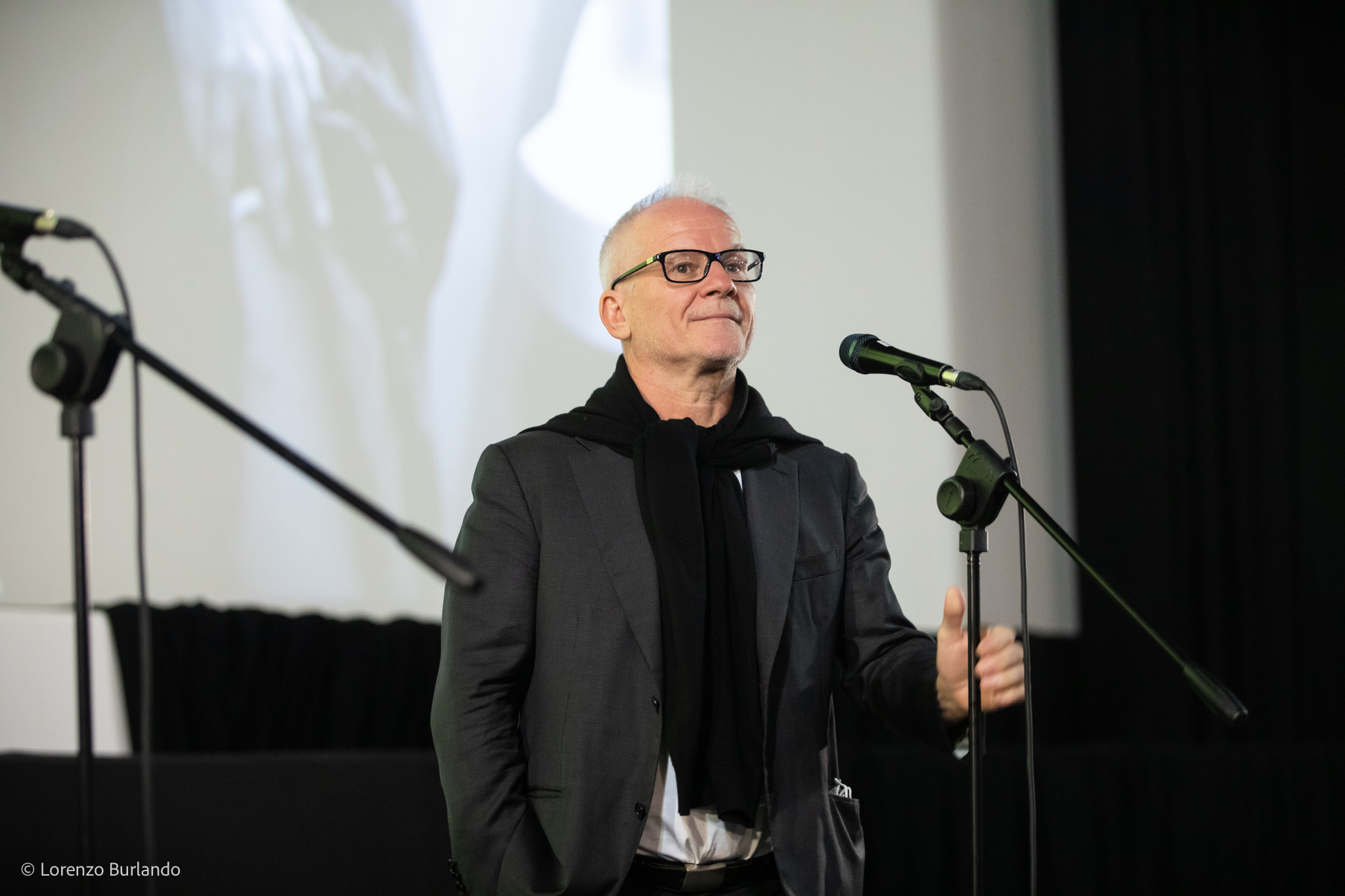
Volker Schlöndorff, Alice Rohrwacher, Dario Argento, Jonathan Nossiter, Stellan Skarsgård, Angela Allen, Pere Portabella
THE KOKER TRILOGY: Where Is the Friend’s House? And Life Goes On, Through the Olive Trees (Iran, 1987-1994) by Abbas Kiarostami – The Criterion Collection (dvd)
OZU EN 20 FILMS (Japan, 1929-1962) by Yasujirō Ozu – CARLOTTA FILMS (dvd)
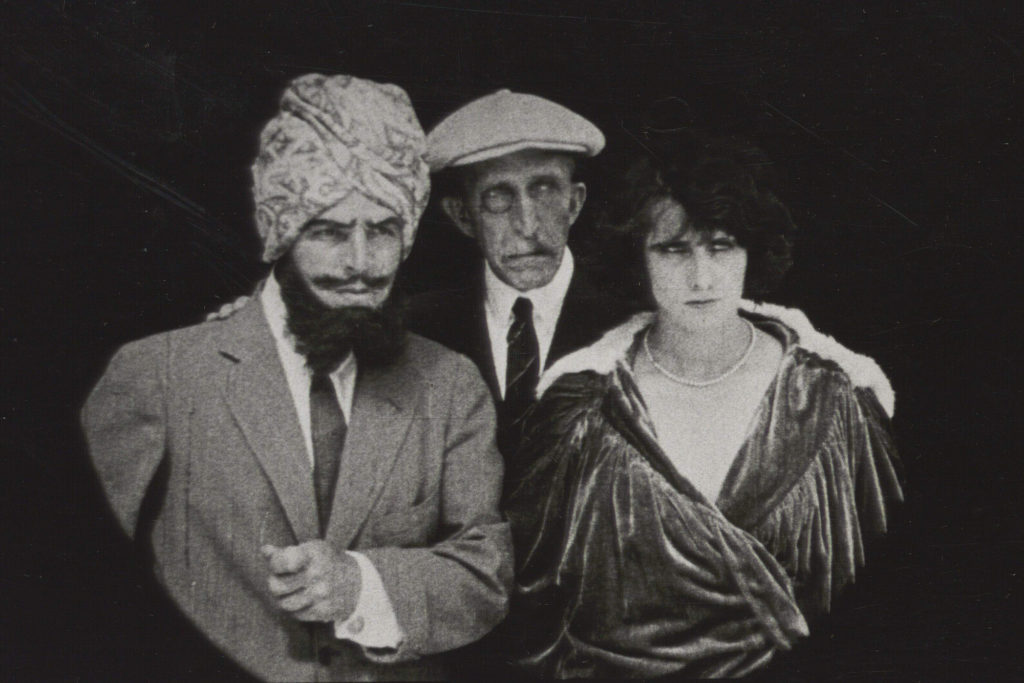
DAS INDISCHE GRABMAL (Germany, 1921) by Joe May – AV Visionen GmbH (bluray); A CASE FOR A ROOKIE HANGMAN (Případ pro začínajícího kata) (Czech, 1969) by Pavel Juráček – SECOND RUN (blu-ray)
THE CLOUD-CAPPED STAR (India, 1960) by Ritwik Ghatak – The Criterion Collection (blu-ray)
FRAGMENT OF AN EMPIRE (Soviet Union, 1929) by Fridrikh Ermler – Flicker Alley, LLC. (blu-ray + dvd)
The Cinephiles’ Heaven
The Cinephiles’ Heaven
The Cinephiles’ Heaven
The Cinephiles’ Heaven
The Cinephiles’ Heaven
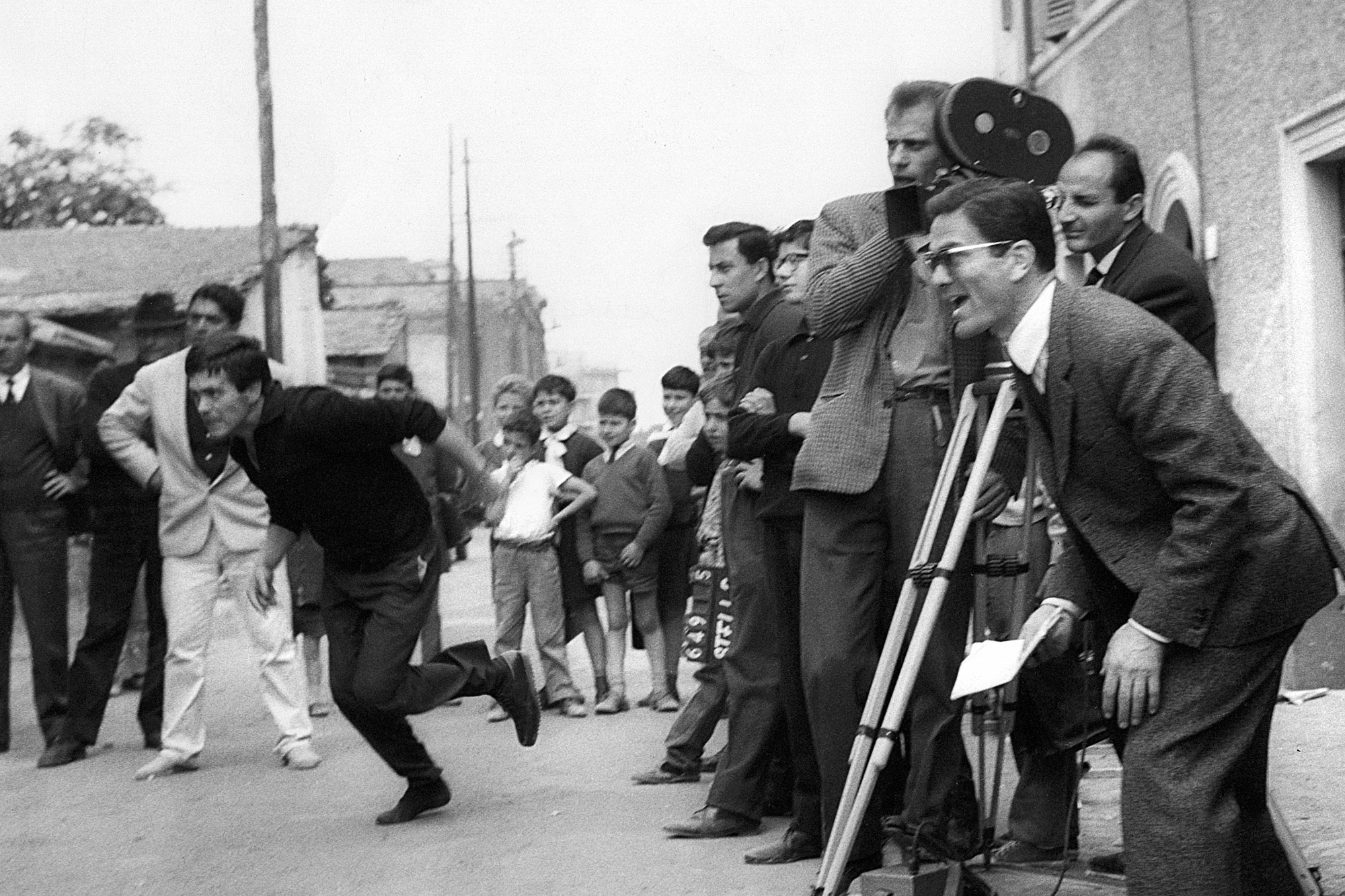
The Cinephiles’ Heaven
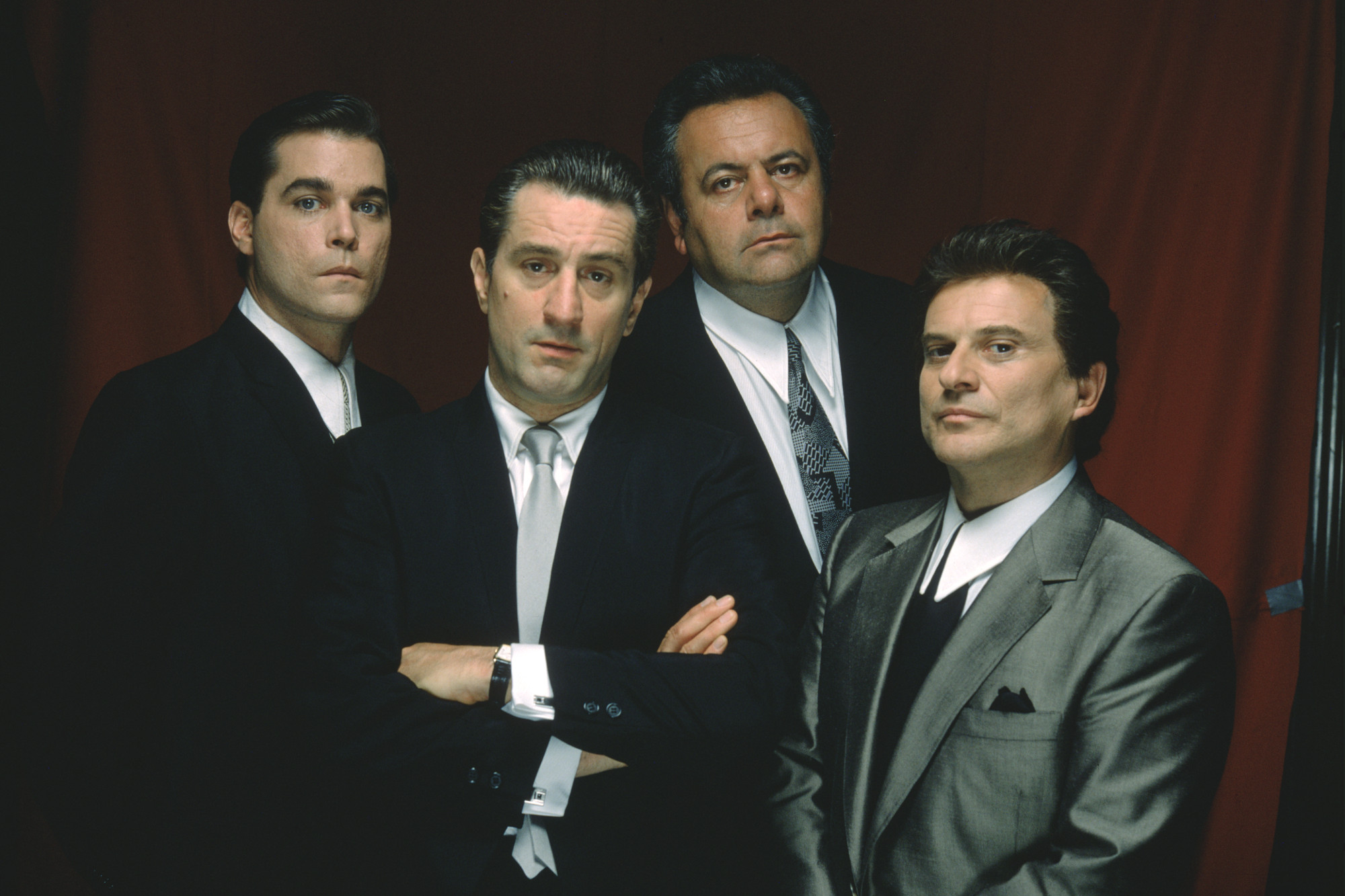
The Cinephiles’ Heaven
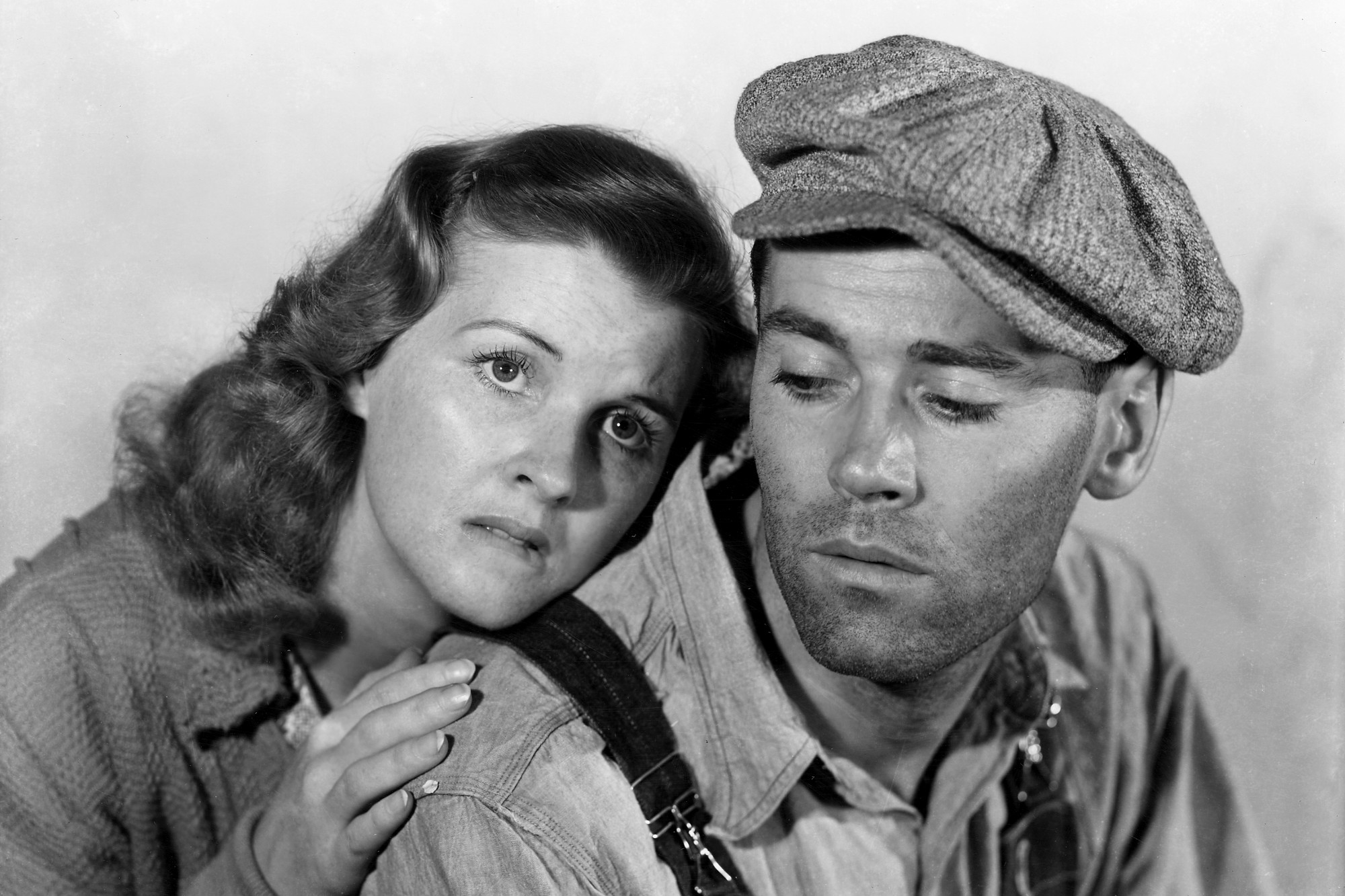
The Cinephiles’ Heaven
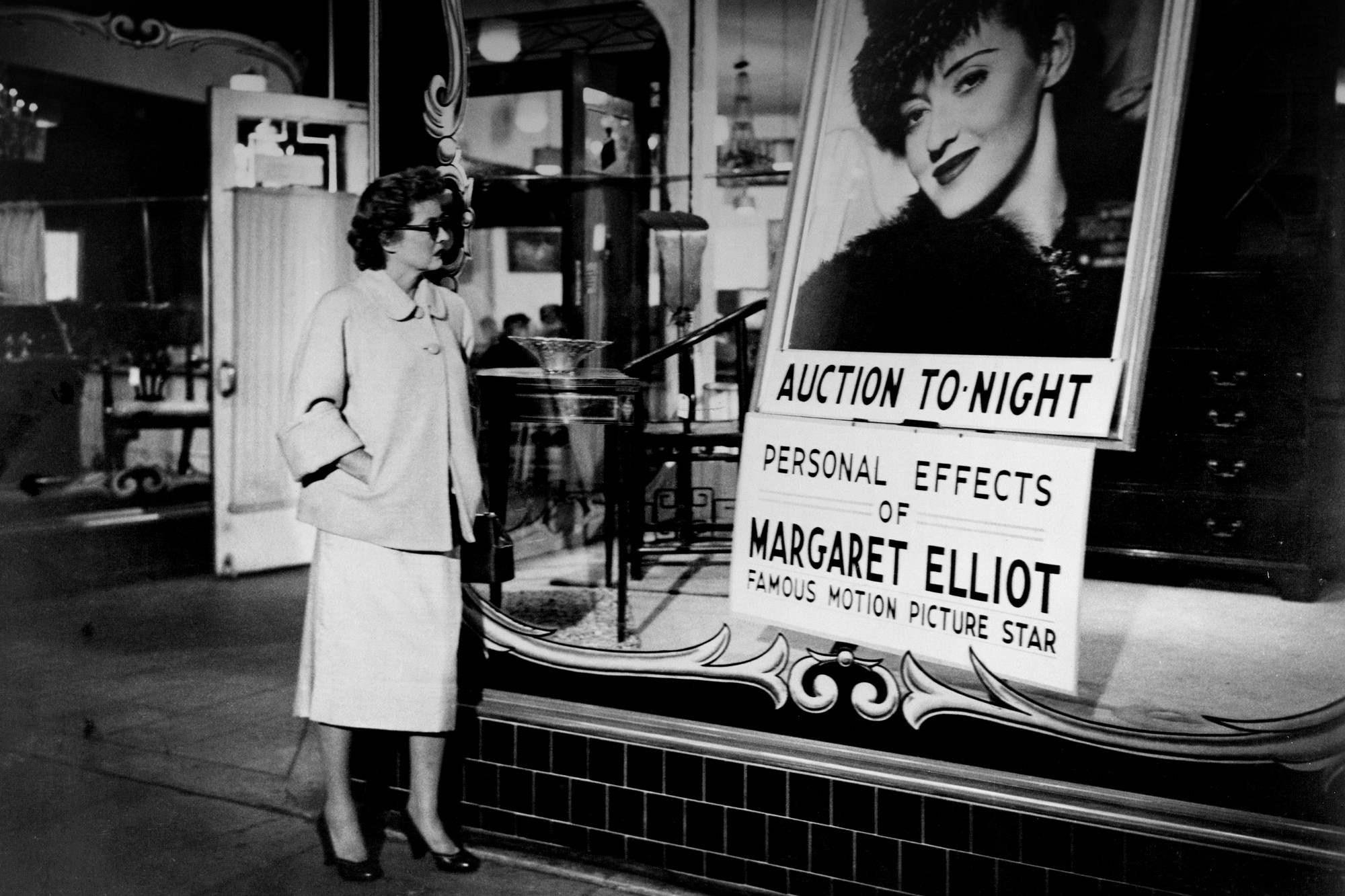
The Cinephiles’ Heaven

The Cinephiles’ Heaven
saturday 1 august
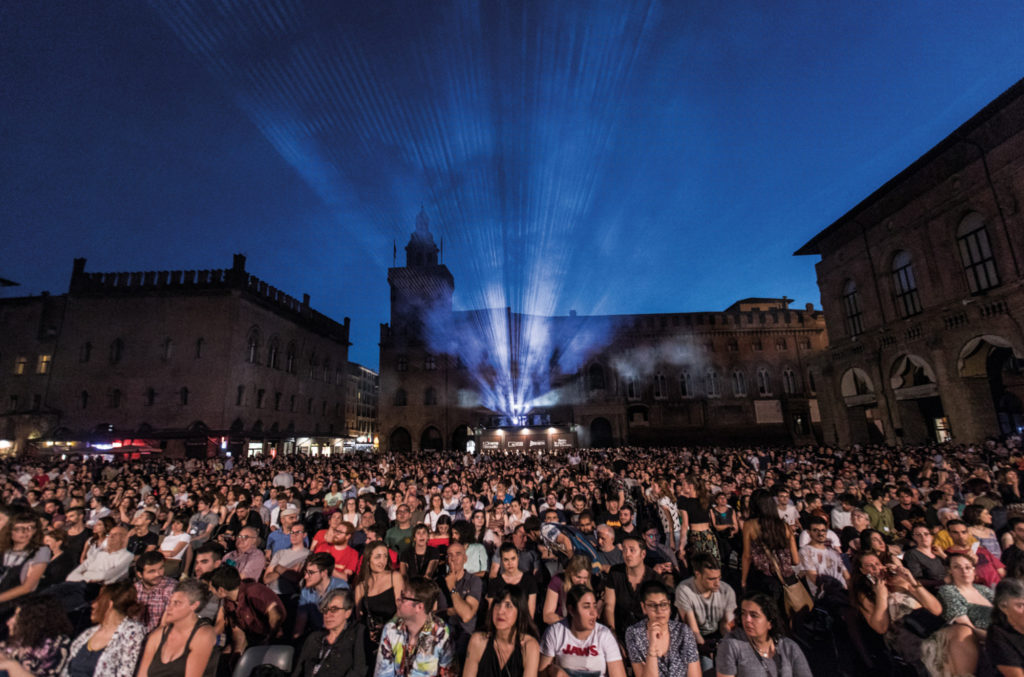
BarcArena
friday 21 august
Piazzetta Pier Paolo Pasolini
Section: Recovered & Restored
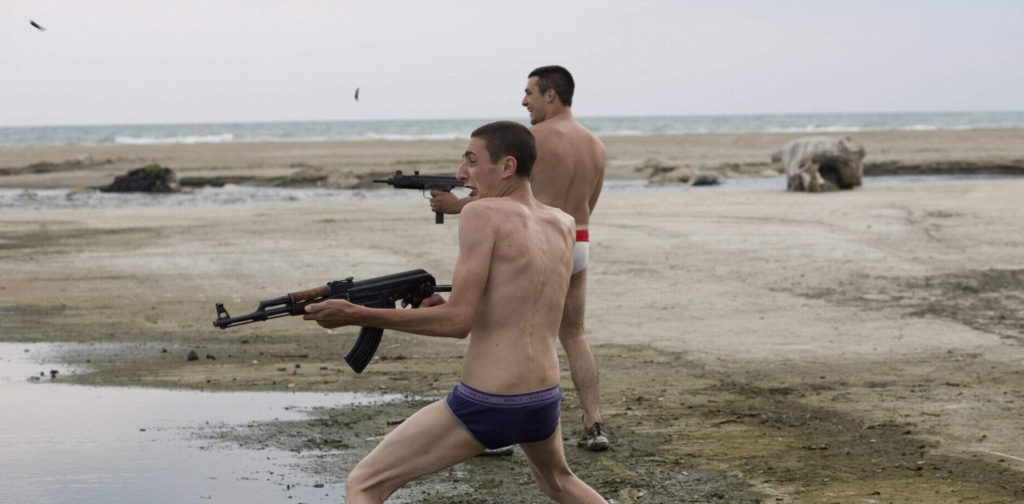
Piazza Maggiore
Introduced by
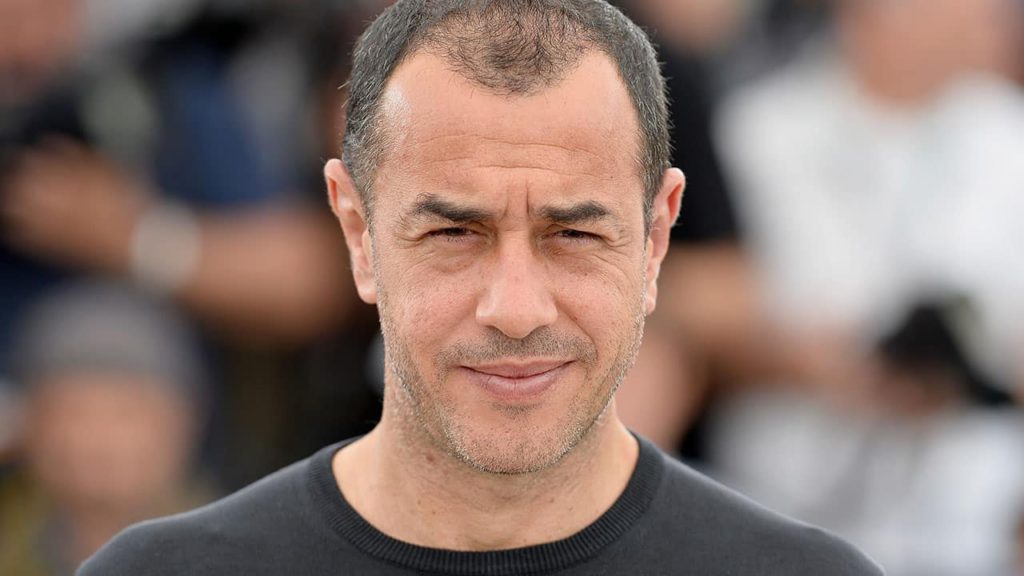
Matteo Garrone (on video)
(In case of rain, the screening will take place at Cinema Arlecchino and Cinema Jolly)
Section: Recovered & Restored
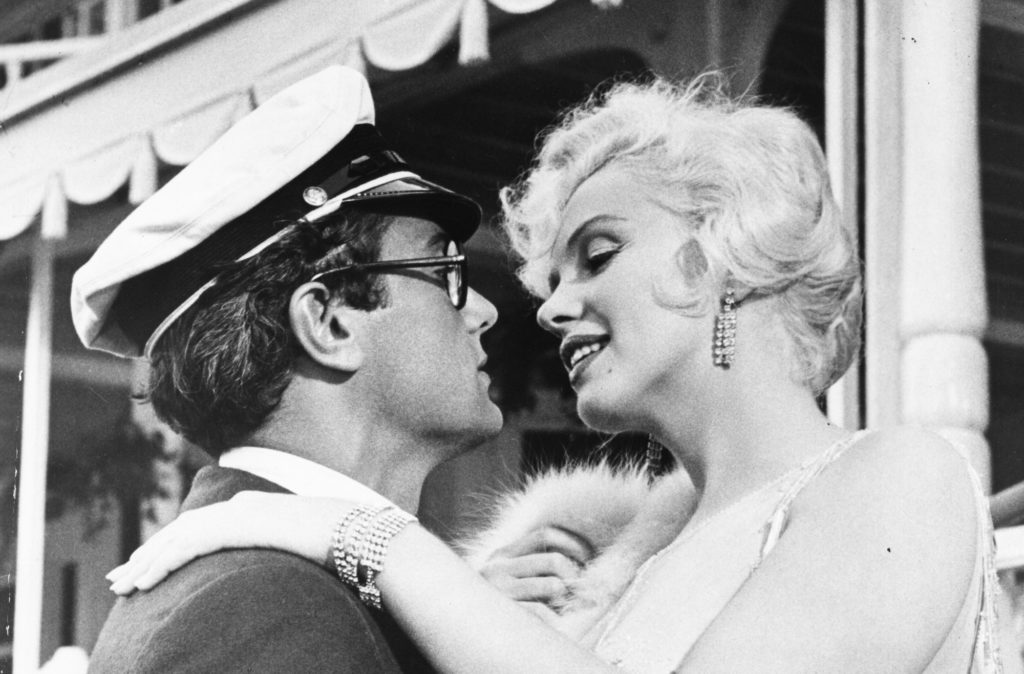
BarcArena
saturday 22 august
Piazza Maggiore
Supported by Canon
(In case of rain, the screenong will take place at Cinema Arlecchino and Cinema Jolly)
Section: Recovered & Restored
BarcArena
Supported by Canon
(In case of rain, the screenong will take place at Cinema Arlecchino and Cinema Jolly)
Section: Recovered & Restored
sunday 23 august
Piazzetta Pier Paolo Pasolini
Section: Documents and Documentaries
Piazza Maggiore
Introduced by
Anselma Dell’Olio
(In case of rain, the screening will take place at Cinema Arlecchino and Cinema Jolly)
Precede
Ritrovati e Restaurati
L’AMORE IN CITTÀ – Episodio Agenzia matrimoniale
Section: Documents and Documentaries - Recovered & Restored

BarcArena
Introduced by
Anselma Dell’Olio
(In case of rain, the screenong will take place at Cinema Arlecchino and Cinema Jolly)
Section: Recovered & Restored - Documents and Documentaries
monday 24 august
Biblioteca Renzo Renzi
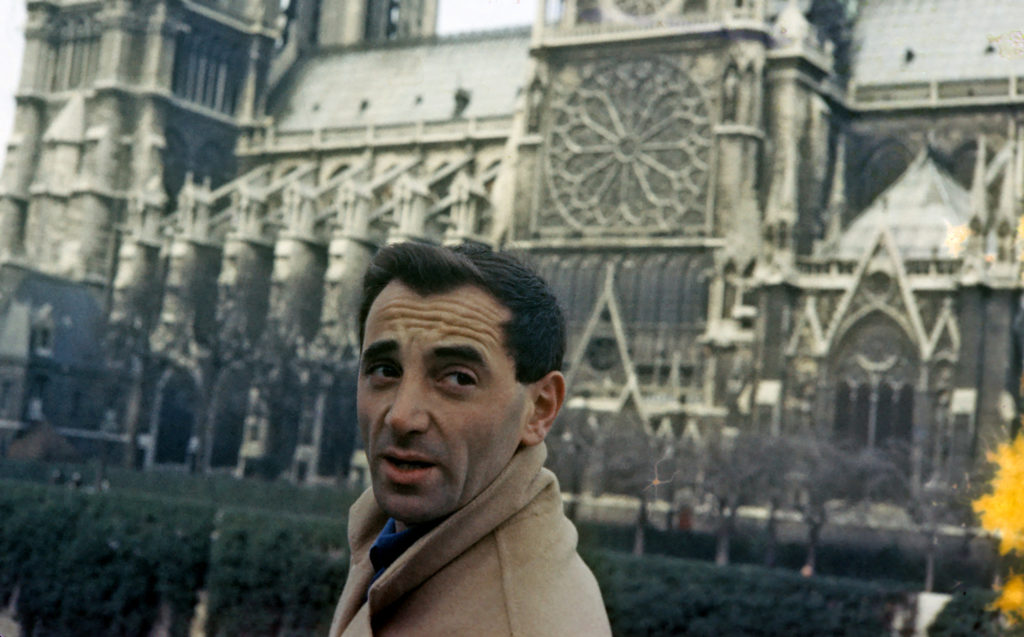
Cinema Lumiere – Sala Officinema/Mastroianni
Introduced by
Aleksandr Fomin
Section: Documents and Documentaries
Arlecchino Cinema
Section: Documents and Documentaries
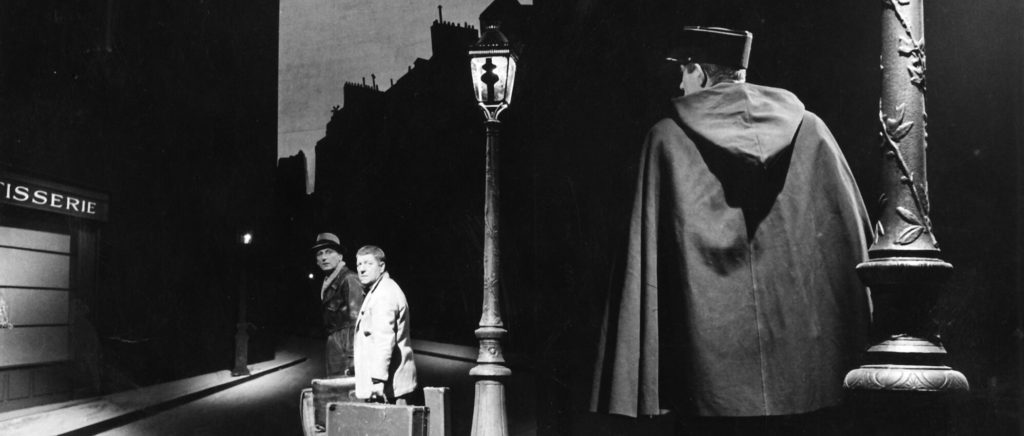
Piazza Maggiore
Introduced by
Nicolas Seydoux (Gaumont)
Section: Recovered & Restored
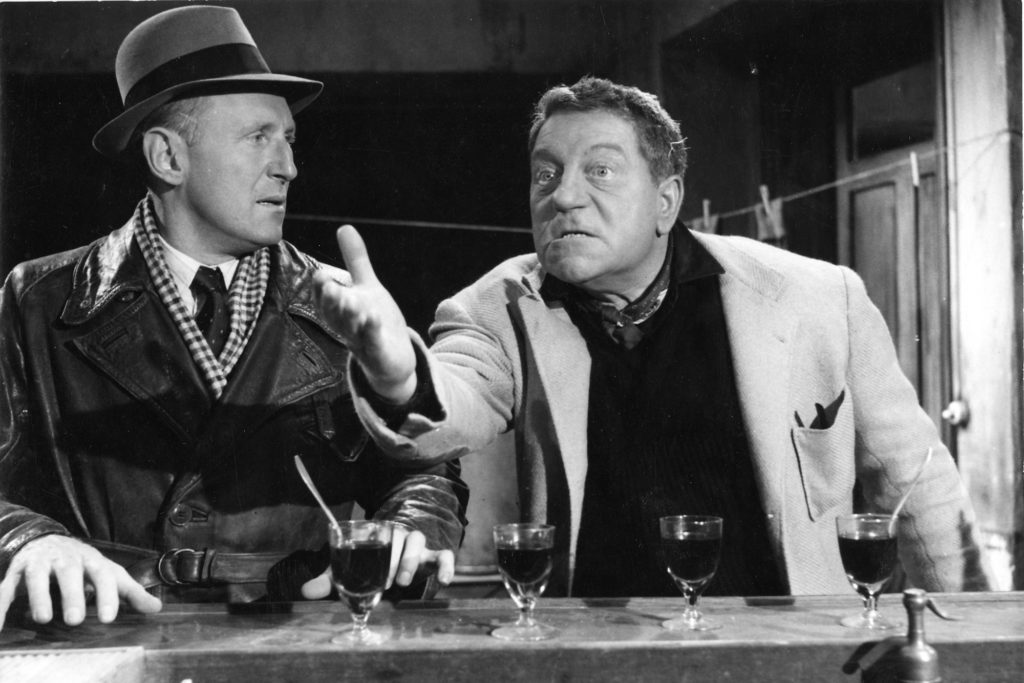
BarcArena
Introduced by
Nicolas Seydoux (Gaumont)
Section: Recovered & Restored
tuesday 25 august
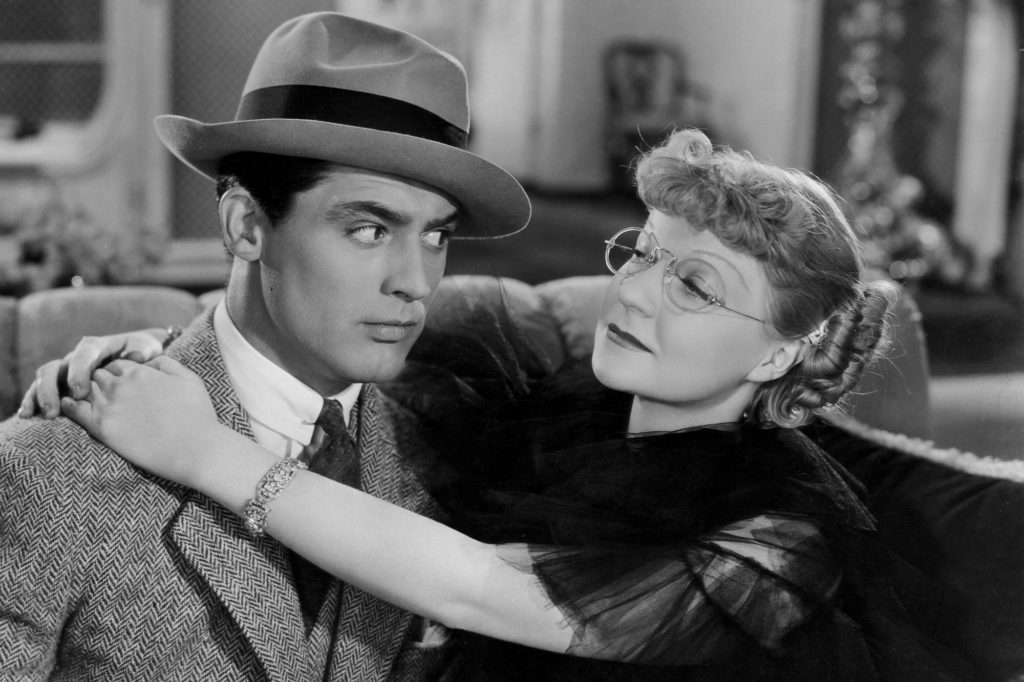
Jolly Cinema
Introduced by
Ehsan Khoshbakht
Section: Guns for Hire: Frank Tuttle vs. Stuart Heisler
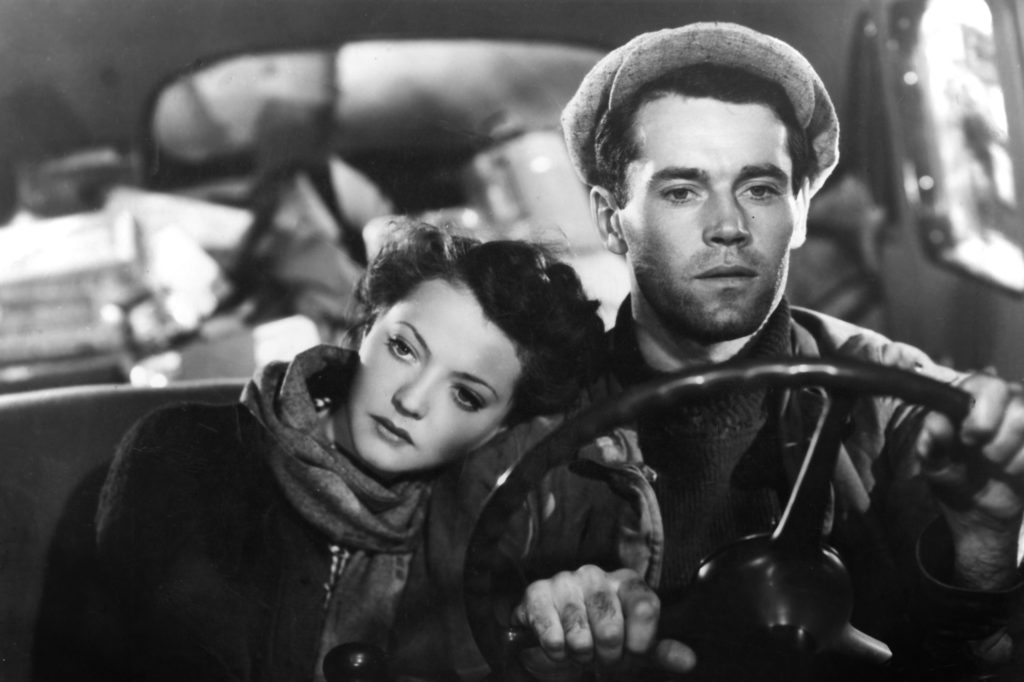
Cinema Odeon
Introduced by
Federico Gironi (Venice Classics)
Section: Henry Fonda for President - Venice Classics
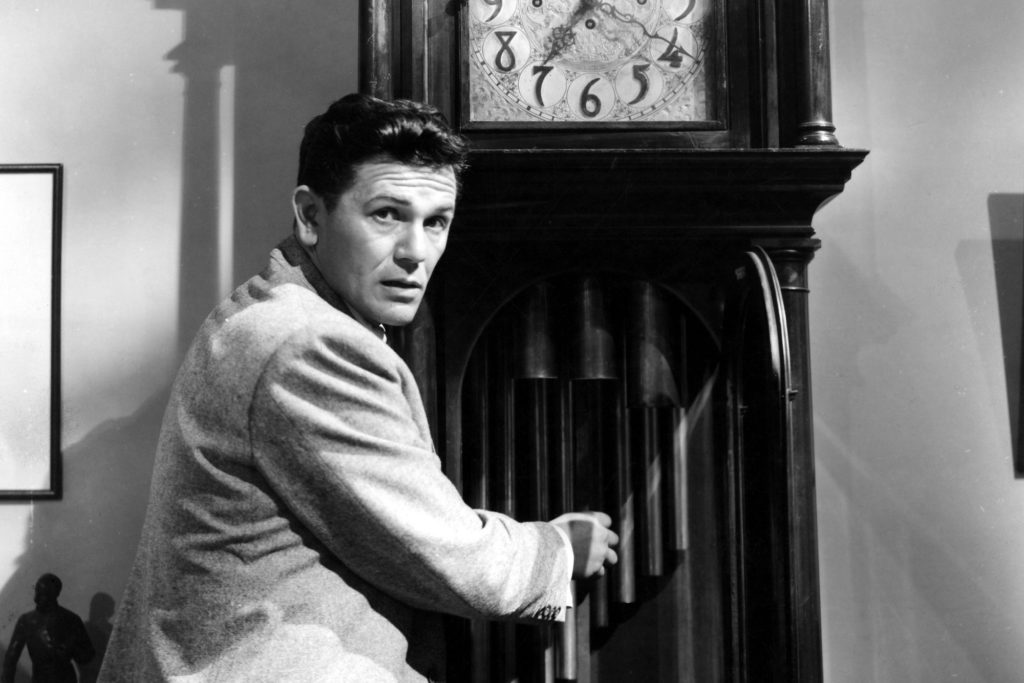
Arlecchino Cinema
Introduced by
Martin Scorsese (on video)
Section: The Film Foundation 30 - Recovered & Restored
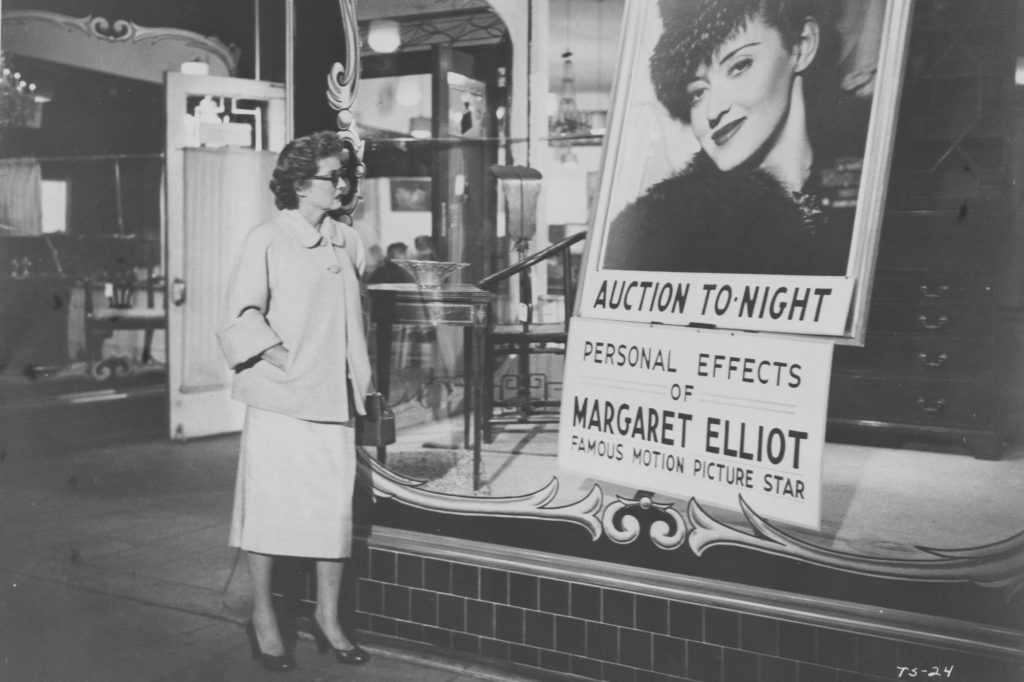
Jolly Cinema
Section: Guns for Hire: Frank Tuttle vs. Stuart Heisler
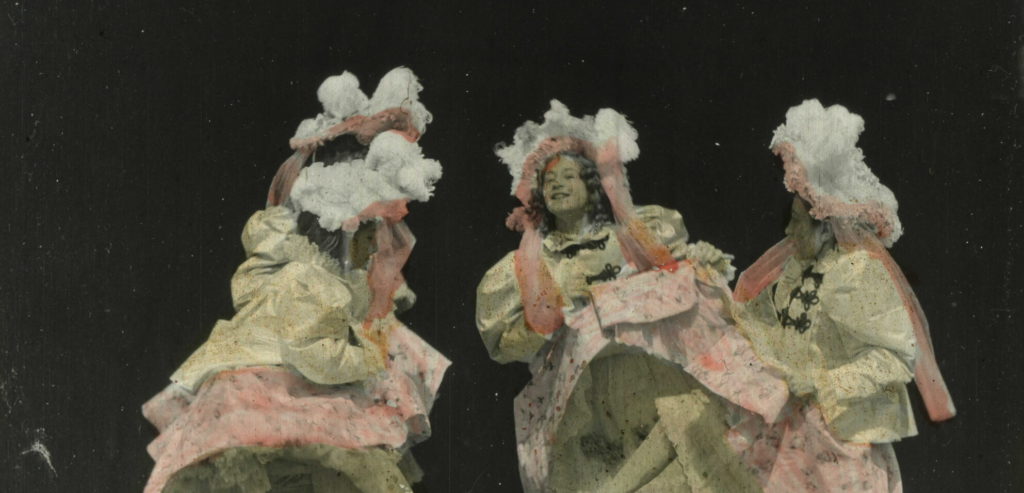
Teatro Comunale di Bologna
Introduced by
Cecilia Cenciarelli, Mariann Lewinsky, Ehsan Khoshbakht, Gian Luca Farinelli
Piano accompaniment by
Daniele Furlati
Section: Century of Cinema: 1906 - One hundred years ago: 1926 - Great small gauges
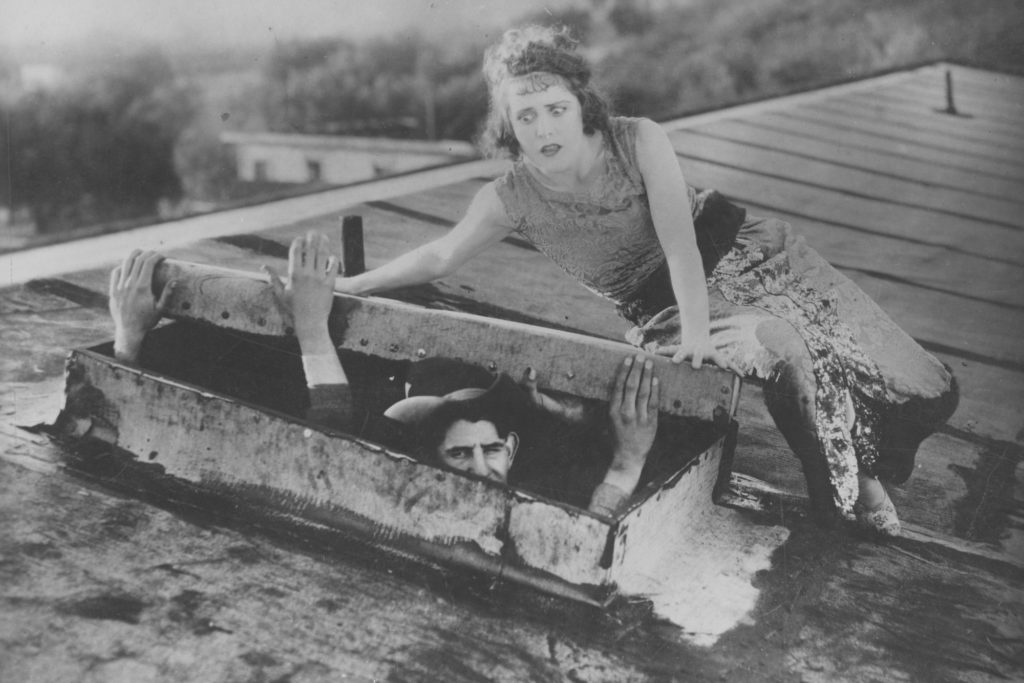
Teatro Comunale di Bologna
Introduced by
Mariann Lewinsky and Karl Wratschko
Piano accompaniment by
John Sweeney
Section: One hundred years ago: 1926
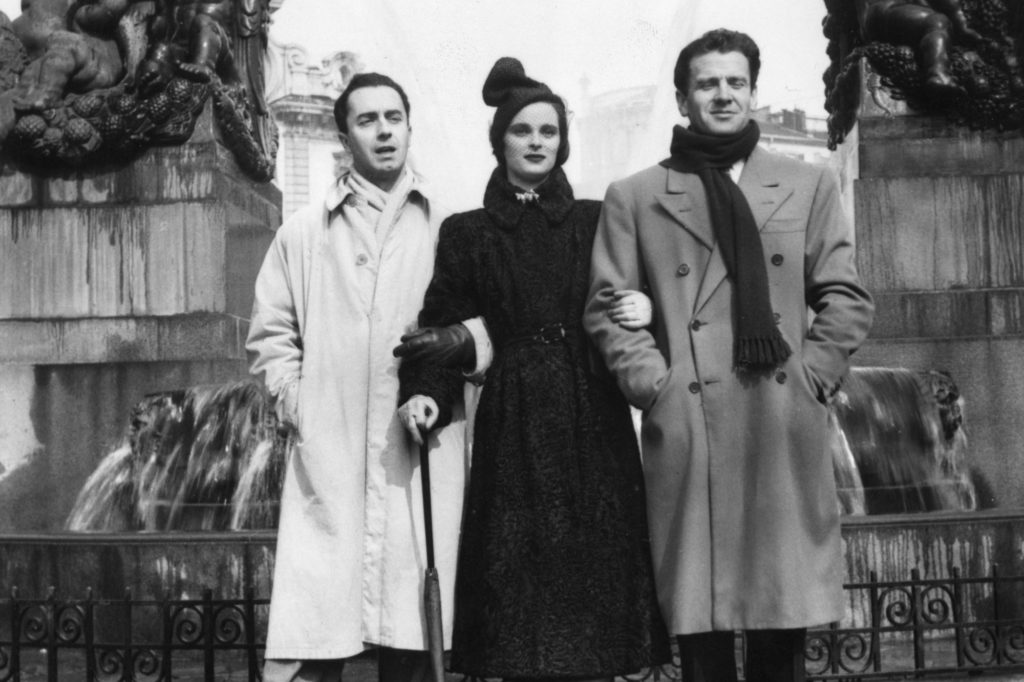
Teatro Auditorium Manzoni
Introduced by
Alberto Barbera (director of the Venice Film Festival)
Section: Venice Classics
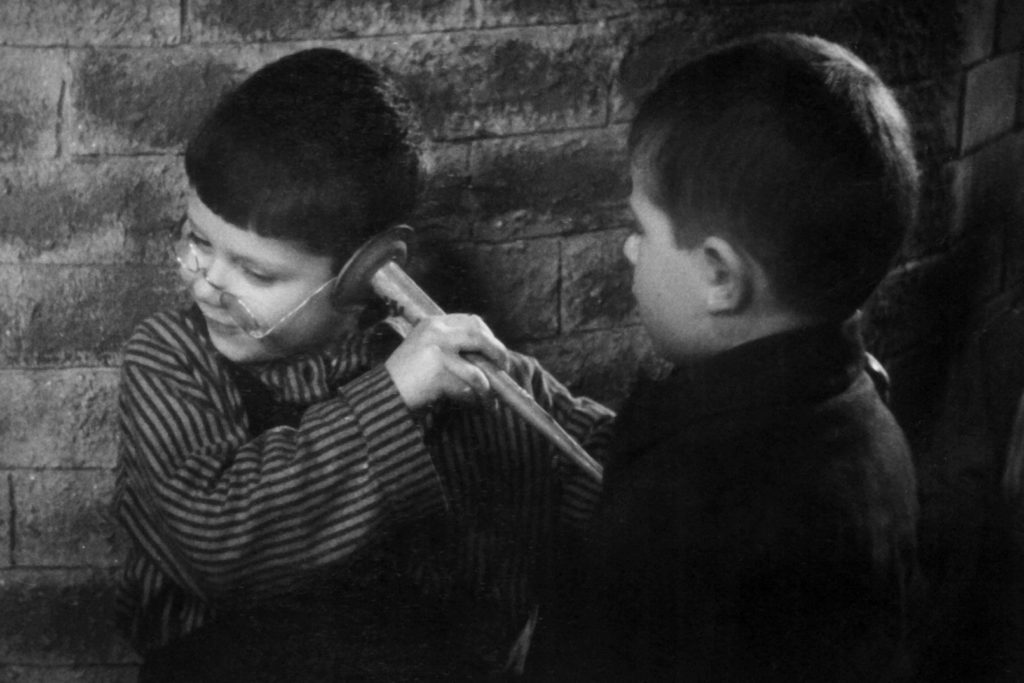
Jolly Cinema
Introduced by
Irène Bonnaud and Bernard Eisenschitz
MARGARITA BARSKAYA
Born in Baku in 1903, Margarita Barskaya grew up with two sisters and her divorced mother, a would-be artist who made ladies’ hats. She took theatre classes in Azerbaijan and joined a troupe in Odessa. On a visit to the city’s studios, she met the veteran of Tsarist cinema, Pyotr Chardynin, 30 years her senior. She went on to become his wife, leading lady and assistant-director. She appeared in Aleksandr Dovzhenko’s first film, Yagodka lyubvi (Love’s Berries, 1926), but had little interest in acting. She left Chardynin and moved to Moscow, where, in 1929, she opened a dramatic arts studio for children and published numerous articles where she laid out her idea of cinema “by children, for children and about children”. In 1930, she filmed an educational documentary about bread-making: a narrow-minded peasant realises that he needs agricultural tools and tractors, in short that he needs the working class to be able to increase production. Kto vazhneye – Chto nuzhneye (Who’s More Important, What’s More Necessary), long believed to be lost, was identified in the archives of documentary film and photography (RGAKFD) by Natalia Miloserdova in 2008. Poetic and humorous, despite its mandatory didacticism, the film mixes animation and live action. Following praise for this success, Barskaya was able to make her first feature film, Rvanye bashmaki (1933). It depicts the rise of Nazism in an industrial German town, shown from the perspective of children. Convinced that her young actors wouldn’t be able to post-synchronise their dialogue s, she filmed them with direct sound, allowing them to react without having learned a script by heart. She also built a tripod to set up the camera at their height. The film was a triumph, both in the USSR and abroad. Gorky declared he was staggered to see “a young boy expressing a range of emotions that are only seen in the greatest actors”. Famous by the age of 30, Barskaya eventually persuaded Boris Shumyatsky to entrust her with a production unit dedicated to children’s films. But what she had envisioned as an experimental venture, in the summer of 1936 became a major studio, Soyuzdetfilm, jealously controlled by the Party’s youth organizations. In September the arrest of Karl Radek, whom she had been close to, made her situation worse. While the screenplay of her second feature film, Otets i syn (1936), had been accepted, the film was attacked, re-edited and finally banned. Barskaya refused to fall in line and protested; she refused to testify against Radek. A violent campaign was unleashed against her. She began a new project with the pedagogue Anton Makarenko, but his death brought this to an end. On 23 July 1939 she killed herself by jumping from the fifth floor of a building.
Irène Bonnaud and Bernard Eisenschitz
Section: Early Women Directors in the Soviet Union
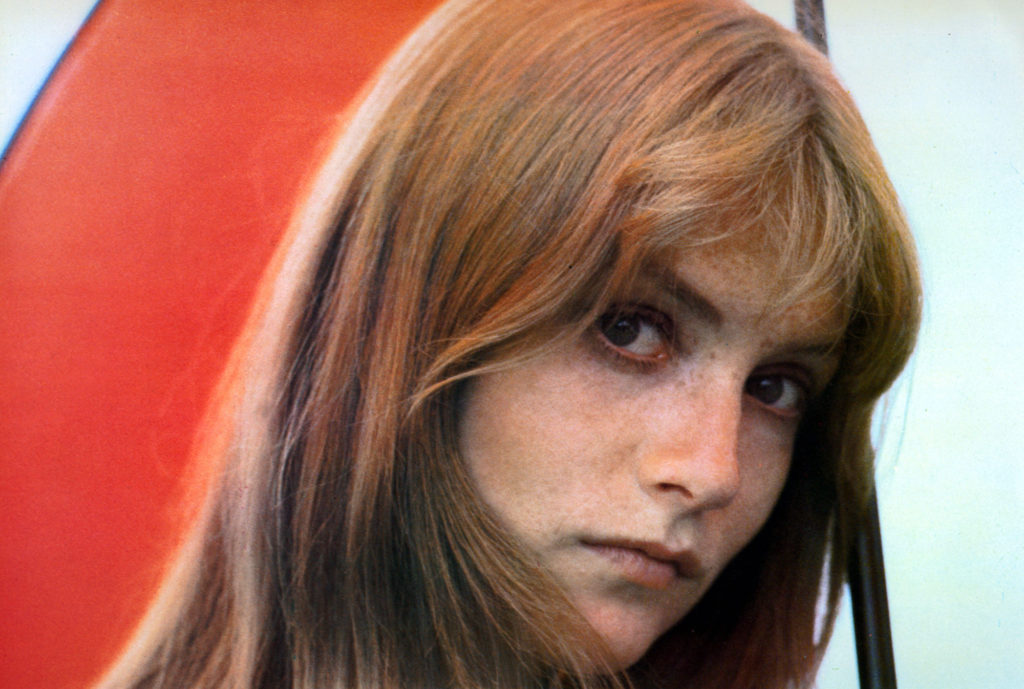
Cinema Lumiere – Sala Officinema/Mastroianni
Introduced by
Isabelle Huppert (on video)
Section: Documents and Documentaries
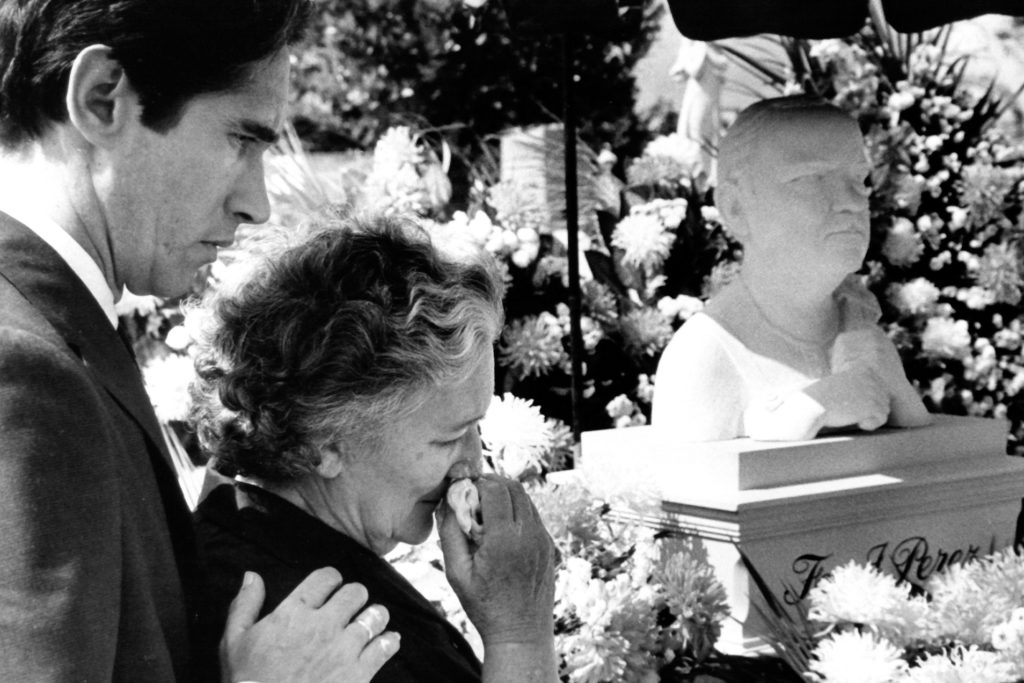
Arlecchino Cinema
Introduced by
Luciano Castillo e Cecilia Cenciarelli
precede
EL ARTE DEL TABACO
Section: Cinemalibero
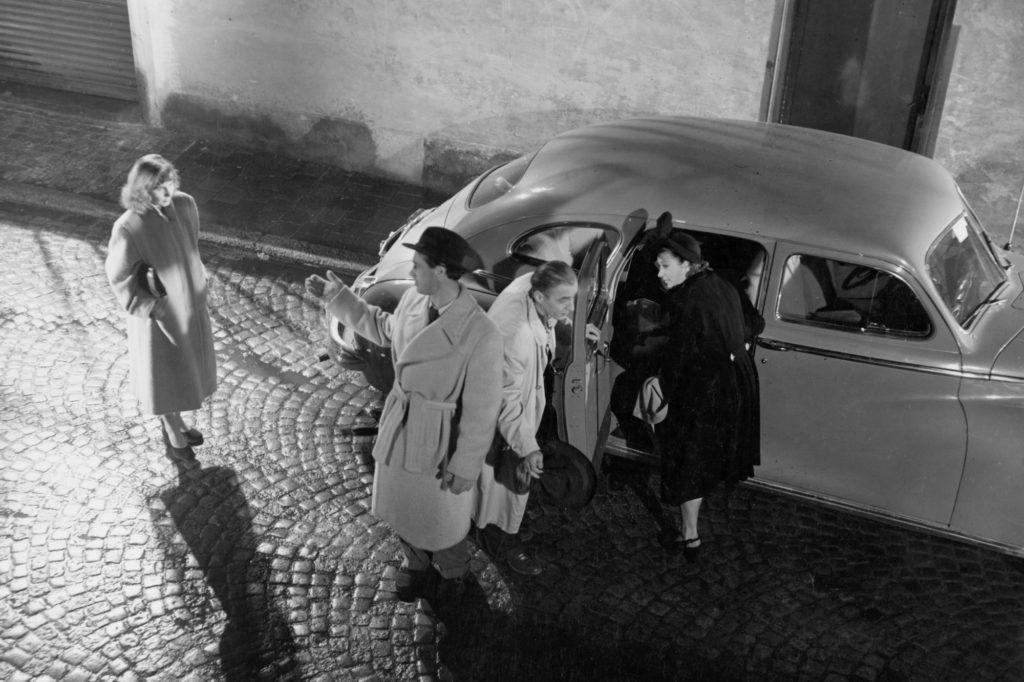
Cinema Lumiere – Sala Scorsese
Introduced by
Olaf Möller e Jon Wengström
Section: Gösta Werner: A Sense of Loss
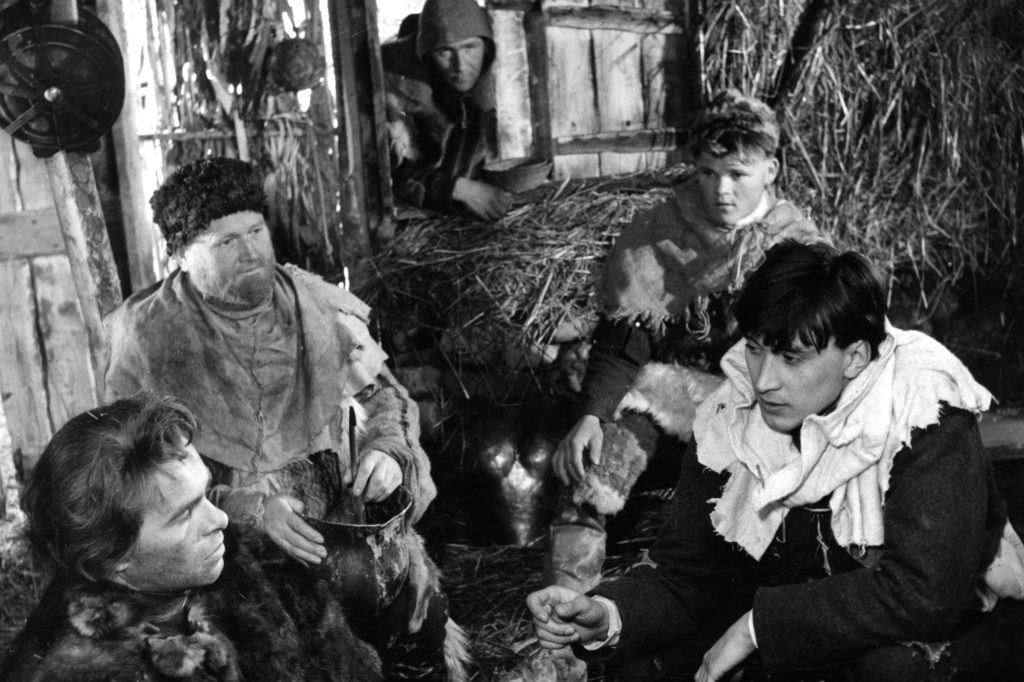
Cinema Odeon
Introduced by
Anna Malerba e Emiliano Morreale
Section: Marco Ferreri Rediscovered
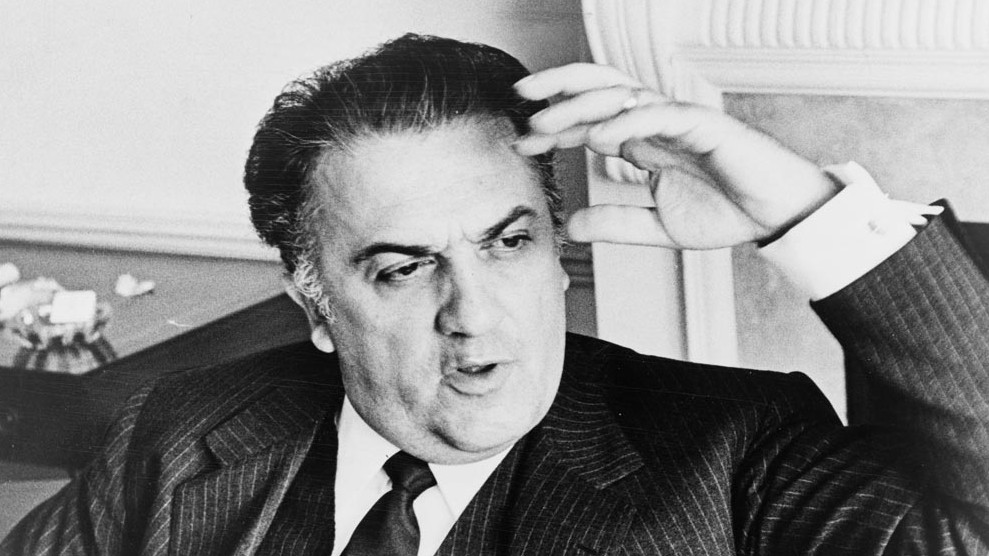
Cinema Lumiere – Sala Officinema/Mastroianni
Meeting with Liliana Cavani and Riccardo Costantini (Cinemazero)
Section: Documents and Documentaries
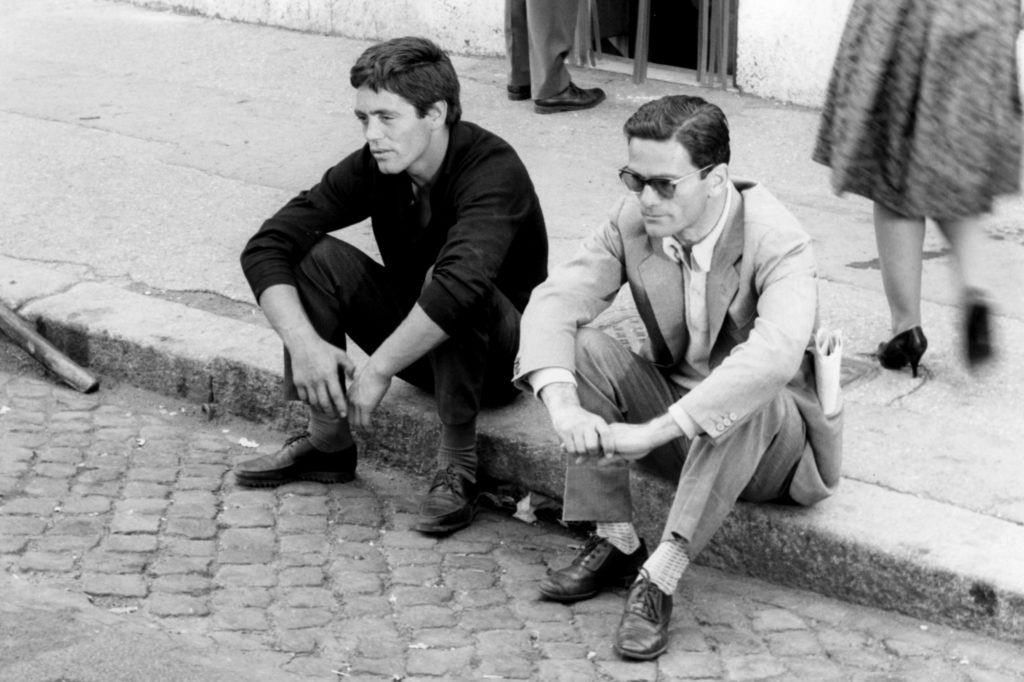
Teatro Auditorium Manzoni
Introduced by
Gian Luca Farinelli
Section: Recovered & Restored - The Film Foundation 30
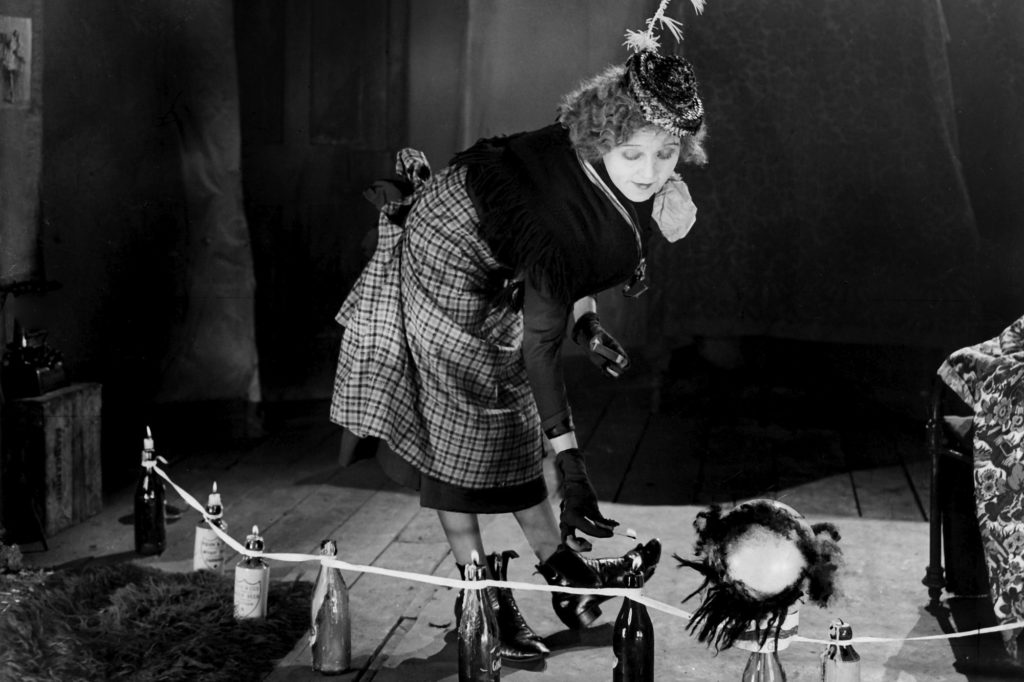
Teatro Comunale di Bologna
Introduced by
Robin Baker (BFI), on video
Piano accompaniment by
Meg Morley
Section: Recovered & Restored
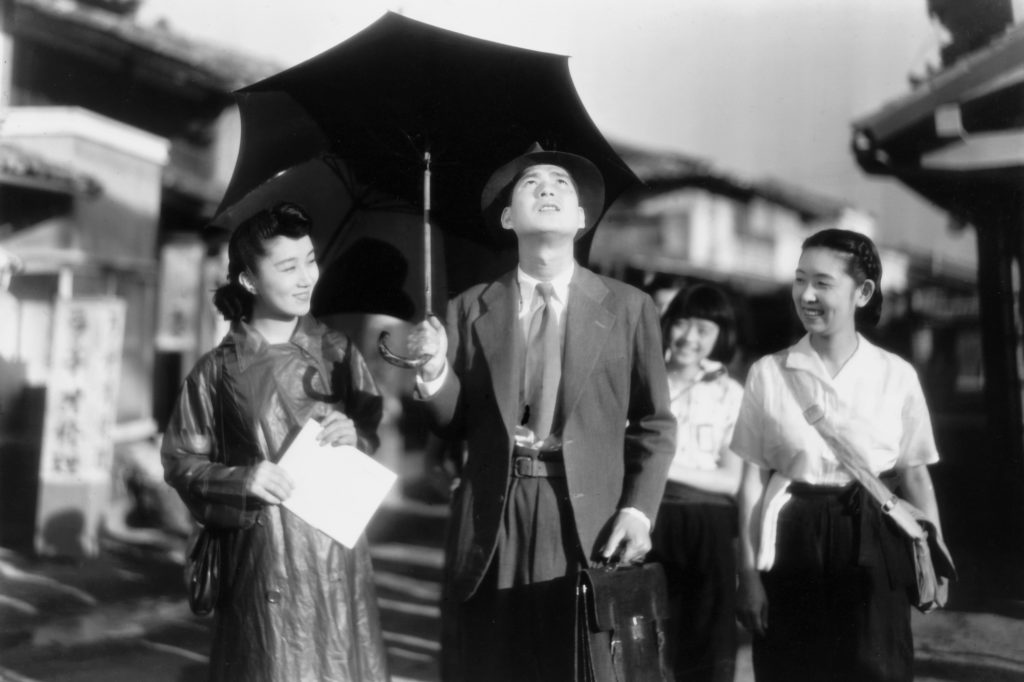
Jolly Cinema
Section: Yuzo Kawashima: The Missing Link
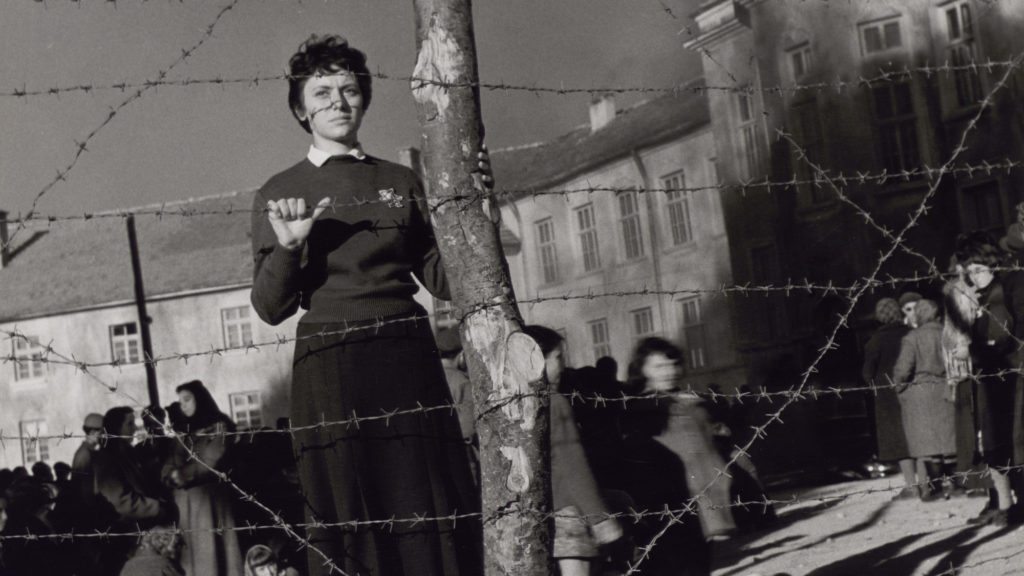
Cinema Lumiere – Sala Scorsese
Introduced by
Ralf Schenk (DEFA Stiftung)
Section: Konrad Wolf in the Age of Extremes
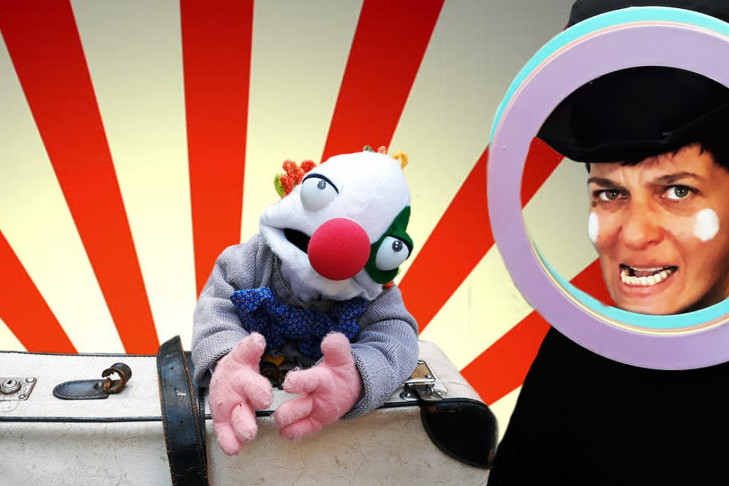
Piazzetta Pier Paolo Pasolini
Section: Il Cinema Ritrovato Kids & Young
Arlecchino Cinema
Section: Recovered & Restored
Cinema Odeon
Introduced by
Anselma Dell’Olio
Section: Documents and Documentaries
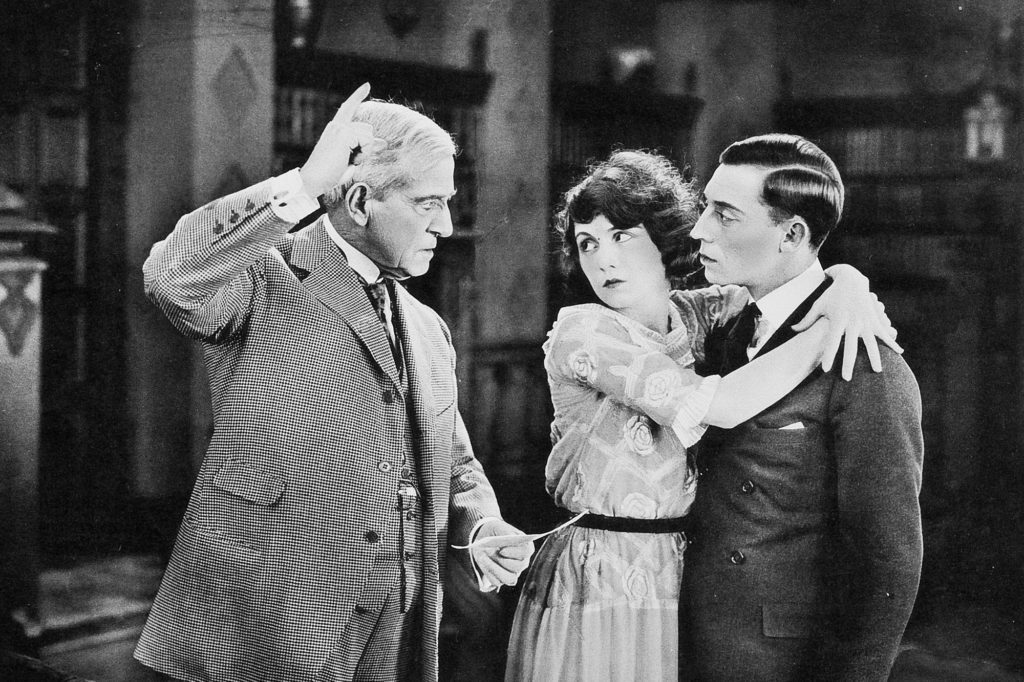
Teatro Comunale di Bologna
Introduced by
Cecilia Cenciarelli
Piano accompaniment by
Maud Nelissen
Section: Buster Keaton!
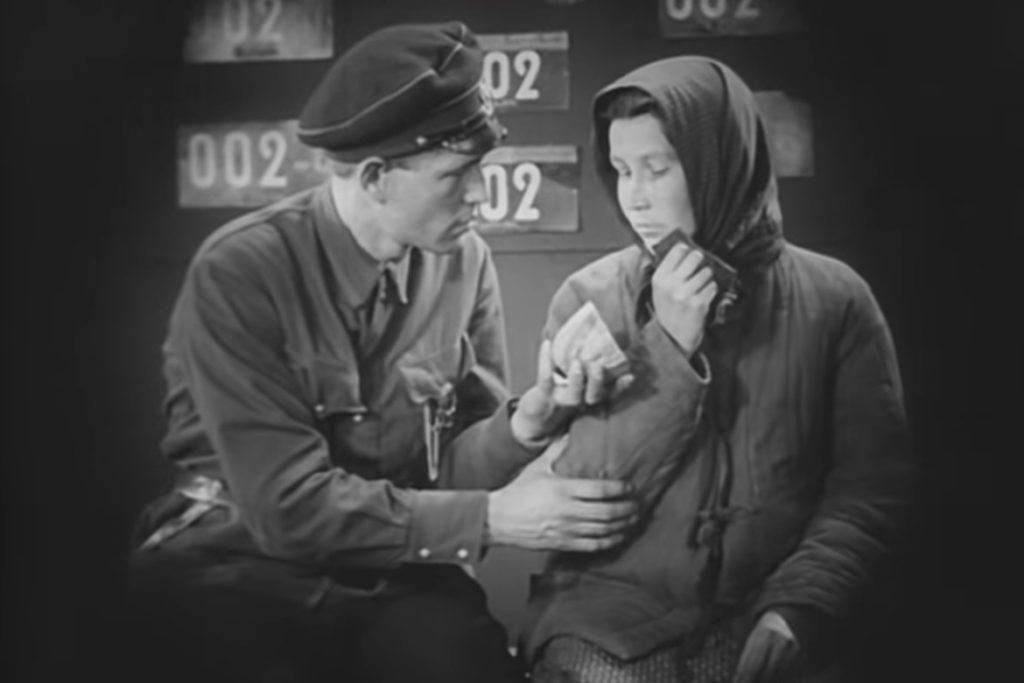
Jolly Cinema
Piano accompaniment by
Antonio Coppola
Section: Early Women Directors in the Soviet Union
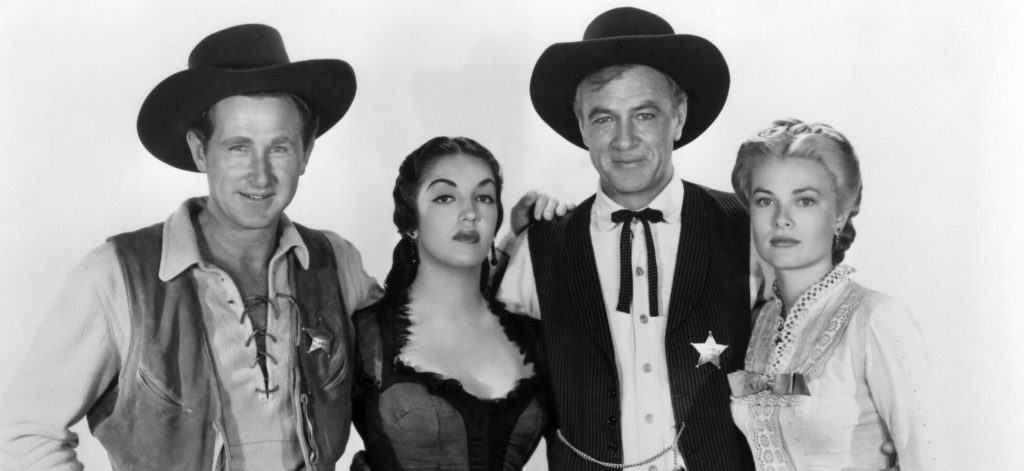
Teatro Auditorium Manzoni
Section: Recovered & Restored
Cinema Lumiere – Sala Officinema/Mastroianni
Teatro Comunale di Bologna
Introduced by
Manuela Padoan (Gaumont Pathé Archives)
Piano accompaniment by
Meg Morley (ep.1) and Antonio Coppola (ep.2)
Section: Recovered & Restored
Cinema Odeon
Section: Henry Fonda for President
Piazza Maggiore
Piano accompaniment by
Daniele Furlati
Preceding
A selection of film from the MUTOSCOPE & BIOGRAPH COLLECTION
GAUMONT CHRONO DE POCHE HOME MOVIES
Following
ROMÉOS ET JUPETTES
Supported by Pelliconi
(In case of rain, the screening will take place at Teatro Manzoni, Cinema Arlecchino and Cinema Jolly)
Section: Recovered & Restored - Century of Cinema: 1906
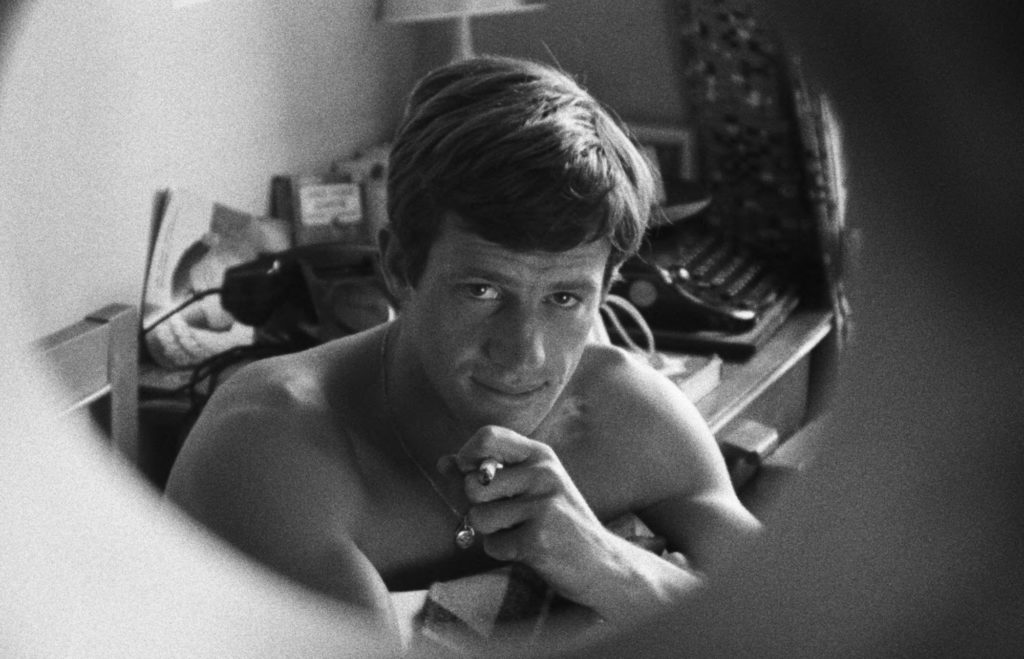
BarcArena
Piano accompaniment by
Dimitri Sillato
Preceding
A selection of film from the MUTOSCOPE & BIOGRAPH COLLECTION
GAUMONT CHRONO DE POCHE HOME MOVIES
Following
ROMÉOS ET JUPETTES
Supported by Pelliconi
(In case of rain, the screening will take place at Teatro Manzoni, Cinema Arlecchino and Cinema Jolly)
Section: Recovered & Restored
Arena Puccini all’Ippodromo
(In case of rain, the screening will be canceled)
Section: Recovered & Restored
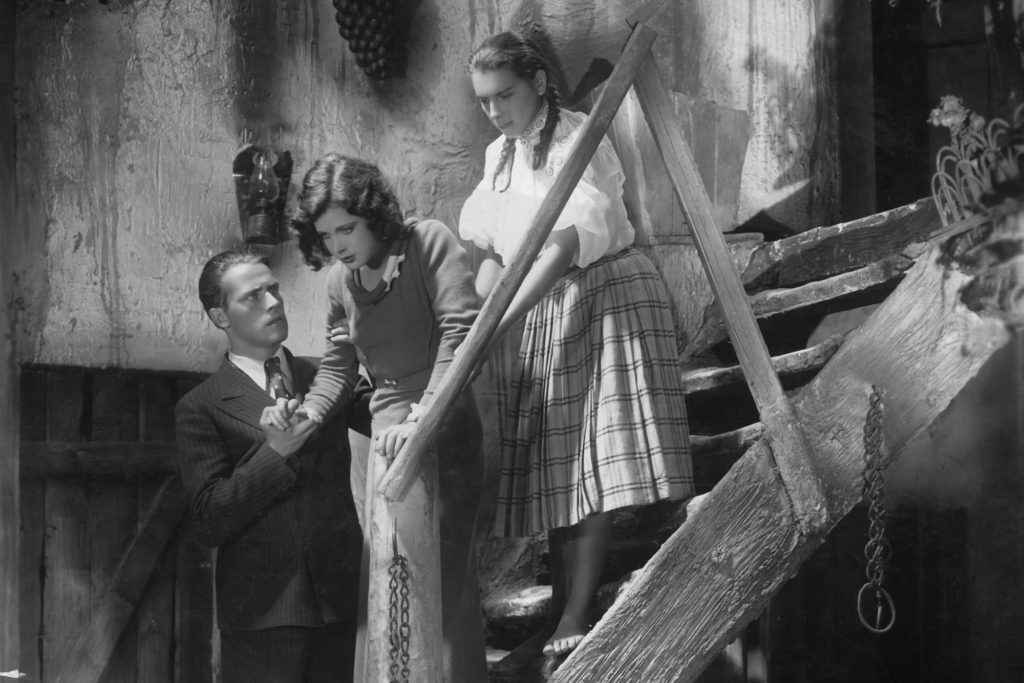
Teatro Auditorium Manzoni
(In case of rain the film scheduled in Piazza Maggiore will be projected instead of Extase)
Section: Recovered & Restored
Arlecchino Cinema
Introduced by
Martin Scorsese (on video)
(In case of rain the film scheduled in Piazza Maggiore will be projected instead of Force of Evil)
Section: The Film Foundation 30 - Recovered & Restored
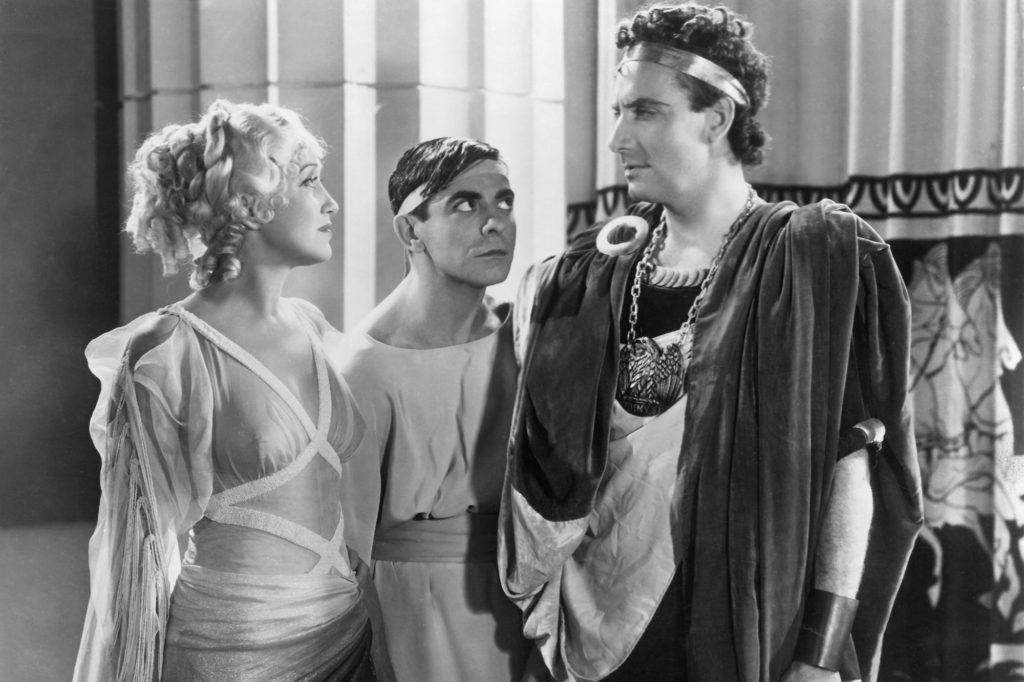
Jolly Cinema
(In case of rain the film scheduled in Piazza Maggiore will be projected instead of Roman Scandals)
Section: Guns for Hire: Frank Tuttle vs. Stuart Heisler
wednesday 26 august
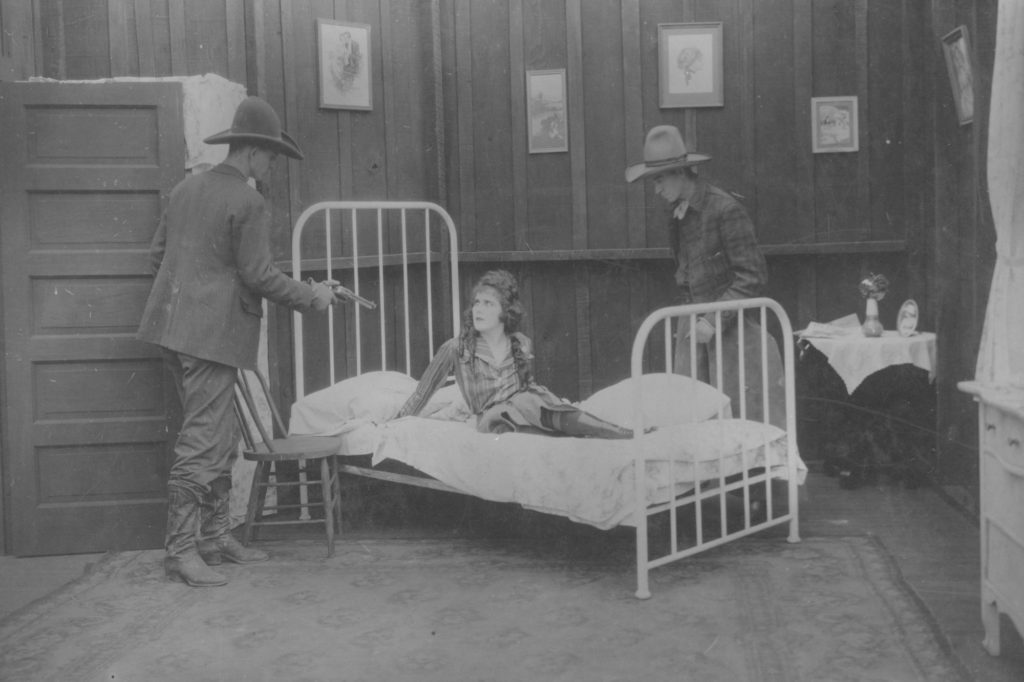
Teatro Comunale di Bologna
Piano accompaniment by
Meg Morley
Section: One hundred years ago: 1926
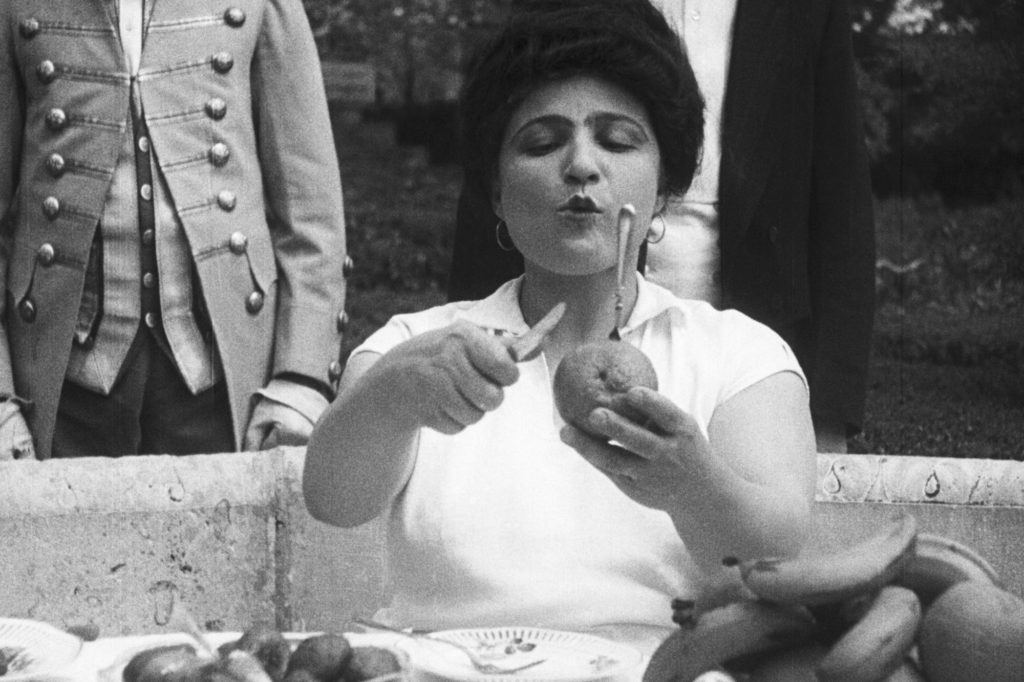
Cinema Lumiere – Sala Scorsese
Musical reconstruction executed by Centre de musique hellénique, music composed by Yannis Tselikas, performed by the Greek Radio National Orchestra and the singers of the National Opera, directed by Anastasios Simeonidis
Section: Recovered & Restored
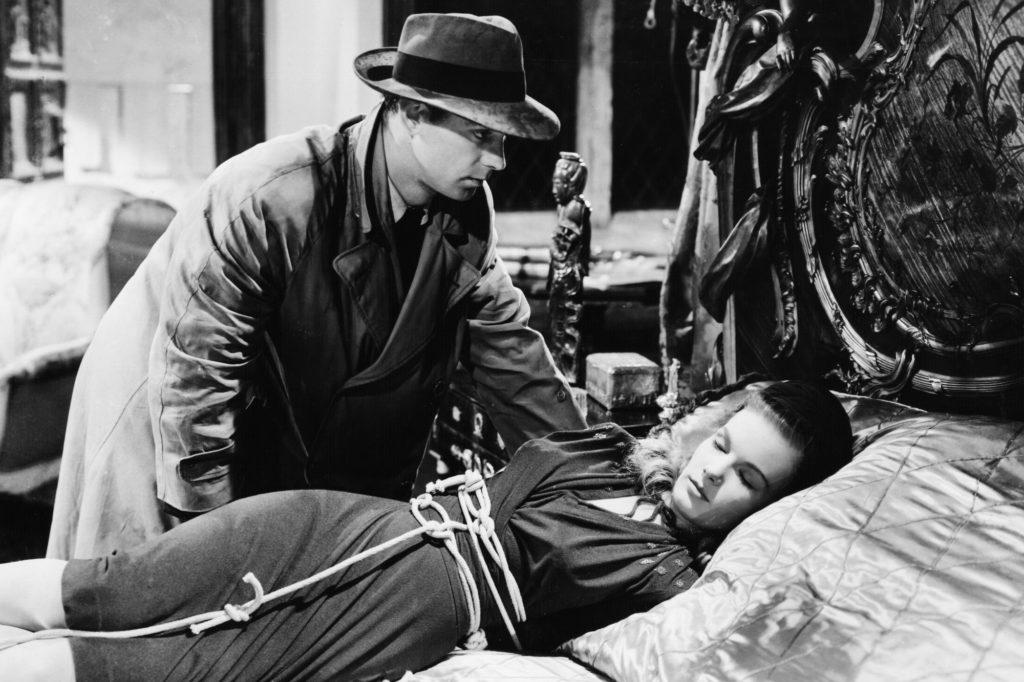
Jolly Cinema
Introduced by
Ehsan Khoshbakht
Section: Guns for Hire: Frank Tuttle vs. Stuart Heisler
Cinema Lumiere – Sala Officinema/Mastroianni
Section: Recovered & Restored
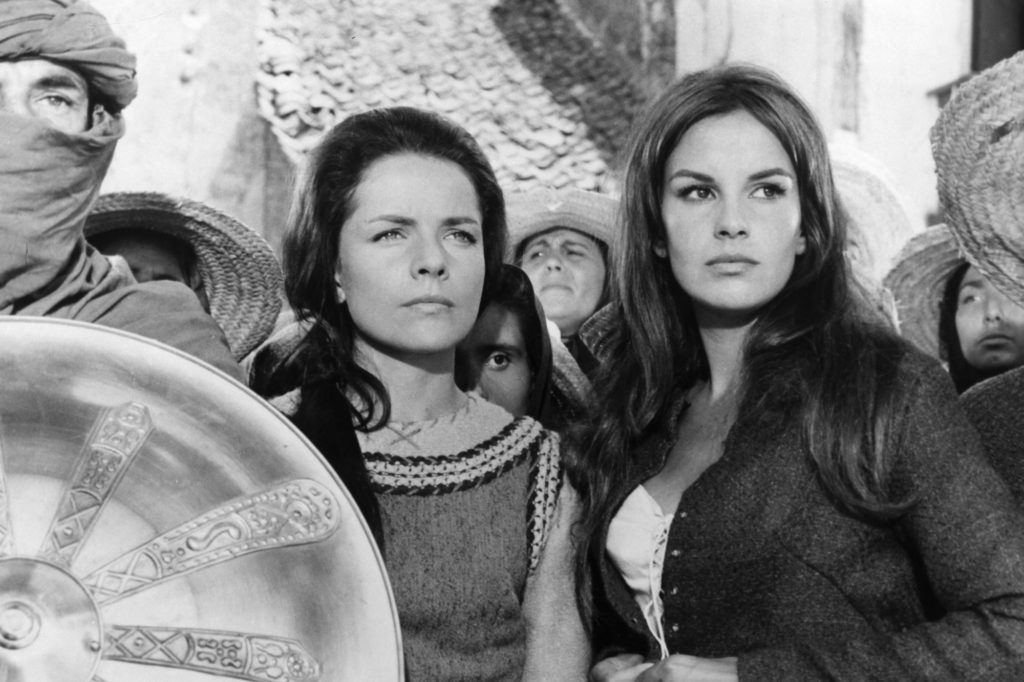
Teatro Auditorium Manzoni
Section: Recovered & Restored - The Film Foundation 30
Cinema Lumiere – Sala Officinema/Mastroianni
Section: Recovered & Restored
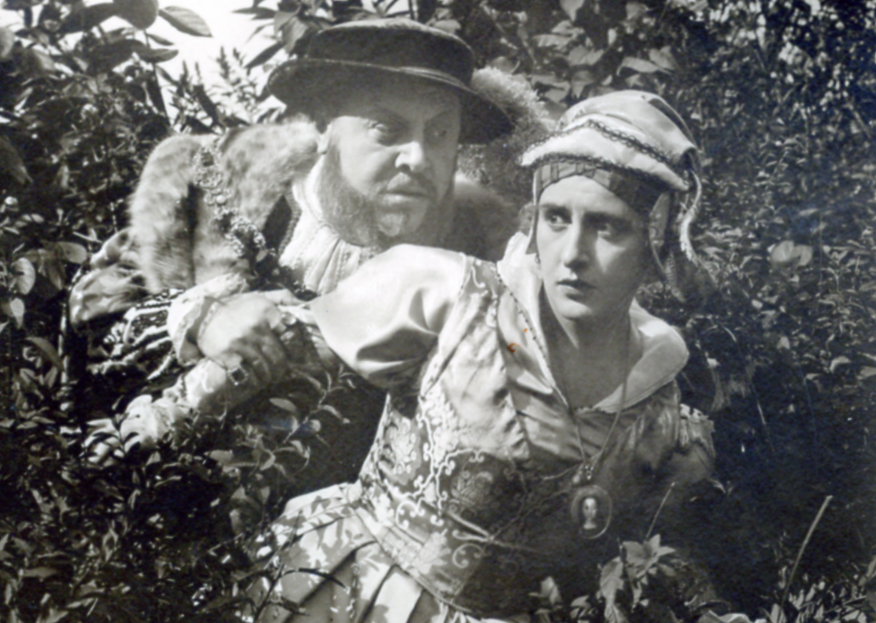
Teatro Comunale di Bologna
Piano accompaniment by
Maud Nelissen. Drums accompaniment Frank Bockius
Preceding a photo presentation from the Fondo Davidson (Cineteca di Bologna)
Section: One hundred years ago: 1926
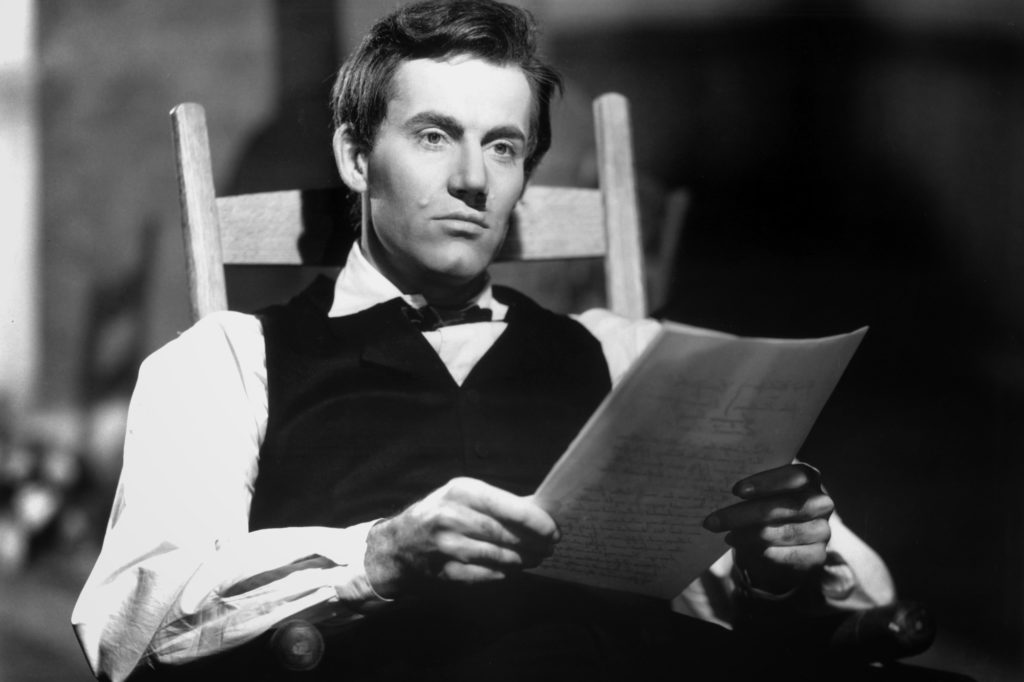
Cinema Odeon
Introduced by
Alexander Horwath
Section: Henry Fonda for President
Cinema Lumiere – Sala Scorsese
Section: Gösta Werner: A Sense of Loss
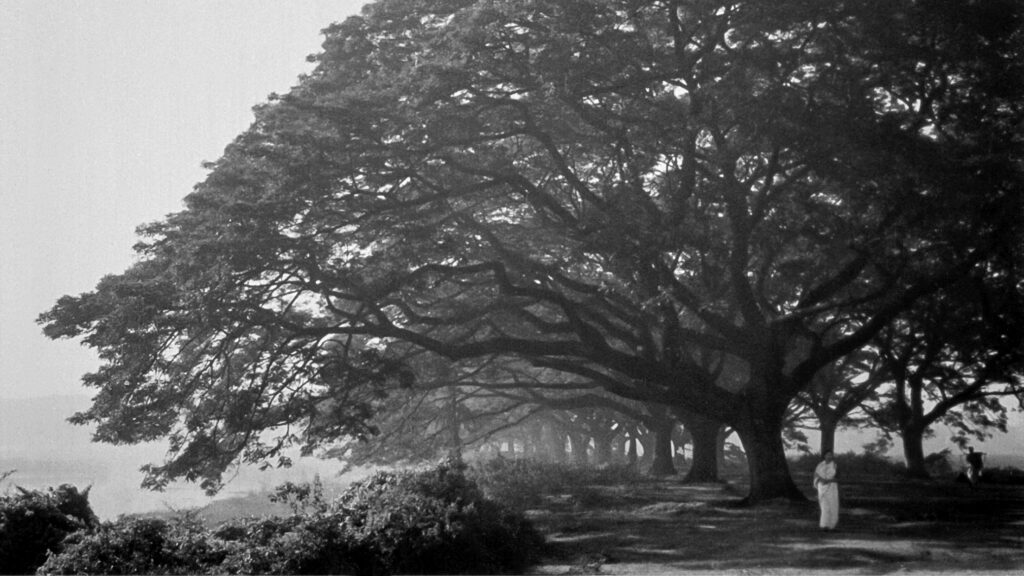
Arlecchino Cinema
Section: Cinemalibero - The Film Foundation 30
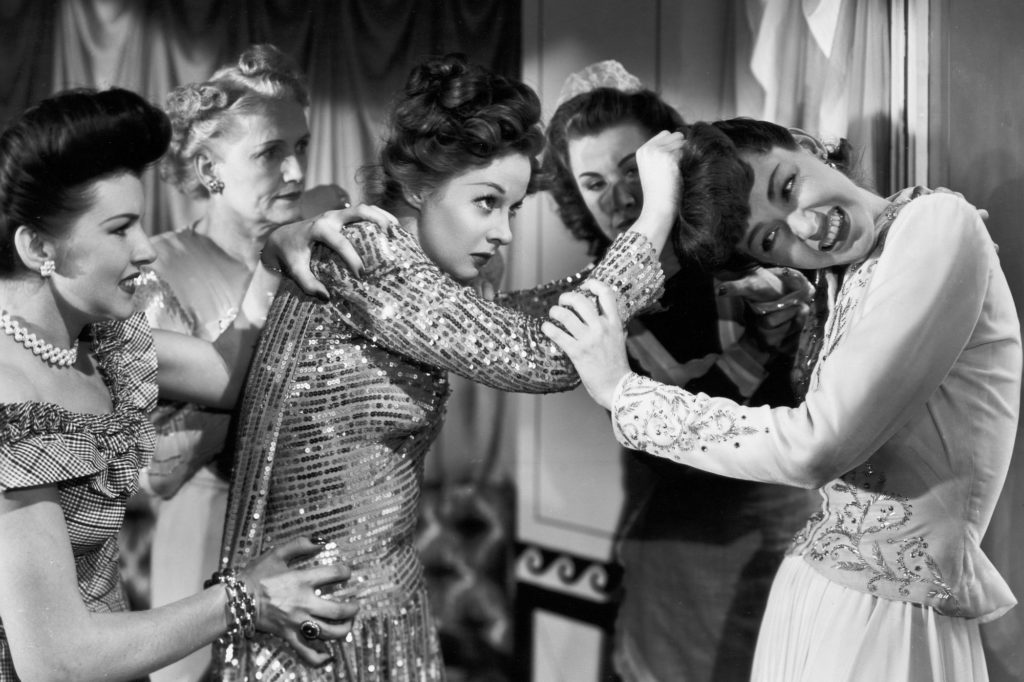
Jolly Cinema
Section: Guns for Hire: Frank Tuttle vs. Stuart Heisler
Cinema Lumiere – Sala Officinema/Mastroianni
Section: Recovered & Restored
Teatro Auditorium Manzoni
Section: Recovered & Restored - The Film Foundation 30
Teatro Comunale di Bologna
Introduced by
Mariann Lewinsky
Piano accompaniment by
Meg Morley
Section: Century of Cinema: 1906
Cinema Lumiere – Sala Officinema/Mastroianni
Debate with Sergio Toffetti, Stefano Ballirano (Istituto Luce), Andrej A. Tarkovskij and Andrea Guerra
Section: Documents and Documentaries
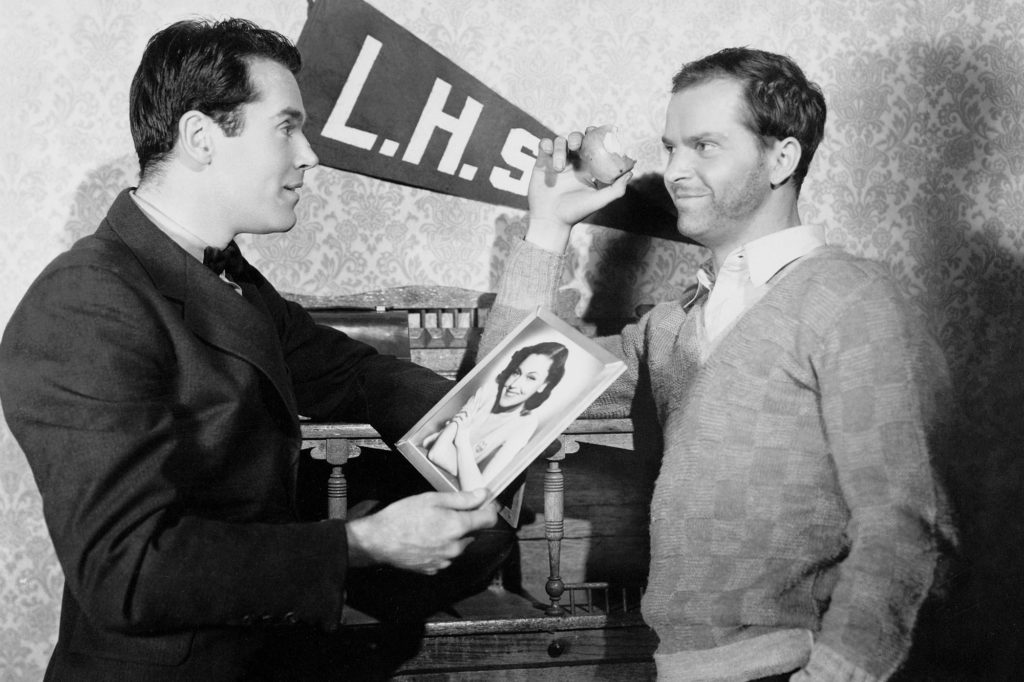
Arlecchino Cinema
Section: Henry Fonda for President
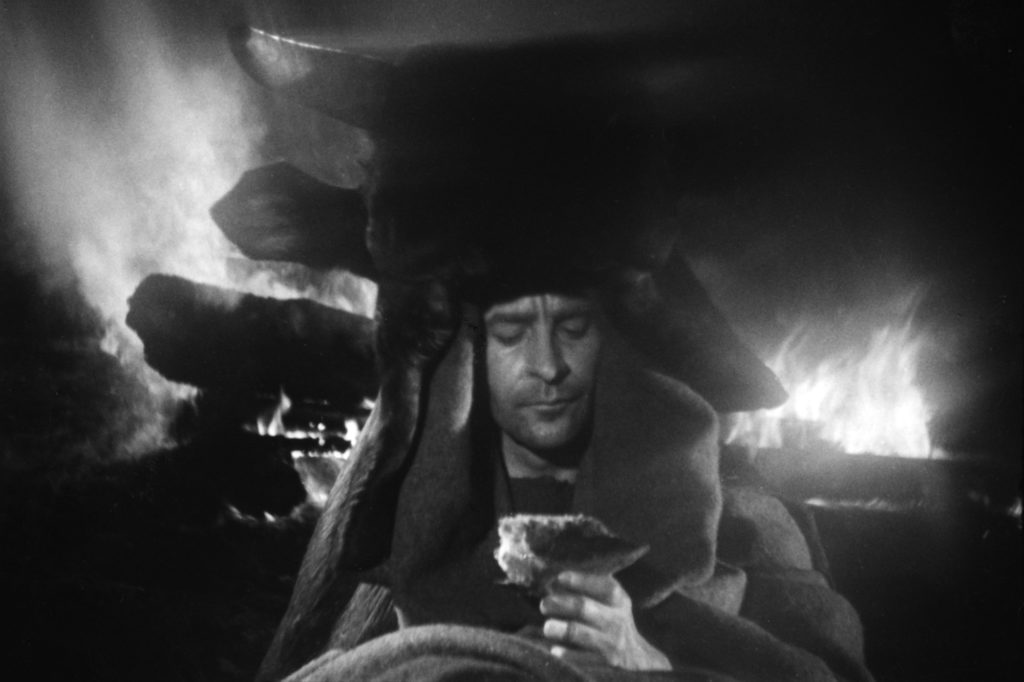
Cinema Lumiere – Sala Scorsese
Section: Gösta Werner: A Sense of Loss
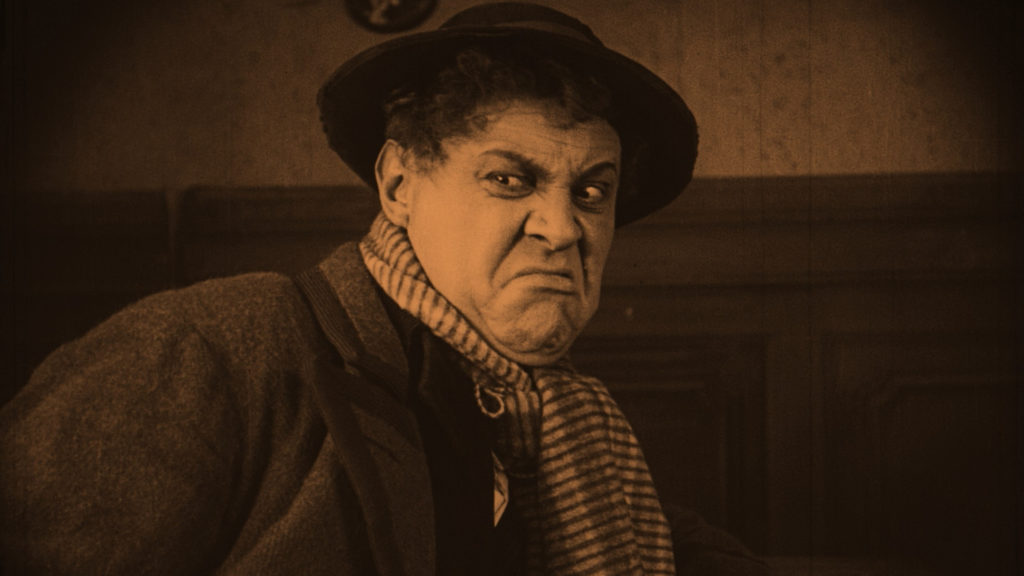
Teatro Comunale di Bologna
Piano accompaniment by
Daniele Furlati
Precede
[LES ARTS MENAGERS]
Section: One hundred years ago: 1926
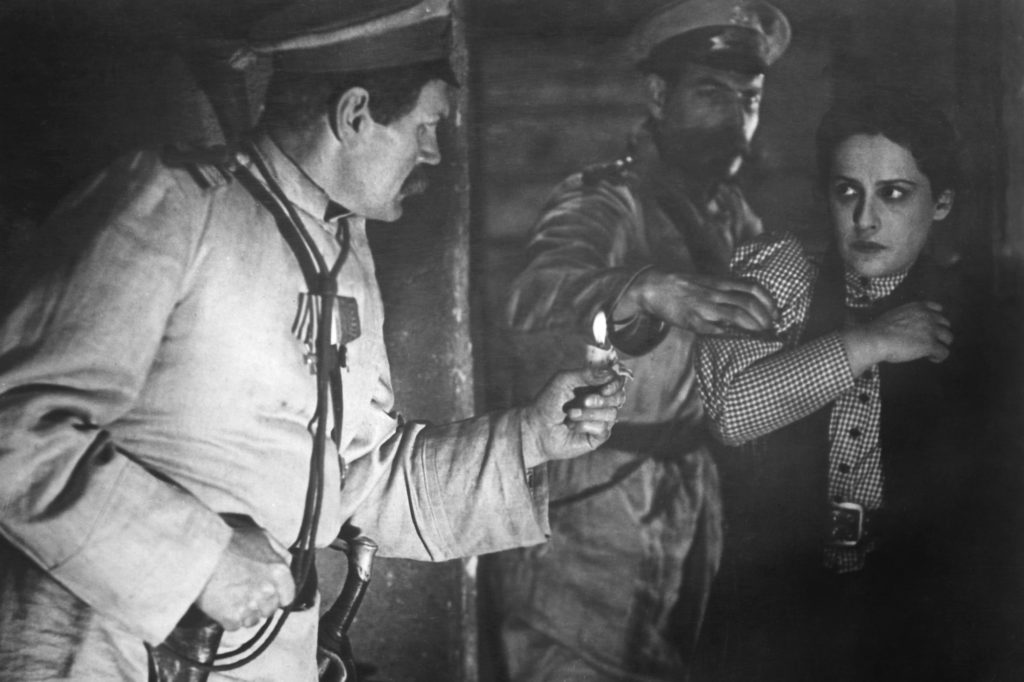
Jolly Cinema
VERA STROYEVA
Born in Kiev in 1903, Vera Stroyeva studied at the city’s conservatory and then participated in the experimental theatre that later became Moscow Children’s Theatre. There she met her husband and sometimes co-director Grigori Roshal, for whom she would work as a screenwriter for a long time (along with her sister-inlaw Serafima Roshal). Stroyeva made her first films Pravo ottsov (The Right of the Fathers) and Chelovek bez futlyara (The Man Without a Case, both presumed lost) in the 1930s for the Ukrainfilm studio in Odessa. In 1934 she and Roshal had a triumph in Venice with their adaptation Peterburgskaya noch (A Petersburg Night). They inserted Dostoevsky’s short story in another early work, the unfinished novel Netochka Nezvanova, through the character of the violinist Efimov. We can already see Stroyeva’s fondness for music and the subtle and original way she uses it: David Oistrakh’s violin playing was recorded live during the filming. Music was the subject of one of her few documentaries (Yunye muzykanty, Young Musicians, 1945), and it later gave her an access to considerable production resources for two adaptations of Mussorgsky’s operas, Boris Godunov (1954) and Khovanshchina (1959). During the war she was one of the few filmmakers to showcase non-Russian artists, using the Kazakh actors from Alma-Ata (in her medium-length Syn boitsa, Son of a Fighter, 1942 and Batyri stepey, Steppe Warrior, 1942). She did it again with the Maryte (1947), a tribute to a heroine in the anti-Nazi struggle, and the first Lithuanian film in history. If important women filmmakers (Esfir Shub, Elizaveta Svilova, Lidiya Stepanova, Yuliya Solntseva) have left their mark in war documentaries, Stroyeva is, with these three films, the only woman to have contributed to the fiction films about the Soviet war and, like Donskoy, she knew how to combine harsh realism with occasionally emphatic lyricism. Over her long career (from 1930 to 1983) and in her 1936 masterpiece Pokolenie pobediteley (Generation of Victors) as well, she always emonstrated excellence in her direction of actors. She died in Moscow in 1991.
Irène Bonnaud and Bernard Eisenschitz
Section: Early Women Directors in the Soviet Union
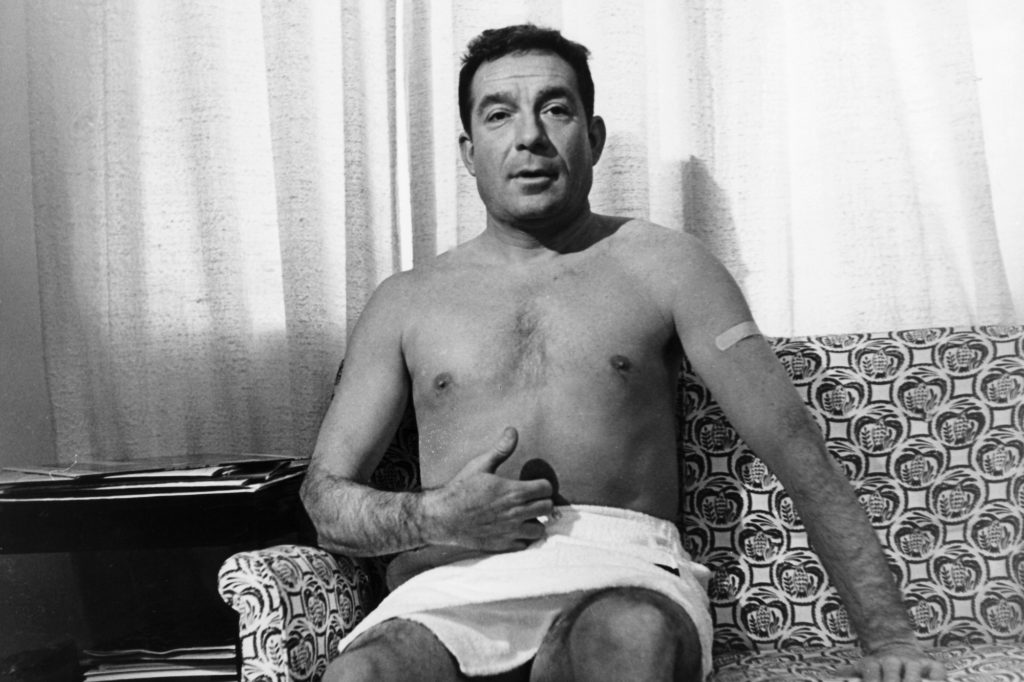
Cinema Odeon
Introduced by
Emiliano Morreale
Section: Marco Ferreri Rediscovered
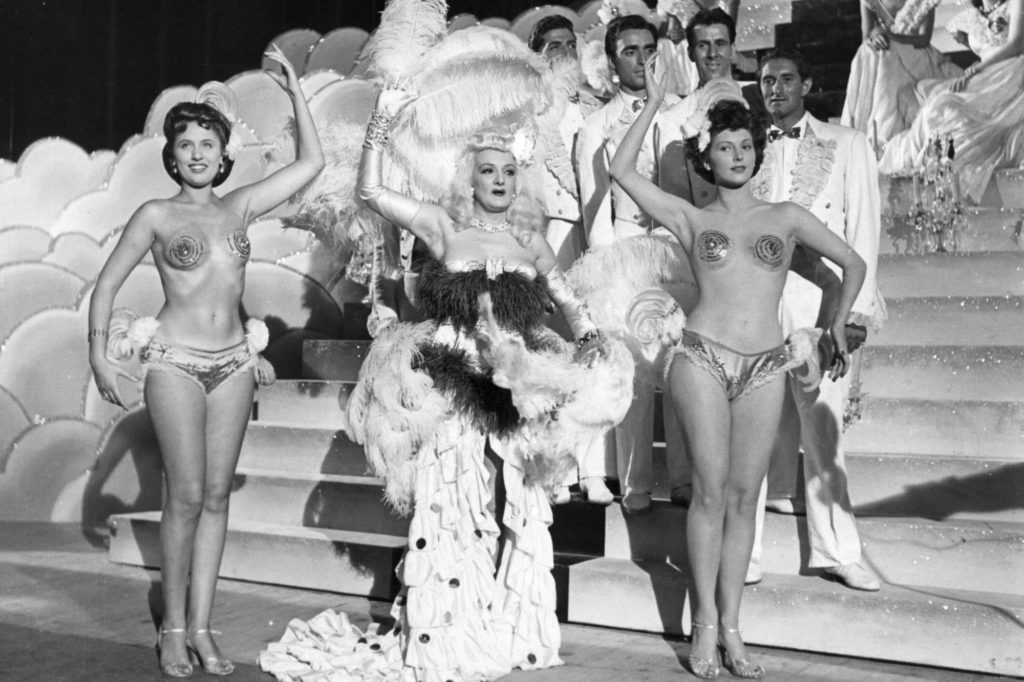
Teatro Auditorium Manzoni
Section: Recovered & Restored
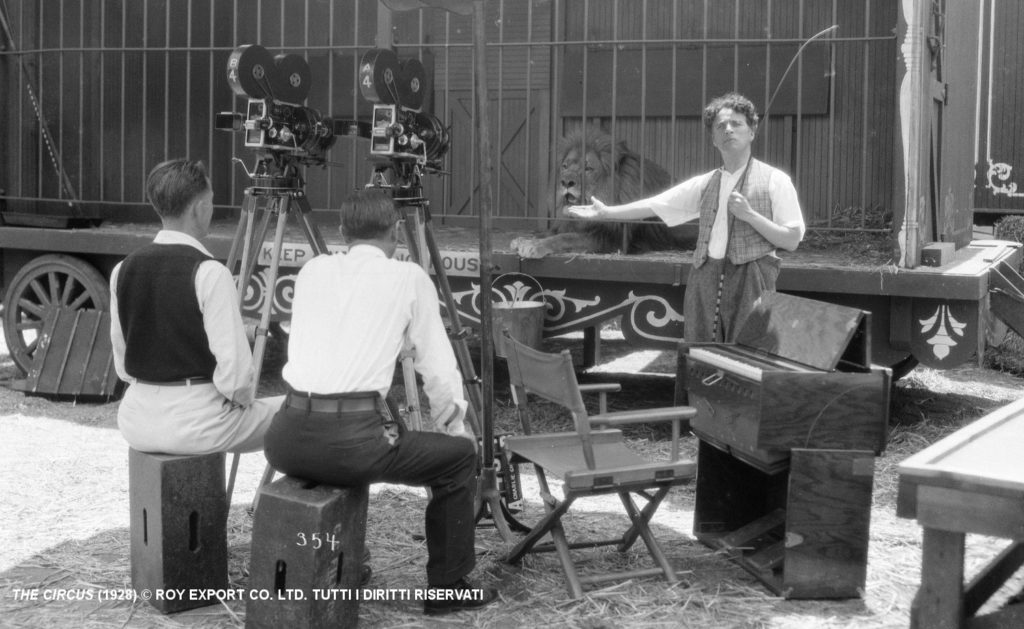
Cinema Lumiere – Sala Scorsese
“There is only one place where wonder, excess and the extreme exist without vulgarity: at the equestrian circus. I think it is popular entertainment at its best. In this splendid world of colours, movement and emotion we rediscover the eternal tramp whose face Chaplin borrowed”. (Federico Fellini)
In the year of Federico Fellini’s centenary, we are celebrating the great Rimini director with a retrospective dedicated to one of his greatest passions both as a child and as an adult. With its characters, masks, colours and sounds, the circus show was an important source of inspiration for Fellini: a common thread that ties together masterpieces such as La strada, Amarcord, 81/2. and of course I clowns, the director’s documentary about the figure of the clown that starts with his childhood memories. The films presented here take us on a journey into the circus world imagined and depicted by directors and animators from different countries and eras.
Ever since its inception, cinema has looked to the circus and popular and street arts for inspiration. The retrospective will open with the circus show Il grande viaggio di Augusto by the company Circo Sotto Sopra and Chaplin’s masterpiece of comedy and melancholy The Circus – screened in the version restored by Cineteca di Bologna –, a fundamental film that defined Fellini’s cinematic imagery.
The programme is enlivened by a selection of animated shorts made by people who have creatively reinvented clown, acrobatic and juggling routines using different techniques and materials, from Karel Zeman’s puppet animation to the animation of coloured objects and pieces of fabric by Cristina Lastrego and Francesco Testa.
THE CIRCUS
(Il circo, USA/1928) di Charles Chaplin (71’)
Section: Il Cinema Ritrovato Kids & Young
Arlecchino Cinema
Introduced by
Frédéric Bonnaud (Cinémathèque française)
Preceding
OPÉRATION BÉTON
Section: Recovered & Restored
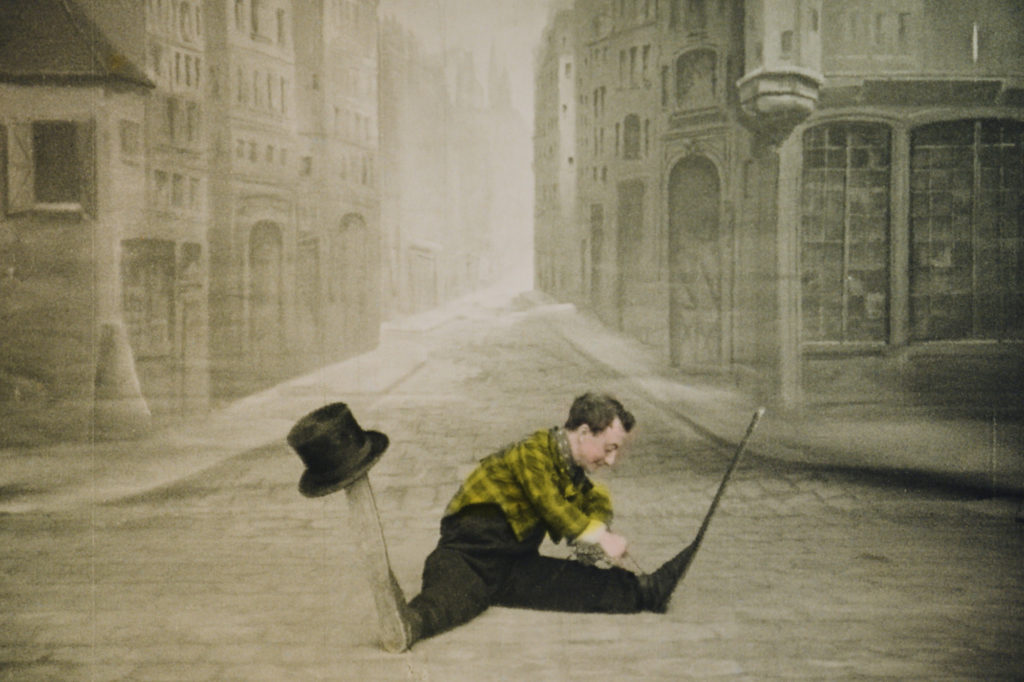
Teatro Comunale di Bologna
Introduced by
Manuela Padoan (Gaumont Pathé Archives) and John Sweeney
With original recordings, piano accompaniment by John Sweeney and drums accompaniment by Frank Bockius
Section: Century of Cinema: 1906
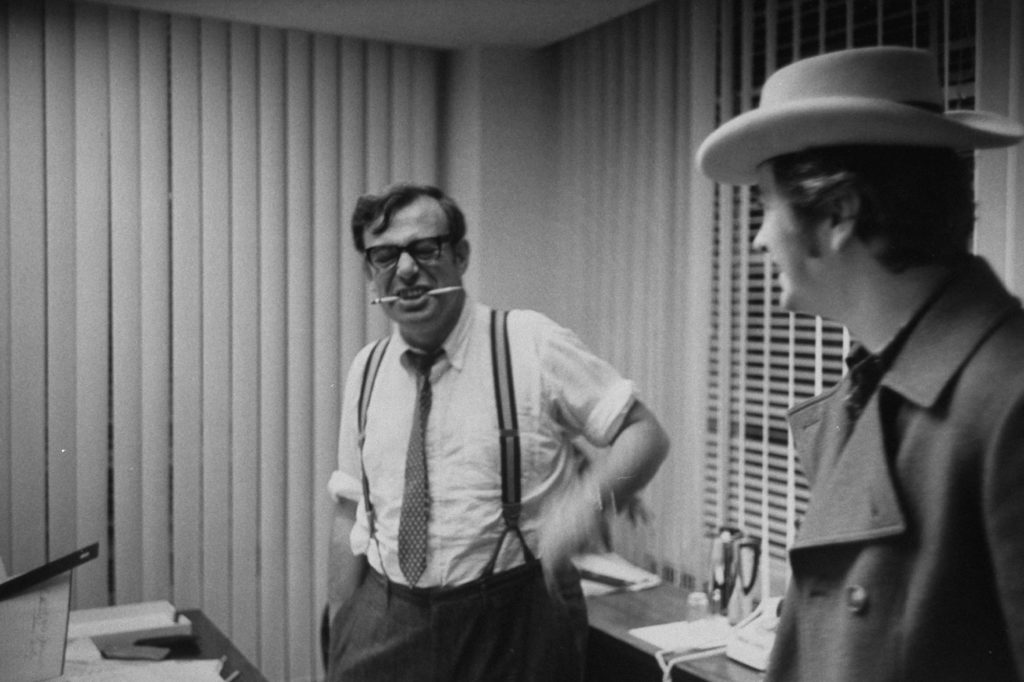
Cinema Lumiere – Sala Officinema/Mastroianni
Introduced by
Gian Luca Farinelli
Section: Documents and Documentaries
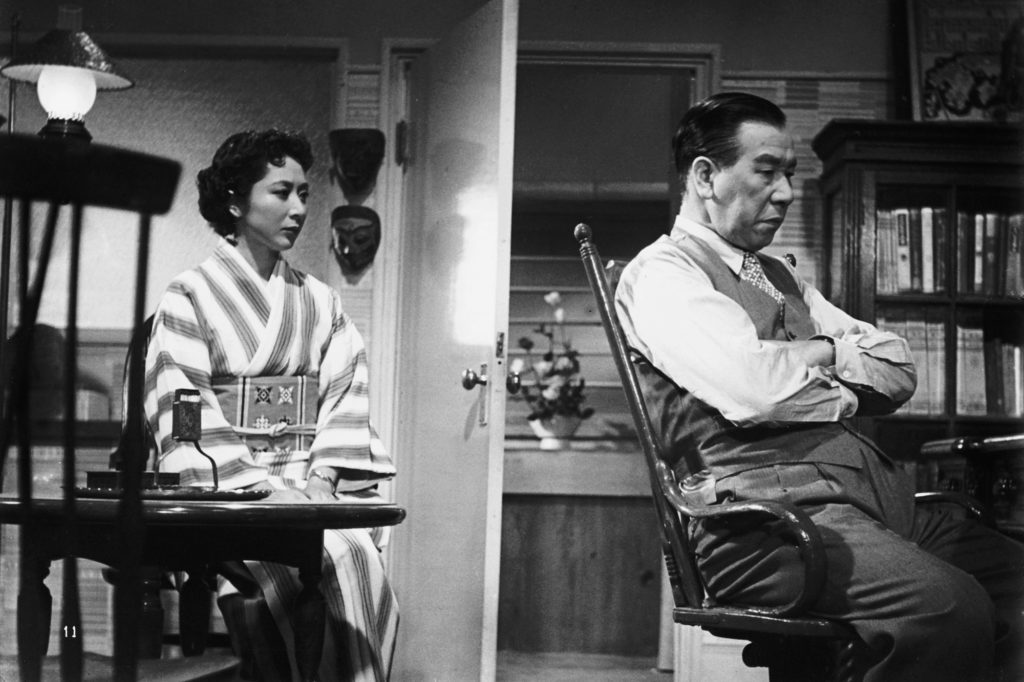
Jolly Cinema
Section: Yuzo Kawashima: The Missing Link
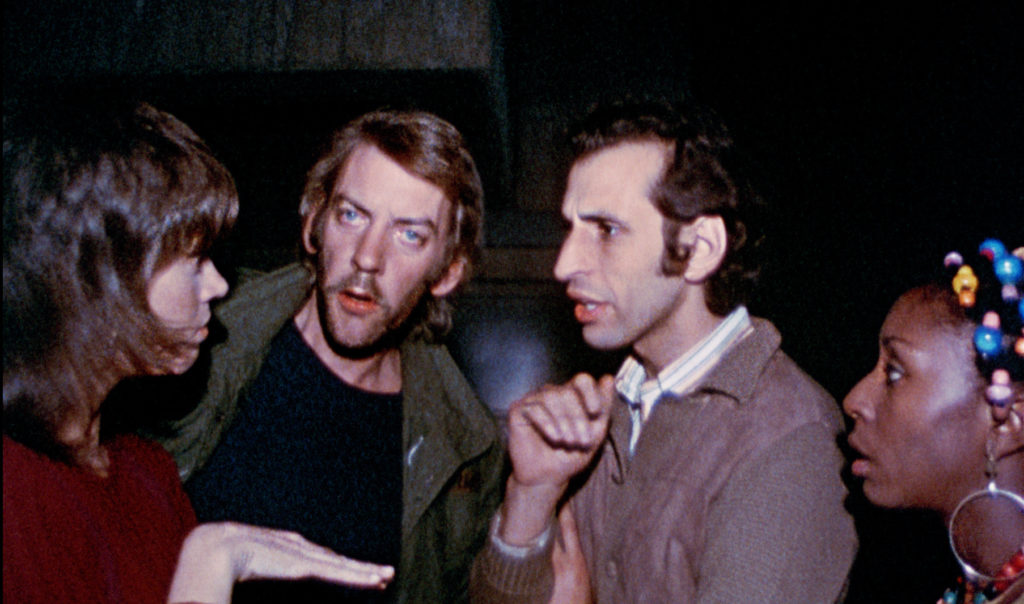
Cinema Odeon
Section: Documents and Documentaries
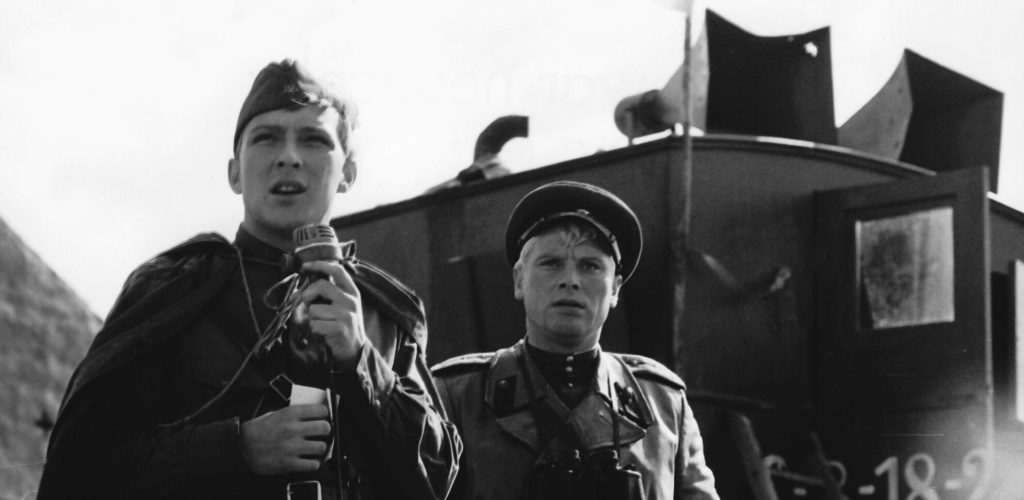
Cinema Lumiere – Sala Scorsese
Introduced by
Stefanie Eckert (DEFA Stiftung)
Section: Konrad Wolf in the Age of Extremes
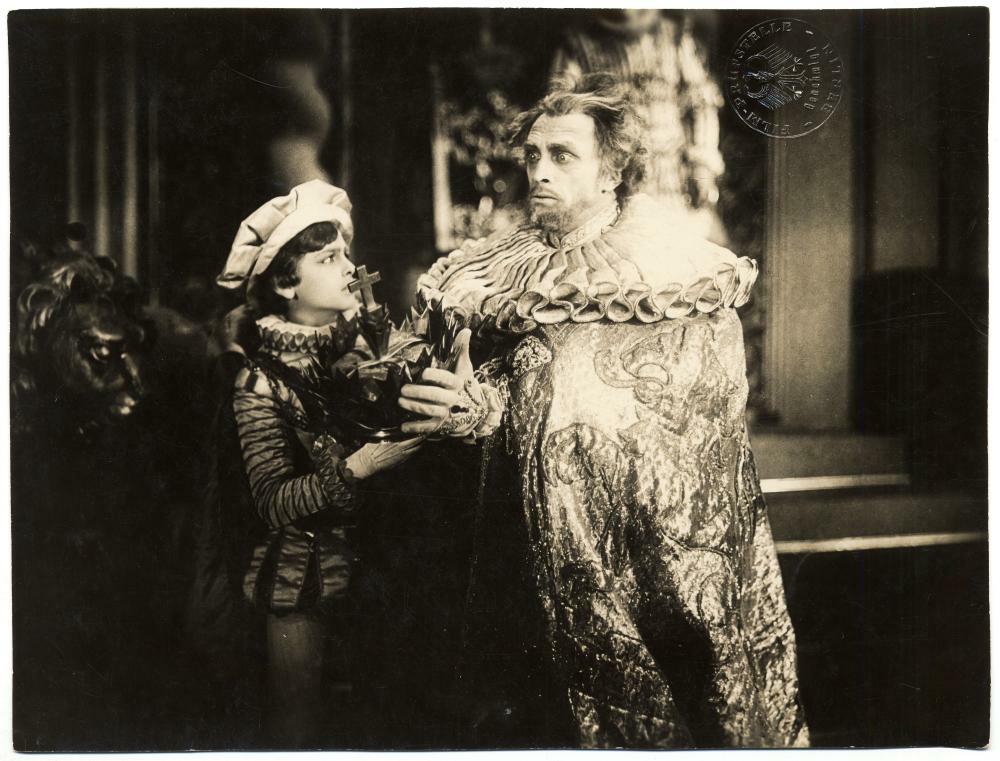
Teatro Comunale di Bologna
Introduced by
Julia Wallmüller (Deutsche Kinemathek)
Recorded musics composed and performed at the piano by Richard Siedhoff
Section: Recovered & Restored
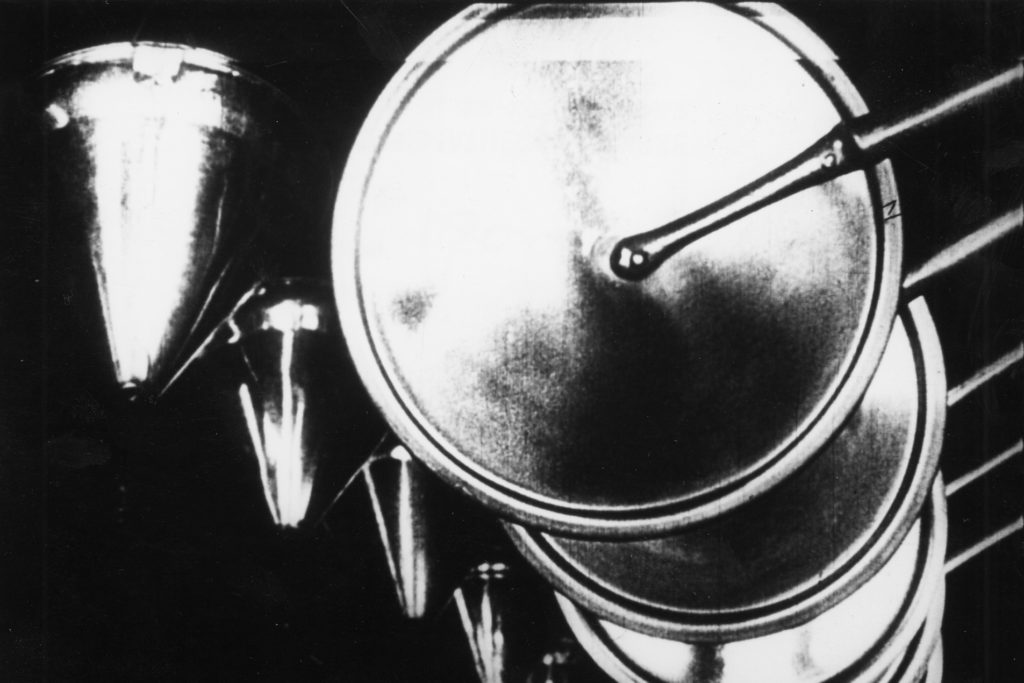
Piazzetta Pier Paolo Pasolini
Section: Il Cinema Ritrovato Kids & Young
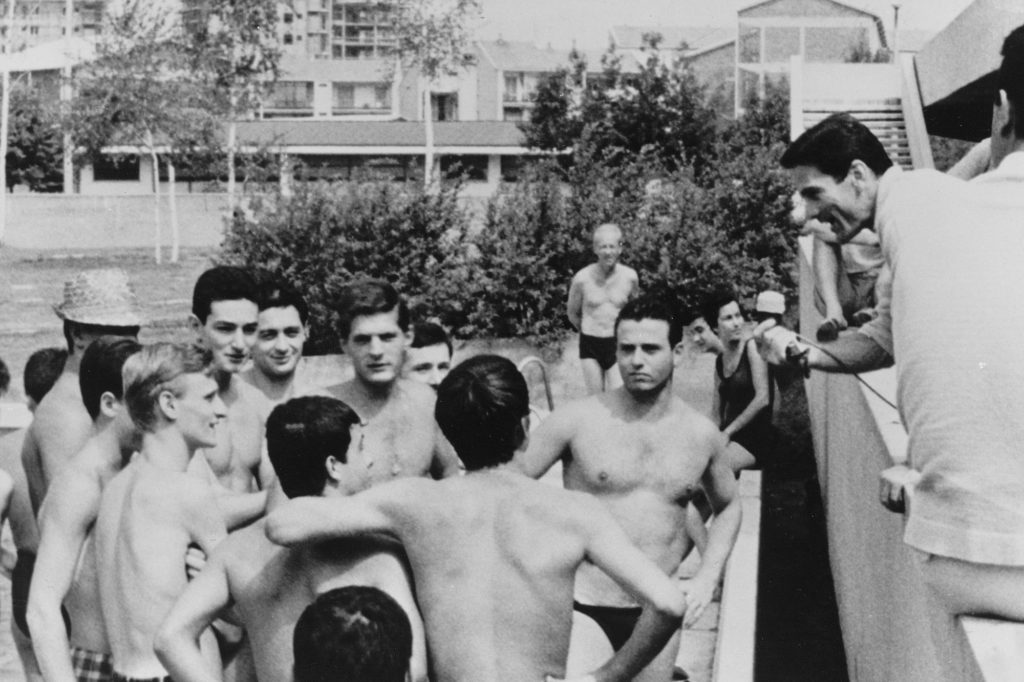
Teatro Auditorium Manzoni
Introduced by
Graziella Chiarcossi
To follow, a selection of outtakes from the film
Section: Recovered & Restored

Piazzetta Pier Paolo Pasolini
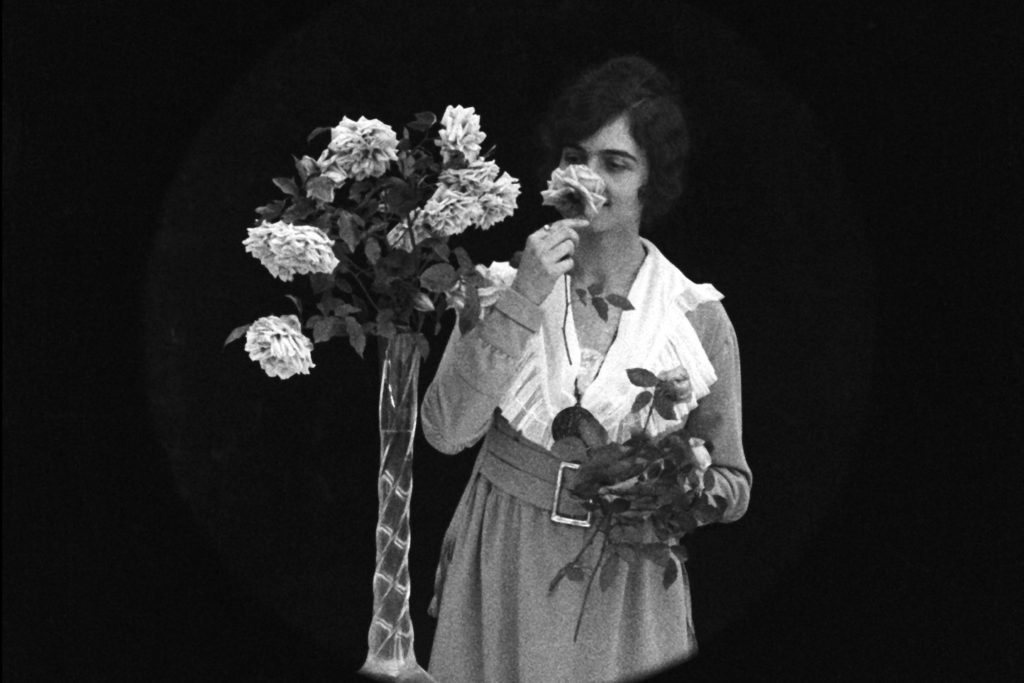
Teatro Comunale di Bologna
Piano accompaniment by
John Sweeney
Section: Recovered & Restored
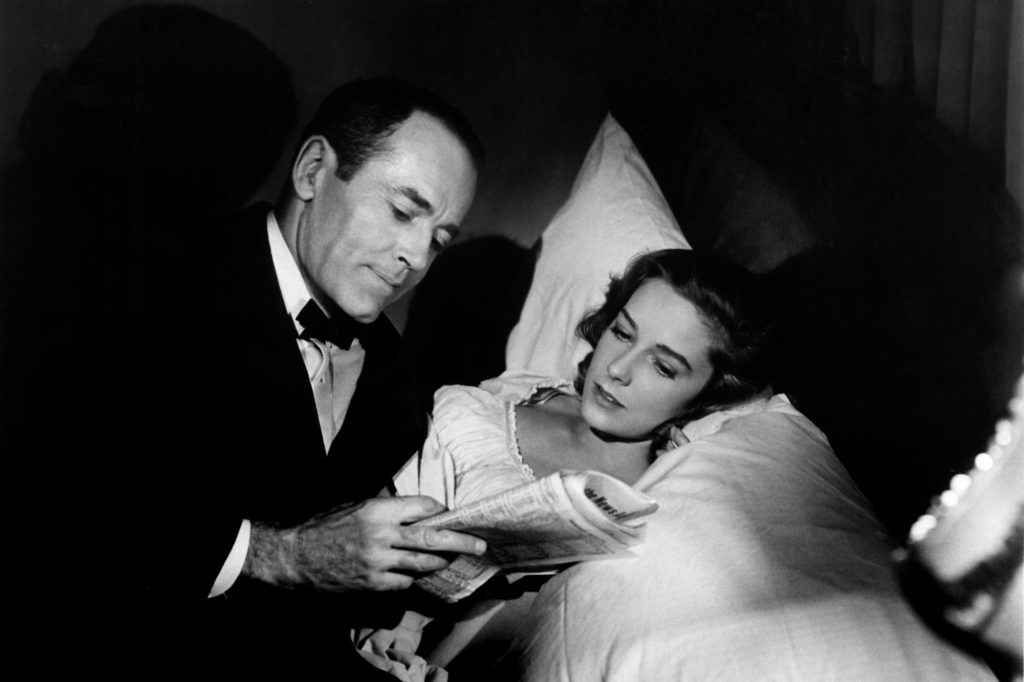
Cinema Odeon
Section: Henry Fonda for President
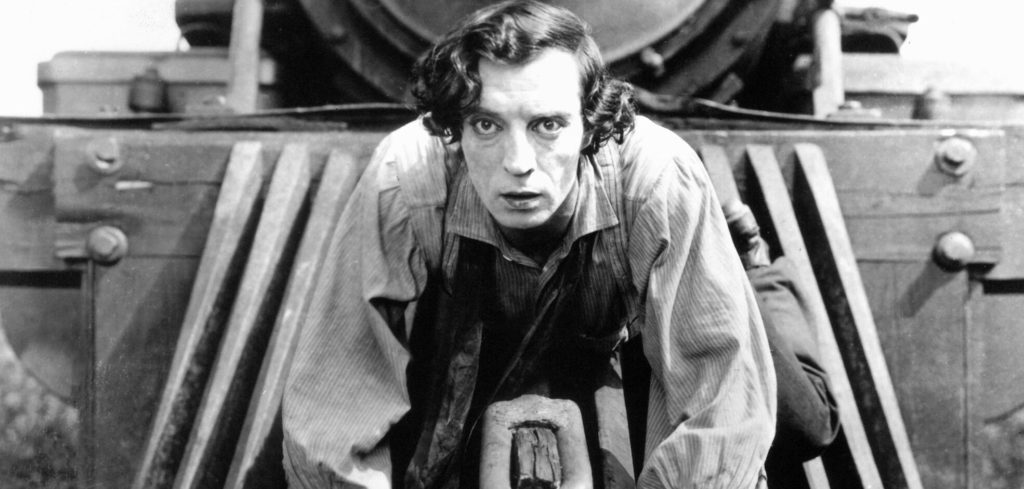
Piazza Maggiore
Musics composed and directed by Timothy Brock.
Live accompaniment by Orchestra del Teatro Comunale di Bologna
(In case of rain, the screening will be canceled)
Section: Buster Keaton!
BarcArena
Introduced by
Dario Argento (on video)
Section: Recovered & Restored
Arena Puccini all’Ippodromo
Section: Recovered & Restored - The Film Foundation 30
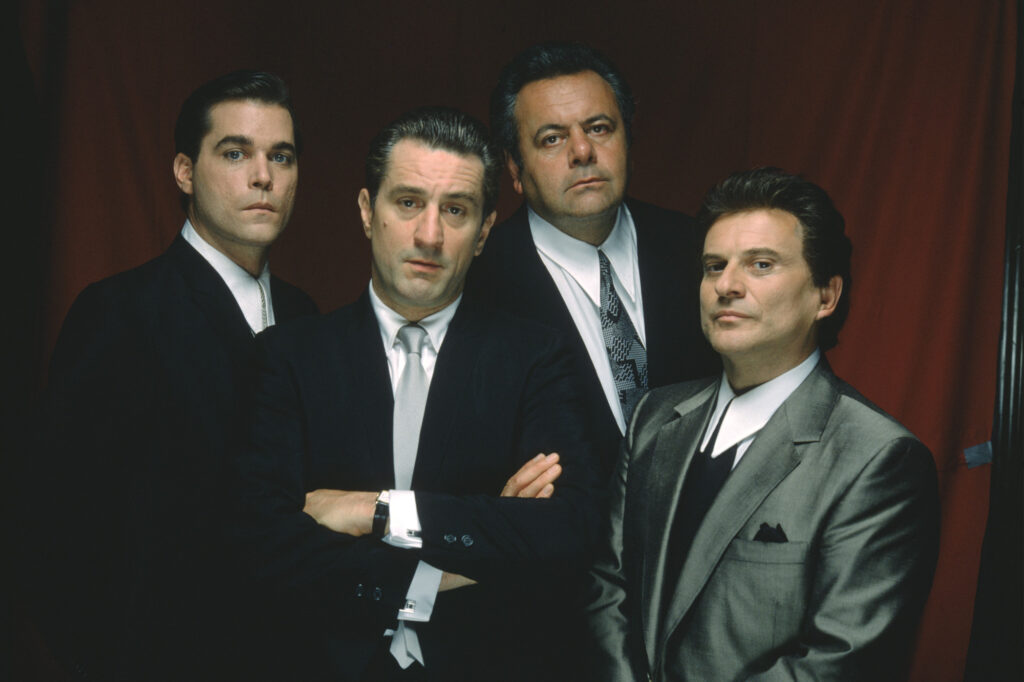
Teatro Auditorium Manzoni
Introduced by
Federico Gironi (Venice Classics)
Section: Venice Classics
Arlecchino Cinema
Preceding:
EL ARTE DEL TABACO
Section: Cinemalibero
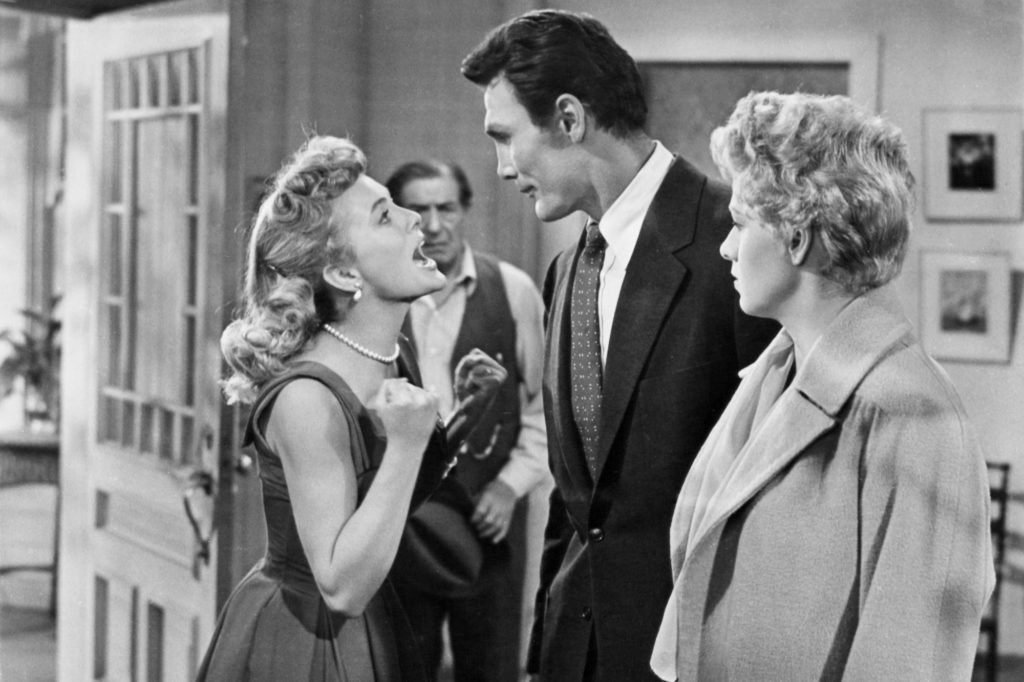
Jolly Cinema
Section: Guns for Hire: Frank Tuttle vs. Stuart Heisler
thursday 27 august
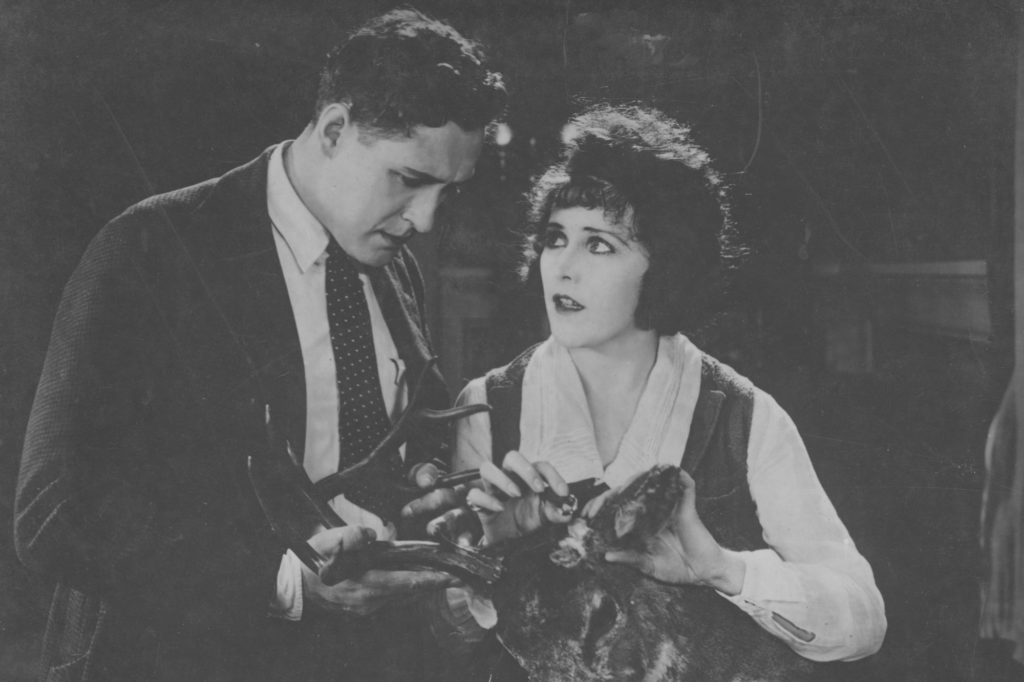
Teatro Comunale di Bologna
Piano accompaniment by
Maud Nelissen
Section: One hundred years ago: 1926
Cinema Lumiere – Sala Scorsese
Piano accompaniment by
Antonio Coppola
Section: Buster Keaton!
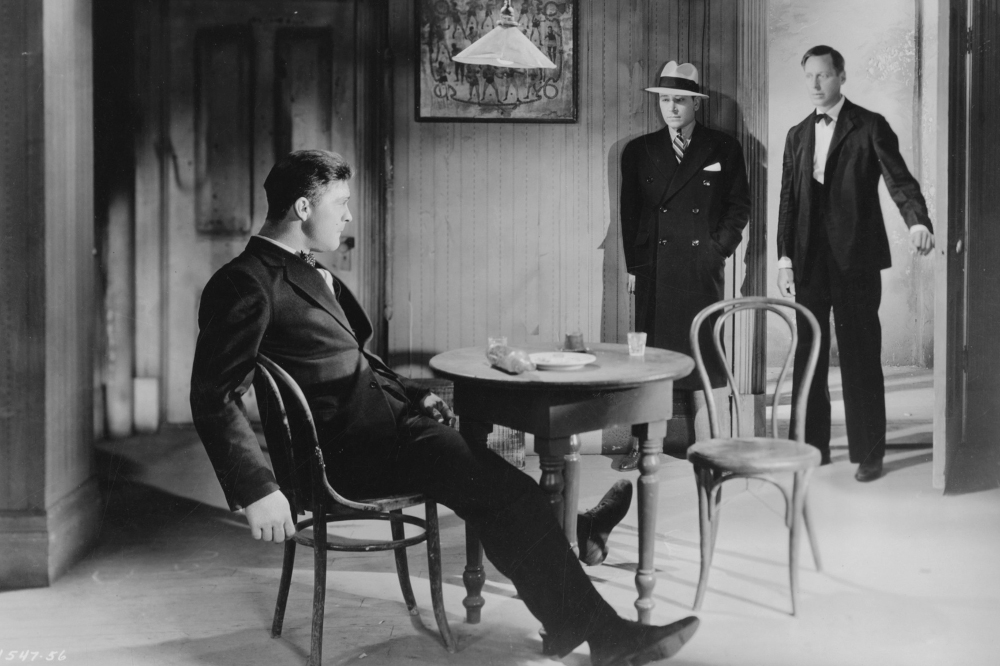
Jolly Cinema
Section: Guns for Hire: Frank Tuttle vs. Stuart Heisler
Cinema Lumiere – Sala Officinema/Mastroianni
Section: Recovered & Restored
Cinema Lumiere – Sala Officinema/Mastroianni
Section: Recovered & Restored
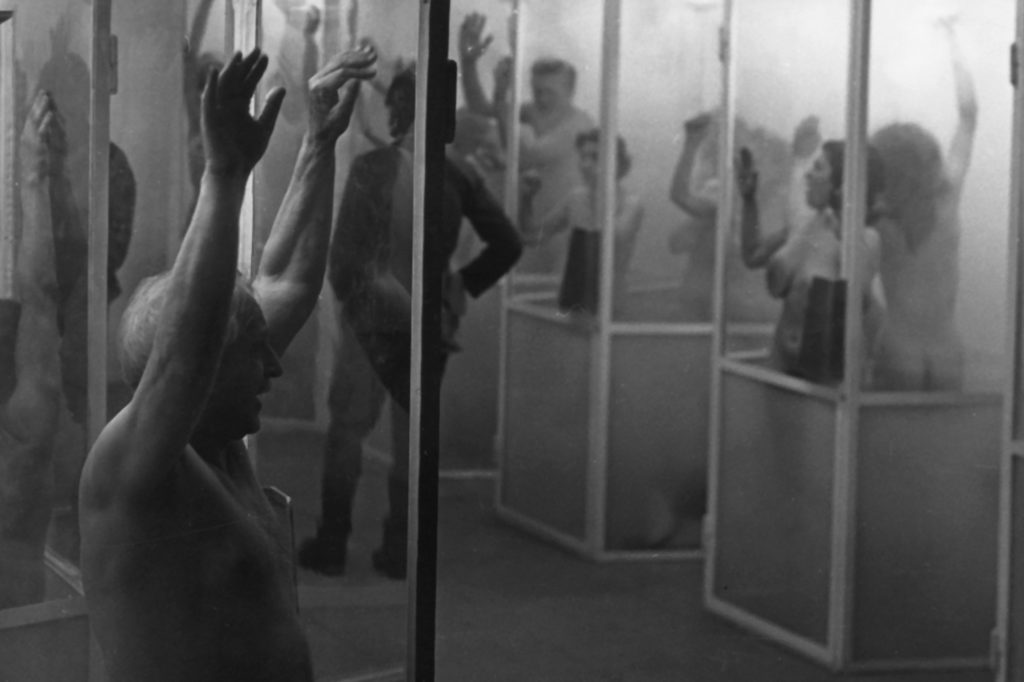
Teatro Auditorium Manzoni
Introduced by
Ráduly György (Magyar Filmintezet)
Section: Venice Classics
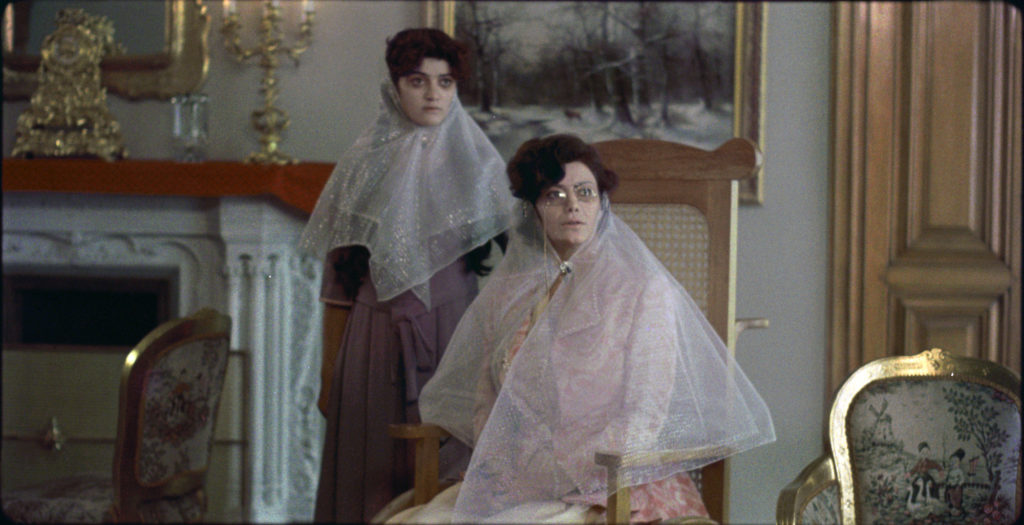
Arlecchino Cinema
Introduced by
Gita Aslani Shahrestani (the director’s daughter)
Section: Cinemalibero - The Film Foundation 30
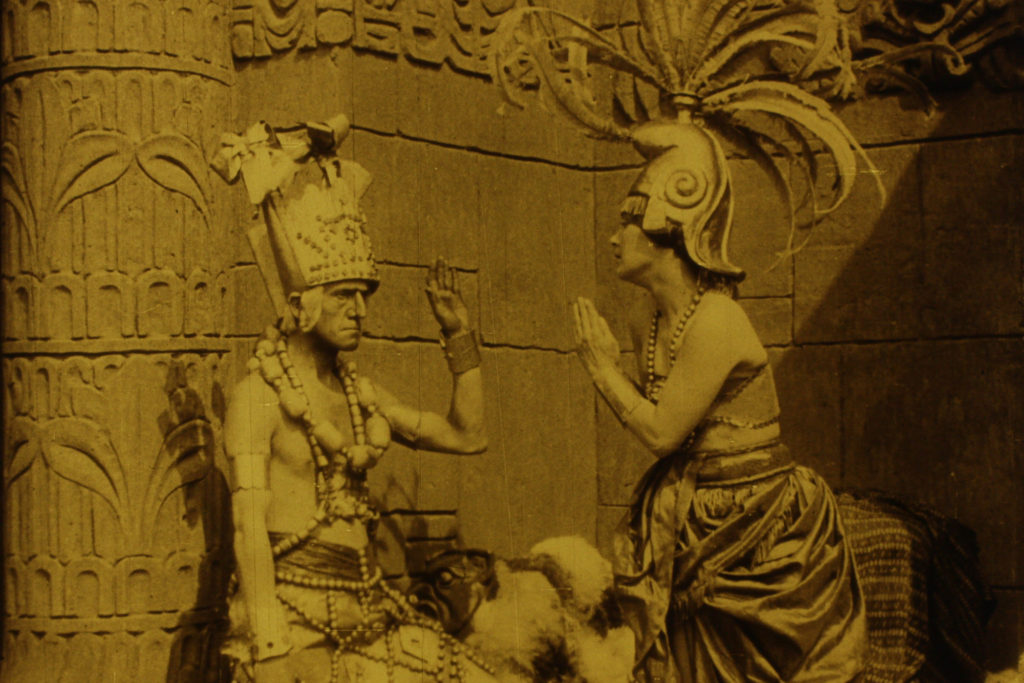
Teatro Comunale di Bologna
Piano accompaniment by
John Sweeney. Drums accompaniment by Frank Bockius
Section: One hundred years ago: 1926
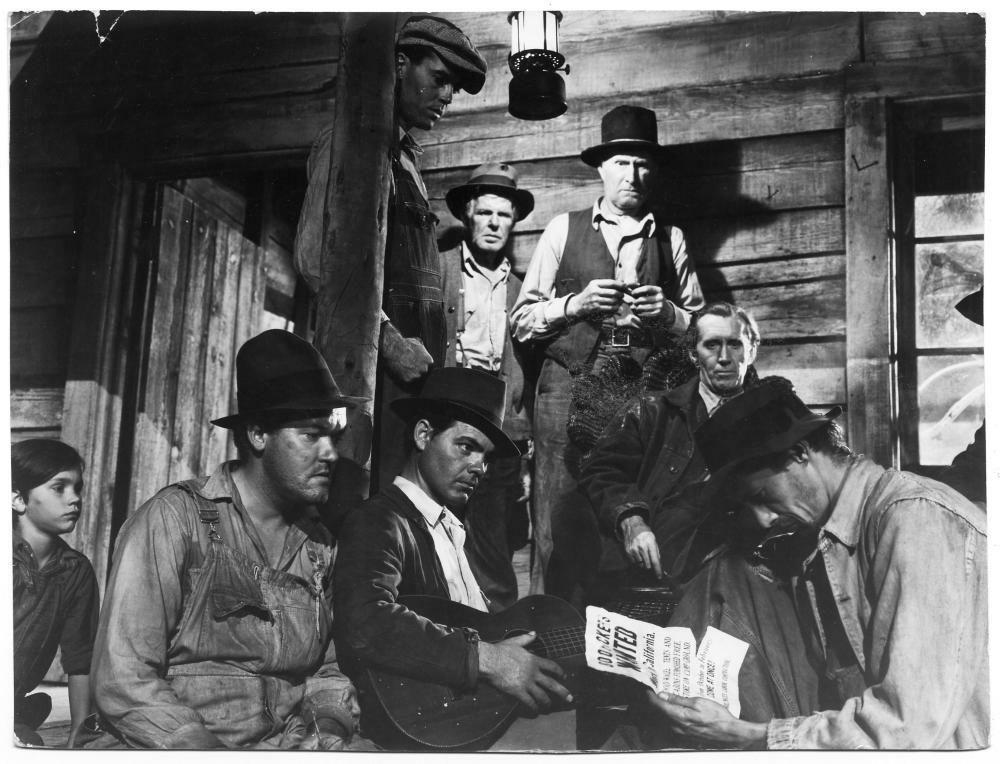
Cinema Odeon
Section: Henry Fonda for President
Cinema Lumiere – Sala Scorsese
Introduced by
Philip Zengel (DEFA Stiftung)
Section: Konrad Wolf in the Age of Extremes
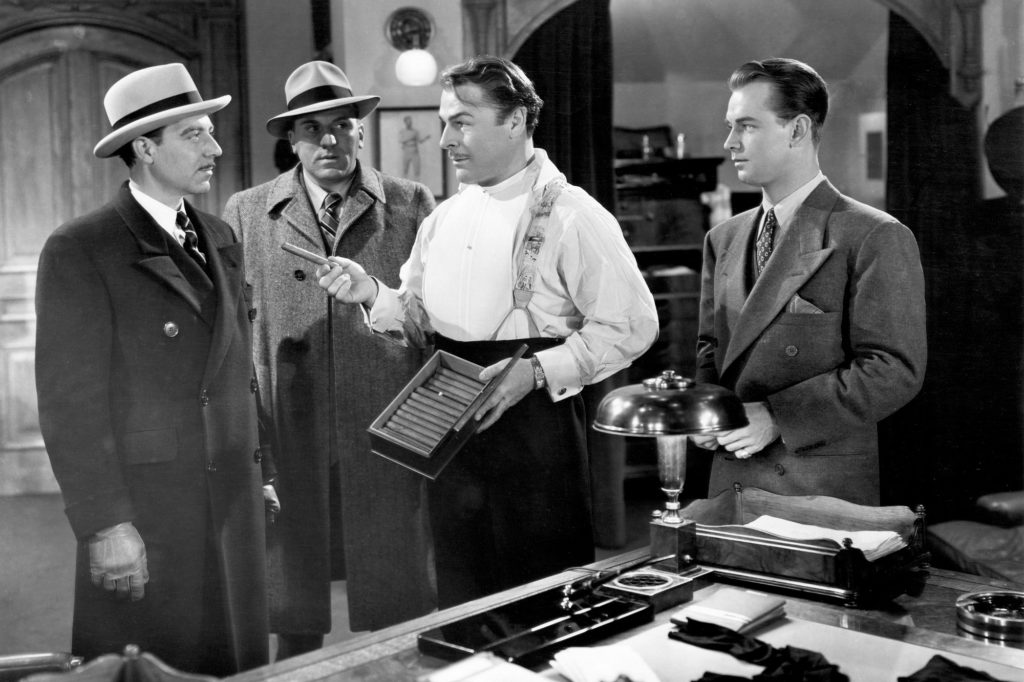
Jolly Cinema
Section: Guns for Hire: Frank Tuttle vs. Stuart Heisler
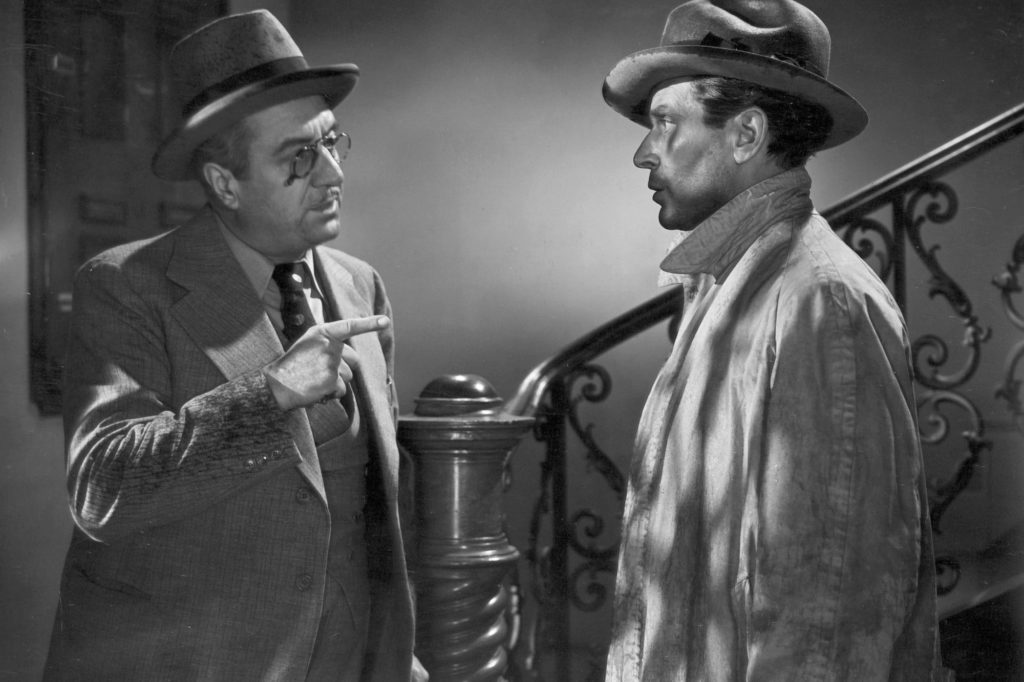
Teatro Auditorium Manzoni
Introduced by
Sophie Seydoux (Fondation Jérôme Seydoux-Pathé)
Section: Recovered & Restored
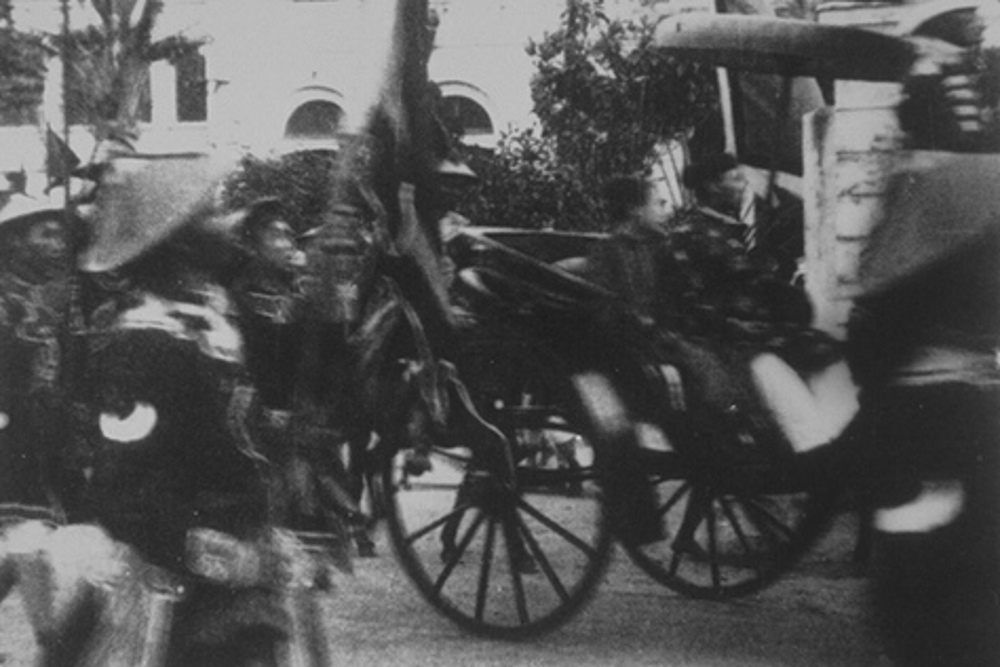
Teatro Comunale di Bologna
Introduced by
Mariann Lewinsky and Karl Wratschko
Section: Century of Cinema: 1906 - Great small gauges

Arlecchino Cinema
Introduced by
Frédéric Bonnaud (Cinémathèque française)
Section: Venice Classics
Cinema Lumiere – Sala Officinema/Mastroianni
Section: Documents and Documentaries
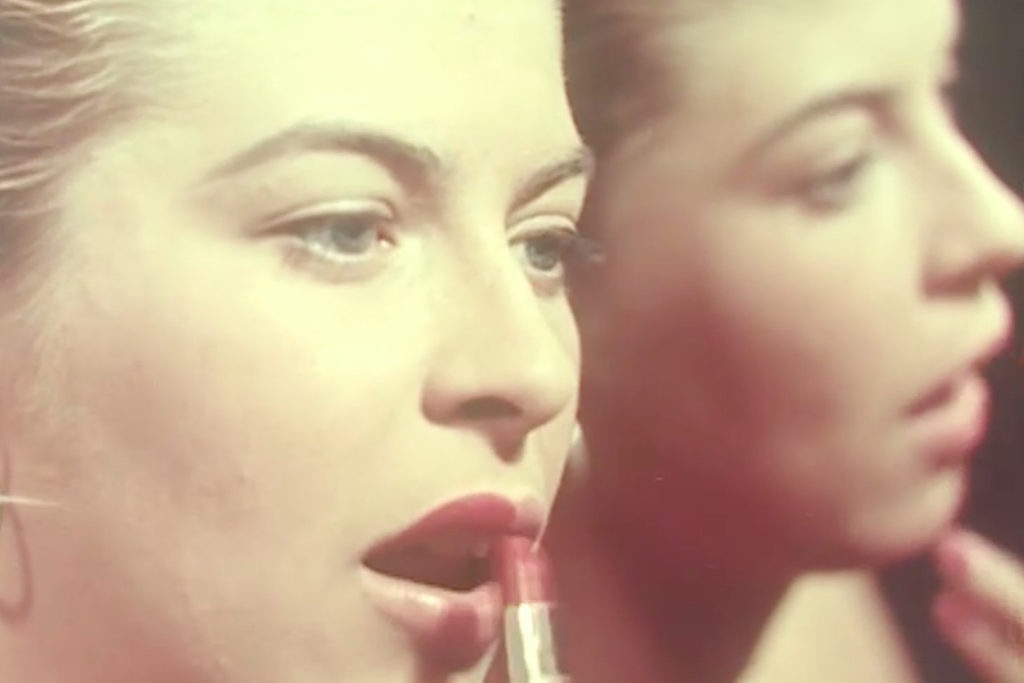
Cinema Lumiere – Sala Scorsese
Section: Gösta Werner: A Sense of Loss
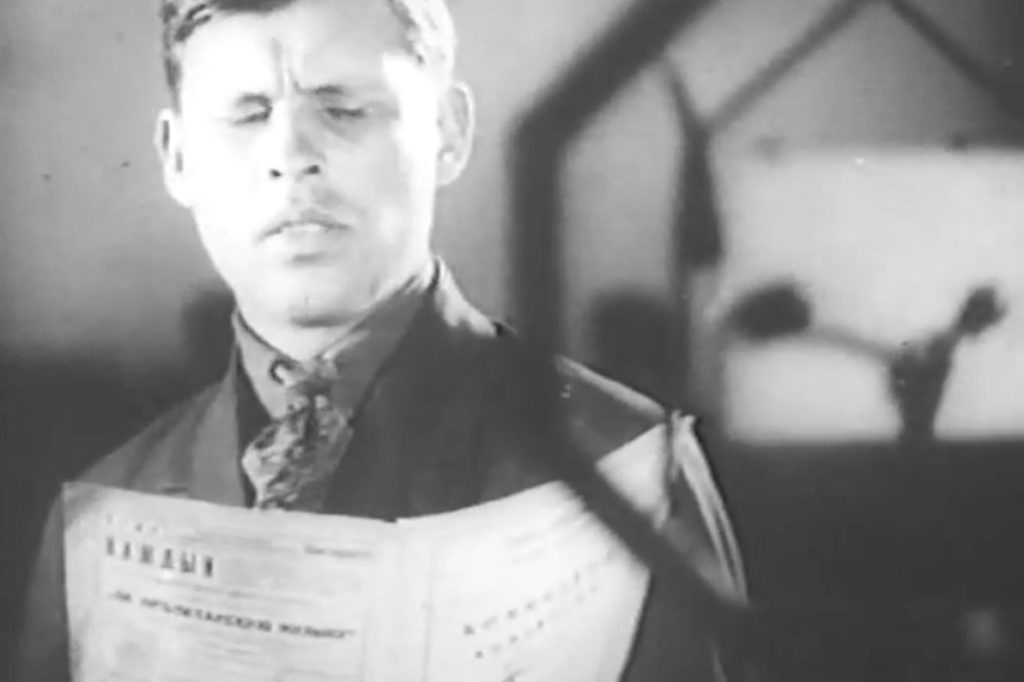
Jolly Cinema
ĖSFIR’ ŠUB
A close associate of Meyerhold, Mayakovsky, the LEF, and Rodchenko, Esfir Shub (1894-1959) considered herself a constructivist. She developed a practice and theory of non-fiction film different from that of Dziga Vertov: in her view, cinema allowed the revelation of past and present history. She started by re-editing foreign films distributed during the New Economic Policy (NEP), such as Fritz Lang’s Dr. Mabuse, on which Sergei Eisenstein worked as an assistant for a few days, then fiction films: Prostitutka (Prostitute), Krylya kholopa (The Wings of a Serf ). In 1927 and 1928 she broke new ground with three compilation films: Padenie dinastii Romanovykh (The Fall of the Romanov Dynasty), Velikii Put (The Great Road), which goes from the February revolution to October, Rossija Nikolaja II i Lev Tolstoj (Russia of Nikolai II and Tolstoy). Segodnja (Today), which confronts the homeland of socialism with the capitalist West, was followed by her first sound film K.Sh.E. – Komsomol – Shef Elektrifikatsii, entirely made up of original material shot by her team, which bears testimony to the industrialisation of the country while (perhaps overly) emphasising the presence of American engineers. The rest of her career reflects the political and aesthetic turn of the 1930s. Her projects, such as Zhenshchini (Women, 1933-1934), were rejected. Ispaniya (Spain, 1939) is mainly valuable for its footage of the Spanish Civil War shot by Roman Karmen. Shub was hailed as the founder of Soviet documentary film, Vertov’s work being thus relegated to the shadows. However, like him, she ended her working life editing war newsreels and political documentaries on topical subjects. Her husband, constructivist Aleksei Gan, was arrested and executed in 1942. Shortly before her death, she published very fragmentary memoirs, Krupnym planom (In Close Up), completed in 1972 by Zhizn moya – kinematograf (Cinema, My Life), both of which remain untranslated.
Irène Bonnaud and Bernard Eisenschitz
Section: Early Women Directors in the Soviet Union
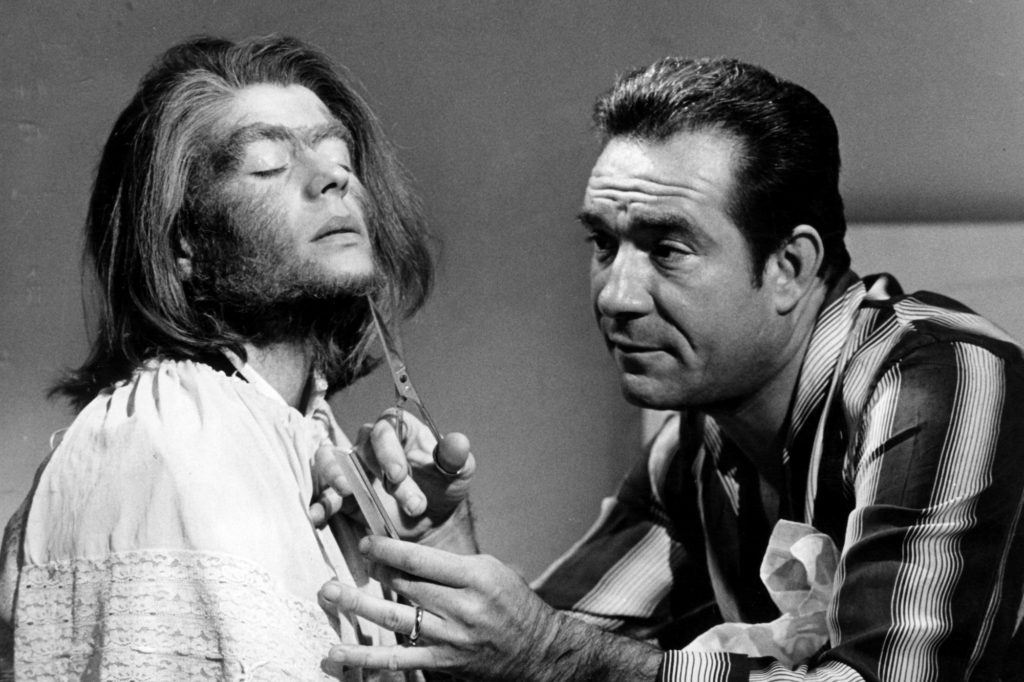
Cinema Odeon
Introduced by
Gabriela Trujillo (Cinémathèque française)
Section: Marco Ferreri Rediscovered
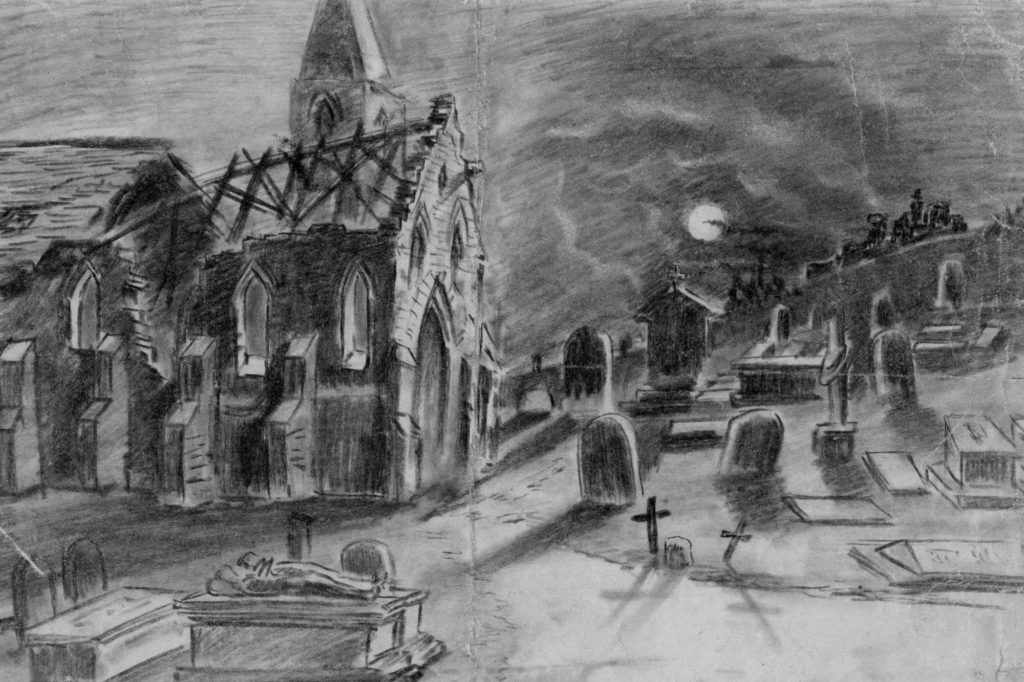
Teatro Comunale di Bologna
Introduced by
Hervé Pichard (Cinémathèque française)
Drum accompaniment by Frank Bockius
Section: Recovered & Restored - Century of Cinema: 1906 - Great small gauges
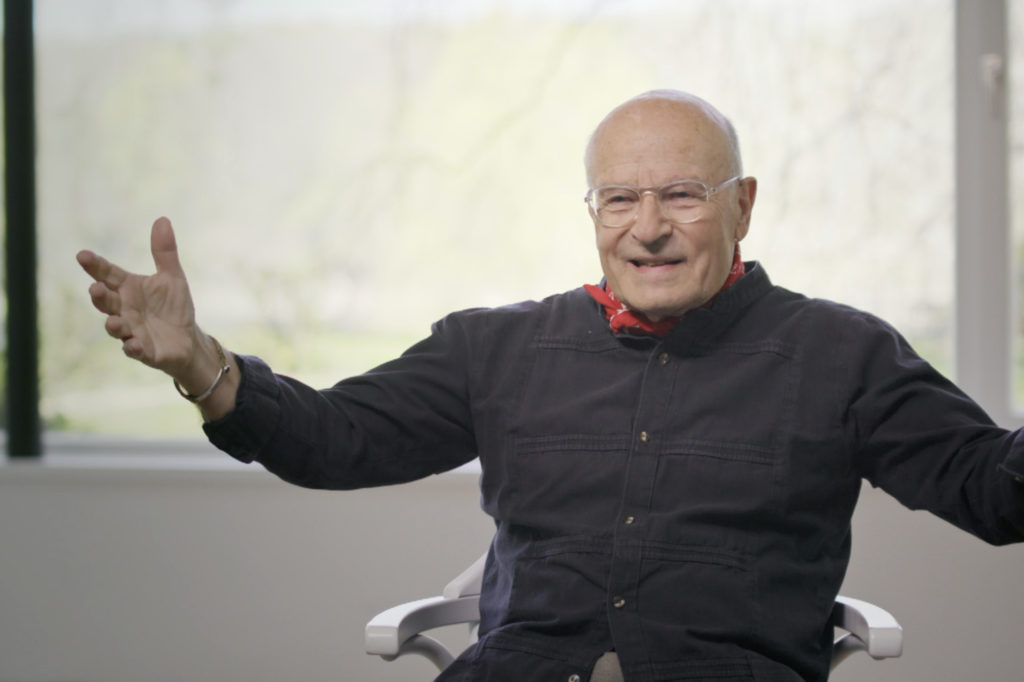
Cinema Lumiere – Sala Officinema/Mastroianni
Following
Cinema lesson with Volker Schlöndorff
Section: Documents and Documentaries
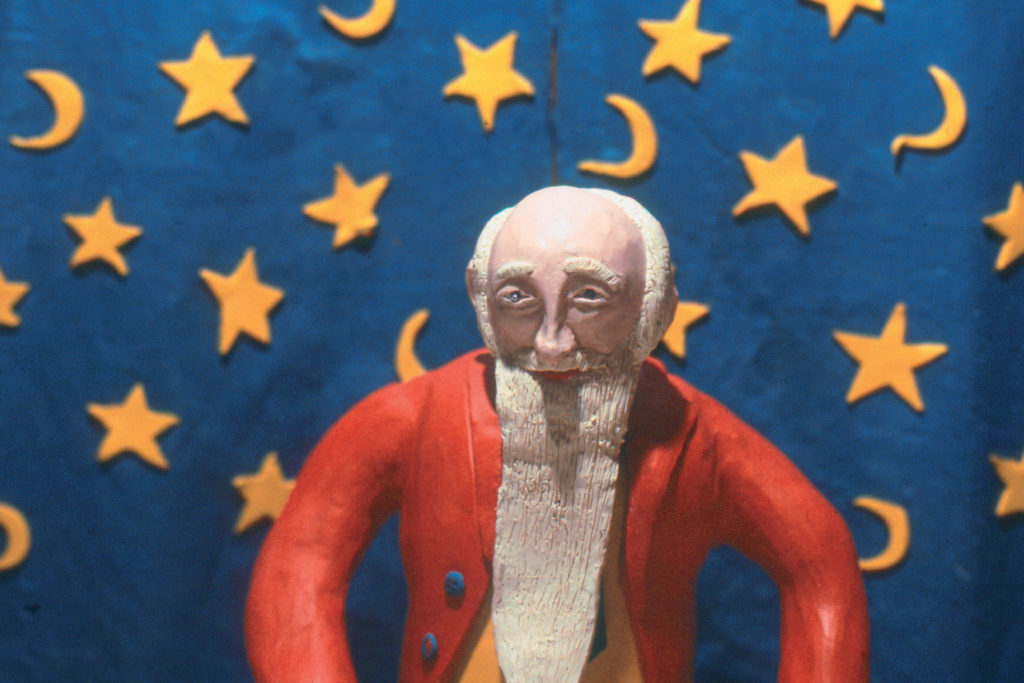
Cinema Lumiere – Sala Scorsese
“There is only one place where wonder, excess and the extreme exist without vulgarity: at the equestrian circus. I think it is popular entertainment at its best. In this splendid world of colours, movement and emotion we rediscover the eternal tramp whose face Chaplin borrowed”. (Federico Fellini)
In the year of Federico Fellini’s centenary, we are celebrating the great Rimini director with a retrospective dedicated to one of his greatest passions both as a child and as an adult. With its characters, masks, colours and sounds, the circus show was an important source of inspiration for Fellini: a common thread that ties together masterpieces such as La strada, Amarcord, 81/2. and of course I clowns, the director’s documentary about the figure of the clown that starts with his childhood memories. The films presented here take us on a journey into the circus world imagined and depicted by directors and animators from different countries and eras.
Ever since its inception, cinema has looked to the circus and popular and street arts for inspiration. The retrospective will open with the circus show Il grande viaggio di Augusto by the company Circo Sotto Sopra and Chaplin’s masterpiece of comedy and melancholy The Circus – screened in the version restored by Cineteca di Bologna –, a fundamental film that defined Fellini’s cinematic imagery.
The programme is enlivened by a selection of animated shorts made by people who have creatively reinvented clown, acrobatic and juggling routines using different techniques and materials, from Karel Zeman’s puppet animation to the animation of coloured objects and pieces of fabric by Cristina Lastrego and Francesco Testa.
PARAPLÍČKO
(The Little Umbrella, Czechoslovakia/1957) by Břetislav Pojar (16’)
KOMU PATŘÍ JEJÍ SRDCE
(Deux coeurs en piste, Czechoslovakia/1983 ) by Zdeněk Ostrčil (9’)
TIGERIS
(The Tiger, Latvia/2010) by Janis Cimermanis (8’)
LE PETIT CIRQUE DE TOUTES LES COULEURS
(France/1986) by Jacques-Rémy Girerd (8’)
Section: Il Cinema Ritrovato Kids & Young
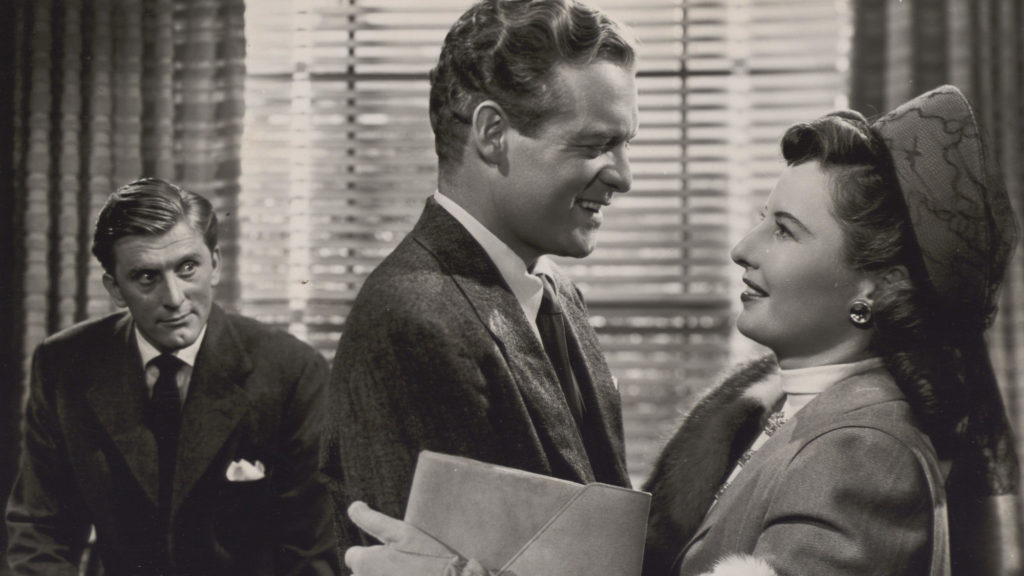
Teatro Auditorium Manzoni
Section: Recovered & Restored
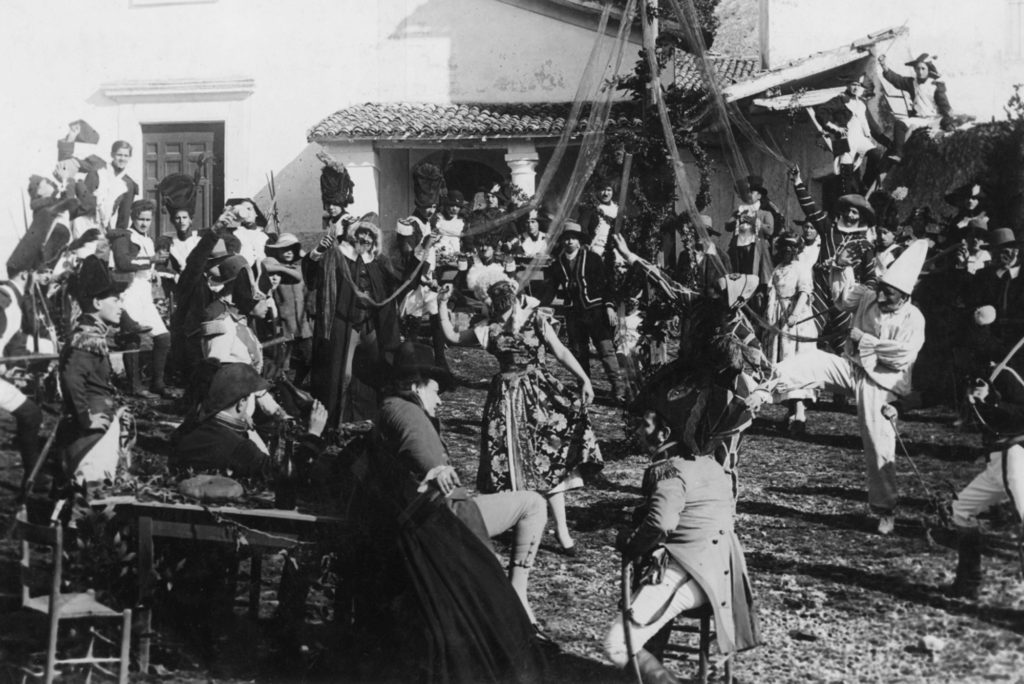
Teatro Comunale di Bologna
Introduced by
Gian Luca Farinelli
Piano accompaniment by
Antonio Coppola
Section: Recovered & Restored
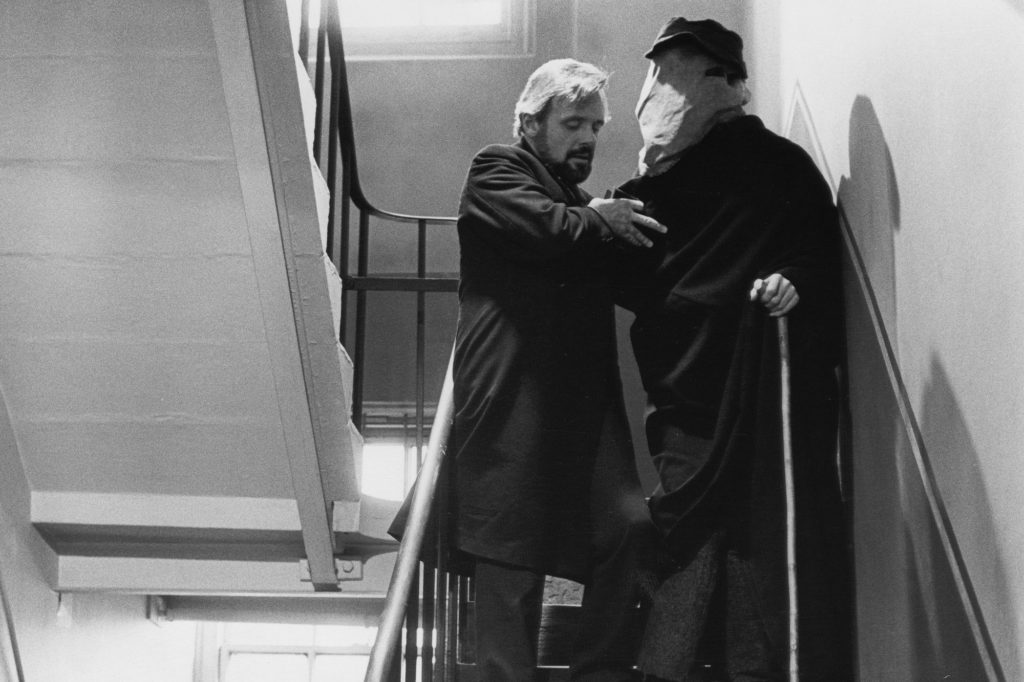
Arlecchino Cinema
Introduced by
Roy Menarini
Section: Recovered & Restored
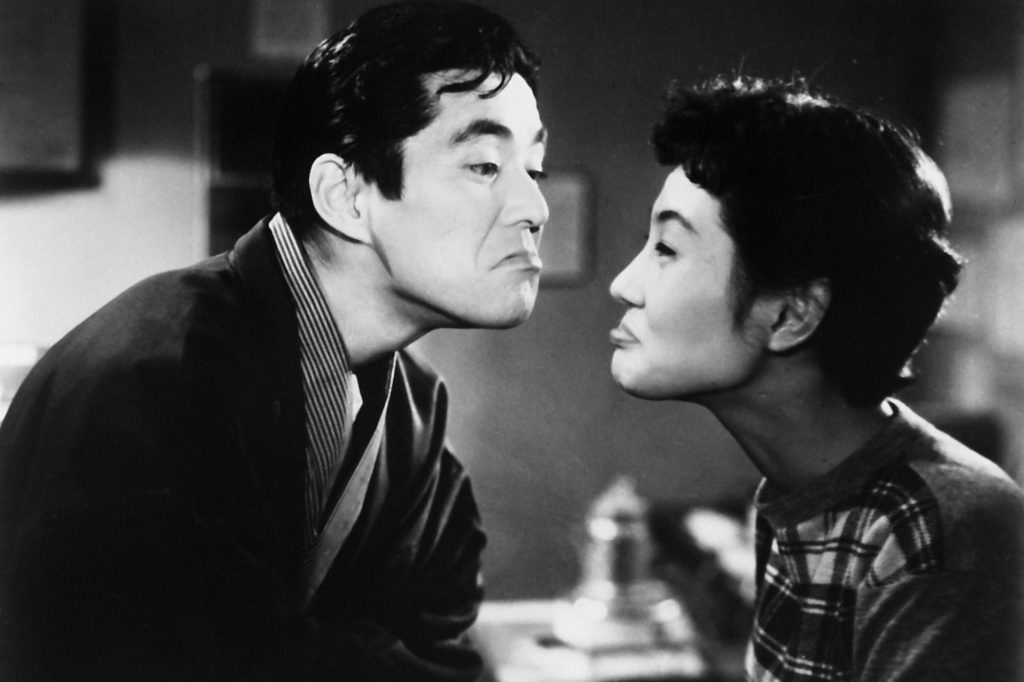
Jolly Cinema
Introduced by
Alexander Jacoby
Section: Yuzo Kawashima: The Missing Link
Cinema Lumiere – Sala Scorsese
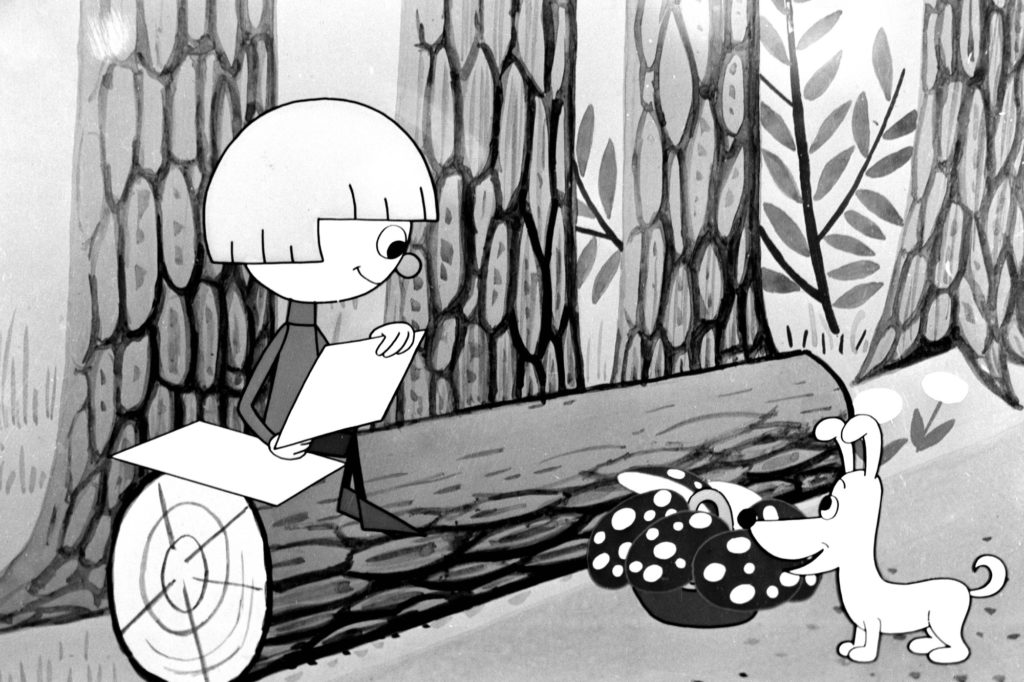
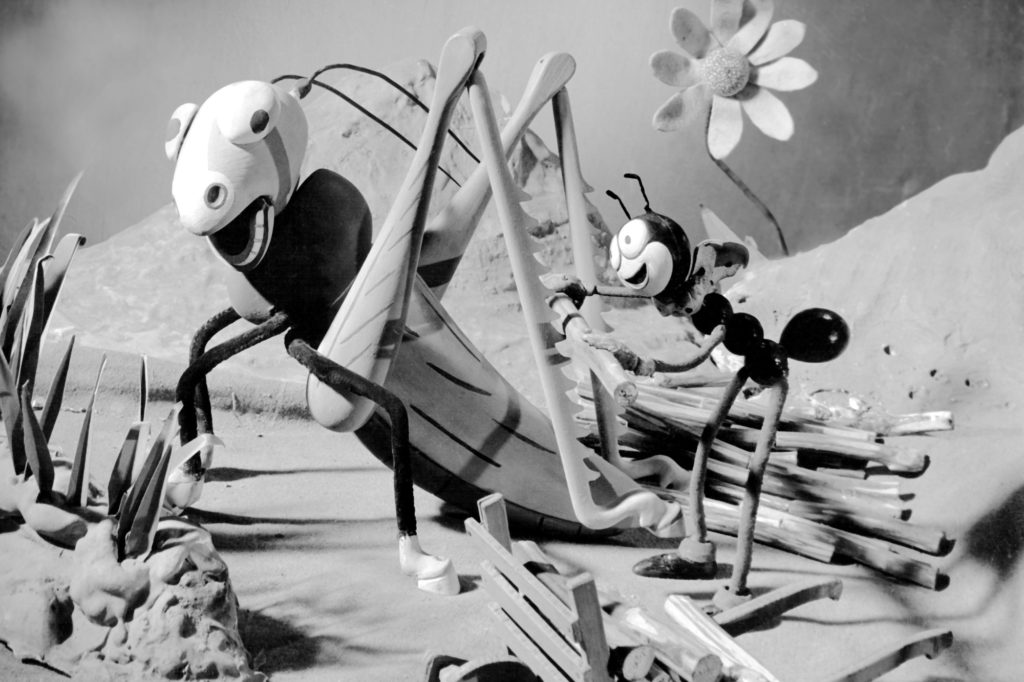
Created for the youngest of audiences, this section is a tribute to the great era of Eastern European cinema, which revolutionised the cartoon world between the 1940s and 1980s, rivalling the ever- growing popularity of Disney films. The animation studios of the Socialist bloc were the breeding ground of extraordinary artists whose use of artisanal techniques such as puppet animation and animated drawing gave life to works that still amaze audiences today with their experimentalism and originality. Among the short films on the programme is Ferda mravenec, the first appearance of the anthropomorphic ant Ferda, created from the imagination of the mother of Czech animation, Hermína Týrlová. From the Filmoteka Narodowa-Instytut Audiowizualny in Warsaw are two enchanting episodes of the series Zaczarowany ołówek, presented here in a restored version.
FERDA MRAVENEC
(Ferda the Ant, Cecoslovacchia/1944) di Hermína Týrlová, Ladislav Zástěra (10’)
UZEL NA KAPESNÍKU
(The Knot in the Handkerchief, Cecoslovacchia/1958) di Milos Komárek, Josef Pinkava, Hermína Týrlová (15’)
ANIMÁLIA – ÁLLATSÁGOK
(Ungheria/1977) di Tibor Hernádi (6’)
NA PODWÓRZU
(In the Backyard, Polonia/1964) di Karol Baraniecki (10’)
ZBŁĄKANI W LESIE
(Lost in the Forest, Polonia/1965) di Andrzej Piliczewski (9’)
Year by year, Filmoteka Narodowa-Instytut Audiowizualny unceasingly works on preservation, digitization, and restoration of its wonderful collection of films made by the Se-Ma-For studio. This year we present newly restored gems from the collection of the classic Polish animation cinema: two episodes of Zaczarowany ołówek, one of the most popular and beloved cartoon series for children, brought to life by a cartoonist Karol Baraniecki, between 1964 and 1977. Its main protagonists, a boy named Piotr and his dog, are set off on many different adventures, solving problems with the aid of an enchanted pencil, which can materialize anything that has been drawn with it. This lovely cartoon, with its distinctive and recognizable leitmotiv, has stolen hearts of many Polish children since the 60s, and we are happy to share it with the most wonderful young audience of Il Cinema Ritrovato.
Iga Harasimowicz and Anna Sienkiewicz-Rogowska
3 years and above
Section: Il Cinema Ritrovato Kids & Young
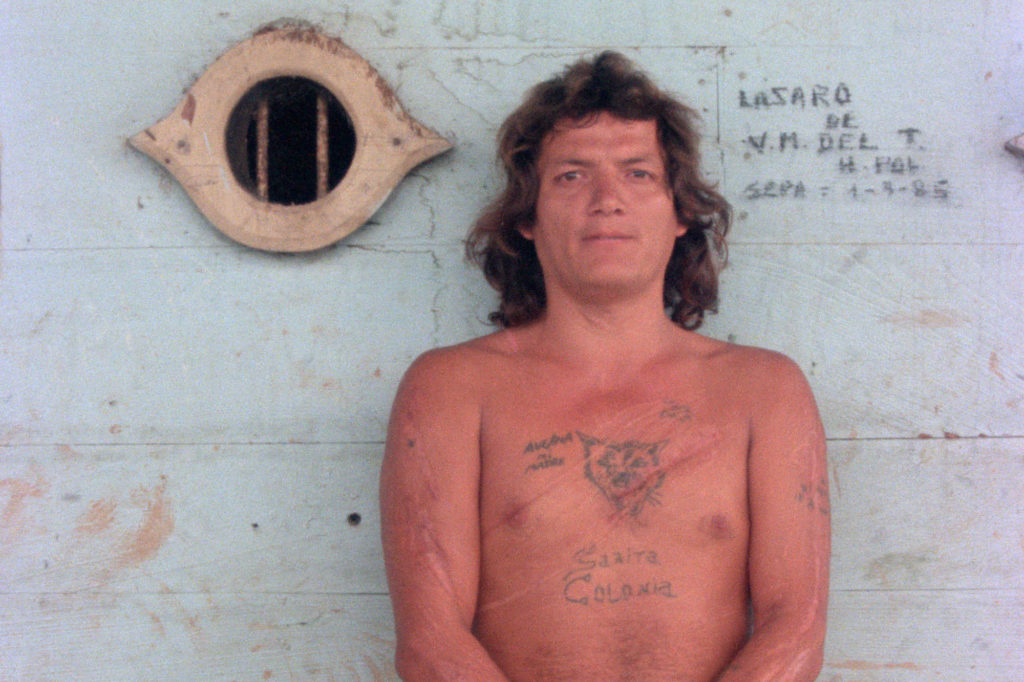
Cinema Odeon
Introduced by
Micaela Saxer and Frédéric Maire
Following: meeting with Gian Luca Farinelli, Micaela Saxer, Adriano Sofri
Section: Documents and Documentaries
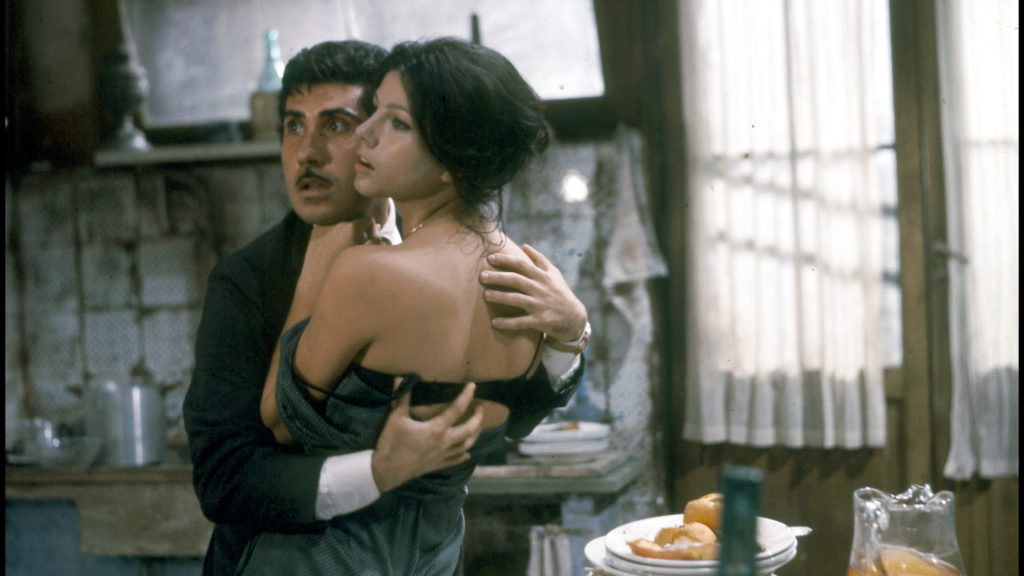
Teatro Auditorium Manzoni
Section: Venice Classics
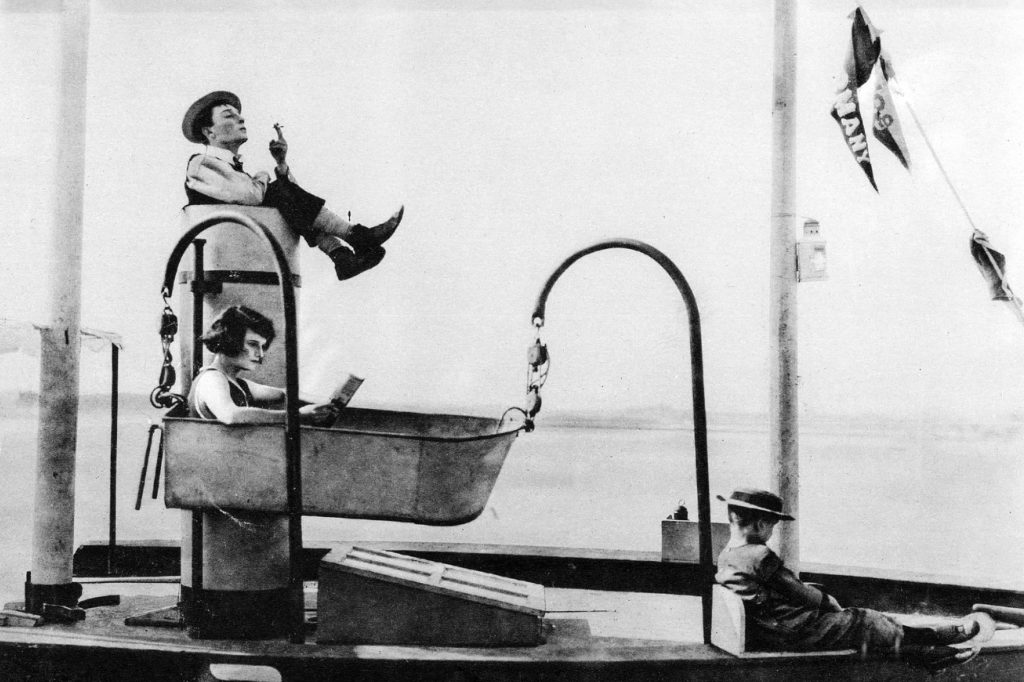
Teatro Comunale di Bologna
Piano accompaniment by
Meg Morley
Section: Buster Keaton!
Piazzetta Pier Paolo Pasolini
Section: Il Cinema Ritrovato Kids & Young

Piazzetta Pier Paolo Pasolini
Section: Recovered & Restored
Teatro Comunale di Bologna
Piano accompaniment by
Meg Morley
Section: Recovered & Restored
Cinema Odeon
Section: Henry Fonda for President
Piazza Maggiore
Introduced by
Sophie Seydoux (Fondation Jérôme Seydoux-Pathé)
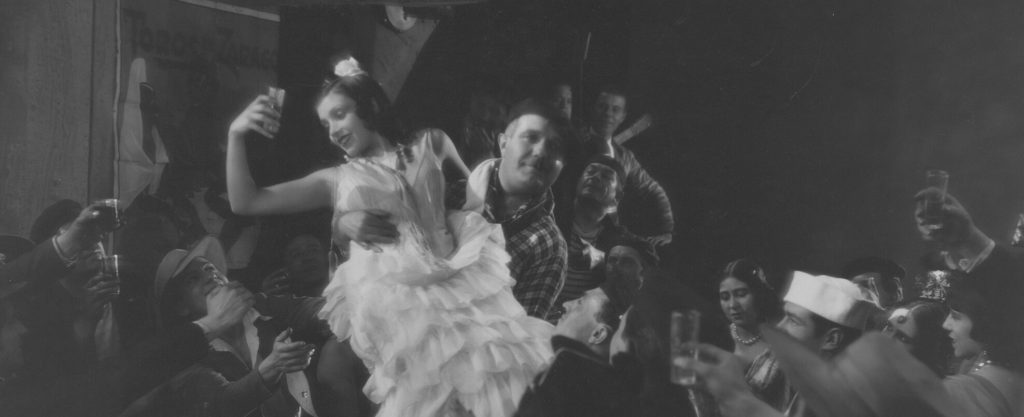
Accompaniment by Daniele Furlati (piano) e Alberto Capelli (flamenco guitar), Charo Martin (cantaora)
In case of rain, the screening will be canceled
Section: Recovered & Restored
BarcArena
Introduced by
Ginevra Elkann
Section: Recovered & Restored
Arena Puccini all’Ippodromo
Section: Recovered & Restored
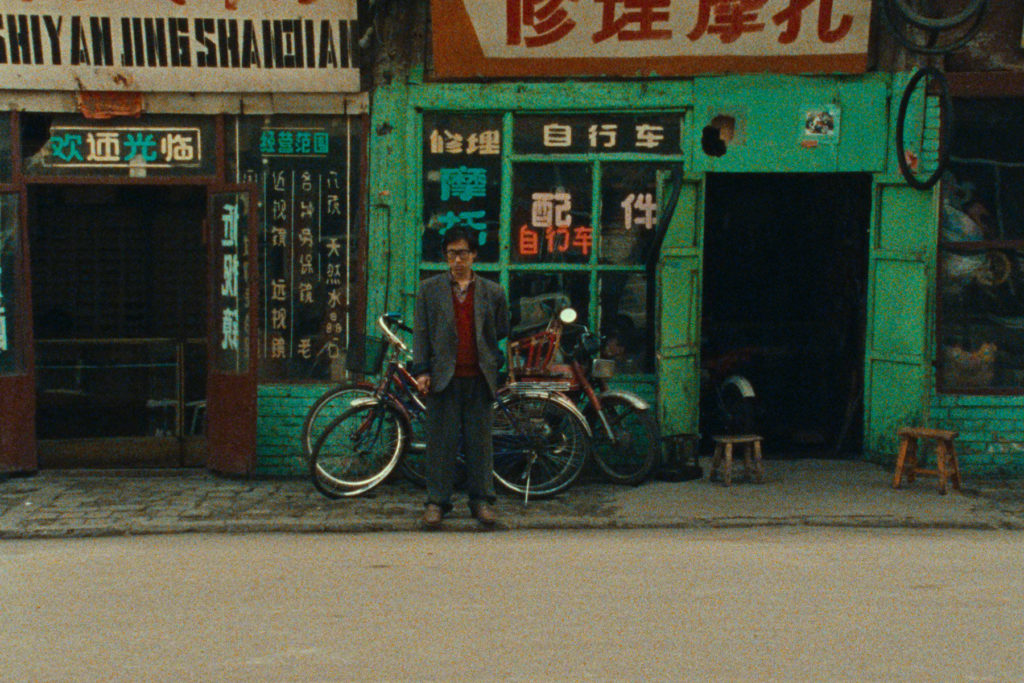
Arlecchino Cinema
Introduced by
Marina Timoteo (Istituto Confucio di Bologna)
Section: Cinemalibero - The Film Foundation 30
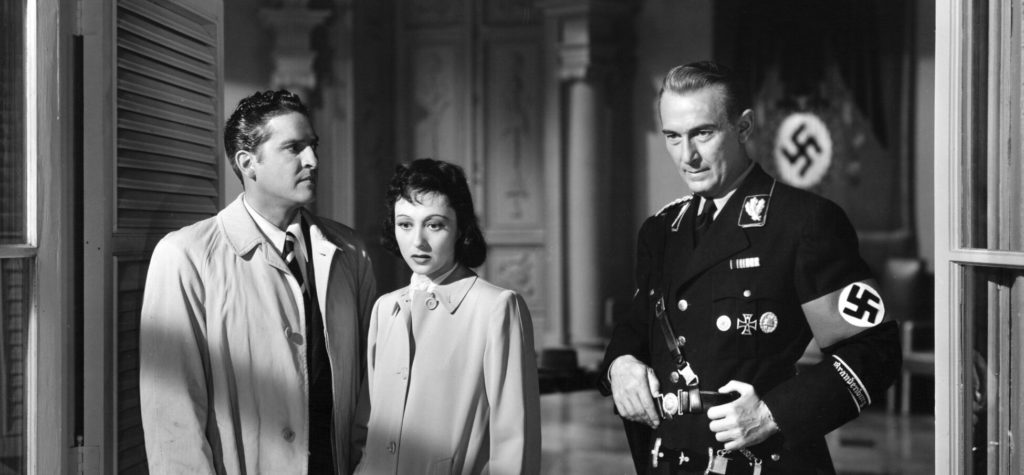
Jolly Cinema
Section: Guns for Hire: Frank Tuttle vs. Stuart Heisler
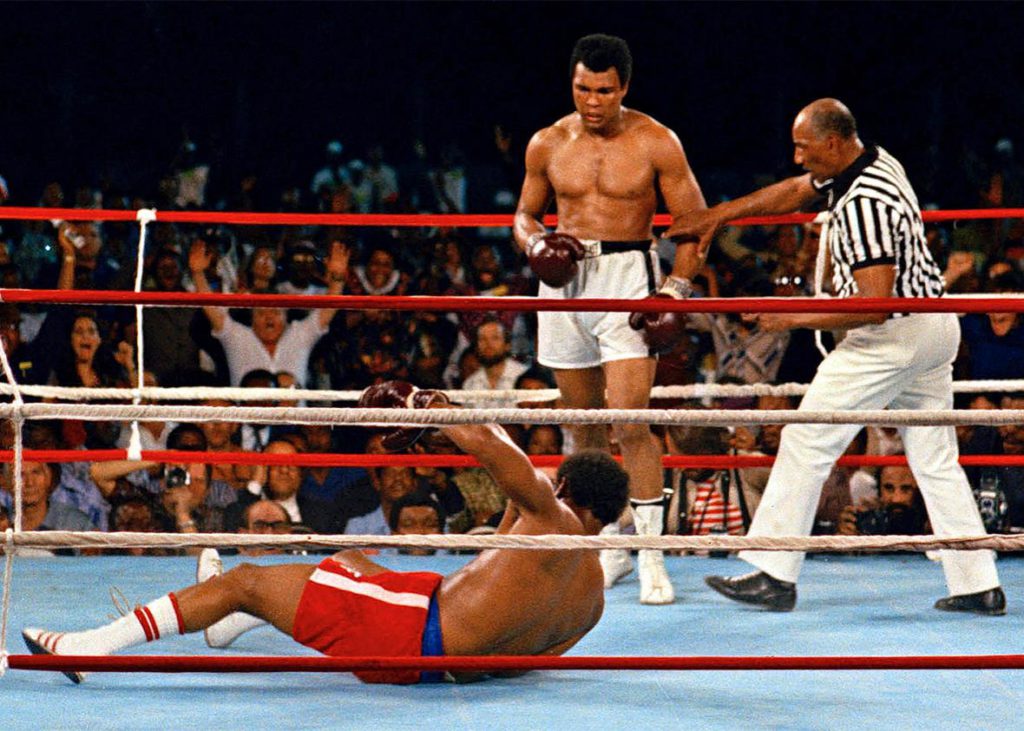
Teatro Auditorium Manzoni
Section: Documents and Documentaries
friday 28 august
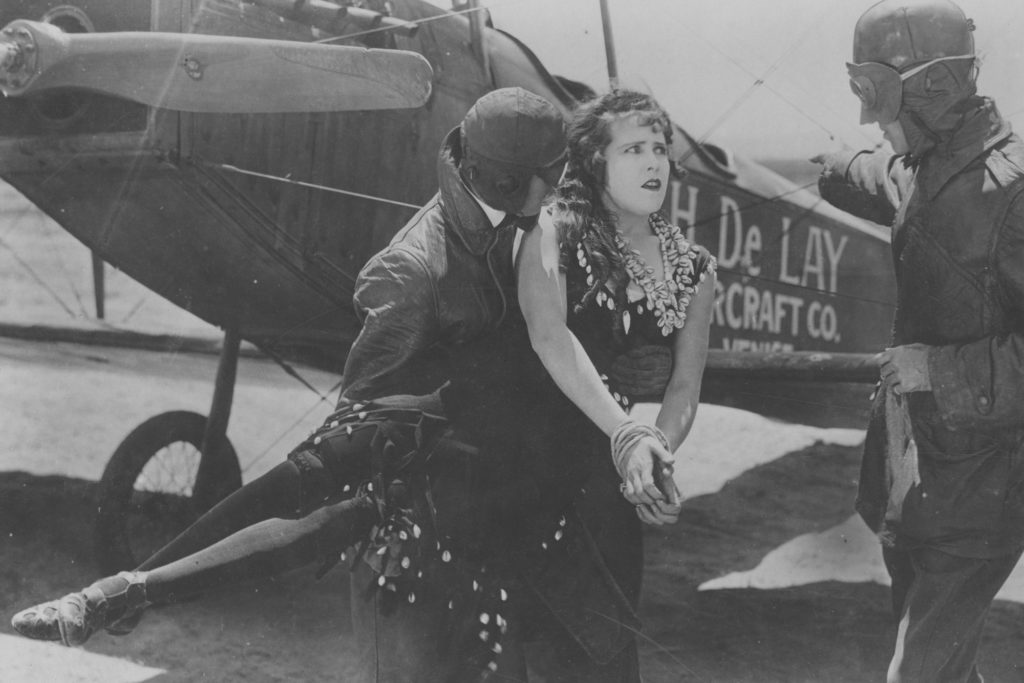
Teatro Comunale di Bologna
Piano accompaniment by
Antonio Coppola
Section: One hundred years ago: 1926
Cinema Lumiere – Sala Scorsese
Musics recorded, composed and performed at the piano by Richard Siedhoff
Section: Recovered & Restored
Jolly Cinema
Introduced by
Ehsan Khoshbakht
Section: Guns for Hire: Frank Tuttle vs. Stuart Heisler
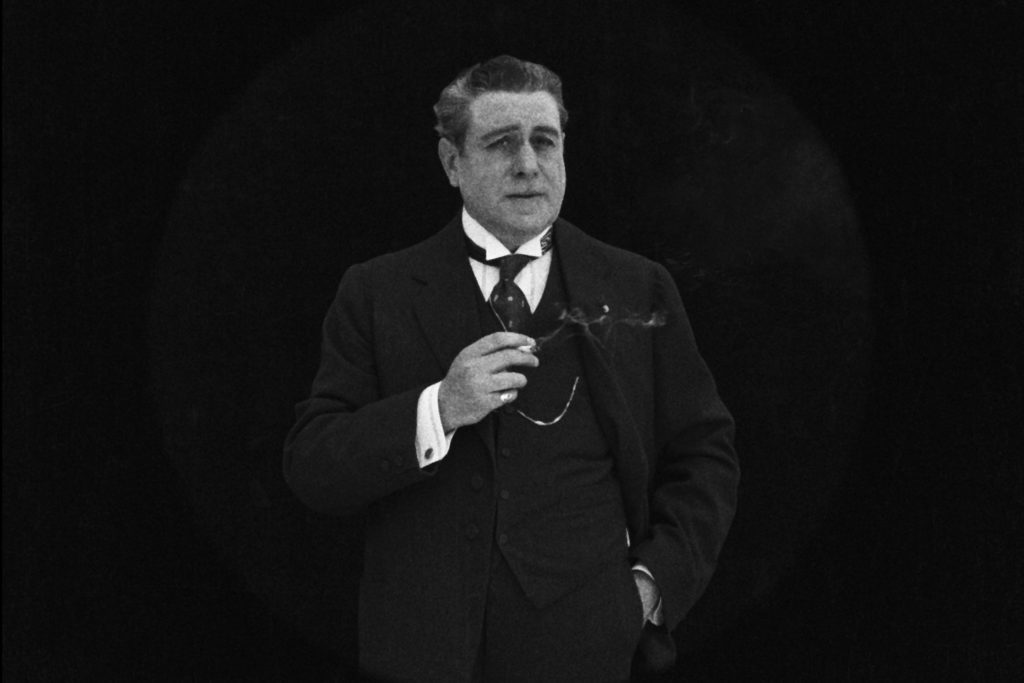
Cinema Lumiere – Sala Officinema/Mastroianni
Section: Recovered & Restored
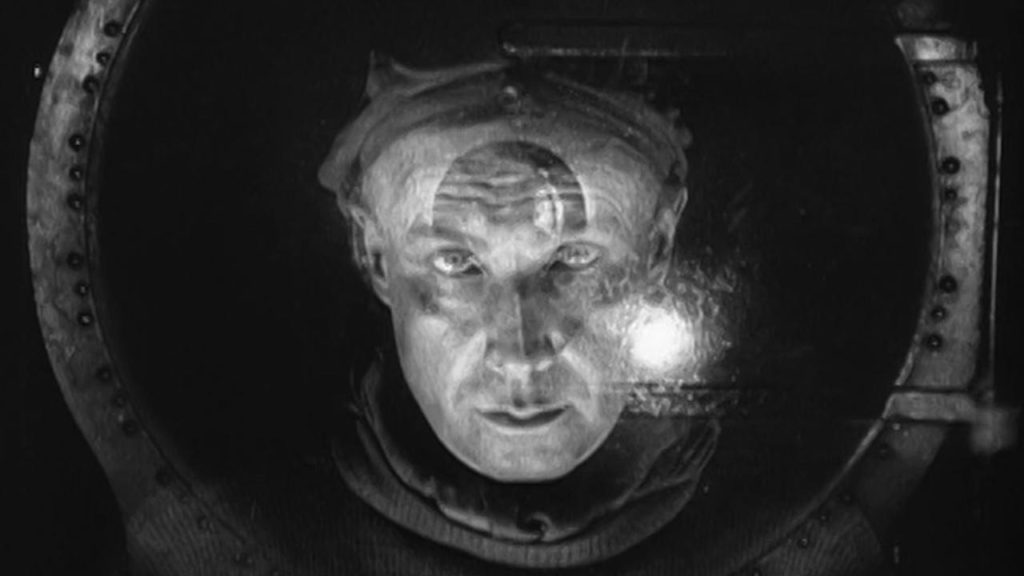
Cinema Lumiere – Sala Officinema/Mastroianni
Section: Recovered & Restored
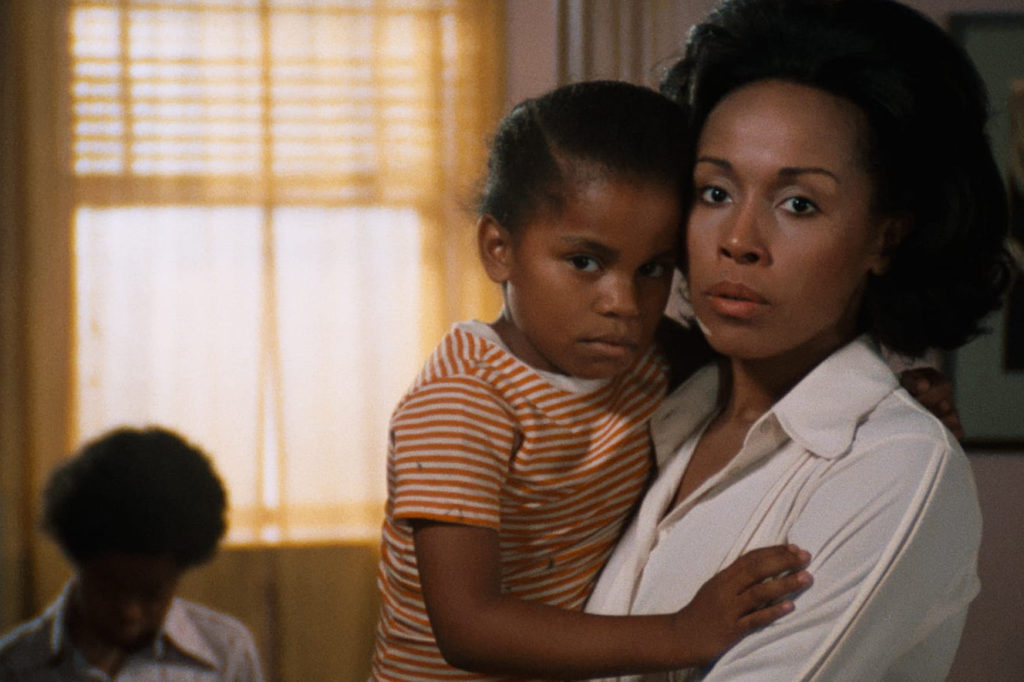
Teatro Auditorium Manzoni
Section: Venice Classics
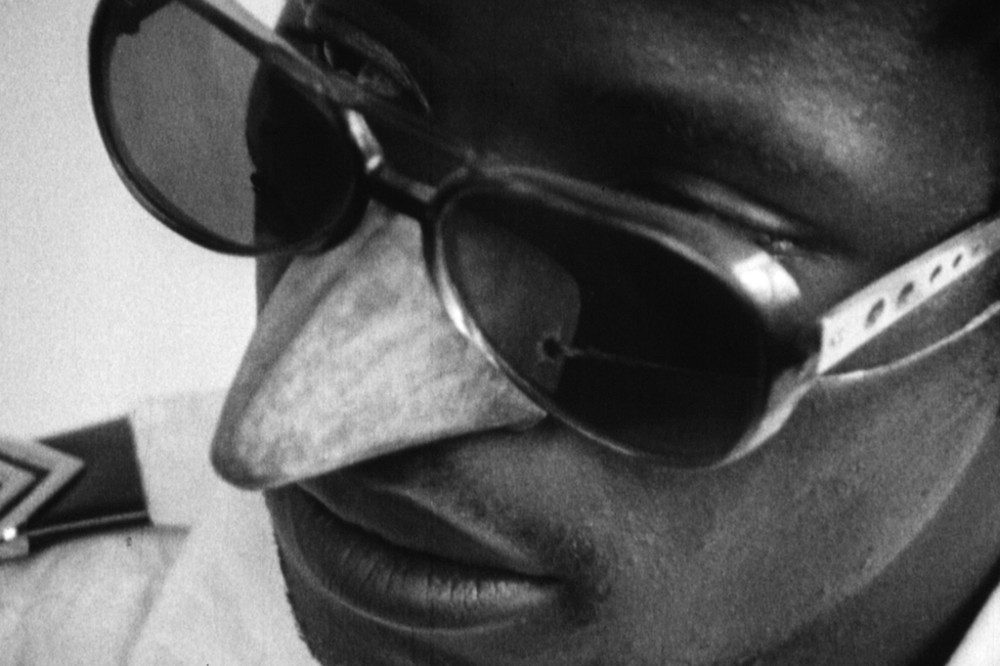
Arlecchino Cinema
Introduced by
Catarina Simão (on video)
Preceding
FIVE MINUTES WITH RUY GUERRA. THE MOZAMBIQUE ARCHIVE SERIES
Section: Cinemalibero
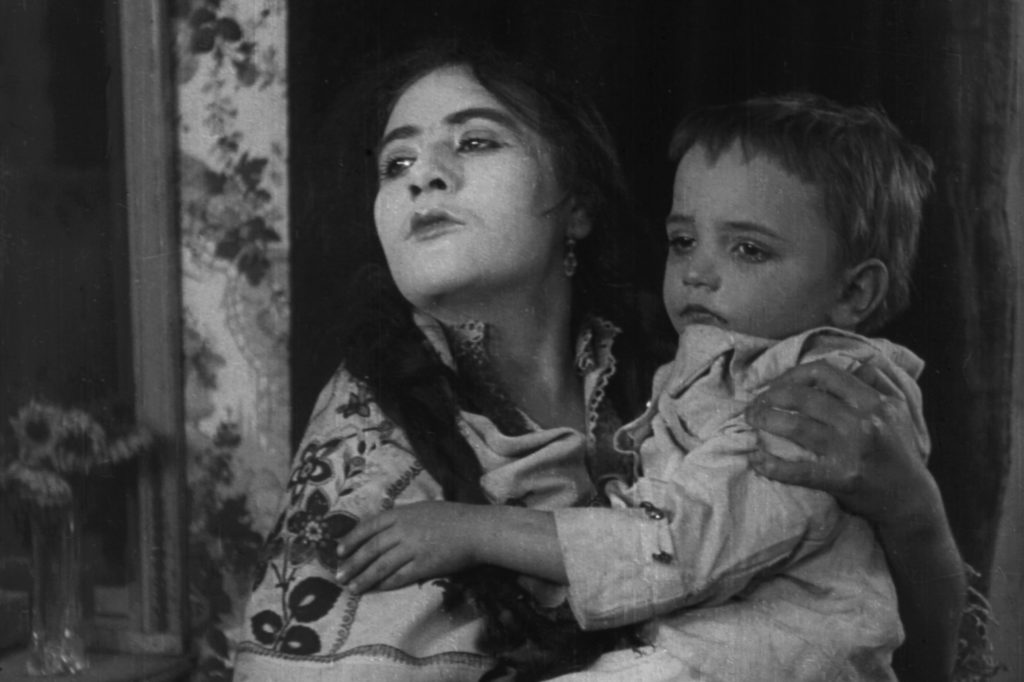
Teatro Comunale di Bologna
Harp accompaniment by Eduardo Raon
Section: One hundred years ago: 1926 - Great small gauges
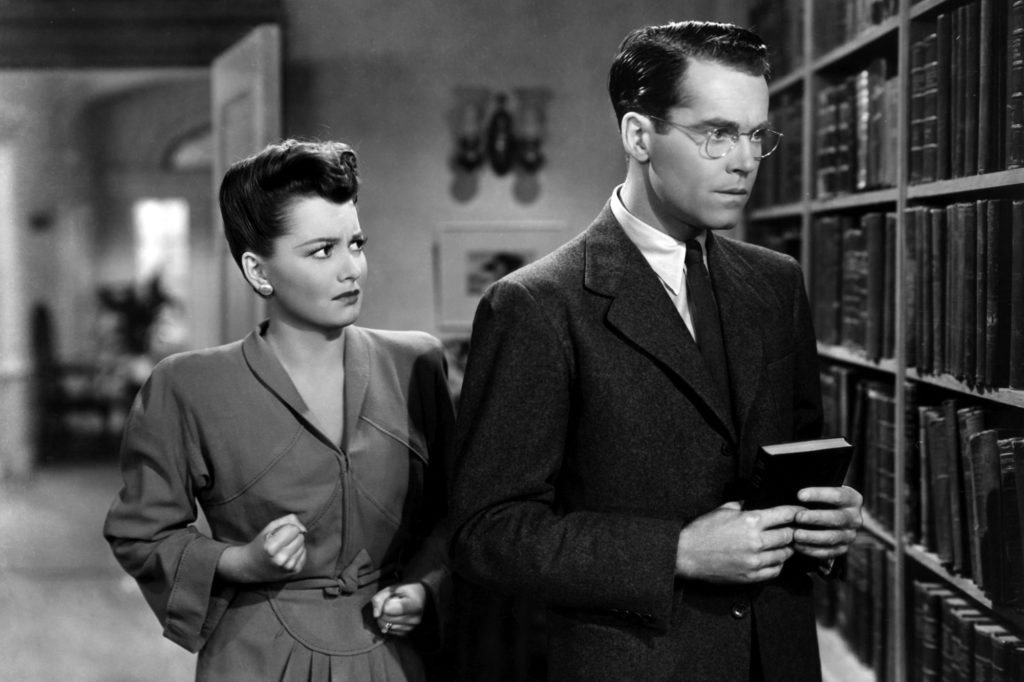
Cinema Odeon
Section: Henry Fonda for President
Cinema Lumiere – Sala Scorsese
Section: Konrad Wolf in the Age of Extremes
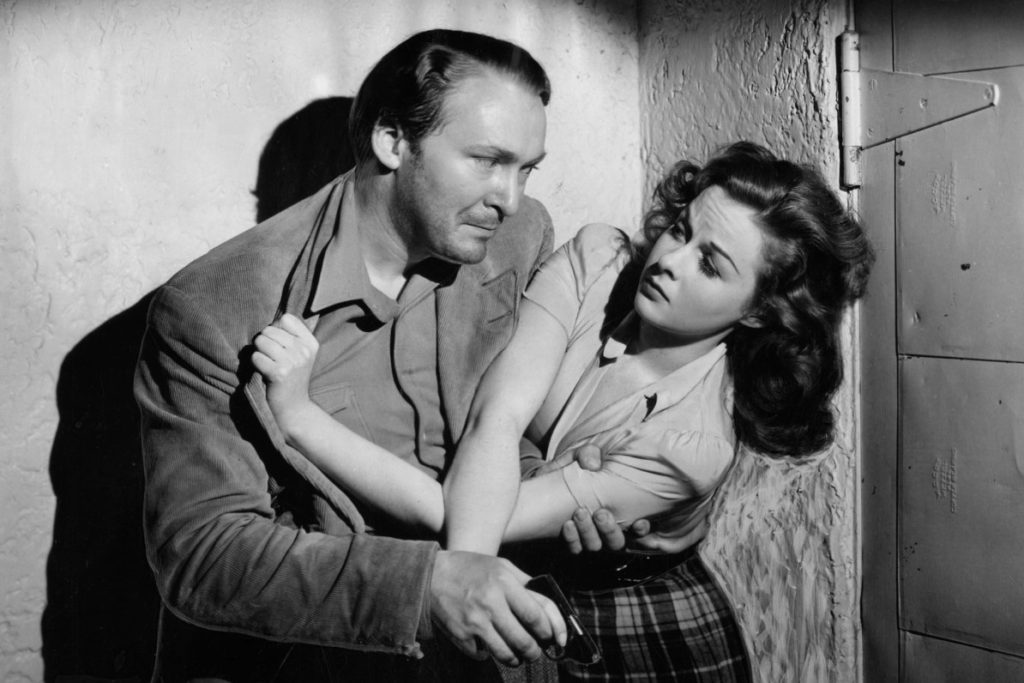
Jolly Cinema
Section: Guns for Hire: Frank Tuttle vs. Stuart Heisler
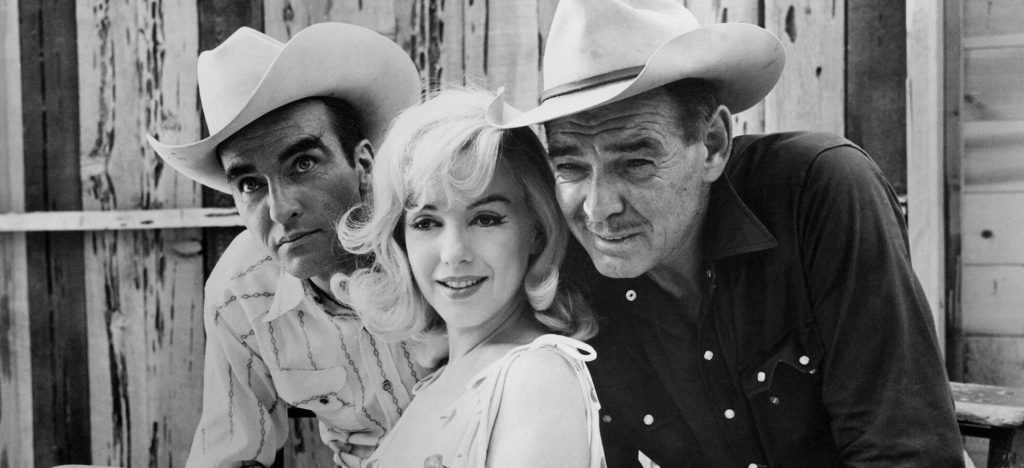
Cinema Lumiere – Sala Officinema/Mastroianni
Section: Recovered & Restored
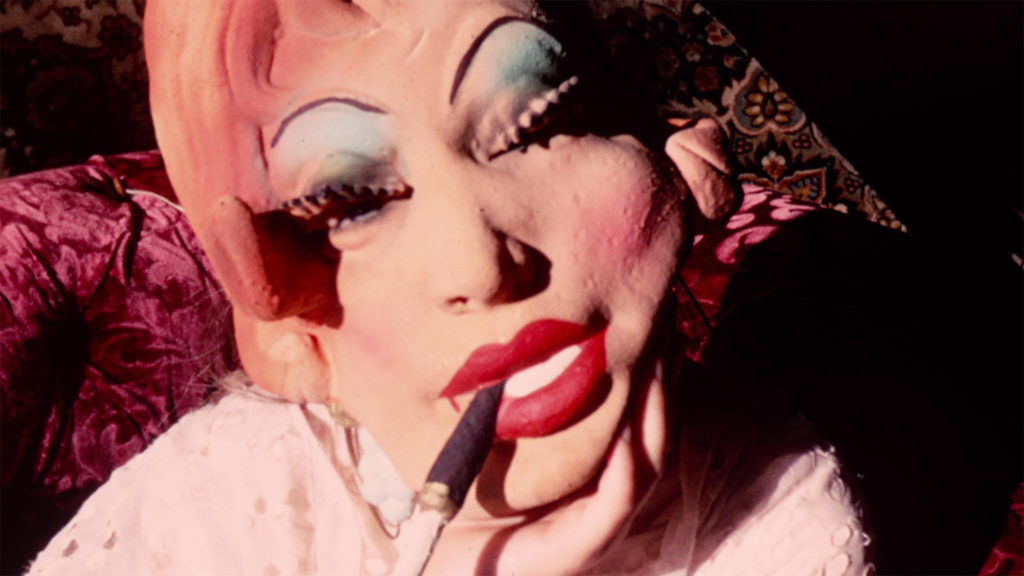
Teatro Comunale di Bologna
Section: Great small gauges
Cinema Lumiere – Sala Officinema/Mastroianni
Section: Documents and Documentaries
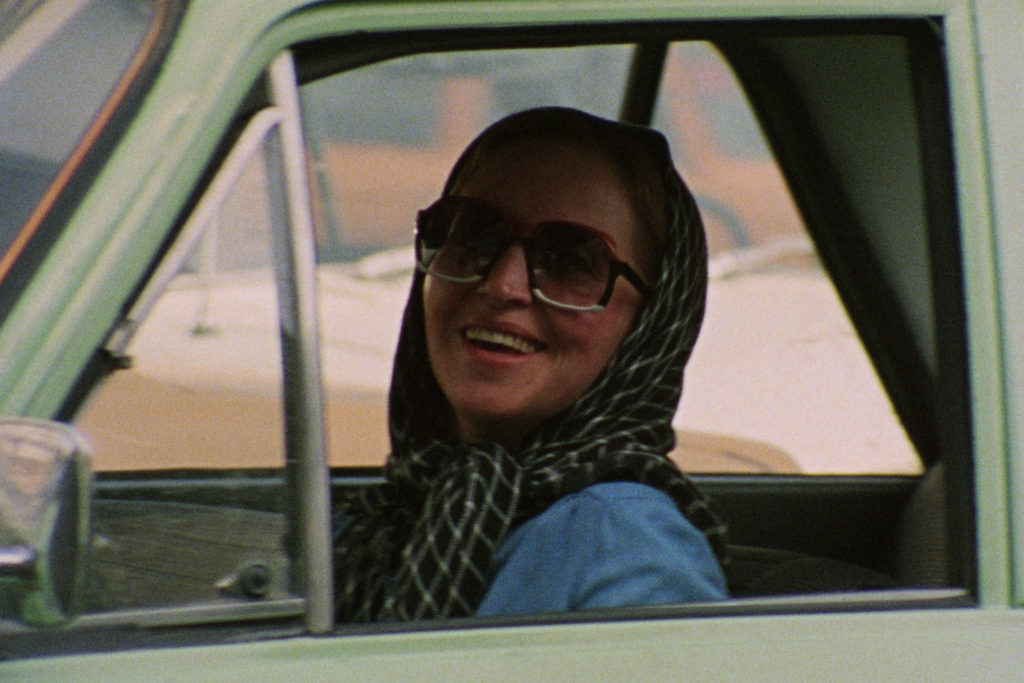
Teatro Auditorium Manzoni
Introduced by
Massoumeh Lahidji
Section: Recovered & Restored
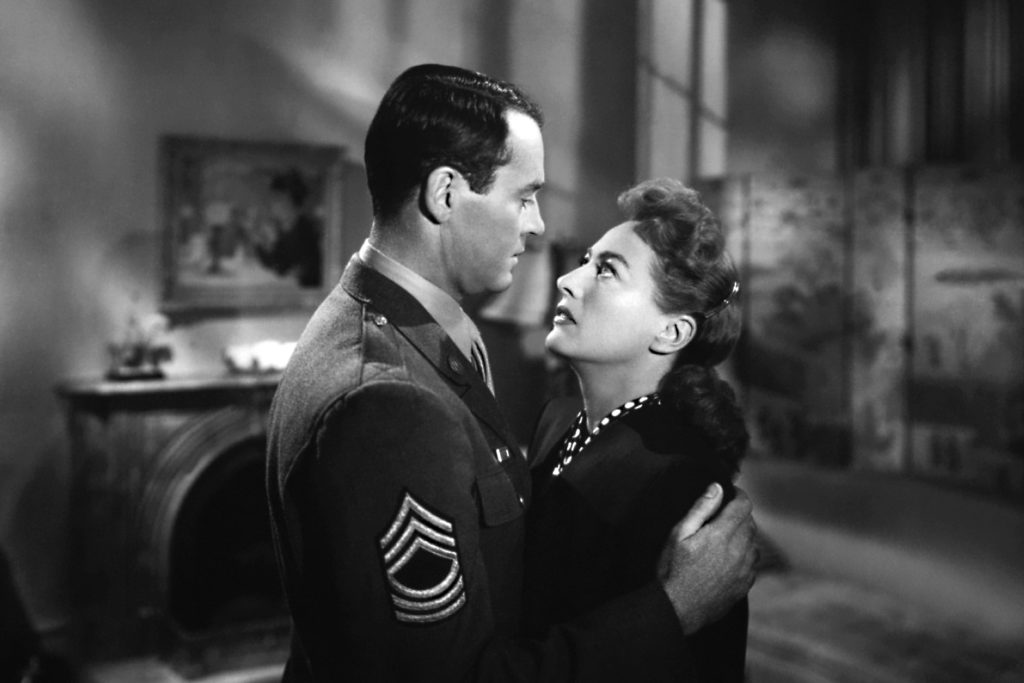
Arlecchino Cinema
Section: Henry Fonda for President
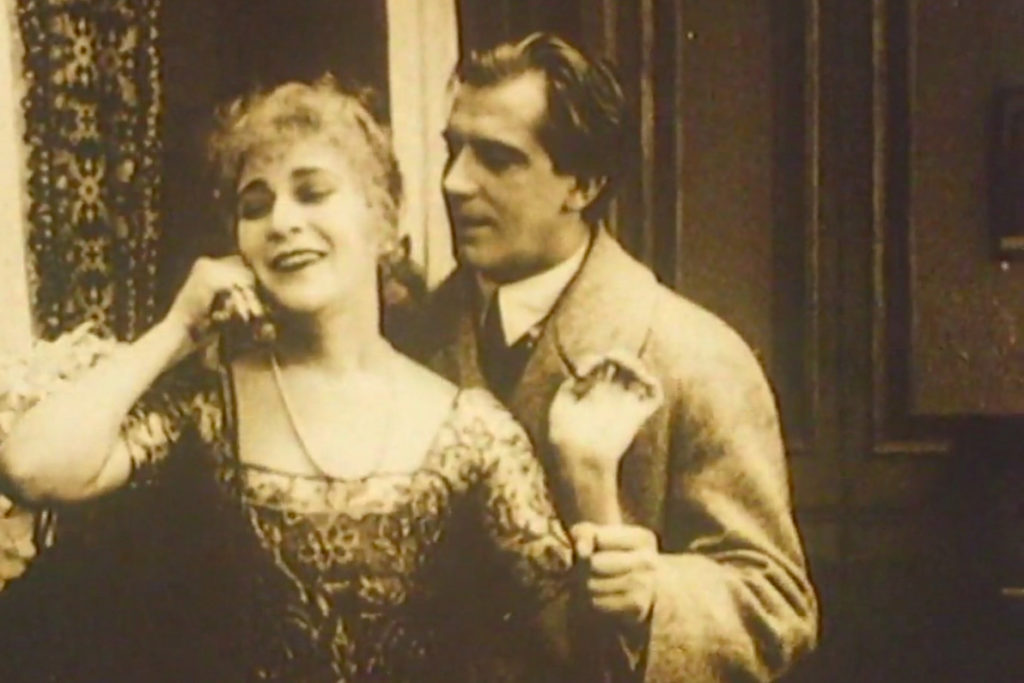
Cinema Lumiere – Sala Scorsese
Preceding
LEVANDE FÄRG
Section: Gösta Werner: A Sense of Loss
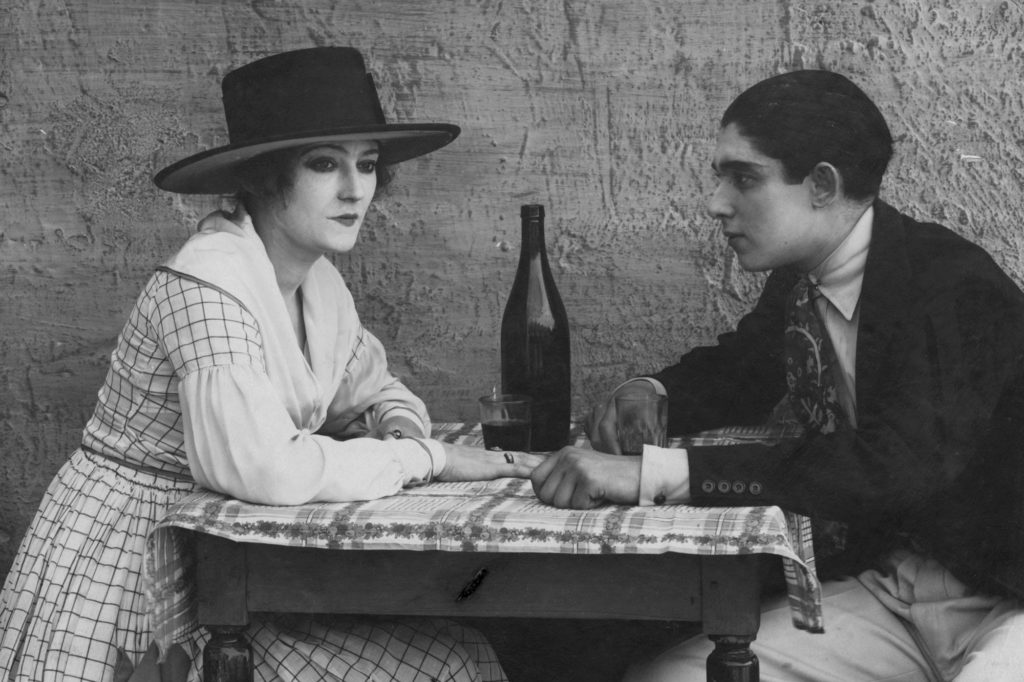
Teatro Comunale di Bologna
Introduced by
Hervé Pichard (Cinémathèque française)
Piano accompaniment by
Maud Nelissen. Drums accompaniment by Frank Bockius
Section: Recovered & Restored - One hundred years ago: 1926
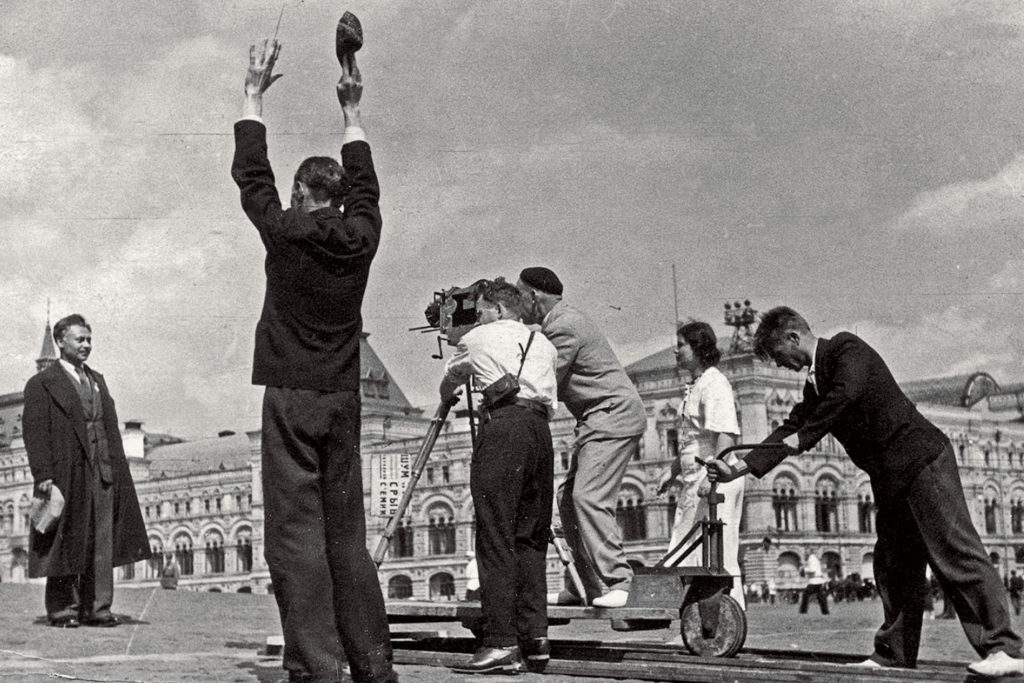
Jolly Cinema
The print is incomplete. The missing scenes will be explained during the projection.
MARGARITA BARSKAYA
Born in Baku in 1903, Margarita Barskaya grew up with two sisters and her divorced mother, a would-be artist who made ladies’ hats. She took theatre classes in Azerbaijan and joined a troupe in Odessa. On a visit to the city’s studios, she met the veteran of Tsarist cinema, Pyotr Chardynin, 30 years her senior. She went on to become his wife, leading lady and assistant-director. She appeared in Aleksandr Dovzhenko’s first film, Yagodka lyubvi (Love’s Berries, 1926), but had little interest in acting. She left Chardynin and moved to Moscow, where, in 1929, she opened a dramatic arts studio for children and published numerous articles where she laid out her idea of cinema “by children, for children and about children”. In 1930, she filmed an educational documentary about bread-making: a narrow-minded peasant realises that he needs agricultural tools and tractors, in short that he needs the working class to be able to increase production. Kto vazhneye – Chto nuzhneye (Who’s More Important, What’s More Necessary), long believed to be lost, was identified in the archives of documentary film and photography (RGAKFD) by Natalia Miloserdova in 2008. Poetic and humorous, despite its mandatory didacticism, the film mixes animation and live action. Following praise for this success, Barskaya was able to make her first feature film, Rvanye bashmaki (1933). It depicts the rise of Nazism in an industrial German town, shown from the perspective of children. Convinced that her young actors wouldn’t be able to post-synchronise their dialogue s, she filmed them with direct sound, allowing them to react without having learned a script by heart. She also built a tripod to set up the camera at their height. The film was a triumph, both in the USSR and abroad. Gorky declared he was staggered to see “a young boy expressing a range of emotions that are only seen in the greatest actors”. Famous by the age of 30, Barskaya eventually persuaded Boris Shumyatsky to entrust her with a production unit dedicated to children’s films. But what she had envisioned as an experimental venture, in the summer of 1936 became a major studio, Soyuzdetfilm, jealously controlled by the Party’s youth organizations. In September the arrest of Karl Radek, whom she had been close to, made her situation worse. While the screenplay of her second feature film, Otets i syn (1936), had been accepted, the film was attacked, re-edited and finally banned. Barskaya refused to fall in line and protested; she refused to testify against Radek. A violent campaign was unleashed against her. She began a new project with the pedagogue Anton Makarenko, but his death brought this to an end. On 23 July 1939 she killed herself by jumping from the fifth floor of a building.
Irène Bonnaud and Bernard Eisenschitz
Section: Early Women Directors in the Soviet Union
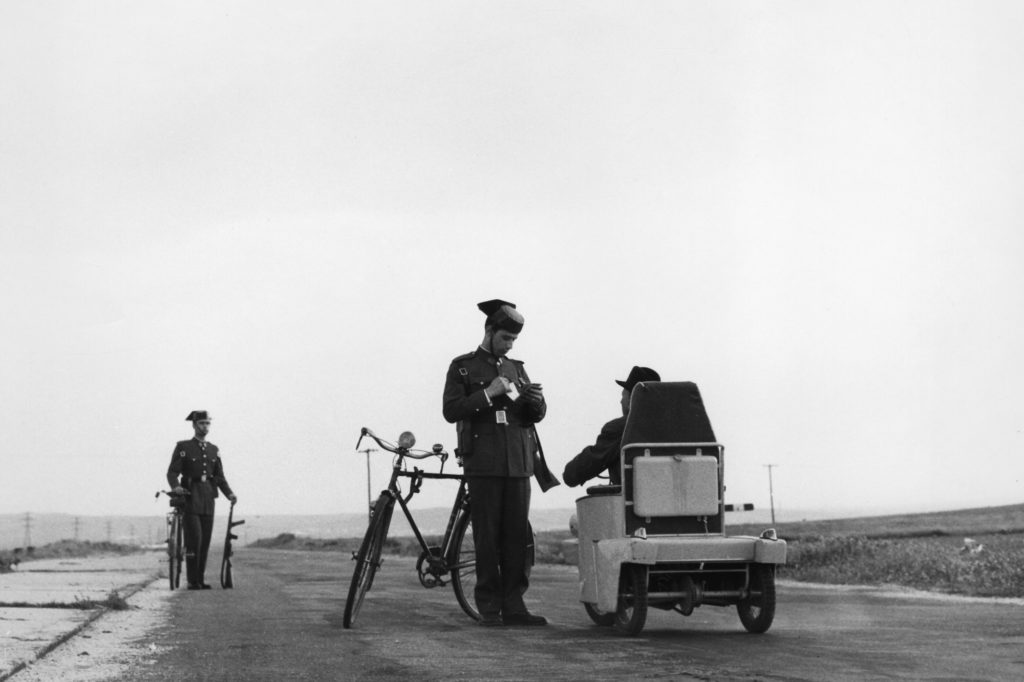
Cinema Odeon
Section: Marco Ferreri Rediscovered
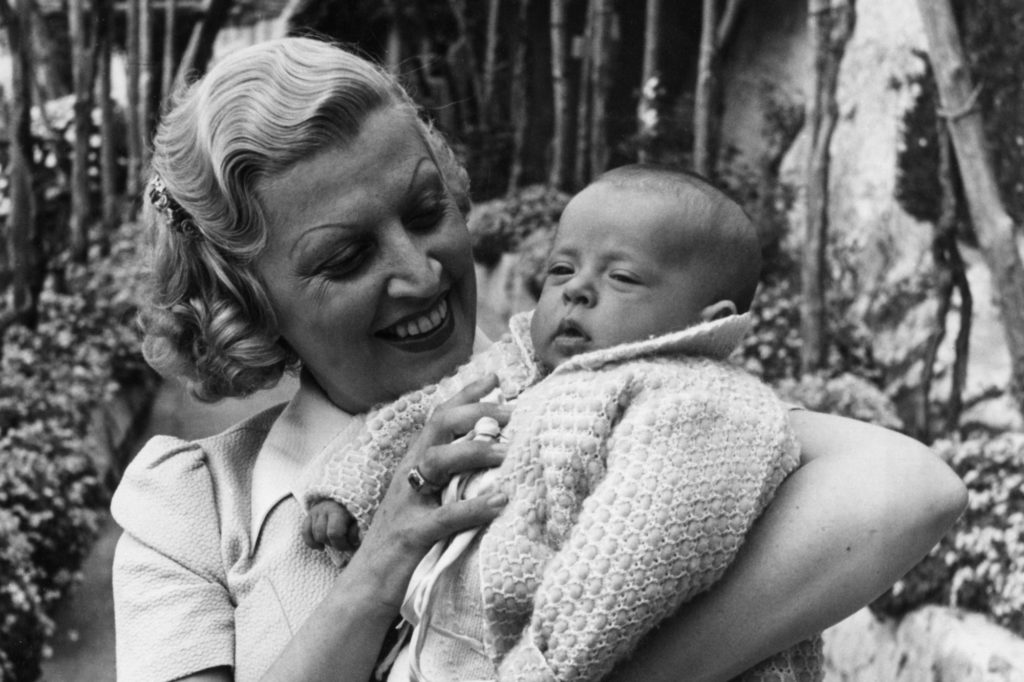
Cinema Lumiere – Sala Officinema/Mastroianni
Introduced by
Michela Zegna and Anna Masecchia
Section: Documents and Documentaries
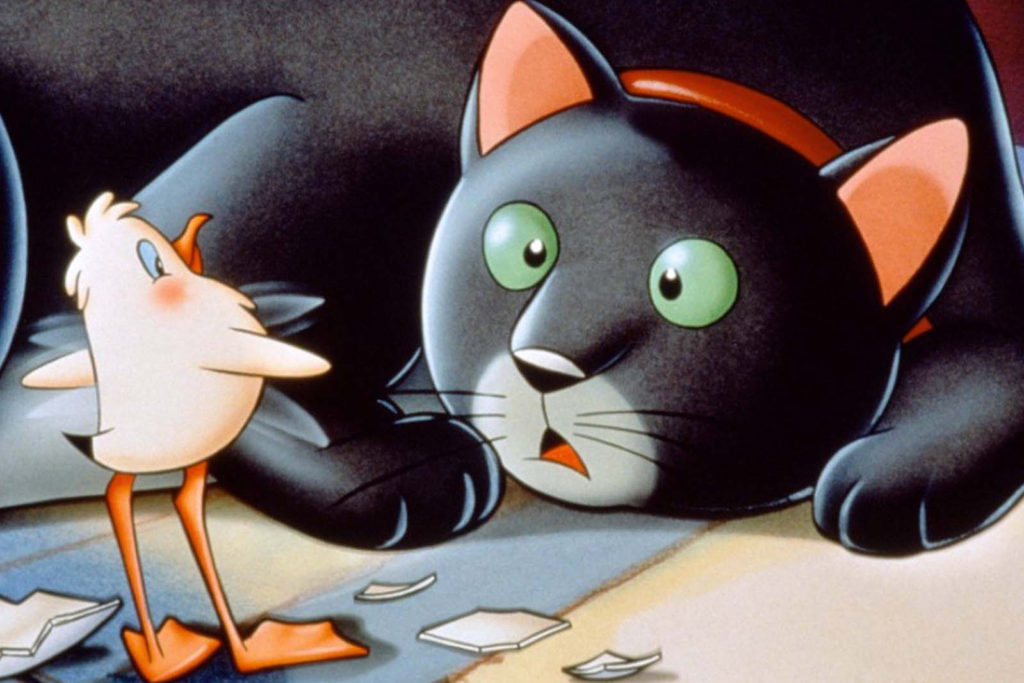
Cinema Lumiere – Sala Scorsese
5 years and above.
Masterfully directed by Enzo D’Alò and based on a story by Luis Sepúlveda, La gabbianella e il gatto is a tender tale of tolerance and respect for others and nature, as well as one of the most beloved Italian animated films. The director and the writer met in the late 90s. Enchanted by the language of Seèpulveda’s story, D’Alò decided to adapt it into a feature film, overseeing every detail, including music, and working closely with the author, who even participated in the film as the voice of the poet. In an interview released a few months ago, D’Alò spoke of the great Chilean writer who recently passed away, “He could make you see his stories while he spoke. That they were real: he had a life marked by vicissitudes, and he built his own vision of the world, which was fed not by Salgarian fantasies but by the knowledge of his reality and the world’s. Reality underwent a metamorphosis. Each time we ate together, I had the privilege of listening to him for hours”.
(“La Repubblica”, 16th April 2020)
LA GABBIANELLA E IL GATTO
(Italia/1998) di Enzo D’Alò (75’)
Section: Il Cinema Ritrovato Kids & Young
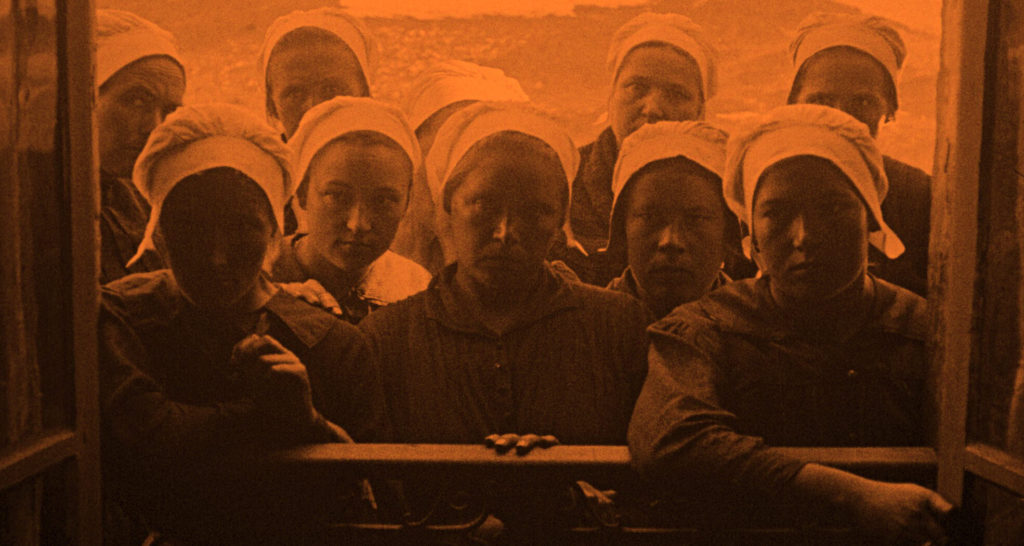
Teatro Comunale di Bologna
Introduced by
Manon Billaut (Fondation Jérôme Seydoux-Pathé) and Hervé Pichard (Cinémathèque française)
Music recorded, composed and performed by Stephen Horne
Section: Recovered & Restored
Teatro Auditorium Manzoni
Section: Venice Classics
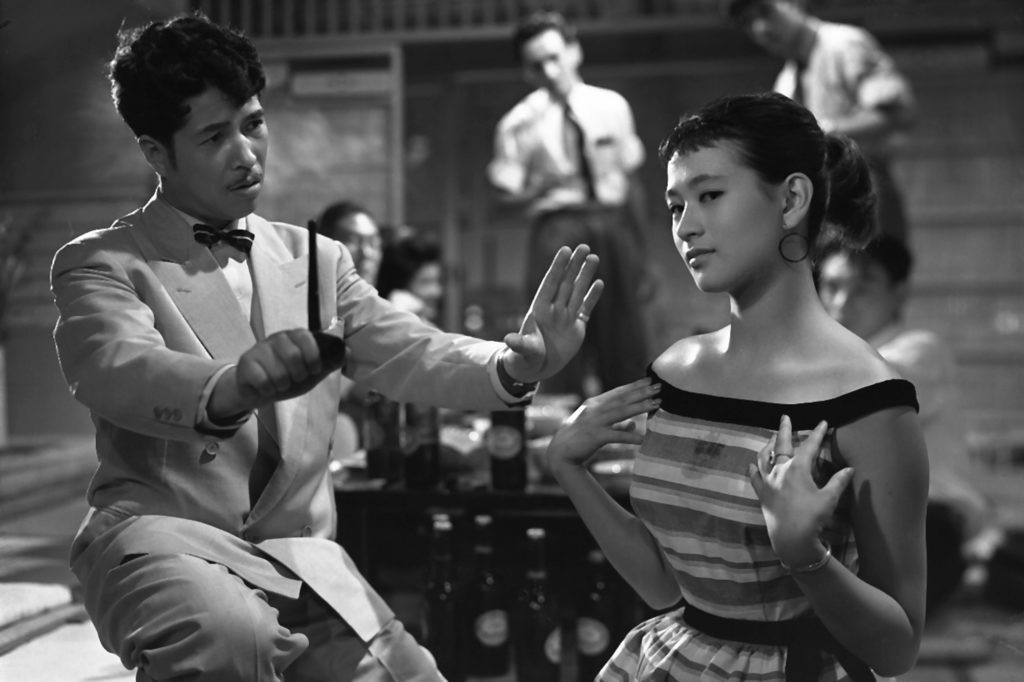
Jolly Cinema
Section: Yuzo Kawashima: The Missing Link
Arlecchino Cinema
Section: Recovered & Restored
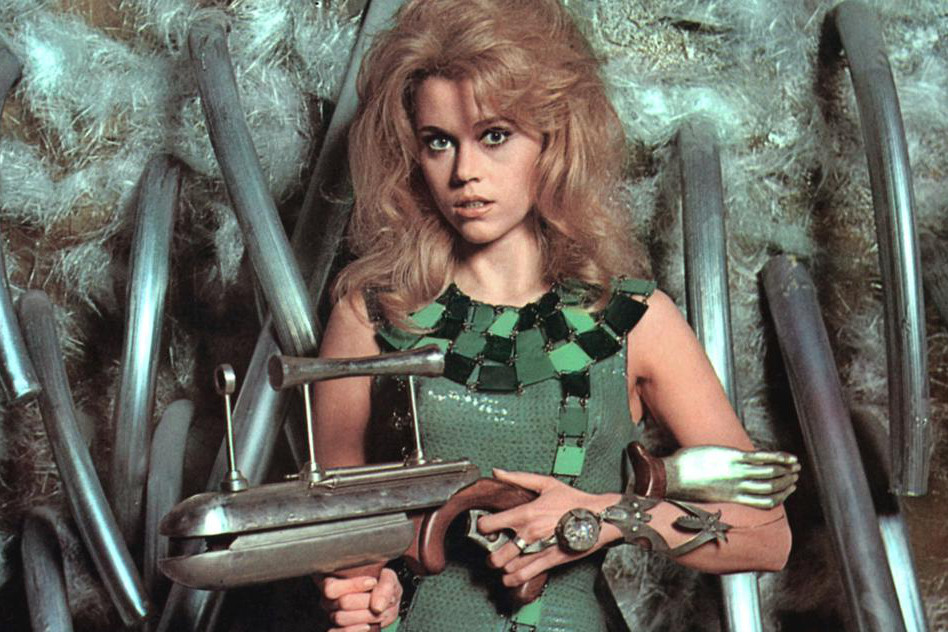
Cinema Odeon
Section: Documents and Documentaries
Cinema Lumiere – Sala Scorsese
5 years and above.
“If we had Fantasy like Logic, we would have already discovered the art of invention” (Novalis, Fragments)
Writer and educator Gianni Rodari dedicated his whole life to the art of inventing stories and ceaselessly using his imagination. Indeed, Novalis’ fragment inspired the title of his first writings on how stories are conceived, Quaderno di Fantastica. These notes were then revised and enriched with new ideas, becoming the landmark work La grammatica della fantasia (1973), an illuminating text that is essential reading for anyone involved in childcare and education. We celebrate the centenary of Rodari’s birth with a retrospective of animated short films that share the same spirit of narrative invention and reversal of conventions, despite being of different geographic origin, periods and style: a genuine tribute to Fantasy. There are two sections: Power to the Imagination is a collection of short films in which the world appears upside down, imaginary or dreamlike; Fairy Tale Salad takes its cue from Rodari’s famous expression about creating stories from imaginatively tossing together characters and situations from classic fairy tales: here Cinderella becomes a penguin in The Tender Tale of Cinderella Penguin, Sleeping Beauty does not want to hear about waking up in Isabelle au bois dormant, and the three Musketeers must save the world in Vivat Musketeers!
SEA DREAM
(Canada/1979) di Ellen Besen (5’)
IMAGO
(Francia/2005) di Cédric Babouche (11’)
RAIN AND FISH
(Giappone/2010) di Risa Kimpara (5’)
MANOLITO’S DREAM
(Spagna/2012) di Alla Kinda (2’)
SPOTS SPOTS
(Giappone/2014) di Yuanyuan Hu (8’)
FLIPPED
(Il mondo alla rovescia, GB/2018) di Hend Esmat, Lamiaa Diab (5’)
Section: Il Cinema Ritrovato Kids & Young
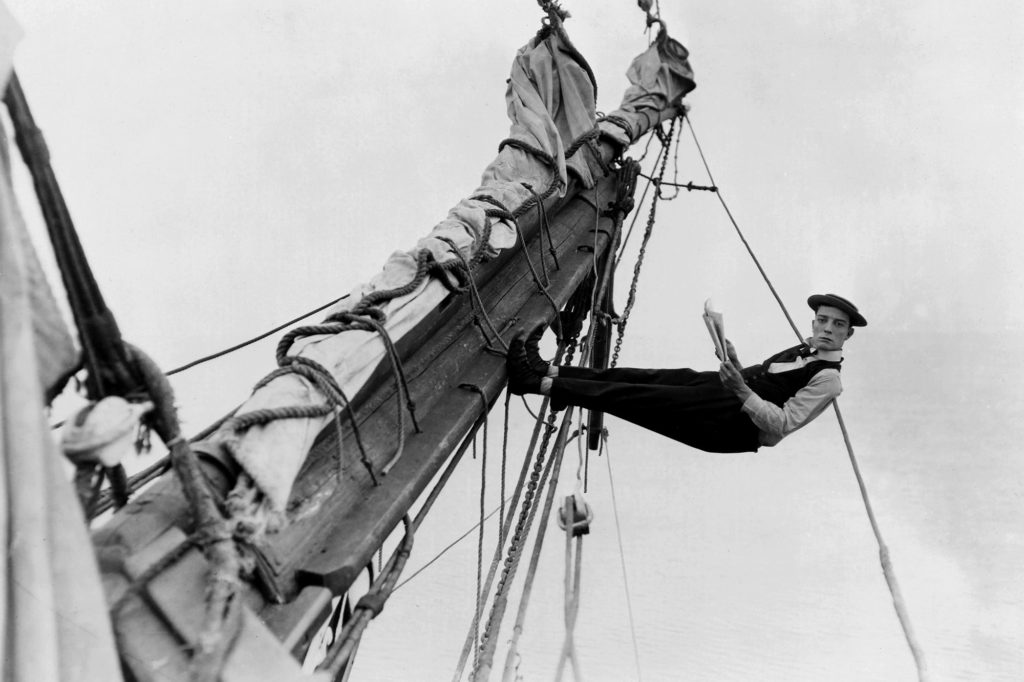
Teatro Comunale di Bologna
Piano accompaniment by
Section: Buster Keaton!
Piazzetta Pier Paolo Pasolini
Piazzetta Pier Paolo Pasolini
Section: Il Cinema Ritrovato Kids & Young
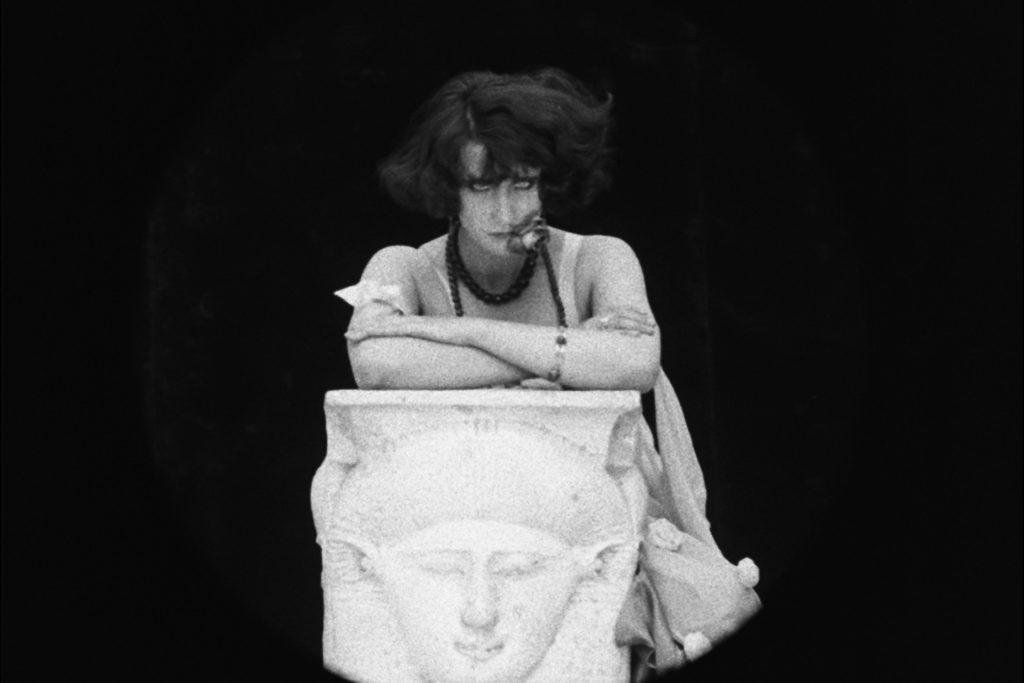
Teatro Comunale di Bologna
Piano accompaniment by
Antonio Coppola
Section: Recovered & Restored
Cinema Odeon
Section: Henry Fonda for President
Piazza Maggiore
Introduced by
Angela Allen (script supervisor of the film) and Anjelica Huston (on video)
In case of rain, the screening will take place at the Teatro Manzoni, at the Cinema Arlecchino and at the Cinema Jolly
Section: Recovered & Restored - The Film Foundation 30
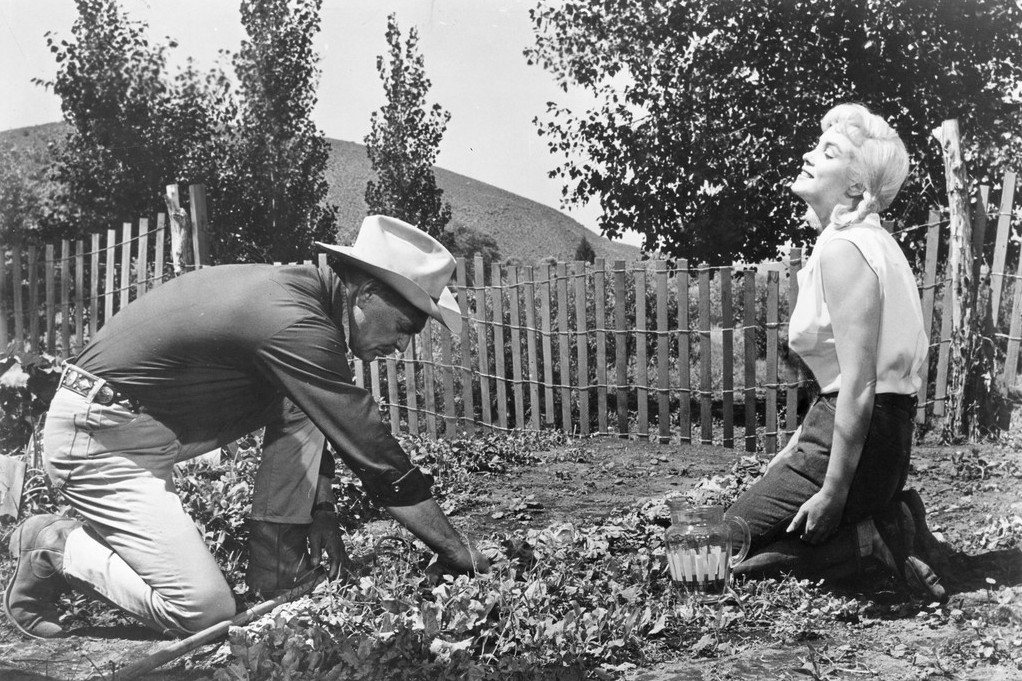
BarcArena
Introduced by
Angela Allen (script supervisor of the film) and Anjelica Huston (on video)
In case of rain, the screening will take place at the Teatro Manzoni, at the Cinema Arlecchino and at the Cinema Jolly
Section: Recovered & Restored - The Film Foundation 30
Arena Puccini all’Ippodromo
Introduced by
Alice Rorhrwacher and Francesco Munzi
Following: a selection of outtakes from the film.
In case of rain, the screening will be canceled
Section: Recovered & Restored
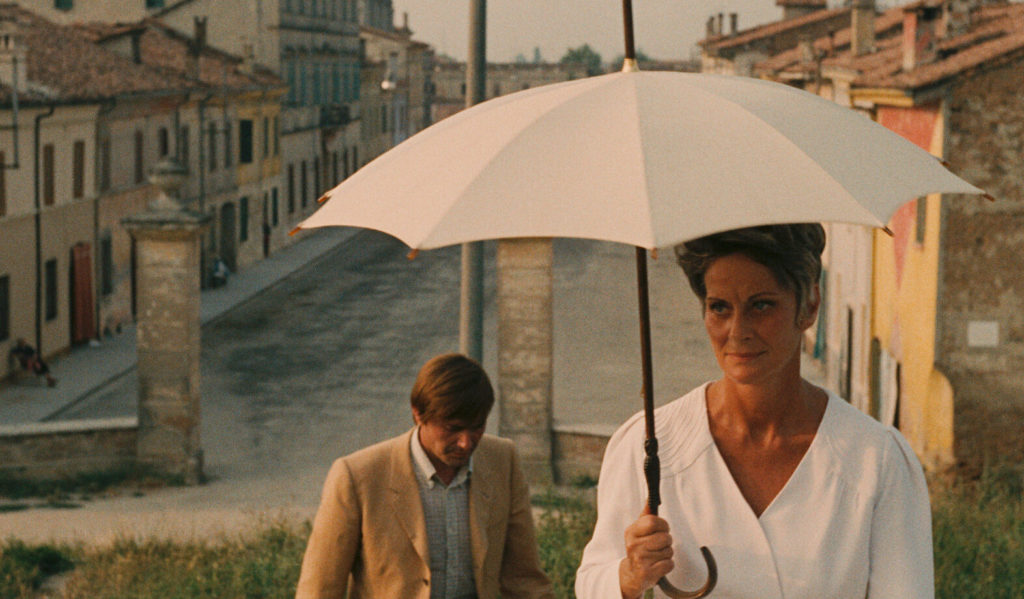
Teatro Auditorium Manzoni
(In case of rain, the film programmed in Piazza Maggiore will be projected instead of Strategia del Ragno)
Section: Recovered & Restored
Arlecchino Cinema
(In case of rain, the film programmed in Piazza Maggiore will be projected instead of Shatranj-e Baad)
Section: Cinemalibero - The Film Foundation 30
Jolly Cinema
(In case of rain, the film programmed in Piazza Maggiore will be projected instead)
Section: Guns for Hire: Frank Tuttle vs. Stuart Heisler
saturday 29 august
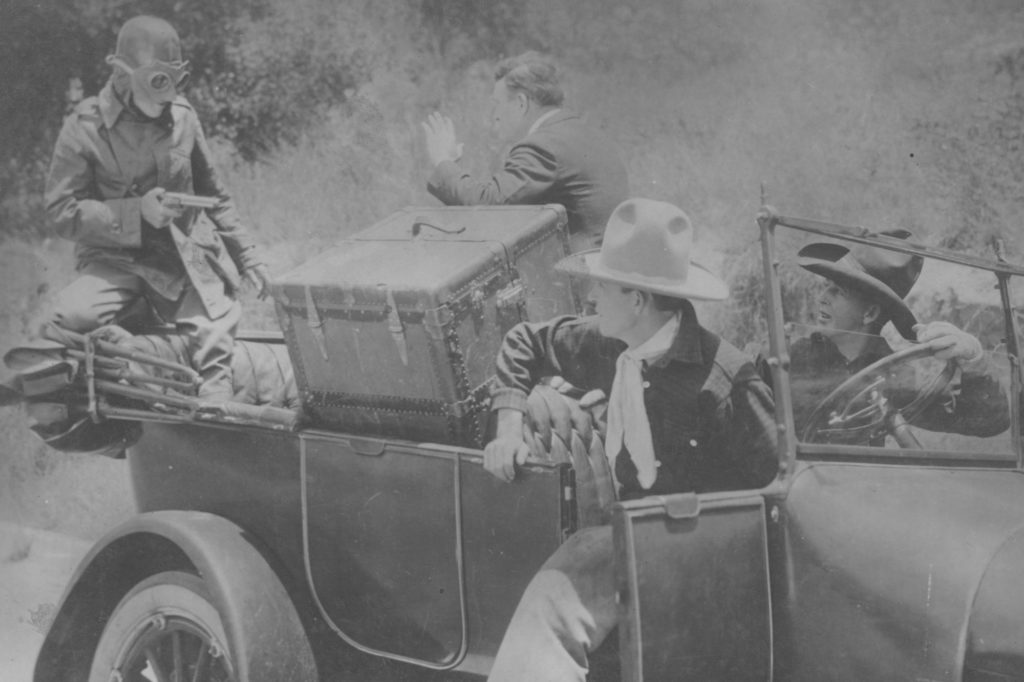
Teatro Comunale di Bologna
Piano accompaniment by
Matti Bye
Section: One hundred years ago: 1926
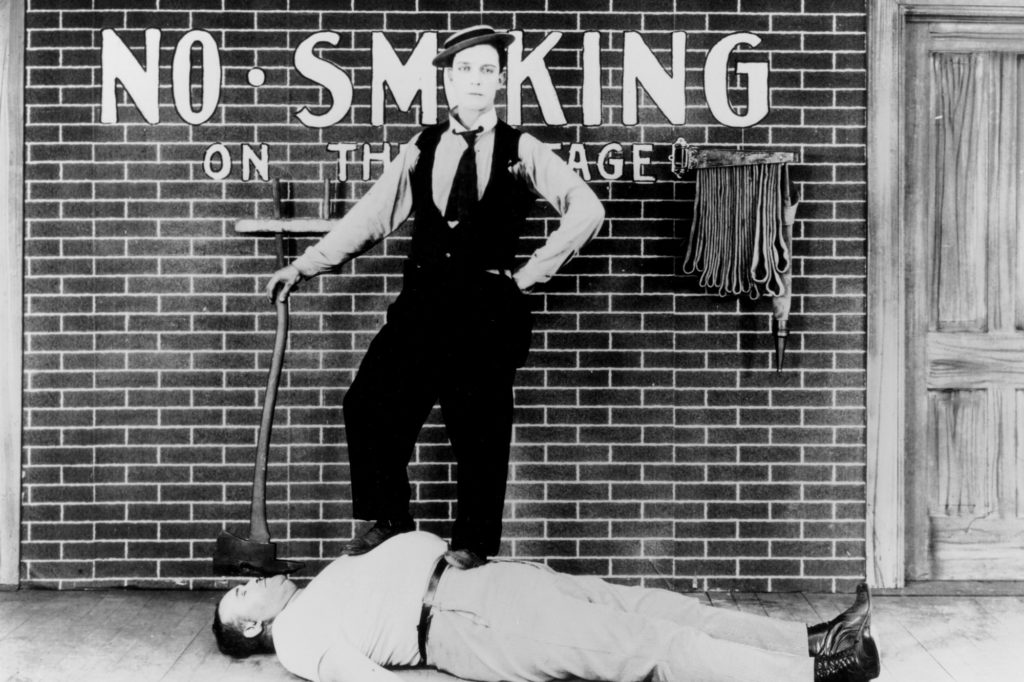
Cinema Lumiere – Sala Scorsese
Piano accompaniment by
John Sweeney
Section: Buster Keaton!
Jolly Cinema
Section: Guns for Hire: Frank Tuttle vs. Stuart Heisler
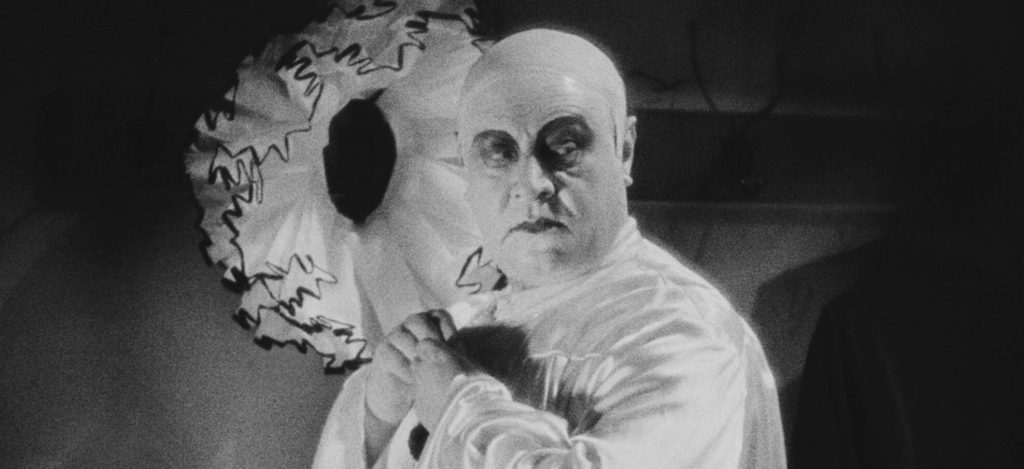
Cinema Lumiere – Sala Officinema/Mastroianni
Section: Recovered & Restored
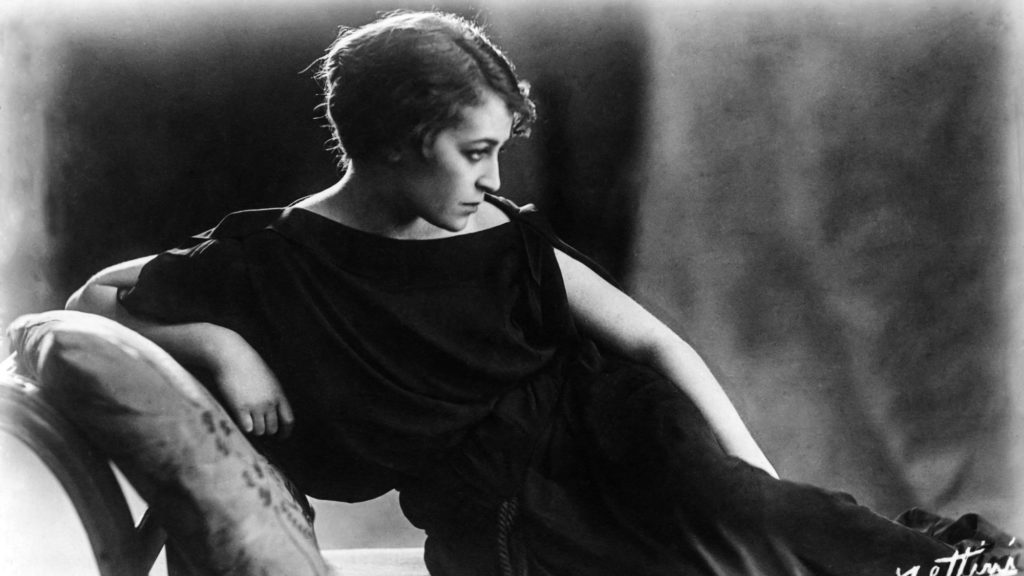
Teatro Comunale di Bologna
Harp accompaniment by Eduardo Raon
Section: One hundred years ago: 1926
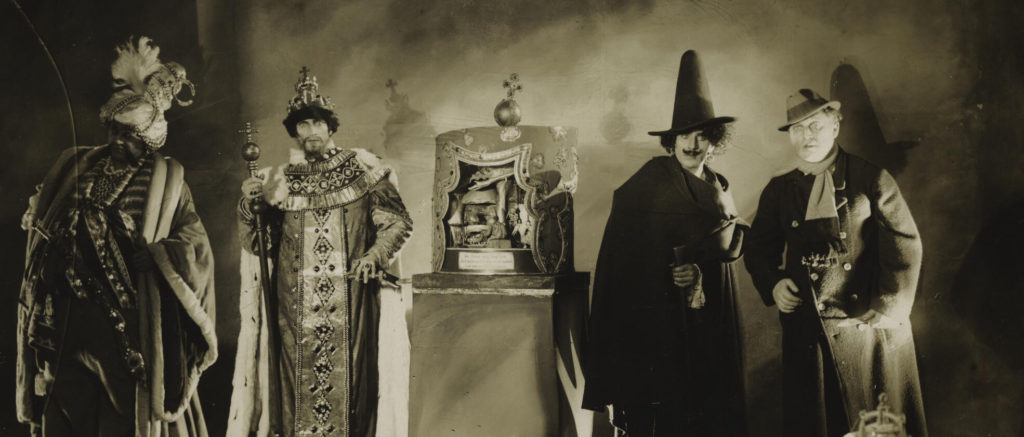
Cinema Lumiere – Sala Officinema/Mastroianni
Section: Recovered & Restored
Teatro Auditorium Manzoni
Introduced by
Luciano Palumbo (Murnau-Stiftung)
Section: Recovered & Restored
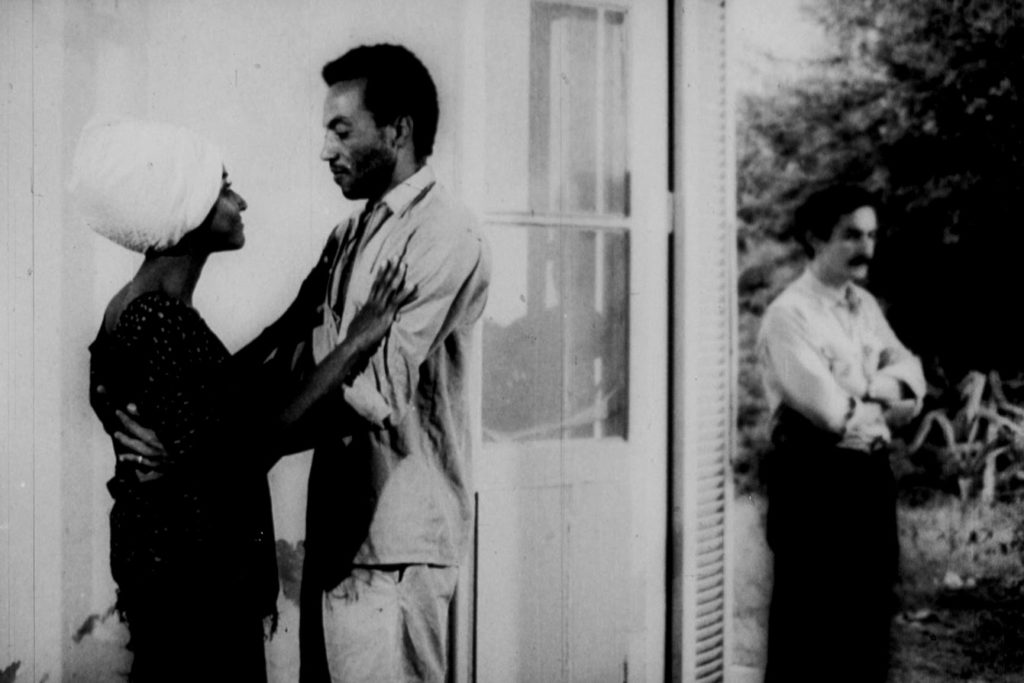
Arlecchino Cinema
Section: Cinemalibero
Cinema Odeon
Section: Henry Fonda for President
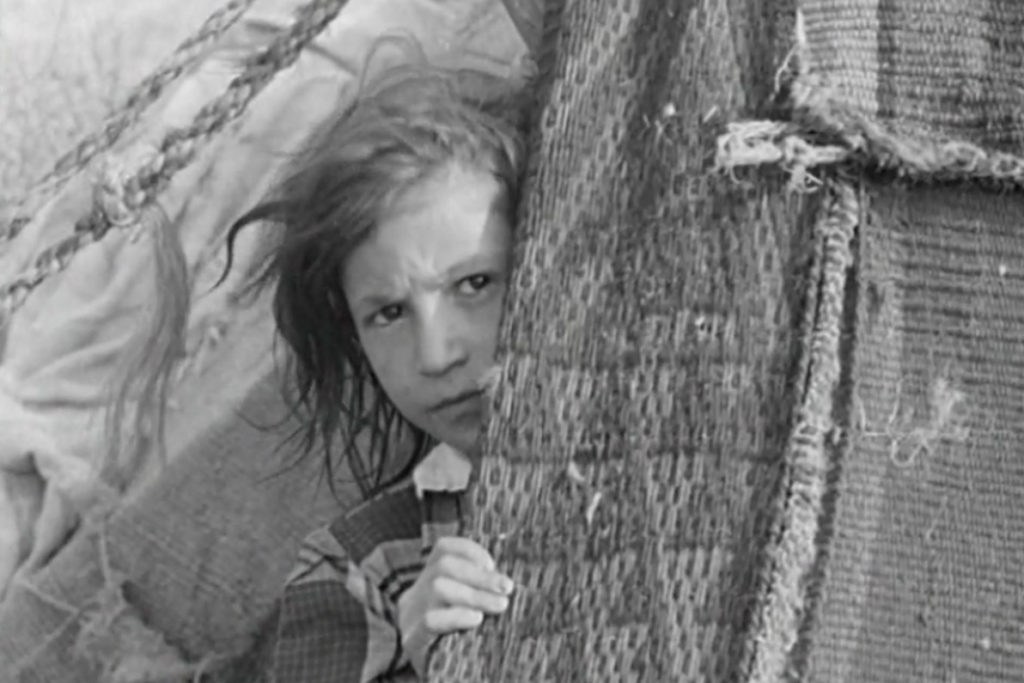
Cinema Lumiere – Sala Scorsese
Section: Gösta Werner: A Sense of Loss
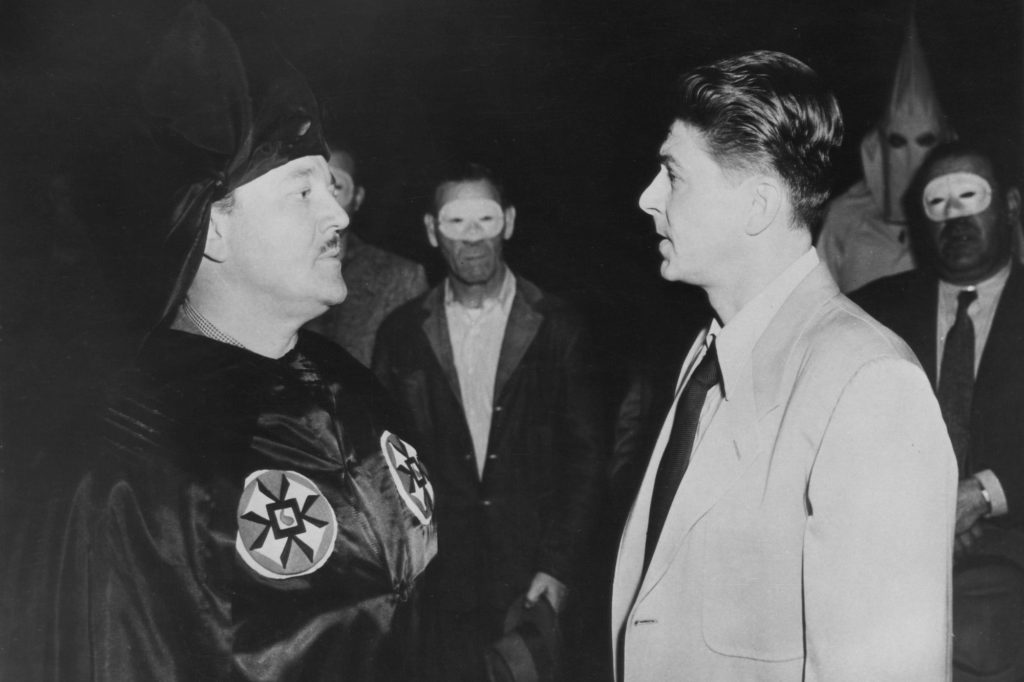
Jolly Cinema
Section: Guns for Hire: Frank Tuttle vs. Stuart Heisler
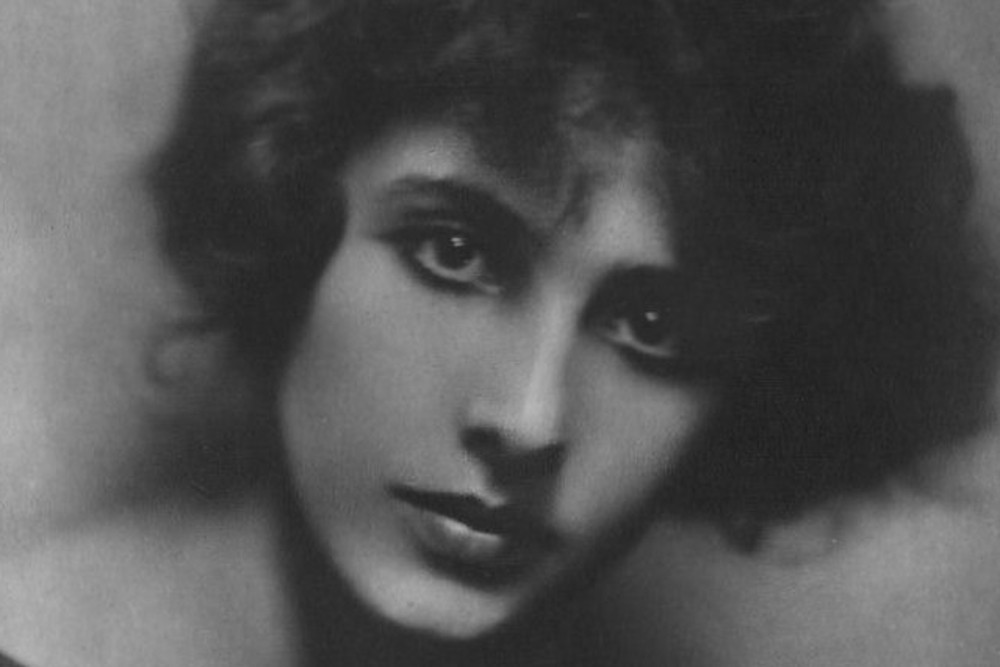
Teatro Comunale di Bologna
Introduced by
Andrea Meneghelli
Piano accompaniment by
Antonio Coppola
Section: Recovered & Restored
Cinema Lumiere – Sala Officinema/Mastroianni
Section: Recovered & Restored
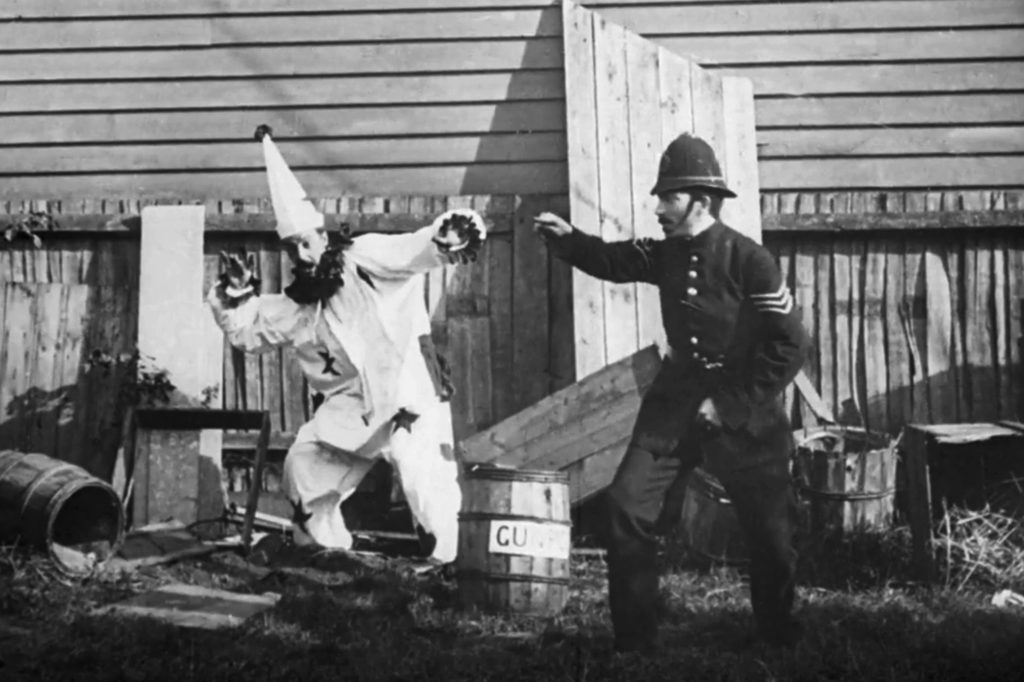
Teatro Comunale di Bologna
Introduced by
Mariann Lewinsky
Piano accompaniment by
John Sweeney
Section: Century of Cinema: 1906
Cinema Lumiere – Sala Scorsese
Section: Konrad Wolf in the Age of Extremes
Teatro Auditorium Manzoni
Section: Documents and Documentaries
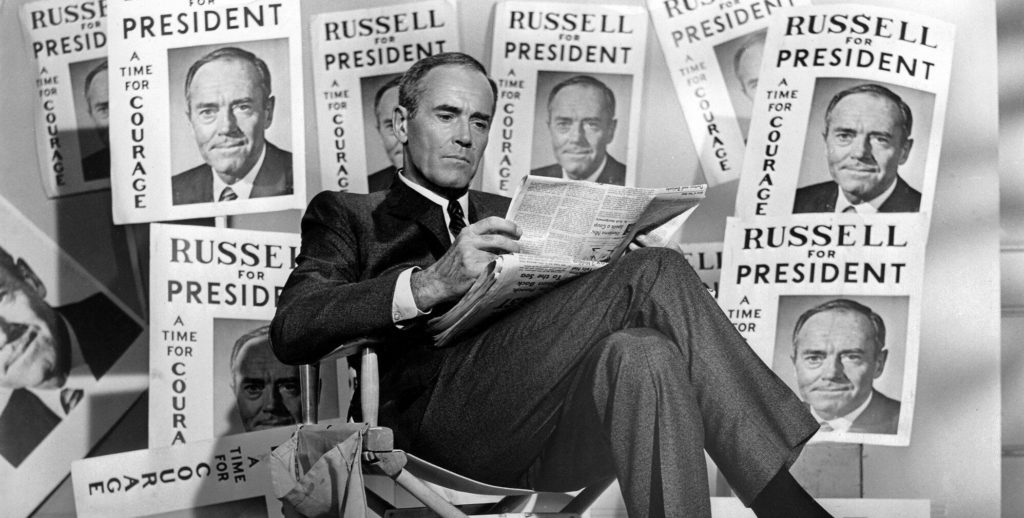
Arlecchino Cinema
Section: Henry Fonda for President
Cinema Lumiere – Sala Officinema/Mastroianni
Section: Documents and Documentaries
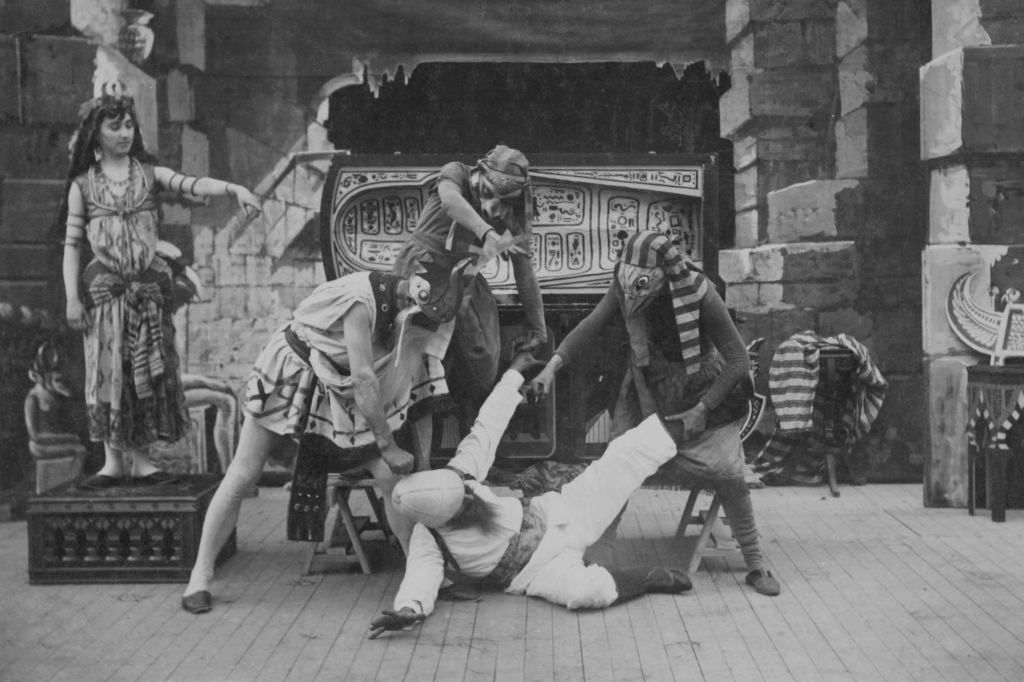
Teatro Comunale di Bologna
Introduced by
Emilie Cauquy, Elena Selana and Frédéric Tabet
Piano accompaniment by
John Sweeney and harp accompaniment by Eduardo Raon
Section: Century of Cinema: 1906
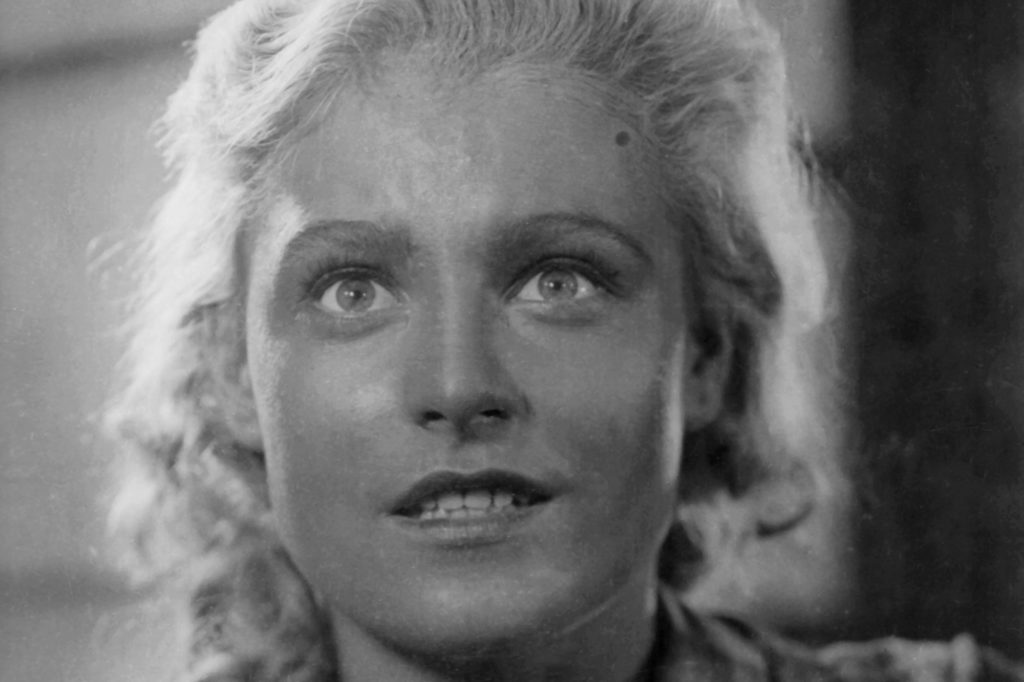
Jolly Cinema
Section: Early Women Directors in the Soviet Union
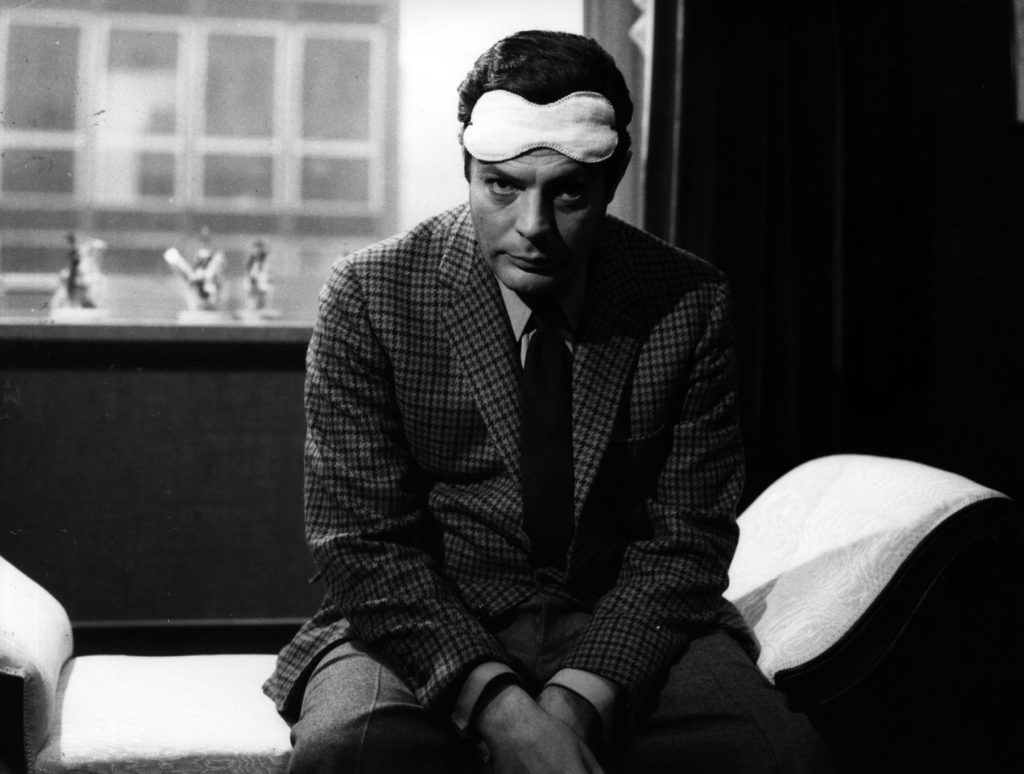
Cinema Odeon
Section: Marco Ferreri Rediscovered
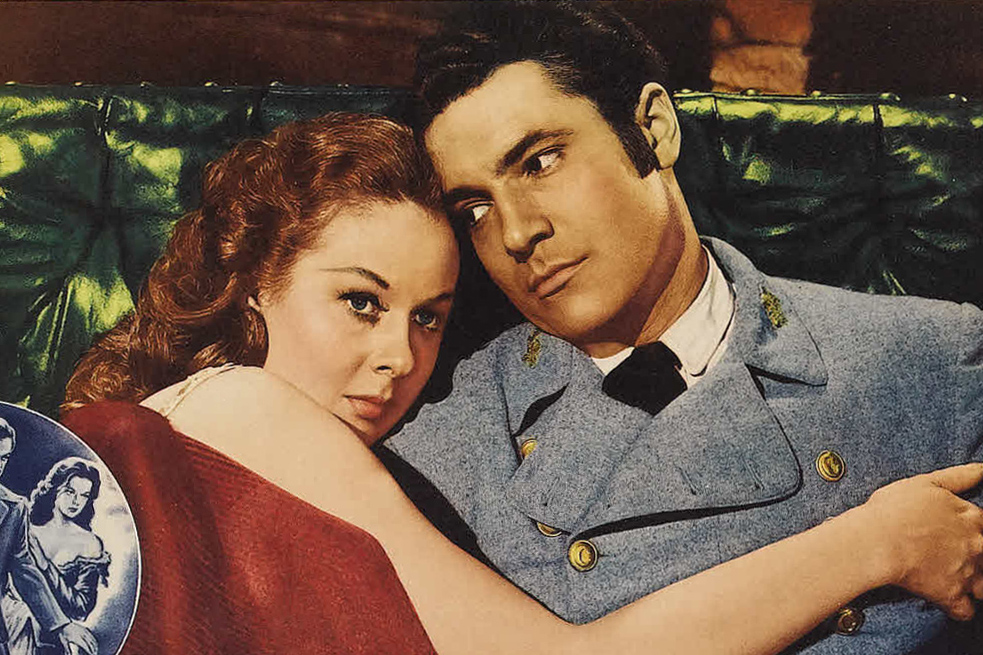
Teatro Auditorium Manzoni
Section: Recovered & Restored - The Film Foundation 30
Cinema Lumiere – Sala Scorsese
“There is only one place where wonder, excess and the extreme exist without vulgarity: at the equestrian circus. I think it is popular entertainment at its best. In this splendid world of colours, movement and emotion we rediscover the eternal tramp whose face Chaplin borrowed”. (Federico Fellini)
In the year of Federico Fellini’s centenary, we are celebrating the great Rimini director with a retrospective dedicated to one of his greatest passions both as a child and as an adult. With its characters, masks, colours and sounds, the circus show was an important source of inspiration for Fellini: a common thread that ties together masterpieces such as La strada, Amarcord, 81/2. and of course I clowns, the director’s documentary about the figure of the clown that starts with his childhood memories. The films presented here take us on a journey into the circus world imagined and depicted by directors and animators from different countries and eras.
Ever since its inception, cinema has looked to the circus and popular and street arts for inspiration. The retrospective will open with the circus show Il grande viaggio di Augusto by the company Circo Sotto Sopra and Chaplin’s masterpiece of comedy and melancholy The Circus – screened in the version restored by Cineteca di Bologna –, a fundamental film that defined Fellini’s cinematic imagery.
The programme is enlivened by a selection of animated shorts made by people who have creatively reinvented clown, acrobatic and juggling routines using different techniques and materials, from Karel Zeman’s puppet animation to the animation of coloured objects and pieces of fabric by Cristina Lastrego and Francesco Testa.
PAN PROKOUK AKROBATEM
(Mr. Prokouk, the Acrobat, Czechoslovakia/1959) by Karel Zeman (11’)
LEO & FRED
(Hungary/1982-1986) by Pál Tóth (animated series, 8’ long episodes)
IL CLOWN DISPETTOSO
(Italy/2015) by Cristina Làstrego and Francesco Testa (3’)
LA BANDA MUSICALE
(Italy/2015) by Cristina Làstrego and Francesco Testa (3’)
LA DOMATRICE DI LEONI
(Italy/2015) by Cristina Làstrego and Francesco Testa (3’)
GAPISZON W CYRKU
(Scatterbrain at the Circus, Poland/1964) by Jerzy Kotowski (9’)
Section: Il Cinema Ritrovato Kids & Young
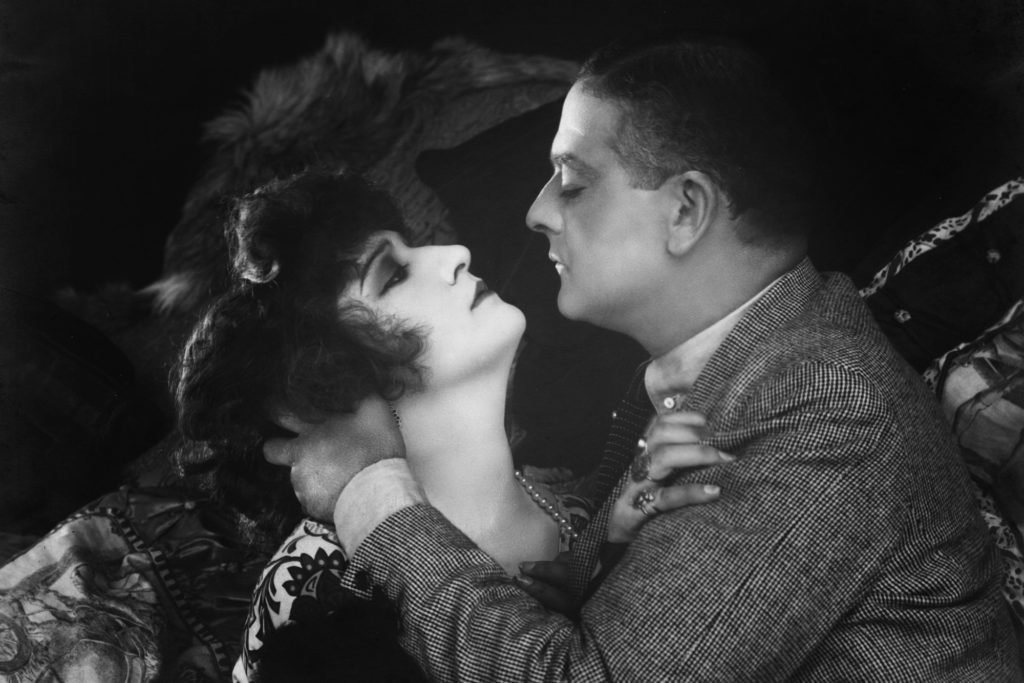
Teatro Comunale di Bologna
Music composed and performed by Maud Nelissen at the piano. With the soprano Wynanda Zeevaareder and the baritone Willem Korteling
Section: One hundred years ago: 1926
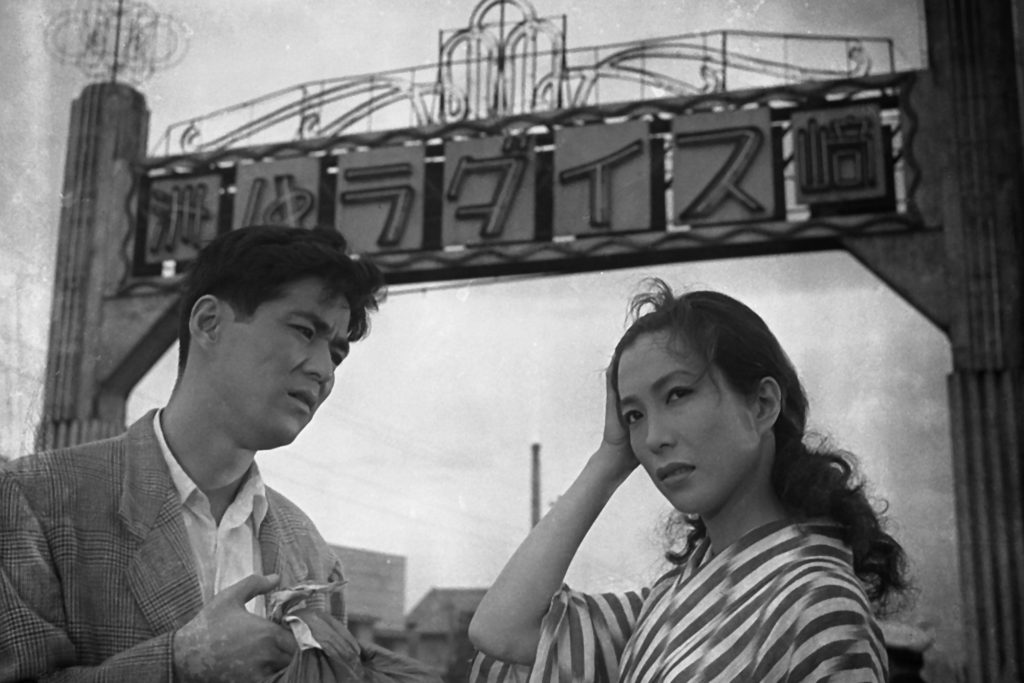
Jolly Cinema
Introduced by
Alexander Jacoby
Section: Yuzo Kawashima: The Missing Link
Arlecchino Cinema
Section: Recovered & Restored - The Film Foundation 30
Cinema Lumiere – Sala Scorsese
5 years and above
“If we had Fantasy like Logic, we would have already discovered the art of invention” (Novalis, Fragments)
Writer and educator Gianni Rodari dedicated his whole life to the art of inventing stories and ceaselessly using his imagination. Indeed, Novalis’ fragment inspired the title of his first writings on how stories are conceived, Quaderno di Fantastica. These notes were then revised and enriched with new ideas, becoming the landmark work La grammatica della fantasia (1973), an illuminating text that is essential reading for anyone involved in childcare and education. We celebrate the centenary of Rodari’s birth with a retrospective of animated short films that share the same spirit of narrative invention and reversal of conventions, despite being of different geographic origin, periods and style: a genuine tribute to Fantasy. There are two sections: Power to the Imagination is a collection of short films in which the world appears upside down, imaginary or dreamlike; Fairy Tale Salad takes its cue from Rodari’s famous expression about creating stories from imaginatively tossing together characters and situations from classic fairy tales: here Cinderella becomes a penguin in The Tender Tale of Cinderella Penguin, Sleeping Beauty does not want to hear about waking up in Isabelle au bois dormant, and the three Musketeers must save the world in Vivat Musketeers!
VARIÁCIÓK EGY SÁRKÁNYRA
(Variations on a Dragon, Hungary/1967) di Attila Dargay (8’)
LITTLE RED RIDING HOOD
(Canada/1969) di Rhoda Leyer (5’)
THE TENDER TALE OF CINDERELLA PENGUIN
(Canada/1981) di Janet Perlman (10’)
ISABELLE AU BOIS DORMANT
(Sleeping Betty, Canada/2007) di Claude Cloutier (9’)
MERLOT
(Italy/2016) di Marta Gennari, Giulia Martinelli (5’)
VIVAT MUSKETEERS!
(Russia/2017) di Anton Dyakov (6’)
Section: Il Cinema Ritrovato Kids & Young
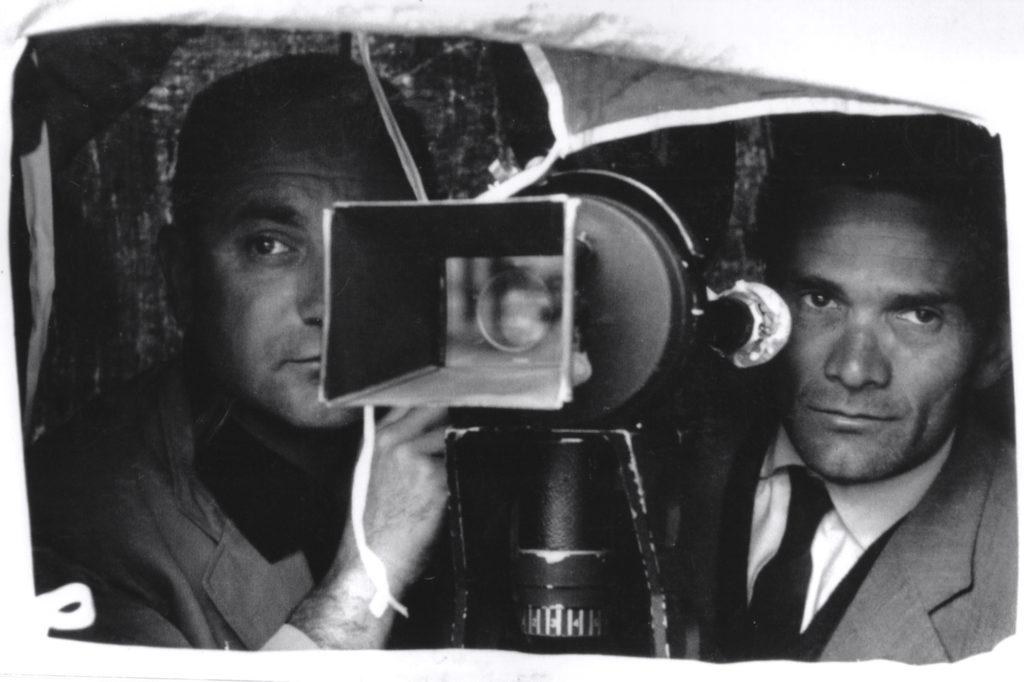
Cinema Odeon
Introduced by
Claver Salizzato, Stefano Delli Colli and Paolo Mancini
Section: Documents and Documentaries
Cinema Lumiere – Sala Officinema/Mastroianni
Section: Documents and Documentaries
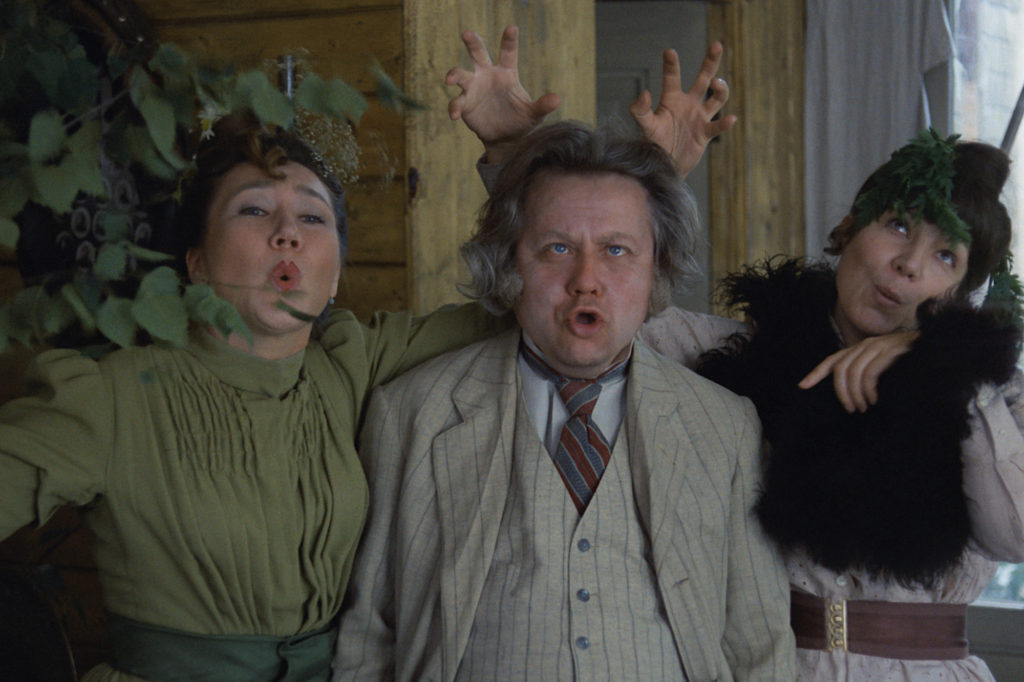
Teatro Auditorium Manzoni
Section: Venice Classics
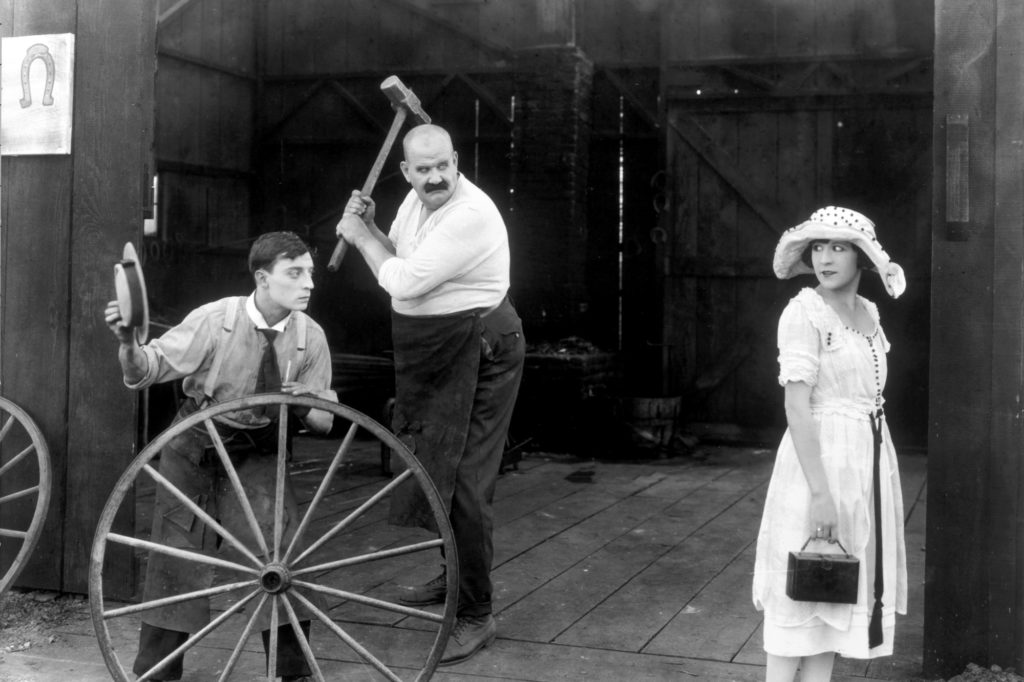
Teatro Comunale di Bologna
For The Blacksmith, drums accompaniment by Frank Bockius
Section: Buster Keaton!
Piazzetta Pier Paolo Pasolini
Section: Il Cinema Ritrovato Kids & Young
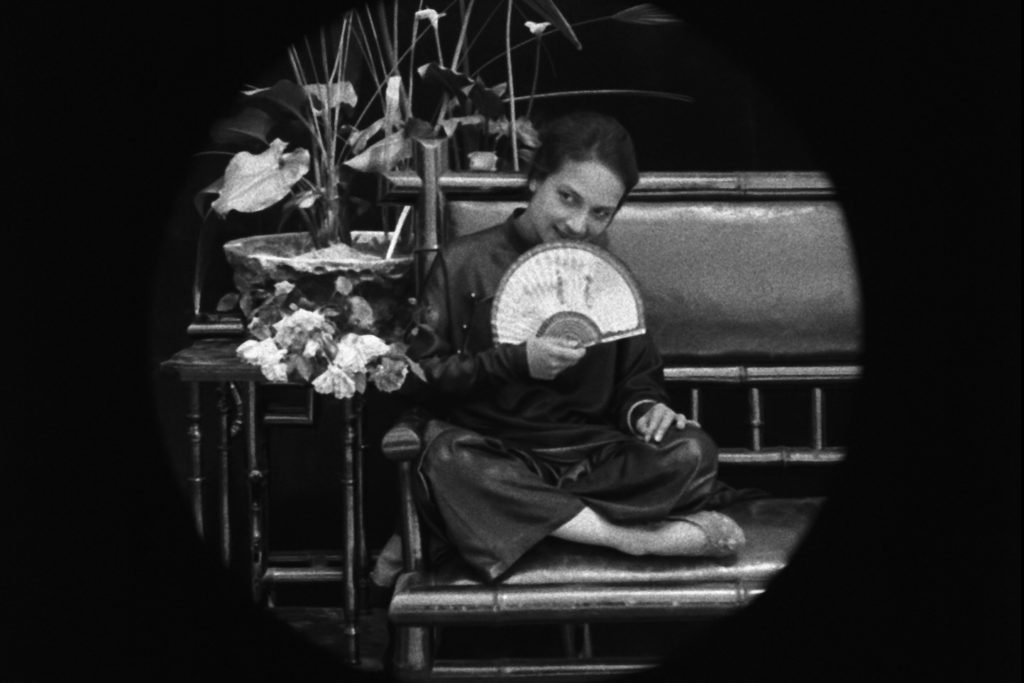
Teatro Comunale di Bologna
Piano accompaniment by
Laura Naukkarinen and Matti Bye
Section: Recovered & Restored
Cinema Odeon
Section: Henry Fonda for President
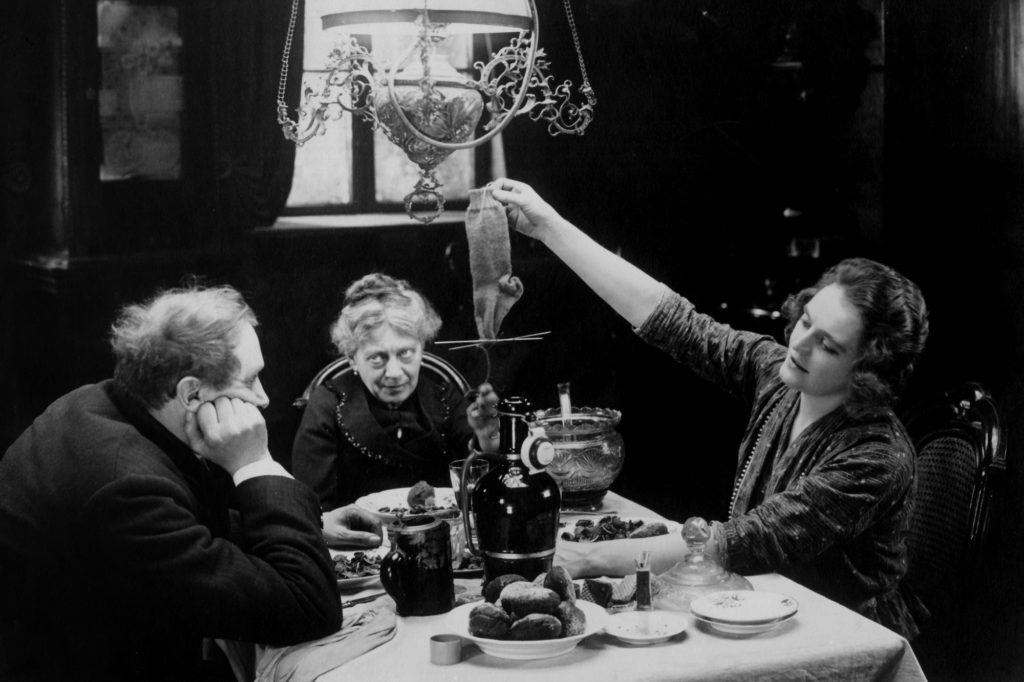
Piazza Maggiore
Live accompaniment by the Orchestra del Teatro Comunale di Bologna directed by Timothy Brock. Original score composed by Klaus Pringsheim for the film première, reconstructed and arranged by Frank Strobel
In case of rain, the screening will be canceled
Section: Recovered & Restored
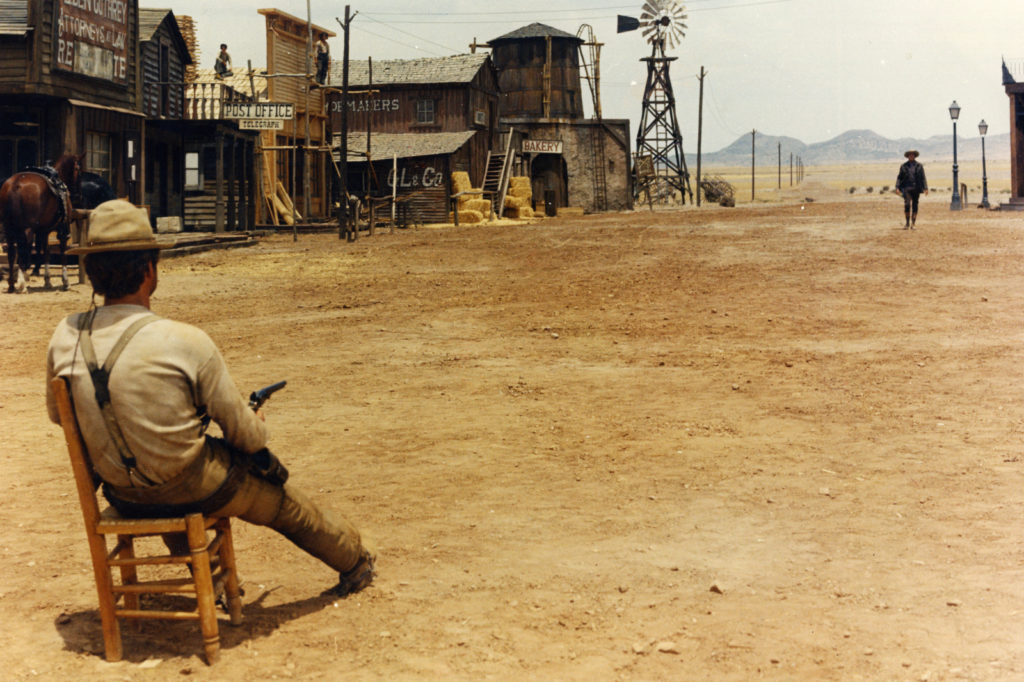
BarcArena
Introduced by
Manetti Bros
Section: Recovered & Restored
Arena Puccini all’Ippodromo
Section: Venice Classics
Arlecchino Cinema
Preceding
FIVE MINUTES WITH RUY GUERRA. THE MOZAMBIQUE ARCHIVE SERIES
Section: Cinemalibero
Jolly Cinema
Section: Guns for Hire: Frank Tuttle vs. Stuart Heisler
Teatro Auditorium Manzoni
Section: Recovered & Restored
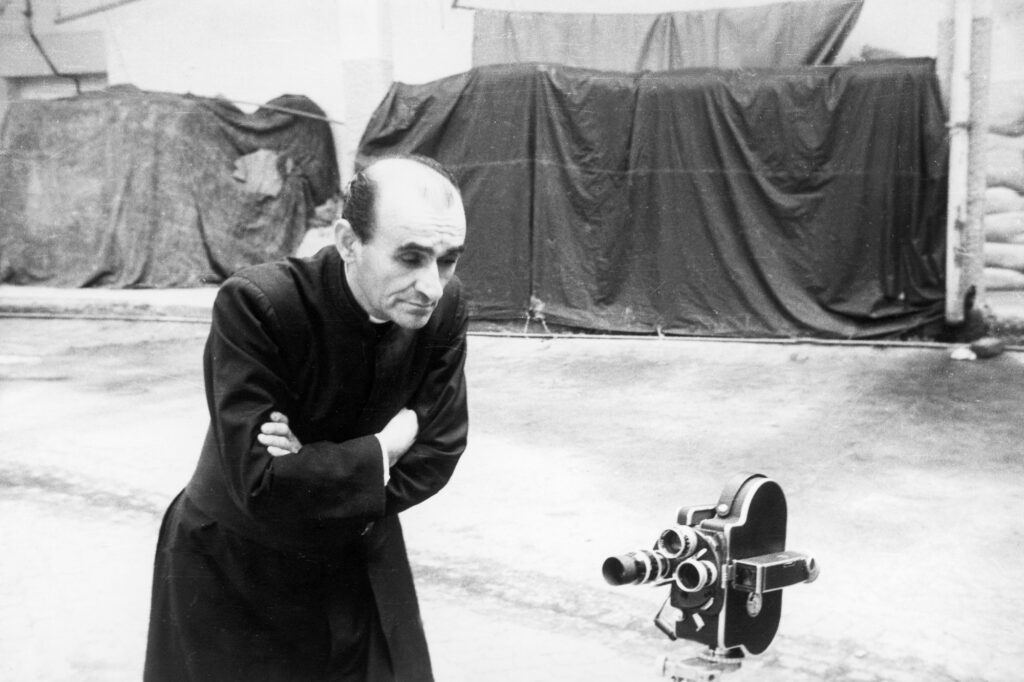
Piazza Maggiore
Reading by Alice Rohrwacher, of the poem A invençao do amor by Daniel Filipe, translated by Luciana Fina e Alice Rohrwacher. With drawings by Mara Cerri, serigraphies by Else edizioni e Orecchio Acerbo, documentary images by Angelo Loy, researches by Luciana Fina, film by António Campo and readings by Geppi Cucciari.
(In case of rain, the event will take place at Teatro Auditorium Manzoni)
Section: The Invention of Love
sunday 30 august
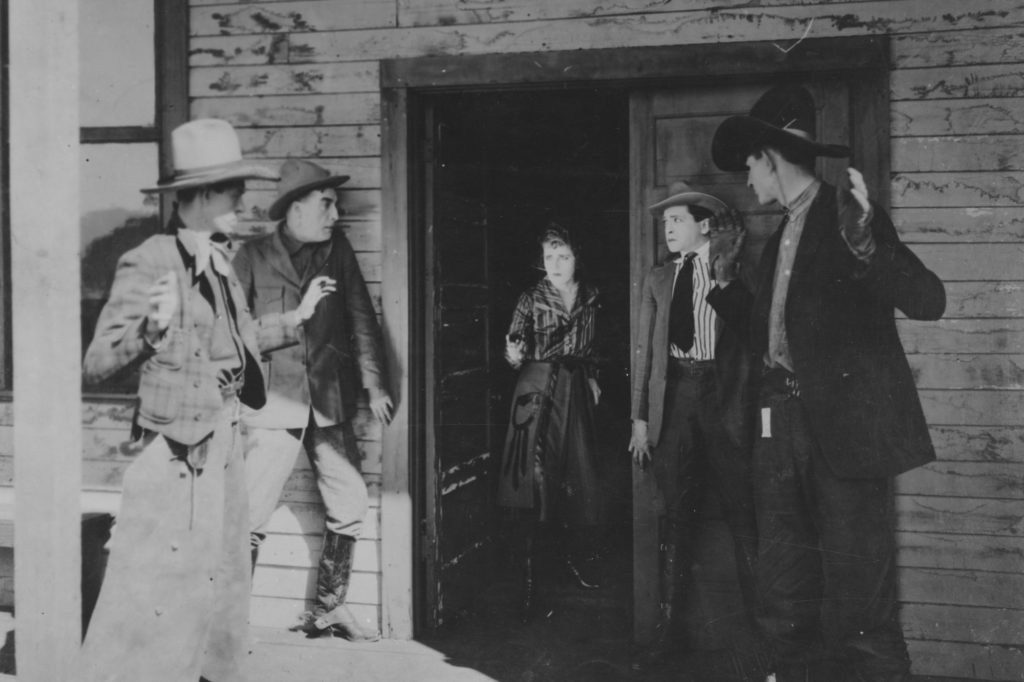
Teatro Comunale di Bologna
Harp accompaniment by Eduardo Raon
Section: One hundred years ago: 1926
Cinema Lumiere – Sala Scorsese
Music recorded, composed and performed by Stephen Horne
Section: Recovered & Restored
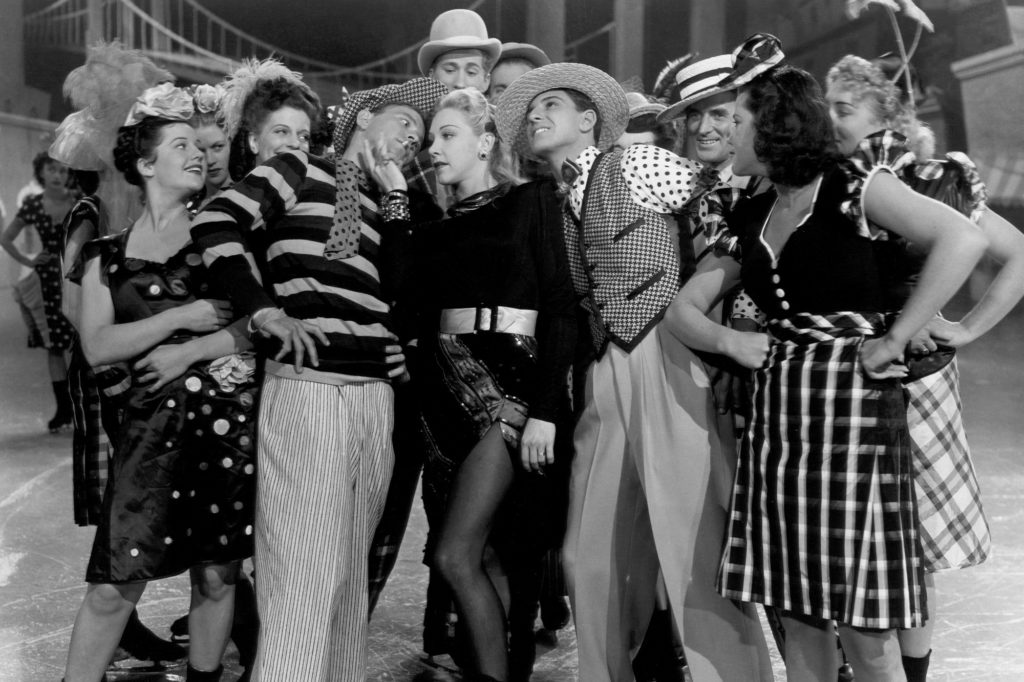
Jolly Cinema
Section: Guns for Hire: Frank Tuttle vs. Stuart Heisler
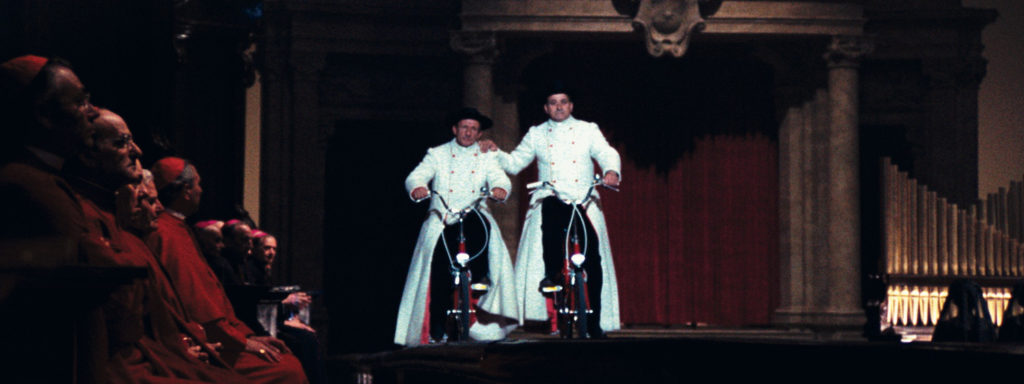
Cinema Lumiere – Sala Officinema/Mastroianni
Section: Recovered & Restored
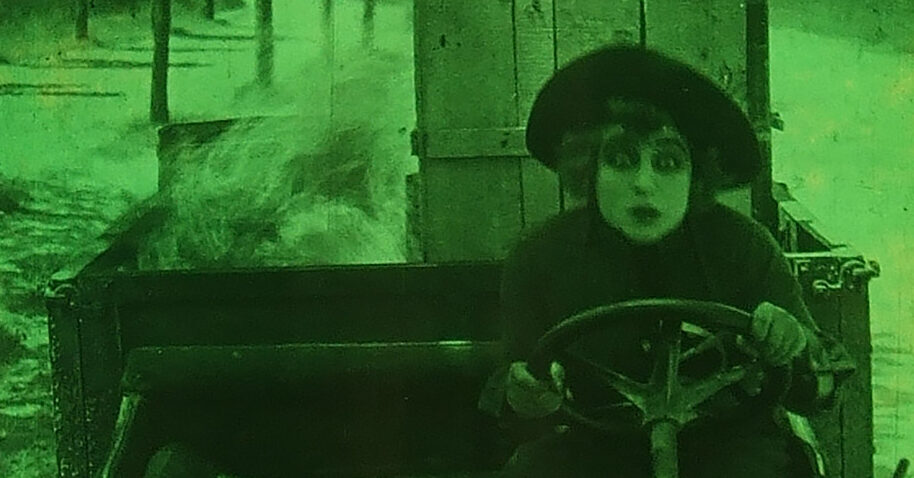
Teatro Comunale di Bologna
Piano accompaniment by
Antonio Coppola
Section: One hundred years ago: 1926
Cinema Lumiere – Sala Officinema/Mastroianni
Section: Recovered & Restored
Cinema Odeon
Section: Henry Fonda for President
Cinema Lumiere – Sala Scorsese
Section: Gösta Werner: A Sense of Loss
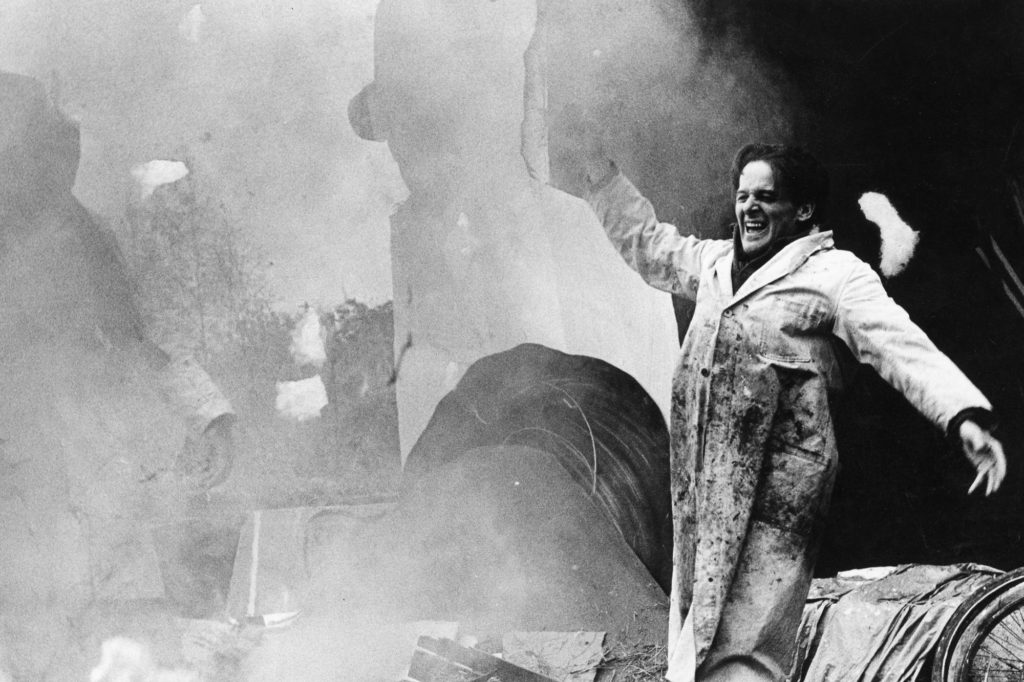
Teatro Auditorium Manzoni
Introduced by
Renato Berta and Frédéric Maire (Cinémathèque Suisse)
Preceding
DANS LE VENT
Section: Recovered & Restored
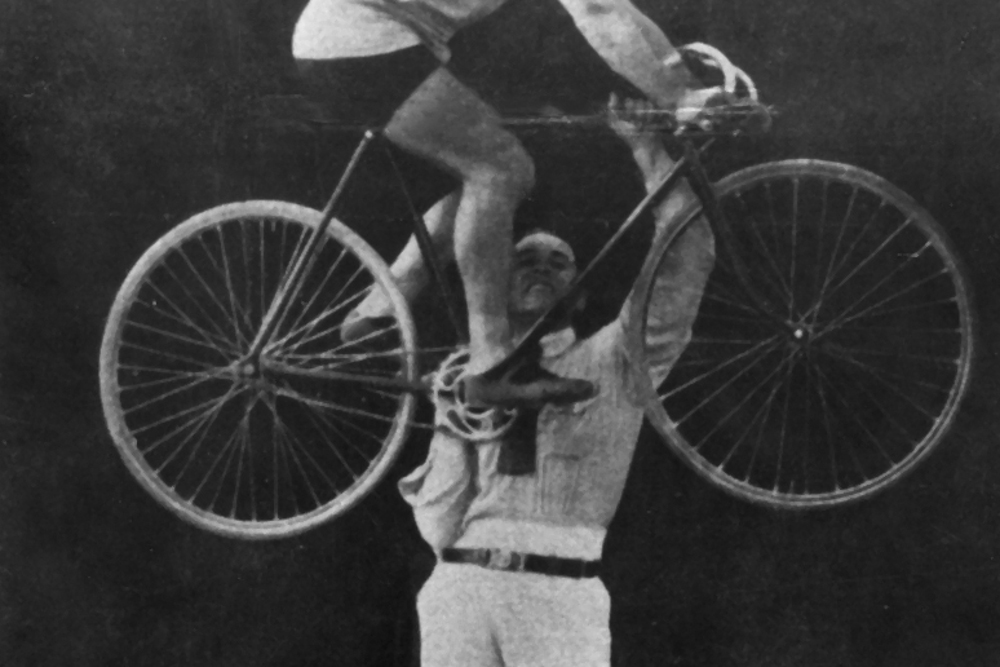
Teatro Comunale di Bologna
Introduced by
Andrea Meneghelli and Mariann Lewinsky
Piano accompaniment by
John Sweeney
Section: Recovered & Restored

Jolly Cinema
Introduced by Ehsan Khoshbakht
Section: Guns for Hire: Frank Tuttle vs. Stuart Heisler
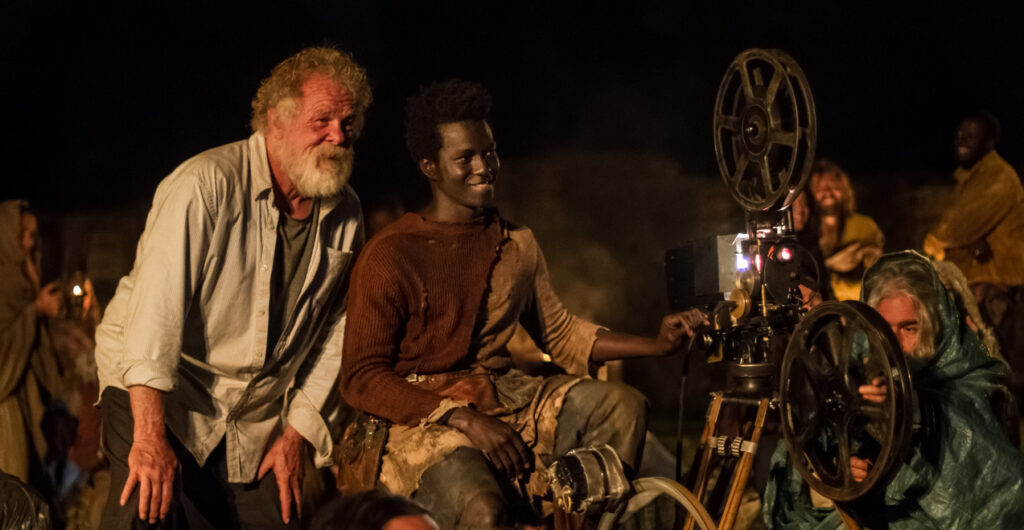
Cinema Lumiere – Sala Officinema/Mastroianni
Section: World Premiere of LAST WORDS
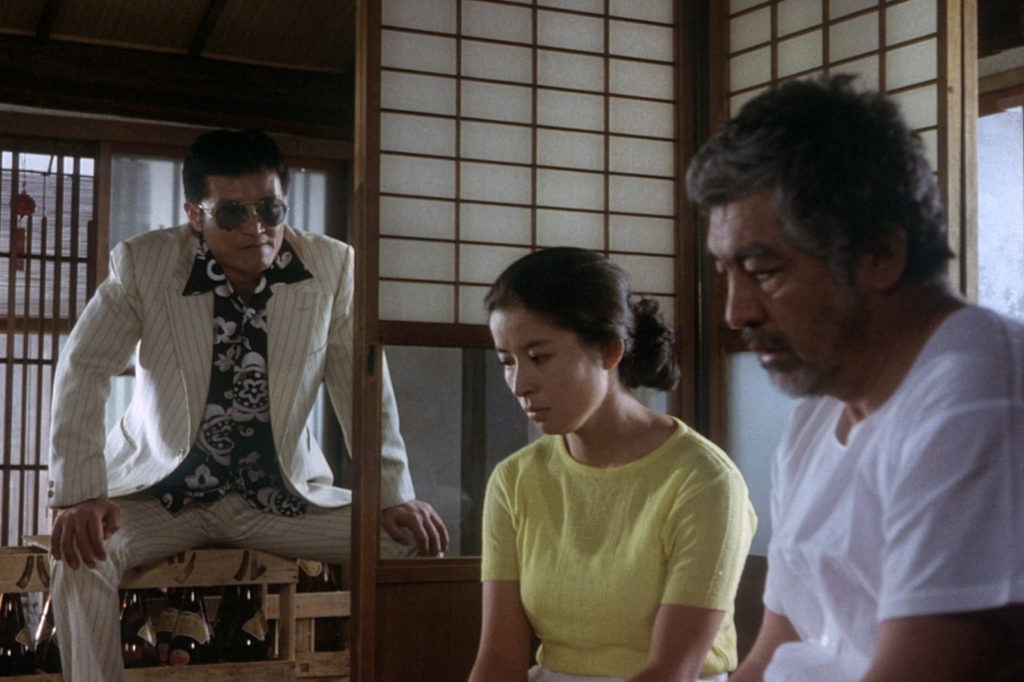
Teatro Auditorium Manzoni
Section: Venice Classics
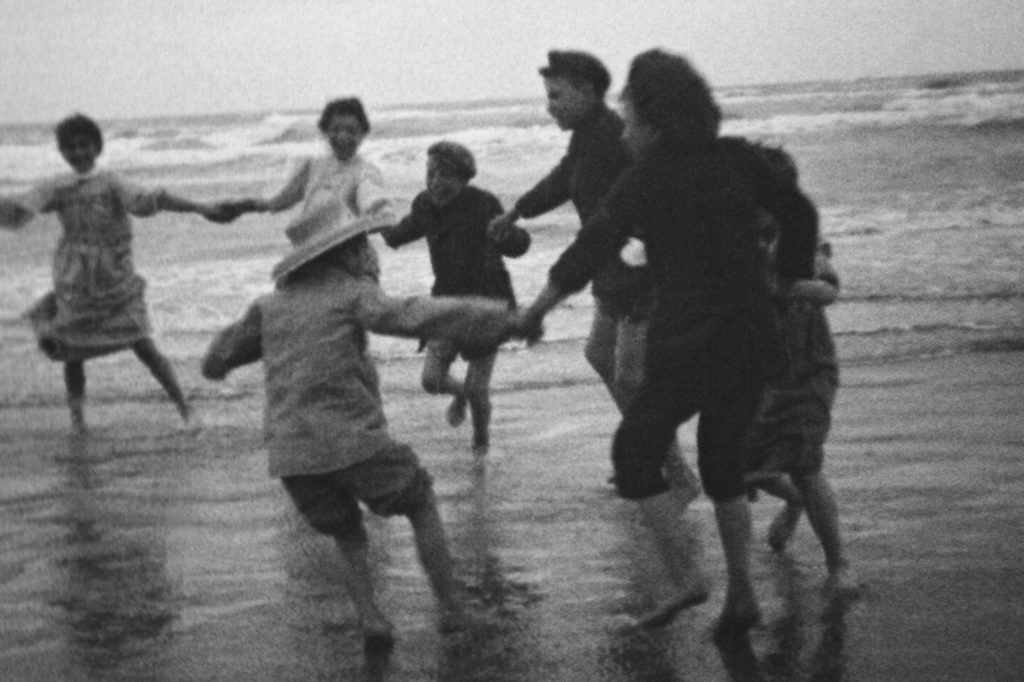
Teatro Comunale di Bologna
Drums accompaniment by Frank Bockius
Section: Century of Cinema: 1906
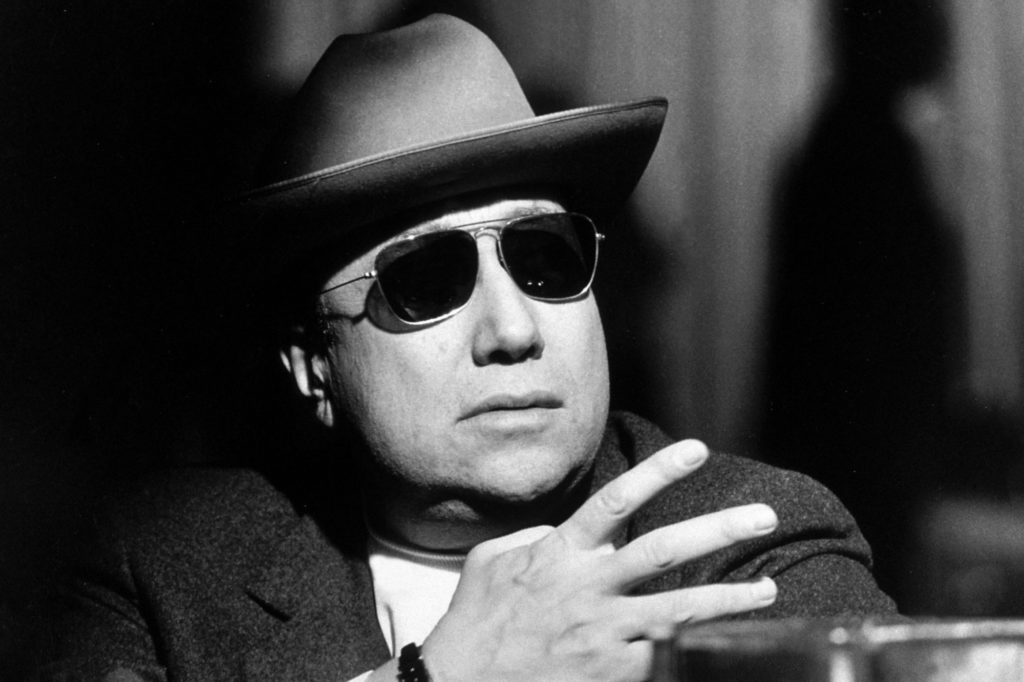
Cinema Lumiere – Sala Officinema/Mastroianni
Introduced by Cyril Leuthy
Section: Documents and Documentaries
Arlecchino Cinema
Introduced by
Jia Zhang-ke (in video)
Section: Cinemalibero - The Film Foundation 30
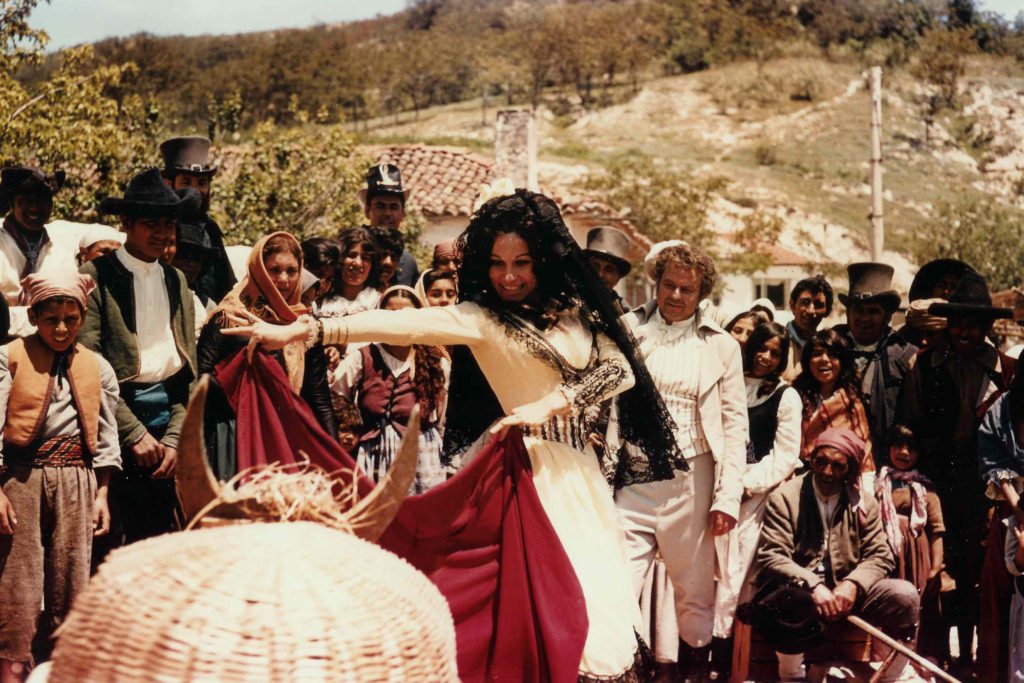
Cinema Lumiere – Sala Scorsese
Section: Konrad Wolf in the Age of Extremes
Jolly Cinema
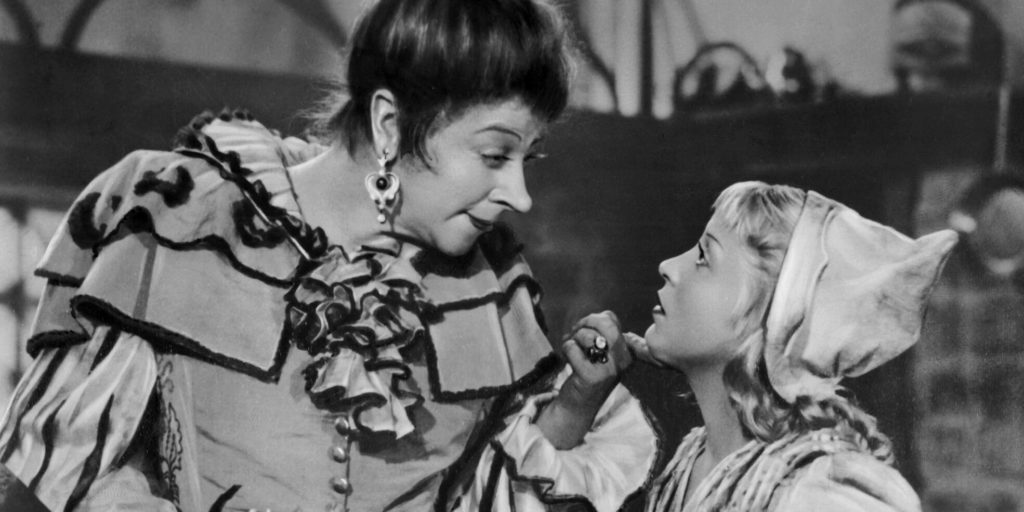
NADEZHDA KOSHEVEROVA
Saint Petersburg native Nadezhda Nikoleyevna Kosheverova (1902-1989) was first an actress in the theatre before turning to cinema in the late 1920s. She studied at Kozintsev and Trauberg’s FEKS, and remained with them from The New Babylon on. After being an assistant director on the Maxim trilogy (1935-1938), she became a director at the Lenfilm studio. Her second film Arinka, a comedy about everyday life in the countryside (a train driver in love with the switch-woman, complete with songs and the inevitable saboteur) was a great success: with 22.9 million spectators it was the third most profitable film of 1940. That same year, her medium- length Galya was forbidden. The uncanny story of a teenage girl who resolves, while her father is away fighting in the war against Finland, to complete the heroic statue that he started, causing confusion among the cultural officials, did not find appreciation amongst those same officials. The father-daughter relationship that would reappear in her work is already noticeable, as is her pictorial style: Leningrad’s landscapes look like miniature works of art. In 1944 she began a collaboration with director Mikhail Shapiro with a film of Tchaikovsky’s opera Cherevichki, based on Gogol’s short story. Her taste for the fantastic would flourish with Zolushka, which attracted 18.3 million spectators in 1947. After that film, screenwriter and playwright Evgeny Schwartz wrote a screenplay for Kosheverova and Shapiro, Dva druga (Two Friends), which they would only be able to film in 1963 under the title Kain XVIII (Cain XVIII). In 1971 she also adapted Schwartz’s play Tyen (The Shadow), which had been banned in 1940. Until 1987 she filmed regularly, mostly making children’s films, musicals, comedies and fairytales (Oslinaya shkura, The Donkey’s Hide, 1982). She worked three times with Klimenti Mints, the screenwriter of Barnet’s film By the Bluest of Seas, from the avant-garde group OBERIU, and occasionally worked again with actors from Zolushka such as Faina Ranevskaya (Ostorozhno, babushka!, Be Careful, Grandma!, 1960) or Erast Garin (Kain XVIII).
Irène Bonnaud and Bernard Eisenschitz
Section: Early Women Directors in the Soviet Union
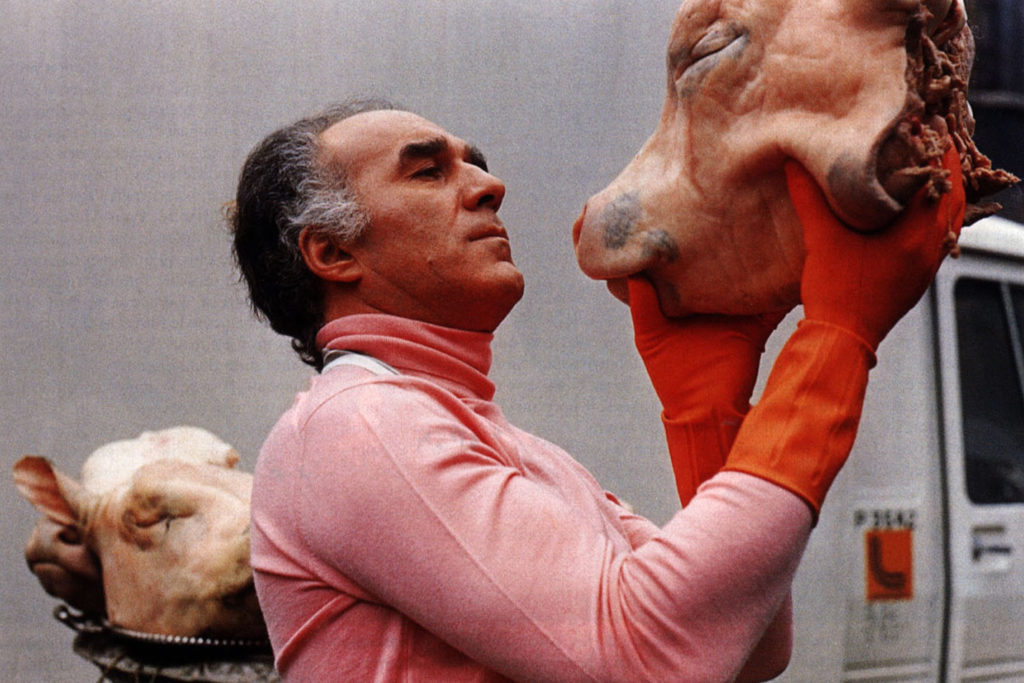
Cinema Odeon
Introduced by
Serge Toubiana
Section: Marco Ferreri Rediscovered
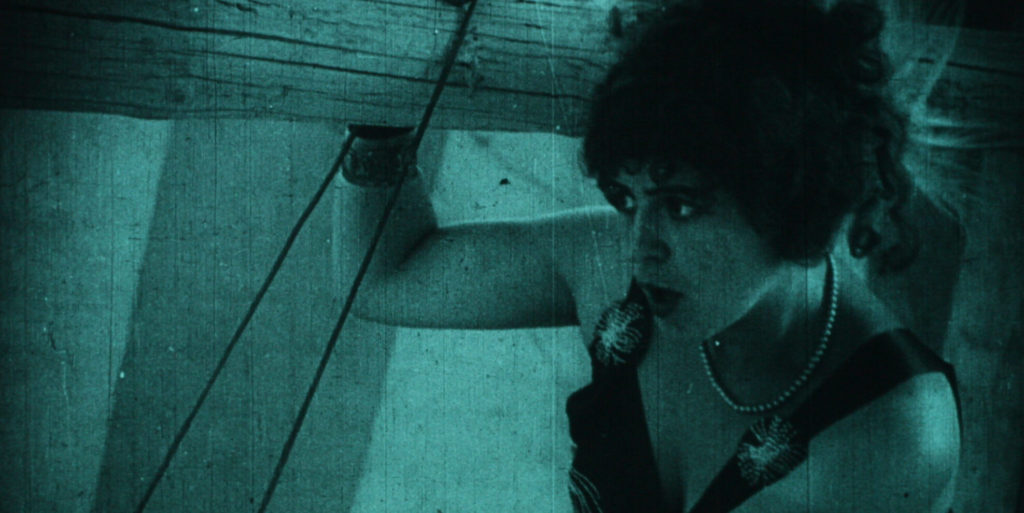
Teatro Comunale di Bologna
Introduced by Micaela Veronesi
Harp accompaniment by Eduardo Raon
Preceding:
DANSES À CARACTÉRE À LA SCALA DE MILAN
Section: One hundred years ago: 1926
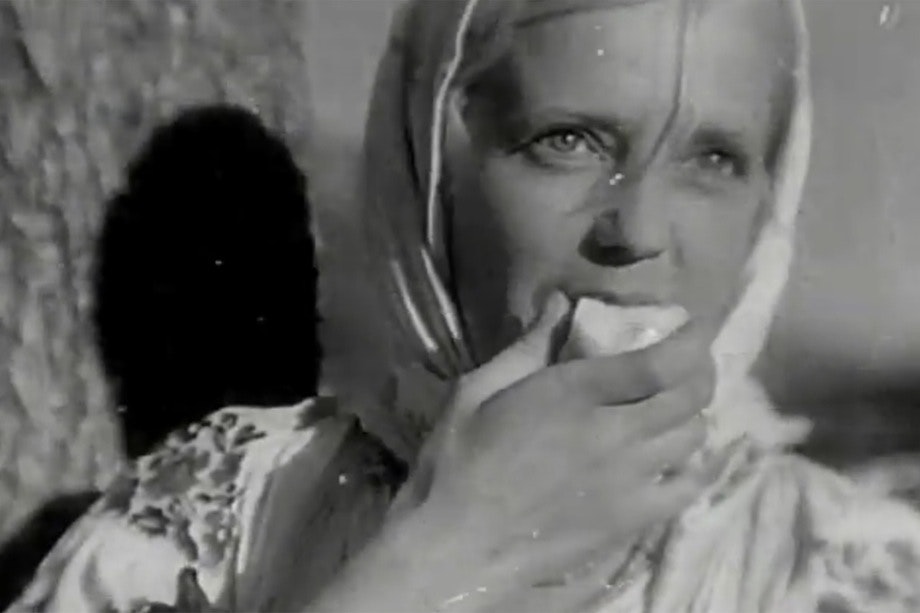
Cinema Lumiere – Sala Officinema/Mastroianni
Introduced by Sally Potter
Section: Documents and Documentaries
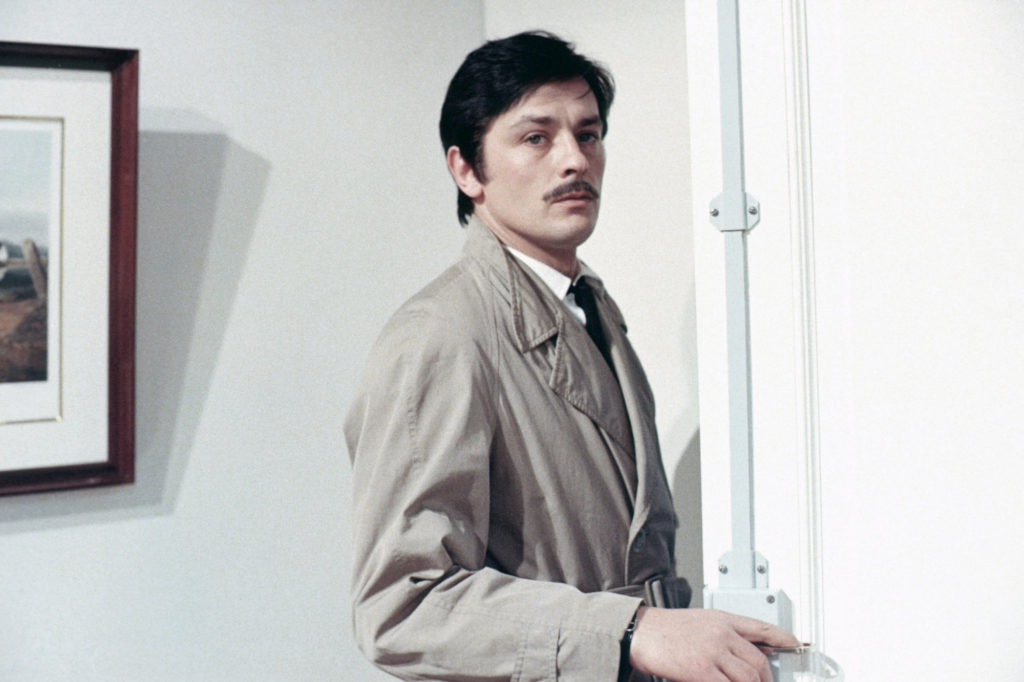
Teatro Auditorium Manzoni
Section: Venice Classics
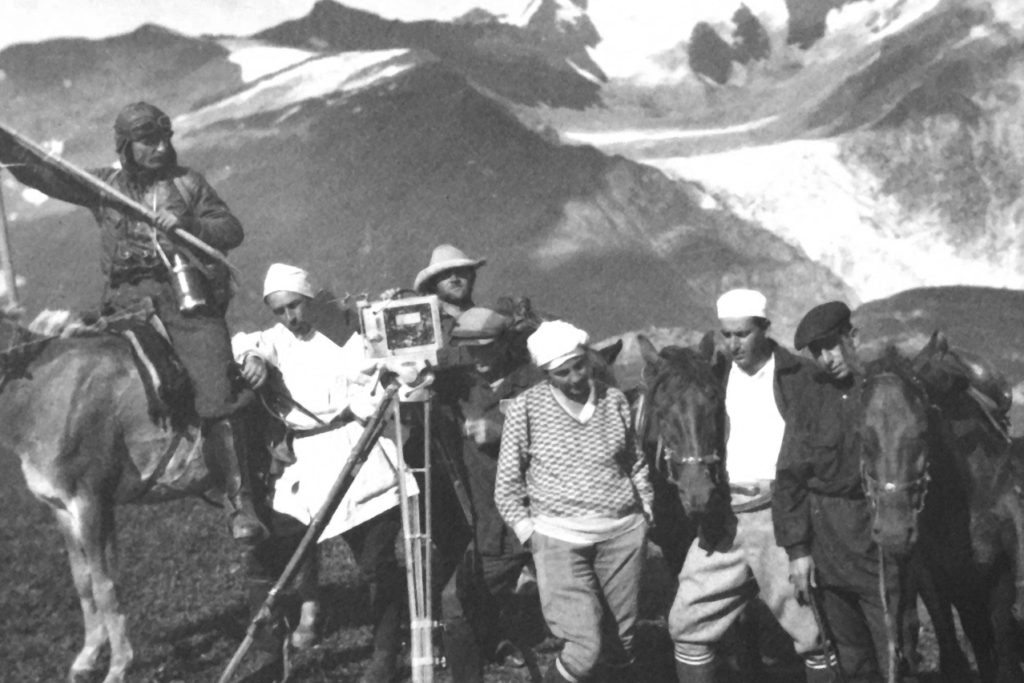
Jolly Cinema
Introduced by Salomé Alexi
Music recorded and composed by Giya Kancheli
Section: Early Women Directors in the Soviet Union
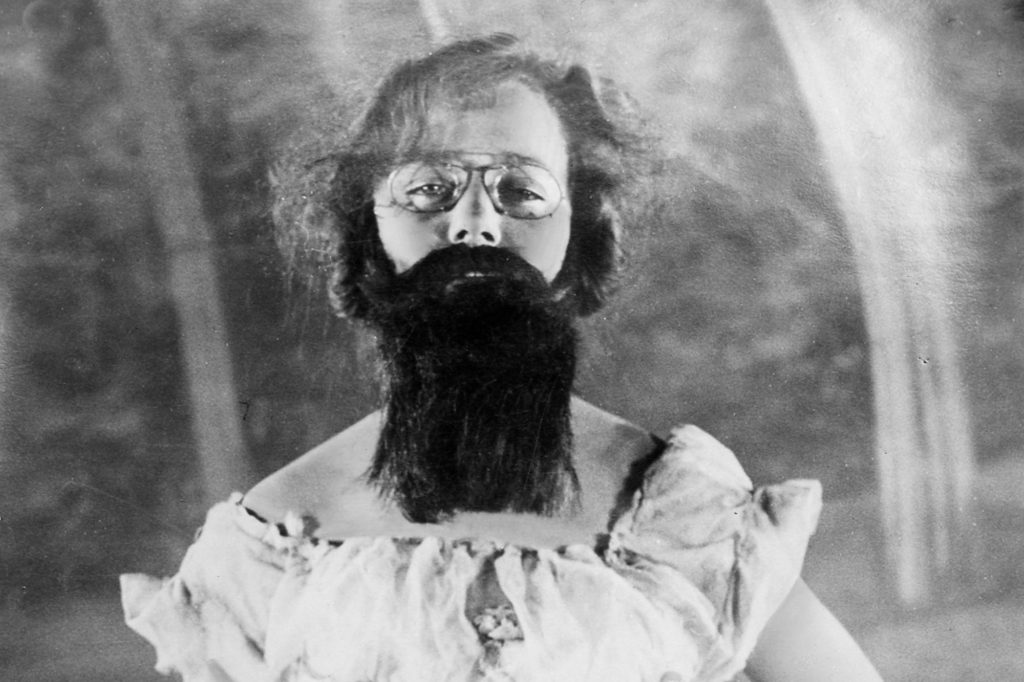
Cinema Lumiere – Sala Scorsese
Live accompaniment by So Beast
Federico Fellini did not believe the world ended at night-time. In fact, he thought that another dimension of reality opened up at night. Cinema has always told stories about dreams and has had a special relationship with ‘the other side of the world’. This section starts with Georges Melies, film’s first storyteller of dreams, then moves on to Dadaist and Surrealist cinema, which makes the unconscious and dreamlike its aesthetic and linguistic guide, and ends with a Danish animated film about the unbridled dreams of a child. As Desnos wrote, “In the absence of the spontaneous adventure that our eyelids let escape upon wakening, we go to the dark cinema looking for artificial dreams”.
LE CAUCHEMAR
(A Nightmare, Francia/1900) di Georges Méliès (1’)
ENTR’ACTE
(Francia/1924) di René Clair (estratto, 6’)
VORMITTAGSSPUK
(Ghosts Before Breakfast, Germania/1928) di Hans Richter (estratto, 6’)
LE RÊVE DU RADJAH OU LA FORÊT ENCHANTÉE
(The Rajah’s Dream, Francia/1900) di Georges Méliès (2’)
LE RETOUR À LA RAISON
(Francia/1923) di Man Ray (3’)
BALLET MÉCANIQUE
(Francia/1924) di Fernand Léger (estratto, 3’)
DREAMS THAT MONEY CAN BUY
(USA/1947) di Hans Richter (estratto, 3’)
YOUGHAL CLOCK TOWER
(Irlanda/1909) di James Horgan (1’)
PALLE ALENE I VERDEN
(Palle Alone in the World, Danimarca/1949) di Astrid Henning-Jensen (25’)
So Beast
Katarina Poklepovic and Michele Quadri are producers, beatmakers, musicians and composers temporarily based in the countryside outside of Bologna. They came about as a duo experimenting and improvising, exploring sound and radio art, and headed towards a more defined music form with live electronics, combining elements of contemporary, avant-garde, hip hop, trap, psychedelic, post punk and pop music, to create a unique and polished fusion of musical styles.
Section: Il Cinema Ritrovato Kids & Young
![[Sieurins bilder] / EROTIKON](https://ilcinemaritrovato.it/wp-content/uploads/2020/07/erotikon-1024x682.jpg)
Teatro Comunale di Bologna
Erotikon introduce by Jeanne Pommeau (NFA)
For [Sieurins Bilder]: Harp accompaniment by Eduardo Raon
For Erotikon: Music composed for piano four-hands by Matti Bye and performed by Matti Bye and Laura Naukkarinen
Section: Century of Cinema: 1906 - Recovered & Restored - One hundred years ago: 1926
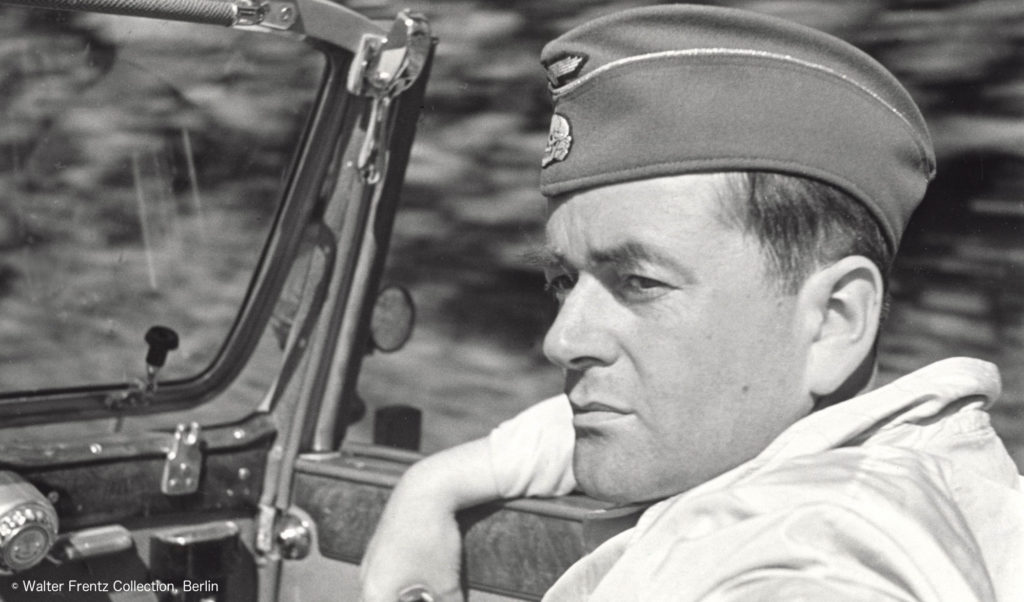
Cinema Odeon
Following, video meeting with Vanessa Lapa
Section: Documents and Documentaries
Arlecchino Cinema
Section: World Premiere of LAST WORDS
Teatro Comunale di Bologna
Piano accompaniment by
Antonio Coppola
Section: Recovered & Restored
Cinema Odeon
Section: Henry Fonda for President
Piazza Maggiore
In case of rain, the screening will take place at the Teatro Manzoni, at the Cinema Arlecchino and at the Cinema Jolly
Section: Venice Classics
BarcArena
In case of rain, the screening will take place at the Teatro Manzoni, at the Cinema Arlecchino and at the Cinema Jolly
Section: Venice Classics
Arena Puccini all’Ippodromo
In case of rain the screening will be canceled
Section: Recovered & Restored
Teatro Auditorium Manzoni
(In case of rain, the film programmed in Piazza Maggiore will be projected, instead)
Section: Venice Classics
Arlecchino Cinema
(In case of rain, the film programmed in Piazza Maggiore will be projected, instead)
Section: Cinemalibero
Jolly Cinema
(In case of rain, the film programmed in Piazza Maggiore will be projected, instead)
Section: Guns for Hire: Frank Tuttle vs. Stuart Heisler
monday 31 august
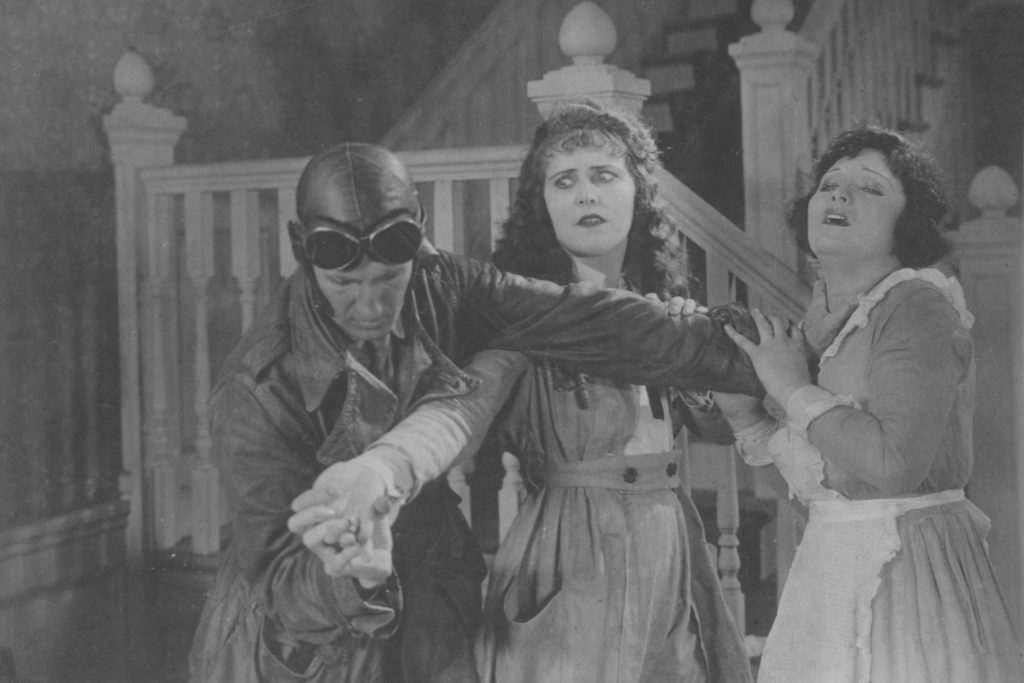
Teatro Comunale di Bologna
Piano accompaniment by
John Sweeney
Section: One hundred years ago: 1926
Cinema Lumiere – Sala Scorsese
Piano accompaniment by
Antonio Coppola
Section: Recovered & Restored
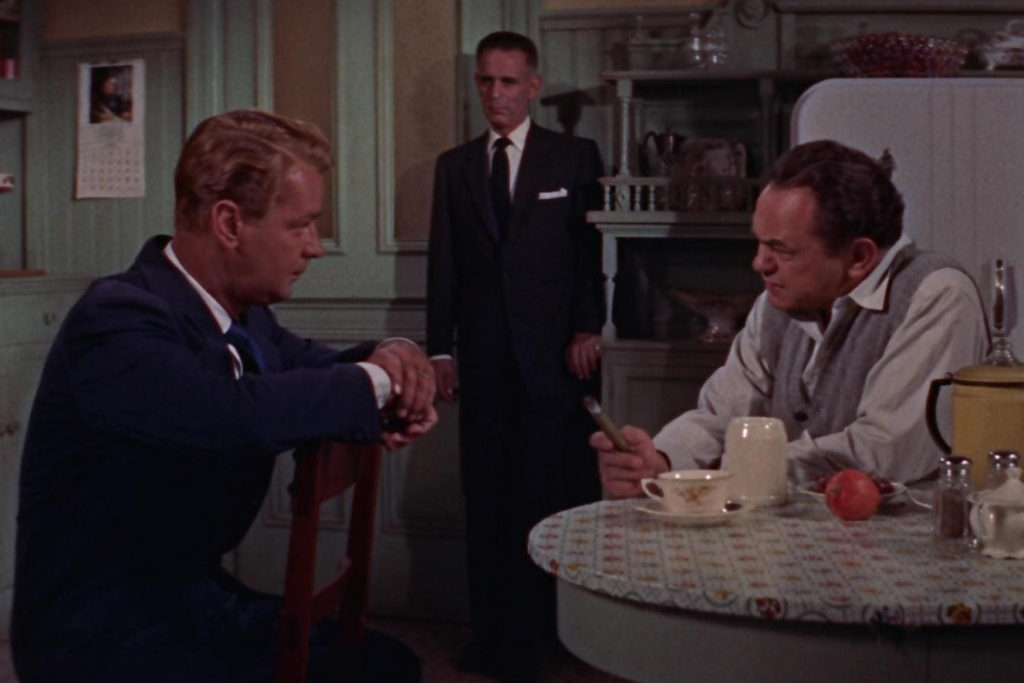
Jolly Cinema
Section: Guns for Hire: Frank Tuttle vs. Stuart Heisler
Cinema Lumiere – Sala Officinema/Mastroianni
Section: Recovered & Restored - The Film Foundation 30
Cinema Lumiere – Sala Officinema/Mastroianni
Section: Recovered & Restored
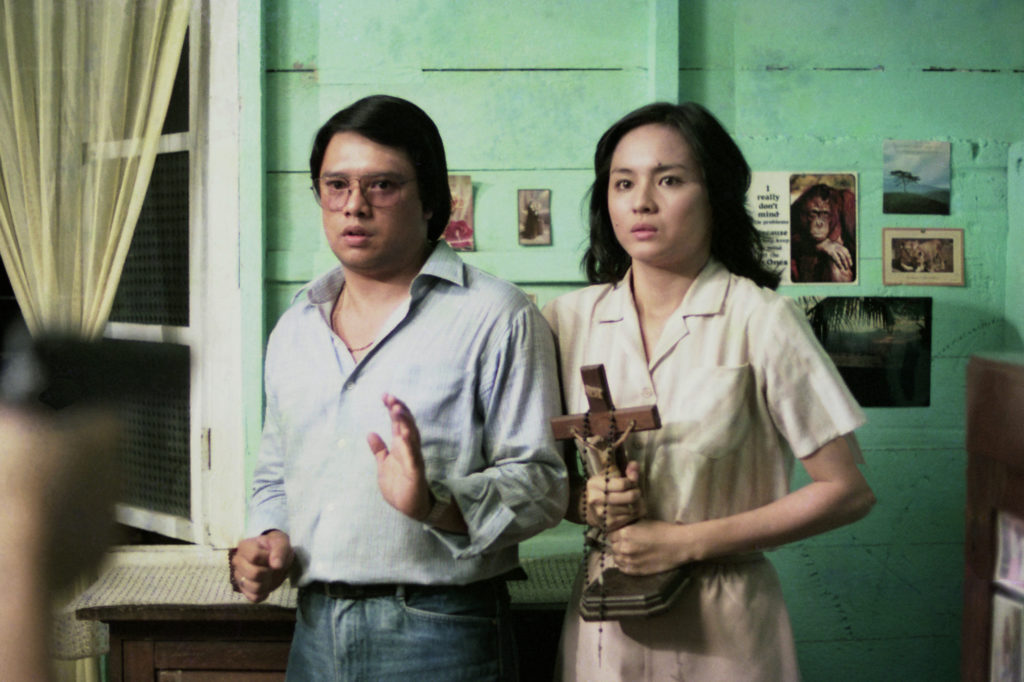
Arlecchino Cinema
Section: Cinemalibero
Cinema Lumiere – Sala Officinema/Mastroianni
Section: Recovered & Restored
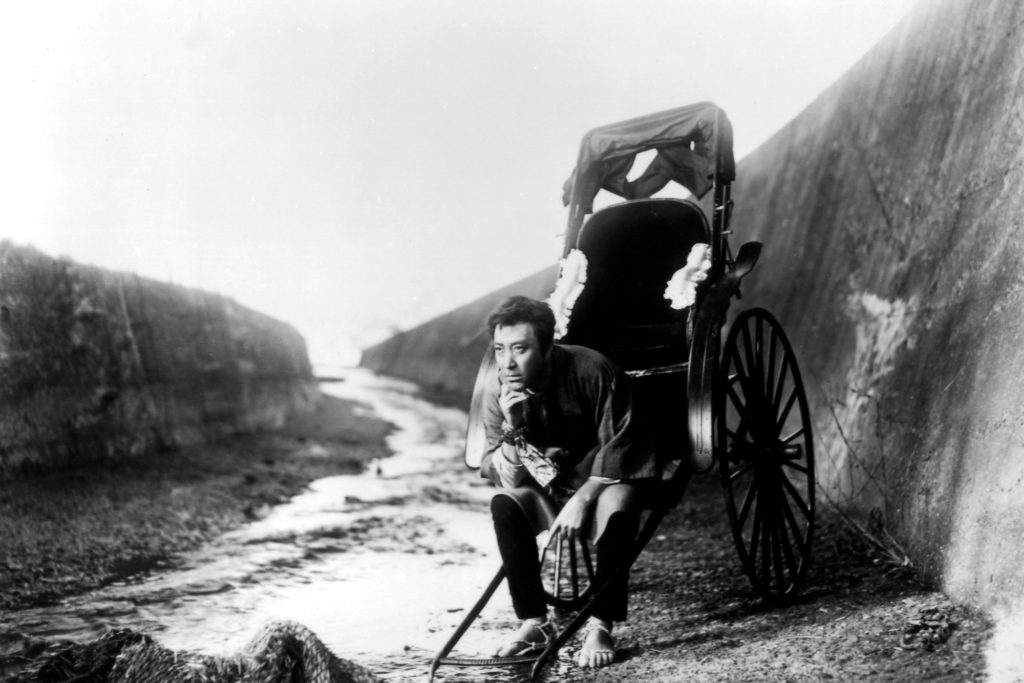
Teatro Auditorium Manzoni
Section: Venice Classics - The Film Foundation 30
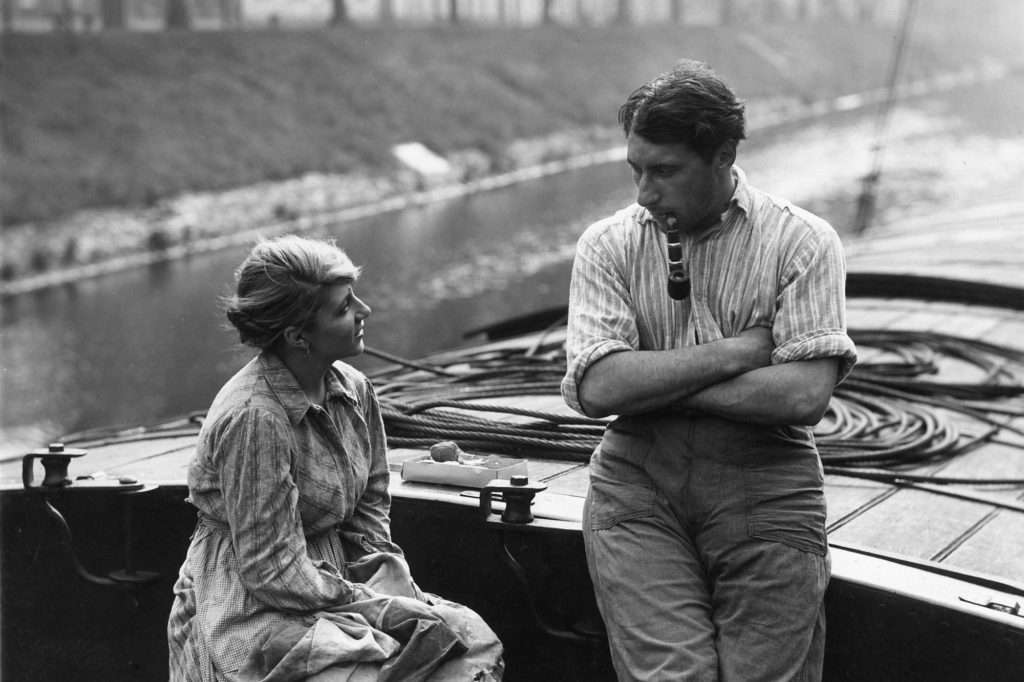
Teatro Comunale di Bologna
Harp accompaniment by Eduardo Raon
Preceding: De Biskra à Touggourt
Following: meeting with Manon Billaut (Fondation Jérôme Seydoux-Pathé)
Section: One hundred years ago: 1926
Cinema Odeon
Section: Henry Fonda for President
Cinema Lumiere – Sala Scorsese
Section: Konrad Wolf in the Age of Extremes
Jolly Cinema
Section: Guns for Hire: Frank Tuttle vs. Stuart Heisler
Cinema Lumiere – Sala Officinema/Mastroianni
Teatro Comunale di Bologna
Teatro Auditorium Manzoni
Section: Recovered & Restored
Teatro Comunale di Bologna
Piano accompaniment by
Maud Nelissen
Preceding
Danses à caractère à la Scala de Milan
Section: One hundred years ago: 1926
Cinema Lumiere – Sala Officinema/Mastroianni
Section: Documents and Documentaries
Arlecchino Cinema
Section: Venice Classics
Cinema Lumiere – Sala Scorsese
Section: Gösta Werner: A Sense of Loss
Jolly Cinema
Piano accompaniment by
John Sweeney
OLGA PREOBRAZHENSKAYA
Olga Preobrazhenskaya (1881-1971) started a successful career as a stage actress in 1905 and came to film in 1913. She co-directed several films with Vladimir Gardin and taught from 1918 to 1925 at the State Film School. As a filmmaker with a pre-revolutionary career she was under suspicion, and directed three films for children in the mid-1920s – Anya is as remarkable as Kashtanka – before the overwhelming success of Baby ryazanskie (Women of Ryazan, 1927) and the extraordinary Svetly Gorod (Bright Town, 1928, only one reel known to exist).
Mariann Lewinsky
Section: Early Women Directors in the Soviet Union
Cinema Odeon
Introduced by
Serge Toubiana
Section: Marco Ferreri Rediscovered
Cinema Lumiere – Sala Officinema/Mastroianni
Section: Documents and Documentaries
Teatro Auditorium Manzoni
Section: Recovered & Restored
Teatro Comunale di Bologna
Musical reconstruction done by the Centre de Musique Hellénique, music composed by Yannis Tselikas, performed by the Greek Radio National Orchestra and by the singers of the National Opera, directed by Anastasios Simeonidis
Section: Recovered & Restored
Cinema Lumiere – Sala Scorsese
Section: Konrad Wolf in the Age of Extremes
Jolly Cinema
Section: Yuzo Kawashima: The Missing Link
Arlecchino Cinema
Section: Venice Classics

Cinema Odeon
Introduced by
Walter Salles (on video)
Section: Documents and Documentaries
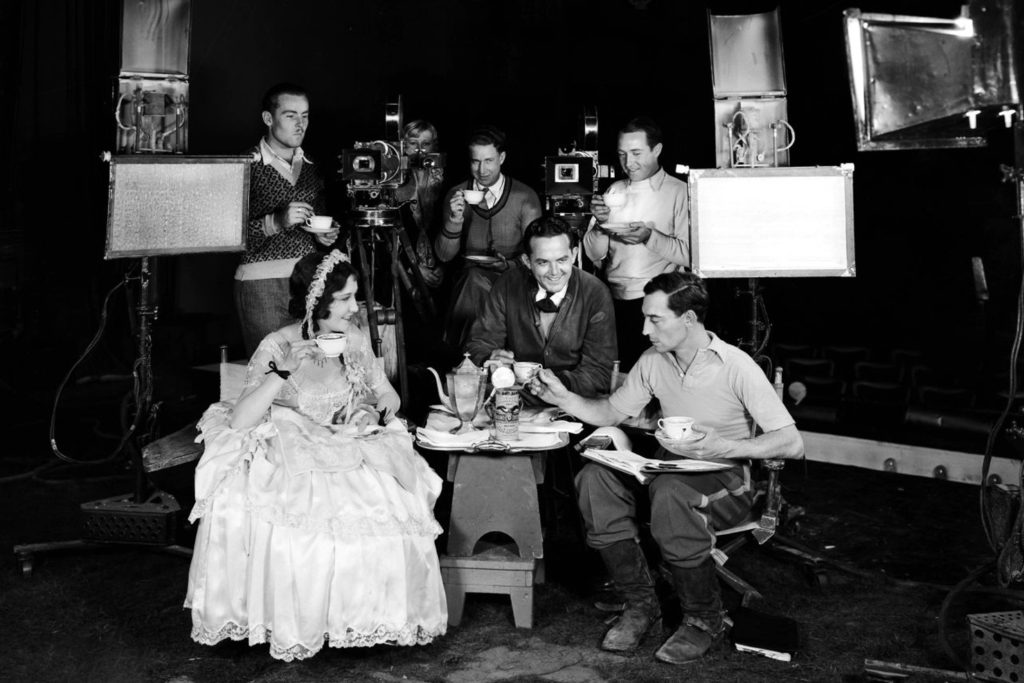
Teatro Comunale di Bologna
Piano accompaniment by Daniele Furlati and drums accompaniment by Frank Bockius
Section: Buster Keaton!
Teatro Auditorium Manzoni
Section: Recovered & Restored
Cinema Odeon
Section: Venice Classics - Henry Fonda for President
Piazza Maggiore
Introduced by
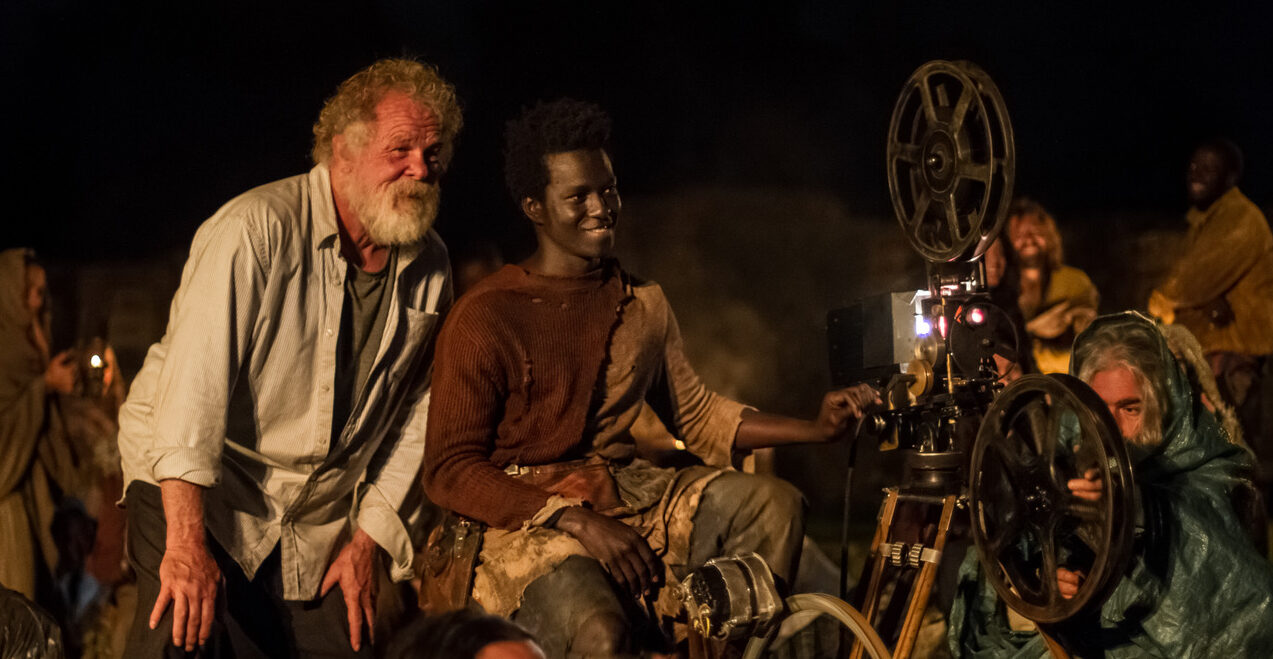
Jonathan Nossiter, Stellan Skarsgård, Alba Rohrwacher, Silvia Calderoni and Kalipha Touray
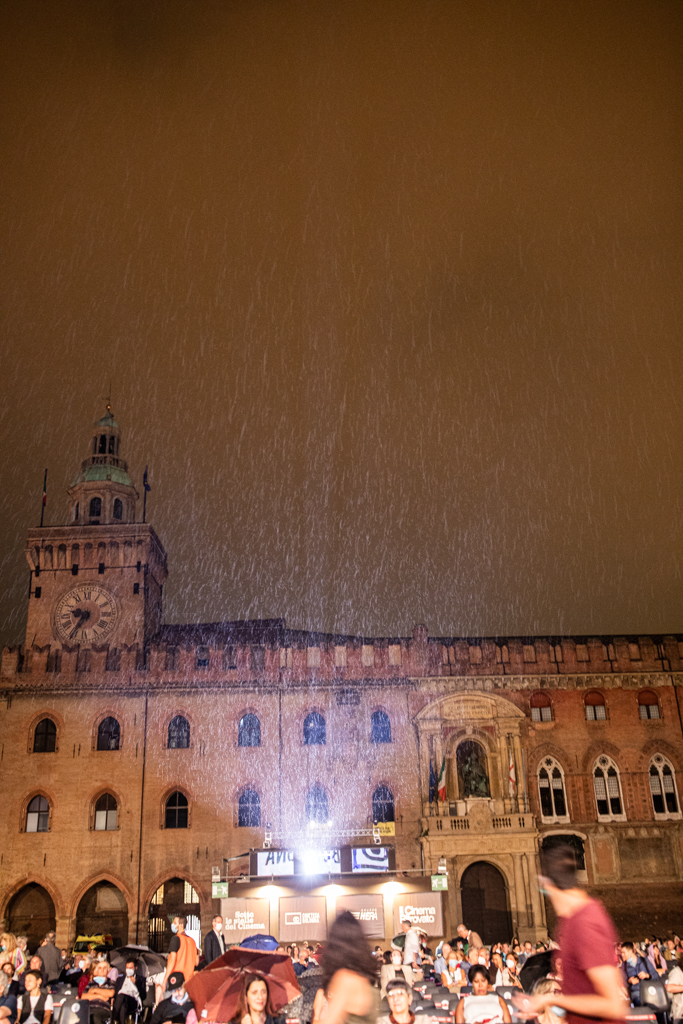
Considering the weather conditions, the screening will take place at Teatro Manzoni, Cinema Arlecchino and Cinema Jolly
Section: World Premiere of LAST WORDS
Teatro Auditorium Manzoni
Considering the weather conditions, tonight at Teatro Auditorium Manzoni we will screen LAST WORDS by Jonathan Nossiter instead of IL MIO NOME È NESSUNO
Section: Recovered & Restored
Arena Puccini all’Ippodromo
In case of rain, the screening will be canceled
Section: Recovered & Restored
Arlecchino Cinema
Considering the weather conditions, tonight at Cinema Arlecchino we will screen LAST WORDS by Jonathan Nossiter instead of MEGHE DHAKA TARA
Section: Cinemalibero - The Film Foundation 30
Jolly Cinema
Considering the weather conditions, tonight at Cinema Jolly we will screen LAST WORDS by Jonathan Nossiter instead of LADIES SHOULD LISTEN/AMONG THE LIVING
Section: Guns for Hire: Frank Tuttle vs. Stuart Heisler