archives
An archive that brings together the life, art and thoughts of one of the greatest masters of cinema of all time; correspondence spanning from the post-war period to the mid-1970s; exchanges that bear witness to the artistic turning points of a filmmaker immortalised as the father of Neorealism, yet who in reality spanned many eras of cinema and television, as evidenced, for example, by the lengthy programmatic letter sent to Pope Paul VI in January 1966: “I am a film director and, for some years now, ever since I realised it was futile, I have turned my back on commercial cinema. In my day, I attempted, though almost in vain, to make films that were of civic and human value. Our society, as it has progressed towards the highest levels of technical, scientific and economic development, has, in our century, been tainted by crimes for which there is no precedent in history and of which it is scarcely capable of realising the gravity: hence a profound sense of pity. But can and must progress be halted? No, it is unstoppable, but we must ensure that people do not feel lost in the face of a changing world, amidst horizons that are broadening, taking on new colours and taking on different forms. Perhaps, amongst the steps to be taken to equip people’s consciousness to face their world, we need to consider developing a form of education that extends beyond school, one that keeps pace with developments and transformations step by step. The means for this urgent first-aid effort are at our disposal: they are the audiovisual media.”
This new chapter, which will make a further and significant contribution to our understanding of Roberto Rossellini’s life and work, would not have been possible without the hard work and dedication of Renzo Rossellini, who for decades has safeguarded and curated these materials, acting as a passionate champion of his father Roberto’s memory, work and vision.
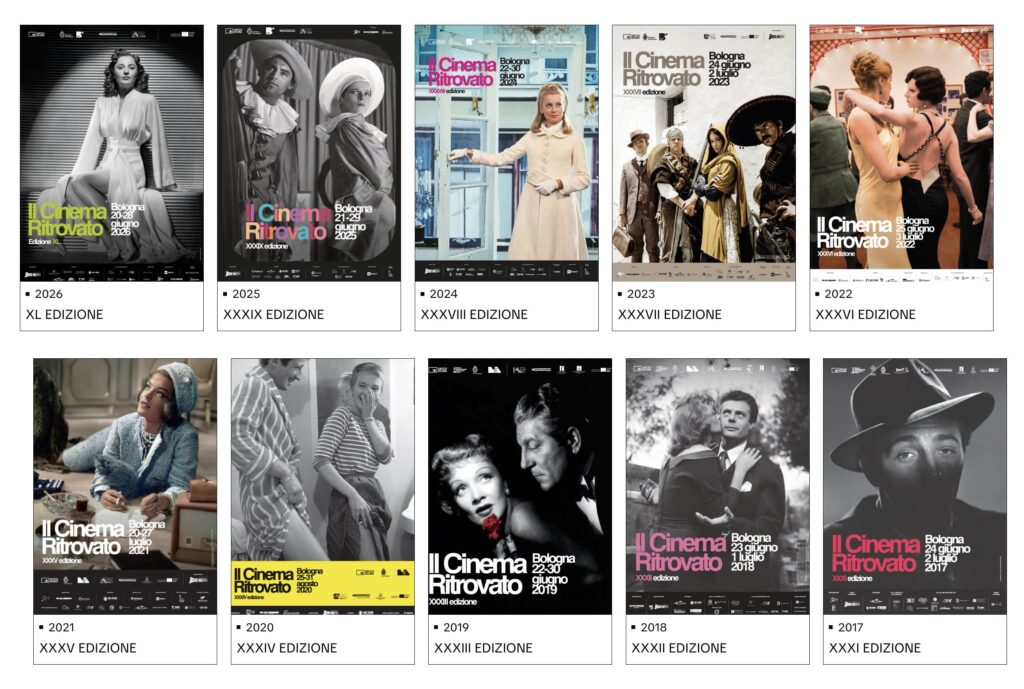
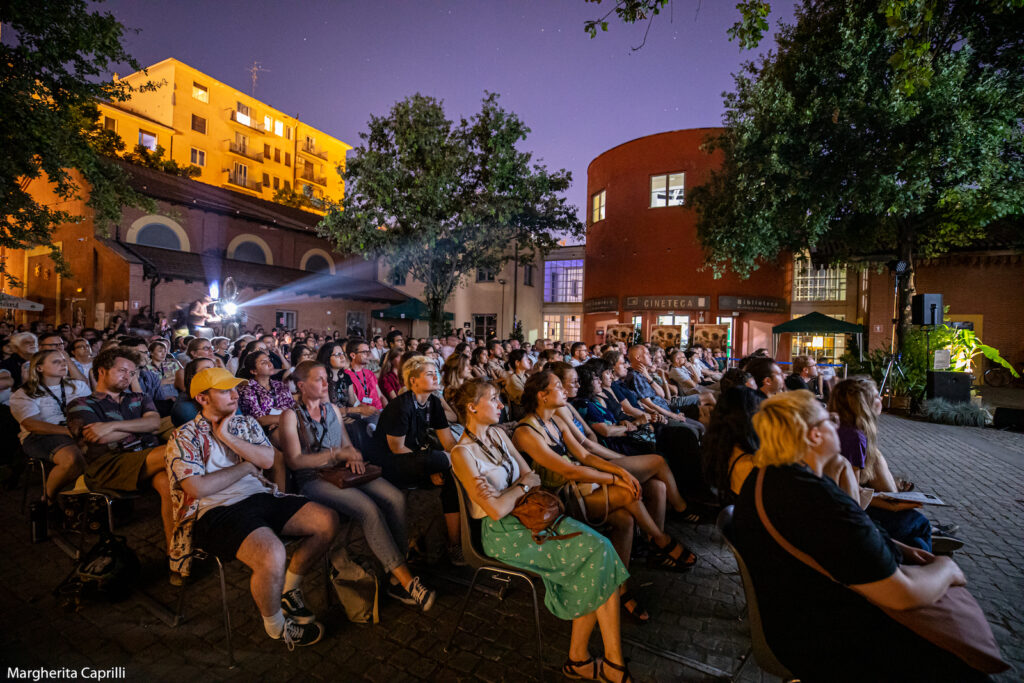
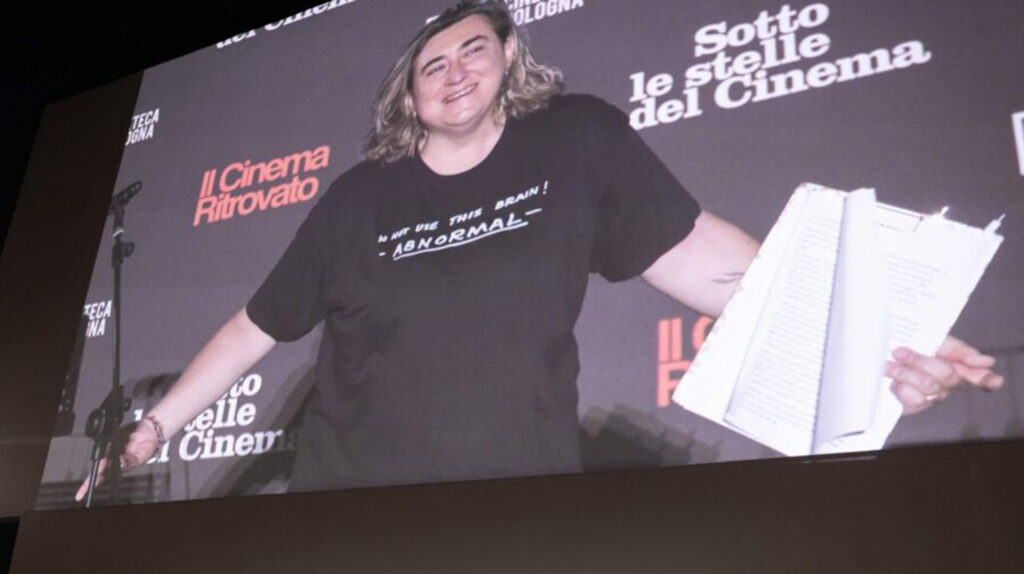
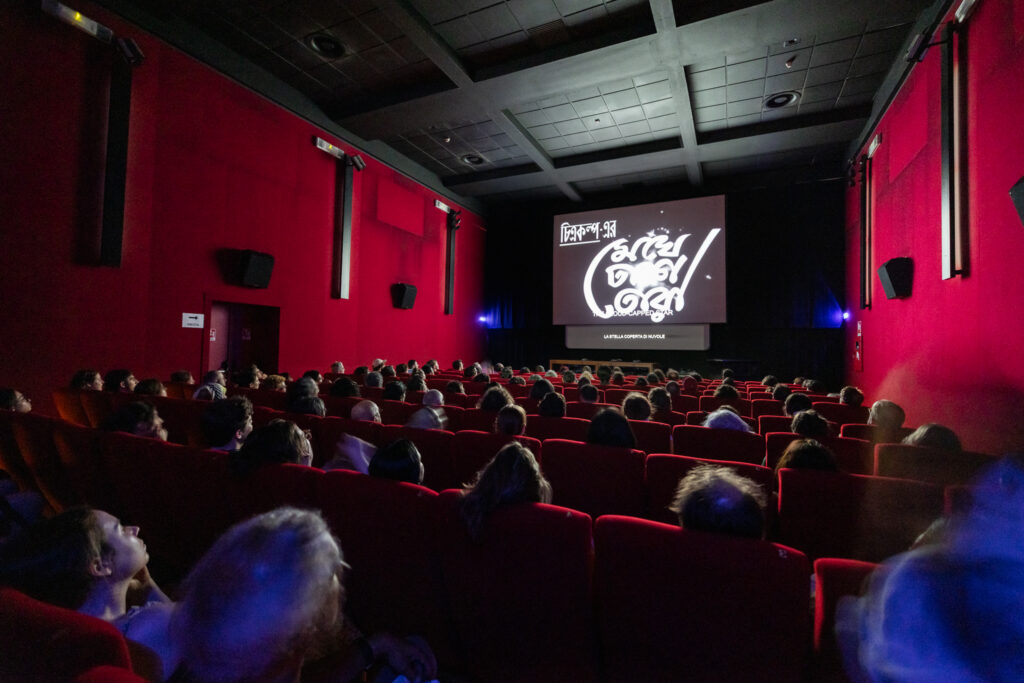
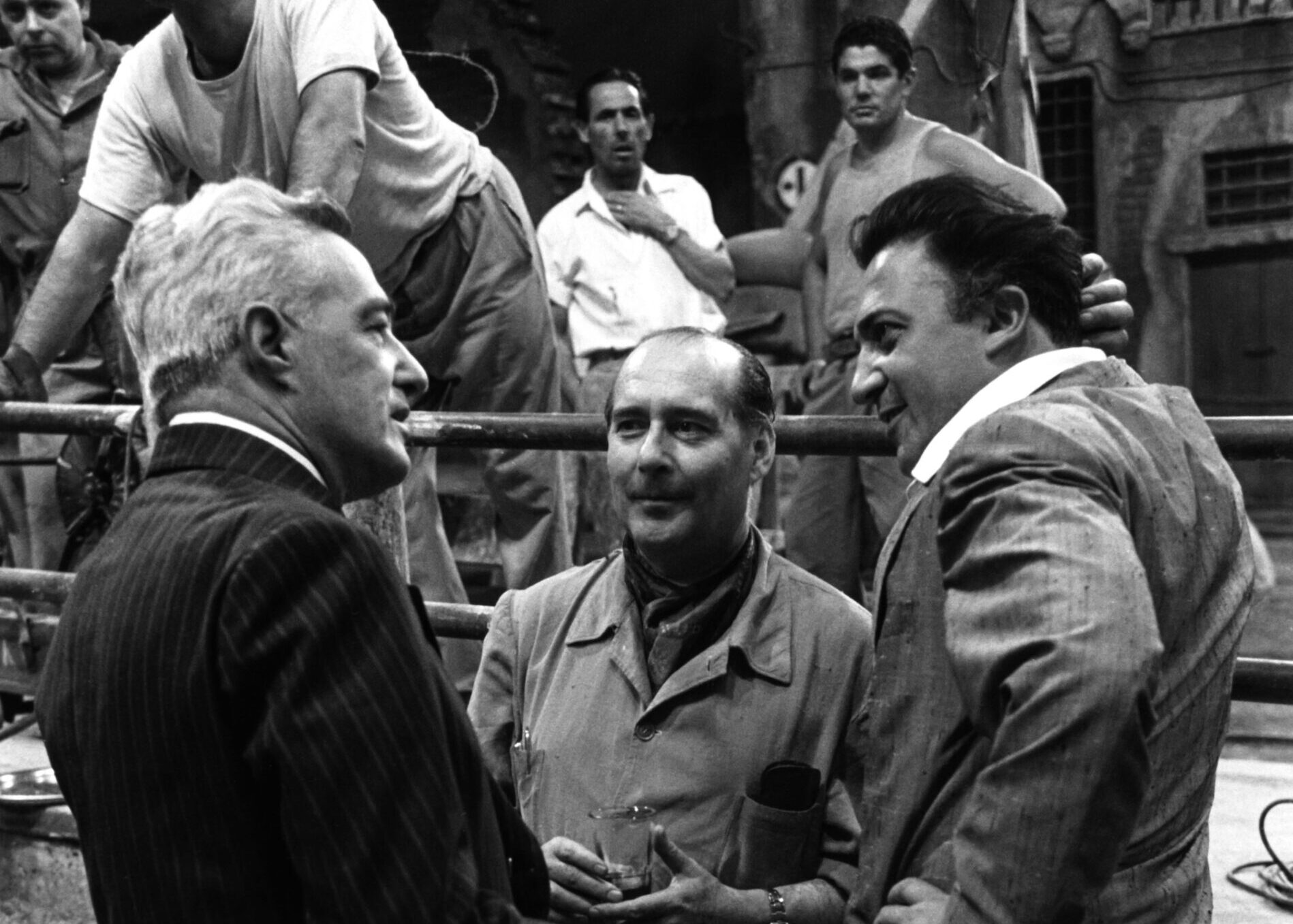
The Cineteca di Bologna has long been committed to preserving the legacy of Roberto Rossellini and has overseen and promoted crucial restorations of his films, starting, of course, with Roma città aperta. This work has never ceased and now reaches its culmination with the arrival of the Roberto Rossellini Archive, just as the 40th edition of the Il Cinema Ritrovato festival is set to honour the director with the premiere, in Piazza Maggiore in Bologna, of the new restoration, carried out by Gaumont, of the film Il Generale Della Rovere (Golden Lion at Venice in 1959), which Rossellini adapted from a short story by Indro Montanelli, casting Vittorio De Sica in the lead role.
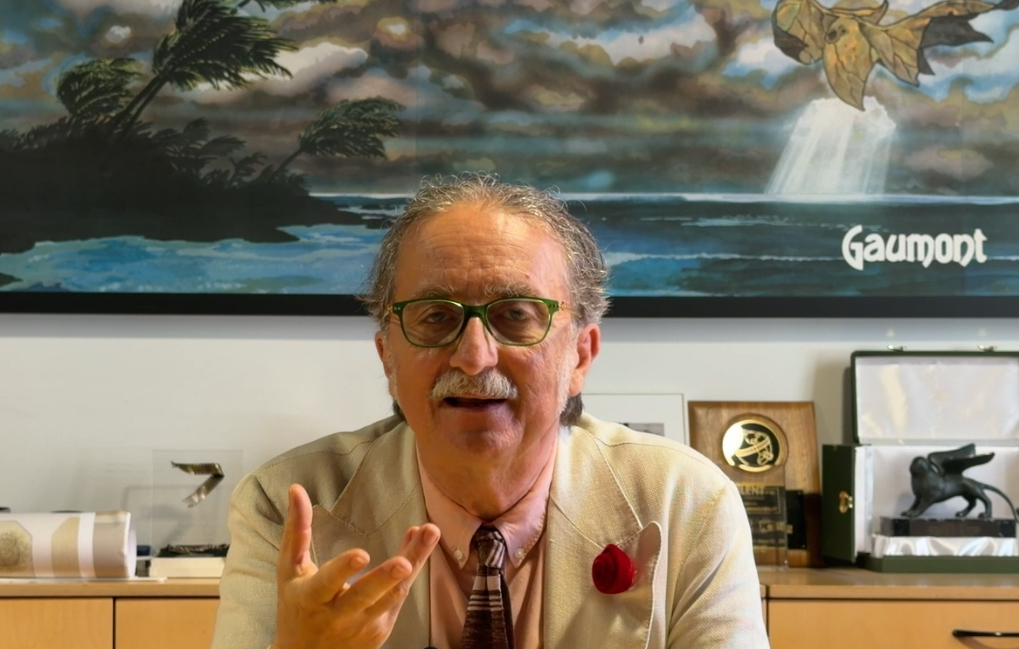
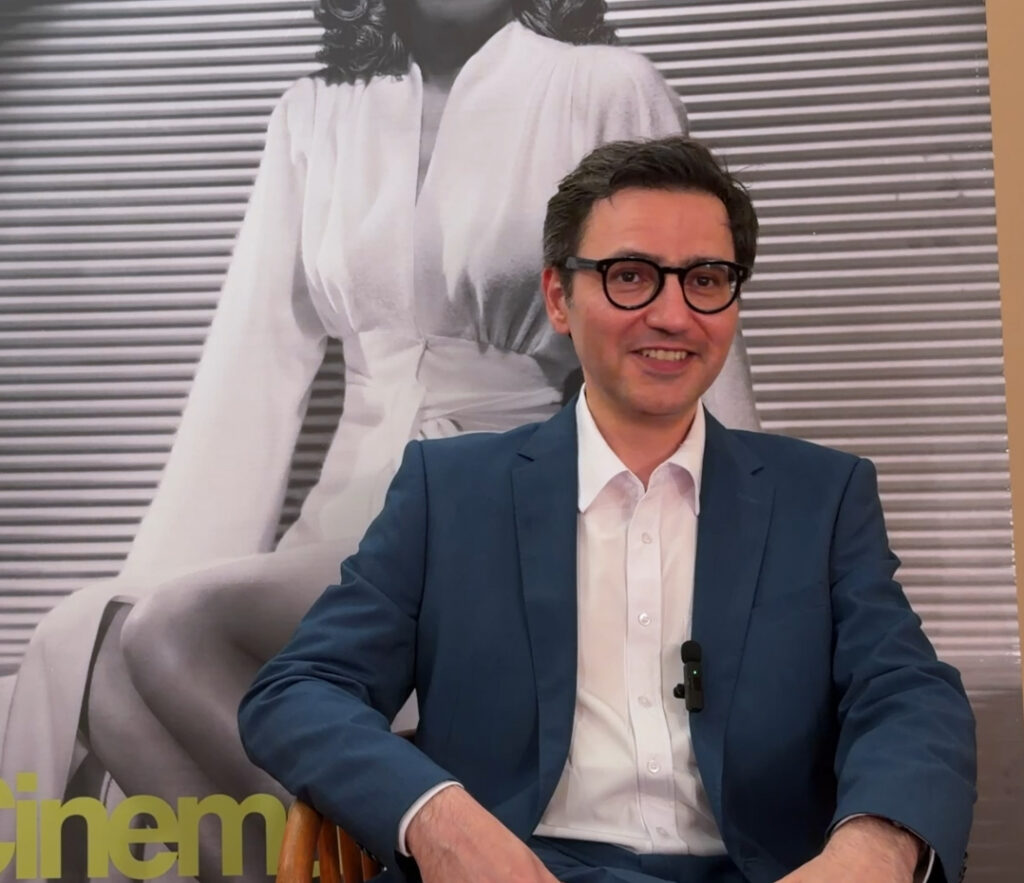
The restored version of Il Generale Della Rovere will be screened this evening, Friday 19 June, at 9.45 pm in Piazza Maggiore in Bologna, presented by Roberto Rossellini’s grandsons, Raphael and Alessandro, the director of the Cineteca di Bologna, Gian Luca Farinelli, and the president of Gaumont, Nicolas Seydoux.
“I was immediately fascinated by the extraordinary story of this figure, who really did exist,” recalled Roberto Rossellini, “and who was both a despicable swindler and a true hero. It has not yet been possible to define him historically. Some regard him as a spy, others as a mythomaniac. Personally, I imagined him as a somewhat mad character, a cheat, a swindler full of good intentions. Although he committed the most despicable kind of fraud imaginable, taking advantage of the distress of the families of prisoners arrested by the Gestapo to steal money from them, he was not, however, aware that he was swindling them but rather that he was selling them solace. He even tries, whenever he can, to secure their release. When he is unmasked, the Germans use him to impersonate General Della Rovere in prison – one of the leaders of the Resistance, whom they had killed during a clandestine landing. My character identifies with his role; little by little, he begins to imagine that he really is the general. He behaves as the general would have behaved and ultimately dies a hero. Beyond this surprising case, I was interested in making a historical film set in a period so close to us and yet, fortunately, so far removed.”