The Brazilian Filmmaker’s First Time at Il Cinema Ritrovato
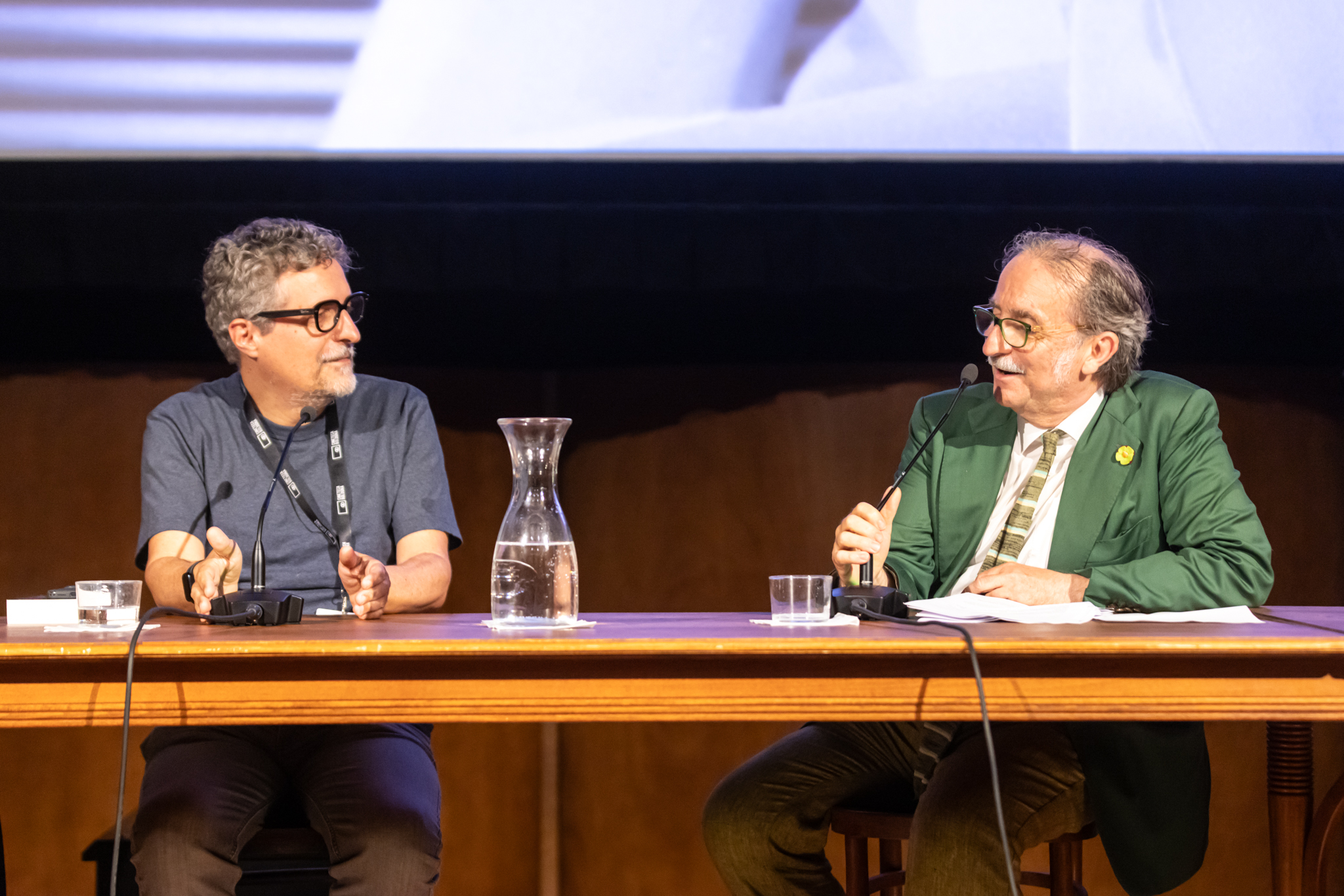
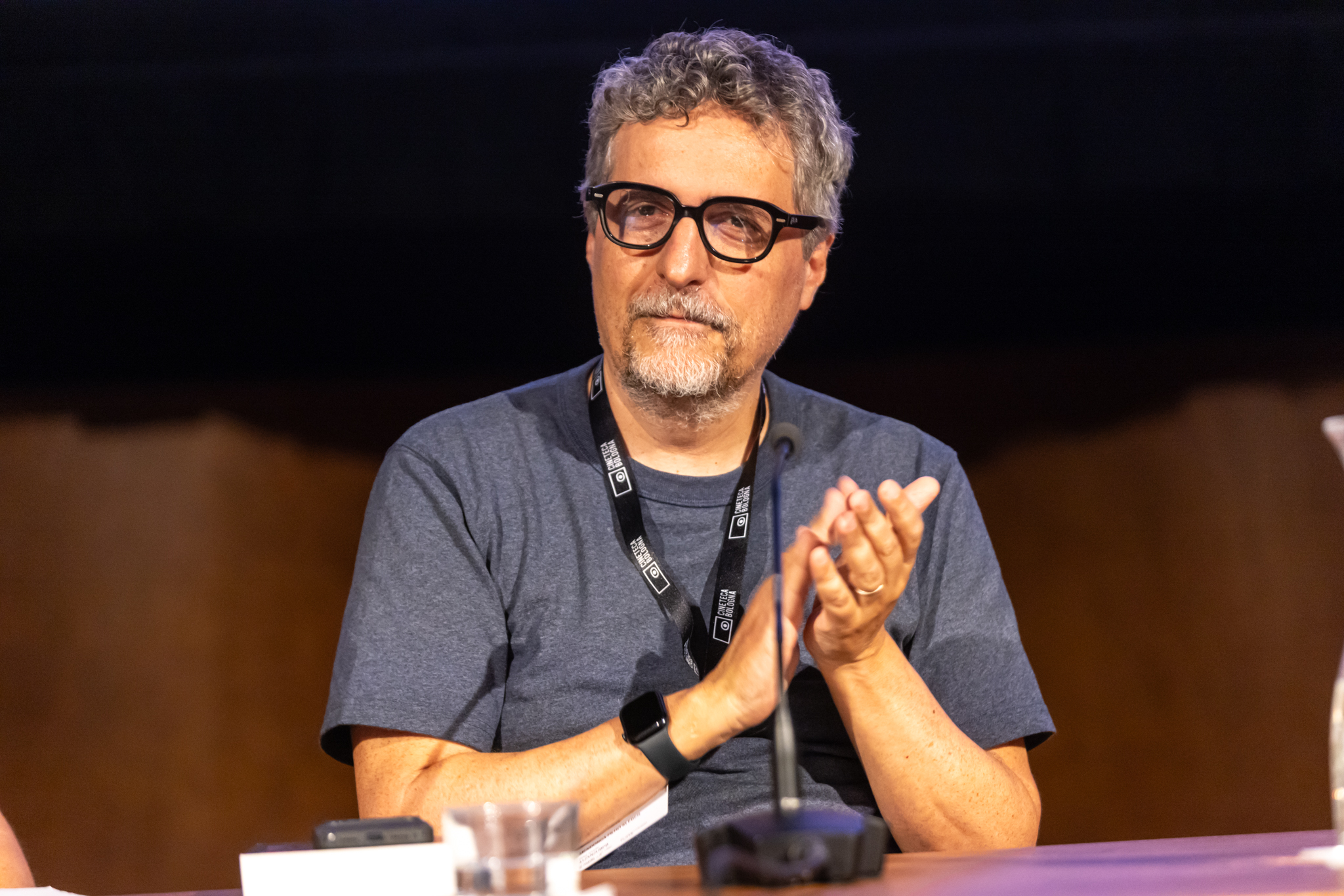
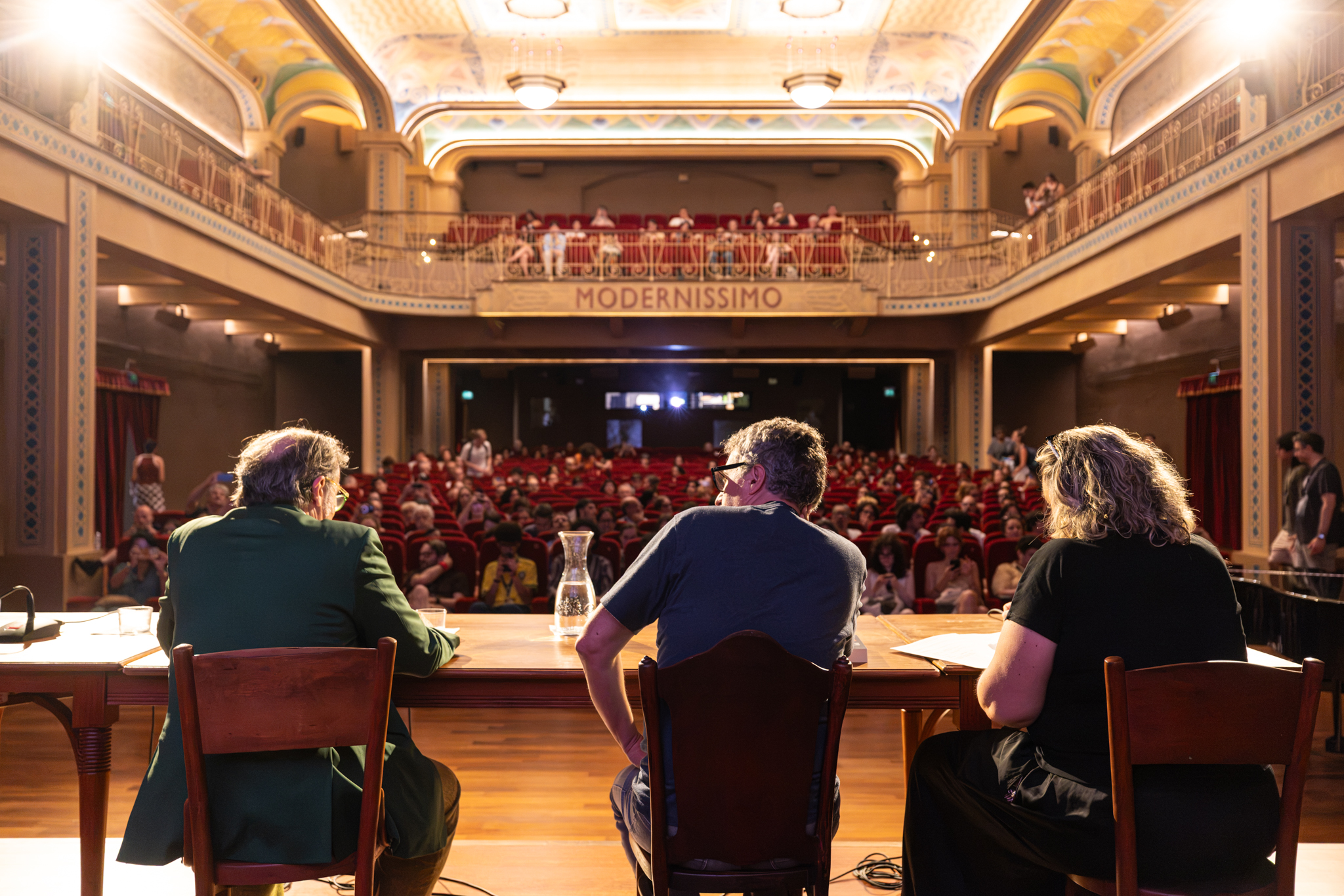
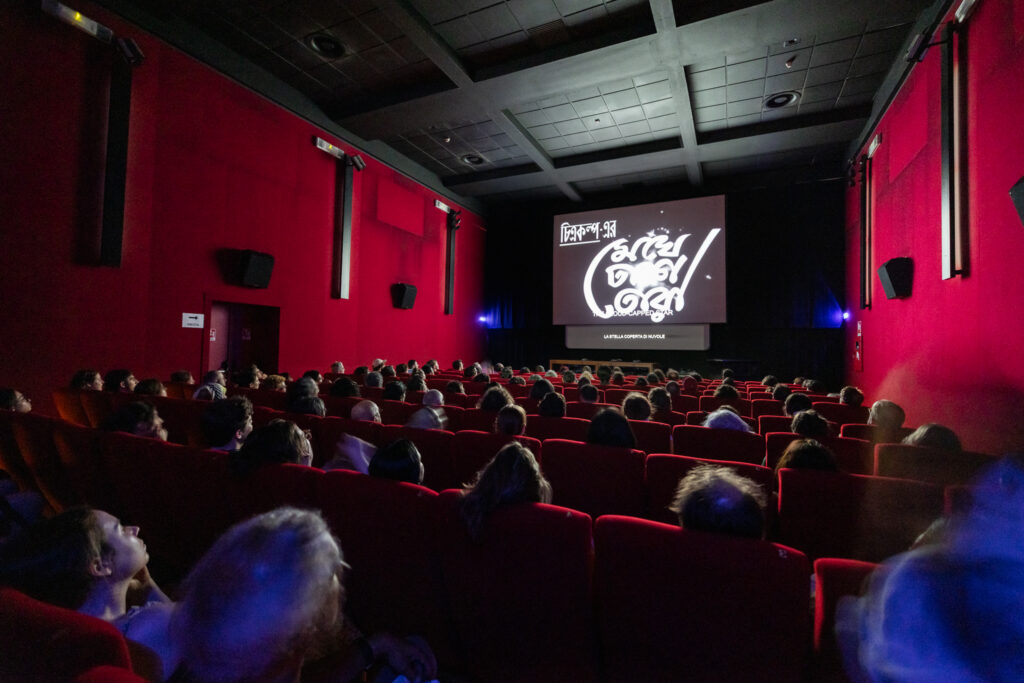
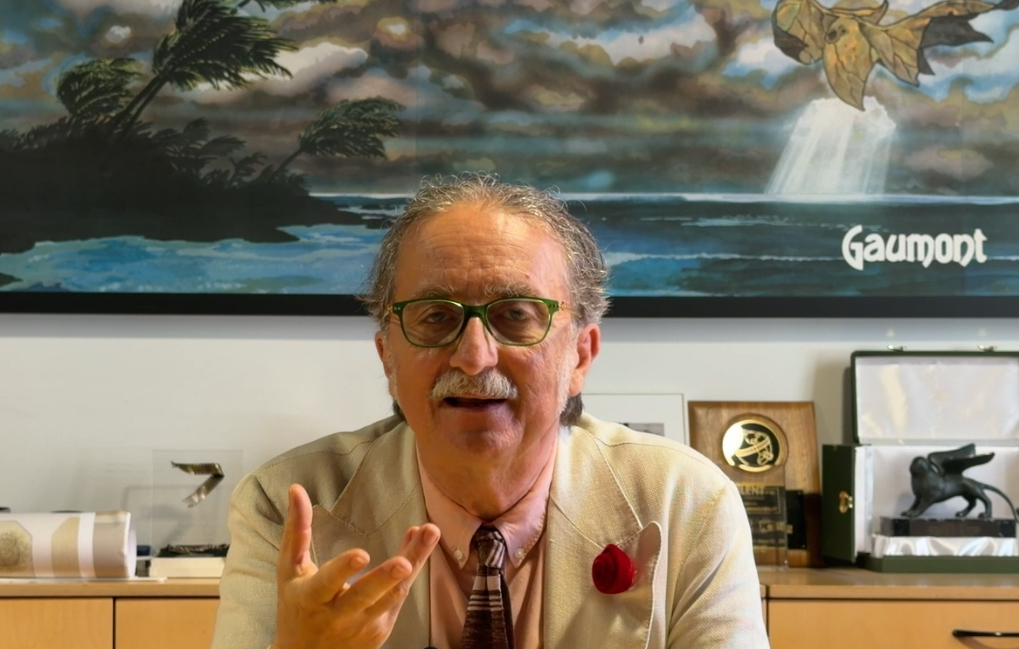
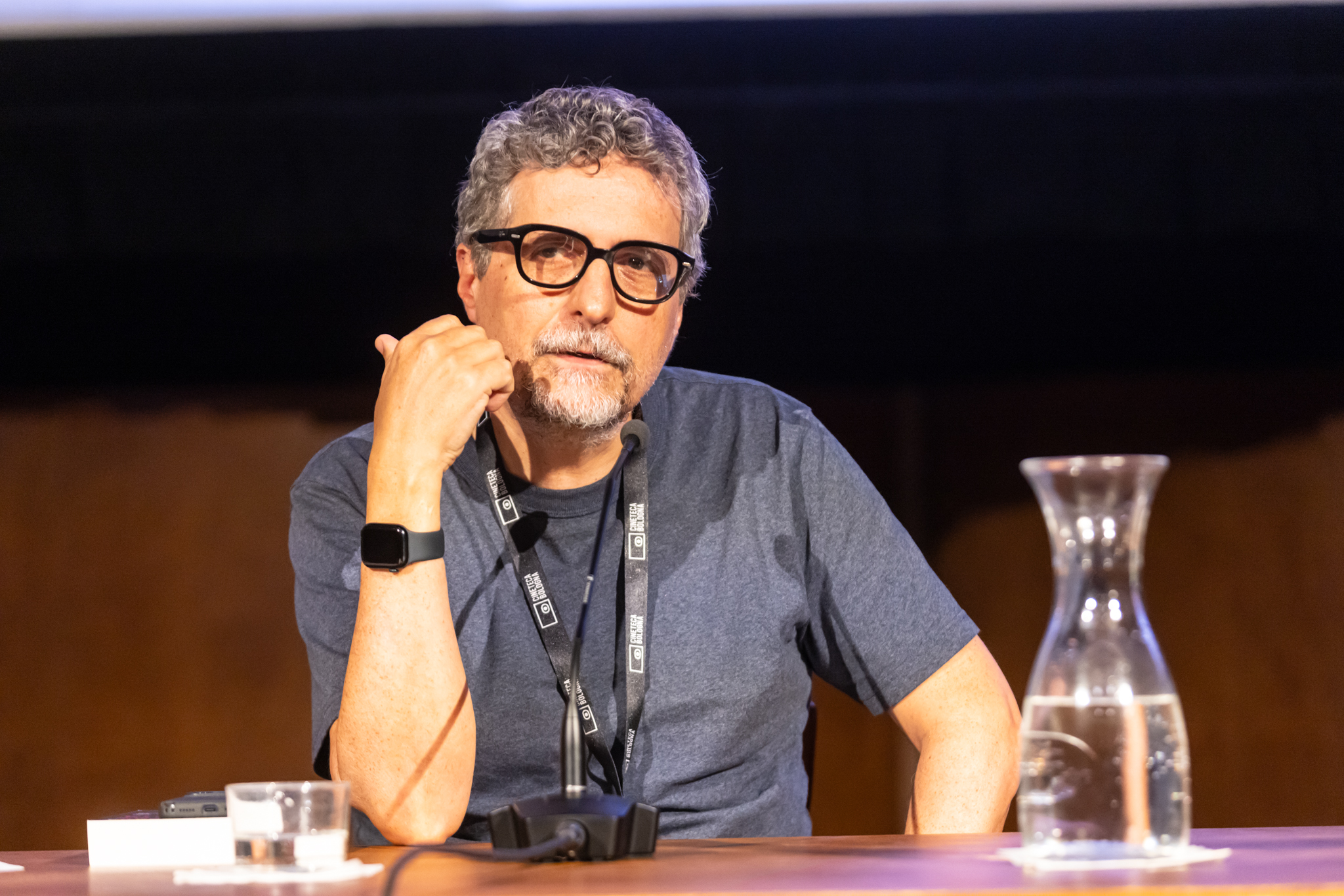
On Wednesday, 24 June 2026, Brazilian filmmaker Kleber Mendonça Filho appeared at Cinema Modernissimo for a Cinema Lesson in conversation with Cineteca di Bologna director Gian Luca Farinelli. The discussion preceded a screening of Crítico, his 2008 debut feature.
“I’ve known about Il Cinema Ritrovato for several years, but this is my first time here. Over time, more and more people I admire have encouraged me to attend, and now I understand why. I’ve only been here since last Sunday, and every time I leave a screening I feel as though I could make a new film inspired by what I’ve just seen. There is certainly no shortage of inspiration”.
The conversation provided an opportunity for Mendonça Filho – fresh from the international success of The Secret Agent – to retrace the development of his cinephilia, which took shape in a Brazil still under military dictatorship and in the midst of film censorship. The director revealed that, although he was initially captivated by American cinema, which was more readily accessible, he never regarded Hollywood blockbusters as the model he wanted to follow once he decided to become a filmmaker. “More than Star Wars, I was blown away by John Carpenter’s Assault on Precinct 13”.
European cinema came later, followed by his move to England in the 1980s and his discovery of Australian films from the previous decade – experiences that proved fundamental to his cinematic education.
“The wonderful thing about film education is that it never develops according to a predetermined order. In my case, for example, I only really discovered Brazilian cinema in the 1990s”.
For Mendonça Filho, cinephilia and film criticism have always been inseparable. After completing his journalism studies, pursuing a career as a film critic – despite the modest pay – felt almost inevitable.
“Looking back, that period of my life was a very happy one. I certainly wasn’t doing it for the money, but at least I could go to the cinema several times a week and write about films.”
When asked what film criticism means to him, the Brazilian director offered a revealing answer: “In my view, criticism is also fazer cinema, making cinema. Writing about film is not simply a matter of objective observation; it is about being able to embrace what you are watching and place it within its historical context. […] I was a film critic for thirteen years, and during that time I accumulated as many admirers as detractors”.
The search for the right words to interpret films gradually became an increasingly creative endeavour, eventually transforming into a desire to direct. Crítico, Mendonça Filho’s first feature-length film, emerged from this impulse: an attempt to reconcile the two sides of his artistic identity, while also marking the inevitable and definitive transition from the pen to the camera.
The film is built around 103 interviews with critics and filmmakers, 79 of which were included in the final cut, recorded over a period of eight years. It is a monumental documentary undertaking, skilfully alternating interview footage with excerpts from student films made in the 1960s and 1970s and sourced from the Internet Archive. As is often the case, this debut already contains many of the elements that would define the director’s later work: an interest in social memory and the plurality of voices needed to tell it; the creative partnership with his wife Emilie – who was also the first to believe in the project – and the symbiotic relationship with his beloved Recife.
“I think it’s wonderful that you decided to screen Crítico at this year’s festival. Most films rely heavily on images; this one does not. I hope that, in the future, it will become a valuable archival document and acquire significance in relation to the historical moment it captures. In that sense, it does not surprise me that the film has already found a home at Il Cinema Ritrovato.”
Luca Carani