[MOVIE]
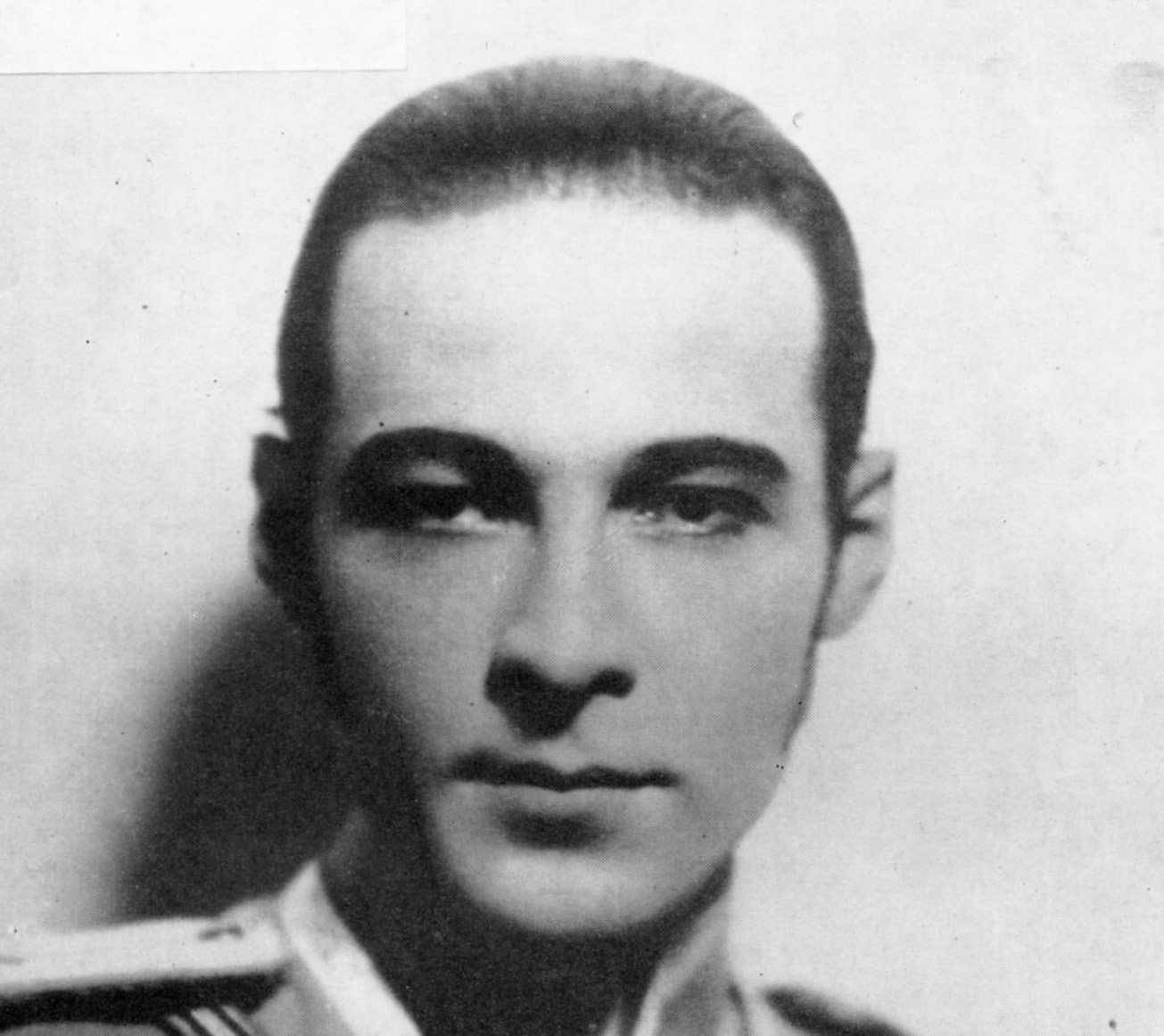
R.: Clarence Brown. S.: dal racconto Dubrovsky di Aleksandr Pushkin. Sc.: Hans Kraly. F.: George Barnes, Dev Jenning. Scgf.: William Cameron Menzies. In.: Rudolph Valentino (Vladimir Dubrovsky), Wilma Banky (Mascha), Louise Dresser (la zarina), Albert Conti (Kuschka), James Marcus (Kyrilla Troekouroff), George Nichols (giudice), Carrie Clark Ward (zia Aurelia), Michael Pleschkoff (Capitano della guardia cosacca), Spottiswoode Aitken (padre di Vladimiro), Gustav von Seyffertitz, Mario Carillo, Otto Hoffman, Eric Mayne, Jean Briac. P.: Art Finance Corp. D.: United Artists. L.: 1995m D.: 76’
Edition History
Valentino had a year to live when he made The Eagle. He had only recently returned to the screen after an absence of nearly two years. A quarrel with Famous Players-Lasky had driven him to leave the business and to embark on a personal appearance tour with his wife, Natacha Rambova. Eventually, he signed a contract with Joseph Schenck to appear in this Russian story for United Artists. Originally entitled “Untamed” and then “The Lone Eagle”, the picture was eventually titled “The Black Eagle”. That title had to be changed when Douglas Fairbanks began The Black Pirate (1926). The Fairbanks connection was strong. Although The Eagle was nominally based on an unfinished Pushkin story, ‘Dubrovski’, scenario writer Hans Kräly reworked The Mark of Zorro (1920), Fairbanks’ great success. Kräly was usually the writer for Ernst Lubitsch; The Eagle was intended for Lubitsch, but he was unavailable. A former engineer, Brown was delighted to find Valentino as enthusiastic as he was about technical matters. He even had his own professional motion picture camera. Brown introduced into the picture a number of technical flourishes including a spectacular travelling shot along a banqueting table. Art director William Cameron Menzies, who had designed The Thief of Bagdad (1924) for Fairbanks, gave the film a stylised look which was mirrored in Adrian’s costumes. There was no attempt to get the period right, nor to pay obeisance to history; they were anxious not to alienate Valentino fans. Brown regarded Valentino and Garbo as the two greatest personalities of the screen – and The Eagle won him a contract to MGM. His first film for the new studio was Flesh and the Devil (1926) with Greta Garbo. Jean- Louis Barrault picked The Eagle as one of his favourite films.
Kevin Brownlow

Restoration credits
Synchronized music by Carl Davies
Print made by National Film and Television Archive from the original camera negative
“Rudolph Valentino has transfused all of his passionate Italian soul into the character; and he has conducted the action with all the aristocratic behaviour of our race. There are moments in his interpretation in which he reaches such a lively and obvious spontaneity, such a complete penetration of the character to which he gives life, that we are forced to ask how the incommensurable idiocy or bad faith of those who have denied and deny to the end any type of artistic gift is possible. We reaffirm once again, and certainly not for the last time, that the bel mimo, an artist in the depths of his soul, an artist recognised as such more than by the multitude of sympathies, by the multitude of envy with which he was and will be surrounded, must be for our race a reason for pride and glory. And we expect from the denigrators and accusers of his memory the declaration of what they have done for Italy and for Art which makes them feel authorised to judge and condemn one who art and the Italian race has represented with infinite fervour throughout the world. […]”.
Alessandro Blasetti, Lo Schermo, Rome, n. 6, 25 September 1926