[MOVIE]
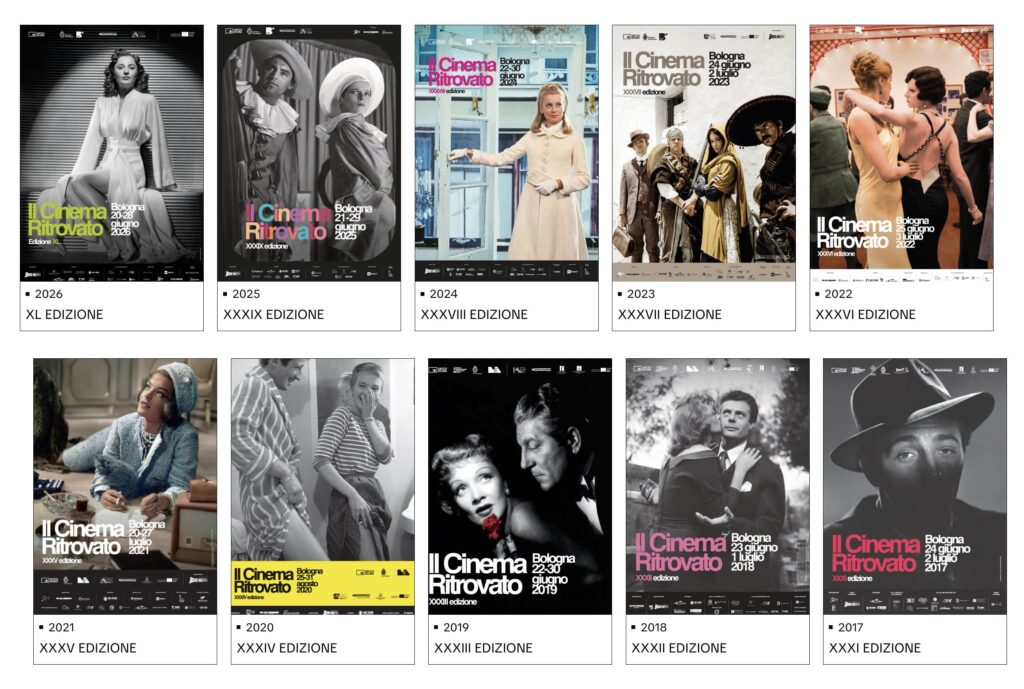
Edition History
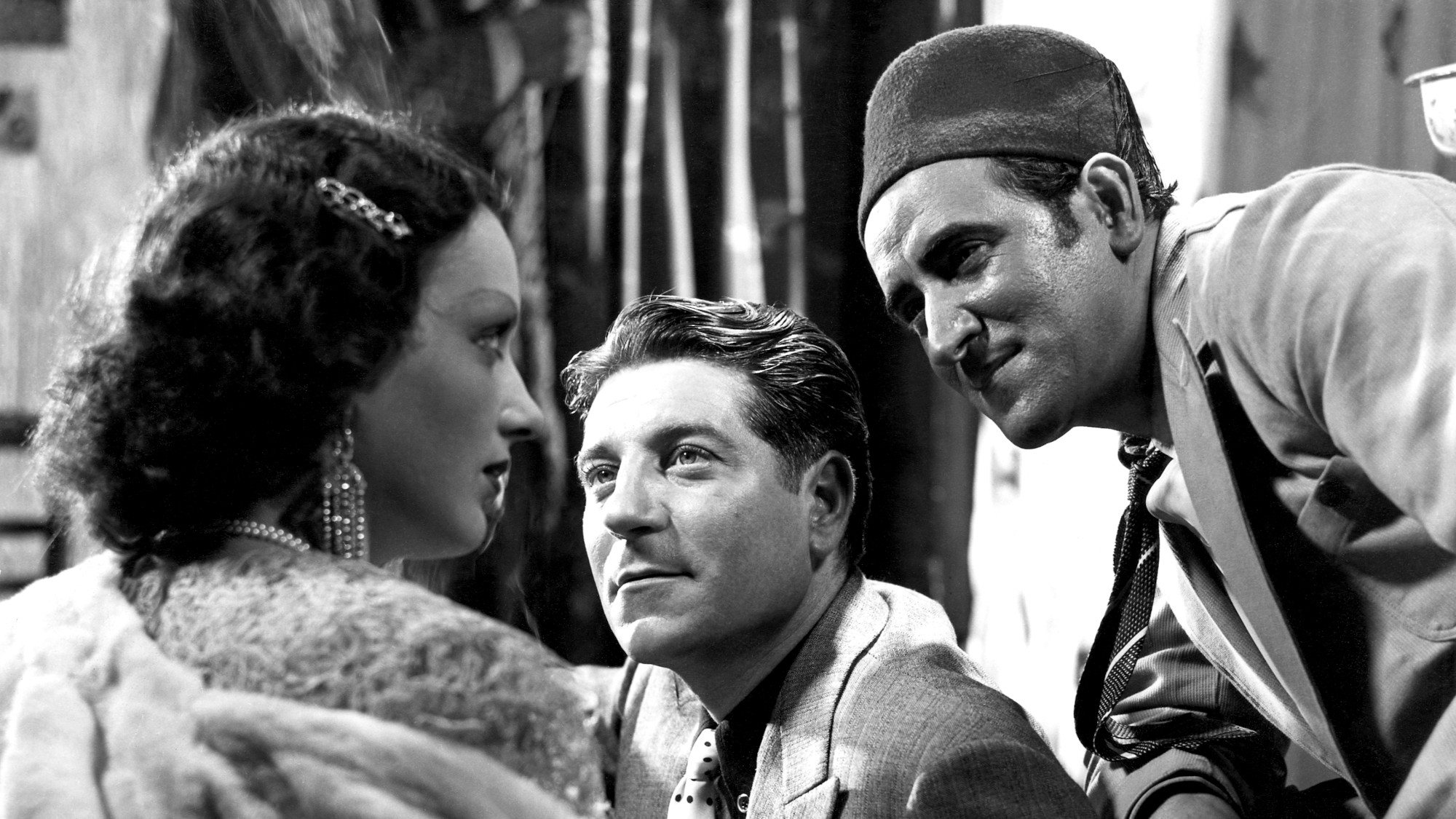
The fourth film in the 20-year collaboration between Julien Duvivier and Jean Gabin (after Golgotha, La bandera and La belle équipe), Pépé le Moko is one of the most important films both of 1930s poetic realism and French noir and is emblematic of the “mythology of defeat” which was one of the distinctive traits of the French variant of this genre. Its origins lay in a modest novel by Détective Ashelbé (alias of Henri La Barthe) in which Duvivier discovered an image that fascinated him: a man both protected and imprisoned by the Casbah. With its labyrinth of streets and alleys, its maze of confusing spaces which open onto terraces overlooking both port and city, the Casbah constitutes a purely cinematic ingredient, elevated to the status of co-protagonist. Most scenes were shot in the Joinville studios, where Jacques Krauss built his sets.
Shot with admirable virtuosity, the film begins with beautiful panoramas onto that fantastical, imaginary, labyrinthine Casbah and features an unusual number of shots from above and from below, all immersed in the deliberately artificial play of light and shadows of Jules Krüger’s cinematography, which is reminiscent of Expressionism. This is the fortress-kingdom of Pépé le Moko, a criminal exiled to Algeria, whom the young Gabin imbues with a charisma enriched and embellished by an unexpected weakness: a nostalgia for “his” Paris, dangerously reawakened by the presence of an intruder in the guise of the Parisian Gaby (Mireille Balin). A recurrent motif in Duvivier’s poetics is this nostalgia for another place and for an innocence that cannot be recaptured, while the threat of betrayal by friends and accomplices weighs heavily in the air. In Pépé le Moko, too, virtually every character is shifty and ambiguous – the relatively transparent allusions to the homosexuality of Inspector Slimane (Lucas Gridoux) and his attraction to Pépé were daring for the times.
The film immediately became a huge hit with audiences, so much so that it resulted in two American remakes (one by John Cromwell in 1938 and another by John Berry in 1948) and two parodies (an American one in 1943, directed by Roy del Ruth and starring Zero Mostel, and an Italian one in 1949, directed by Carlo Ludovico Bragaglia and starring Totò).
Roberto Chiesi

Restored in 4K in 2024 by StudioCanal at L’Image Retrouvée laboratory from the 35mm original negative. Funding provided by CNC – Centre national du cinéma et de l’image animée.
Pépé le Moko is a criminal on the run. He takes refuge in the busy neighbourhood of Casbah in Algiers, a no-go area for the police. There, he falls in love with a sophisticated French courtesan known as Gaby, who will entice him out of his lair and lead him out into the French quarter, where the police can capture him.
This adaptation of Henri La Barthe’s original novel was written by Duvivier himself with Henri Jeanson and Jacques Constant. Duvivier had been an established director since the beginning of the 30s, following on the success of David Golder. And Pépé le Moko was to be his next great hit. Jean Gabin had worked with Duvivier four times previously in Maria Chapdelaine, Golgotha, La Bandera and La Belle équipe. Pépé le Moko was to make him a major star. As in most of his films of this period (except Golgotha, where he plays Pontius Pilate), Gabin is cast as a fugitive, a slave to passion. His co-star is Mireille Balin, a perfect femme fatale, whom he will meet again in Grémillon’s Gueule d’amour).
And of course, we have Fréhel, whose songs voice Pépé’s yearning for Paris, which will bring about his downfall: “He shall say, missing Paris, / Where is my windmill on the Place Blanche, / My corner store and my neighbourhood bar / Every day was Sunday / Where are my friends and my mates / Where are the old dancehalls? / And the old dancing accordion?”.
This film, steeped in French poetic realism but also in Orientalist designs and mannerisms, struck a chord in Hollywood, where two adaptations were produced, by United Artists in 1938 and then by Universal, ten years later. The first was Algiers, directed by John Cromwell with Charles Boyer and Hedy Lamarr and the second Casbah, directed by a young John Berry with Tony Martin and Yvonne de Carlo.
Edouard Waintrop