[MOVIE]
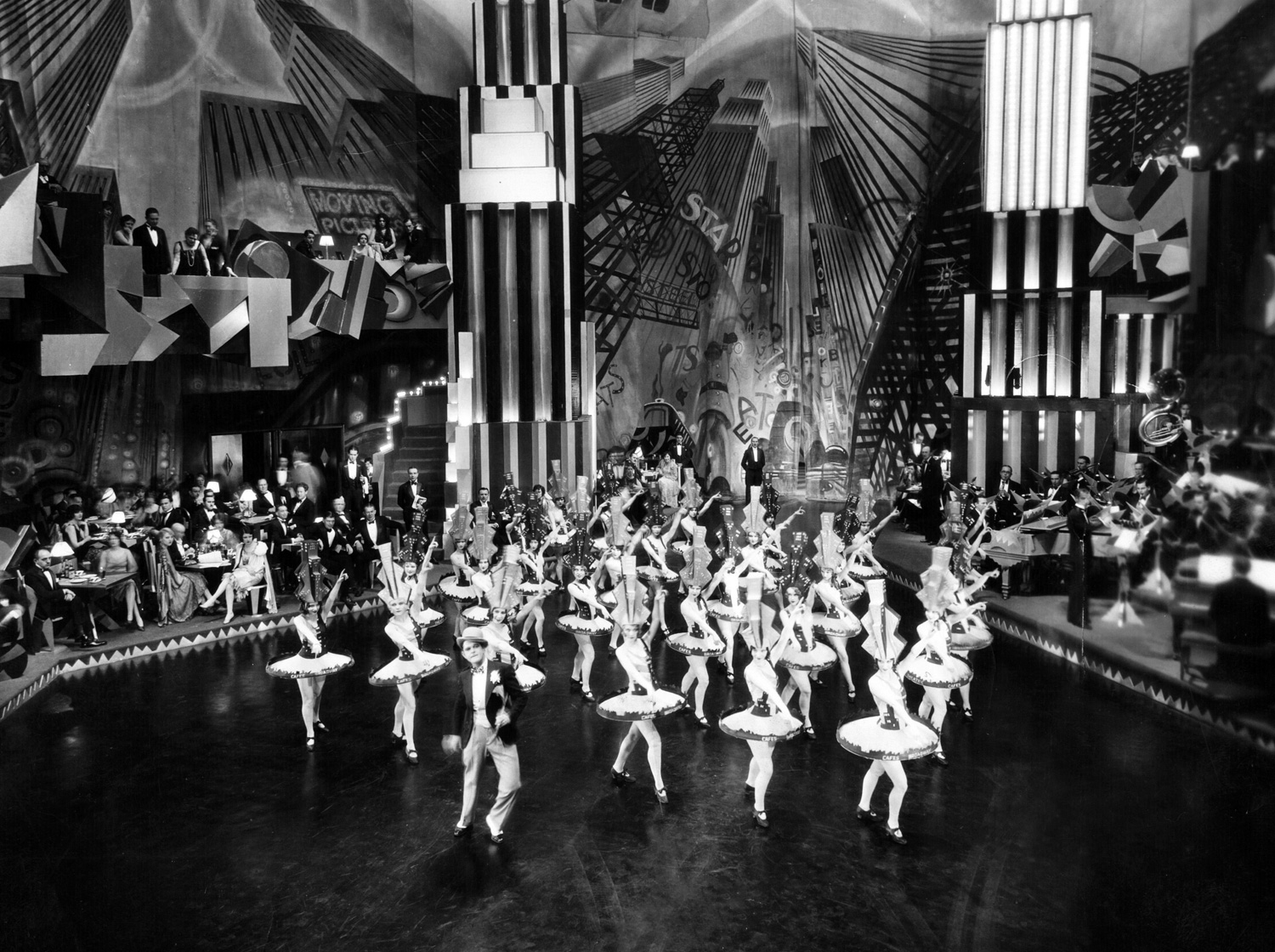
S.: dalla commedia di Philip Dunning, George Abbott. Sc.: Edward T.Lowe Jr. F.: Hal Mohr. In.: Glenn Tryon (Roy Lane), Evelyn Brent (Pearl), Merna Kennedy (Billie Moore), Thomas E.Jackson (Dan MacCorn), Robert Ellis, Paul Porcasi, Otis Harlan, Marion Lord, Fritz Feld, Gus Arnheim and his Orchestra. P.: Universal. 35mm.
Edition History
George Abbott and Philip Dunning’s Broadway first made a splash as a hit stage play in 1926, running 603 performances on Broadway, and winning praise for its contemporary street slang and realistic underworld atmosphere. Sensing a prime vehicle for the new medium of sound film, Universal boss Carl Laemmle soon scooped up the rights for $225,000. Following their critical and artistic triumph with Lonesome (1928), producer Carl Laemmle Jr. and director Paul Fejos were entrusted to bring this hot stage property to the screen as Universal’s second all-talkie. But Fejos recognized that the dialogue-driven drama about a song and dance man hoping to hit the big time possessed none of the scope or scale required for a major Universal release, so he expanded the film to include sequences in the nightclub and cabaret musical numbers.
Art director Charles D. ‘Danny’ Hall designed a colorful, Cubist-inspired set for the Paradise Night Club that was constructed on Universal’s largest sound stage. And the final sequence of the film was enhanced with two-color Technicolor. To further enliven the cabaret scenes Fejos and cinematographer Hal Mohr commissioned a sophisticated mobile camera platform, called the Broadway crane. Constructed for $50,000, and measuring 25-feet long, this 28-ton engineering marvel could move smoothly and rapidly in any direction to capture shots from any height or perspective. To get a return on its investment, the costly crane was reused repeatedly by Universal over the following years, notably on All Quiet on the Western Front and King of Jazz. Broadway’s final production cost was an enormous $1.5 million, and despite some strong reviews, it failed with audiences, who were no longer impressed with the once novel backstage drama elements.
James Layton and David Pierce

Restoration credits
This new copy of Broadway has been crisply reproduced from the original black and white camera negative. And the two-minute Technicolor finale – previously only available in muddy, muted copies – has been digitally restored by Universal from the best surviving color elements at the Magyar Nemzeti Digitális Archívum és Filmintézet (MaNDA)
“The original of all the night-club and underworld dramas-and still the most effective. You may quarrel with the too lavish settings given the Dunning-Abbott play, but you´ll have no complaint against Director Paul Fejos´ direct and sharp handling of the story. Here you will find no hodge-podge talkie, trying to get by on the strength of its novelty, but an expert drama, with concise dialogue, tense melodrama and, for the most part, good acting. […] Broadway is tricked out with theme songs, with special dancing acts and with a mammoth cabaret scene, three times as large as any New York night club. […] And you will not be disappointed in Universal’s version of one of the most entertaining plays presented in several seasons. All Talkie”. (Photoplay, Aug., 1929)