
Film notes
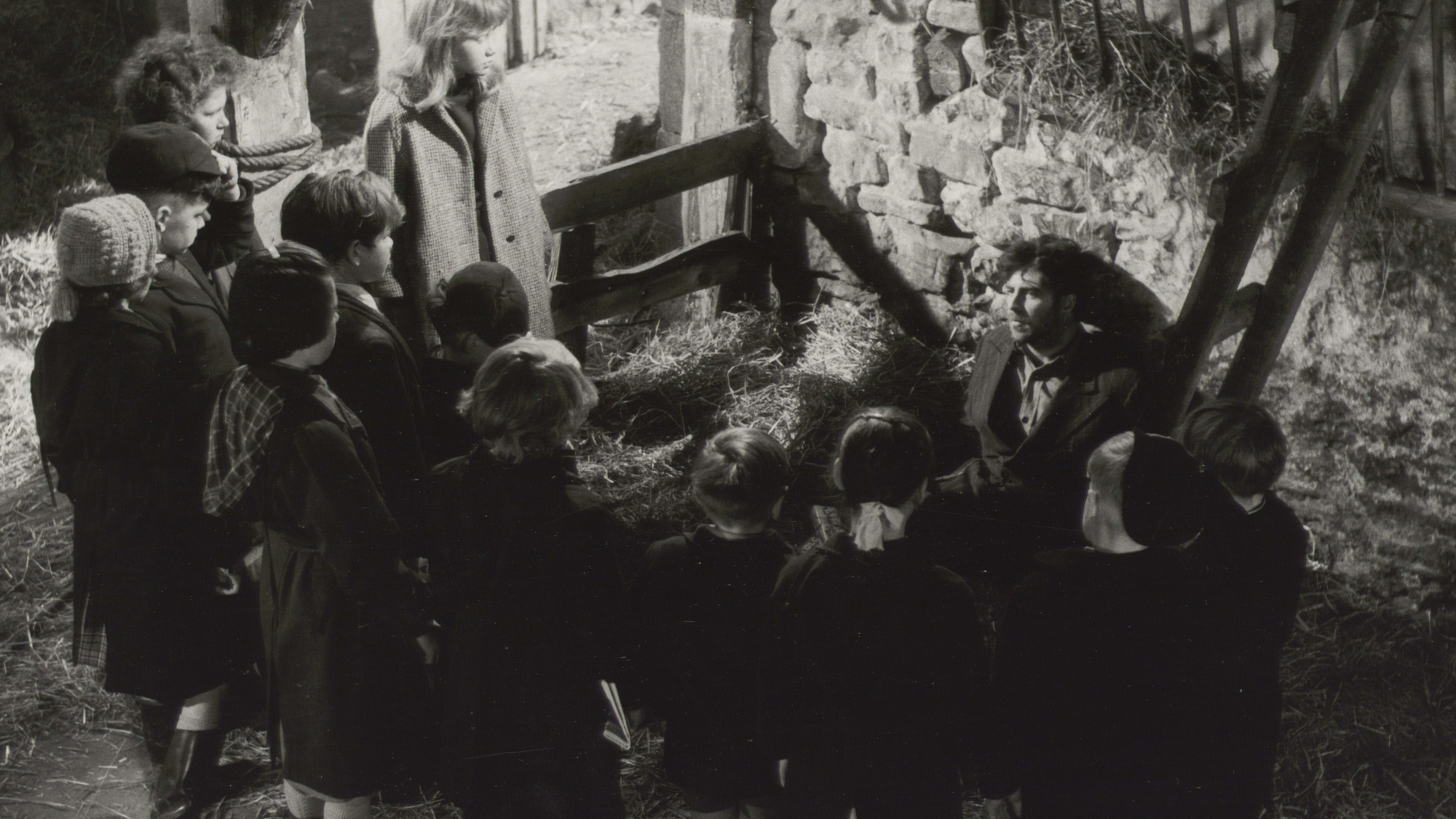
A film with connections to the British New Wave, yet rarely considered part of it, Bryan Forbes’ directorial debut immerses the audience in the childhood world more effectively than any other national feature has done. Taking inspiration from Rene Clement’s 1952 World War II-set film Forbidden Games, Forbes weaves a deceptively simple tale of childhood faith that looks towards The Spirit of Beehive, Victor Erice’s 1970 study of the effect of the Spanish Civil War on children. In a remote part of rural England, three siblings discover a strange man in their barn and believe him to be Jesus returned to earth. Afraid that the adults will crucify him if he’s discovered, they keep his presence secret and care for him as best they can. But, as other local children find out, a ragtag gang of disciples grows and begins to question the religious teachings of the adults around them. This year marks the centenary of actor- writer-director Bryan Forbes, an important figure in British cinema, yet one now largely overlooked by the critical establishment. For his first film, Forbes took the bold step of casting the world’s highest-paid child star, Hayley Mills, alongside unknown local children, to create an authentically northern milieu. Produced by Richard Attenborough, Forbes’ partner in their production company Beaver Films, the film was shot almost entirely on location in the isolated Pendle Valley in Lancashire. The stark black-and-white images lend the bleak winter countryside an uncanny air that perfectly complements the atmosphere of hidden secrets and spiritual belief. In contrast, the blunt, humorous dialogue by writers Keith Waterhouse and Willis Hall (creators of Billy Liar on stage and screen) brings to life the children’s interactions and points up the hypocrisy of the adult world. Yet this is far from a children’s film; its exploration of the innocence of youth offers insights into the chasm between pure faith and doctrine.
Josephine Botting