
Film notes
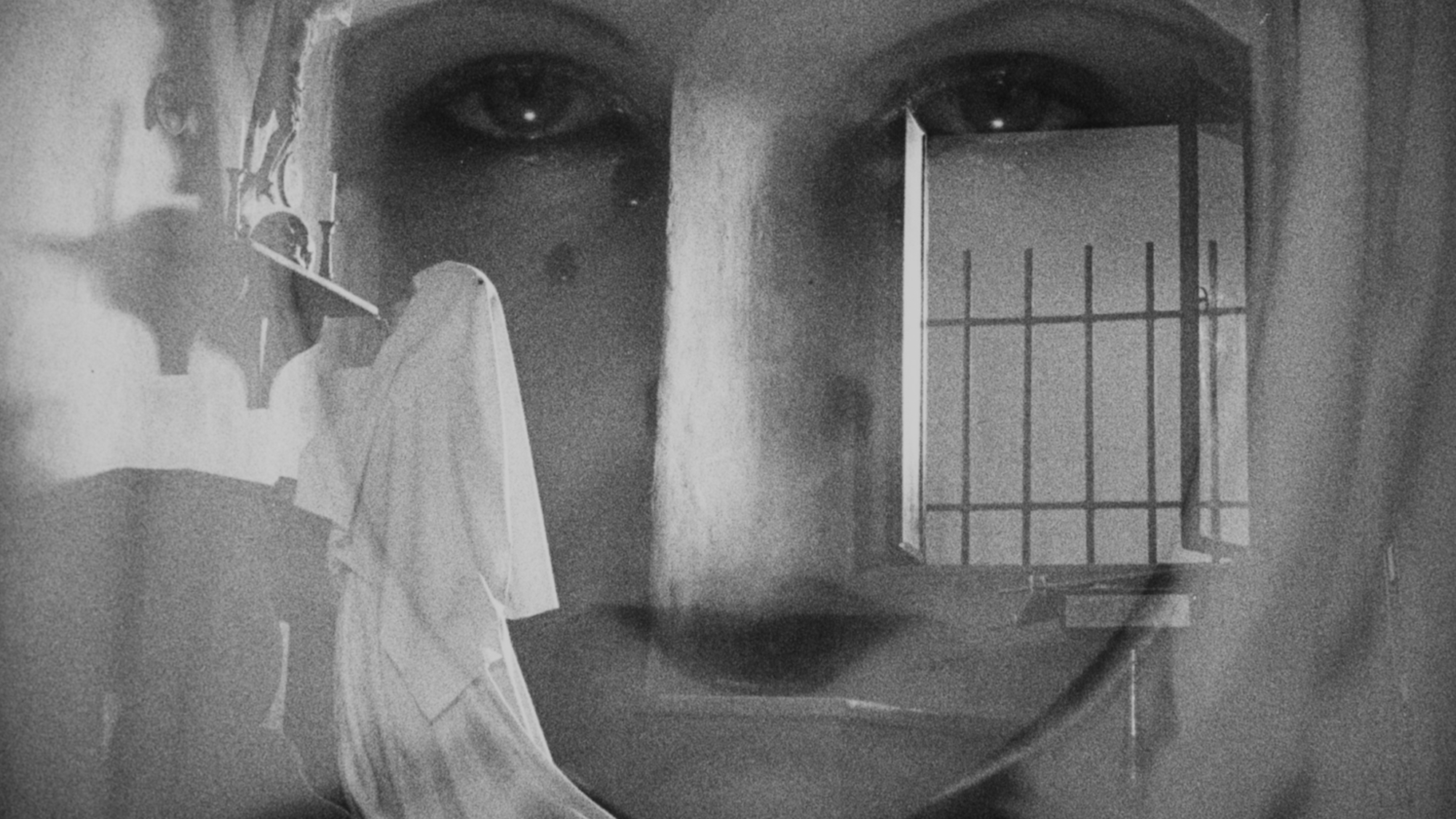
Varhaník u sv. Víta was initiated by the producer Vladimír Stránský, who relied on the potential interest of foreign distributors in a story filmed in the attractive surroundings of old Prague. He chose Martin Frič, with whom he had collaborated as production manager on his first feature film Father Vojtěch (1928), as the director. The screenplay was written by the avant-garde poet Vítězslav Nezval. It tells the story of an old musician who takes care of the daughter of his deceased friend. However, the girl has no idea that her father shot himself and the organist hid his body in the cellar of the house. She is only told about this by a neighbour, who blackmails the organist and eventually accuses him of murder. The terrified girl runs away to follow the painter who is courting her, but curiosity makes her return to the organist and clarify the secret of her father’s death. The simple plot, enhanced by elements of tension, surprise and sometimes even humour, was primarily intended to serve as an excuse for an impressive depiction of historical Prague. Frič’s direction carefully guides the viewer’s attention through thoughtful continuity editing, without unnecessary explanations in the intertitles. The effort to tell a story primarily through images is supported by the cinematography of Jaroslav Blažek, who supplemented the exterior shots with more complex lighting arrangements created in the studio. Blažek developed an ingenious effective style using reflective surfaces or several light sources placed deep in the space. Following the example of Billy Bitzer (whose Broken Blossoms Frič greatly admired), he also used soft photography (the streets of Prague and some portrait shots of Suzanne Marwille), which achieved maximum aesthetic effect, especially in scenes of rain.
Karolína Hrichová