

Film notes
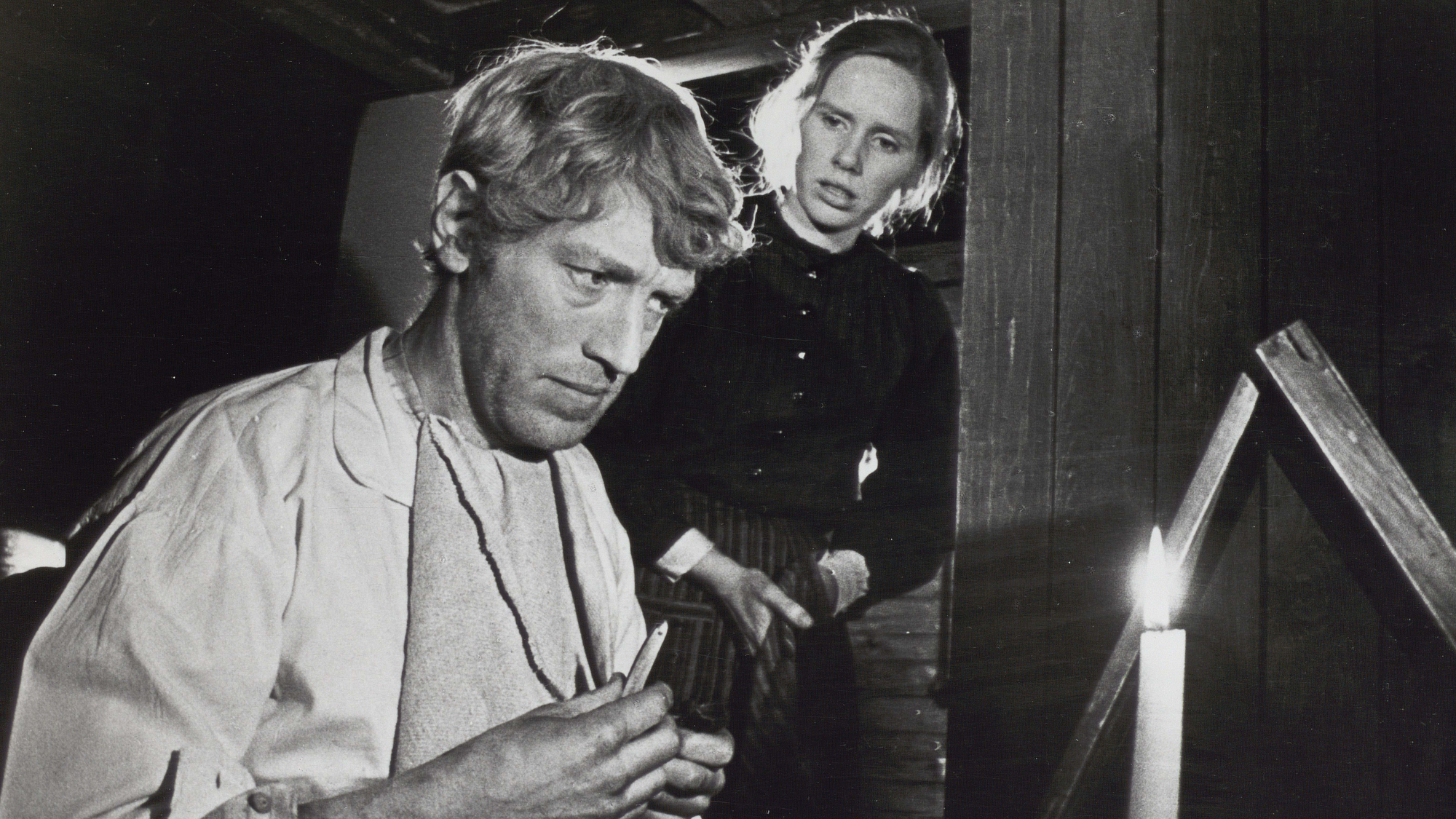
Jan Troell’s epic diptych Utvandrarna and Nybyggarna is based on four novels by Vilhelm Moberg about the first wave of Swedish emigrants to North America in the mid-19th century. The novels (published between 1949 and 1959) and the films have struck a profound chord in the collective Swedish memory, as 1.3 million people emigrated between 1850 and 1930 – roughly 20% of the country’s entire population. Stunningly shot and edited by Troell himself, Utvandrarna depicts the hardships endured by peasants in southern Sweden and their dreams of a better life on the other side of the ocean, showing how poverty and barren harvests ultimately drove people to emigrate. The film also demonstrates how the exodus was fuelled by exploitation and persecution, not least at the hands of the State Church (religious gatherings outside the Church were not permitted until the abolition of the Conventicle Act in 1858). Within its epic framework, Troell incorporates impressionistic scenes reminiscent of 1960s new wave filmmaking – for instance, when the main characters, played by Max von Sydow and Liv Ullmann, fall in love. There are also many moments of intimate detail throughout the more-than-three-hour film, as the camera lingers on rays of sunlight reflected in the water or on grass moving in the breeze. Troell is also firmly rooted in a long Swedish tradition of depicting humanity’s struggle against the elements in natural locations, a tradition dating back to the silent era. The scene in which the emigrants’ trail of carriages slowly disappears from sight of the farms they leave behind lasts far longer than narrative economy would require, in order to convey the enormity of the arduous journey ahead – much like the final sequence of Gustaf Molander’s 1925 Ingmarsarvet (The Ingmar Inheritance, screened at Il Cinema Ritrovato 2024), in which the villagers depart for the Holy Land.
Jon Wengström