


Film notes
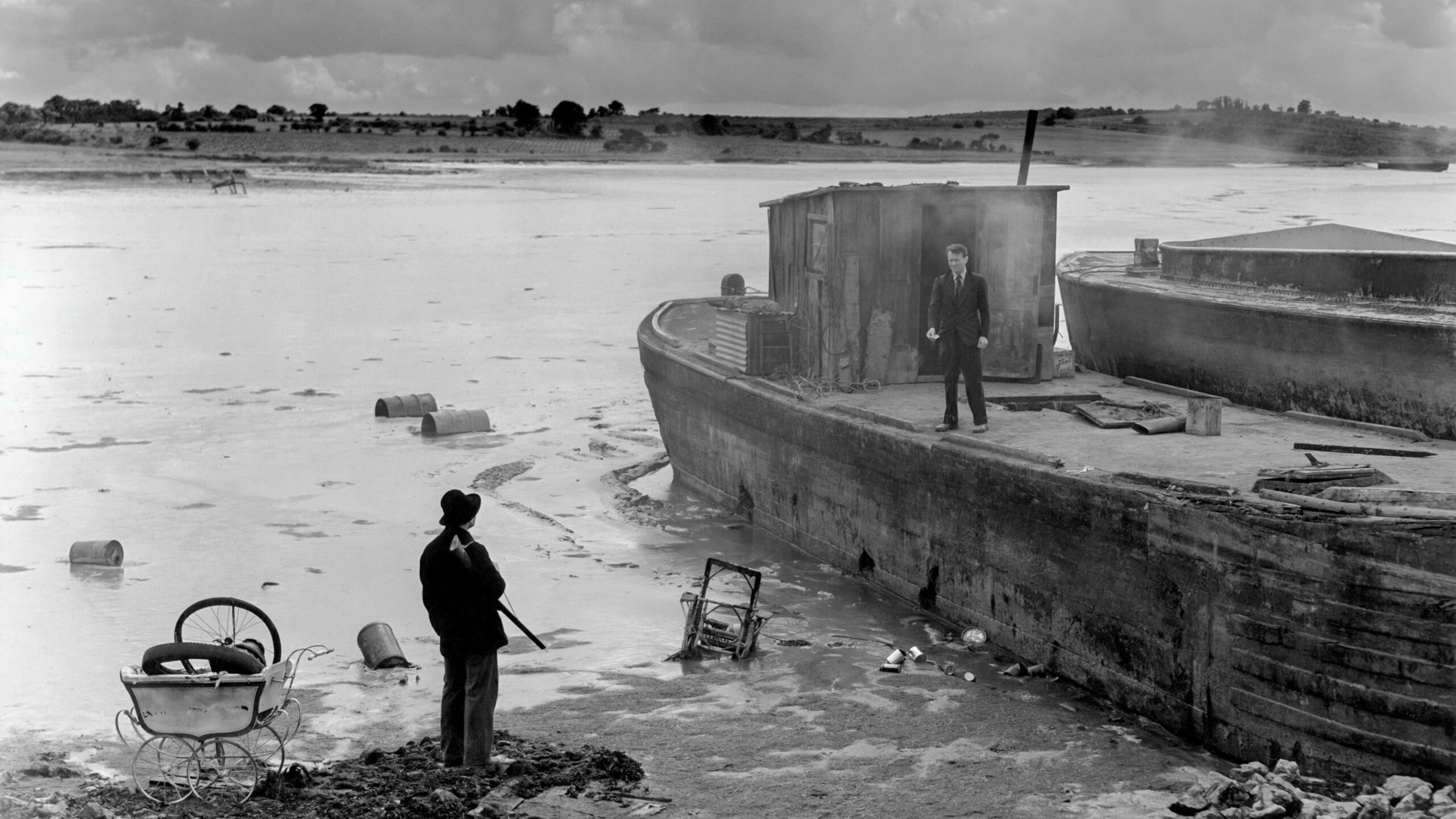
Equal parts noir fatalism, poetic melancholia and gritty social realism, The Long Memory stands among the most atmospheric achievements of 1950s British cinema. It follows Philip Davidson (John Mills), released from prison after serving twelve years for a crime he did not commit. Emerging into a transformed postwar world, Davidson drifts across the desolate landscapes of the Thames estuary seeking the criminals who framed him – though Hamer’s film is less a revenge thriller than a study of dislocation, and a sobering portrait of postwar Britain. Though often hailed as one of the great British directors, Robert Hamer’s reputation has long been overshadowed by his 1949 Ealing masterpiece Kind Hearts and Coronets, and the narrative of squandered promise with his subsequent decline into alcoholism. Yet The Long Memory demonstrates how his talent could still break through. It forms a striking companion to It Always Rains on Sunday (1947), Hamer’s earlier portrait of a postwar Britain suffocated by compromised lives and emotional exhaustion. Staking out the distinctly British noir terrain, both films transform everyday British locations – the muddy bleakness of the Thames estuary, Victorian- era industrial warehouses, exposed bomb sites, drab tearooms – into landscapes of psychological despair. Broodingly photographed by Harry Waxman, the film is unmistakably noir, yet its emotional texture also reveals the debt British noir owes to French Poetic Realism, especially Marcel Carne’s Port of Shadows (1938). Like the fogbound docks of Carne’s classic, the decaying barges on Hamer’s estuary offer shelter to society’s cast-offs: disturbed veterans, refugees, black marketeers and those stranded by postwar reconstruction. They capture one of the distinctive qualities of British noir: not the aspirational glamour of its US counterpart, but a stifling world of class tension, austerity and wounded individuals scarred by war and disappointment.
James Bell