Film notes
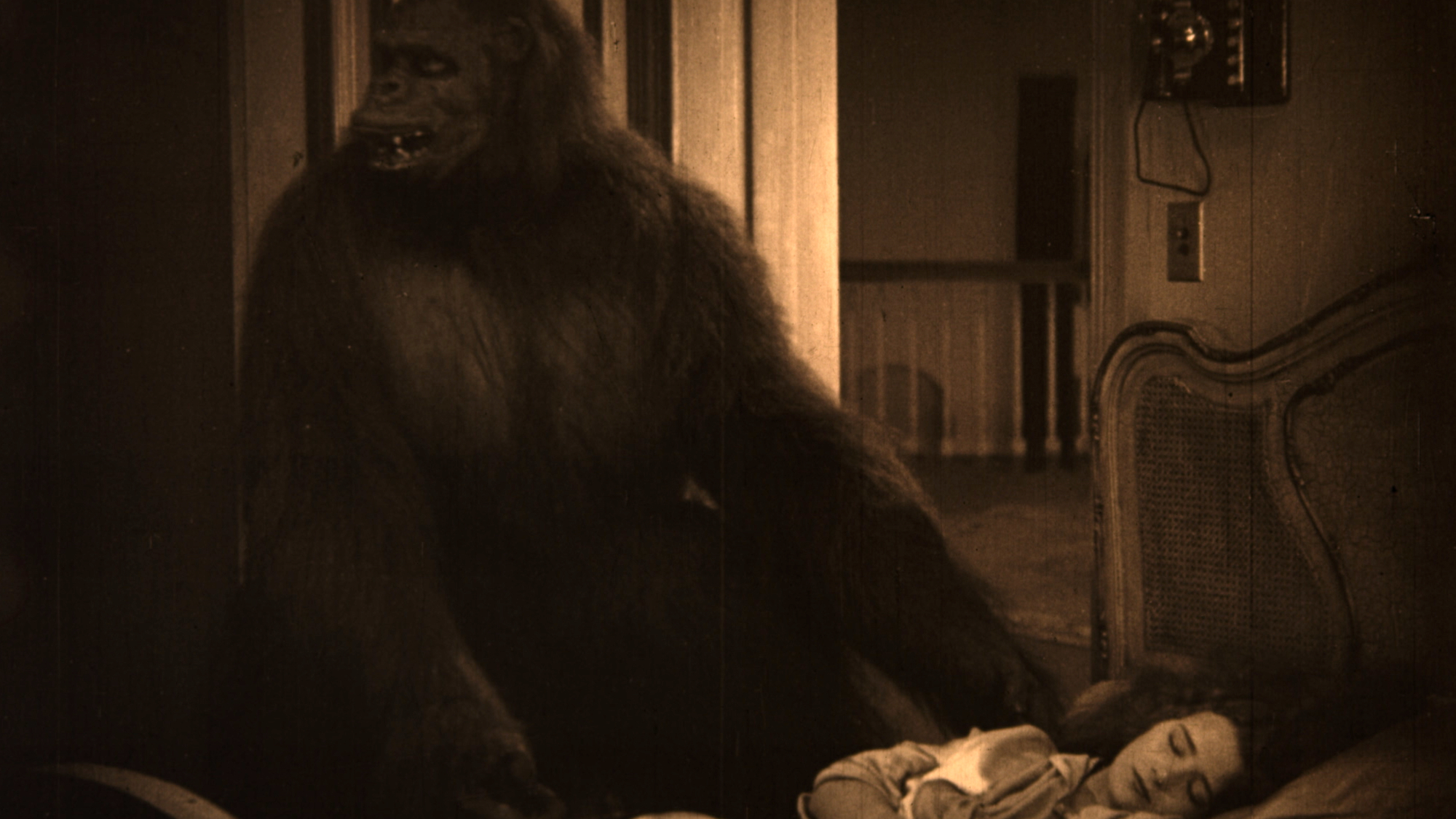
Thrills and chills mixed with comedy have been a cinematic staple since movies began – even before, as optical toys and magic lantern shows used ghostly specters and apparitions to startle and amuse their audiences. The first person to use macabre imagery for comic effect in a wholesale way with films was French pioneer Georges Méliès. While essentially comic, his shorts were grotesque, gruesome, and always surreal. Soon gothic stories such as The Strange Case of Dr. Jekyll and Mr. Hyde were adapted for the movies, often followed by spoofs that added laughs to the thrills. Jekyll & Hyde was a particular favorite to parody, with the funniest take-off, the Stan Laurel short Dr. Pyckle and Mr. Pride (1925). In the mid-1920s Hollywood embraced the horror comedy when films about mysterious doings in spooky old houses became the rage, complete with secret panels and passageways, lights flickering on and off at will, claws protruding from solid walls, and, of course, murders. Hits like The Bat (1926) and The Cat and the Canary (1927) opened the movie floodgates. The Gorilla started life on Broadway in 1925. Playwright Ralph Spence added a pair of vaudeville-style comedy detectives to the regular old dark house ingredients, and the movie upped the ante with the stylish and atmospheric handling of cinematographer Arthur Edeson and director Alfred Santell. The Gorilla had two sound remakes: in 1930, with comics Joe Frisco and Harry Gribbon as the detective duo, which morphed into a trio for the 1939 version starring the Ritz Brothers. Laughs combined with chills have been winners at the box office ever since. Some later examples include The Little Shop of Horrors (1960) and Men in Black (1997). Sadly, today’s special effects capabilities have removed much of the atmosphere from modern thrillers. With CGI able to create anything imaginable, it’s made obsolete the suggestive camerawork, sly wit, and sheer fun of a picture like 1927’s The Gorilla.
Steve Massa