Film notes
The Early Shorts by Márta Mészáros
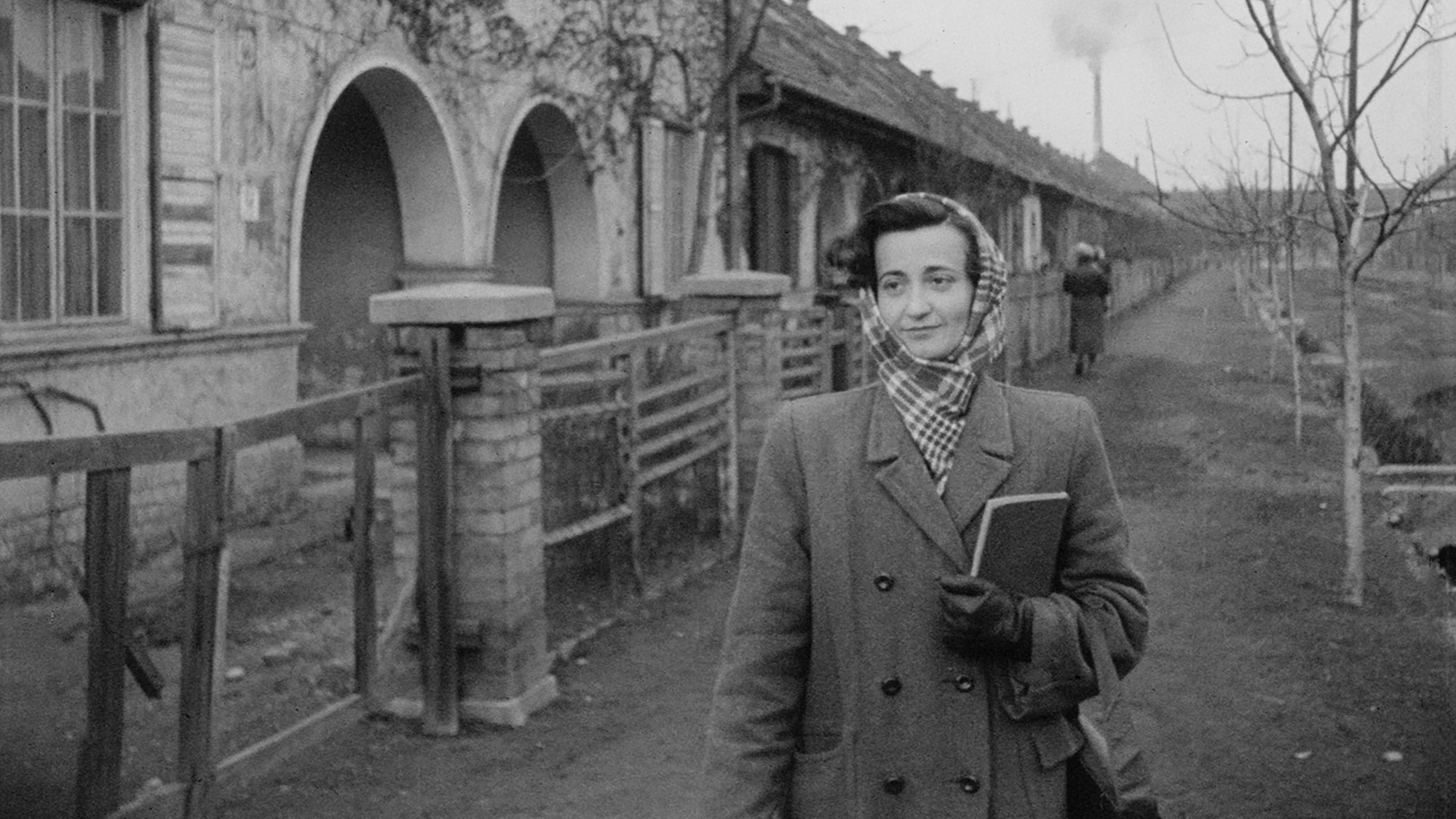
In 1975, Márta Mészáros made history as the first woman to win the Golden Bear for her film Adoption. Born in the early 1930s in Budapest, she grew up under political turbulence that would profoundly influence her artistic vision. The early loss of her parents shaped Mészáros’ films, becoming a recurring theme in her highly autobiographical works. Mészáros started her career with documentaries and short films, often capturing the mundane tasks of factory workers and scenes of everyday life with visionary heroines: young, parentless and self-aware. Her lasting legacy lies in her ability to weave personal stories into powerful social and historical commentaries with a unique cinematic voice that proves cinema can be both intimately personal and universally relevant. Mindennapi történetek, Szívdobogás, and Szeretet are extraordinary examples of her early short-form work. Mindennapi történetek begins early at dawn, as an unnamed paediatric nurse starts her shift visiting families in her working- class neighbourhood on the outskirts of Budapest. In this short documentary Mészáros depicts the daily challenges of care workers and celebrates the triumphs of this particular nurse, whom the film brings out of anonymity. Mészáros keeps the audience on edge in Szívdobogás while a boy with a serious heart ailment goes under openheart surgery. The process is meticulously carried out with tilted camera angles recording every bit of it, conveying all the tension in the room to keep the heart beating. In Szeretet, Mészáros confronts us with the gazes of children in Hungary’s foster care system. As she films the children strolling around a garden and playing house, Mészáros uses the camera to bear witness to their existence and, in making them seen, she brings them out of orphanhood.