
Film notes
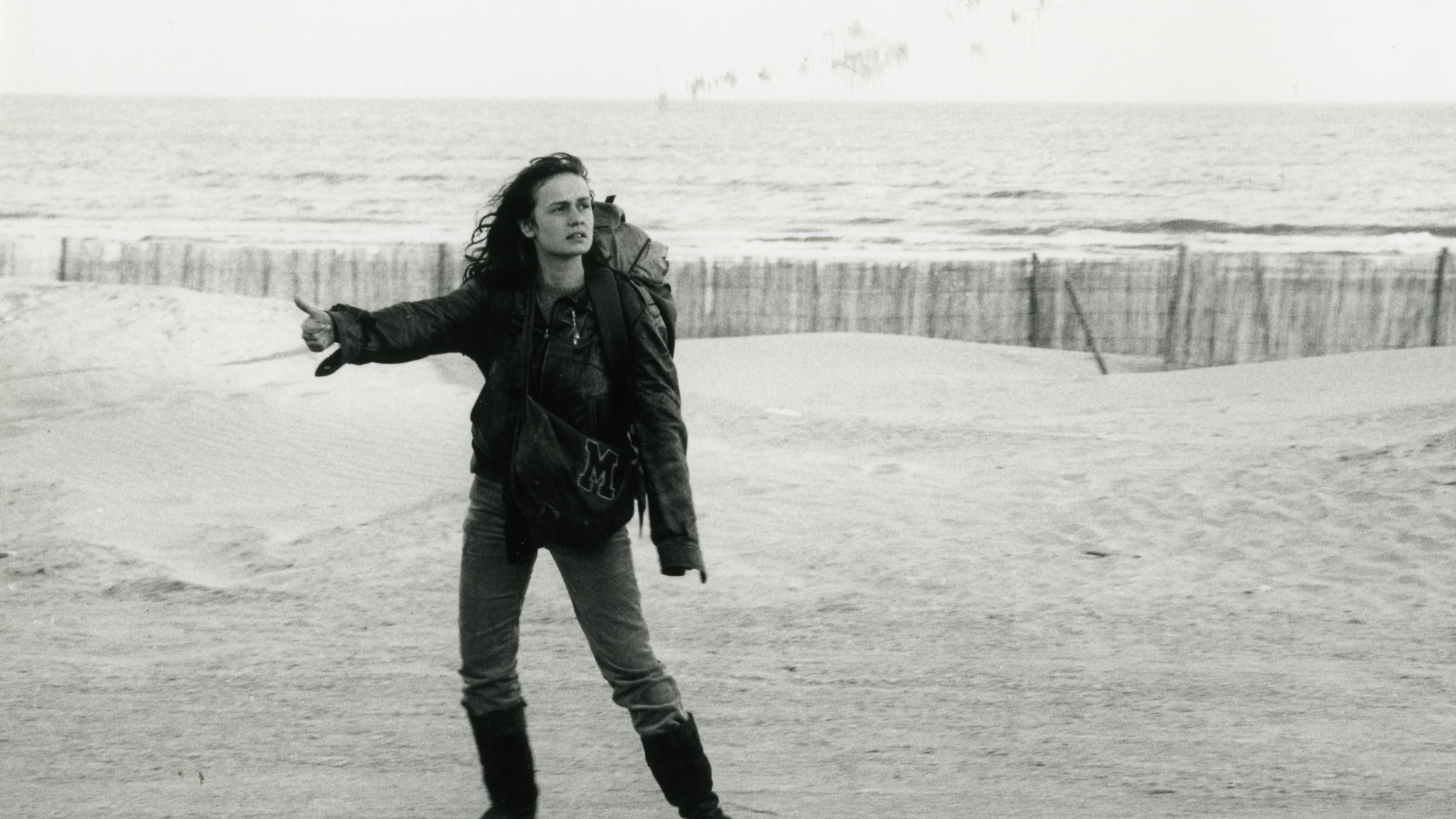
I do not remember exactly how old I was when, together with some friends, I saw Sans toit ni loi for the first time. I know for certain that it was that fragile age when everything is polarised because that is exactly how we experienced the film: on the one hand we scorned the idea of sitting in a kitchen complaining, like the girl who envies Mona; on the other, we were afraid of ending up in a ditch. The second viewing, alone, as an adult, was no less intense. Over the years I have organised my life trying to be free without falling into the ditch, but watching the film again I felt the same ache in my gut. Because Mona is a fleeting mirror of other people’s desires and fears, a “gust of wind” that passes through and asks: can one be free without being alone? How much of ourselves do we sacrifice for the “discontents of civilisation”? Mona is an anti-heroine with the power to unsettle everyone – the characters she meets along the way, the viewers who follow her. We owe this to Agnès Varda’s masterful gaze, which is unfailingly horizontal, anti-rhetorical and humane like provincial life with its beauty and its chains. In Sans toit ni loi, everyone moves restlessly between the need for freedom and the need for love: some locking themselves in and throwing away the key, some seeking tenderness in the eyes of a statue, some realising that you can be alone even as a couple. Mona does not question herself; she passes through, she lives and she pays the price for the world’s inability to embrace a woman’s freedom. Agnès tells us that price in the very first minutes of the film, but she is so skilled at making us grow fond of her protagonist that she makes us forget it, allowing us to believe, just for a moment, that her fate might be different.
Maura Delpero