Film notes
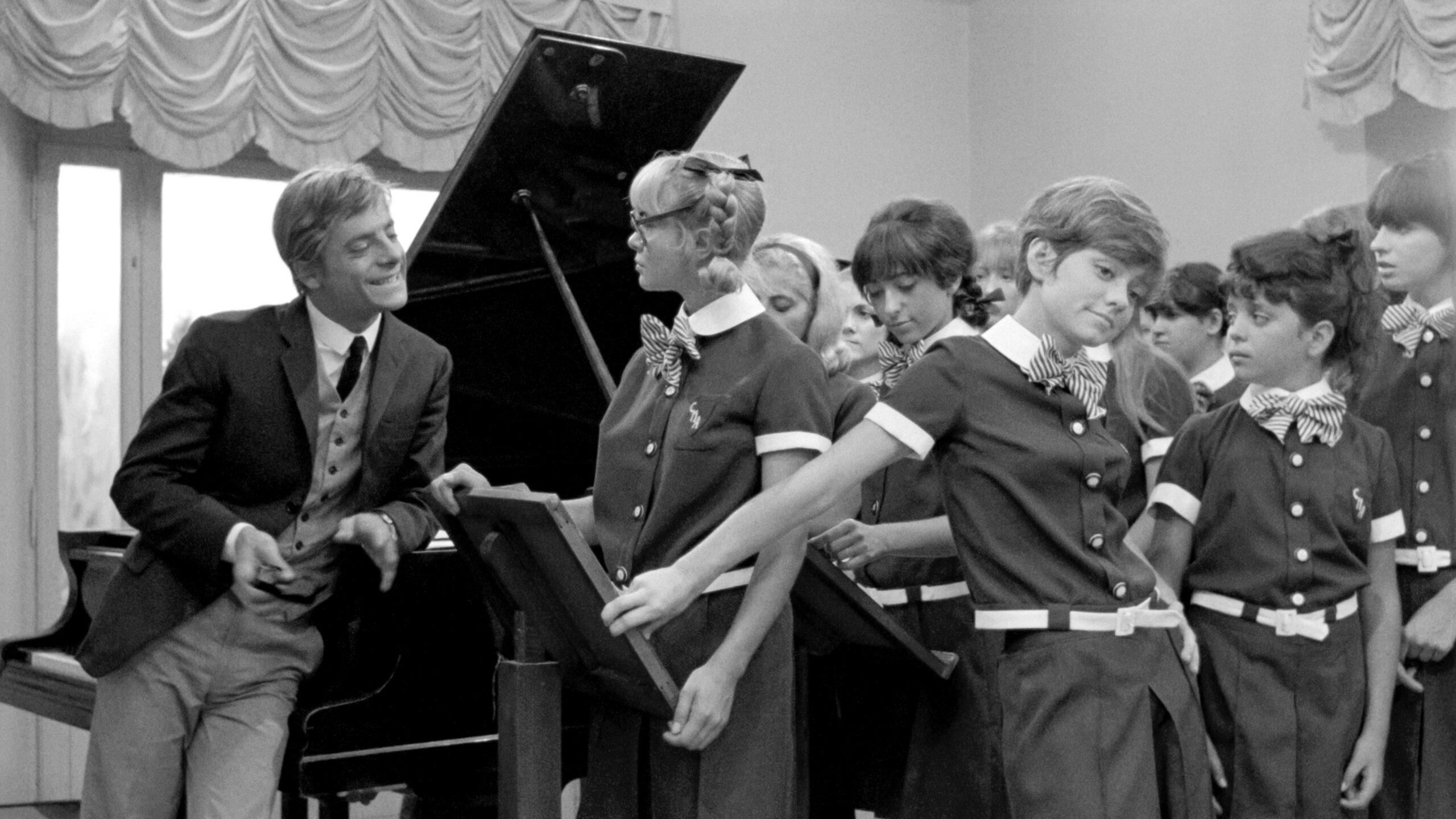
“I made Rita la zanzara because I had debts to pay. It didn’t feel like my own work; in fact, I signed it under the pseudonym George Brown. But later I realised that I had actually made quite a satisfactory film, and that Rita Pavone – who had already been my Gian Burrasca – was truly a complete actress. Unlike other films in the musicarello genre, which was hugely popular at the time, we didn’t build the story around a hit song. Instead, we wrote the story first, then proposed songs to
Rita that would work within the narrative. More than a ‘musicarello’, I think I made a musical.” This was how Lina Wertmuller explained to Carlo Lizzani how Rita la zanzara came into being. And it really is a musical, with elaborate sets, bold eye-catching colours, and a plot filled with surprises. At the same time, like in all musicarelli, it contains the generational clash between the young Rita and the likable “old fogeys” – all major names in Italian light entertainment (Peppino De Filippo, Giusi Raspani Dandolo, Nino Taranto…) And naturally there is Laura Efrikian, because Mrs Morandi was simply indispensable. Above all, there is Rita Pavone, who falls in love with her teacher (albeit a very young one, the bespectacled Giancarlo Giannini) and dresses like a man in a memorable performance. Then there is the title itself, which refers not to the irritating insect of summer nights but to the student magazine of Milan’s Parini High School, which caused a scandal for daring to talk about sex to fellow teenage high- schoolers. In short: songs of the era, irresistibly catchy Italian pop, but also early signs of the rebellious spirit that would explode much more visibly two years later.
Steve Della Casa