

Film notes
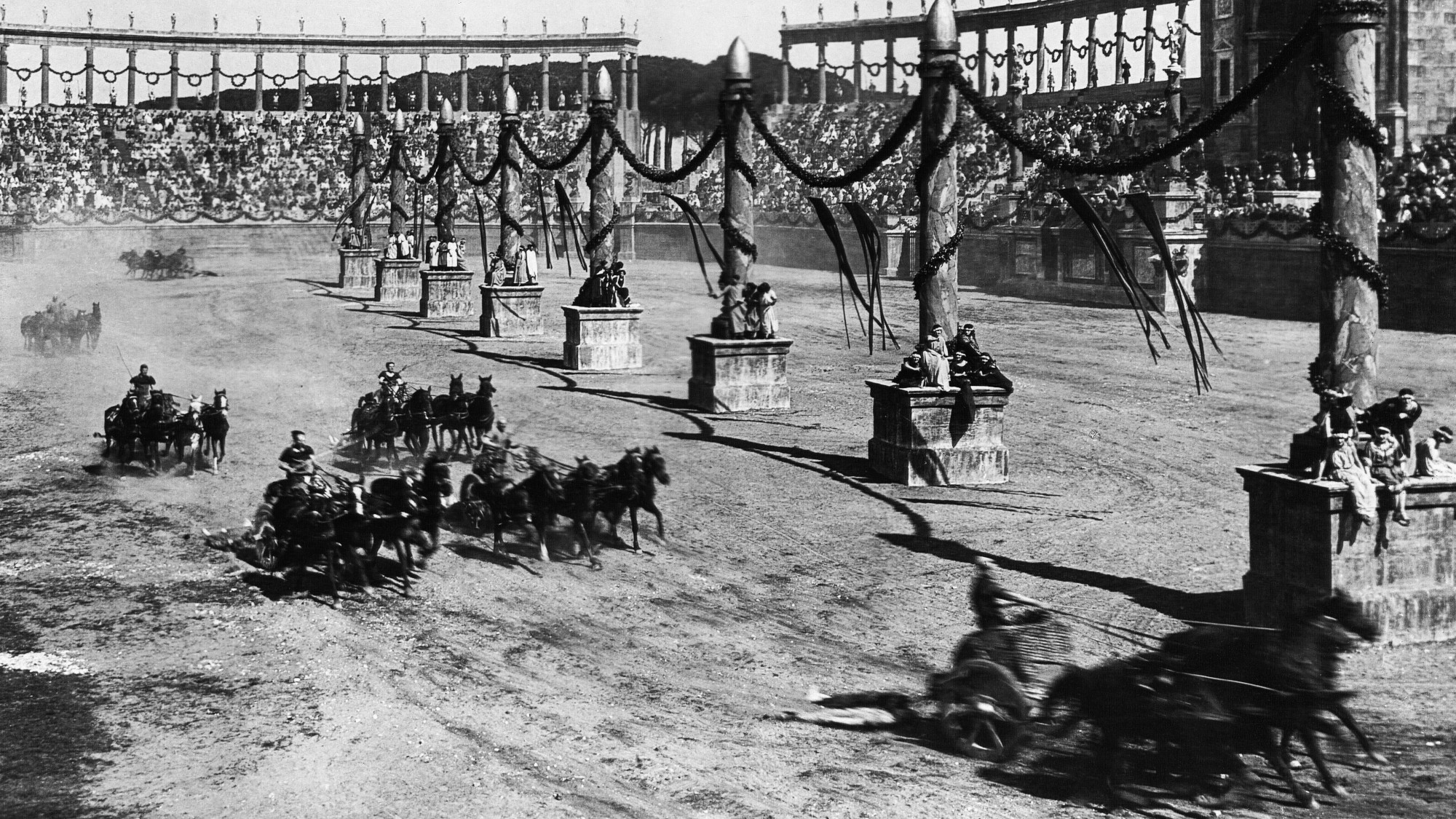
“The most extraordinary film ever made.” This is how “The Billboard” announced the American release of Quo vadis? And it was not mere hyperbole: in 1913, this film, based on Henryk Sienkiewicz’s novel of the same name and produced by the Italian company Cines, burst onto the international scene, making it immediately clear that nothing would ever be the same again. Quo vadis? established the characteristics of a new standard of representation which would come to define the best of cinema for many years to come. The man behind this marvel, the film’s creator and director Enrico Guazzoni, was already an expert painter and capable of exponentially increasing the possibilities of cinematic space. Making use of imposing sets to support the action, with carefully synchronised and choreographed movements of thousands of extras, expert use of the contrast between light and shadow and images in silhouette, and a variety of different camera angles, Guazzoni gave the film a depth of vision, a variety of perspectives, a sense of spectacle and a visual richness never previously seen in the cinema. If reviving the splendour of ancient times had been one of cinema’s phantasmagoric ambitions from the very start, with Quo vadis? the miracle was so perfectly achieved as to give birth to a new genre, the peplum, whose techniques were drawn from Guazzoni’s film and would go on to shape the fortunes of later Italian cinema. On the back of the extraordinary success of Cines’ film, over the next couple of years Italian cinema would, with imperial zeal, invade cinema screens around the world, distributing in rapid succession a series of highly successful historical-mythological epics including Cajus Julius Caesar, Marcantonio e Cleopatra (both also directed by Guazzoni), Gli ultimi giorni di Pompei and Cabiria – all produced between 1913 and 1914 and destined to become pillars (capital included) of the history of Italian cinema.
Giovanni Lasi