Film notes
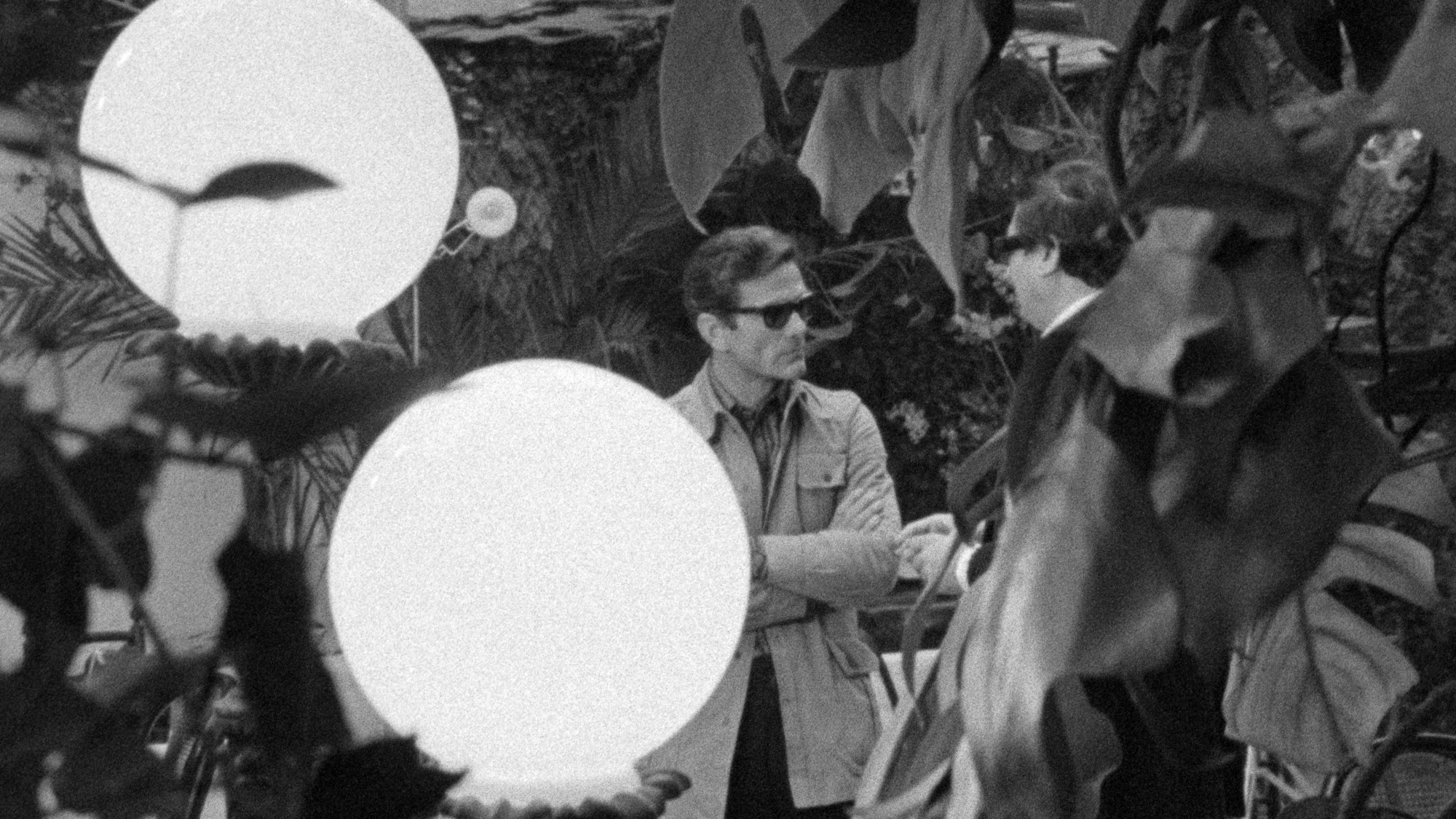
As early as 1966, French television had produced Pasolini l’enragé as part of the prestigious documentary series Cinéastes de notre temps. At the time, a similar initiative by RAI TV would have been inconceivable. These seven broadcasts confirmed French television’s interest in Pasolini and gave him the opportunity not only to promote his films, but to analyse them with disarming candour (and much more besides). It is significant that two interviews are devoted to Pigsty (1969), a film ignored by RAI: the first sees Pasolini already speak of the disappearance of il popolo (the people) and of his preference “for the disorientation, the sense of loss” experienced by the character of Julian; the second sees him lucidly predict that “perhaps young Italian students will not like the film because it does not have the appearance of fighting at the barricades. Its form is highly distanced.” In Philippe Laik’s interview on Oedipus Rex, Pasolini acknowledges the film’s autobiographical character and describes himself as a petty bourgeois who despises the petty bourgeoisie and is capable of evoking it only by transfiguring it into myth. Speaking about the fiction of his friend Alberto Moravia, he uses the occasion to polemicise against literary criticism, targeting in particular Michele Rago of “L’Unità”, despite the latter having supported him for years. Pasolini’s enthusiasm for the ontology of storytelling emerges in the interview on The Canterbury Tales, while in the interview on Arabian Nights there is a clear awareness of the documentary dimension that coexists with fiction. Of particular interest, although not without its inaccuracies, is the 1974 “portrait” by Michel Random (born Stefano Balossini), in which Pasolini speaks about his unfinished novel Petrolio and reflects, among other things, on his conception of the image and on the legal persecutions to which he was subjected, while rejecting any self- destructive nihilism and, by extension, any possible affinity with Yukio Mishima.
Roberto Chiesi