Film notes
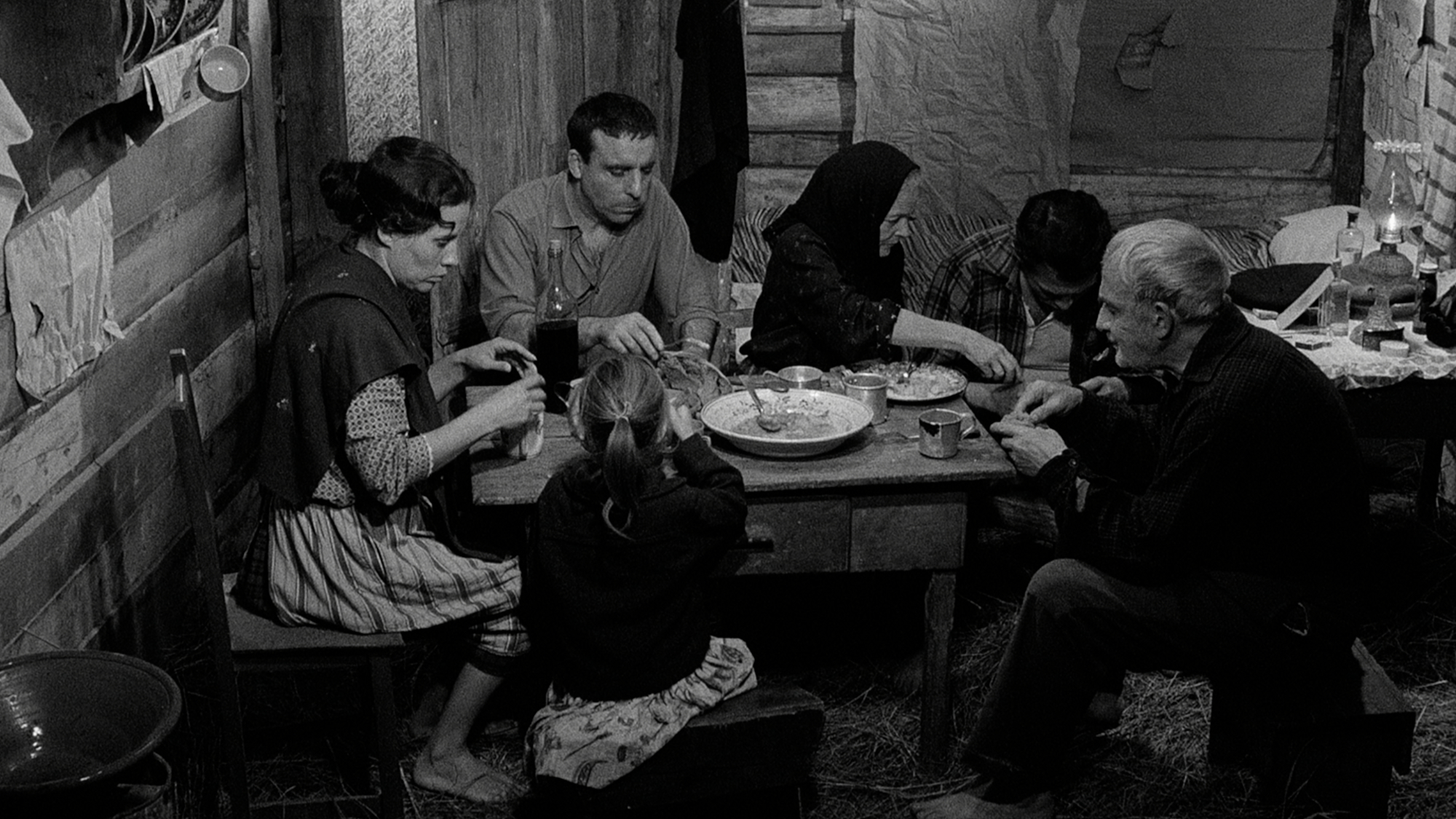
Mudar de vida is one of the central films of Portuguese Cinema Novo and the work in which Paulo Rocha reaches full artistic maturity. Set in a fishing village in northern Portugal, the film follows Adelino’s return after military service in Africa, portraying his difficult reintegration into a community marked by poverty, harsh labour, and a sense of social immobility. Shot in black and white, Mudar de vida seems to pass through neorealism only to move toward a more rarefied form, in which reality is continually shaped by an unsettled visual language. Rocha builds a narrative in which landscape, wind, sea and bodies become essential dramaturgical elements, giving form to a cinema that is at once political and poetic. “I wanted to film life as it is, but also what it conceals,” the director said, underscoring the tension between reality and vision that runs through the film. At its core lies not so much the theme of return as the rupture it produces: Adelino comes back to a world he no longer recognises, and his love story becomes the site where the impossibility of reconnecting with the past is laid bare. Pedro Costa, who has often acknowledged the debt his own cinema owes to Rocha, also played a key role in the restoration of the film, helping to recover its visual power and formal complexity in full respect of the original intentions. As Costa himself has noted, Mudar de vida is “one of the freest and most secret films in Portuguese cinema”, capable of combining formal rigour and emotional intensity without compromise. Sixty years after its release, the film continues to radiate an undiminished force, not merely as a testimony to a historical moment, but as a living form that still unsettles our way of seeing the present.
Cecilia Cenciarelli