

Film notes
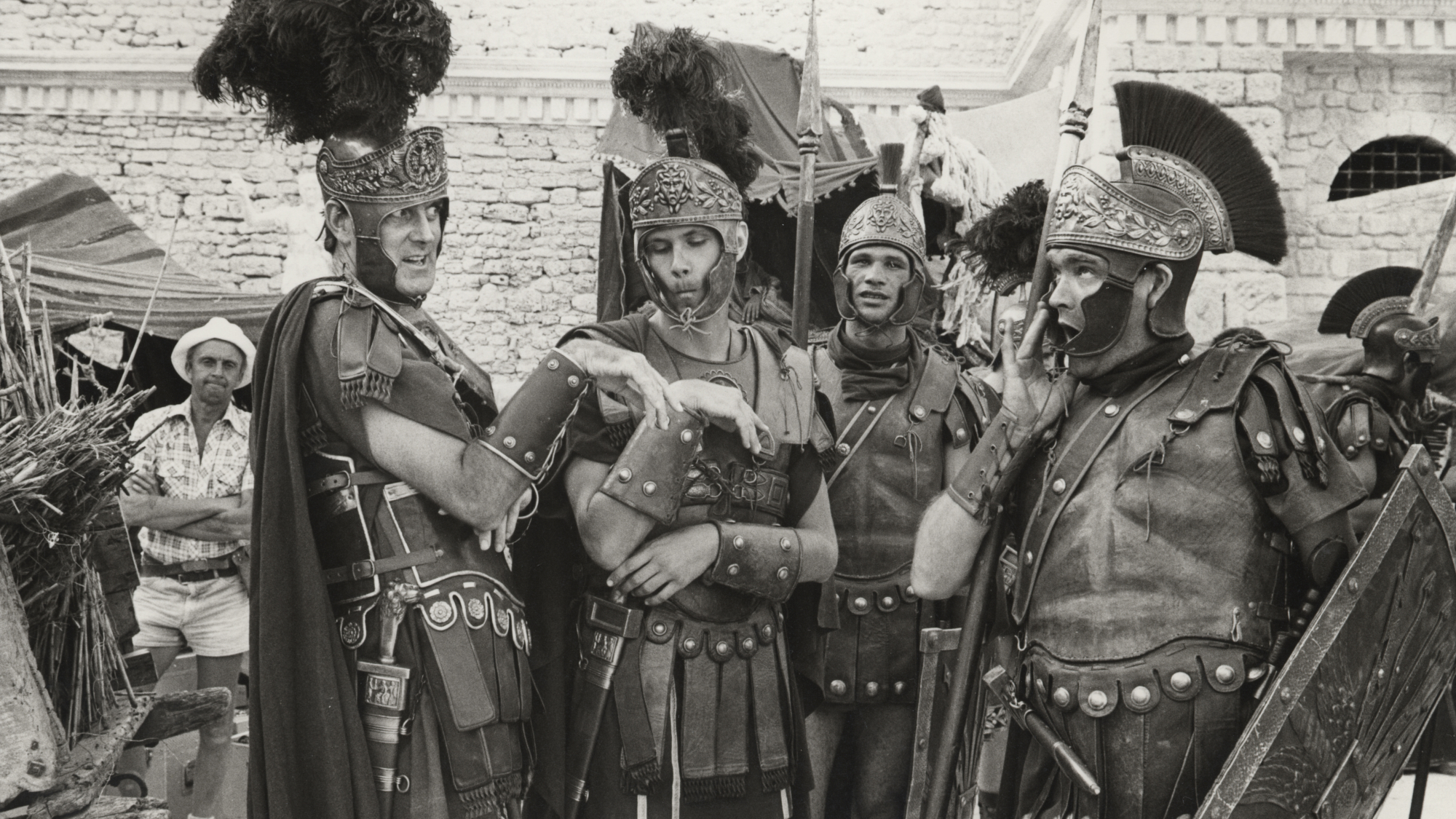
While on the promotional circuit for Monty Python and the Holy Grail, the Pythons were asked what they had planned next. Jesus Christ: Lust for Glory, was the title that Eric Idle came up with. A few years later, that flippant remark had evolved into the troupe’s greatest achievement. Life of Brian harnessed their trademark lunacy to a more sustained narrative and established a tonal consistency that distinguishes it from their other work; a move perhaps aided by Terry Jones taking sole directorial duties, having previously split the role with Terry Gilliam. They also benefited from being able to play on sets left over from Zeffirelli’s Jesus of Nazareth, lending a sense of biblical grandeur to this story of a very reluctant messiah. The charges of blasphemy that greeted Life of Brian were predictable; in fact, it was something the team embraced: “So funny it was banned in Norway!” boasted one poster. Almost fifty years on, it’s clear that rather than attacking Christianity, the Pythons’ satirical eye was trained – as it always was – on society, bureaucracy and the foibles of human behaviour. Life of Brian lampoons our need for a leader and the dangers of groupthink, and the scene in which Brian tries to convince his adoring followers to think for themselves is perfection: “Yes, we are all individuals!” the crowd shouts back in unison. That Life of Brian stands as one of the great screen comedies is surely beyond dispute now, although Terry Jones was unimpressed when discussing the film’s legacy in a 2011 interview: “I suspect it’s overrated although it’s pretty good,” he said. “Personally, though, I prefer Buster Keaton”. It can also be argued that Life of Brian is one of the most significant British films ever made thanks to the involvement of George Harrison. When a nervous EMI pulled their funding at the last minute, the ex-Beatle invested £3m of his own money, simply because he really wanted to see the film. HandMade Films was born, and their productions would have a defining impact on British cinema over the next decade.
Philip Concannon