Film notes
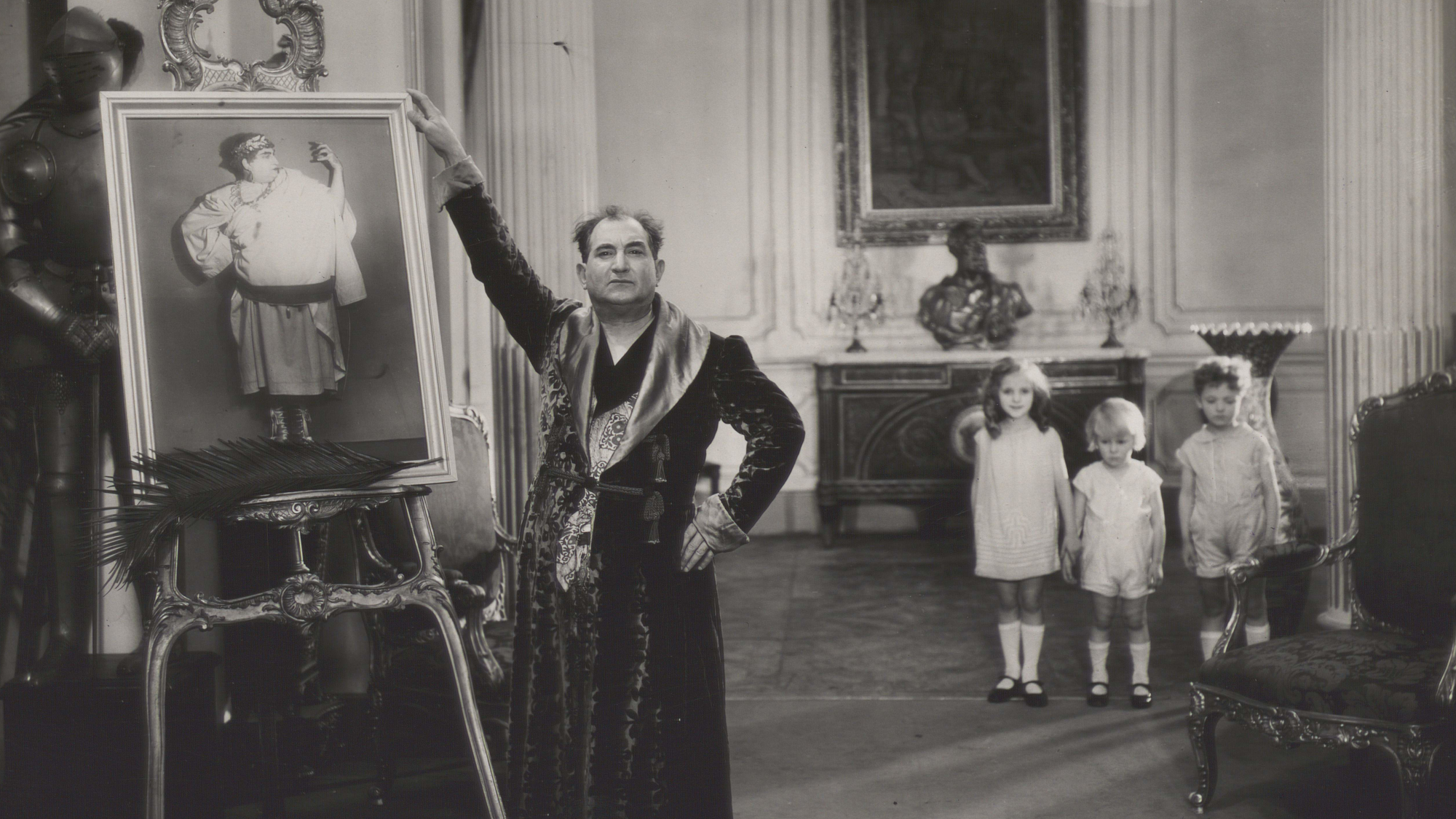
This musical comedy is a thoroughly original work in the French cinematographic landscape of the 1930s, just like its director, Fyodor Otsep, a citizen of the world who worked in the Soviet Union, Germany, France, the USA and Canada. Taking an unremarkable screenplay, he managed to produce a masterpiece of visual and auditory ingenuity. Mirages de Paris, blending elements of French comedy, German expressionism and fast Russian editing, is in a class of its own. Whereas most French comedies of the time were staid adaptations of stage plays, Otsep, along with co-screenwriter Victor Trivas, concocted an original screenplay that shattered the conventions of vaudeville comedy. Jacqueline Francell plays Madeleine Duchanel, a young girl who has run away from boarding school, dreaming of adventure and Paris. She takes the plot for a wild and unbridled ride, full of Anglo-Saxon absurdity. Naive and impulsive, she causes misunderstandings and unexpected reactions. The film captivates and enchants right from the start; the girls at the boarding school wake up with the sun, but as soon as the stern headmistress appears, the sky darkens and a storm erupts. Karol Rathaus’s music lends a touch of humour and wit to this scene, which is almost entirely devoid of dialogue. Mirages de Paris is overflowing with comical invention: newspaper vendors sing like choruses from ancient times to comment on the action; a statue suddenly comes to life and opens its umbrella to protect itself from a downpour. The music- hall shots are worthy of the finest burlesque, right up to the final scene where, as the two young leading actors – now stars – kiss on stage, the audience does the same from the orchestra pit all the way up to the top balcony. A co-production between Pathe-Natan and Terra-Film, the film was shot simultaneously in German under the title Grosstadtnacht at the Joinville studios. The monumental sets – depicting the seedy streets of Paris and the backstage areas of a music hall – were created by the brilliant Russian set designer Andre Andrejew, in collaboration with Lucien Aguettand.
Christine Leteux