


Film notes
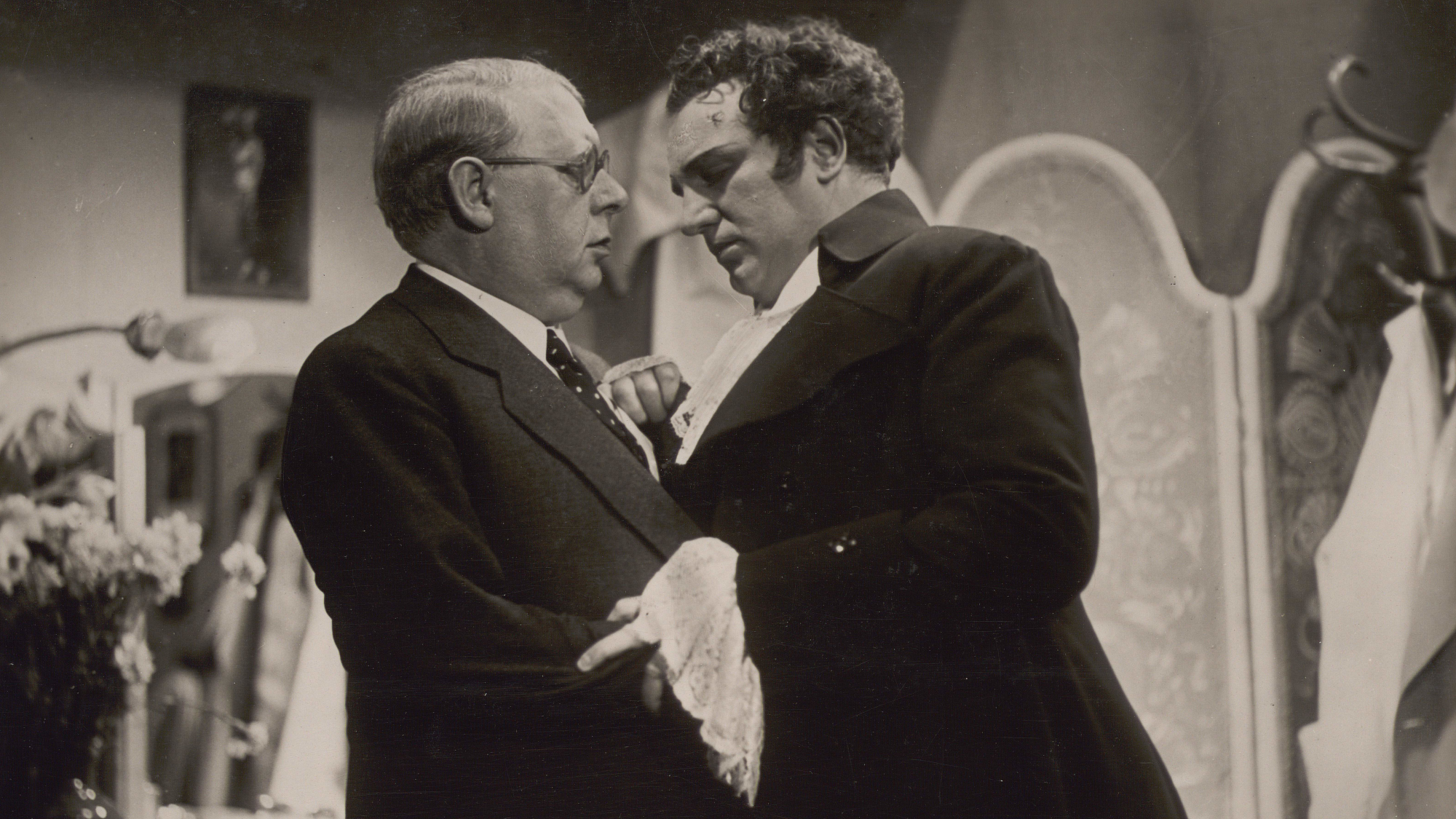
Melodie der Liebe was the last German feature film starring Richard Tauber before he was forced to leave Nazi Germany in 1933. Directed by Georg Jacoby, the film closely reflects Tauber’s own life and public persona. He stars as celebrated opera singer Richard Hoffmann, who, at the height of his fame and shortly before departing for America, becomes entangled in a deceptive love affair with the attractive and ambitious Lilli, whose family and fiancé seek social and professional advancement through him. Hoffmann’s emotional blindness is countered only by the insight of his six-yearold daughter, played by Petra Unkel, who ultimately helps him recognise genuine affection in Escha, a young sculptor. Produced rapidly in early 1932, the film combines melodrama with musical performance and stands today as both a star vehicle and a document of a career cut short by Nazi cultural policy. Classified as a “half-Jew,” Tauber became unwelcome in Germany early in 1933. By the late Weimar era, his voice, films, and popular songs had made him one of the most recognisable cultural figures in German-speaking parts of Europe, and today he is considered one of the most important tenors of the past century. The film’s musical direction was by Paul Dessau, a frequent collaborator of Tauber, with orchestral passages performed by the Berlin Symphony Orchestra and song lyrics authored by Fritz Rotter.
Anke Mebold