
Film notes
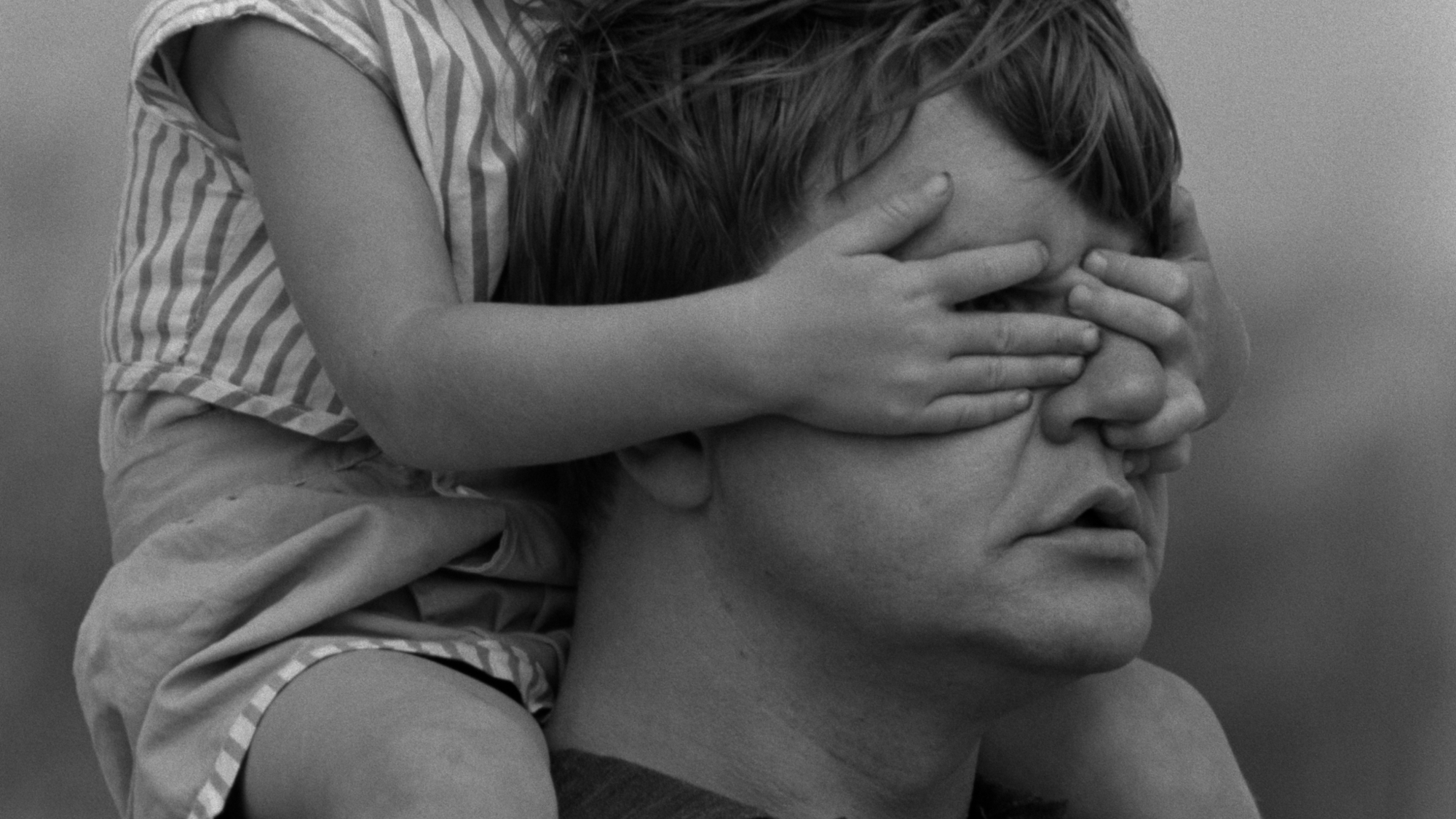
Yurii Illienko had all the talent and prospects to establish himself in the USSR capital after graduating from the prestigious VGIK. Instead, he returned to Kyiv to immerse himself in the search for a distinct Ukrainian identity. This commitment made him a key figure of Ukrainian poetic cinema. Following his remarkable cinematography on Shadows of Forgotten Ancestors (also starring Larysa Kadochnykova), Illienko made his directorial debut with Krynytsia dlia sprahlykh, widely considered a key work of the Ukrainian Poetic School and a sort of manifesto for a national cinema. The film was met with sharply differing responses from his colleagues – described as “inhuman”, “emotional” and “simplistic, yet reaching the highest perfection.” During an official discussion, Parajanov remarked that the studio administration “were afraid of Art”. Illienko sought a non-conventional image of the Ukrainian village – and found it. What he presents is a desert in the heart of Ukraine, stripped of blossoming orchards and picturesque detail. Together with poet Ivan Drach, he created a singular space where time becomes palpable: frozen and fluid, finite and endless. A place of oblivion. Yet, as one plunges a face into water, memory resurfaces. Alongside the development of a new visual language, poetic cinema also began to reflect the trauma of World War II. But rather than adopting a heroic or pathos-laden tone, Ukrainian filmmakers expressed it as a painful expression of national experience. Due to so-called “ideological deviations”, the film was banned. It returned to audiences 20 years later, in 1987, with the beginning of Perestroika. Today, it reveals itself anew in the midst of a real war, raising the question of what kind of spring of memory may emerge. Knowing that Illienko was an admirer of James Joyce’s Ulysses can further deepen the viewing experience.
Olena Honcharuk