Film notes
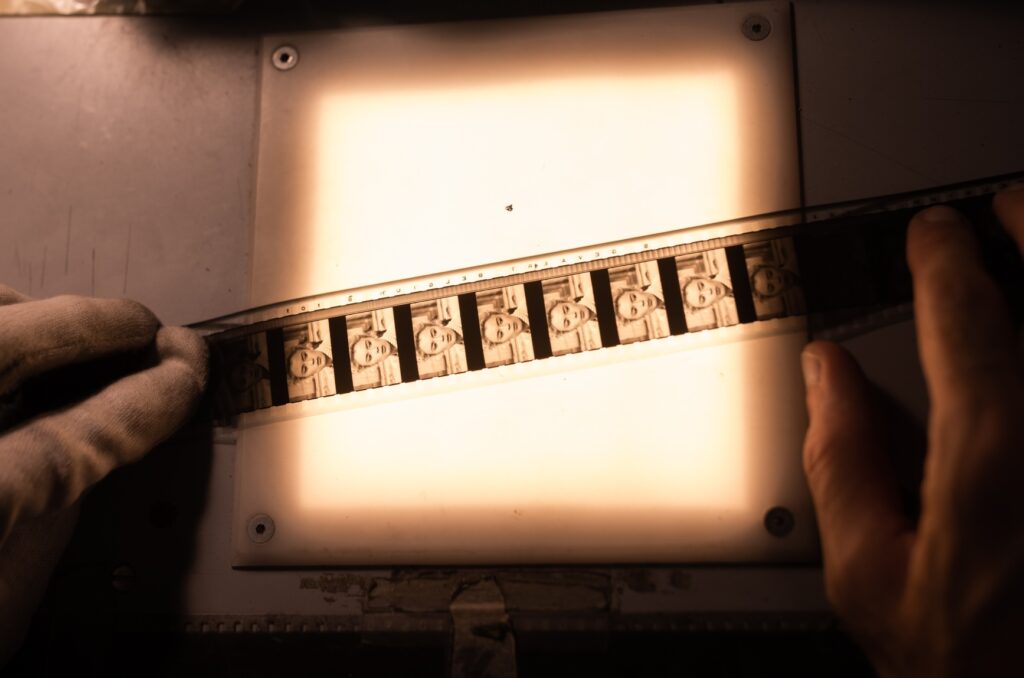
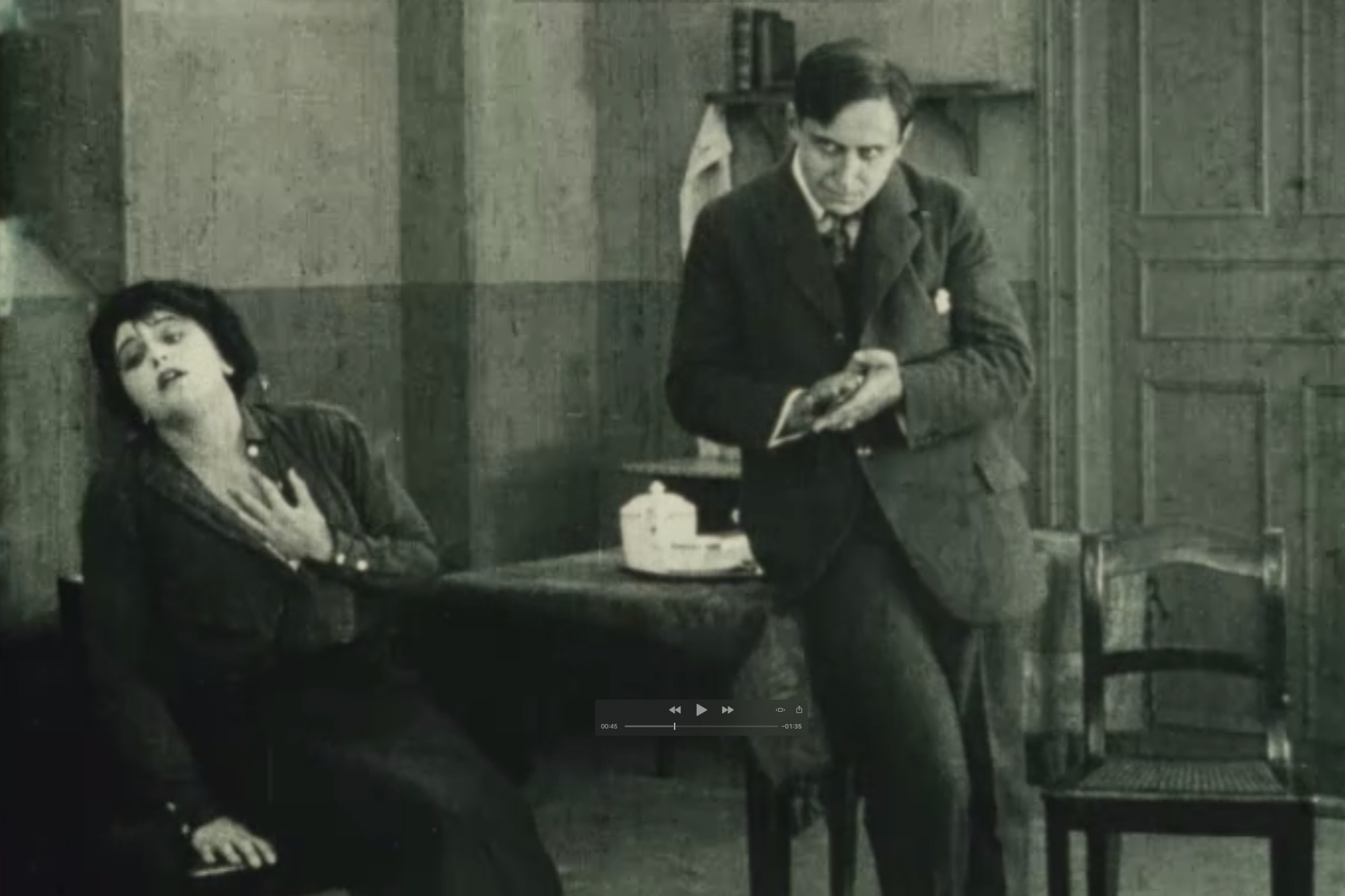
“Ah, wonderful!” we think when diva Francesca Bertini offers her beautiful face, framed, mirrored and in close-up, to the admiring gaze of the beholder. We love it, partly, because the fragment (it could be from Lacrimae rerum) suits perfectly the present-day idea of ideal film acting. Actors are supposed to ‘live’ the part they are playing, to immerse themselves in the character’s experience, to act ‘naturally’ from inside out so as to achieve a truthful expression of a fictional situation and to move the audience to believe that they really feel the emotions they communicate. This game of make-believe has been going on for such a long time that by now it seems ‘natural’. And often, performers in early films seem to act ‘unnatural’, but in fact they were accomplished players of a game with different rules and used other modes of communication (which audiences then understood perfectly, naturally).
It is amazing how their acting becomes more and more intelligible and sophisticated when we watch the films several times, attentive to their peculiar modes of communication. Based on body performance and choreography, the works of comics Marcel Favre (Robinet), Ferdinand Guillaume (Tontolini-Polidor) and Giuseppe Gambardella (Checco), mimes such as Stacia Napierkowska and brilliant actors Gigetta and Rodolfi can be appreciated best when we think of them as dance-theatre. With the ‘forzuti’ the athletic type of Italian body artist became popular worldwide. By far the most attractive and interesting among the Macistes, Galaors and Sansones was Mario Guaita-Ausonia. What a joy to discover and identify a fragment (15 minutes, not bad) of his presumed lost Atlas (1920) in the Komiya collection! A more complete restored version of Signora delle camelie is known to exist in the Museo Nazionale del Cinema, but the decomposed remnants of this Bertini film and of Chiffonnette in the Komiya collection are screened here to give the mystical viewing experience of films on the brink of non-existence.
Mariann Lewinsky