

Film notes
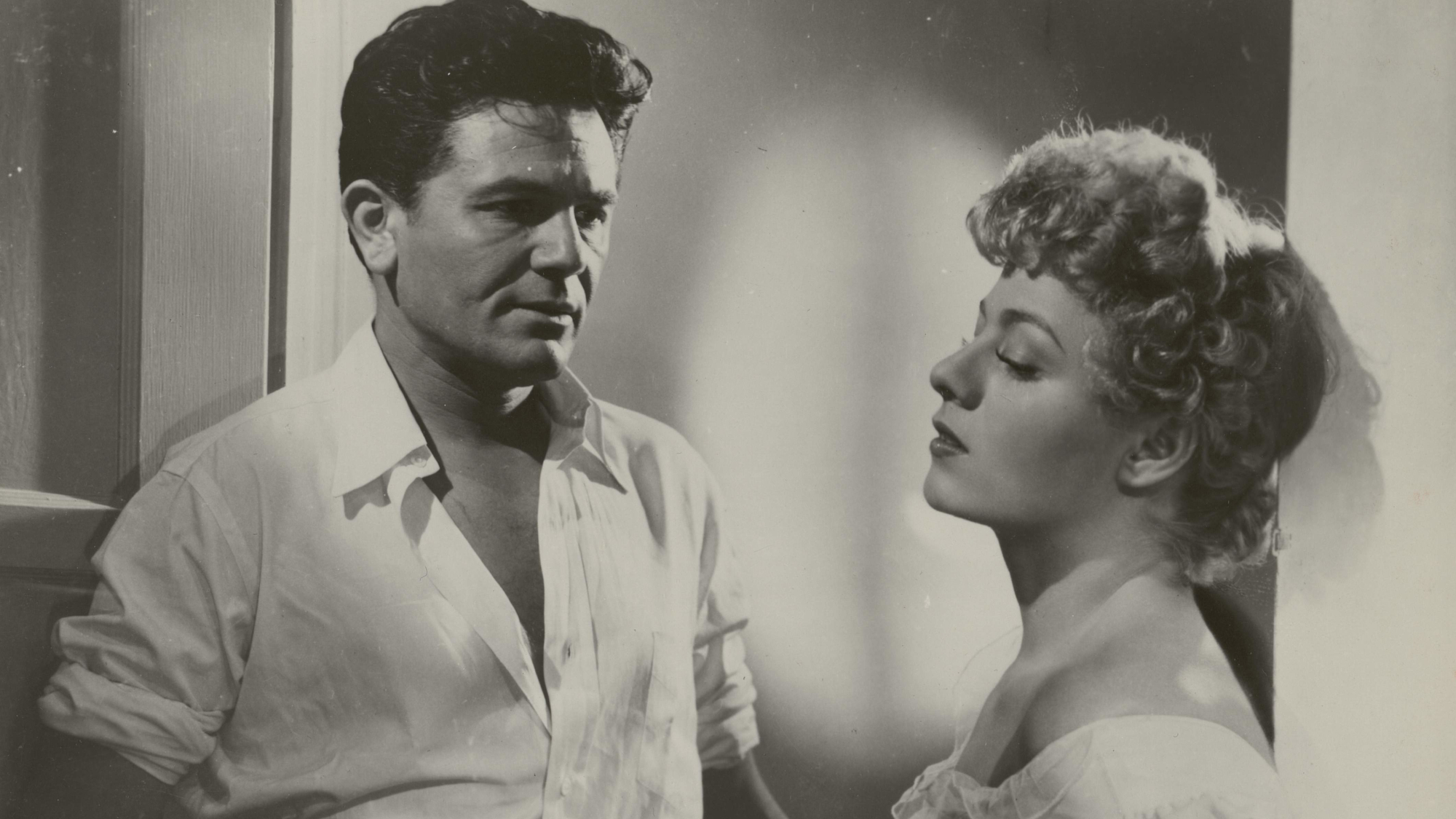
Shot in late 1950, He Ran All the Way, John Berry’s last film in the US for 25 years – and, according to him, “the most skilful picture I had done up to that time” – shows clear symmetries with From This Day Forward (1946). Instead of New York, however, it is set on the West Coast, with the filmmaker again deriving much of the plot from the social background of his working-class characters. But the mood had radically changed since the HUAC hearings began in 1947. As a film noir, He Ran All the Way is markedly darker than Tension (1949). In the opening moments, Nick Robey (John Garfield) appears already plagued by a nightmare from which he will never wake: anguished, defiant and doomed. After a few scenes set on a hot, sunny day – on a promenade in Long Beach, California and at a democratically crowded swimming pool – the action moves into a claustrophobic apartment, where every character’s gesture seems threatening to the others. Nick Robey, a petty thief, intrudes upon the apparent normality of a lower middle-class family, making the viewer perceive that “normality” itself may conceal unease. In few film noirs – indeed in few films generally – is the audience so persistently suspended between sympathies, a “shifting dialectic of trust and mistrust”, in Thom Andersen’s phrase. The character “is a criminal intruder, not an innocent victim, but he has more in common with his hostages than they can admit”. [Written] by two blacklisted screenwriters, Hugo Butler and Dalton Trumbo (though officially credited to Guy Endore, who fronted for them), the film found a strange echo in reality when Garfield – who refused to “name names” before investigators – died of a heart attack (blamed on the political pressure on him) less than a year later, aged 39.
Bernard Eisenschitz, John Berry: To All Who Lived Through It, in Red and Black: Hollywood Left and the Blacklist, edited by Ehsan Khoshbakht, Les Editions de l’oeil, forthcoming 2026