Film notes
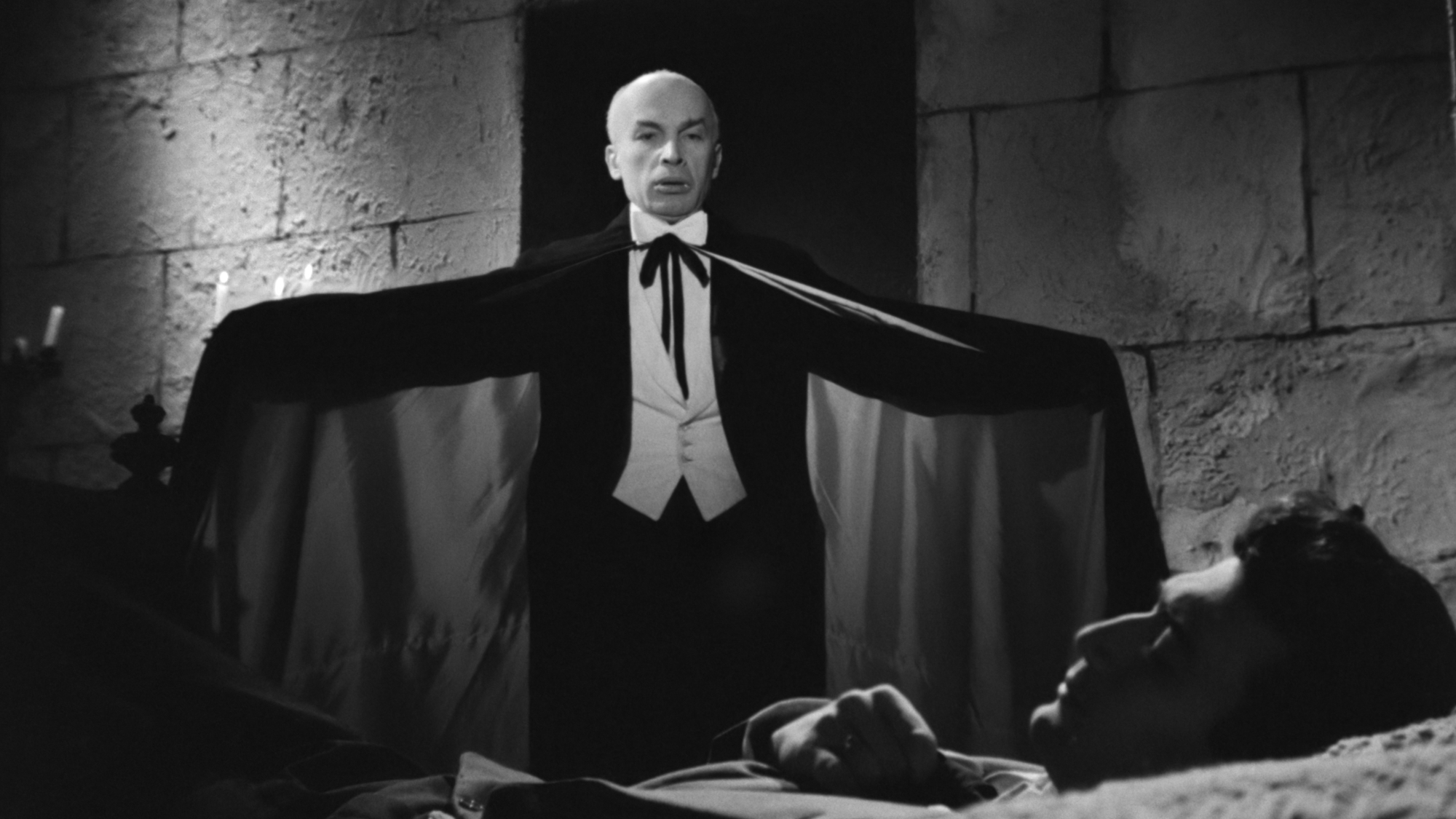
Azmi, a young lawyer, travels to the castle of Count Dracula, a Romanian nobleman intent on purchasing numerous properties in Istanbul. There he discovers that Dracula is in fact a vampire – referred to in the film as a “ghoul” – and a descendant of Vlad the Impaler. Azmi attempts to kill the count, but Dracula escapes and soon sets sail for Istanbul, placing Azmi’s fiancee Guzin and her cousin Şadan in grave danger. The oldest surviving Turkish horror film, Drakula İstanbul’da is adapted from Ali Rıza Seyfi’s 1928 Turkish interpretation of Dracula, titled Kazıklı Voyvoda (later republished under the name Drakula İstanbul’da). Reworking Bram Stoker’s classic within the socio- cultural landscape of 1950s Turkey, screenwriter Umit Deniz infused the story with a local sensibility and a sense of humour, earning the Film Lovers Association’s (Film Dostları Derneği) award for Best Screenplay. Notable for being the first depiction of Dracula with pointed fangs and a major local success upon release, the film later attained cult status among cinephiles through its richly stylised miseen- scene, atmospheric cinematography, suspense-driven editing and inventive sound design. Director Mehmet Muhtar and cinematographer Ozen Sermet, whose carefully composed images lend the film its distinctive visual texture, would later continue their careers in the US. The film’s ambitious production design, elaborate costumes and memorable dance sequences reveal an uncommon level of craftsmanship for the period, while its technically daring visual effects were realised under the supervision of art director Sohban Koloğlu and the producer Turgut Demirağ. The cast includes actor and screenwriter Bulent Oran, Atıf Kaptan giving his iconic portrayal of Dracula, and Istanbul-based dancer Annie Ball, whose nightclub performances as Guzin became some of the film’s most unforgettable moments.
Ugur Bayazit