The Space Machine
[2026]
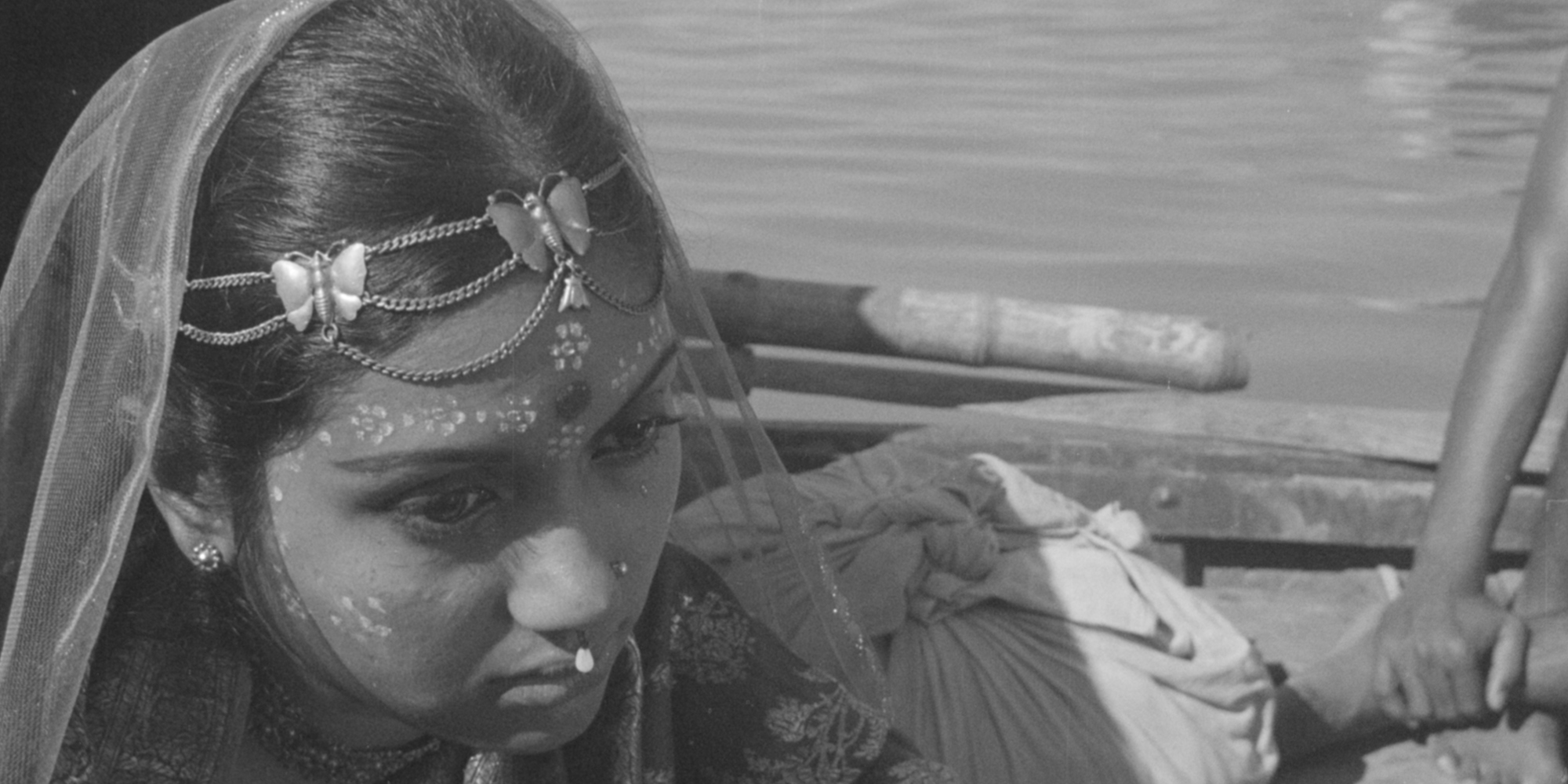
On the birth centenary of Ritwik Ghatak, NFDC-National Film Archive of India carried out unprecedented digital preservation of his entire filmography under the National Film Heritage Mission. The 4K restorations of Ghatak’s seven features – six of which will be screened at the festival – were undertaken from various film elements preserved by NFDC-NFAI and West Bengal State Film Archive, with colour grading supervised by renowned Indian cinematographer Avik Mukhopadhyay.
Ritwik Kumar Ghatak remains one of the greatest disruptors in film history. Shaped by the aftershocks of Bengal Partition and Communist theatre movement, he transformed displacement and rupture into cinematic form through politicising melodrama, unconventional editing, jarring tonal shifts, and an extraordinary use of music and sound that collapses the distance between the personal and the historical. At once Brechtian and deeply affective, Ghatak’s films resist neatness, embracing rupture as method. What emerges is a cinema of raw nerves and historical memory—restless, excessive, and still stubbornly alive. Struggling against formidable odds and driven by an unyielding commitment to people, he completed only eight features before his untimely death in 1976, of which just a handful were released and barely seen in his lifetime, apart from Meghe Dhaka Tara. This historic programme – featuring new restorations, including rare 35mm prints – is truly a feast for the cinephiles to rediscover Ghatak’s brilliance and legacy. His work was far ahead of its time, and stands today as a thrilling testament to cinema’s enduring emotional, political and moral power.
Curated by Sanghita Sen and Shivendra Singh Dungarpur
Nagarik (The Citizen, 1953-1977) • Ajantrik (Pathetic Fallacy, 1958) • Bari Theke Paliye (The Runaway, 1958) • Meghe Dhaka Tara (The Cloud-Capped Star, 1960) • Komal Gandhar (E-Flat, 1961) • Subarnarekha (The Golden Line, 1965) • Titas Ekti Nadir Naam (A River Called Titas, 1973) • Jukti, Takko Aar Gappo (Reason, Debates and Story, 1974-1977)