[MOVIE]
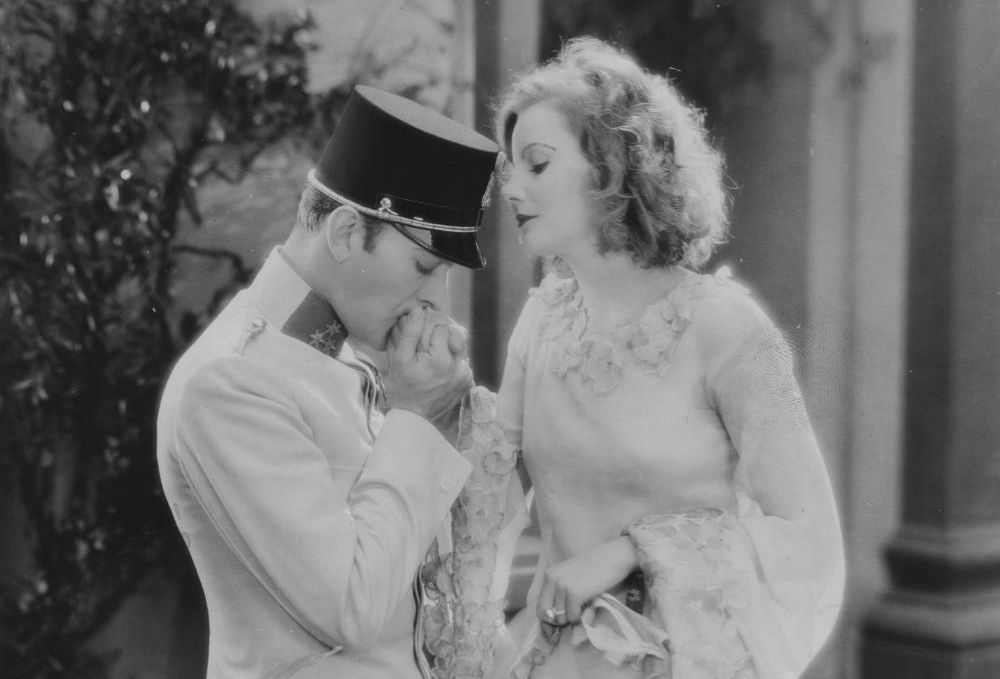
R.: Fred Niblo. S. e Sc.: Bess Meredyth, dal romanzo Krieg im Dunkel del Dr. Ludwig Wolff. F.: William Daniels. M.: Margaret Booth. In.: Greta Garbo (Tania Fedorova), Conrad Nagel (Karl von Heinersdorv), Gustav von Seyffertitz (Generale Alexandrov), Albert Pollet (Max), Edward Connelly (Colonnello von Heinersdorv), Richard Alexander (l’aiutante del Generale). P.: Metro-Goldwyn-Mayer. L.: 2750 m., D.: 83’ a 24 f/s.
“In The Mysterious Lady there are also lightning images which can stop the ordinary plot, built on the steps the Russian spy played by Garbo must take in order to leave her mission and relinquish herself to the love of the Austrian officer portrayed by Nagel. In her encounter with her boss who of course has for her a repressed and obscene obsession, Garbo’s body is literally transformed: a body which love and happiness have made tender and supple hardens, becomes rigid and haughty, resuming its defence and challenging posture (and it is always clad in black whenever, with an almost tedious stress, the love scenes between her and Nagel are full of white flimsy veils and white uniforms). And there is a contracted and moving dignity in the scene when Garbo, whose true identity has been finally discovered by Nagel, joins him on the train (The Mysterious Lady unravels its crucial moments in small closeted spaces, with a nitid and elegant décor: an opera house box, a wagon lit, a small library), declares her sincere love and asks for his, her eyes still worn and full of secret thoughts, without renouncing the impenetrable veil of ambiguity, because anyway love is a painful risk. This is Garbo’s only silent film which gives her the chance to make a happy exit, together with her lover, having overcome all danger and crossed all borders, a quite attractive ending for it is still mysterious and nocturnal, full of uncertainties and snow. Firstly, however, the mysterious lady has the chance to live her perverse adventure, she kills the head of Russian Intelligence and soon after that, to deceive the guards, she feigns a loving embrace with him, sitting on his laps, the corpse’s arms resting on her body. This last scene where all accounts are settled gives a retroactive meaning to the opening one, in this focal moment when Garbo – like Tosca – kills her Scarpia, the silent echo of her hysterical and death-loving laughter reverberates for a long-drawn instant”.
Paola Cristalli, Cinegrafie, n. 10, 1997