[MOVIE]
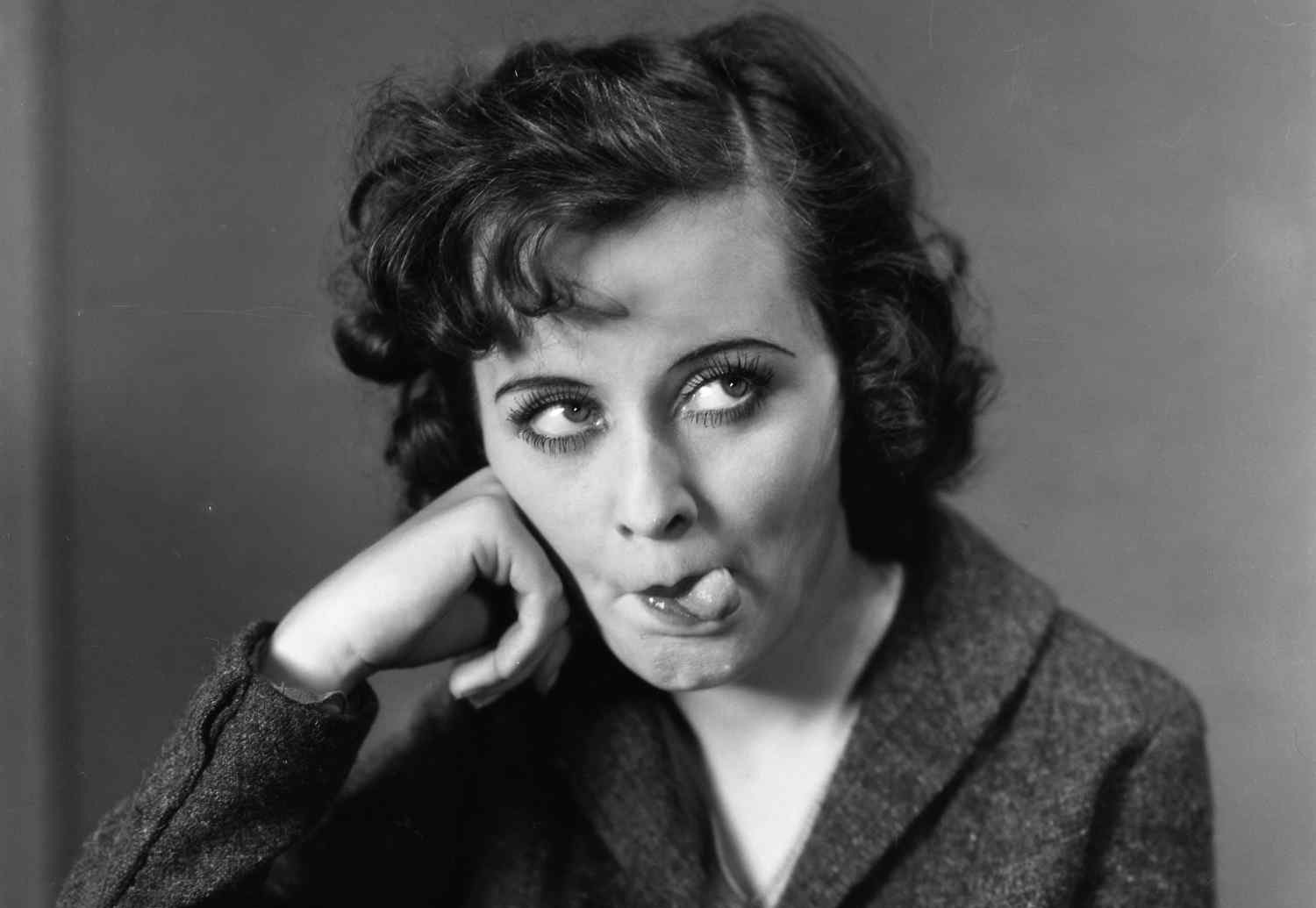
Sog.: dalla commedia omonima di Maude Fulton. Scen.: Sonya Levien, S.N. Berhman, Maude Fulton. F.: Joseph H. August. M.: Alex Troffey. Scgf.: John Ducasse Schulze. Int.: Sally O’Neil (la trovatella), Alan Dinehart (MacMillan Forester), Frank Albertson (Stephen Forester), Virginia Cherrill (Angela), June Collyer (Jane), J. Farrell MacDonald (Timson, il maggiordomo), William Collier Sr. (il giudice), Margaret Mann (la governante), Albert Gran (il vescovo), Mary Forbes (signora Forester), Louise MacIntosh (Lena). Prod.: William Fox per Fox Film Corporation DCP. D.: 67’. Bn.
Edition History
A Park Avenue novelist (Alan Dinehart) fishes a street urchin (Sally O’Neil) out of a Lower East Side night court to serve as a model for a character in his new book. The resurrection of this small but engaging social comedy, restored by The Museum of Modern Art from the sole surviving original element – a badly damaged nitrate print – means that all of Ford’s extant sound films have been returned to circulation. Among the film’s memorable moments is an evidently authentic pitched battle between the tiny O’Neil and the patrician Virginia Cherrill (the blind flower girl of Chaplin’s City Lights) that could be the perverse passage in Ford’s oeuvre. Although the material might at first seem inimical to Ford (the film is a remake of a 1919 vehicle for Alla Nazimova), he introduces a point of connection in the yearning of Dinehart’s younger brother (played by Ford regular Frank Albertson) to leave the suffocating world of New York society behind and take over the Western ranch left him by his late father. Ford’s mise-en-scene is inventive throughout, and includes a sequence involving a swinging camera effect that this writer would like to think was inspired by the trapeze sequences in Murnau’s lost Fox film 4 Devils, while an opening montage – a shadowy swirl of cops, criminals and society swells pouring into a night court in Lower Manhattan – suggests that Ford and cinematographer Joseph August had also absorbed the lessons of the Weimar crime films as practiced by Lang and May.
Dave Kehr

Restoration credits
Restored by MoMA – The Museum of Modern Art and The Film Foundation, with funding provided by George Lucas Family Foundation, Franco-American Cultural Fund. A unique partnership between the Directors Guild of America (DGA), Motion Picture Association of America (MPAA), Société des Auteurs, Compositeurs et Editeurs de Musique (SACEM), Writers Guild of America, West (WGAW). Courtesy of 20th Century Fox
One of the oddest excursions and leastknown titles in Ford’s long career, the romantic comedy The Brat proves that even with wildly incongruous, uncharacteristic material, Ford could deliver an expert and polished piece of entertainment. Based on a Maud Fulton play about a stuffy New York high-society novelist (Alan Dinehart) who takes in a waif (Sally O’Neil), supposedly as research material (“a Rose in the Gutter”), The Brat has obvious echoes of George Bernard Shaw’s Pygmalion. As such it would seem more natural subject matter for George Cukor than for Ford, but the director takes on the challenge with aplomb. “That was just one of those damn things they handed you,” he recalled to Peter Bogdanovich, while reminiscing about a funny scene of two women fighting, made more authentic by actresses who “hated each other’s guts and really went at it.”
“The Brat (1931), a trivial Maud Fulton drawing room comedy of manners, becomes thoroughly enchanting because of rapid pacing and a light, pointed touch. Piquant Sally O’Neil’s fascination is heightened by her huge intense eyes, YankeeCockney accent, and friendly youthfulness wedded to sophisticated theatrical manners. Rather than try to lessen the ‘typing’ of the ‘stock’ roles (which would only have farther dehumanized them – one might as well discard the whole play!), Ford has his actors play them for all their worth — with constantly confirmatory ‘business,’ often in Ford’s ‘wacky’ manner.” (Tag Gallagher, John Ford: The Man and His Films)
“The playing is competent, there is a swing in the stage-set garden, swans on the pond and a windmill. J. Farrell MacDonald is the butler and there is a look-in for Ward Bond. The nicest moment is provided by Victor McLaglen as a well-muscled artist’s model, beating himself despairingly at the sight of a Vorticist drawing of his torso.” (Lindsay Anderson, About John Ford)