[MOVIE]
Edition History
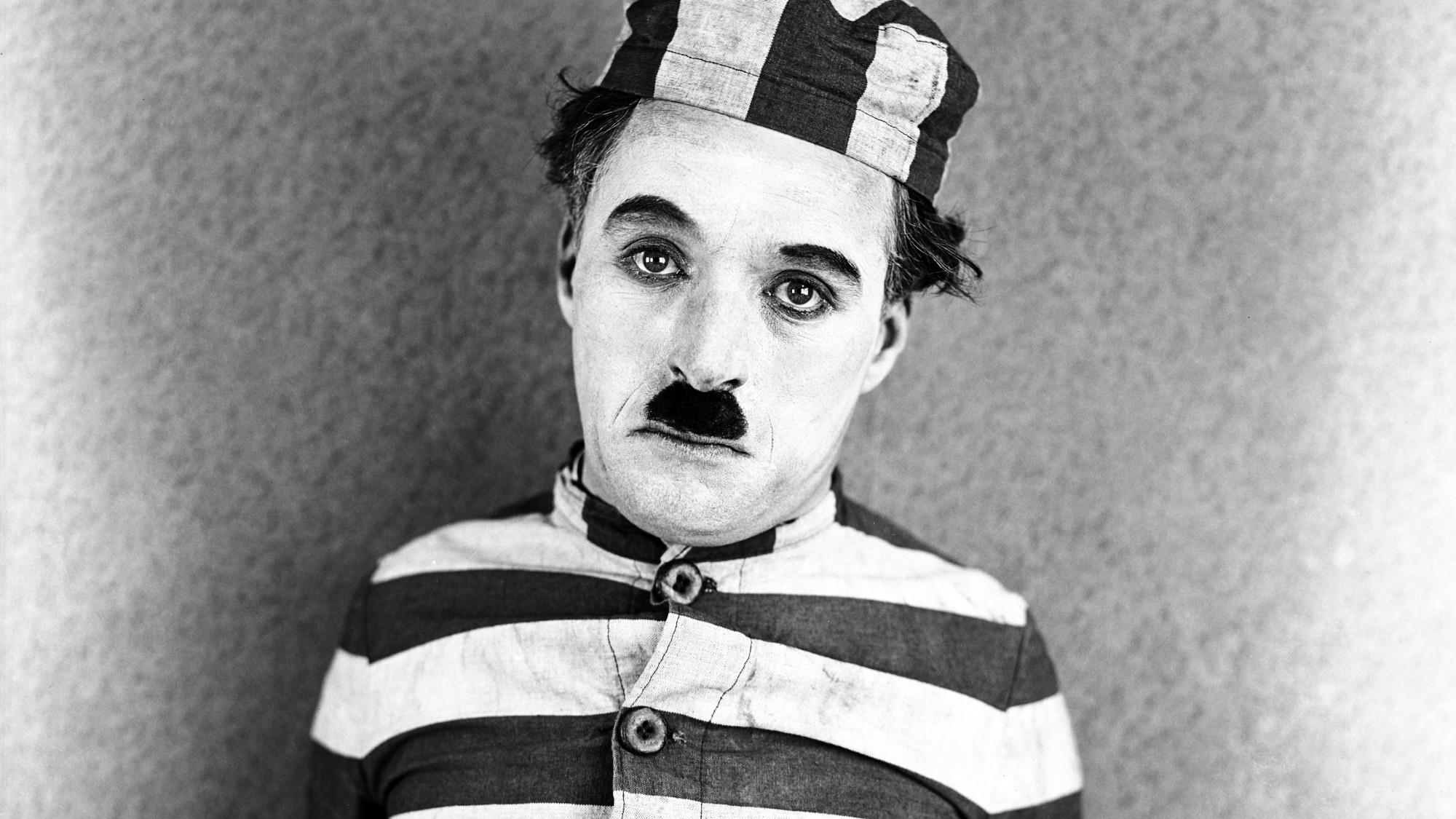
One truism of film restoration is that the best-loved titles are almost always in the worst shape. Negatives wear out from overuse, old prints are duped to create new ones, and image (and sound) quality are lost with every new analog generation. That’s long been the case with Charlie Chaplin’s Mutual shorts, a series of 12 two-reel comedies that he made in 1916 and 1917. Considered by many to be Chaplin’s funniest, most formally accomplished work, the Mutual shorts have nearly been loved to death after over a century in constant circulation.
MoMA’s new restoration of The Adventurer, the final and, for many, finest of the Mutuals, comes as a revelation. Assembled from seven different sources, almost all from the domestic A negative, often combining elements within a given shot, it has a clarity and grain structure missing from the film for generations, and has been fitted with remade intertitles that match samples from original prints of other Mutual films. The film now looks – almost eerily – very much as it did when it first appeared on American screens.
Dave Kehr
In comedy, I think it’s always better to get two, big, separate laughs with one incident than with two individual incidents. Let’s take the ice-cream gag in The Adventurer: the first laugh comes at my embarrassment over my own predicament. The second, and the much greater one, comes when the ice cream landed on the woman’s neck and she shrieked and started to dance around. Only one incident had been used, but it had got two people into trouble, and had also got two big laughs. Simple as this trick seems, there were two real points of human nature involved in it. One was the delight the average person takes in seeing wealth and luxury in trouble. The other was the tendency of the human being to experience within himself the emotions he sees on the stage or screen. One of the things most quickly learned in theatrical work is that people as a whole get satisfaction from seeing the rich get the worst of things. The reason for this, of course, lies in the fact that nine tenths of the people in the world are poor, and secretly resent the wealth of the other tenth.
Charlie Chaplin, What People Laugh At, in “American Magazine”, November 1918

Restored in 4K in 2023 by MoMA at Metropolis Post laboratory from seven source elements including 35mm copies of a mid-1920s reissue, the Commonwealth Pictures reissue and the VanBeuren sound reissue. Funding provided by The Lillian Gish Fund for Film Preservation. Restoration supervised by Peter Williamson and Dave Kehr
Chaplin’s last film with Mutual, The Adventurer seems once again, as David Robinson notes and judging from the surviving outtakes, to be the product of a creative crisis. With this particular film, however, and contrary to his usual methods, Chaplin analyzed in detail the gag of the ice cream dripping down the woman’s neck to illustrate, in the most universal way, some of the mechanisms at the heart of his comedy: “The first laugh came at my embarrassment over my own predicament. The second, and the much greater one, came when ice cream landed on the woman’s neck and she shrieked and started to dance around. Only one incident had been used, but it had got two people into trouble and had also got two big laughs. Simple as this trick seems, there were two real points of human nature involved in it. One was the delight the average person takes in seeing wealth and luxury in trouble. The other was the tendency of the human being to experience within himself the emotions he sees on the stage or screen. One of the things most quickly learned in theatrical work is that people as a whole get satisfaction from seeing the rich get the worst of things. The reason for this, of course, lies in the fact that nine tenths of people in the world are poor, and secretly resent the wealth of the other tenth. If I had dropped the ice cream, for example, on a scrub woman’s neck, instead of getting laughs sympathy would have aroused for the woman. […] By saying that human beings experience the same emotions as the people in the incident they witness, I meant that – taking ice cream as an example – when the rich woman shivered the audience shivered with her. […] Knowing that ice cream is cold, the audience shivers. If something was used that the audience did not recognize at once, it would not be able to appreciate the point as well”.

Restored in 2013 by Fondazione Cineteca di Bologna at L’Immagine Ritrovata laboratory, in collaboration with Lobster Films and Film Preservation Associates
Restoration supported by Alexander Payne