[MOVIE]
Edition History
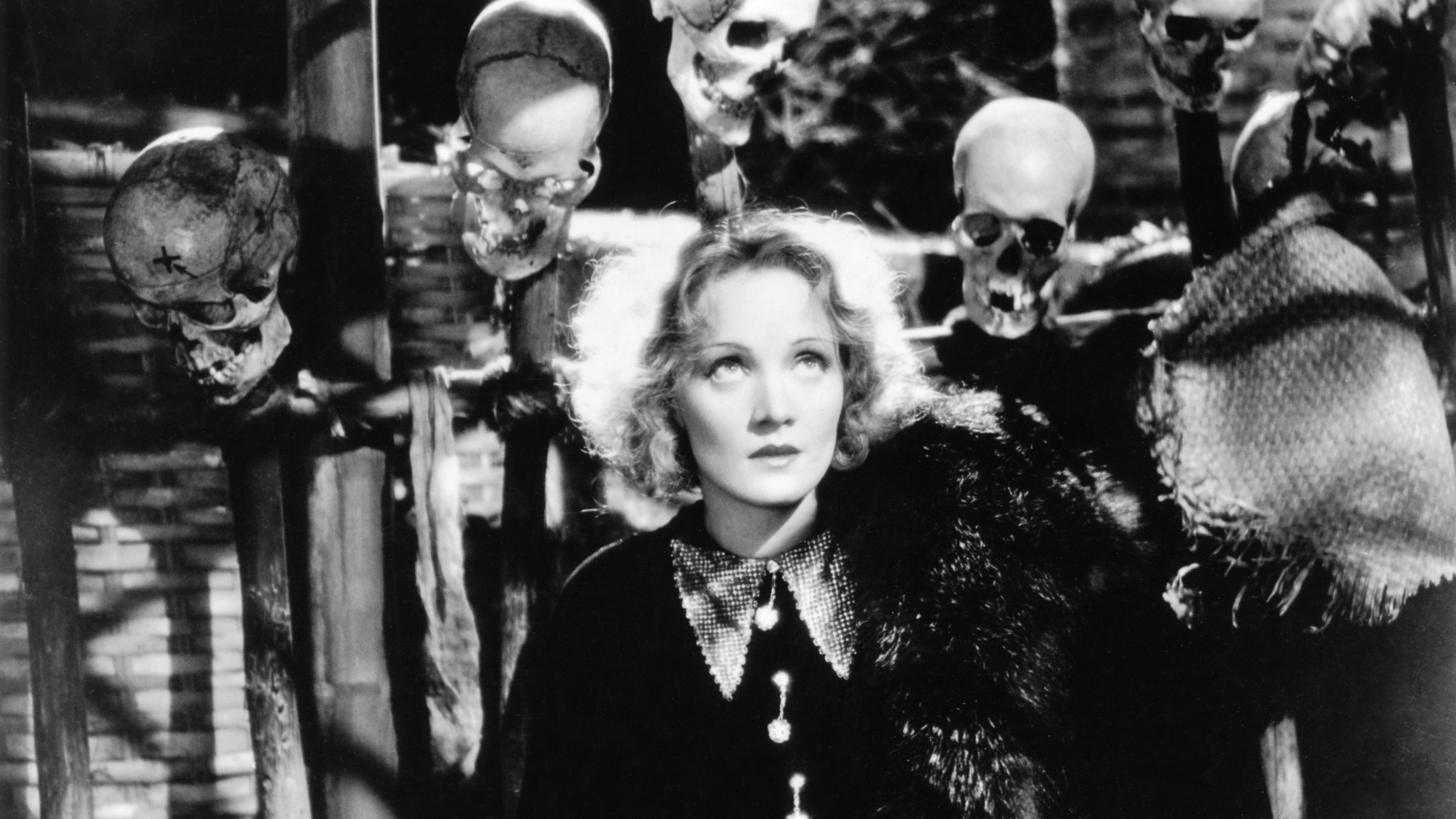
The fourth collaboration between Marlene Dietrich and Josef von Sternberg, set at the time of the Chinese Civil War. “Shanghai Lily” (Dietrich) and her Chinese maid Hui Fei (Anna May Wong) set off from Beijing on the Shanghai Express. Also on the train is the British doctor Captain Donald “Doc” Harvey (Clive Brook), one of Lily’s former lovers. She confronts him with the line: “It took more than one man to change my name to Shanghai Lily.” During the train journey, there are attacks by Chinese communist rebels, who are commanded by Henry Chang (Warner Oland), who is also traveling on the train. Shanghai Lily also tries to intervene in the ensuing clashes.
The costumes for the opulent film were designed by Travis Banton, who provided Dietrich with exotic outfits, including an iconic hat adorned with black feathers. Dietrich and her costumes, as well as the sets, designed by Hans Dreier, were photographed beautifully, winning the director of photography Lee Garmes the Oscar for Best Cinematography. But the film is also characterised by exoticism and eroticism, including cultural stereotypes such as white actors in yellowface.
The leftwing newspaper “New Masses” criticised the political tendencies of the film in May 1932: “Shanghai Express is full of slander. The Paramount, represented by its field marshal von Sternberg, has peppered the melodrama with vicious, counter-revolutionary sentiments. The Chinese revolutionary is an ‘unprincipled bandit’. The commander, a ‘half-breed’, has a ‘castle in the woods’ where he abducts the Nordic prostitute, Shanghai Lily, played by Marlene (‘Legs’) Dietrich”. Nevertheless, the film became the Dietrich-von Sternberg’s greatest success and influenced their further staging, particularly in terms of lighting.
Peter Mänz

Courtesy of Park Circus
Ado Kyrou: “Reclining on the divan in her drawing room/train compartment in Shanghai express, Marlene disappears behind her enormous black lace hat. In one bold move, a man’s hand tears off her hat and Marlene’s lips part. That was my first contact with the cinematic woman. Gripped by undefinable anguish, suddenly transported beyond the spectacle unfolding on the screen, I sank into my seat, convinced that the theater was empty that Clive Brook didn’t exist and that I was beginning a long, beautiful dialogue with the marvelous adventuress Shanghai Lily. Sternberg had directed the 9 year old kid that i was into the only life that was absolutely real, the life of the senses into which the woman led us.” Anna May Wong is captured with equal dignity and almost as much magic as Dietrich. Sternberg’s early mentor, former director Emile Chautard, plays the french officer with elegance.