[MOVIE]
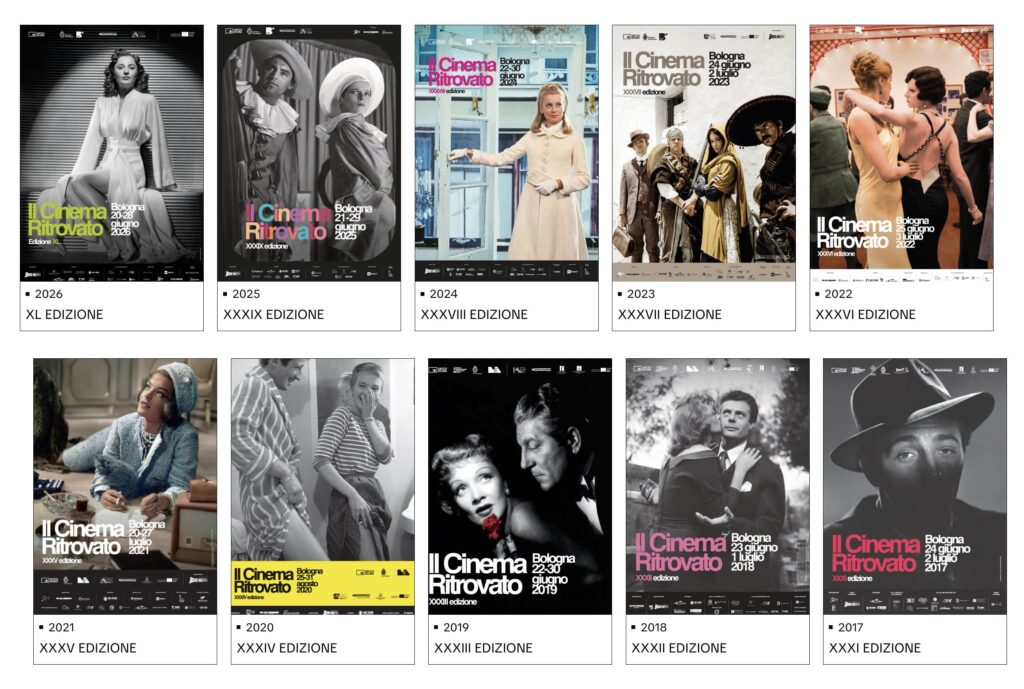
Edition History
Georges Méliès and Gaston Velle stopped making films in 1913; Victorin Jasset died that same year, and the Great War put an end to many lives and careers. We take it somehow for granted that early cinema and the 1920s productions are divided, separate worlds and only rarely wonder what the protagonists of prewar cinema did later in life.
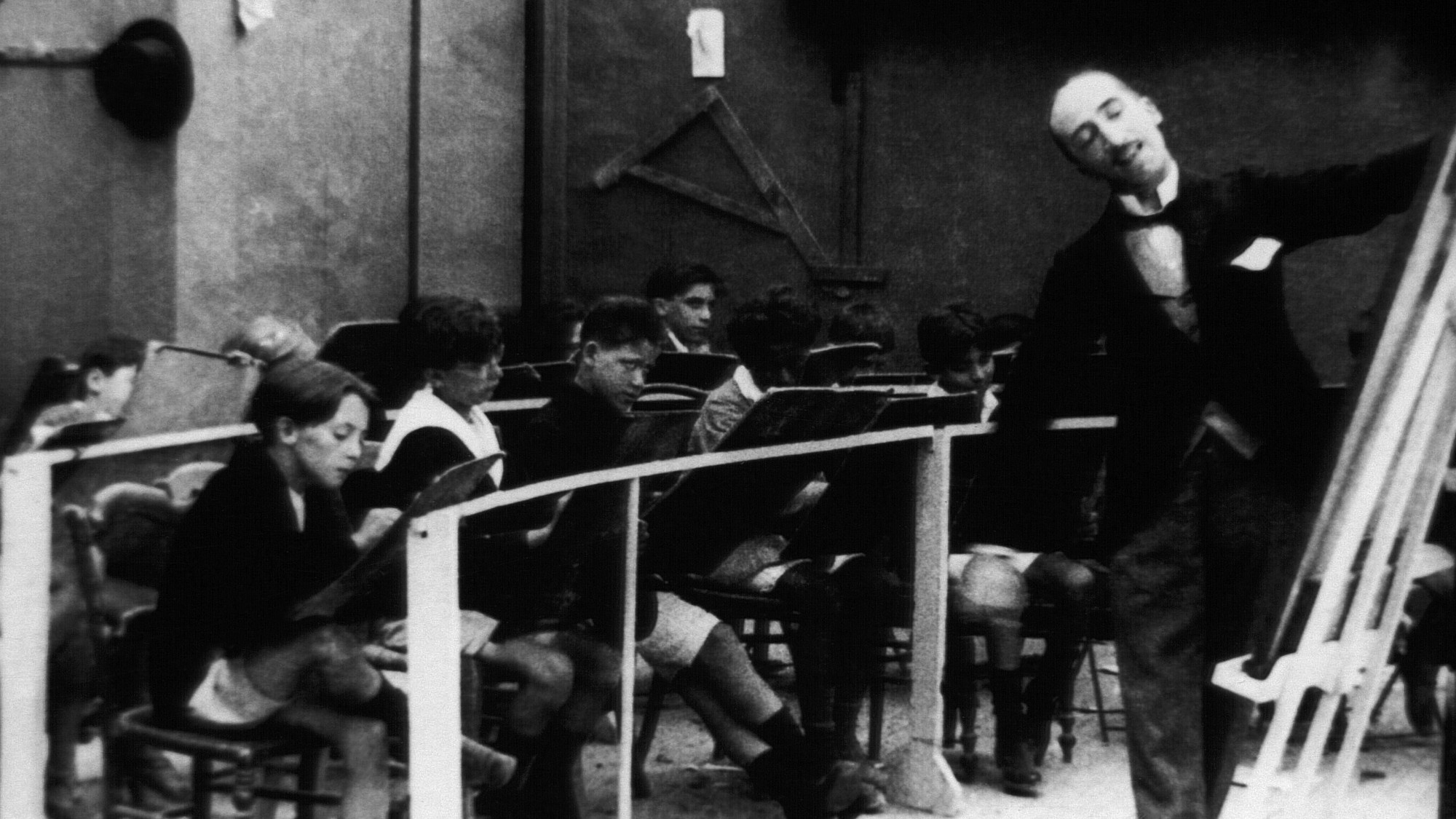
When a name of one of our beloved film directors from around 1910 such as Mario Caserini, Albert Capellani or Alfred Machin pops up in a database while researching the A Hundred Years Ago section, it is a bit like meeting old friends. Serpentin fait de la peinture by Alfred Machin is a splendid comedy, well-flavoured with a lot of eroticism: a school professor flees reality by painting nudes. Although his model is only a bronze statue, his wife becomes jealous. She does not allow him to continue his ‘filthy’ hobby. So he decides to change his subject. His new models are cows. But this retreat is only brief and it triggers an extravagant series of funny and ambiguous situations.
Karl Wratschko

Restored by CNC – Centre national du cinéma et de l’image animée from an element of La Cinémathèque française
“In this production of the 20’s we have a particularly curious film: the medium-length film Serpentin fait de la peinture (1922), from a story by Machin and Marcel Levesque, who interprets the principal character along with another one Serpentin (Serpentin a engagé Bouboule, 1920), unfortunately lost. (Bouboule, is a dog of course!). Curious because it is one of the rare films in which eroticism transpires. Beginning with the subject, because it is about a professor of design, who contested by his students and bullied by his wife, decides to retreat and to paint nature. He finds himself caught up in an extravagant series of spicy situations. The length of the film (medium-length) is not I believe irrelevant in relation to its success, allowing for the introduction of little scenes which in turn make up as many short length films (like those of first decade of the century, I would like to add!).
In fact Serpentin is made up of three or four rudimentary frames which could be entitled: Serpentin et les nymphes sylvestres; Serpentin fait un portrait aux champs; Serpentin et les belles naiades. The tone is slightly salacious, the situations malicious, and nature is immersed in a marvellous light which is furthermore enriched by numerous surimpressions (the equivalent of the old ‘image-appearances’. We have complete liberty not only regarding the aims, but also their realisation”. (Eric de Kuyper)