[MOVIE]
Sog.: dal romanzo omonimo (1896) di Henryk Sienkiewicz. Scen.: Enrico Guazzoni. F.: Alessandro Bona, Eugenio Bava. Scgf.: Camillo Innocenti. Int.: Amleto Novelli (Vinicio), Lea Giunchi (Licia), Gustavo Serena (Petronio), Carlo Cattaneo (Nerone), Amelia Cattaneo (Eunice), Bruto Castellani (Ursus), Augusto Mastripietri (Chilone), Cesare Moltini (Tigellino), Olga Brandini (Poppea), Ignazio Lupi (Aulus Platius). Prod.: Cines
Edition History
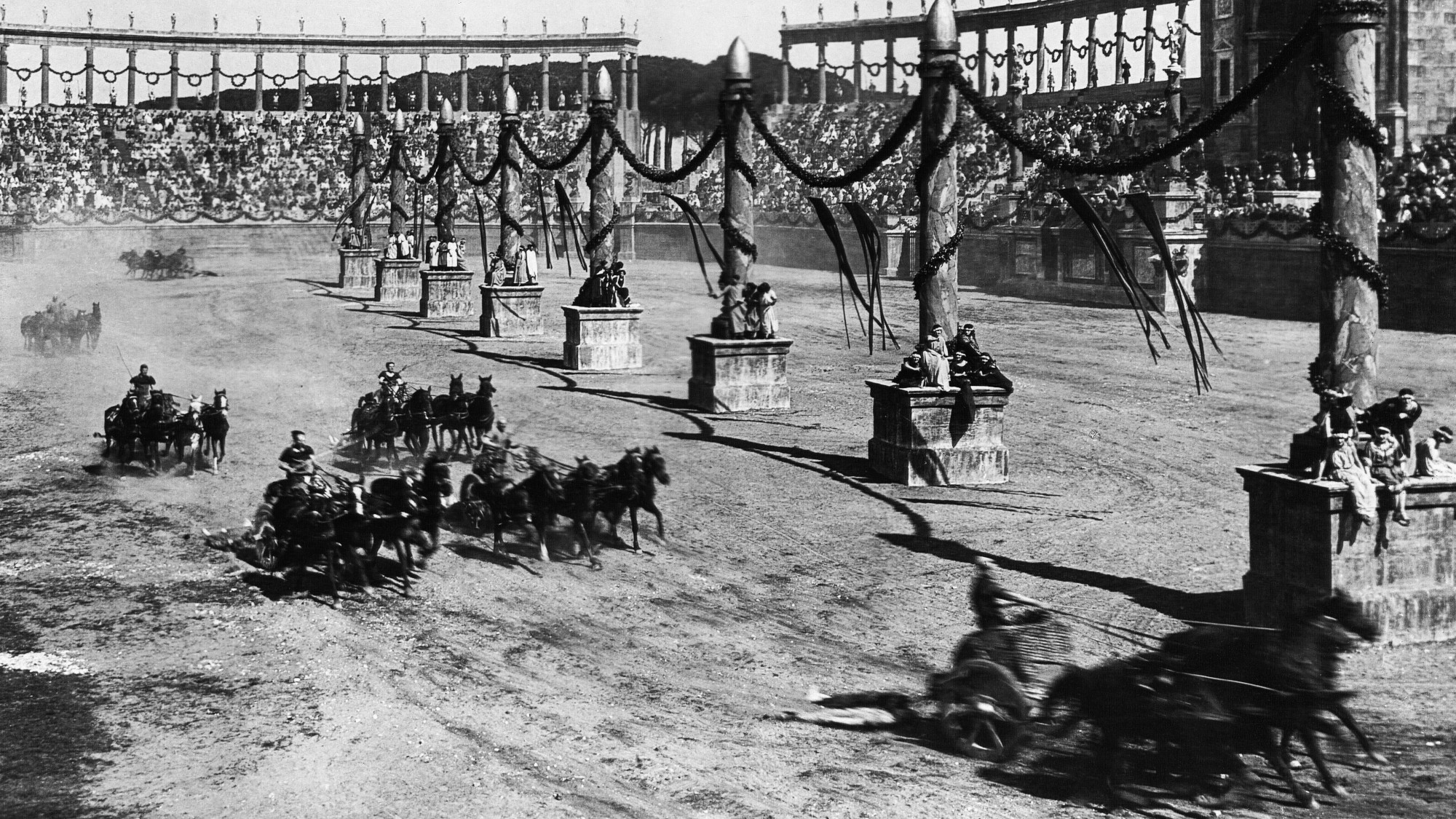
“The most extraordinary film ever made.” This is how “The Billboard” announced the American release of Quo vadis? And it was not mere hyperbole: in 1913, this film, based on Henryk Sienkiewicz’s novel of the same name and produced by the Italian company Cines, burst onto the international scene, making it immediately clear that nothing would ever be the same again. Quo vadis? established the characteristics of a new standard of representation which would come to define the best of cinema for many years to come. The man behind this marvel, the film’s creator and director Enrico Guazzoni, was already an expert painter and capable of exponentially increasing the possibilities of cinematic space. Making use of imposing sets to support the action, with carefully synchronised and choreographed movements of thousands of extras, expert use of the contrast between light and shadow and images in silhouette, and a variety of different camera angles, Guazzoni gave the film a depth of vision, a variety of perspectives, a sense of spectacle and a visual richness never previously seen in the cinema. If reviving the splendour of ancient times had been one of cinema’s phantasmagoric ambitions from the very start, with Quo vadis? the miracle was so perfectly achieved as to give birth to a new genre, the peplum, whose techniques were drawn from Guazzoni’s film and would go on to shape the fortunes of later Italian cinema. On the back of the extraordinary success of Cines’ film, over the next couple of years Italian cinema would, with imperial zeal, invade cinema screens around the world, distributing in rapid succession a series of highly successful historical-mythological epics including Cajus Julius Caesar, Marcantonio e Cleopatra (both also directed by Guazzoni), Gli ultimi giorni di Pompei and Cabiria – all produced between 1913 and 1914 and destined to become pillars (capital included) of the history of Italian cinema.
Giovanni Lasi
Restored in 4K in 2026 by Cineteca di Bologna at L’Immagine Ritrovata laboratory, from the original 35mm nitrate prints provided by Eye Filmmuseum and CNC – Centre national du cinéma et de l’image animée and by analysing digital reference material provided by Cinémathèque suisse, BFI National Archive and Národní filmový archiv. Eye Filmmuseum’s copy, combined with research by Giovanni Lasi, has enabled the current reconstruction
“Quo vadis? revolutionized all former notions of the scope and power of the motion picture”, declared George Kleine, the American distributor for Cines Films. Quo vadis? marked a radical turning point in the history of Italian and international cinema. The film by Guazzoni, paving the way for a season of historical-mythological “colossals”, affirmed Italy’s place in the international world of cinema. Besides reaching epic levels of commercial success, Quo vadis? immediately became the definitive model of the genre: lavish sets, thousands of extras, the management of vast locations, the spectacular nature of the action scenes all became trademarks for successive Italian productions of the “sword-and-sandal” genre, which would have reached its pinnacle the following year with Cabiria.
Giovanni Lasi