[MOVIE]
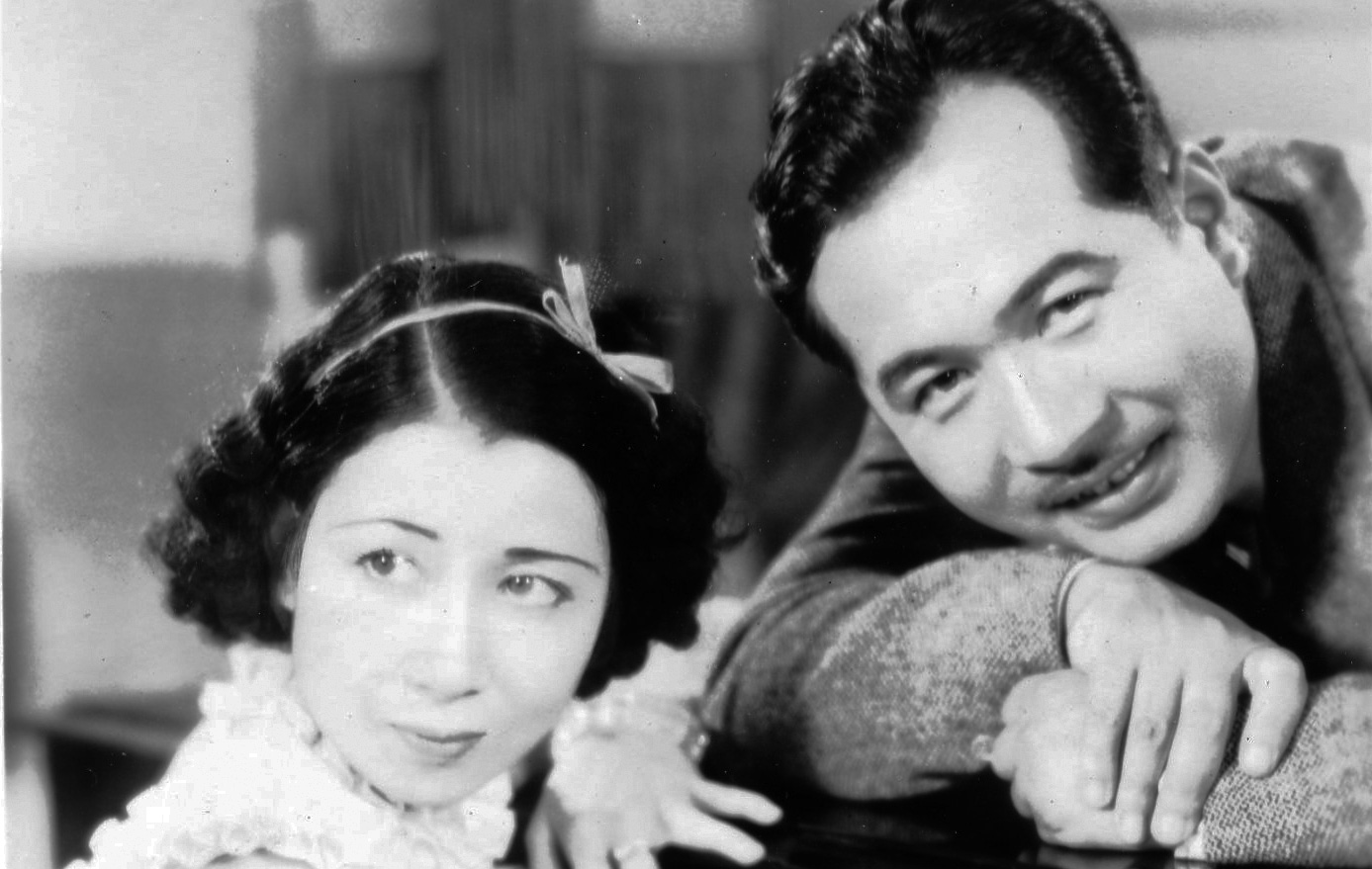
T. int.: Chorus of One Million Voices. Sog.: P.C.L. Bungeibu. Scen.: Yoshio Yamana, Atsuo Tomioka. F.: Eiji Tsuburaya. Scgf.: Kenkichi Yoshida. Mus.: Nobuo Iida. Su.: Masaru Mibu. Int.: Nobue Fushimi (Haruko), Shizue Natsukawa (Yoshiko Aoki), Tamaki Tokuyama (Tayama), Shin Date (Minami), Sachiko Kitahara (la sorella di Haruko), Ranko Sawa, Urara Shiba. Prod.: J.O. Studio. 35mm. D.: 59′. Bn.
Founded by Kyoto-based Yoshio Osawa in 1933, J.O. Studio was, like P.C.L., established specifically to take advantage of the new sound technology, in particular the Jenkins recording system, an American system to which Osawa owned the rights. It would ultimately merge with P.C.L. to form Toho. Few films produced by the studio are readily available today, and this is a rare chance to see the output of a versatile company that moved between period films and such contemporary dramas as melodramas and musicals. This lively example of the latter genre is a rather slight work, but it is charming and visually inventive with its elegant camera technique well preserved in a surviving print of excellent quality. It vividly captures the partially Westernised milieu of the Japanese bourgeoisie of the 1930s, and as the title suggests, evokes the lineaments of a new mass culture represented by popular song but also by the cinema itself. Loosely modelled on the style of American musical exemplified by Paramount on Parade (1930), the film was a collaboration between J.O. and the record company Victor. It appears to be Atsuo Tomioka’s only film as director, made after a period spent as assistant to Heinosuke Gosho at Shochiku, where his credits included Madamu to nyobo (The Neighbour’s Wife and Mine, 1931), Japan’s first truly successful sound film, which was screened last year at Bologna. He went on to work as a producer at Toho. The “Kinema Junpo” critic was dismissive, stating that “it is hard to find a film this incoherent”, but the film nevertheless has a definitely visual grace and light charm.
Alexander Jacoby and Johan Nordström
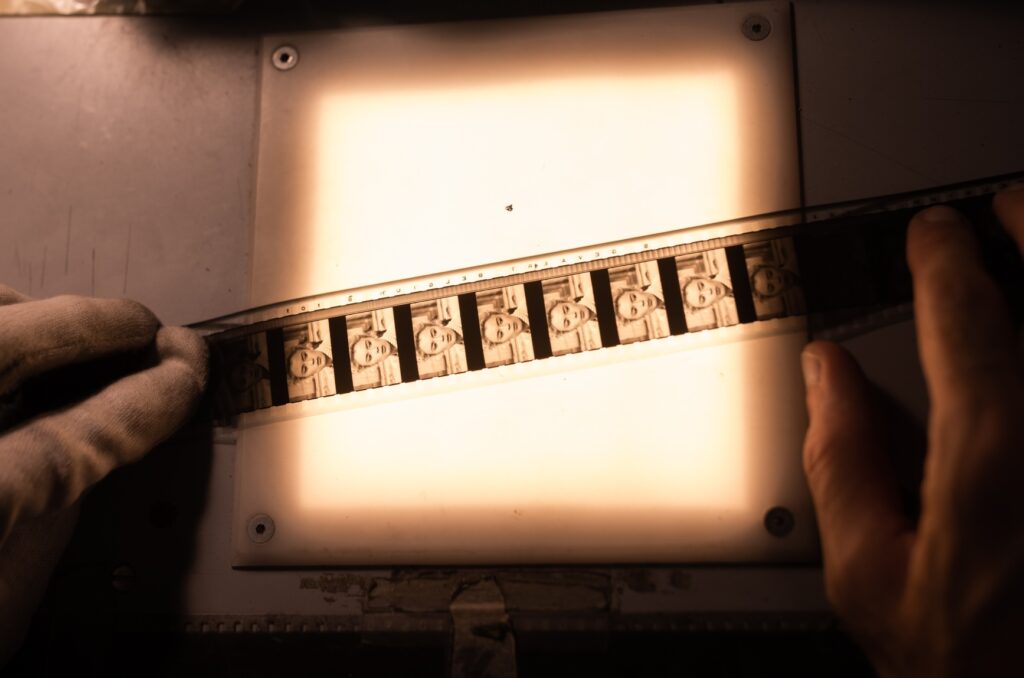
This print is based on a dupe negative, which had been transferred to safety stock from the nitrate film. After confiscation by the Occupation Army, the nitrate film elements of this and other numerous confiscated films were returned to Japan by the Library of Congress between the late 1960s and 1990s.