[MOVIE]
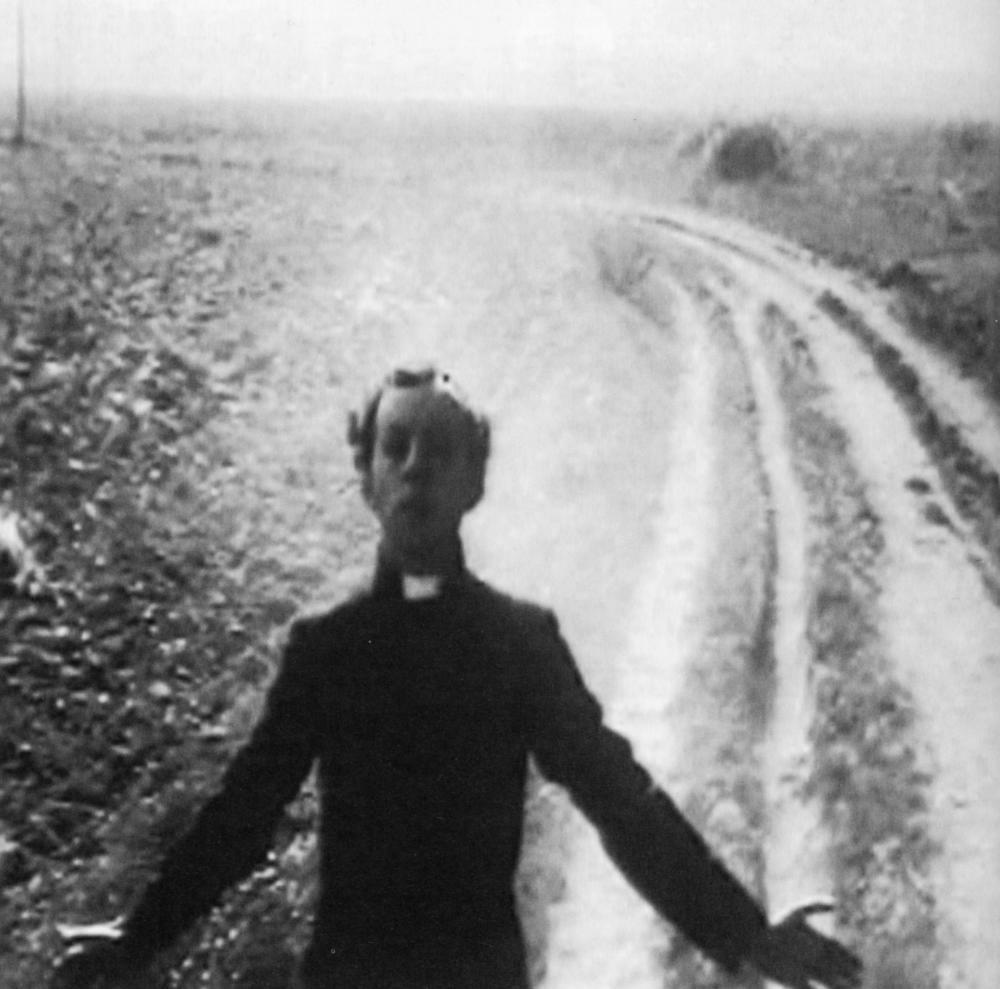
R.: Germaine Dulac. S.: Antonin Artaud. In.: Alex Allin, Genica Athanasiou, Lucien Bataille.
35mm. L.: 750m. D.: 28’ a 18 f/s. bn.
Edition History
During its first public projection on 9 February 1928, this film, which is based on a script by surrealist poet Antonin Artaud, became the object of a sharp and lively polemic that has long been used to discredit Dulac. While certain considered it a betrayal of Artaud’s text, it can also be reread in the context of Dulac’s conception of cinema as an essay on rhythm. Indeed, in describing the film, she writes, “my entire effort has been to search for the harmonic points in the action of Antonin Artaud’s script, and to link them through well-thought-out composed rhythms. (…) Two sorts of rhythm exist: the rhythm of the image and the rhythm of images. That is, a gesture should have a length which corresponds to the harmonic value of its expression and which is dependent on the rhythm that precedes or follows it: rhythm in the image. Then, rhythm of images: a chord of several harmonies. I can say that not one image of The Clergyman was delivered by chance (…) the effects had less importance for me than the tempo, rhythm, and visual orchestration, of which they were only one component.” The copy presented here was recently restored from four different 35mm copies by the Nederlands Filmmuseum.
Tami Williams
CINÉ-GAZETTE

This film is not the reproduction of a dream and should not be considered as such. I will not try to justify its apparent inconsistency with the easy excuse of a dream. Dreams have undoubtedly their own logic. They have their own life even if we can grasp little more than an intelligent and dark truth of this life. This film attempts to capture the darkness of the spirit through images made up only of themselves, images that do not take their meaning from the situation in which they develop, but from a kind of powerful inner need that sends them into the light with undeniable clarity. The human skin of things, the dermis of reality, that’s what the cinema plays on more than anything else. It exalts the subject matter and shows it to us in its profound spirituality, in its relationship with the spirit it descends from. Images are born, they are deduced from one another as images. They impose an objective synthesis that is more penetrating than any abstraction, creating worlds that have no need of anyone.
Antonin Artaud, Oeuvres complètes, Gallimard, 1978
CINÉ-GAZETTE
Print restored in 2004 in collaboration with Lightcone, ZDF and Arte