[MOVIE]
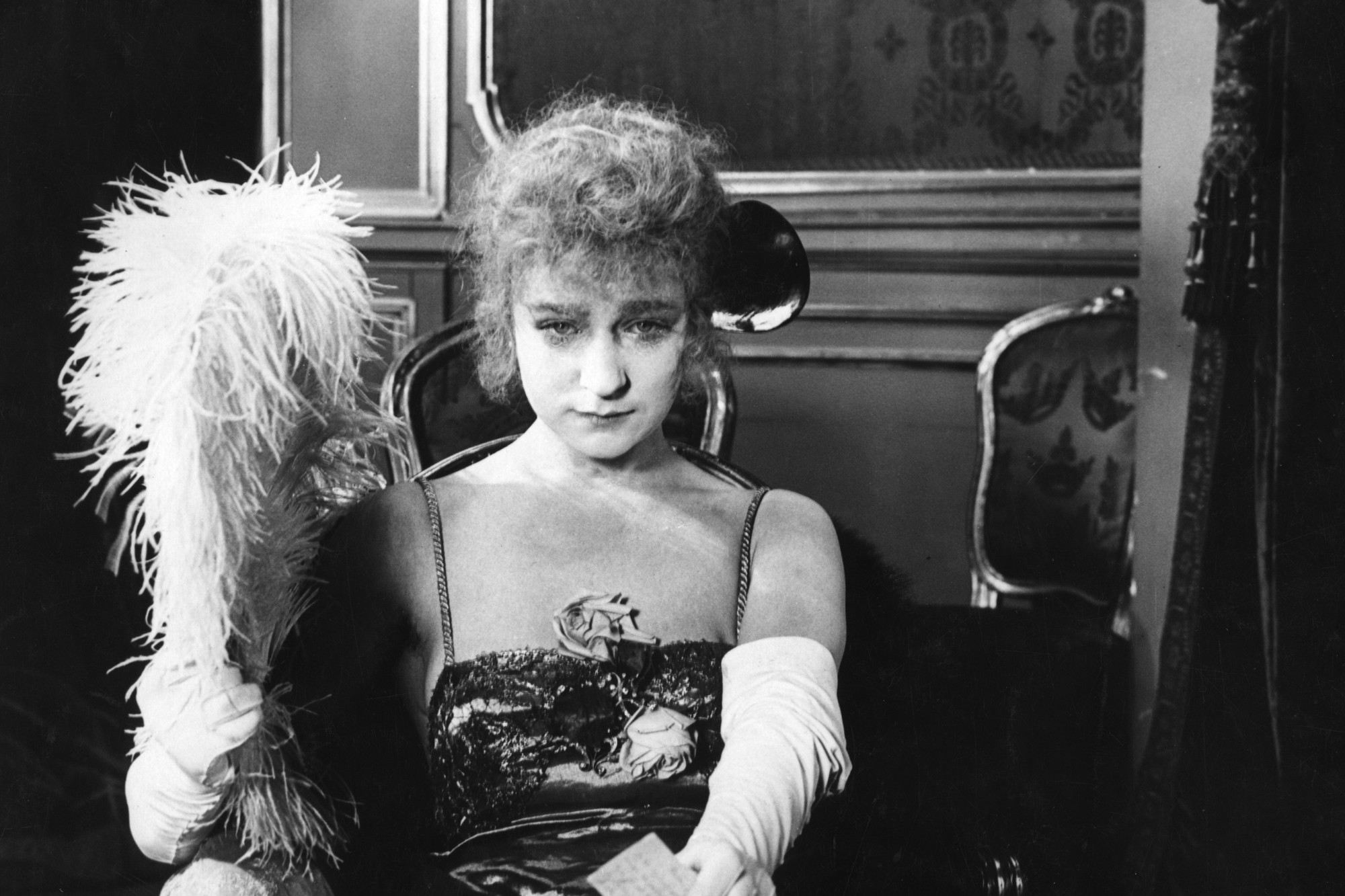
F.: Henrik Jaenzon. Scgf.: Axel Esbensen. Int.: Tora Teje (Irene), Anders de Wahl (Leo Charpentier), Karin Molander (Marthe), Elin Lagergren (madre di Irene), Lars Hanson (Preben Wells), Vilhelm Bryde (barone Felix), Torsten Hammaren (professor Sidonius). Prod.: Svensk Filmindustri. 35mm. L.: 1764 m. D.: 96’ a 16 f/s. Bn, imbibito e virato (da Jan Ledecky). Didascalie svedesi.
Edition History
Made at the height of the Golden Age of Swedish silent cinema, Erotikon was a successful attempt by major studio Svensk Filmindustri to move away from classic literary adaptations shot in spectacular natural locations, in favour of films with a contemporary urban setting. Director Mauritz Stiller, who had already displayed a talent for urban comedy in previous years, reached new heights in Erotikon; the film is considered to be the first sophisticated comedy, and Billy Wilder recalled that “Lubitsch told me he learned everything from this picture”. Stiller depicts with irony and empathy a comedy of deceptions among the Stockholm bourgeoisie, creating characters capable of deep emotions when true love comes their way. At the centre of Erotikon is a professor’s bored wife courted by two other men. At one point her entomologist husband declares that the insects he is studying prefer to have more than one partner, and indeed the characters studied under Stiller’s microscope tend to display the same preference. Tora Teje, the film’s leading lady, was at the time a celebrated stage actress. When she turned to film acting in 1919, she instantly became Sweden’s first major movie star and the focus of numerous articles in the trade papers, in which she posed wearing lavish gowns in luxurious settings. She embodied the idea of a diva with an international flair, not unlike the elegant lady she plays in the film. The other female protagonist, the niece coveting the professor, is depicted by Karin Molander. Both actresses portray strong women who actively influence the turn of events. The illustrated intertitles by title designer Alva Lundin provide wonderfully witty commentaries on the characters and the action. Lundin is known to have designed illustrated intertitles for many Swedish silent films, but unfortunately the original title cards for most of her films are lost. Erotikon is loosely based on the play A kék róka (The Blue Fox Fur Stole), by Hungarian playwright Ferenc Herczeg, which was performed in Stockholm in 1917 (incidentally, with Tora Teje in the role of the professor’s niece). In 2020, the Swedish Film Institute struck two 35mm black-and-white prints, from a safety duplicate negative in its Archival Film Collections. The tinting of the new prints was undertaken by Narodní filmový archív, Prague, and by Jan Ledecky at Colorspace laboratory in the Czech Republic, where the colours were applied with surviving frames of a period nitrate print as reference. The authenticity of the process of applying tints on black-and-white stock creates something truer to the original perception of the film. Not only that, but analysis of the surviving frames indicated that some of the colours chosen in previous preservations had been invented.
Jon Wengström

Restored by Svenska Filminstitutet in 2020
Stiller already displayed a talent for sophisticated comedy in urban settings in the genuinely funny Kärlek och journalistik (1916) – playing with identities and appearances and depicting the emergence of a new, modern society – a talent further developed in the two Thomas Graal films (starring Victor Sjöström) that followed in 1917 and 1918.
His most famous comedy is Erotikon, released in November 1920. The script bears a resemblance to the play The Blue Fox by Hungarian writer Ferenc Herczeg, first staged in 1917 and also popular in Stockholm theatres. Stiller’s film, said to have inspired many directors of sophisticated comedies with an erotic touch, including Lubitsch, tells the story of a young professor’s wife being courted by different men. The entomology professor at one stage declares that the insects he is studying under the microscope prefer to have more than one partner, and indeed the people in the film, studied under Stiller’s microscope, do the same.
The film is modern not only in its subject matter and the way it is told, but also in that it ultimately is a film about seeing, about the perception and deception of the eye, as Jan Holmberg observes in the anthology Moderna motiv – Mauritz Stiller i retrospektiv (2001). He notes that the film is full of optical instruments – microscopes, looking glasses, binoculars, etc. – and that the medium of film itself is able to convey things in their smallest detail, as well as in broad panoramas taken from the vantage point of an aeroplane.
An important part in Erotikon’s style and self-reflective humour is played by the wonderfully witty intertitles, designed by Alva Lundin.
Jon Wengström, Cinemateket-Svenska Filminstitutet
Print restored in 2005 from a duplicate negative made from a nitrate print. The colours were reconstructed using the Desmet method