[MOVIE]
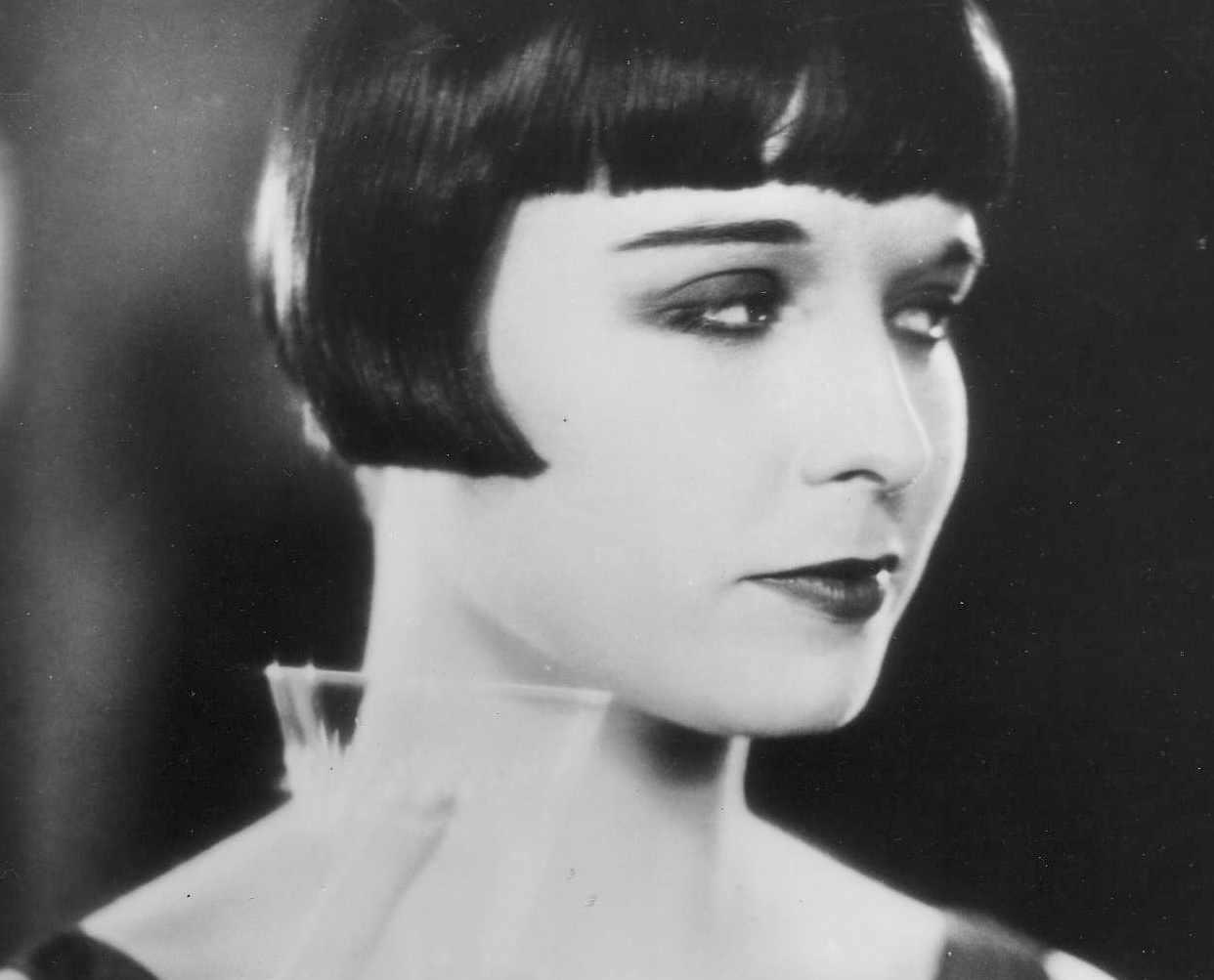
T.l.: Il diario di una donna perduta R.: Georg Wilhelm Pabst. S.: dal romanzo omonimo di Margarethe Böhme. Sc.: Rudolf Leonhardt. F.: Sepp Algeier. Scgf.: Ernö Metzner, Emil Hasler. In.: Louise Brooks (Thymian Henning), Fritz Rasp (Meinert), Joseph Rovensky (il farmacista Henning), André Roanne (il conte Osdorff), Arnold Korff (il conte Osdorff padre), Edith Meinhard (Erika), Sybille Schmitz (Elisabeth), Andrews Engelmann (il direttore del riformatorio), Valeska Gert (sua moglie), Vera Pawlowa (la zia Frida), Franzisca Kinz (Meta), Siegfried Arno, Kurt Gerron. P.: Hom-Film, Berlino. D.: 90’.
The restoration is mainly based on the only three existing nitrate positive prints, all of them incomplete: a positive print held at the Cinémathèque Française, having french-german intertitles; a nitrate positive print from the Cinémathèque Royale de Belgique, having french-flemish intertitles; and finally a recently discovered print found at the archive of SODRE, in Montevideo; this print was edited by cutting together materials coming from at least four different sources, it does contain four of the five scenes originally cut by German censors, and it has some Spanish titles, and some flash-titles of the original German intertitles.
The Paris print and the Brussels print are printed from two different camera negatives, while the Uruguayan print is mainly formed by parts originated by the same negative as the Paris one. Because of incompleteness of all prints, it was impossible to produce a complete version containing only parts coming from one camera negative; in reconstructing the film we tried to maintain a certain degree of consistency at least within the different scenes, wherever possible.
The text of intertitles was reconstructed on the base of the french-german intertitles in the Paris prints, which are identical to the flash-titles contained in Montevideo print. In only one scene – Thymian wakening in the brothel – which is missing in all other prints we had to use the text of the french-flemish intertitles, which are surely different from the original ones. The inserts are all original but three, that we had to reconstruct on the base of what can be seen in the images.
“In the recently recovered reel of the Tagebuch einer Verlorenen there are two striking aspects which previously were not – or not yet – clearly evident: the continuous visual presence of money in the form of bank-notes and the comic spirit assured by the only appearance of Siegfried Arno. Until now his name appeared only in the film casting and at last we have come to know the little film-within-the-film he interprets. The core of this film is the comic spirit generating from the relationship between money and sexual satisfaction – to say it with Henri Bergson’s words: the relationship between a mechanical act (money expenditure managed by the capital), and a living, vital act, (sexual expenditure) In this sense the recovered episode seems to be the comical side of the tragedy in Freudlose Gasse. The recent restoration of this film in turn enlightens viewers on the association between capital and sexuality: Mrs. Greiner’s pleasure house collects girls that the power of capital has expelled from society and who have ended up in the ‘joyless street’, making it a society to be used by capitalists. The capital produced divides, but the capital consumed unites. While in Freudlose Gasse the money-sexuality union leads to catastrophe – the end of the family in the burning pleasure house – in Tagebuch it leads to laughter”.
Heide Schlüpmann, Cinegrafie, n. 10, 1997