

Film notes
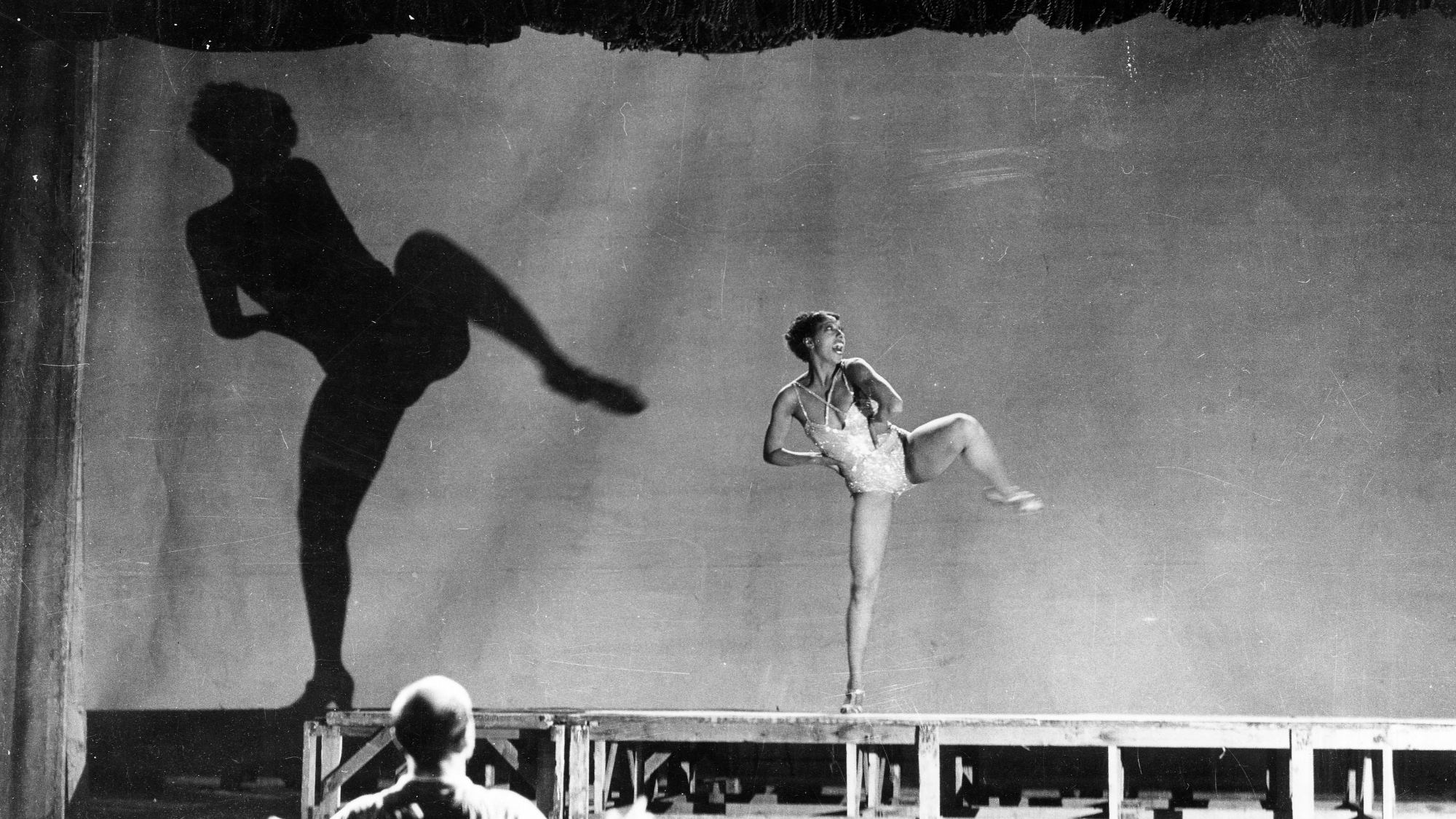
Zouzou was Josephine Baker’s first talking picture and marked her return to the screen seven years after La Sirène des Tropiques. If the world of cinema had changed during that time, the same was true of the petite American dancer who had charlestoned her way through the height of the Roaring Twenties. She went on to become an established singer, leading prestigious revues while also actively supporting those in need when the Great Depression hit France: a huge popular and international star. Her return to film was long-anticipated but slow. Following expectations, announcements, and disappointments, it took shape in a film for which her partner and manager, Pepito Abatino, had assembled a top team. In the director’s chair was Marc Allégret, following a recent triumph with Lac aux dames (Ladies Lake, 1934); storyline and dialogue was by Carlo Rim, marking the debut of his prolific career; on set design, the master, Lazare Meerson, and his pupil Alexandre Trauner; the music was courtesy of the duo who penned the famous J’ai deux amours, Vincent Scotto and Géo Koger; among the cast a rising star by the name of Jean Gabin. The challenge for Josephine Baker was to display the full range of her palette as a performer: dancing, singing, but also crying; making people laugh and stirring their emotions. Abatino created a vehicle in which the star played Zouzou, an orphan besotted with her adopted brother, Jean (Jean Gabin), who falls in love with her best friend, Claire (Yvette Lebon). Spotted by a music hall director, Zouzou takes to the stage to pay for Jean’s legal defence when he is wrongfully accused of murder. She finds success, but not love. A film not only featuring Josephine Baker, but embodying her, Zouzou celebrates her story while exposing her marginalisation. Symbolically, the best-known number, Haïti, shows her confined in a gigantic bird cage from which she escapes – only to reappear there in the last shot of the film.
Myriam Juan