

Film notes
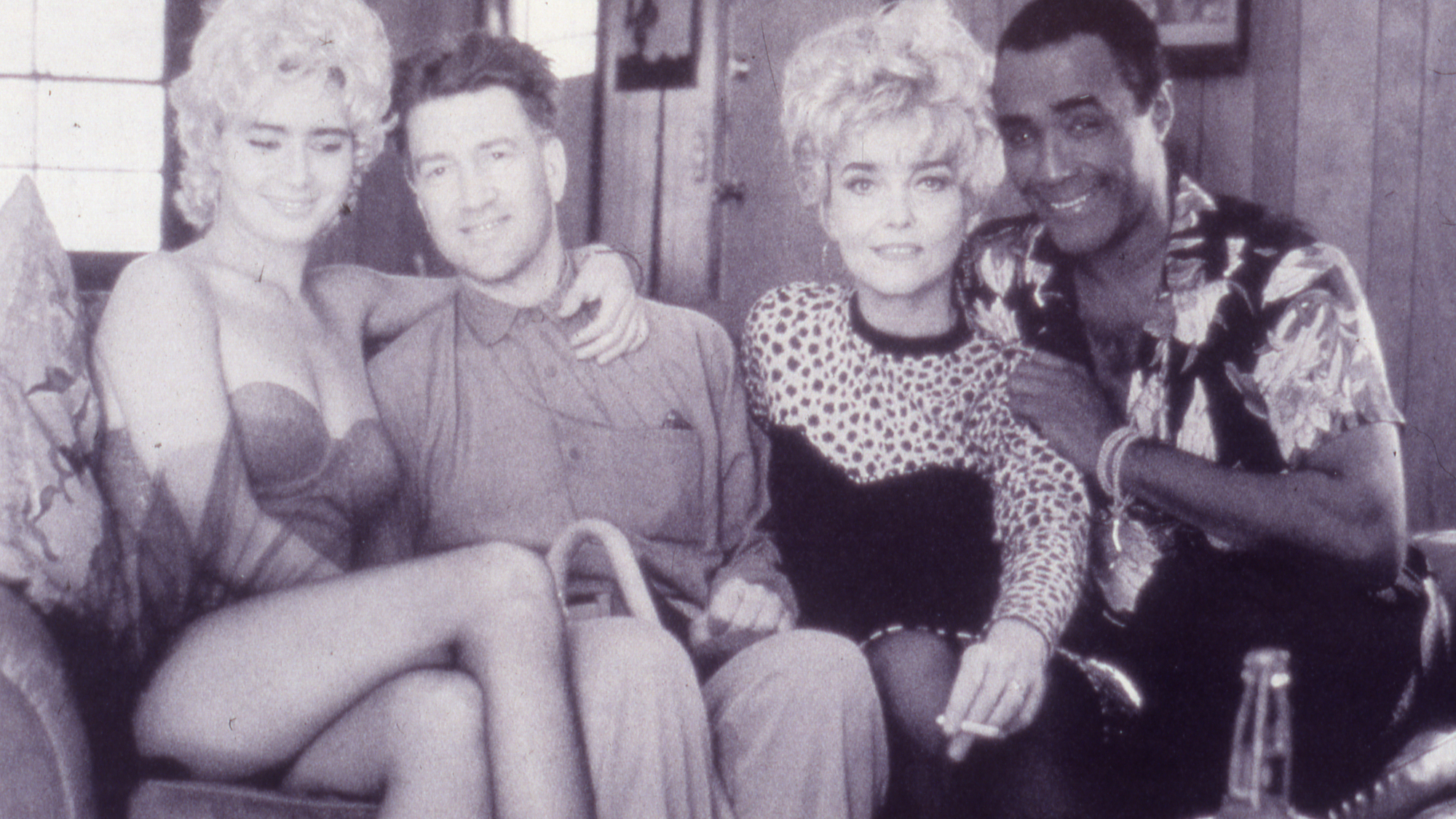
Lynch’s furious destruction and reinvention of the road movie begins with a lit match. In other words, with the cinema itself in its most elemental and dangerous form: light flaring up in the darkness, which is also the threat of fire, as anyone who loves this art knows all too well. Just out of prison and clad in a snakeskin jacket (“a symbol of my individuality and belief in personal freedom”), Sailor returns to Lula, who is waiting for him as if for a rock’n’roll apparition: not a man, but the incarnation of an Elvis song. This is Wild at Heart from the get-go: a revolutionary melodrama drawn against the backdrop of an America of motels, service stations, and nightclubs. It is also a terrifying, childlike imaginary world in which absolute love can exist only because everything around it is grotesque, corrupt and monstrous. Winner of the Palme d’Or at Cannes in 1990 and booed by many on the Croisette, the film was received as an unruly and scandalous work. It remains one of the high points of the Lynchian aesthetic. It followed Blue Velvet and the first season of Twin Peaks and seems to bring out the most carnal, even pop aspects of his work. If in Lynch horror erupts from the surface of the American dream, here that surface has already exploded: all that remains are fragments of fairy tales, pornography, deformed comedy, heavy-metal musicals, horror and splatter. And yet, amongst all this – thanks also to the bloodstained innocence of Nicolas Cage and Laura Dern – Sailor and Lula are like two lost children who have learned the language of adults too soon. And then there is Isabella Rossellini in the role of Perdita Durango, a fleeting but magnetic apparition: after Blue Velvet’s Dorothy Vallens, another wounded but seductive creature who here unites noir with a strangely tropical melancholy. Given all this, the constant references to The Wizard of Oz are clearly not just an ornamental quotation, particularly since Lynch has always rejected postmodern and cinephile references. Although it remains very violent, Wild at Heart is perhaps Lynch’s most hopeful film. When Sailor sings Love Me Tender to Lula, the kitsch does not cancel out the emotion. Quite the reverse. It is a true miracle.
Roy Menarini