Film notes
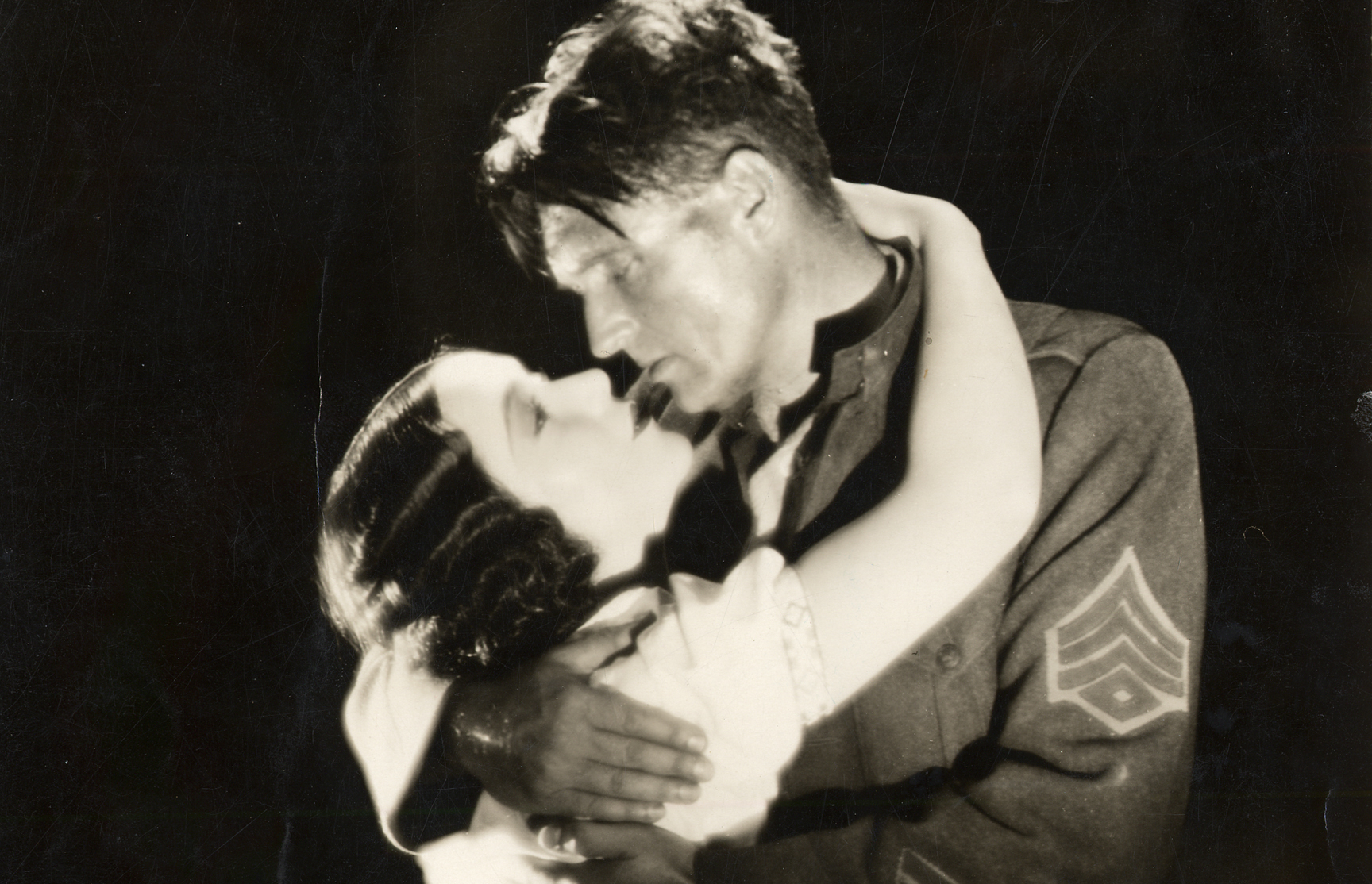
“Stop the blood!” cries the young soldier and devoted mama’s boy: the blood that should – yet cannot – be stopped is both that of the wound killing him and that of the slaughter called the First World War. The final psychotic scream of another devoted son (“Ma, I’m top of the world!”) would become one of the highest peaks of Raoul Walsh’s cinematic oeuvre, when in White Heat the gangster James Cagney climbs the gas tank, ready to blow himself up together with his gigantic Oedipus complex. Here, within the rhetoric-tinged antimilitarism of 1920s Hollywood, Victor McLaglen can ask, with prophetic intuition, what sort of civilisation needs to reinvent itself in the massacre of a generation every 30 years. What Price Glory, with its sinister views of expendable bodies and its powerful backward tracking shots through almost Kubrickian trenches, is Walsh’s first true war film – yet war occupies only a minor part of it. The fighting scenes are incisions, fractures, wounds carved into a filmic body whose contours and clichés belong to masculine dramedies (amorous rivalry between comradesin- arms, as in Flesh and the Devil or Only Angels Have Wings). What matters most here are those 40 square metres of French countryside crossed by swaying processions of geese, the tavern with the moustachioed innkeeper, the blouses slipping from shoulder to breasts and the wool stockings slowly unrolling on shapely legs. The film is deeply sexualised, and Dolores del Río says it plainly: the love of the heart is one thing, but love entire (“he does have all my love”) is another one altogether. Thus, once again, the big Irish bull McLaglen needs to learn to live with it. Walsh has some 30 films behind him and a whole life ahead of him, but his uniform will stay the same: a voice, an energy and a sense of humour that knows how to keep cinema in motion (“Cinema is movement. And I made it move”), with increasing confidence and flashes of genius. Not against, but from within the great Hollywood formula.
Paola Cristalli