Film notes
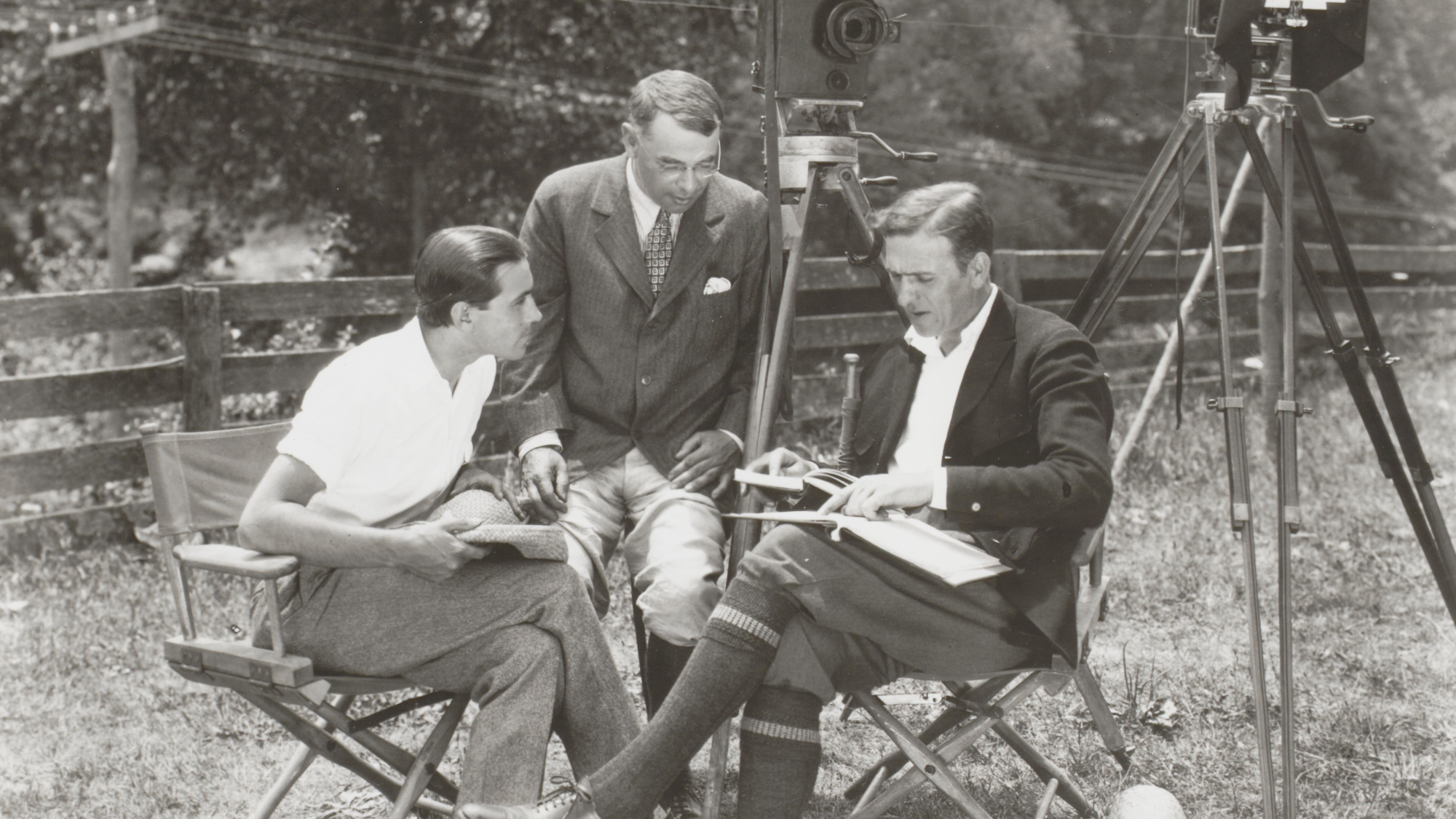
“My interest in him is cerebral rather than cardiac,” motion picture critic Harriette Underhill wrote about Richard Barthelmess in her “Photoplay” article entitled Men I Love. And indeed, while invariably considered a Matinée Idol, Barthelmess was an atypical one. Unlike most of them, he was primarily a genuine actor, and only secondly a star. The Matinée Idols existed on screen as an extension of their own image: female audiences went to the cinema to see the actors, not the characters. In his case, however, things were different: women’s sympathies were aroused by the roles that he played – as early as his first major success, D.W. Griffith’s Broken Blossoms, where he portrayed a Chinese character. Of course, his filmography also included “classic” and more romantic roles, often showing “Dick” as a delicate, charming, home-loving boy. It was his boyishness and radiant smile that endeared him to women. Nevertheless, he himself admitted: “I like versatility. And, above all, I want a good story. Not a story that’s written around me, but one that I can fit into.” He was unafraid to experiment, even at the peak of his fame. In the compelling The Enchanted Cottage, for example, he portrayed a disabled war veteran. Tol’able David was filmed for Inspiration Pictures, a company founded by Barthelmess and director Henry King. The title marked the start of their collaboration, during which they made four additional films. The story of a shy, slightly awkward young man with a touching, childlike innocence, who single-handedly confronts the evil threatening his small town and home, has endured over time also thanks to the extraordinary level of fine-grained detail in Barthelmess’ on-screen performance. The picture was hailed by fans as the best motion picture of the year, and has consistently been regarded by filmmakers and critics alike as one of the most remarkable films of the silent era.
Tamara Shvediuk