
Film notes
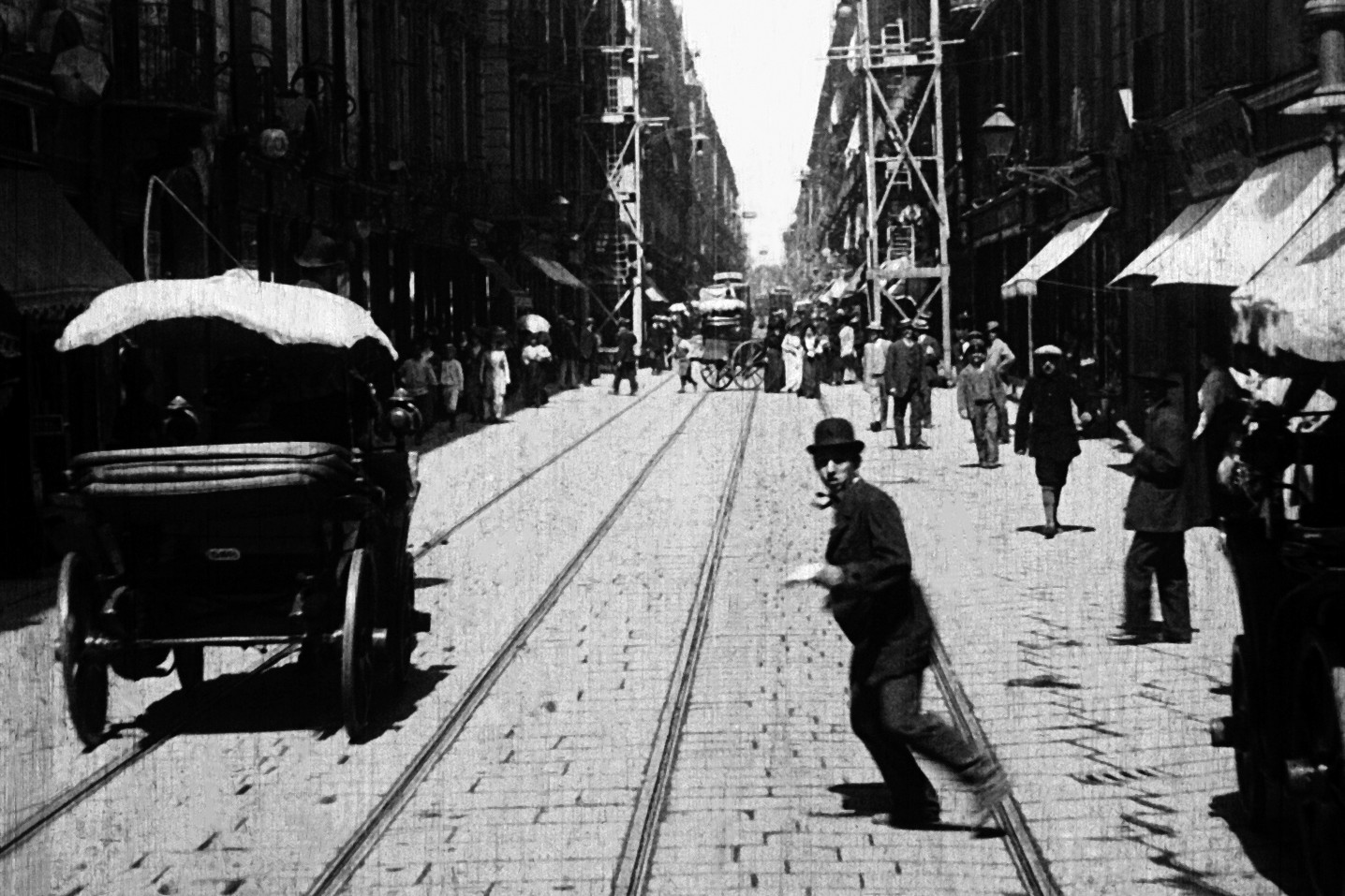
A sneak peek at five restored films that play at hiding things from us. Not the least because the restorations themselves are based on prints that are incomplete to varying degrees. Our job as viewers is to fill in the gaps as we want. The giant in Il fenomenale amico di Polidor seems the fruit of a perceptual illusion. He shows up in a tiny old man’s house to wage a war of size. He was played by Battista Ugo, who was such a hit, along with his brother, at fairs and circuses that they ended up in Barnum & Bailey. Il falso conte De Latour is between square brackets because it is a made-up title: it is still unidentified at the moment. We are not the only ones not seeing clearly. There is a sickly old nobleman awaiting an operation to restore his sight. A phony count wanders about his house. There is suspicion that he is an impostor (or an informant, considering what he calls himself). Apparently lurking in the shadows is to his advantage: he kidnaps the surgeon and replaces him with one of his henchmen, who cuts just like Buñuel. The farce La zia di Carlo was a favourite Italian silent film for mysterious reasons (Pasquali shot a remake just two years later). The moral of the fragment: beauty is relative, you cannot control love (just as in the ending of Some Like It Hot). Finally, Emir cavallo da circo, a film about which many stories have been told, reveals all its secrets. The mythical ‘d’Ambra touch’ sets in motion a lively comedy combining circus shows, a detective story and equine intelligence. If you have ever wondered what horses dream, here is some work for psychoanalytic veterinarians. We rush to the ending with Robinet ha rubato cento lire, which opens with an impressive image: Robinet, already holding on to the stolen goods, runs down the busy street shot from a moving tram. Haunted by remorse (or fear), he does not get far.
Andrea Meneghelli